September 28, 2022
Tag Archives: hotels
December 6, 2021
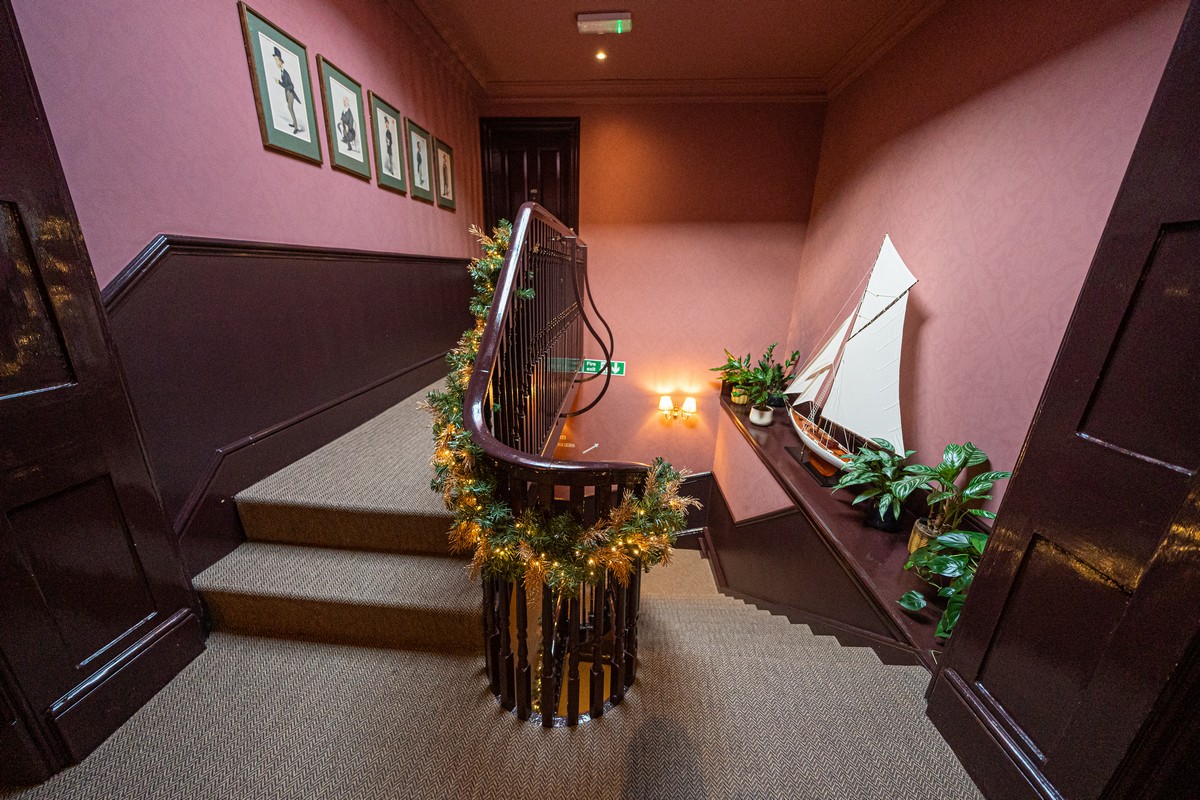
The ornate topology of old English hotels.
It’s been a while since the last instalment of my tales-from-the-places-to-stay-side (hotels tag), mostly due to the fact that the places I’ve been staying in of late have been nothing to write home – or on a blog – about. But that changed recently, when we were in London!…
We stayed a night at the mighty Mitre hotel, which is right next-door to Hampton Court Palace, as it’s the perfect location for starting out early on the sixth leg of the Thames Path!…
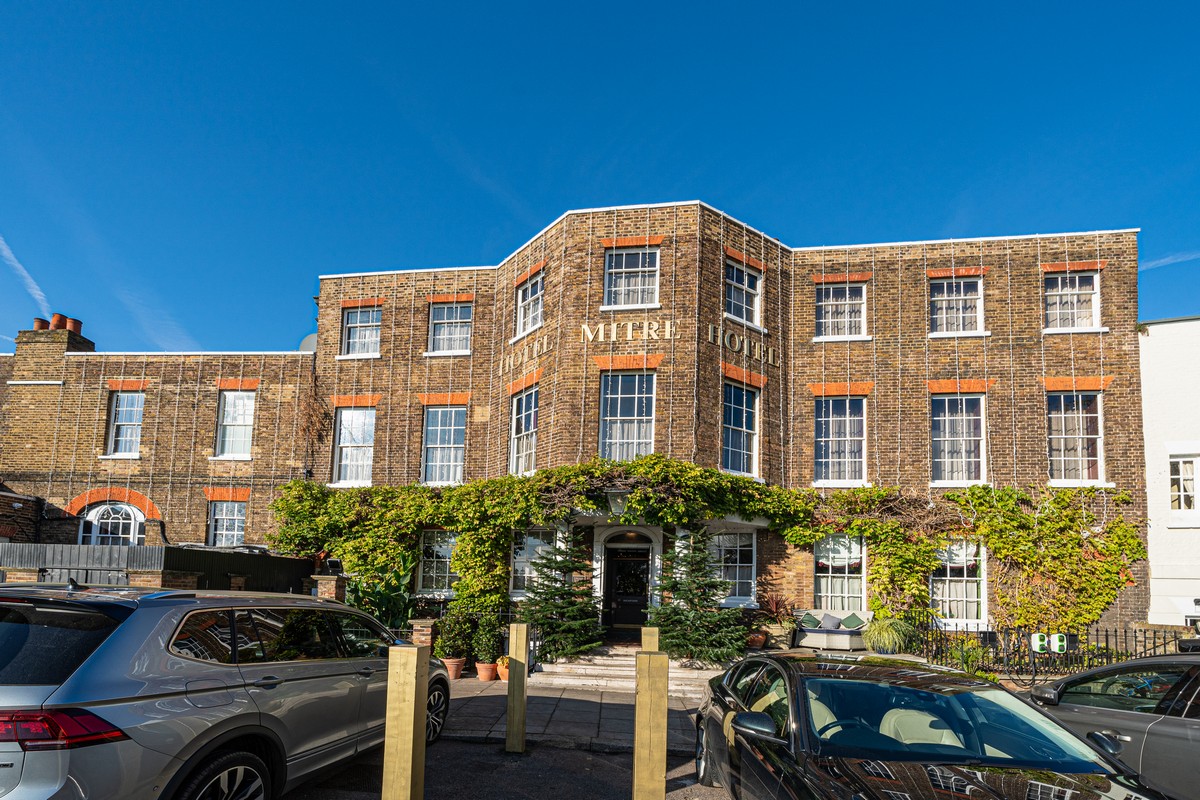
A traditional English hotel:
- Ornate if a little puzzling topology of the interior spaces;
- Thin, steep, ancient, wooden, creaking staircases!
- Old English musty-musky rug-and-fireplace smells (+ sounds);
- You could shoot a period drama here with hardly any adjustments or decorations!
October 4, 2021
Light at the end of the… reactor!
The other week a group of colleagues and I were up in St. Petersburg on business. And in among our busy schedule while there we paid a useful and informative visit to the Leningrad Nuclear Power Plant. And it was there I got my first glimpse of Cherenkov radiation (and you thought radiation was invisible?), which I’d dreamed of doing for years. I also stood on the roof of a working reactor of RBMK (Reaktor Bolshoy Moshchnosti Kanalniy, meaning ‘high-power channel-type reactor’). An unforgettable experience!
Note: since there’s absolutely no photography allowed at any nuclear facility, the photos below are all taken from the internet.
So, the main thing: Cherenkov radiation. In case you haven’t clicked the link, here’s what it says about it on its Wikipedia page: ‘Cherenkov radiation is electromagnetic radiation emitted when a charged particle (such as an electron) passes through a dielectric medium at a speed greater than the phase velocity (speed of propagation of a wave in a medium) of light in that medium’ (the links –added by me).
And you can actually see this wonder of physics – and beautiful it is too: a fluorescent blue in the core of a nuclear reactor in cooling fluid. The spectacle is a cosmically fantastic one…

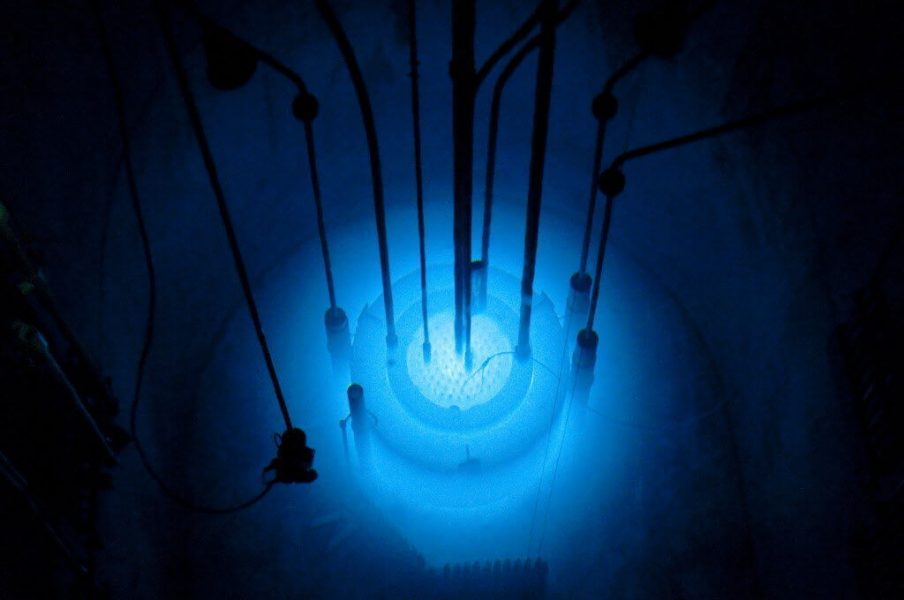


(photos from Wikipedia and here)
March 15, 2021
Eats, fuel, and places to stay – on the Kolyma Highway.
Before the next report on the next stretch of long, frozen road… a digression, albeit one central to the whole Magadan-to-Moscow-road-trip experience, or, to be more precise – to the first segment thereof – on the Kolyma Highway. And that digression is about the daily routine and practicalities of life-on-the-road and the mundanities it comprises: eating, sleeping, refueling, etc…
We start from the reindeer at the city limits of Magadan and will get to… well, let’s just see how far we get before the quantity of photos becomes excessive for a single post…
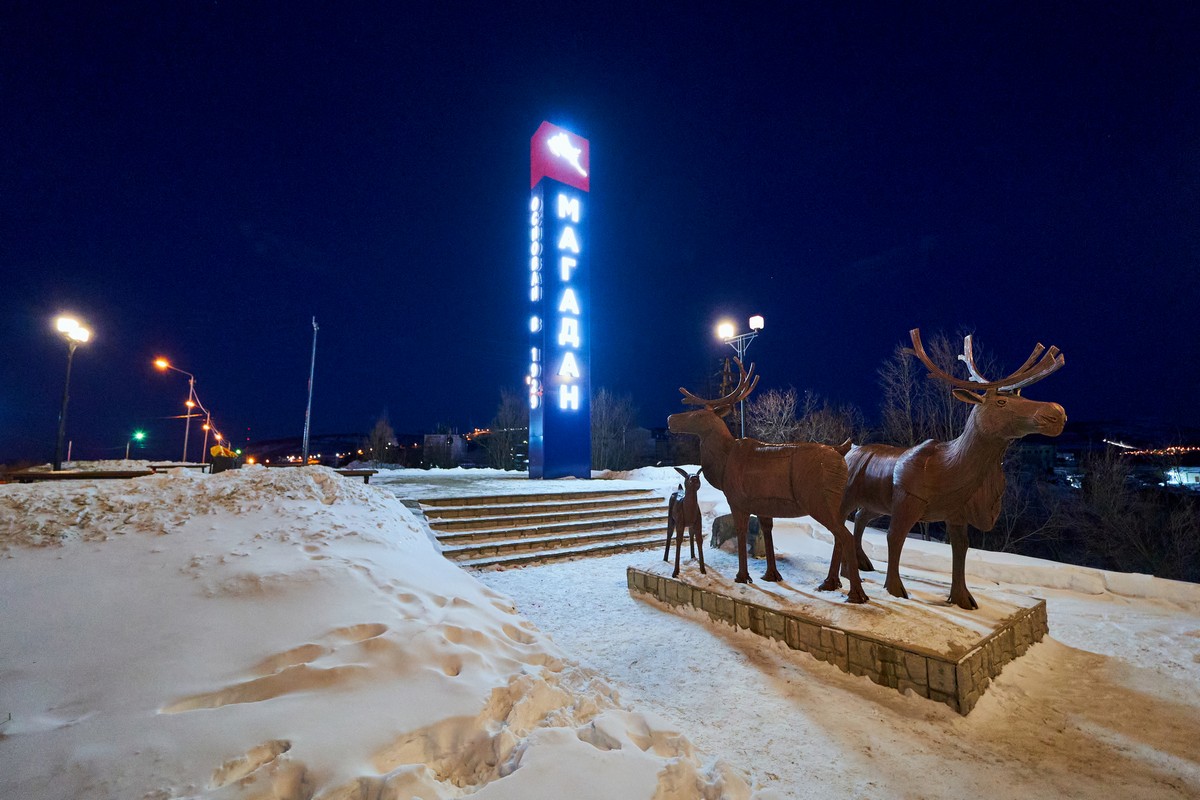
The Kolyma Highway is 2032 kilometers long, and ends (for us – started) in Magadan. In the city locals call it the ‘longest street in the world’, since it starts out as the city’s central street, Lenin Prospect, which ends (starts) at a roundabout with a TV tower in the middle of it.
March 17, 2020
Two days in Berlin, twenty hours in Doha.
Goodness me. The only thing being talked about, written about – worried about – of late is… I don’t even have to name it it’s so obvious to everyone except cave-dwellers…
Sure, seasonal viruses are commonplace, but this one sure looks anything but commonplace-or-garden. This ain’t just a kind of flu. But this also ain’t something so pandemically awful as the Spanish flu or the 1968 flu outbreak. I wonder – would today’s medicine have been able to nip those two in the bud early? Well here’s hoping today’s medicine will do so for today’s coronavirus. Btw, curiously, outbreaks like these occur almost exactly every 50 years. Spanish flu – 1918; then there was the 1968 outbreak; now – just over 100 and 50 years later, respectively – corona. Spooky coincidences.
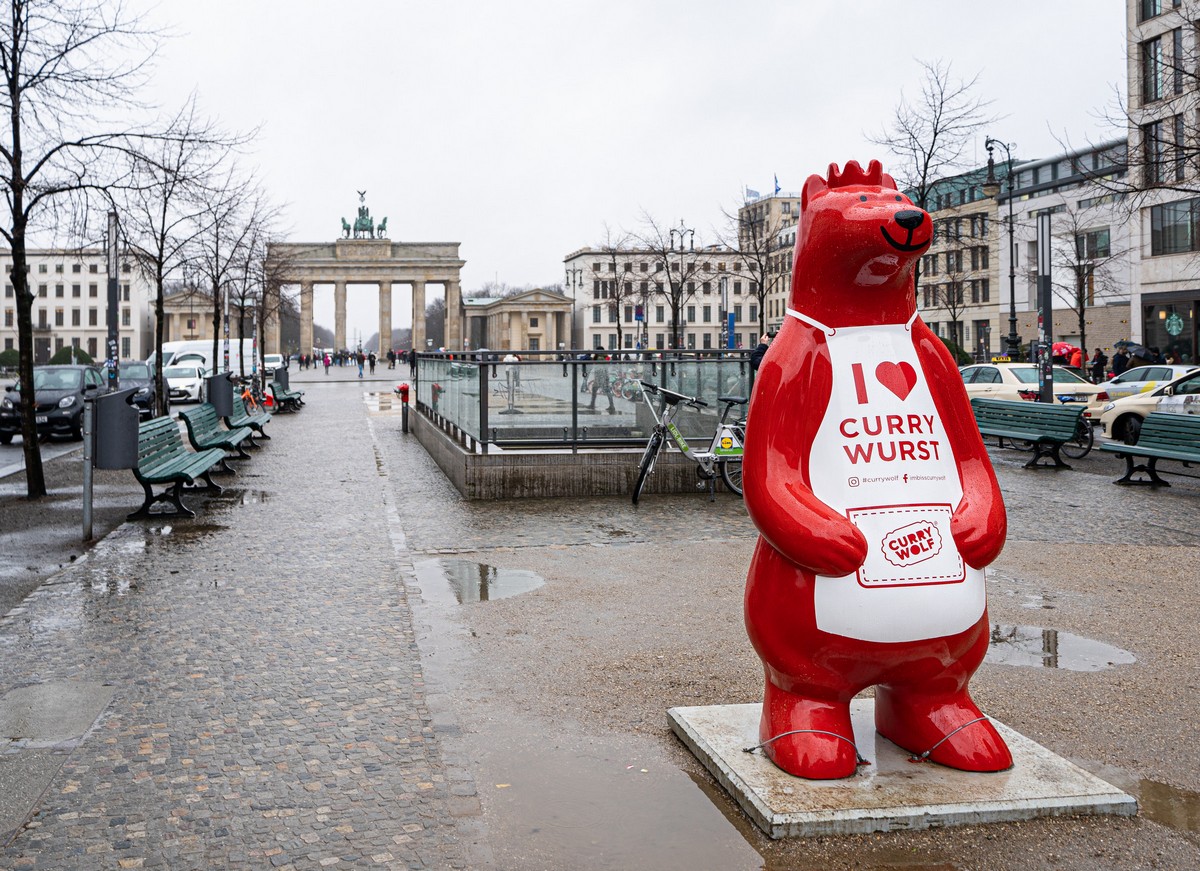
As the world enters panic mode, with quarantines, economic downturns disasters, cruise ship passengers locked-down, frenzied bulk-buying, face-masks, gloves and hazmats… what’s to be done? Get to work, I say. But extremely responsibly: social distancing, working remotely if possible, checking your health regularly, and reporting to the doctors if you suspect anything wrong. Exactly what I’m doing at the moment. But before things got really bad I had a very long business trip. Thus, as per, it was: suitcase > airport > takeoff > …Berlin!
February 29, 2020
Swimming pool in the desert.
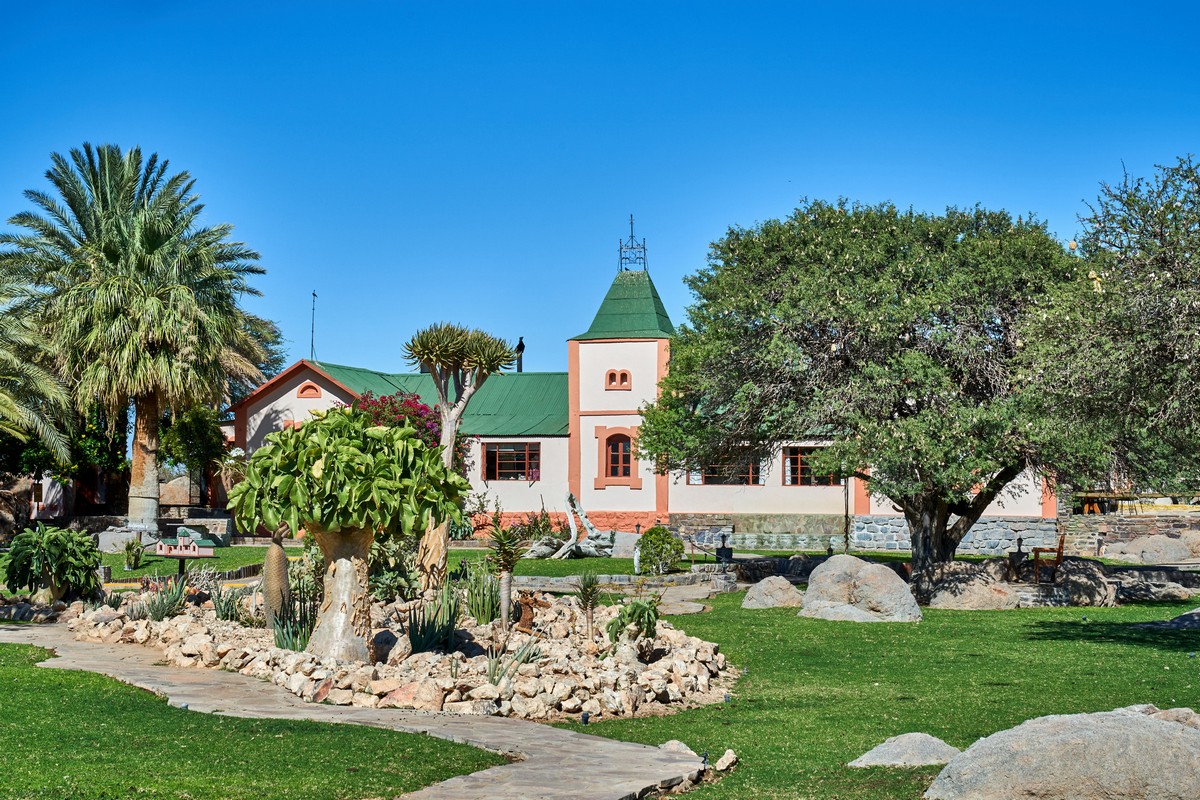
It’s time I wrote a few things about Namibian ‘lodges’. I’m afraid I’ve practically no photos thereof as we’d check in late in the evening and leave at dawn. However, at the Fish River Canyon, we planned for an early night and late rise, since our next day’s trip was going to be quite short – only 270km. The place was pretty good: Canyon Lodge Gondwana. Reception and the restaurant and bar are in one building, while the guesthouses are set in a most picturesque landscaped setting:
December 16, 2019
The Yucatán tales: road trippin’ and accommodation.
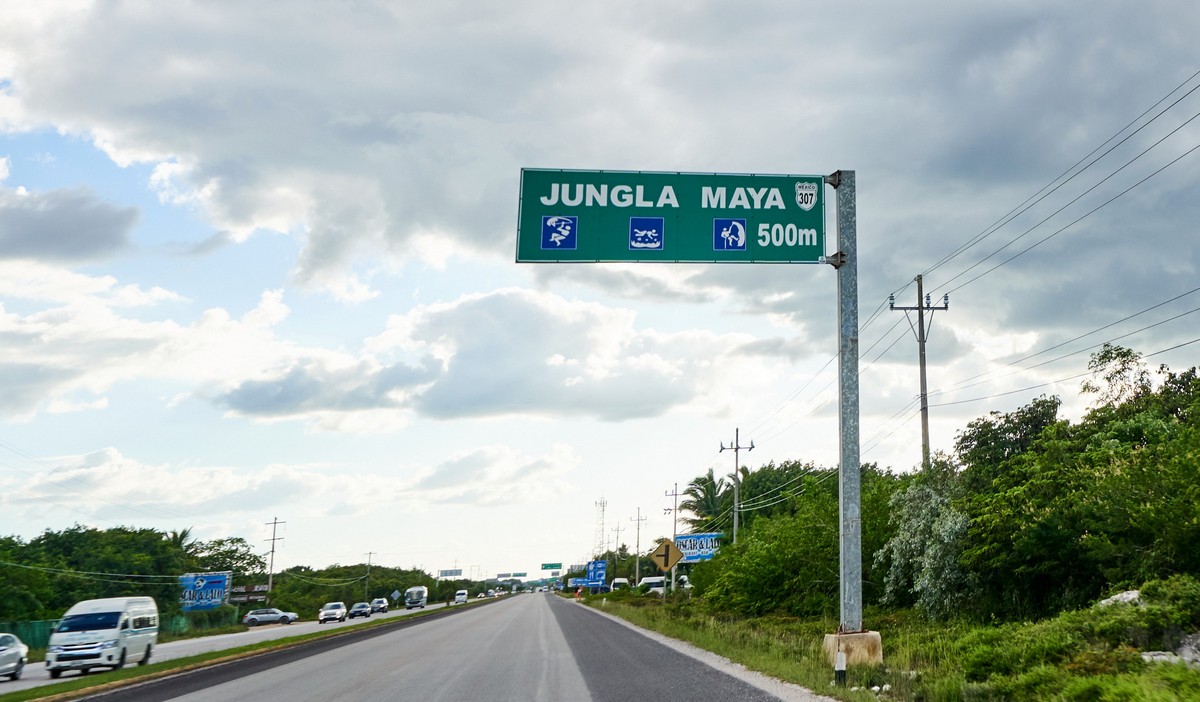
To conclude my Yucatán tales, I’ll tell you a bit more about my time on the road and the day-to-day experiences. The roads are actually not bad here, especially the highways heading south from Cancún along the coast and those heading west across the entire peninsula. The north Yucatán route is pretty good, with an excellent toll road (and not that expensive) with almost no exit ramps. There’s also practically no traffic and no filling stations :) The road heading south along the east coast is not bad either, but we hit a few traffic jams along the way. On the upside, it’s free, the road surface is smooth and there are lots of signs, so there’s little chance of getting lost:
September 25, 2019
For the remoteness connoisseur: an overnight stay in a Mongolian yurt – a ger.
I anticipate a few logical questions re our lodgings during our few days in Mongolia: what kind of yurts (in Mongolian a yurt is a ger, btw) did we stay in while in the Gobi Desert? Were they comfortable? Were they cozy? Were they warm? Were the beds comfy? Was the home-made bread tasty? Were your hosts hospitable?…
Ok; herewith, what I found out about yurts ->
First off – perhaps the most striking thing about yurts: the fact that you must enter or leave one with the right leg first! The same goes for hands, as in – you must give something to or take something from someone inside a yurt with the right hand – never the left. Such are the nomadic customs round here. I’m sure there are plenty of others, but we only got to find out about the main ones.
The second most striking thing: what you’re served to drink in a yurt – camel kefir! Tasty it is too. Goes down real well with freshly baked pita bread.
Generally, your nighttime experience in the Gobi Desert may be comfortable – or not. For example there are cozy nomad’s yurts with camels and goats tethered next to them; staying in one of these is comfortable. You may, instead, find yourself lost in the steppe with no map, compass or sat-nav; such an experience at night is the uncomfortable, scary variant ). The third variant is staying at the equivalent of a five-star hotel in the Gobi Desert, for example at Three Camel Lodge. As you can see – this is another comfortable variant.
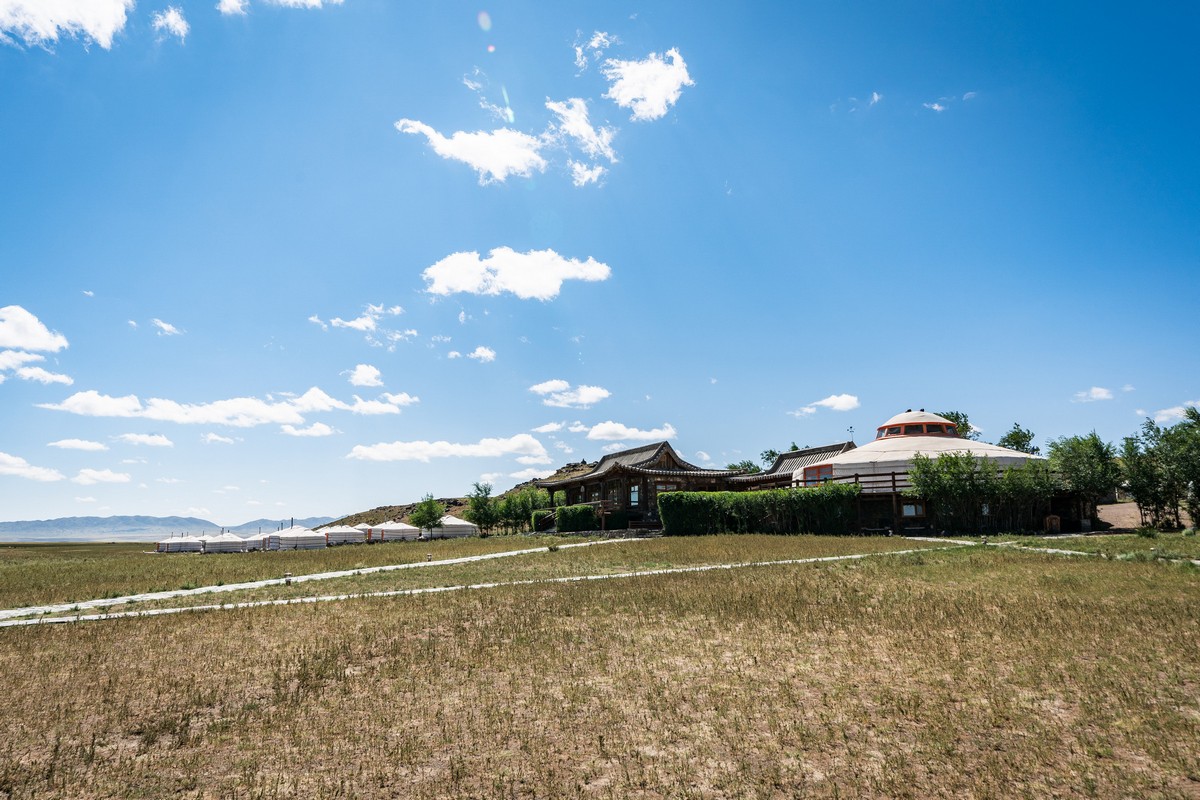
Here it is!
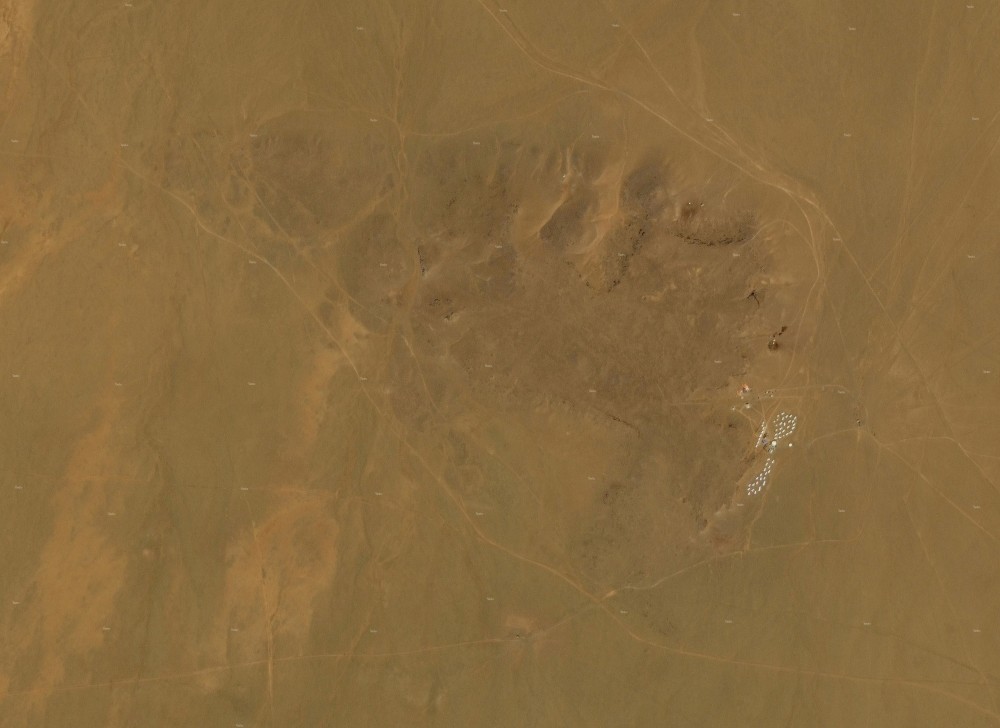
Oh my Gobi: you can’t get more ‘middle of nowhere than this. I wonder, is this the world’s most remote hotel?! Certainly one of them!
May 30, 2019
German triangle.
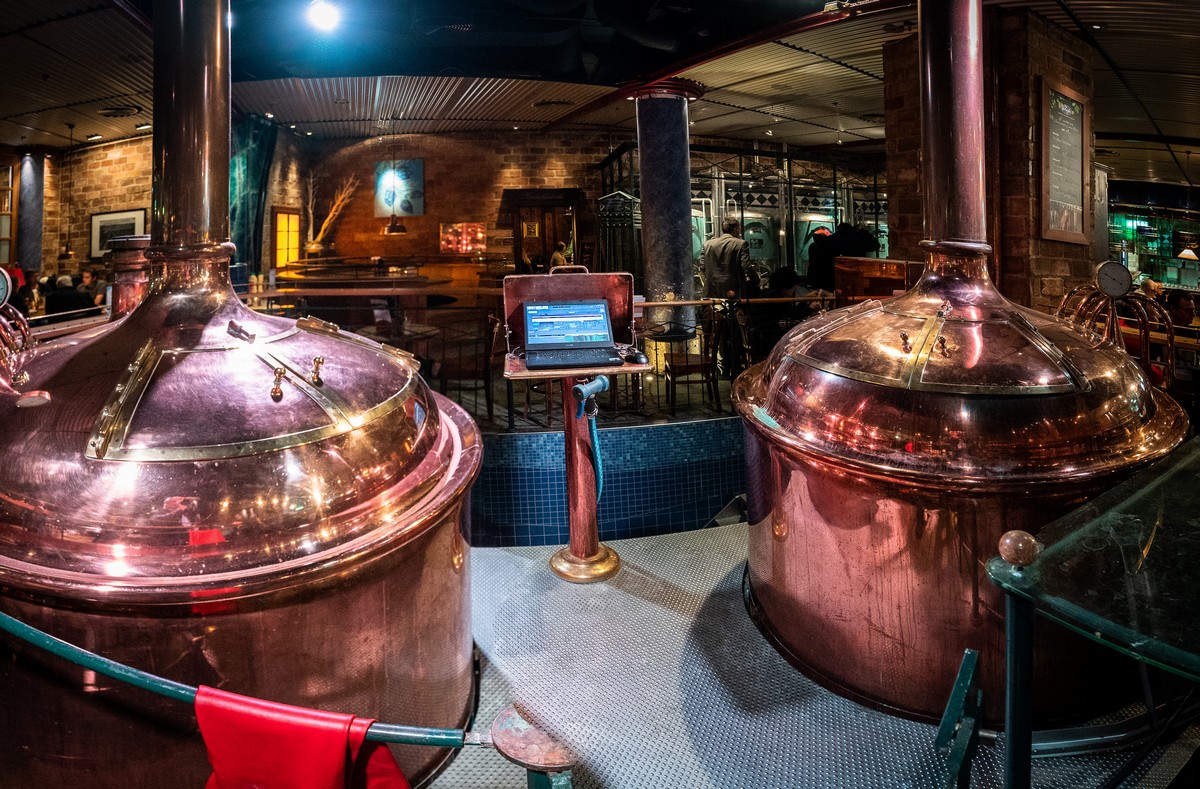
The other week I pulled a three-day Russia-Germany triangle: Moscow – Munich – Berlin – Moscow. Though it wasn’t such a long-sided triangle, it all the same was a toughie, as so much was packed into my itinerary. However, I didn’t even manage to get myself to Munich itself, only having got as far as its airport. But then, Munich Airport has its own… brewery, so I wasn’t complaining ).
The brewery is right in the middle of one of the airport’s restaurants too – so that’s two unusuals already; I wondered if the beer was going to be unusual too…
April 27, 2019
Buryatia and Transbaikal – the Buddhism center of Russia.
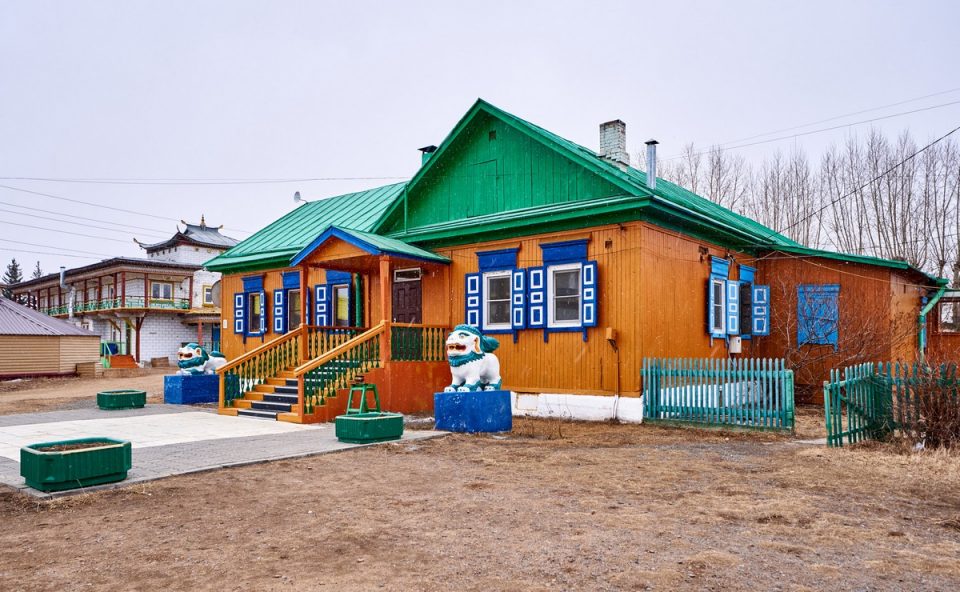
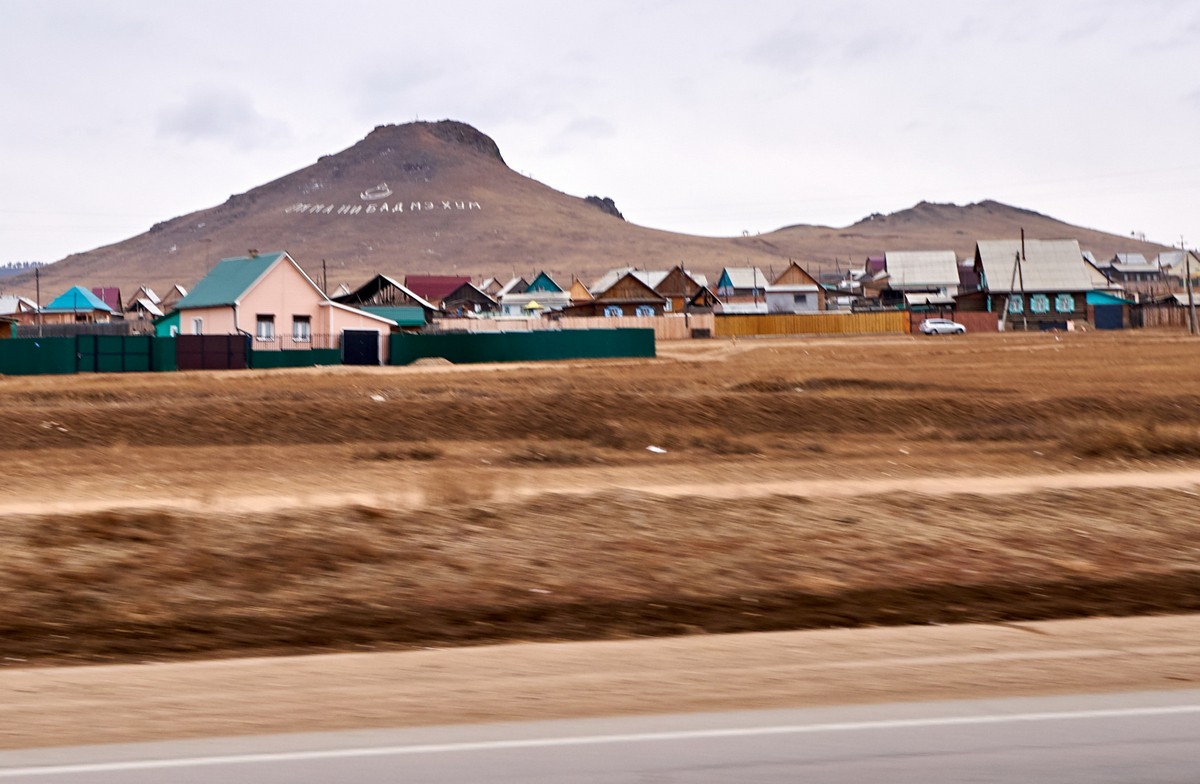
Buryatia and Transbaikal are two of the main centers of Buddhism in Russia. As if to demonstrate this, not far from Ulan-Ude there’s the great Buddhist monastery-university Ivolginsky Datsan. Another demonstration: on the way to the monastery there’s the famous Buddhist mantra emblazoned on a hillside: Om mani padme hum.
Datsan’s an interesting place well worthy of a visit and walkabout thereat. First impressions – a slightly Russified version of a Buddhist temple complex in China: