Tag Archives: hotels

Amazonian habitation – pt. 2: river-based.

Bem-vindos de volta, pessoal!

As promised, the second part to my report on our lodgings in the Brazilian Amazon. Land-based: done (yesterday); today… see the title!…

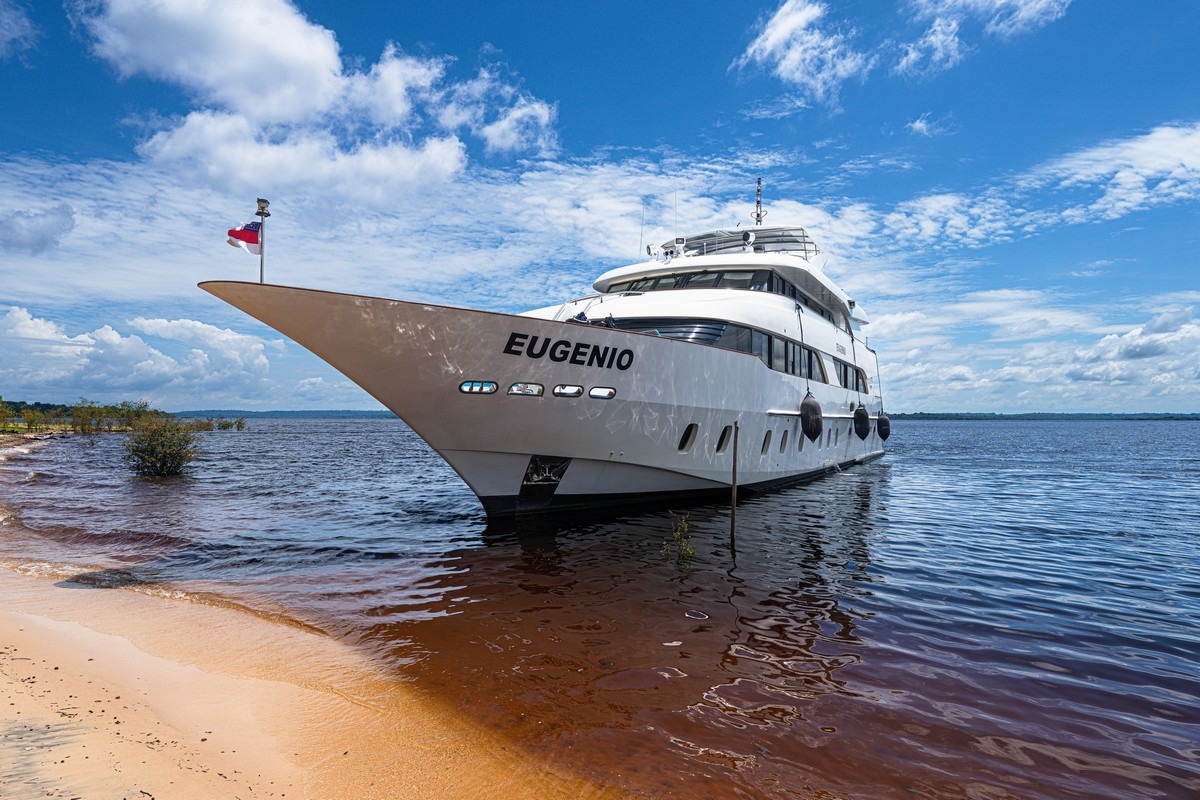
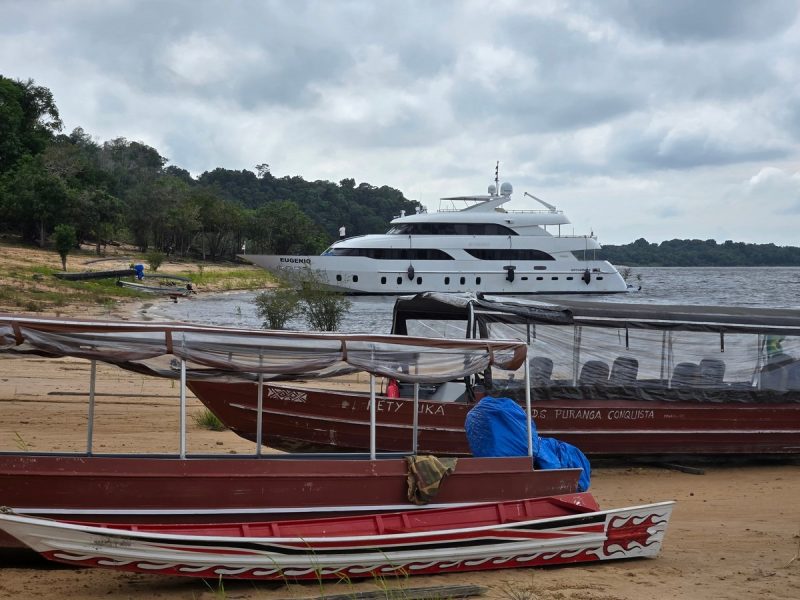
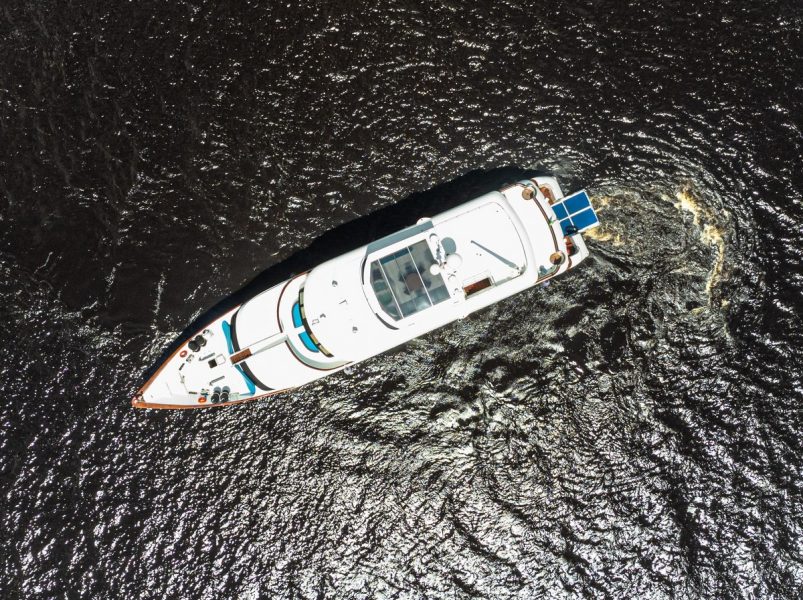
If only I’d known beforehand, I’d have made a point of lingering aboard this vessel a good while longer. I’ll come clean right away: faced with several options, we didn’t go for the one that would save us money – we picked this little boat based on… can you guess?! ->

There she is, parked alongside the more budget-friendly options :) ->

Read on…

Amazonian habitation – pt. 1: land-based.

Olá pessoal!

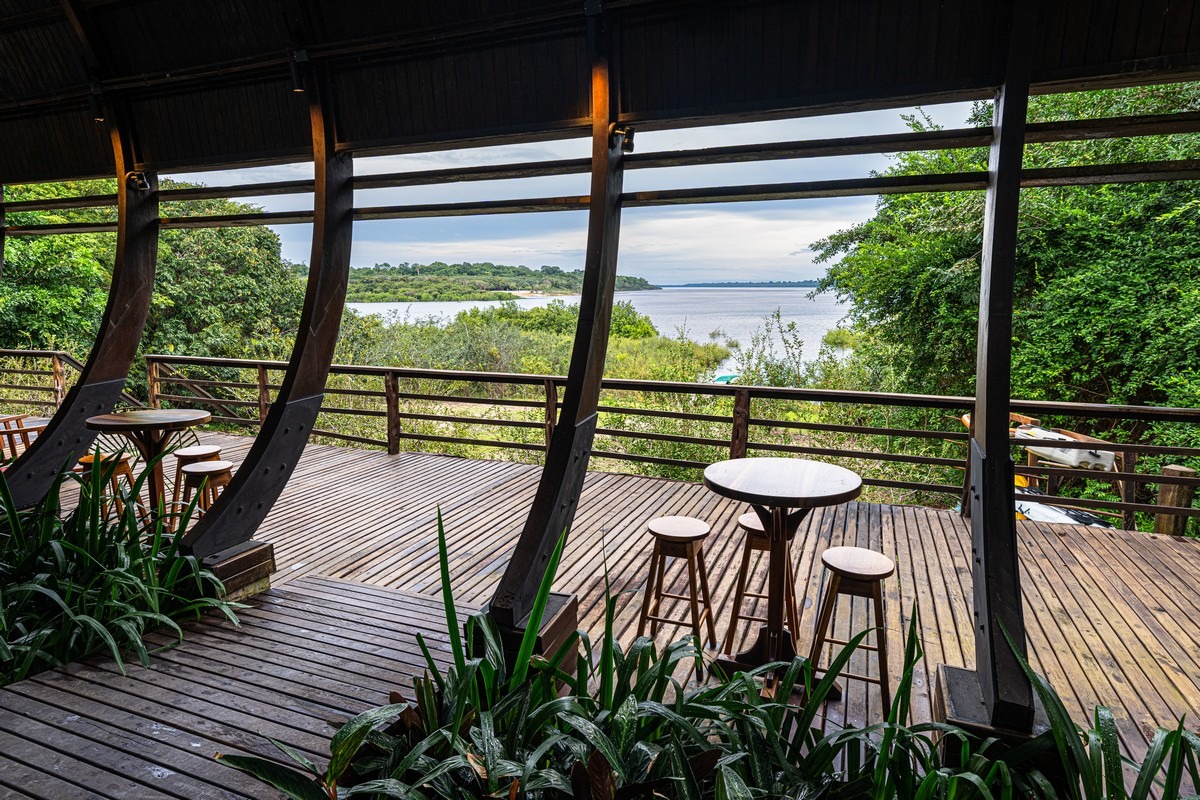
It’s time to tell you about the places we stayed at in the Brazilian Amazon – those on water and on land. Today: land – and there was just one: the Mirante do Gavião hotel. And since we checked in straight off the yacht – that is, from the river side – and left by seaplane, we never did get to see what it looks like on the other approached-by-road side, but only from the river – and from the inside:

Read on…

A cozy night in the desert.

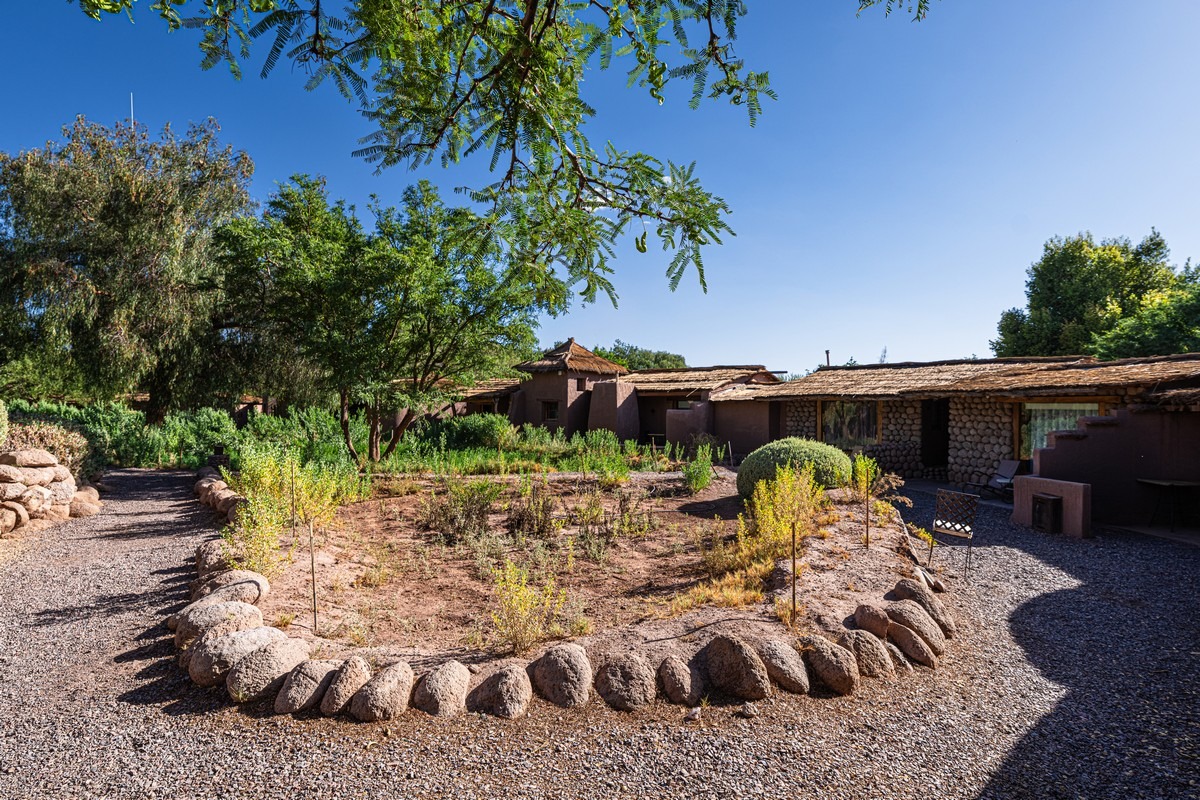
Our South American road-trip early this year was a belter – as regular readers already know. As per, thousands of photos are still being sorted to be turned into (hopefully interesting) photo-based stories, with videos getting uploaded too. As usual, I’m sharing practical info along the way: the routes we took, where things are on the map, where we stayed, what the comfort levels were like – that kind of thing. And on today’s menu: where we stayed in Chile’s Atacama Desert in the town of San Pedro de Atacama (here)…

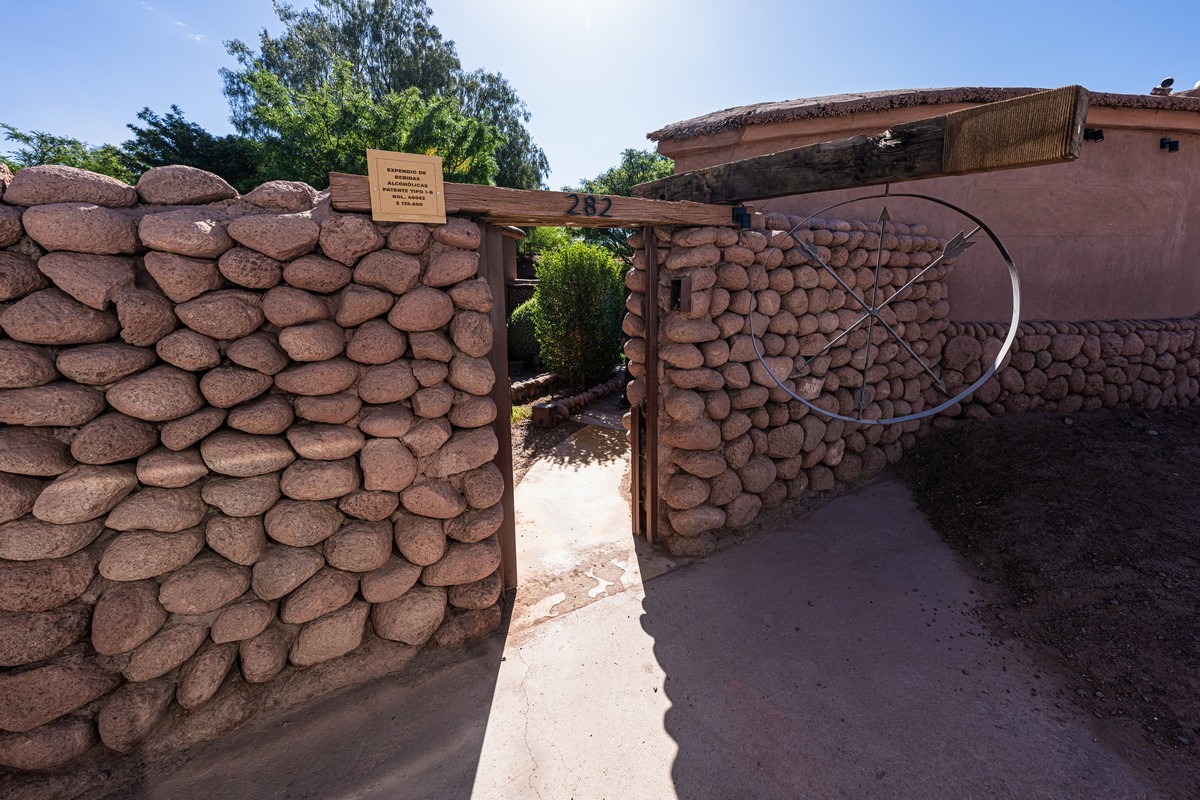
It was a hotel called Our Habitas. It belongs to a chain of stylish hotels in cool locations around the world (Latin America, the Middle East, Namibia…). But this isn’t an ad for the chain or this particular hotel. There are other solid options here too – including simpler and cheaper ones. We just happened to stay here, so that’s what I’ll be writing about. Let’s go!…

Read on…

Argentinian places to stay: Huacalera.

I was a little too hasty in my last post when I ended it with “that’s a wrap on Argentina“, for there were the traditional post-scriptum posts I’d forgotten about. All about Argentina’s roads – in the next post; in today’s – all a few words and pics about eats and sleeps in Argentina…

For the most part, things were as we expected. Down south in Patagonia we found plenty of comfortable little hotels and decent campsites. But when we got to the Jujuy Province, we landed in what felt, by local standards, like the lap of luxury!

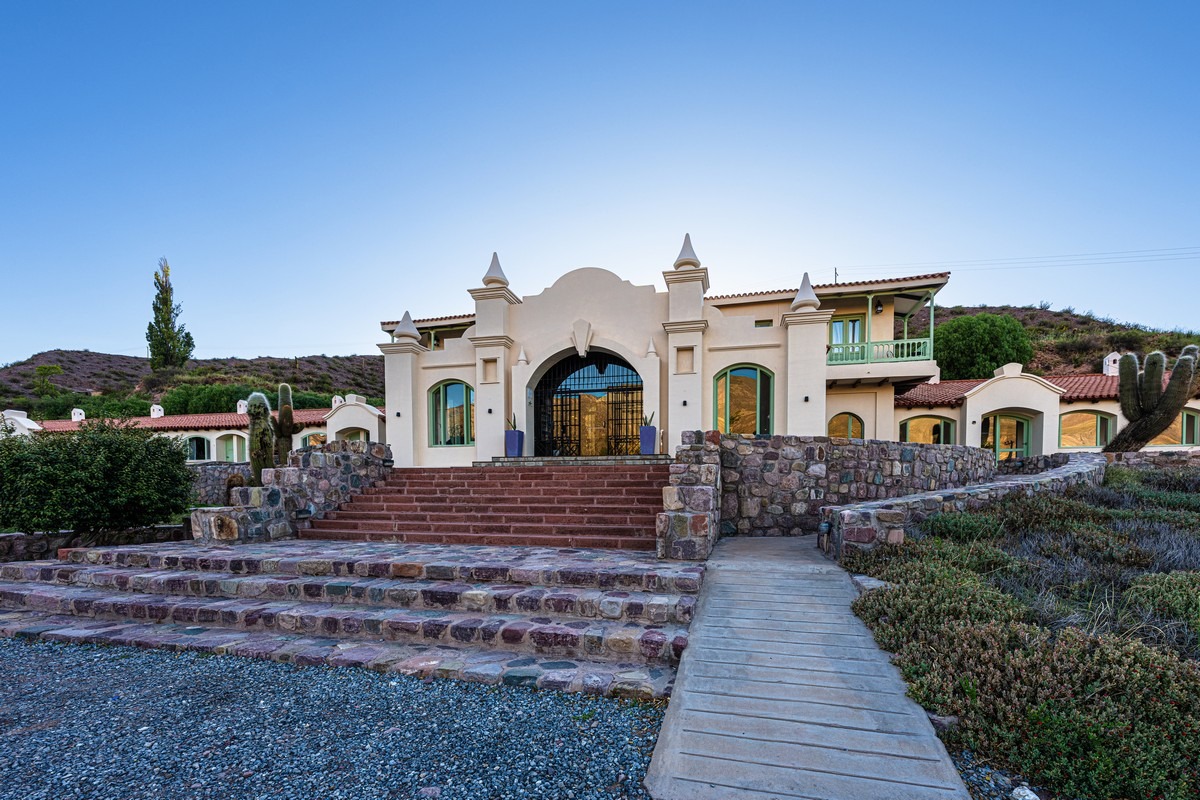
Case in point: the Hotel Huacalera. A wonderful hotel! We saw online that it has a pool, but we weren’t really in the mood for that kind of relaxation. All we needed were showers and a good night’s sleep, and to get moving again the next morning. But hey, when a little extra comfort is on offer, why not? ->

Read on…

Where does a Kamchatka trip begin?…

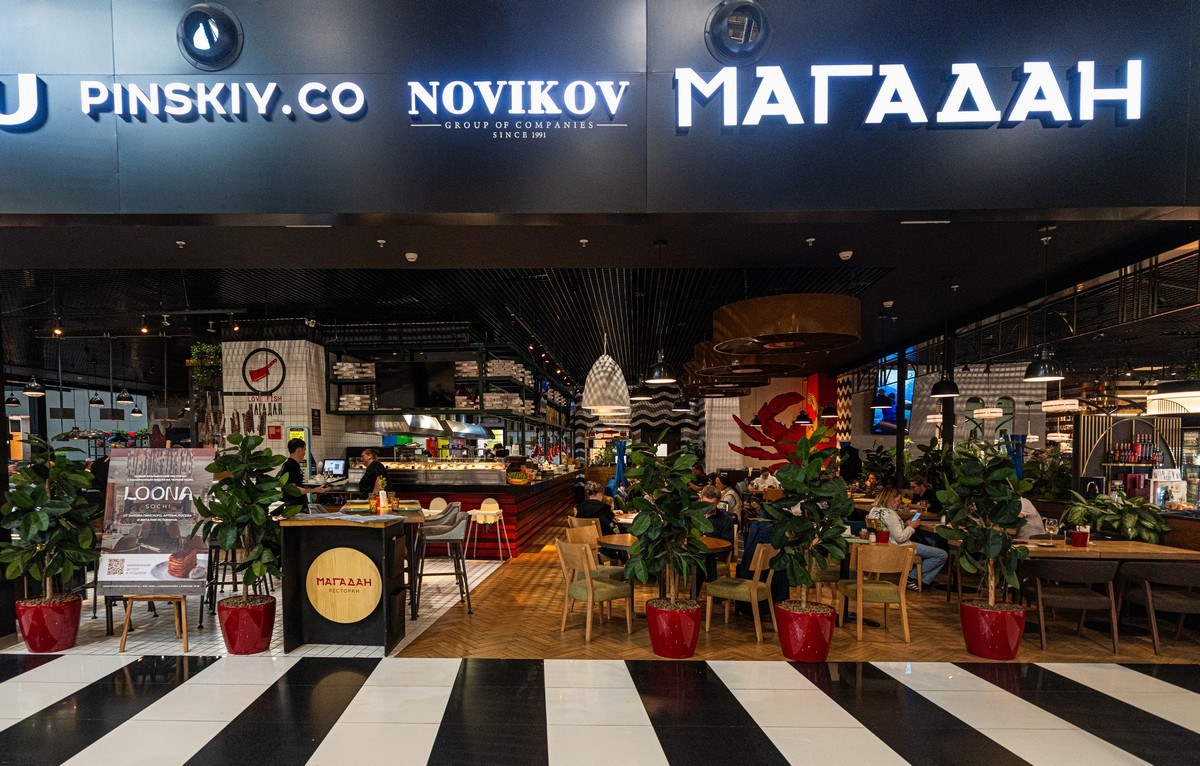
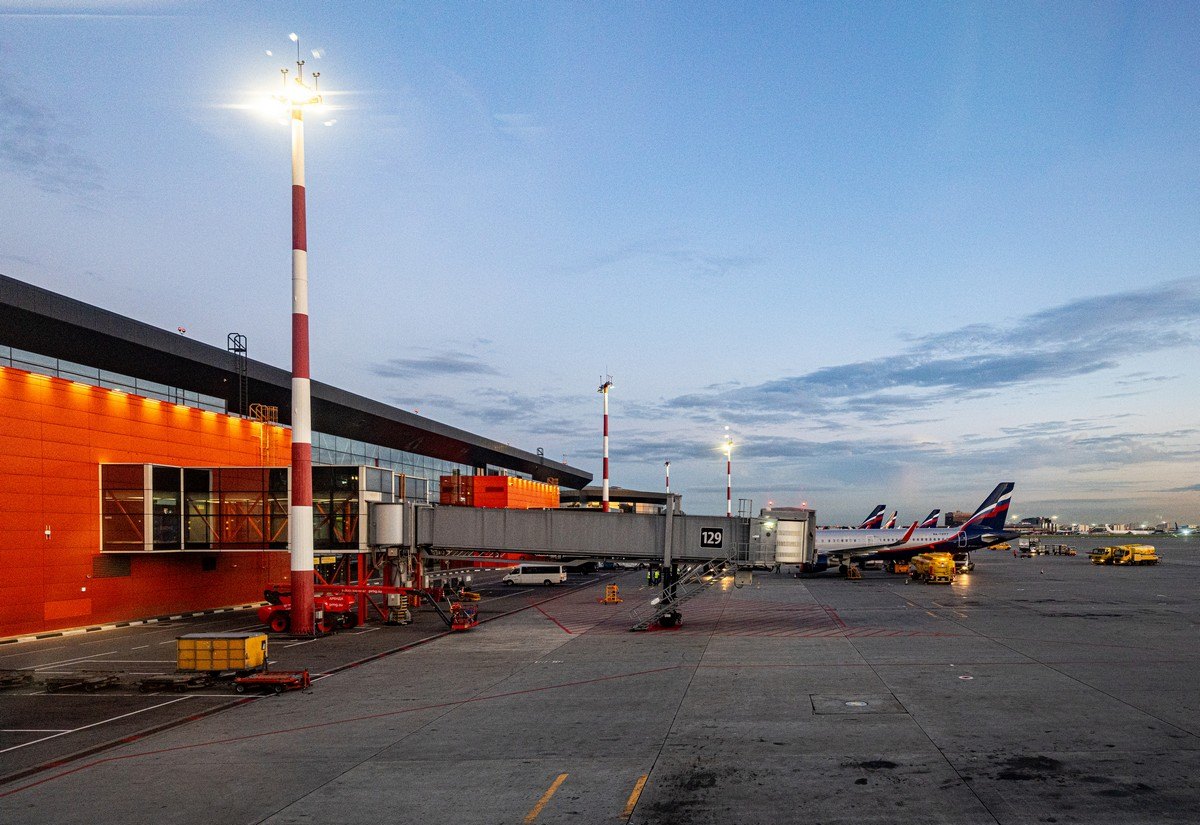
…That’s a rhetorical question. Of course, a Kamchatka expedition begins… at the airport :). But it depends on where you’re flying in from. For me, my trips to Kamchatka have pretty much always started at Sheremetyevo Airport (Terminal B for many years now), with the whole crew traditionally meeting up in “Magadan”…

// Which reminds me… Once, we congregated in Magadan, several hours later landed in Magadan, and another hour later dined in… Magadan :)

This time it was simpler: we were flying straight to Petropavlovsk-Kamchatsky!

Read on…

Lat-Am places-to-stay – what can I say?!

Ok folks… time to share my impressions of the places we stayed at during our January trip through Latin America

Overall, everything was excelente! The only trickiness came on the Inca Trail: we had to spend the cold nights in sleeping bags in tents, but, given the lack of hotels up there, what else could we do? Still, the amazing huge meals we were served on the Trail made up the tents thing; but back to the excelente bits…

Naturally, in urban locations, we tried to stay in decent places – if there were rooms available: unfortunately, we only made the final decision to go on our LatAm-2025 trip about a month earlier, so accommodation wasn’t always available (also: permits to climb Huayna Picchu, next to Machu Picchu, were already sold out). The moral: book everything well in advance!

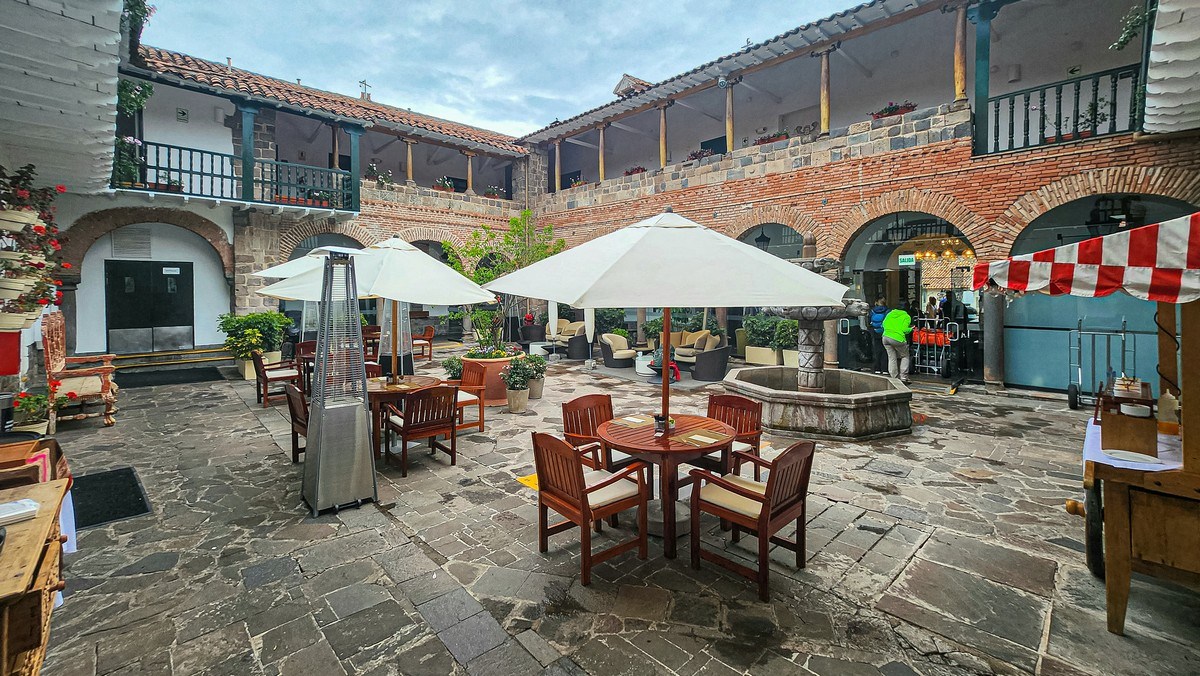
In both urban and even rural areas you can find quite decent places to stay. Here, for example, is the courtyard of our hotel in Cusco, in the Spanish colonial style:

Read on…

The Uru reed-dwellers of Lake Titicaca.

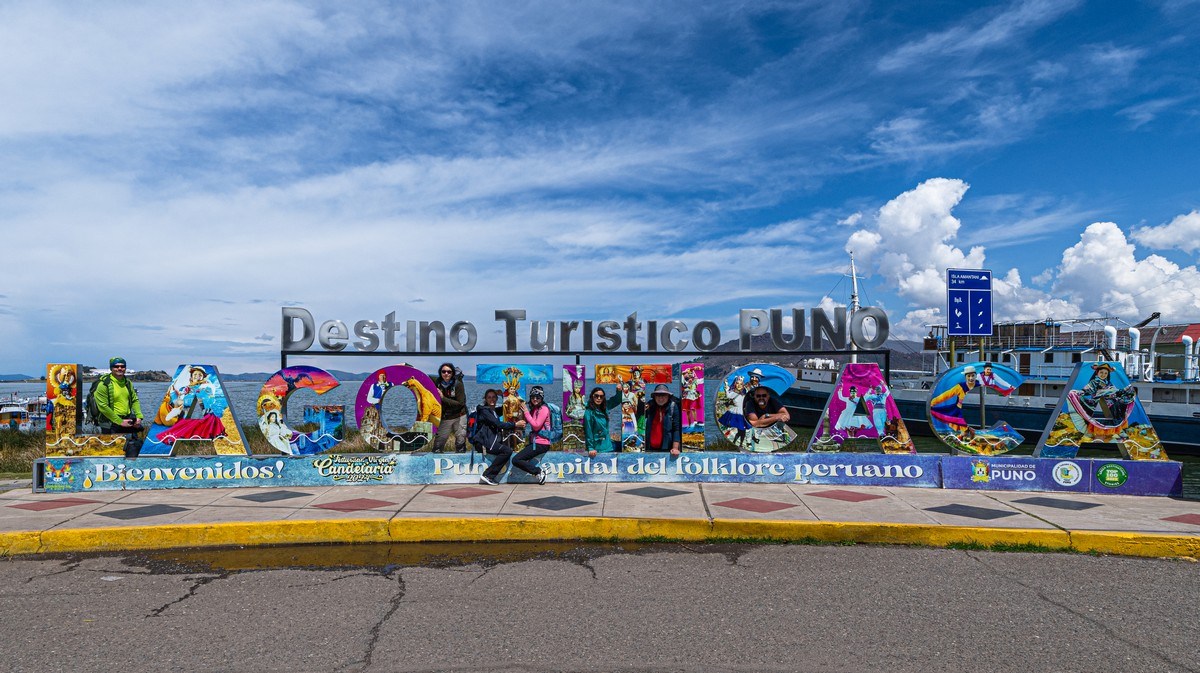
Next up on our Latin American trip was the legendary Lake Titicaca – the vast high-altitude (elevation: 3812 meters) freshwater lake…

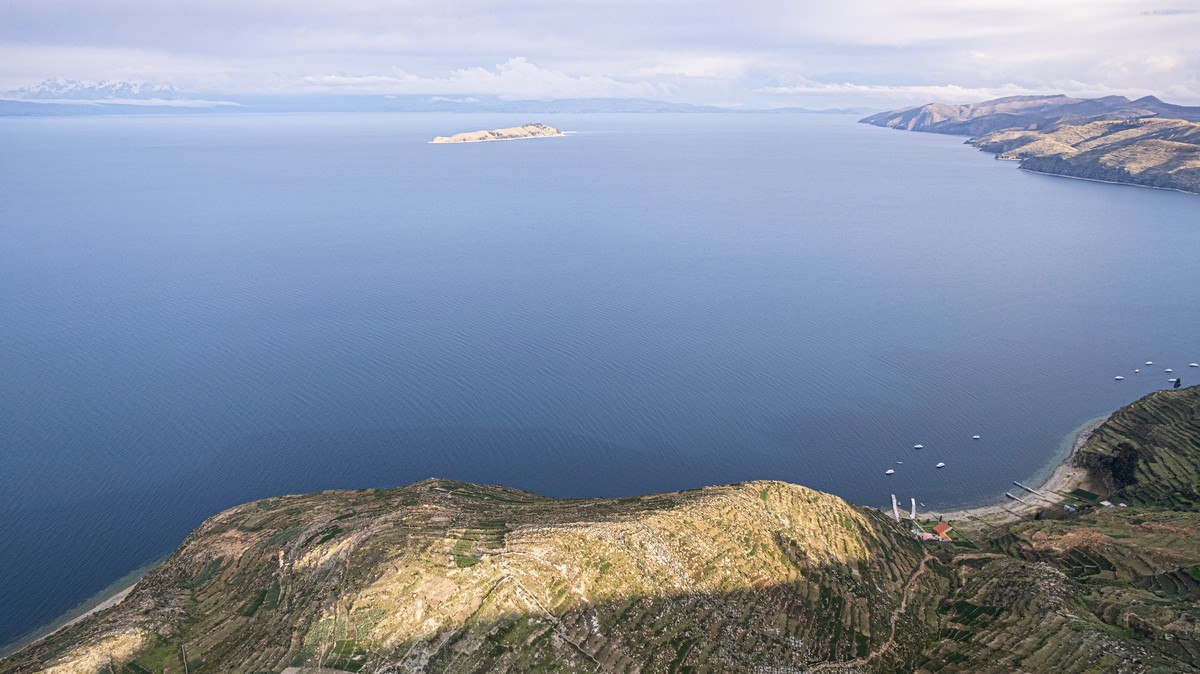
That photo’s a bit ahead of the story, as it was taken from the Bolivian side of the lake; we were still on Peruvian territory…

Our main goal was to visit the floating reed islands of the unique Uru (Uros) people. Let me first tell you a bit about them…

A long time ago – even before the rule of the Incas – these people lived on the shores of Lake Titicaca. But as the Inca Empire expanded, conquering more and more land, it eventually reached around here. The Uru didn’t have many options: either perish fighting against the much stronger invader – or surrender (into slavery).

But the Uru found another solution: they got into their boats and sailed out across the lake to hide in the reed marshes several kilometers from the shore. And since the Incas had come to stay, the Uros remained in the reeds. They built islands and houses and lived there so as to escape the conquerors. When they were eventually discovered, the Incas didn’t wipe them out (perhaps they were satisfied with their conquests by then) but instead imposed a small tax on them.

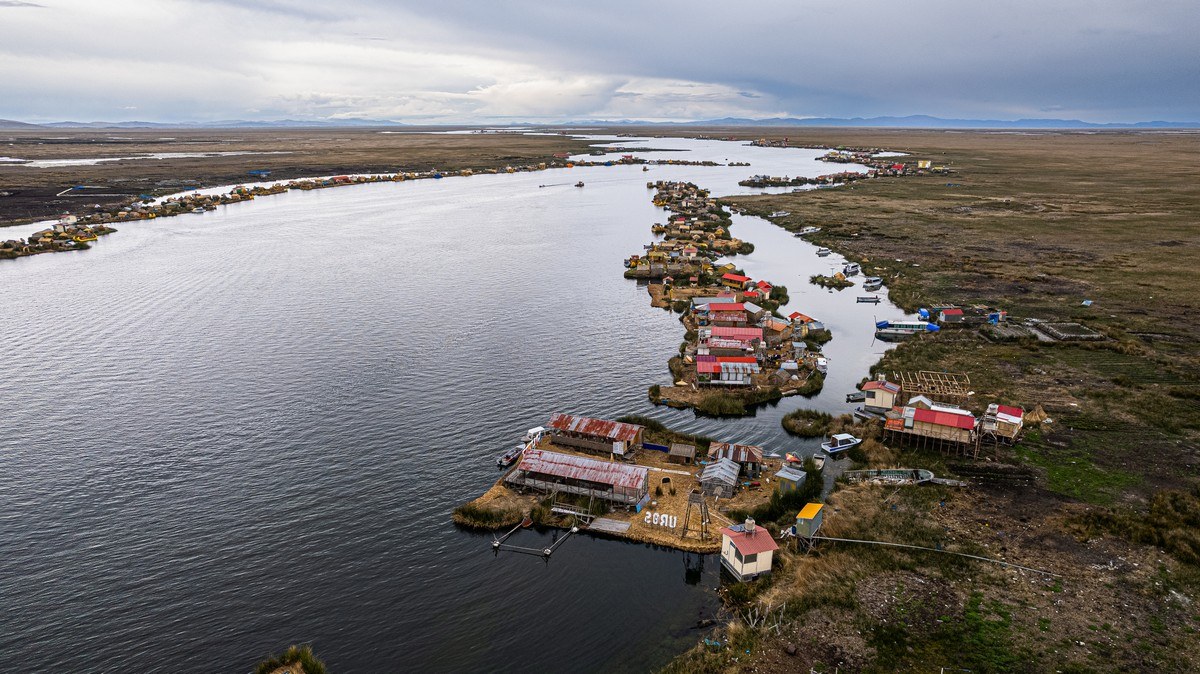
Centuries passed – the Incas were wiped out by the Spaniards, Peru eventually gained independence from Spain, and much water has since flowed from Lake Titicaca – yet the Uros people continued to live on their floating islands, and still do to this day! Something like this:

Read on…

Kamchatkan accommodation – from guesthouses to… oversized steel barrels!

Hi folks!

You’ve had volcanoes and geysers and out-of-this-world scenery; now for the more practical side to life in Kamchatka – where to bed down of a night!…

First, let me state the obvious: Kamchatka’s no resort. It has long beaches, but the ocean’s always cold; and Kamchatka’s also hard – and expensive – to get to given it’s so remote. Accordingly, there aren’t the corresponding hundreds of large chain hotels dotting its coastline. But, obviously, there have to be places to stay – and there are; they’re just more modest than your Marriott’s and Hiltons, etc. Nevertheless, the places to stay and the level of service at them is decent, and getting better by the year – as we keep finding out ourselves…

Our first overnight is practically always in or near the village of Paratunka, not far from Petropavlovsk-Kamchatsky – here. Why? Because it’s built upon magical hot springs: hot, pure mineral water on tap and in the pools of all the guesthouses in the village – which range from the bare basics to rather the luxurious…

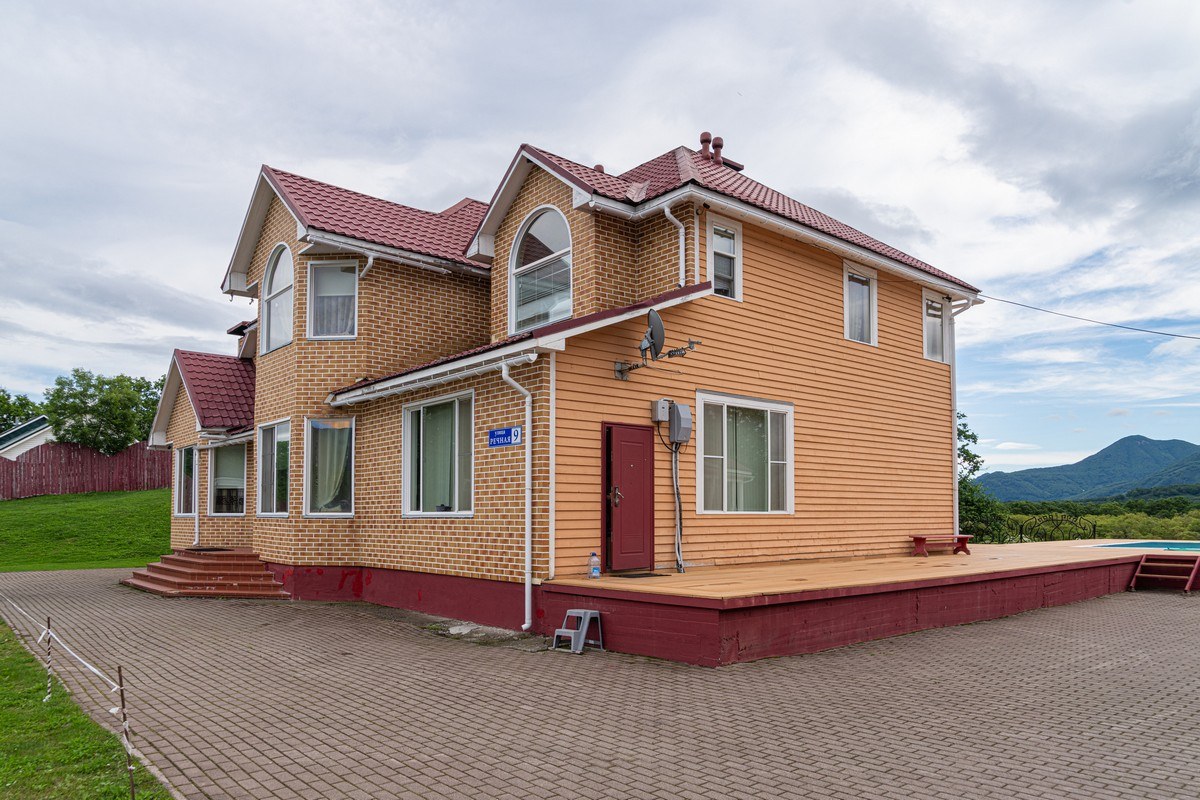
This year we spent the night in the village next door to Paratunka called Termalny (Thermal). And here’s the guesthouse we stayed in:

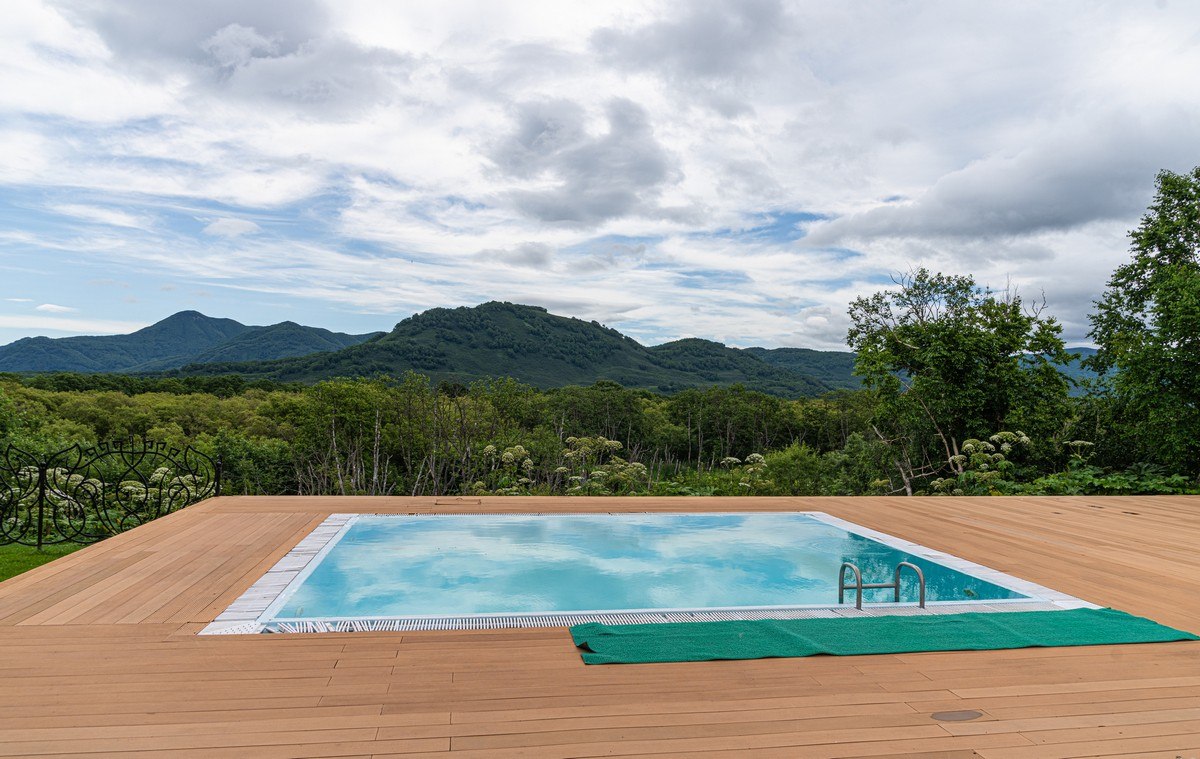
And here’s its naturally-heated pool. Yes – new. Yes – very nice! And just look at the view!…

Read on…

Kamchatka-2024 – Part 4: Could this be the world’s remotest hotel?

At the foot of Kizimen volcano in Kamchatka – literally in the middle of nowhere, with no roads or settlements for 70 kilometers – today there happens to be… a five-star tourism base (here)! ->

What? The lap of luxury – out here?! Pretty much. For there’s hot springs, a marvelous view of Kizimen, digital detox (at least – partially; more on this below), delicious food, hunting & fishing, mosquitos, bears and assorted other pamperings to please office plankton. They’ve even done something to prevent insects from coming near the complex!

Read on: Kamchatka-2024 – Part 4: Could this be the world’s remotest hotel?

Araucanía Region, Chile: natural beauty – plenty.

Sollipulli volcano – conquered. So what else is interesting around these parts (in the Araucanía Region)?

First, much of the local population is made up of indigenous South Americans – the Mapuche. And you can tell this simply by walking along the bank of a lake here. Different toponomies are also curiously interesting; for example, we passed a road sign with Das Dorf on it: clearly there are plenty of Germans here too…

But for me the main things here are the natural beauty and the meditative views. For example, there’s the Villarrica volcano (named the same as both the lake and town it towers over)…

Read on…