September 28, 2019
On Lovushki – scenes surreal: a paradise for the seal!
Hi folks!
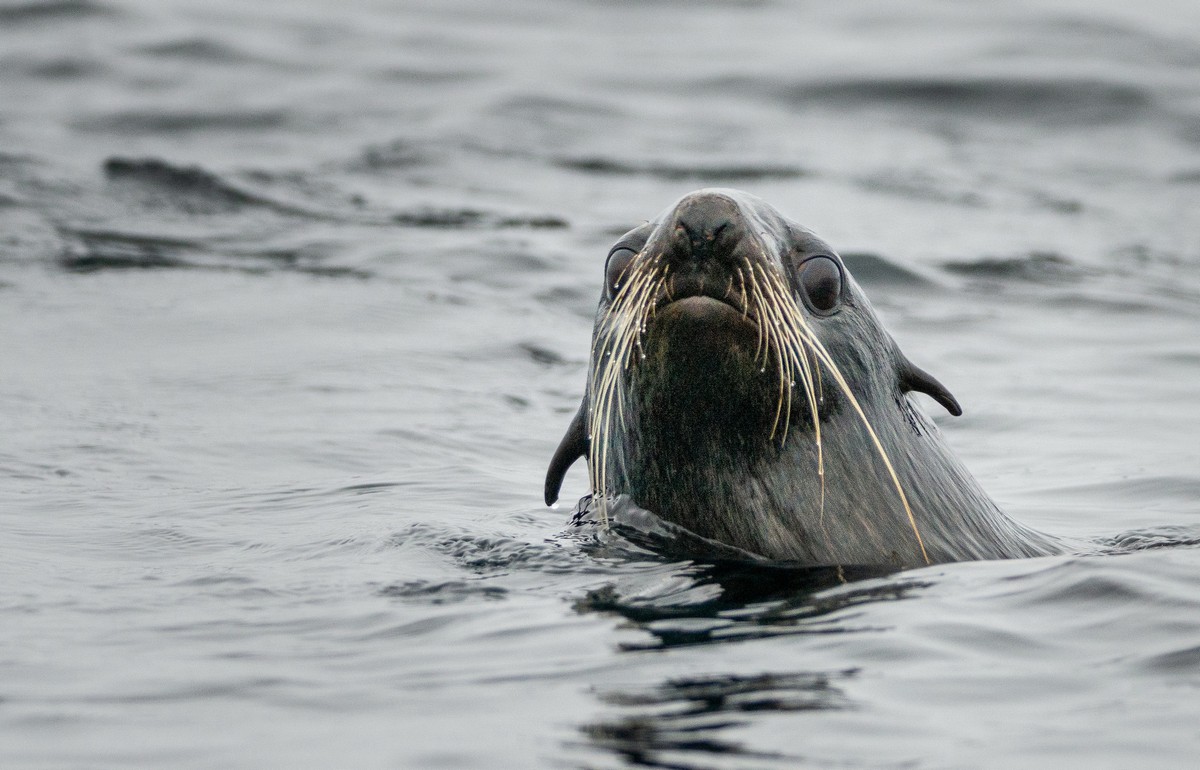
The topic of today’s post – these cute little charmers:
https://www.instagram.com/p/B1olBCjAUGA/?utm_source=ig_embed
But first, some intro….

NOTES, COMMENT AND BUZZ FROM EUGENE KASPERSKY – OFFICIAL BLOG
September 28, 2019
Hi folks!
The topic of today’s post – these cute little charmers:
https://www.instagram.com/p/B1olBCjAUGA/?utm_source=ig_embed
But first, some intro….
July 10, 2019
And now for another installment about the Azores.
But this time with a difference: what NOT to do in the Azores.
It’s probably not worth going to watch the whales in June, despite the fact that it’s advertised as a ‘must’ for tourists. We fell for it a little … And we only saw one part of one whale – namely, the dorsal fin of a sei whale. After two hours of chasing, that was it as far as Azorean whales were concerned. If it’s whales you’re after, check out my Antarctic stories.
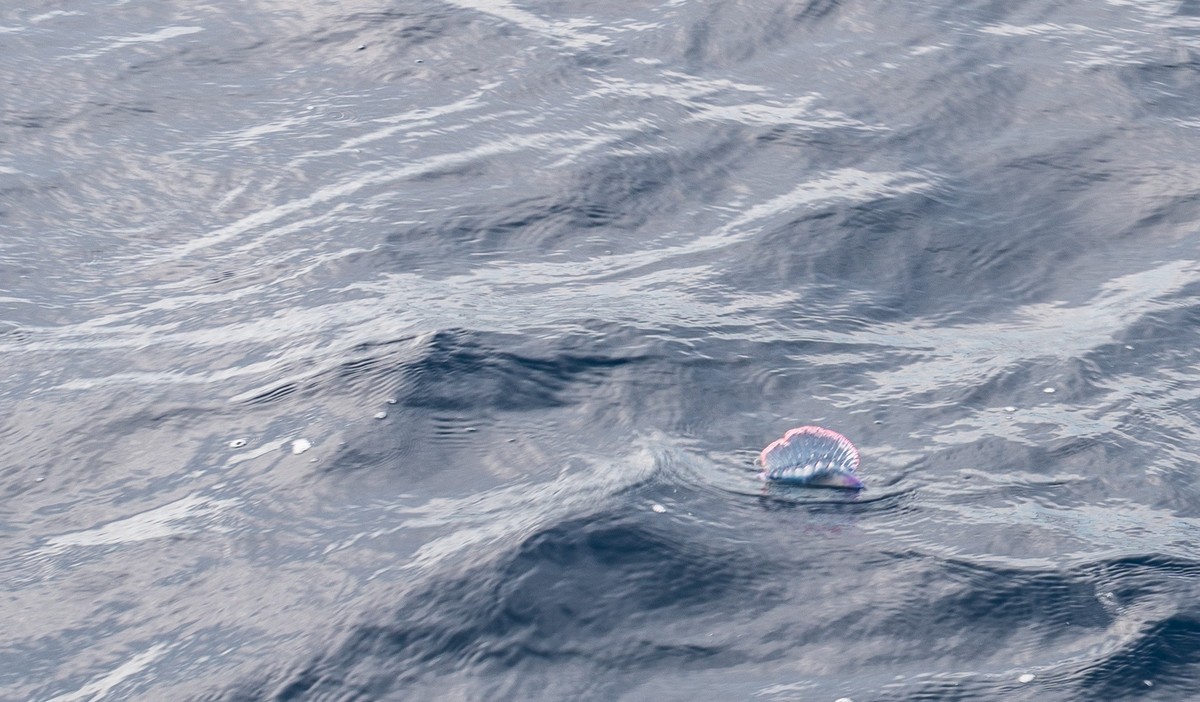
But there were some revelations! I saw my first Portuguese man o’ war! This is a very poisonous jelly-like thing with a bubble on the surface of the water, which is not that deadly for humans, but leaves nasty burns on the skin (look for pictures of victims yourself – it makes me feel a bit squeamish even describing it).
Note, this is not a jellyfish! It’s a colony of different organisms in a symbiotic relationship that’s designed to cause pain and death to anything in its vicinity. Read the wiki page at the link above, it’s amazing. It’s worth it just for bizarre phrases like gonophores, vestigial siphosomal nectophores and gastrozooids with tentacles!
Anyway, here’s a Portuguese man o’ war for you, swimming next to our boat:
But no whales, killer whales, dolphins, or penguins. Even the flying fish seemed to have flown south. I had to take photos of homo sapiens instead. There were plenty of them ->
June 5, 2019
Hi folks!
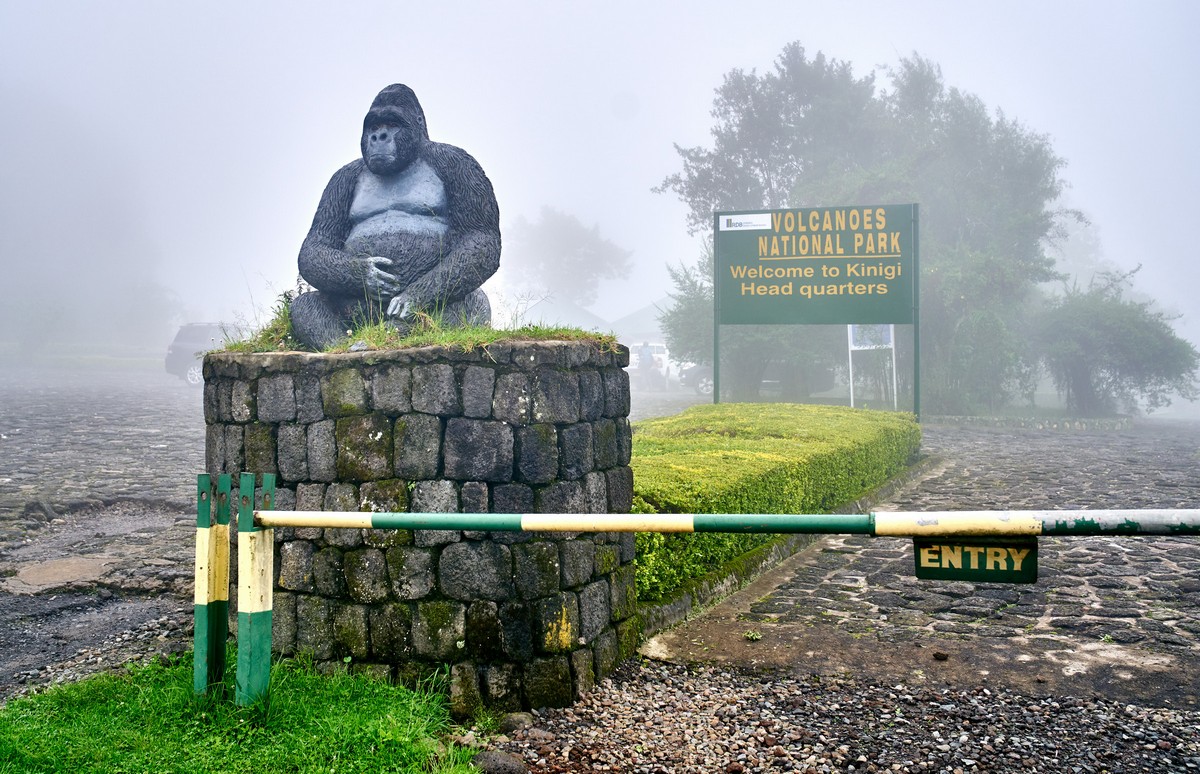
Back just before a busy business schedule in Rwanda the other week (more on that in a few days), we had a half-day spot of tourism scheduled. We’d heard great things about the Volcanoes National Park – those great things being gorillas! So we decided to get on over there for a look…
Gorillas! Large, muscular apes with black fur that inhabit the forests of central Sub-Saharan Africa. The males are huge, reaching body weights of up to 250kg, but they’re vegetarian, and also rather unaggressive beasts; that is – unless you provoke them, as our guides told us: 250kg of muscle and sharp fangs are not something you want to get angry. (Interestingly, on the Russian Wikipedia page for gorillas it states that ~ “if an enemy decides to bottle it and turn and run, the gorilla will catch him/her up and take a bite out of the back or bottom thereof. In some African tribes the most shameful of scars one can have are those from a gorilla: it means that the person ran from one; therefore he/she is a coward.”!
Our expert guides told us how wild-cat predators like leopards and also other powerful and fearsome thuggish beasts like buffalo tend to steer well clear of gorillas. Gorillas are just too strapping and brawny to mess with.
(Regarding their strength, I quote my travel companion, A.S., btw: “Woah! I just saw a young female who was slowly, calmly building up a nest (I think). She grabbed the branch of a tree some five centimeters thick and simply snapped it off without any effort at all! And that was a wee lassie”:)
Did you know that gorillas (and also chimpanzees and orangutans) are the closest species to Homo sapiens? We made a genetic split from them some seven million years ago. Apparently our DNA is just slightly different to theirs – by just two percent! That’s why they look so much like us the fitness trainers in our gym ).
September 5, 2018
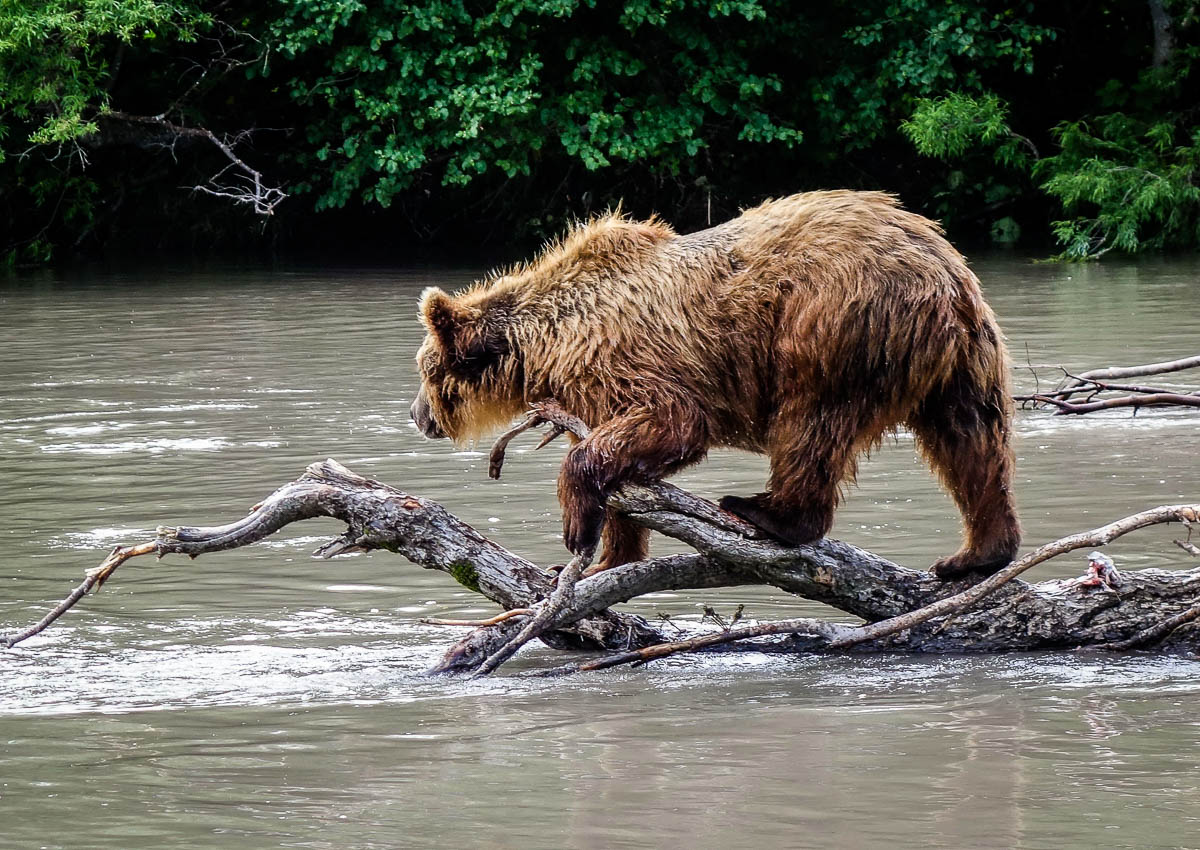
It’s high time I said a few words about the kings of Kamchatka. Brown, self-powered mammoths with all-wheel drive, which you need to treat with the utmost caution should you ever meet any…
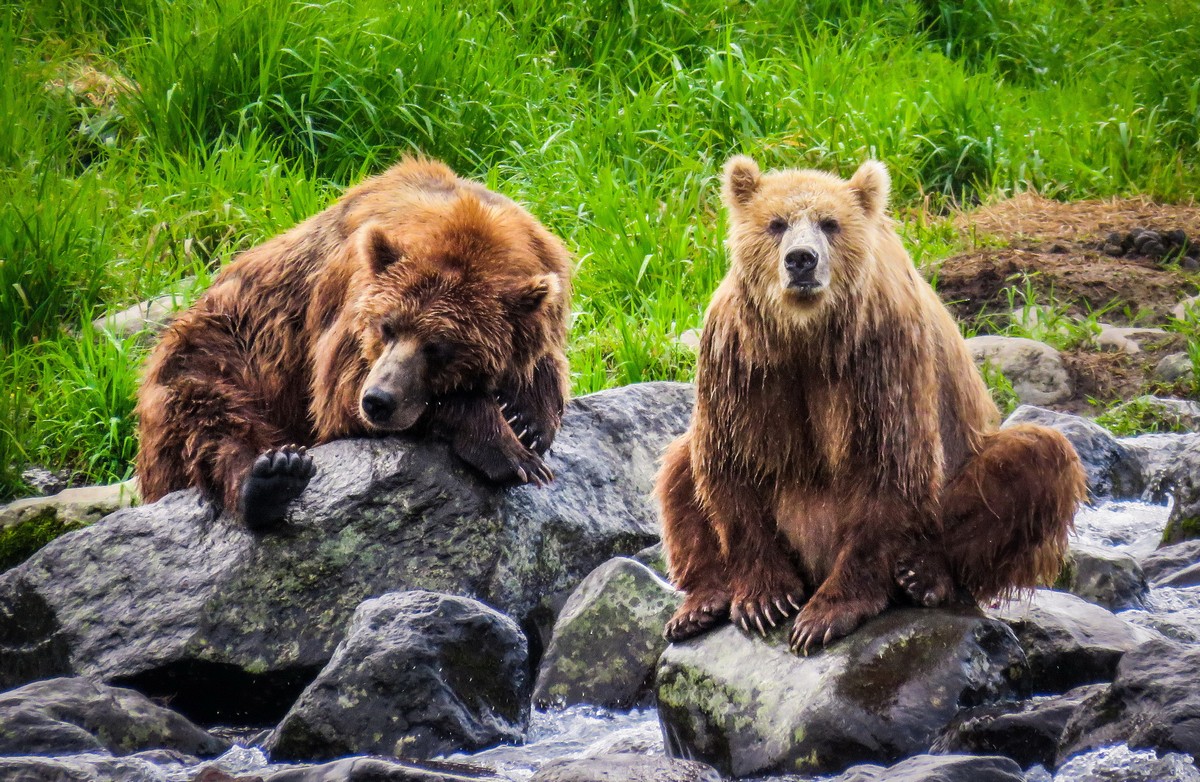
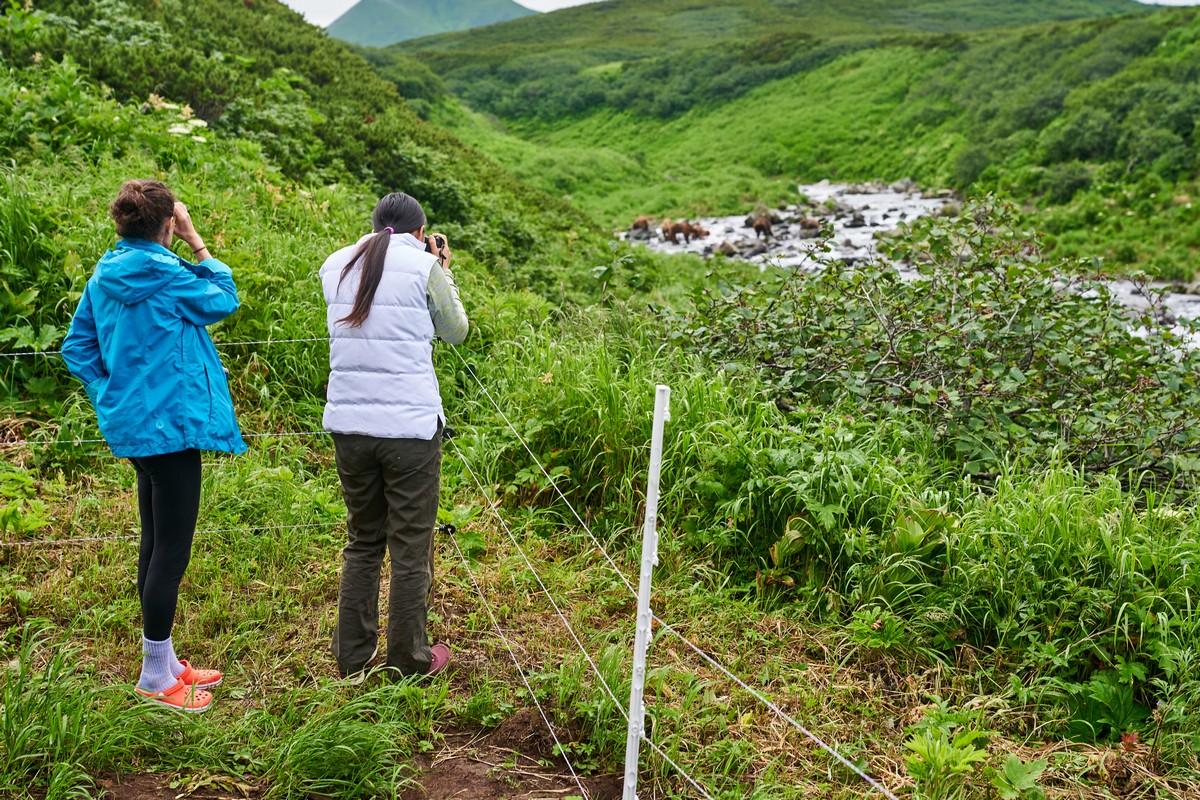
To the inevitable question upon returning home – ‘Did you see any bears?’ – we answered in the positive. The bears saw us too, but since bears don’t do cameras – and were anyway far more interested in the masses of fish in the rivers – they took little notice of us: a quick, sated glance over in our direction and off they shuffled. We, on the other hand, took lots of notice of them – with our Kamchatka newbies doing most of the photography.
You might think it’d be a bit risky taking pics of bears out in the wilds – no matter how satiated they are. And you’d be right. But from where we were observing them the dangers had been taken fully into account: low-current electric fences separate the beasts from the humans; in fact, they surround the living/observing areas completely, like this:
February 15, 2018
Our Indonesian adventure was coming to an end, but we didn’t mind that inevitability, as we were in full-on touristic-meditative mode… no – full-on touristic-meditative Komodo!


And Komodo happens to be home to very large reptiles! Check these beauts out!


January 22, 2018
What happens to a regular tourist from the North who, after an extended period of Christmas/New Year mirth and merriment suddenly finds him/herself in equatorial Indonesia? Yep, he/she has a rather tough time acclimatizing: to both the difference in time, and to climate… (and to crazy Indonesian driving! More on this later on below).
So, time: it’s +7 from Greenwich. Not so extreme, I hear you saying; hardly +12 now, is it? No. But when you add the climate to the +7 hours, that’s the killer. For there’s no pleasant resort-like weather here. Instead it’s a full-on extreme equatorial tropical climate. By day – around 30°C; by night – 25°C, and always hellishly humid – what feels like a constant 100%+.
It goes without saying that scaling a stratovolcano immediately upon arrival in Indonesia is the last thing most regular tourists fancy doing. What’s the first thing on their minds is a slow acclimatization and taking it relatively easy over the first few days, which is just what we did – on the island of Sumatra. There we visited Lake Toba (more on that later), and also a jungle – where we observed daily life of wild monkeys and orangutans.


April 12, 2017
Hi folks! Herewith, more tales from the Antarctic side…
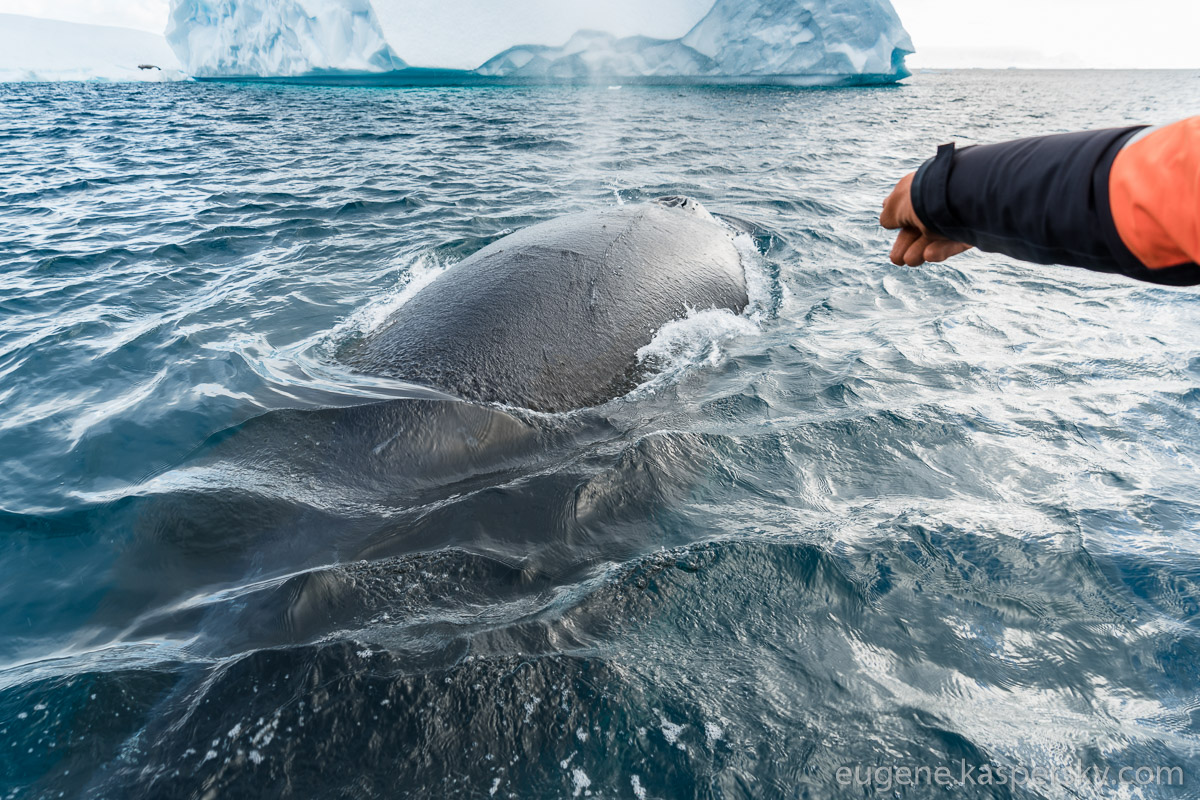
In this installment I’ll be telling you about the third most-important inhabitant of Antarctica – whales.
Whales are third-in-line in the Antarctic pecking order after penguins (second-in-line) and Antarctic Krill (top dogs crustaceans). What the Krill? King Krill? Never heard of them, right? Well this lesser known species is Antarctic city hall since it’s first in line in the food chain down here. It’s because of the abundance of this crustacean (I’m talking probably megatons thereof in polar seas) that both whales and penguins are able to get more than their fill of animal fat. However, Krill live underwater all the time so you never get to see any – and that went for us too, so I’ll not be telling you about them. I’ve already told you about penguins here. So next up – whales; specifically – humpback whales, which were the ones we saw…
1.
2.
https://www.instagram.com/p/BSUSBQcBCEz/
April 11, 2017
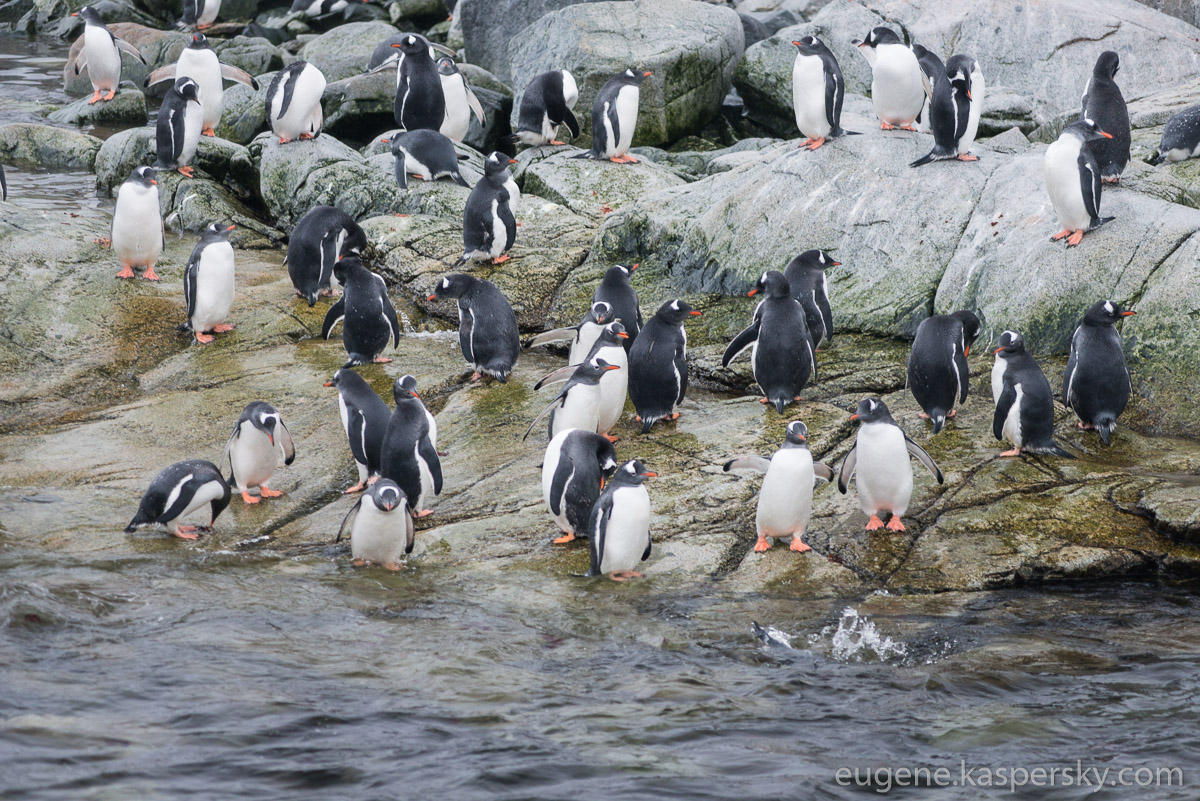
Since there are no white, brown, or other bears in Antarctica – and for a short time just one green bear – I can’t tell you about such fearsome beasts. But it’s not all bad; for I can tell you about penguins, of which there are zillions here along the Antarctic shores. Check them out:
1.
January 28, 2016
Just two weeks in Tanzania over the New Year break, but soooo many impressions! And you, dear blog readers, are only half-way through those impressions…
After coming back down Kilimanjaro to the plains below, before we had time to utter ‘acclimatization’, we were whisked off… on an African safari!
Initially, the colonial meaning of the term ‘safari’ meant ‘to go and shoot wild animals in Africa’, not necessarily to later eat them or even use their hides for whatever; just like at a shooting gallery – only with live targets. Time has passed and mores have changed for the better, and now the term means ‘to look at wild animals in Africa (from a car or jeep)’… and take photos of them in all their wild poses.
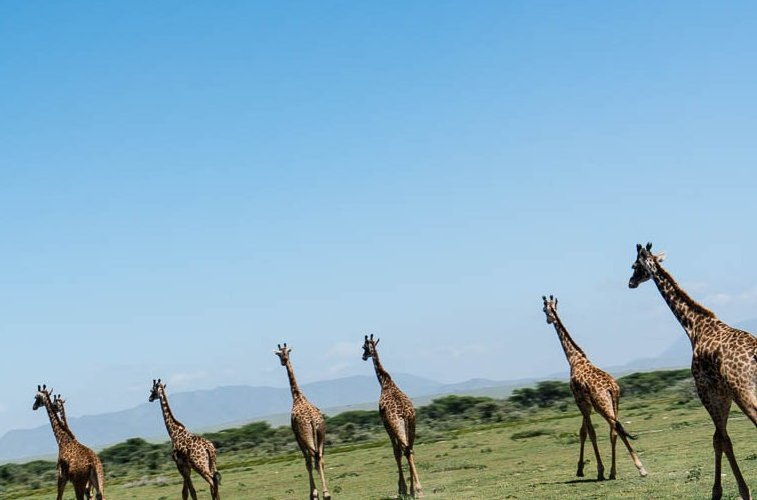
https://www.instagram.com/p/BAzBieOuiQ9/
October 1, 2015
If you can trust yourself when all men doubt you, and you find yourself on the bank of Kurile Lake and are told to ‘go check out the sand bank’ by your guides, make sure you agree and get yourself over there! For what you’ll get is a heady cocktail of adrenaline, delight and emotions. Why? Because… of all the bears. And not just a handful, but a whole big pack of them…