Tag Archives: egypt

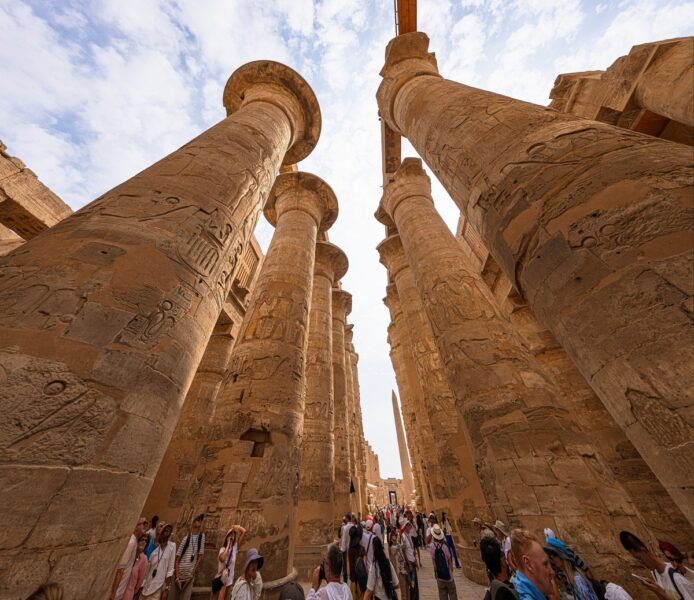
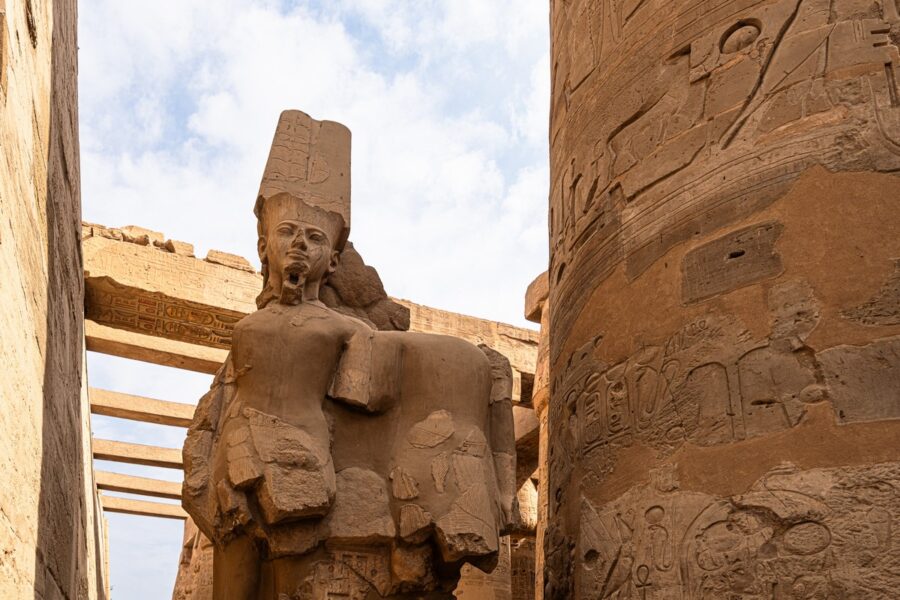
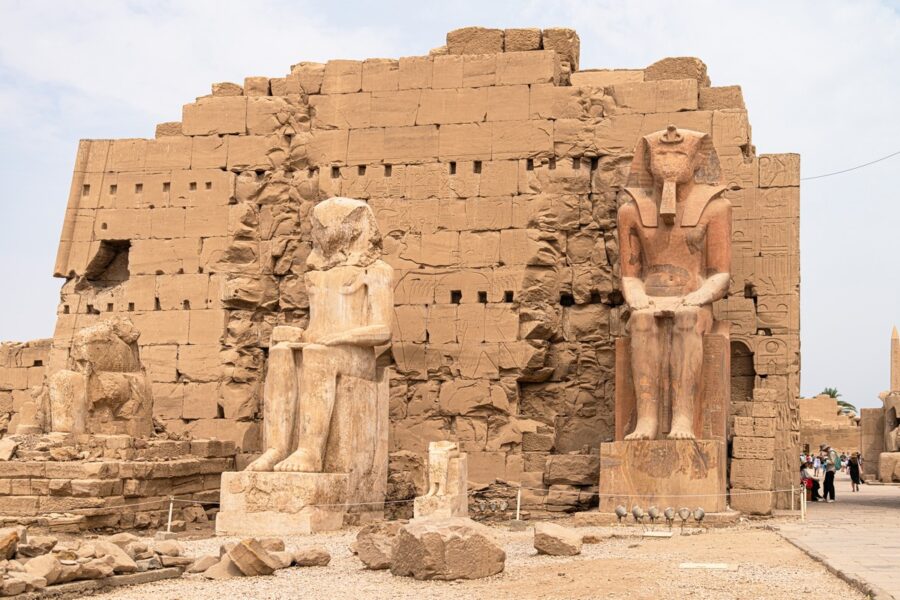
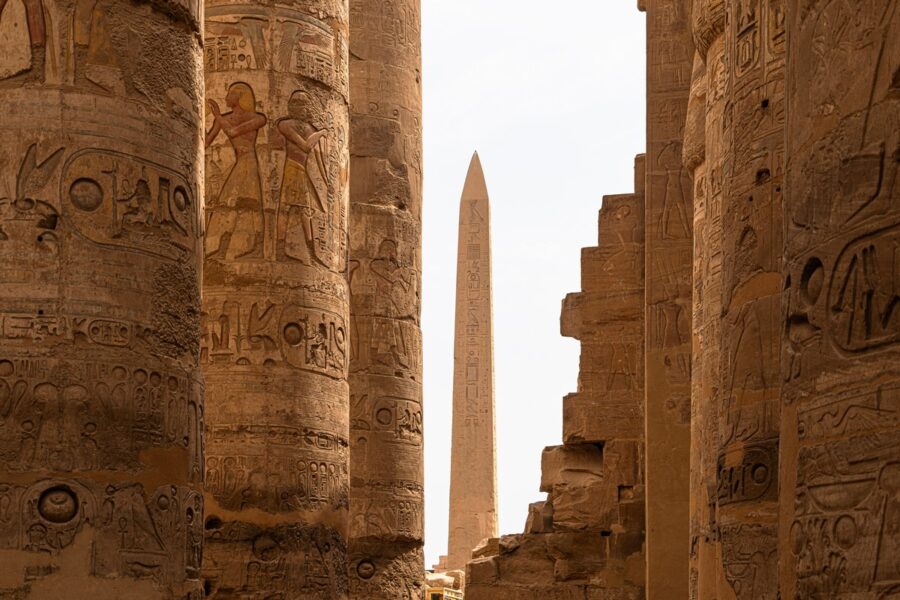
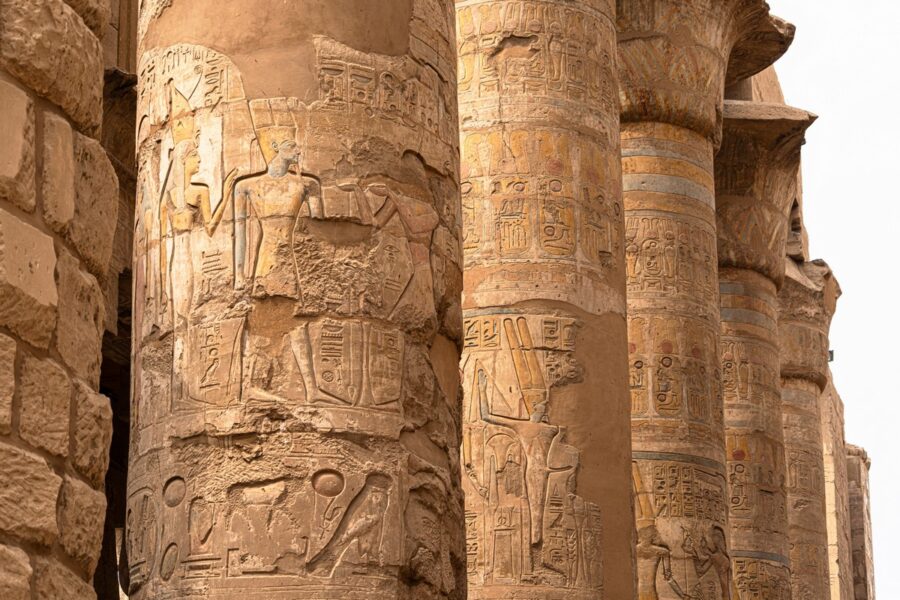
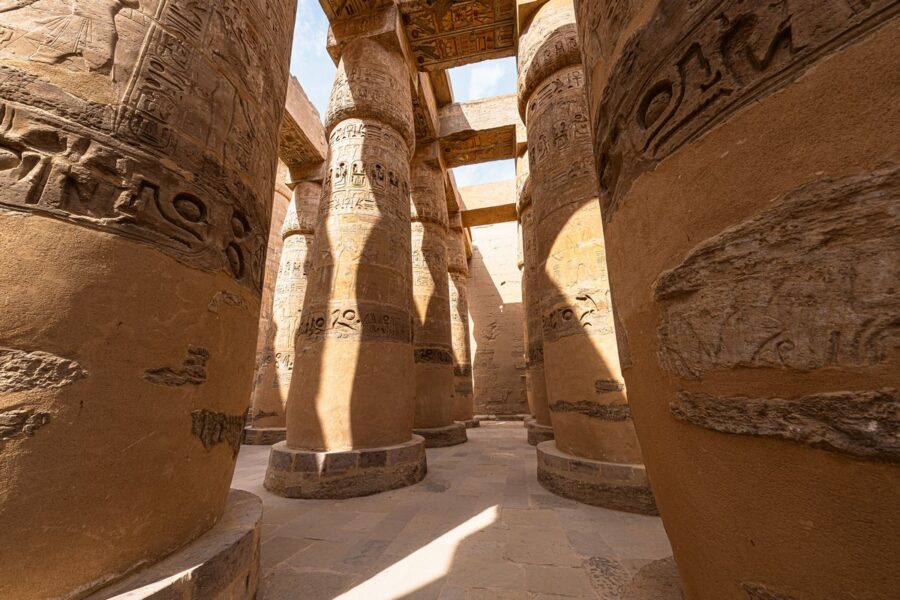
Mind blown in Karnak.

The Karnak temple complex is probably one of the largest in the world – and certainly the oldest. The site is vast, the structures monumental, the antiquity profound…

Of course, the temple wasn’t built in a day. Most likely, back in early ancient Egyptian times there were already some religious buildings here, which (alas) haven’t survived to present day. The internet tells me that construction of the surviving structures began during the reign of Pharaoh Senusret I – that is, almost four thousand years ago! – and that the work was completed under the Roman emperor Domitian, somewhere around the start of our modern era – the one counted from the birth of Christ.

In other words, Karnak took around two thousand years to build! It wasn’t all done to a single plan, of course – all sorts of other structures kept being added to the existing temple buildings. And of course, construction wasn’t entirely continuous either. But still – TWO THOUSAND years of construction for one temple! In that span of time, many other historical sites get built, fall into ruin, and are forgotten forever – whereas here it’s merely how long the work took from start to finish! Monumentally colossal…

Why am I going into so much detail about all this? Well, simply because an inner Egyptologist might just awaken in one of you; or in your kids – if you show them this text. And who knows – maybe they’ll go on to discover something more here, amazing themselves and delighting me too with new facts and revelations about ancient Egypt.

But I seem to be writing too much; it’s high time we looked at some pictures. It’s just insanely magnificent here!…
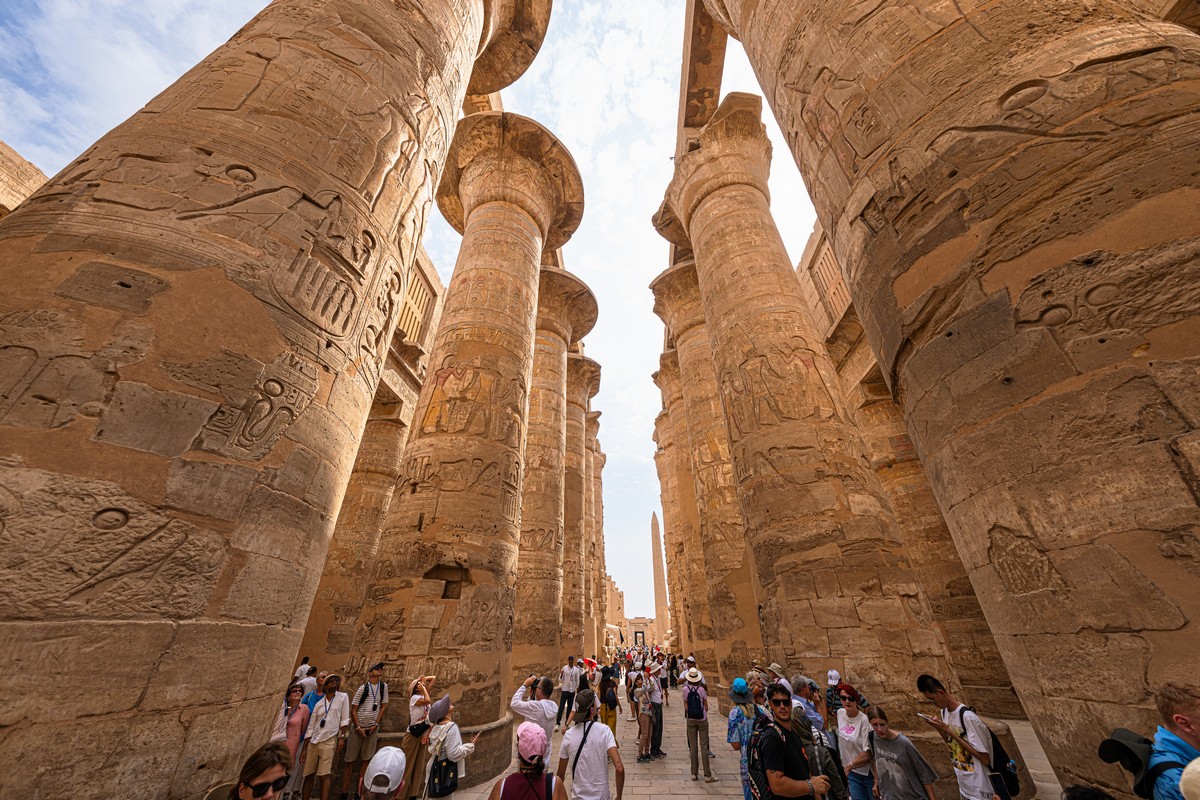
Read on…

Luxurious Luxor – daytime version.

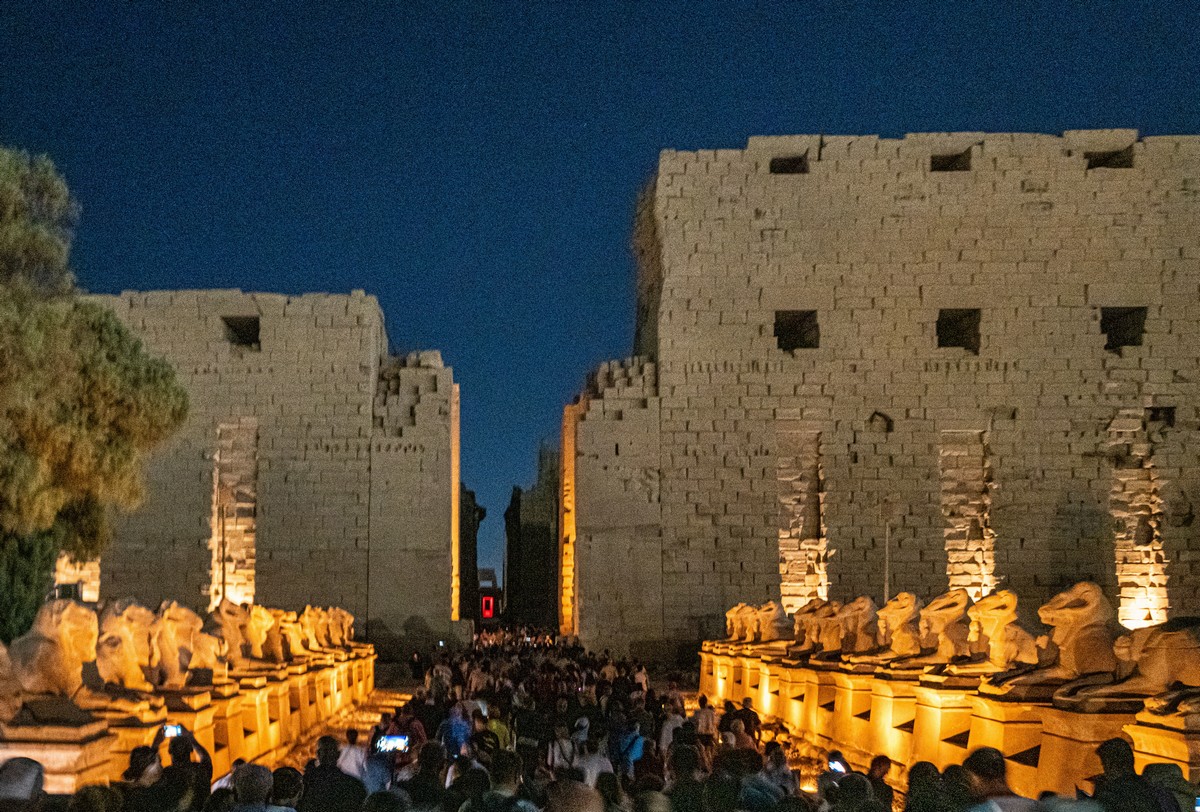
A long, long time ago – way back in the fall of… 2022 – my colleagues (from work, conferences, exhibitions, and other travels) and I found ourselves in Luxor, the ancient capital of the kingdom of Upper Egypt. But we only got to visit the main temples of the city in the evening, in the dark ->

And that’s when it was decided that we simply, absolutely, categorically, mandatorily had to return one day to see the ancient temples by the light of day. And never mind how fiercely the sun would be beating down, or how tough it would be in that furnace for the poor, wretched tourist soaked in sweat from head to toe. Ancient Egypt is one of the most important cradles of world civilization. For any reasonably curious person, a visit here is nothing short of an absolute must. You just need to pick the right season to avoid the very worst of the heat (winter is best, but for us – alas – it was October), plus, ideally, have plenty of free time so you can stroll around everywhere and see as much as you possibly can.

It’s more than worth it!

Read on…

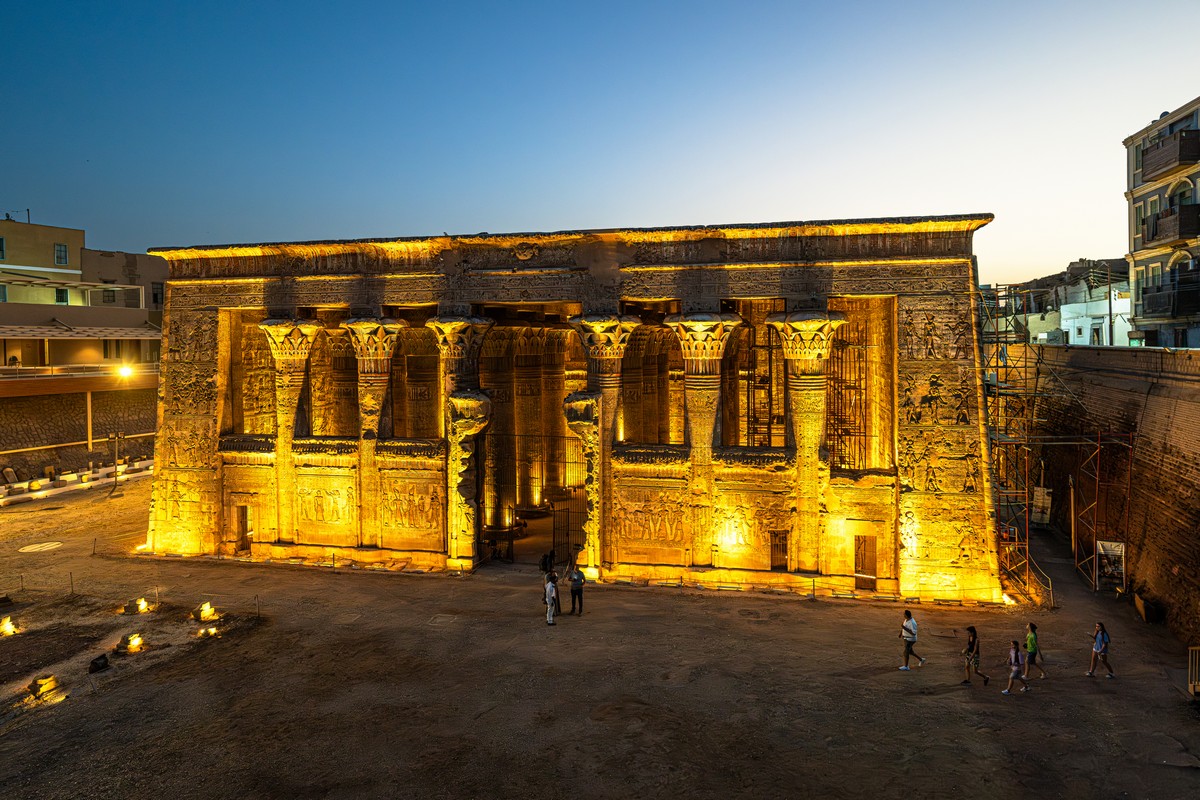
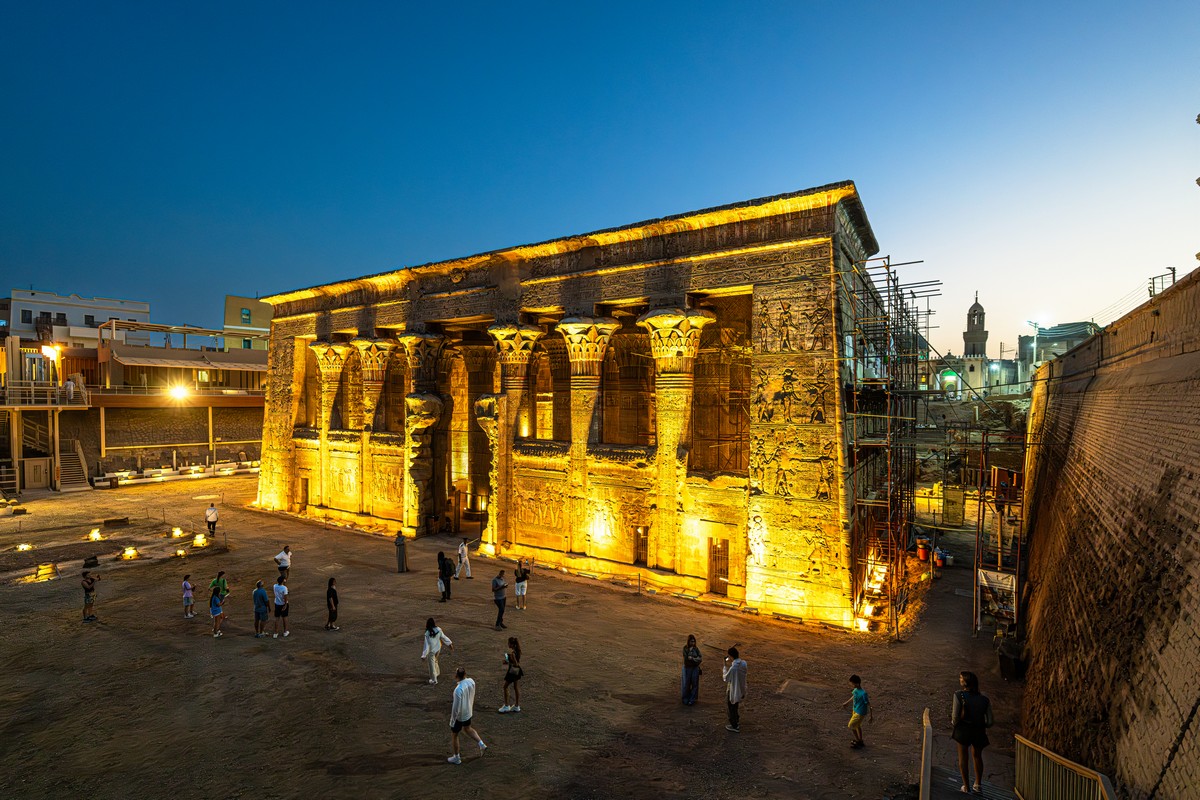
An ancient Egyptian temple at night – illuminated by lights so bright.

The next stop on our Nile boat-trip from Aswan to Luxor, the ancient capital of the Upper Kingdom, was the city of Esna, home to the temple of the ancient Egyptian god Khnum. The ancient Egyptians had a great many gods (here’s the list); Khnum was a creator-god who molded the first humans out of clay. But to study all that in detail you’d need to dive into further reading; we, meanwhile, just headed for the temple:

On the way to the temple we were told that, over thousands of years, the temple had sunk down through the soft rock beneath it, and that’s why it had sunk so deep into the ground – by some 15 meters. But somehow I don’t buy it. The earth’s strata aren’t uniform, so a temple “sinking” down through them would most likely have simply fallen apart. So the earthen walls around it are probably the cultural layer built up over the millennia, plus the desert sands, which have buried a great many structures along the Nile.

Read on…

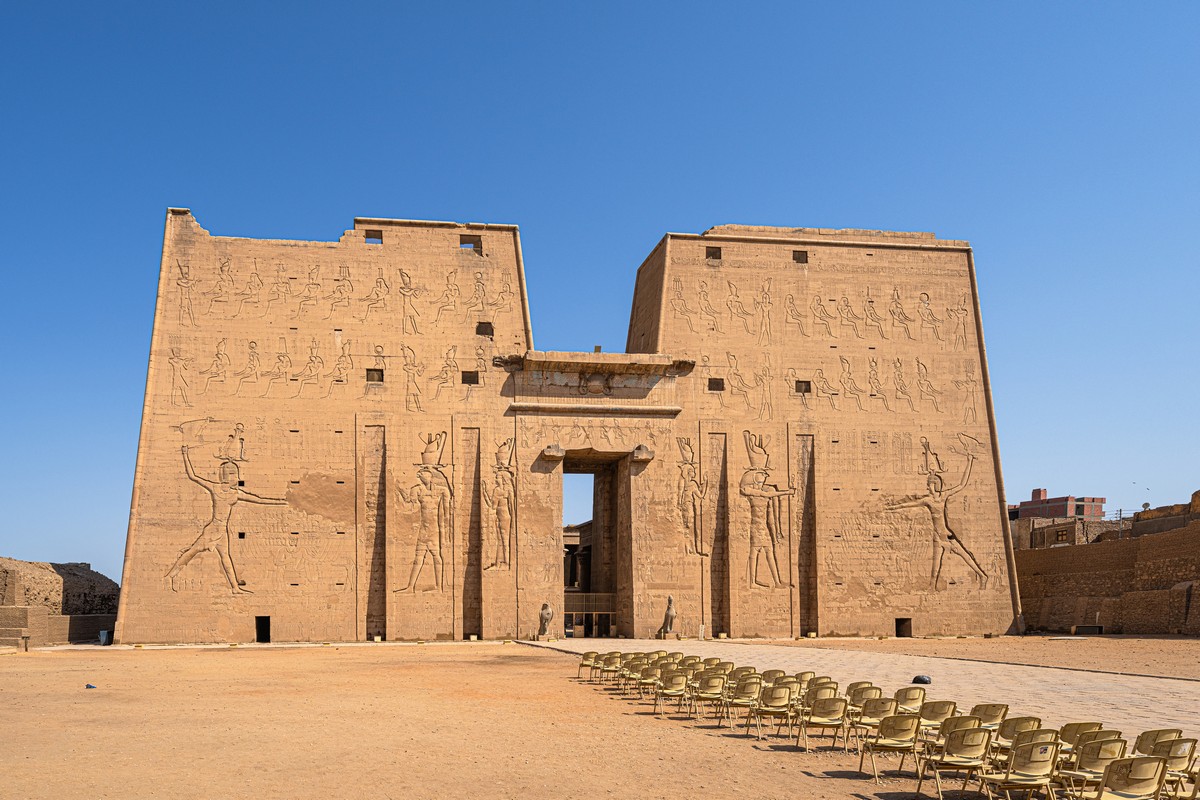
The Temple of Edfu: protected by sands; attacked by fanatical religious bands.

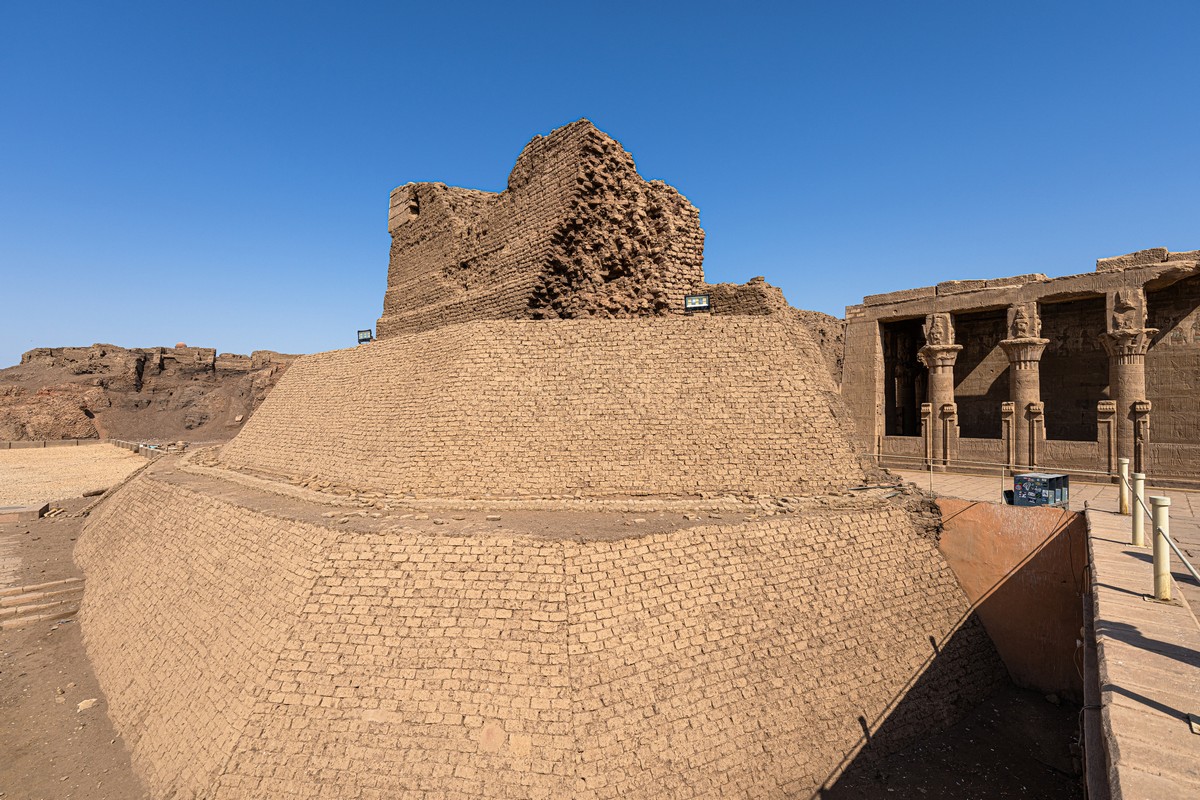
Sixty kilometers down the Nile from Aswan in the town of Edfu, there’s another ancient Egyptian temple complex that shares the town’s name: the Temple of Edfu. It’s one of the largest temples of ancient Egypt – and a pretty well-preserved one at that. Alas, the oldest structures have been almost completely destroyed, and what stands today is a complex rebuilt during the Hellenistic period.

As our guide told us, some of the ruins (ancient walls) date back to prehistoric times – some of the stonework here is around four thousand years old. We’ll take his word for it…

Read on…

Onward in style, taking in Kom Ombo on a bank of the Nile.

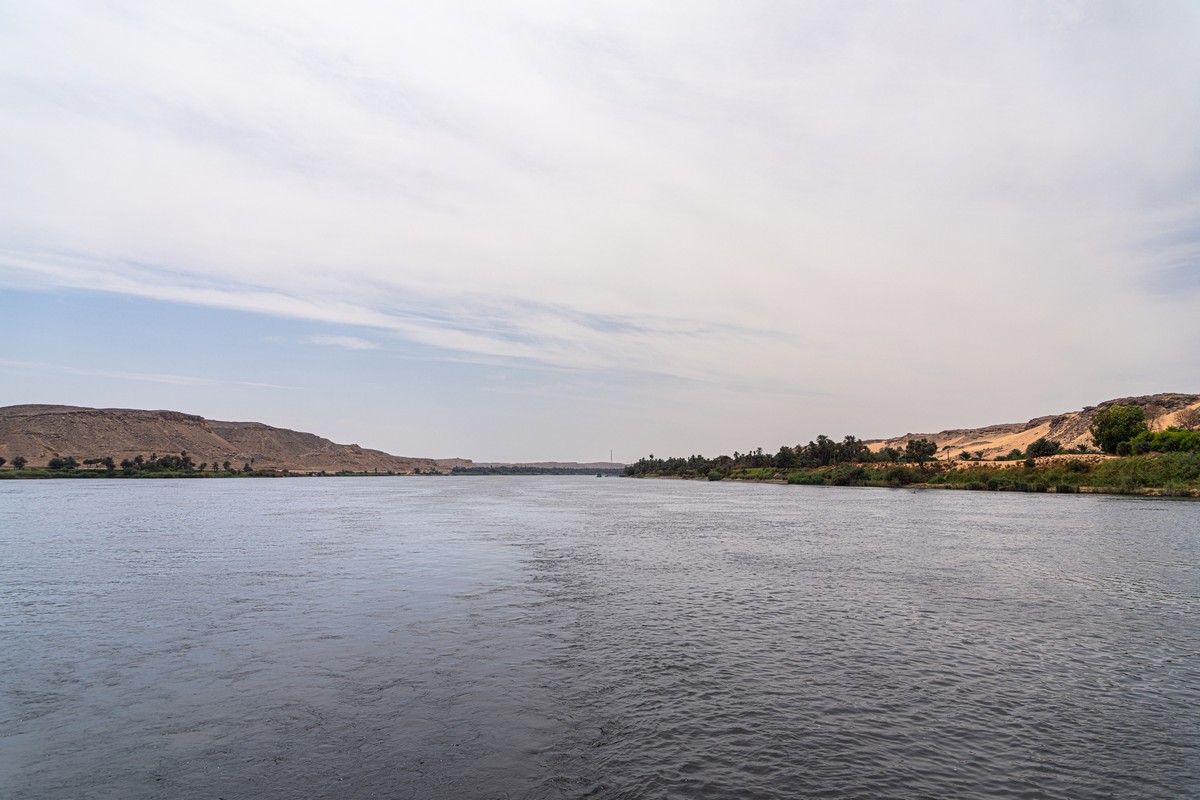
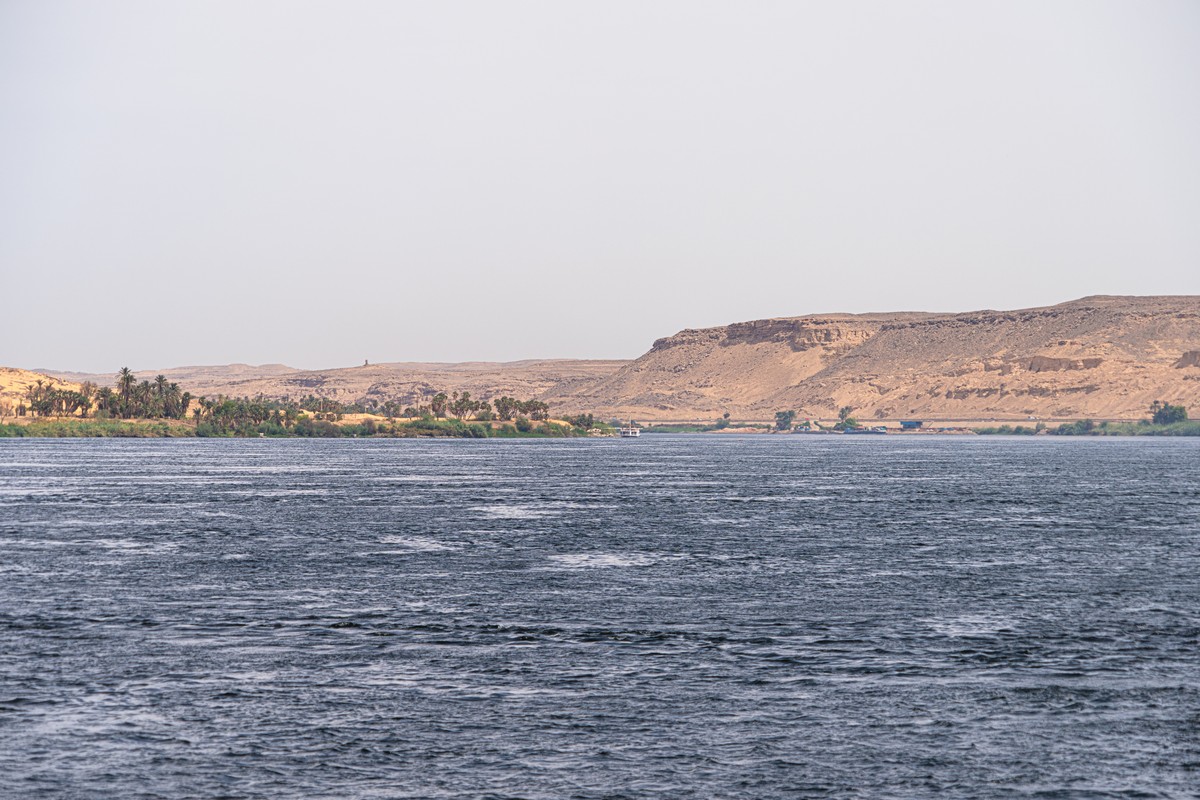
Onward!… Down the Nile from Aswan to Luxor…

We’d finished checking out the tourist sights at our point of departure (the Aswan Dam, an unsuccessful dash to the ancient quarries with the unfinished obelisk, and the Philae temple complex), our boat barge pulled away was pulled away from the pier, and our leisurely 2.5-day journey downstream along this great African river began.

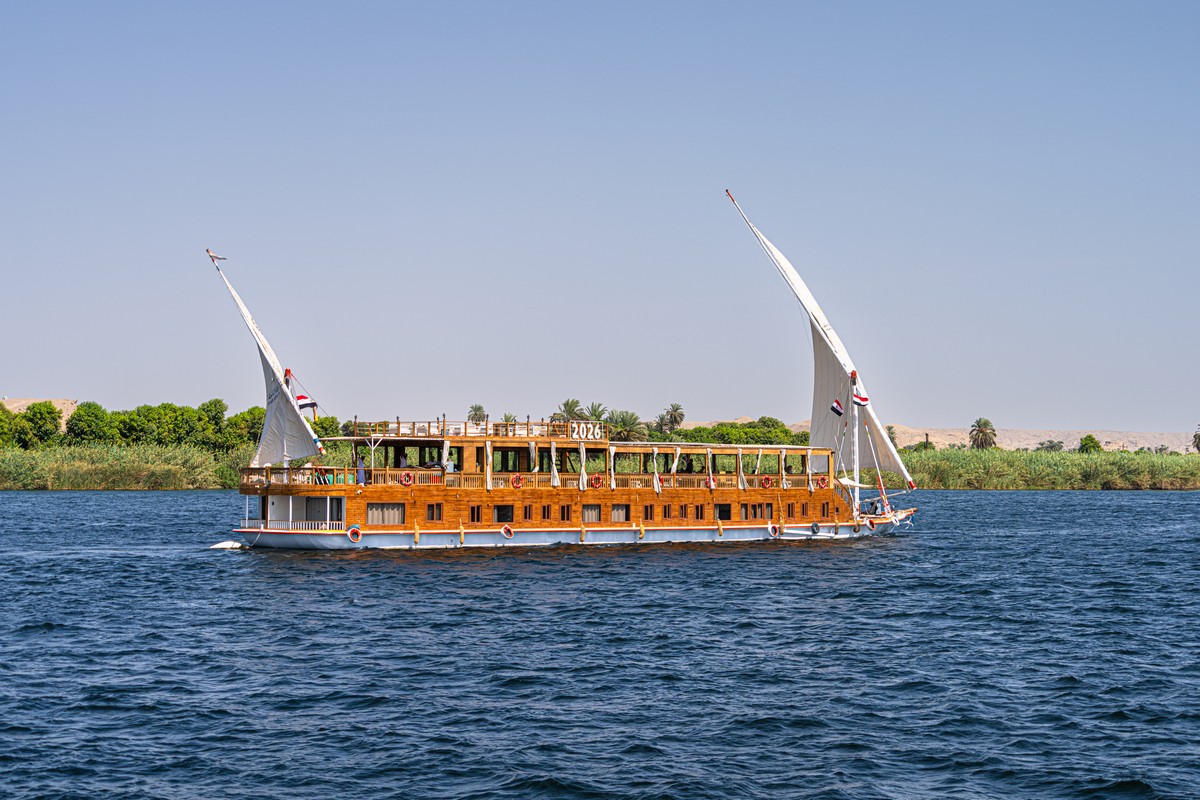
// That’s not our boat; it’s a vessel under sail heading upstream toward Aswan.

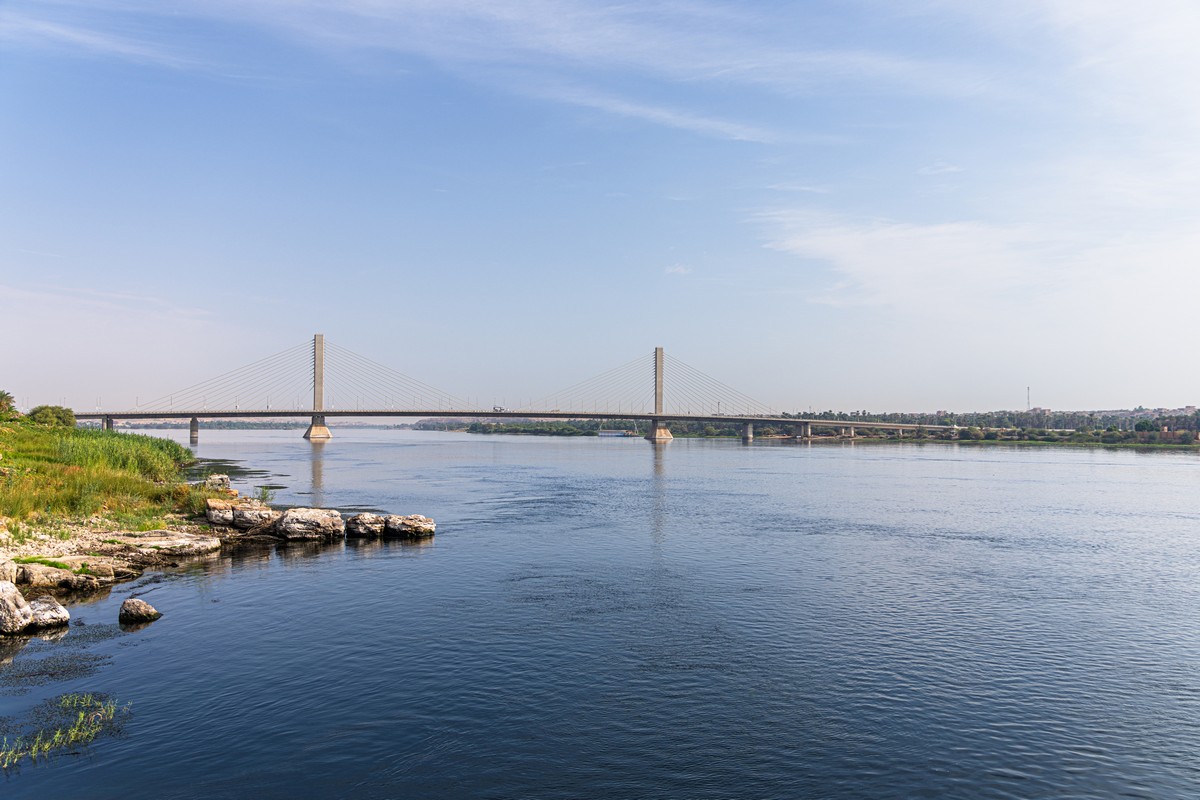
And this bridge was right by our starting point:

Read on…

The curiously multicultural, checkered history of Egypt’s Philae temple complex.

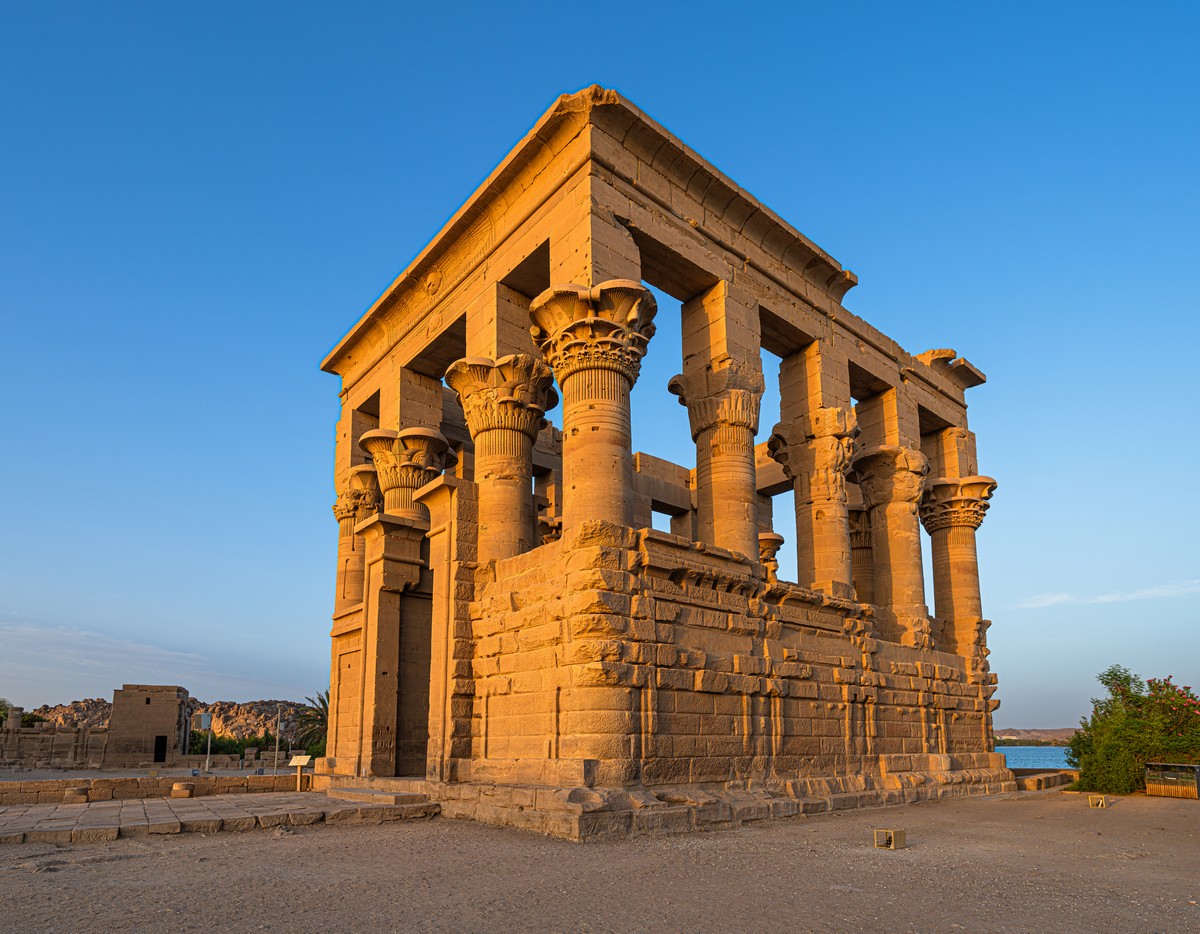
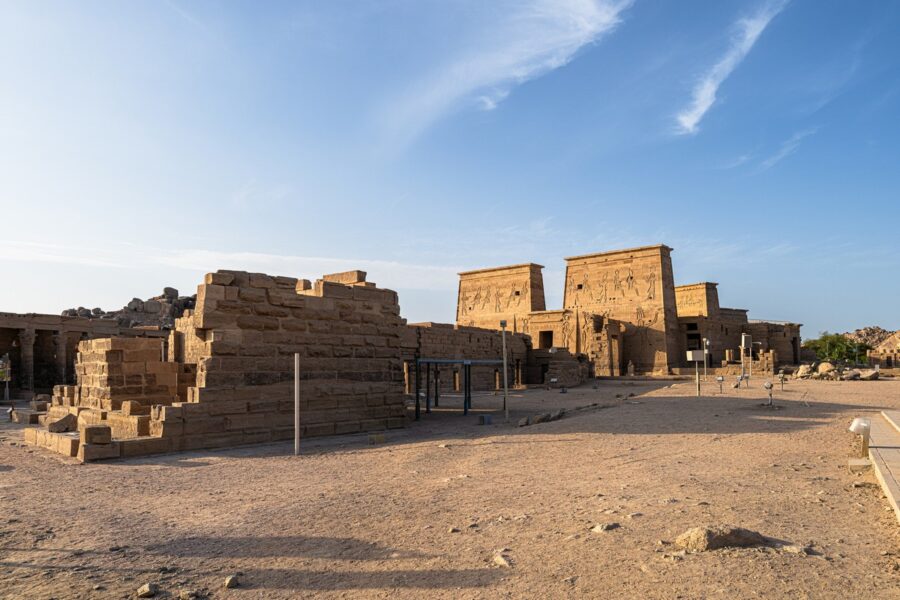
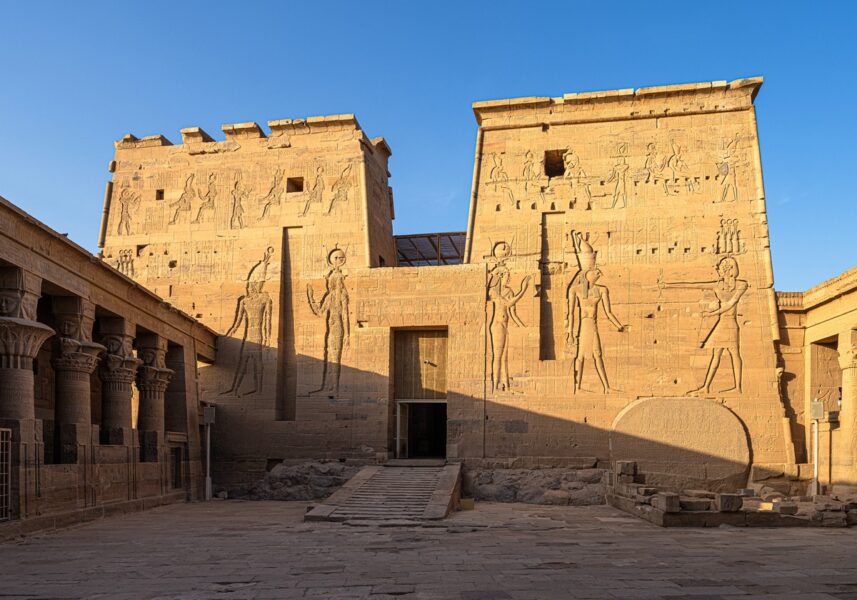
An absolute must-see for tourists near the Aswan Dam is the Philae temple complex. Its origins are truly ancient, but it’s been ruined and rebuilt many times over – so in the end it’s not so much genuinely Egyptian as something remade “Egyptian-style” later on, in the Greco-Roman eras. And then other cultures/religions came along and trampled all over the place too: as our guide told us, “religious barbarians/fanatics” destroyed the images of the “wrong gods”. Yes, I can believe it. How else to explain all this obviously deliberate damage to the ancient stone frescoes and sculptures?

Some of the artifacts just lie about, while some of the structures are clearly being put back together by archaeologists:

Read on…

From the USSR with power: the Aswan dam and lotus tower!

We began our cruise along the great Nile River in the city of Aswan. That’s a name familiar to anyone who grew up in the USSR in the seventies/eighties – and, I’m told, in the UK, where, apparently, its main feature (see below) was studied in middle-school geography classes (yet – no mention of Soviet involvement; grrr figure:). Anyway, it’s from there that I bring you the next batch of stories from this most unforgettable trip.

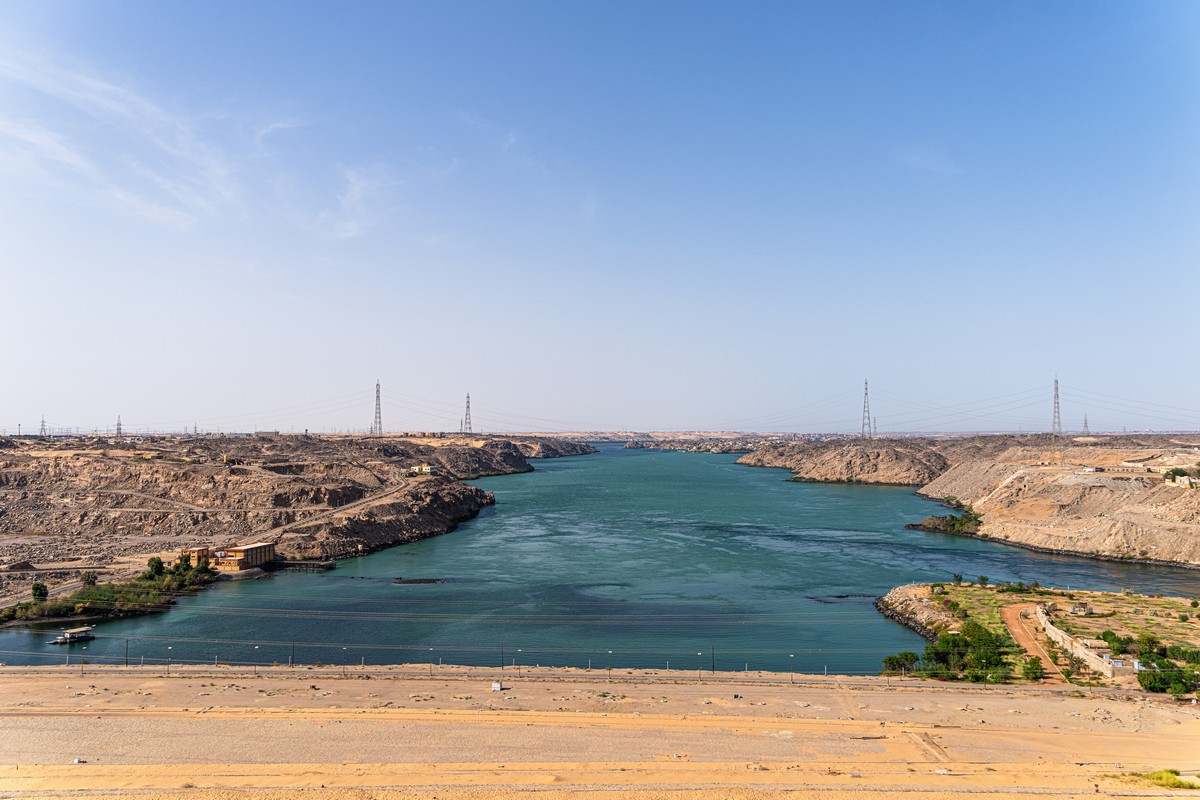
The main thing of interest here is the Aswan High Dam, which the Soviets helped build built in the 1960s, and which produced its first electricity in the early 1970s. Of course – we just had to go check it out. And our look around this vast power facility turned out to be great fun – and really quite fascinating…

Read on…

Towed in style – down the River Nile!

When I first visited stunning Luxor back in 2022 (on my first trip to Egypt), I heard that tourist boats ply the great Nile River on the Luxor–Aswan route, and that it comes highly recommended for exploring firsthand. Just four (far from boring) years later, and business has brought me back to the land of the pharaohs and, well, yes – dreams do come true! We combined work with play (my fave combo!) – and cruised the Nile on a riverboat! Direction: Aswan -> Luxor…

It was a simply delightful two-and-a-half-day river cruise!

Read on…

Street View – Cairo style.

Hi folks!

Sitting here in Cairo airport with half-an-hour till boarding, I’ll take this opportunity to share some of my key impressions during my quick stay in the Egyptian capital – especially since they match the thoughts of my travel companion, NK, who’s here for the first time. Thus, there are three (agreed-upon!) main takeaways: one positive/encouraging, two – not so much…

The positive/encouraging? The huge number of construction sites in Cairo’s suburbs. There are new buildings going up everywhere in various stages of completion.

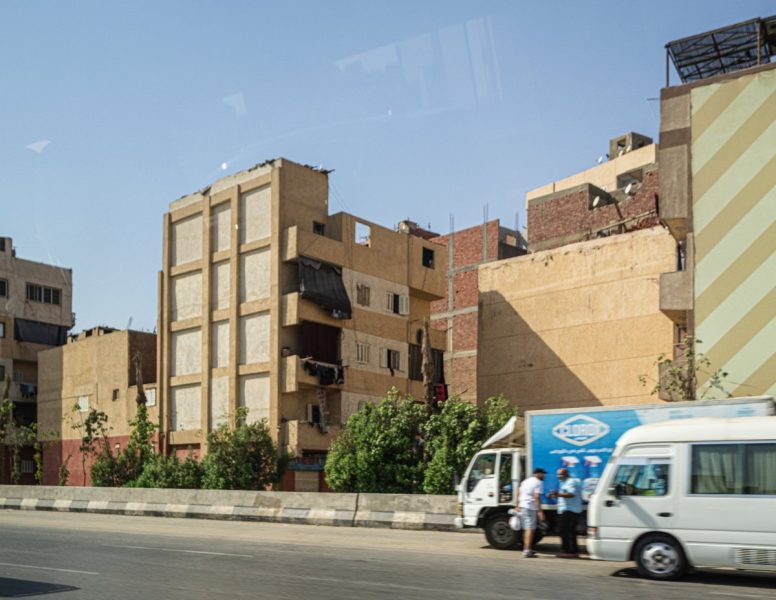
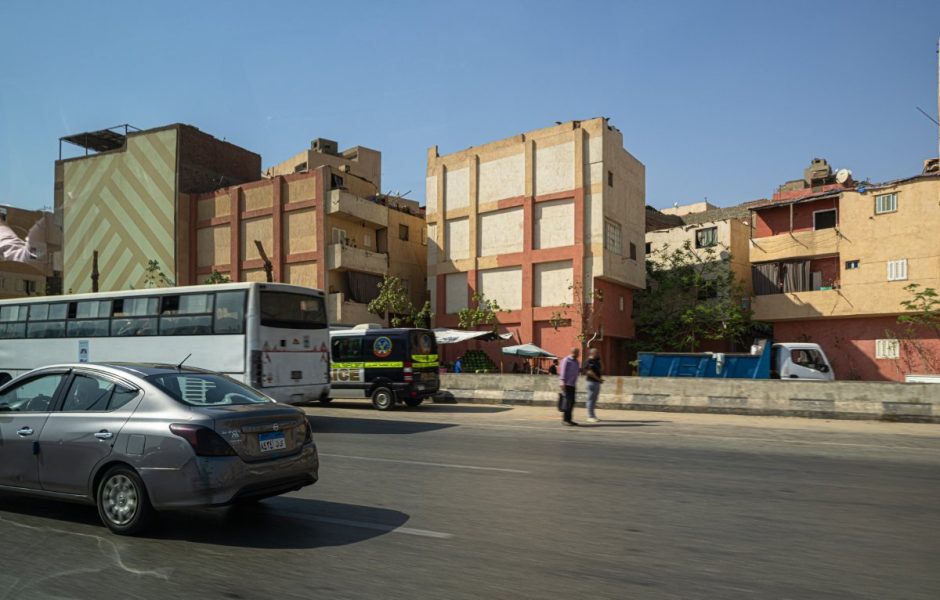
The “not so much”? First – how folks drive here: total bedlam and chaos. Second – the older buildings. I’ve written before about these high-rise brick ghettos, but now I can finally share my own pics; last time I was too taken aback to be able to snap such… abominations…

My snaps were taken while we were being driven along Cairo’s ring road, which in some places cuts straight through residential areas as an elevated second-level roadway. The views out the window look like this:

Read on…