
April 27, 2026
A mind-blowing museum.
The Polytechnic Museum in Moscow is a fascinating place with unique science and technology exhibits – some preserved as the only surviving examples. Alas, it’s been closed now for renovations since 2013 – so they’ve been building and changing things there for 13 years now. I hope it’s for the better and that someday the museum will actually reopen to visitors. In the meantime, you can view its exhibits at VDNKh and in the museum’s storage facility at Technopolis Moscow. So, since I’ve always been drawn to technical things – especially unusual ones – when I was kindly invited to tour the latter facility, I immediately accepted. And I’m really glad I did…
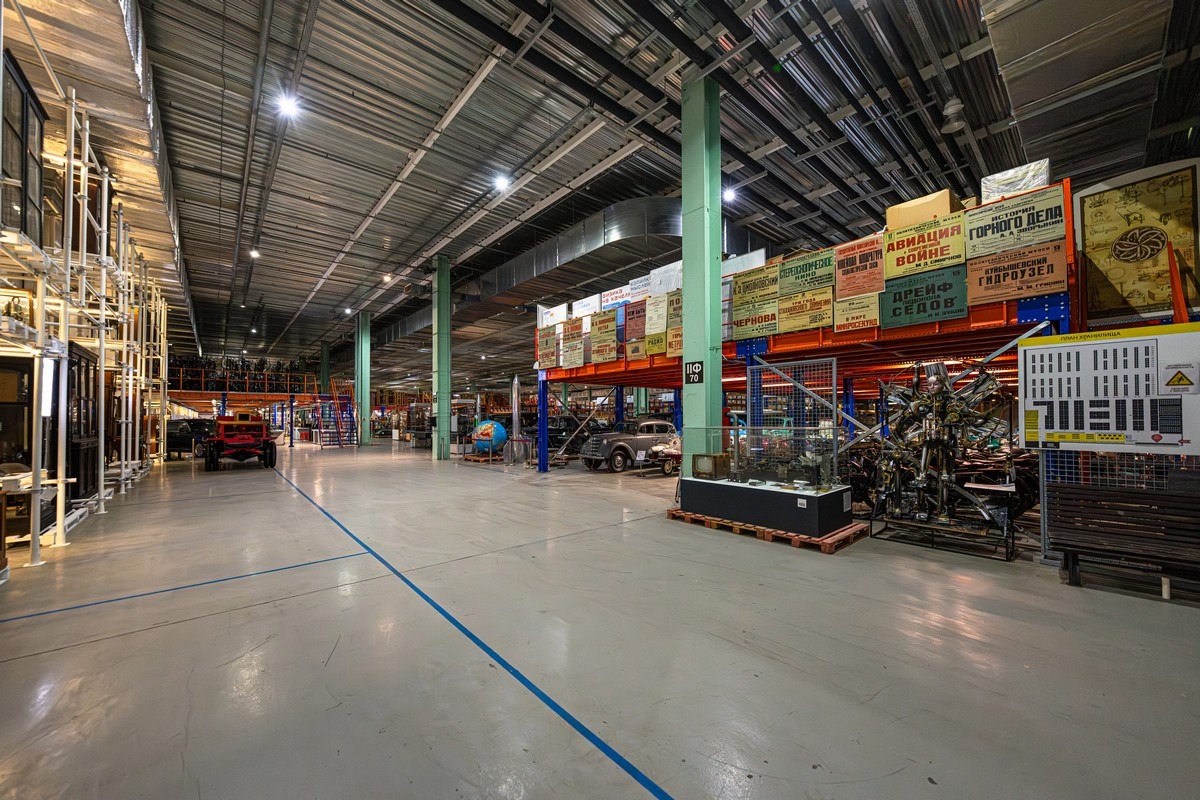
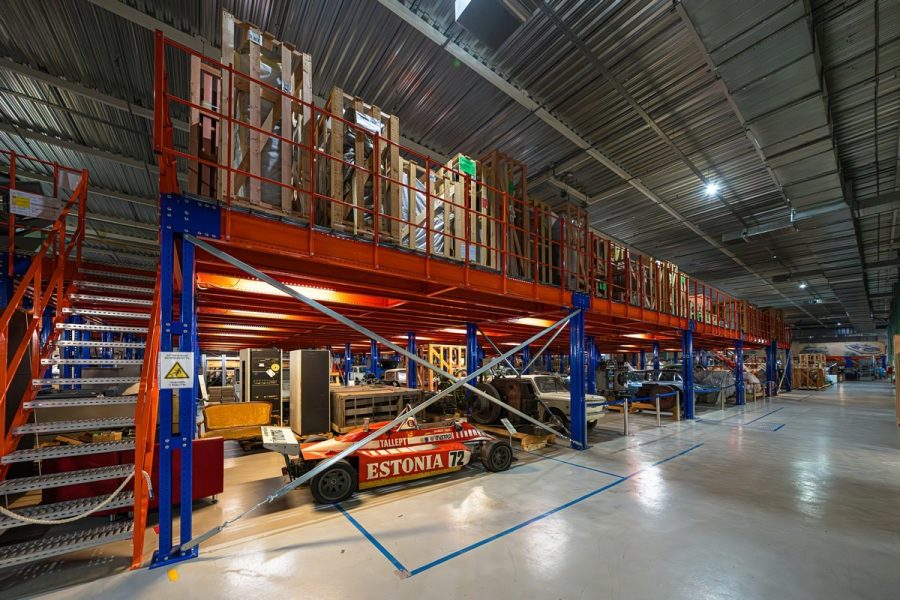
There’s pretty much anything and everything you could imagine here! All kinds of technical devices, gadgets, cars and motorcycles, photo and video equipment, televisions and radios, calculators, space artifacts – and even a mock-up of… an atomic bomb. To my surprise, there’s one thing they don’t have at all – agricultural machinery (why?!). But everything else is represented – maybe not in vast quantities (so not quite like the “Encyclopedia of Technology” in Verkhnyaya Pyshma), but still plenty…
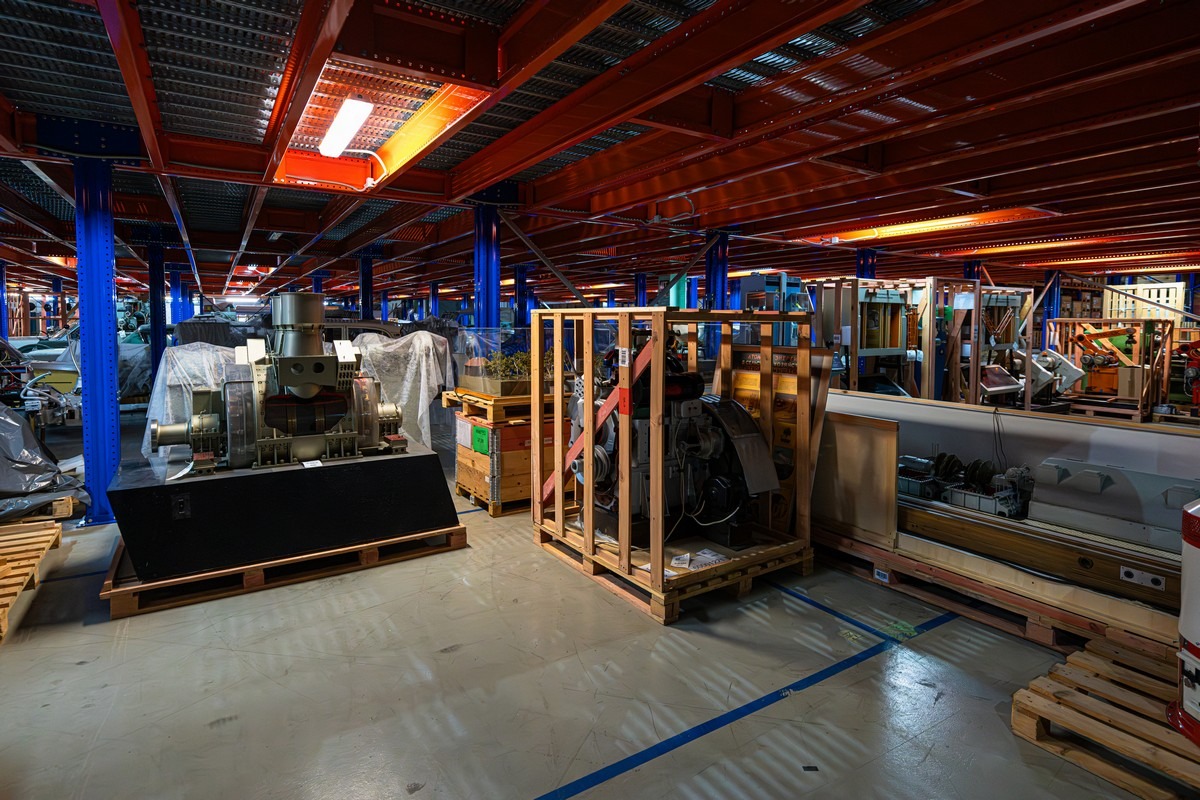
I said not vast quantities; however, there’s still – wait for it… more than 220,000 (!) different objects stored here in total. We were told that roughly a third are physical exhibits, another third is made up of a visual/graphic collection, and the other: the document collection. Most of it is kept in boxes on shelving, but around three thousand items are on display ->
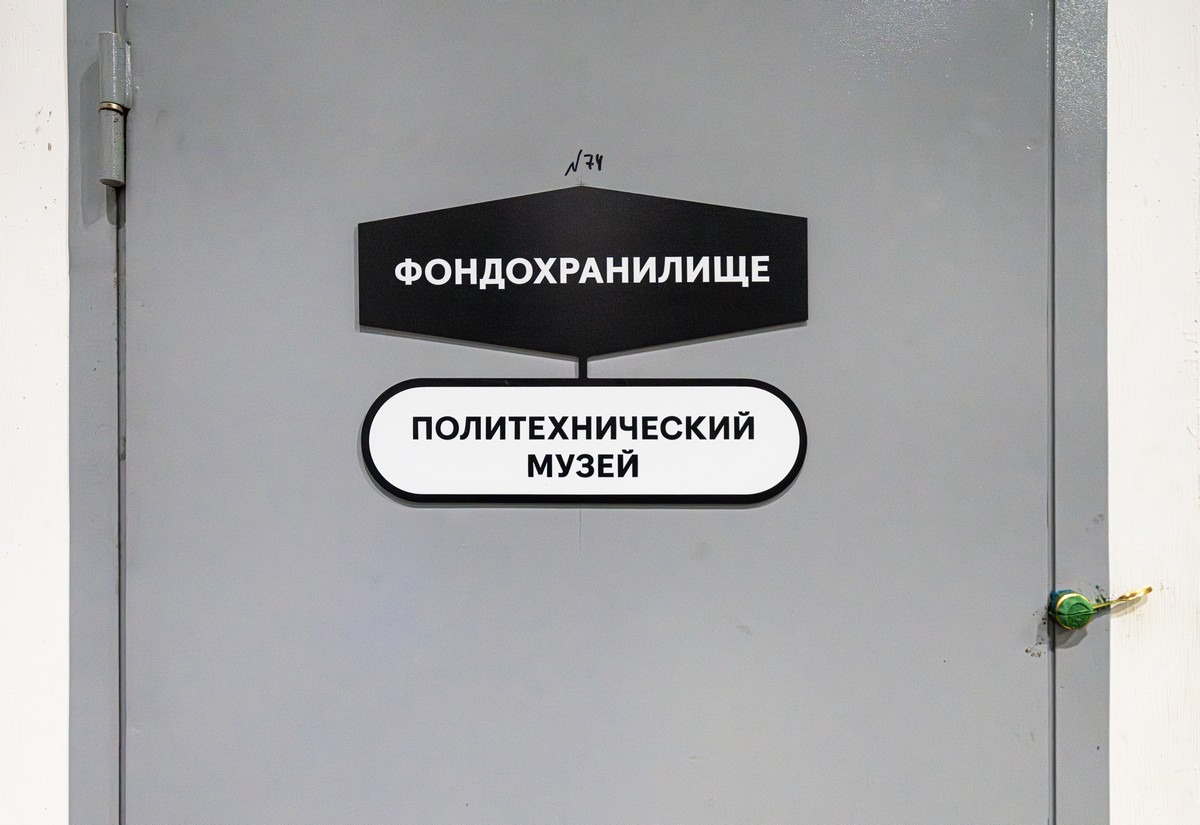
Everything is stored behind this unassuming door (“Museum Depositary | Polytechnic Museum”)
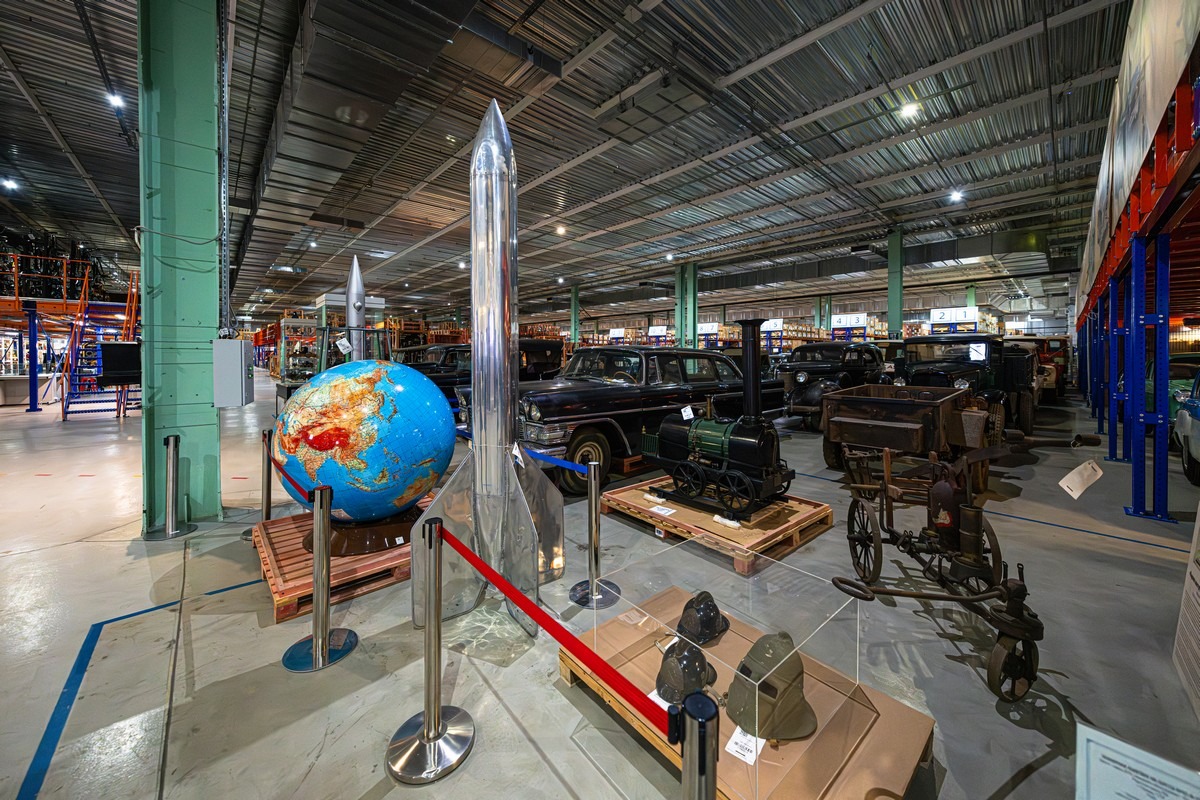
It’s probably easier and quicker to list what’s not here! ->
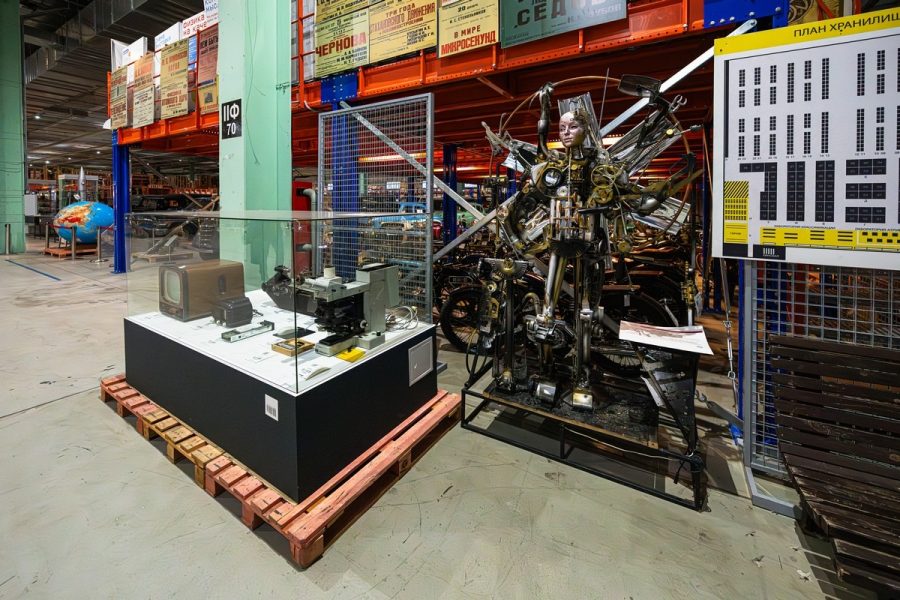
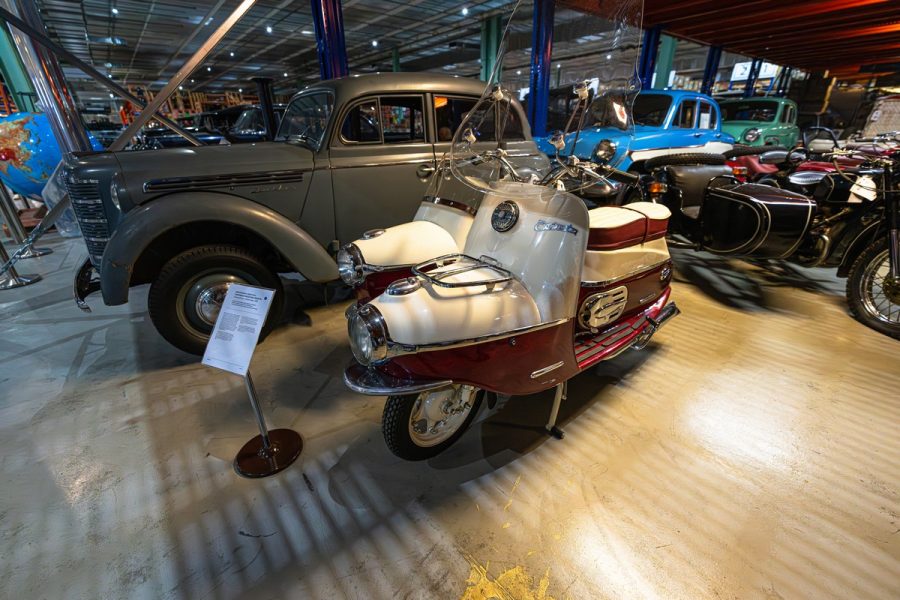
I bet this could shift! ->
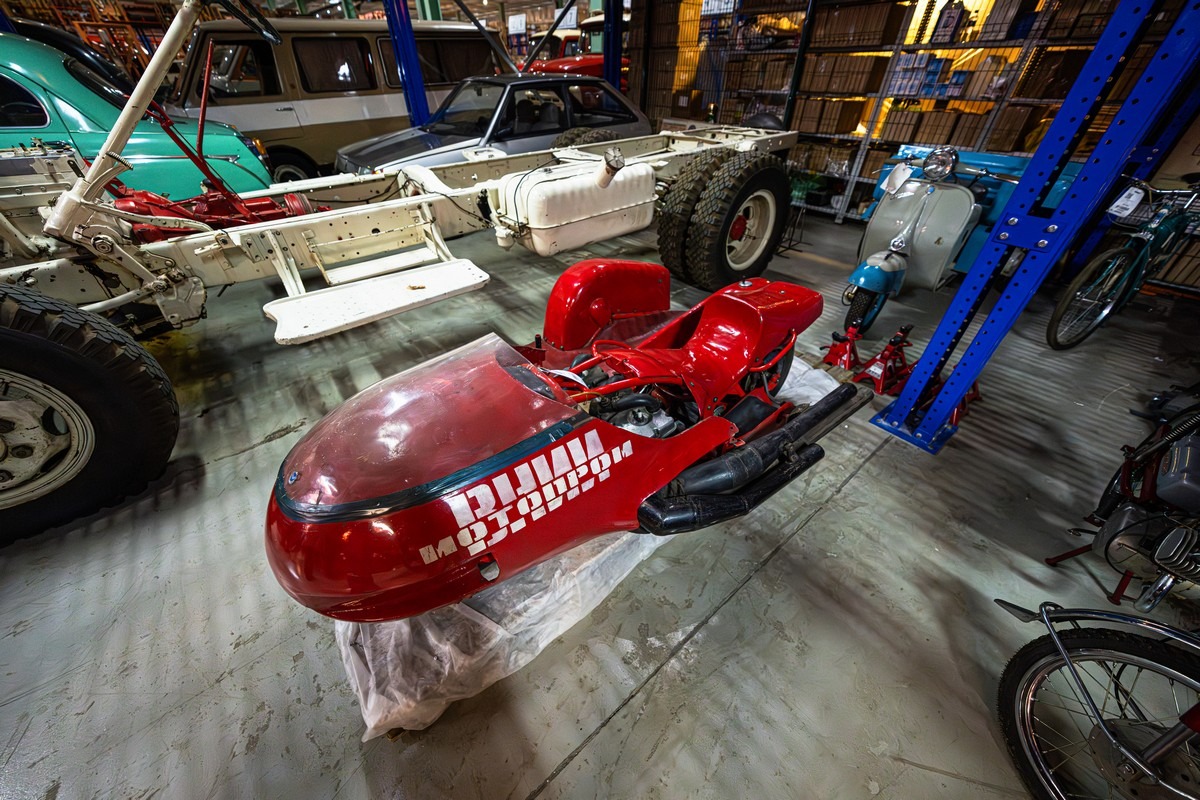
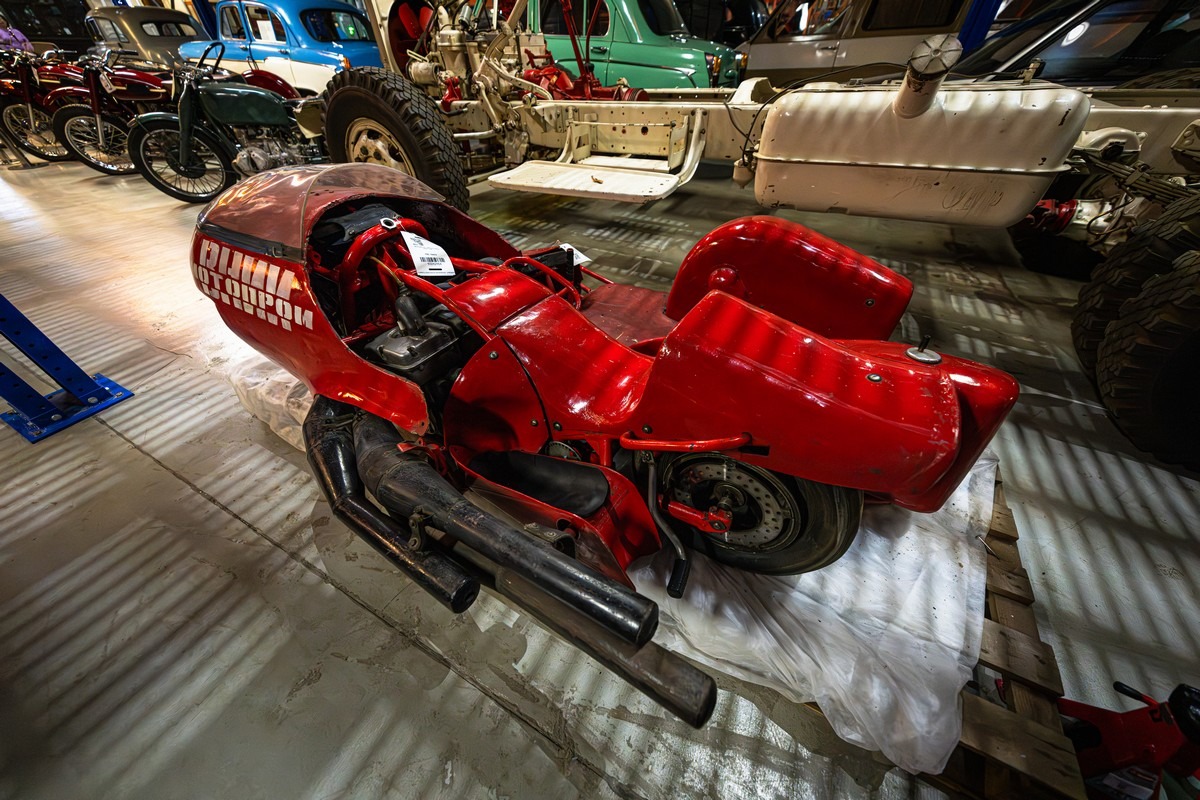
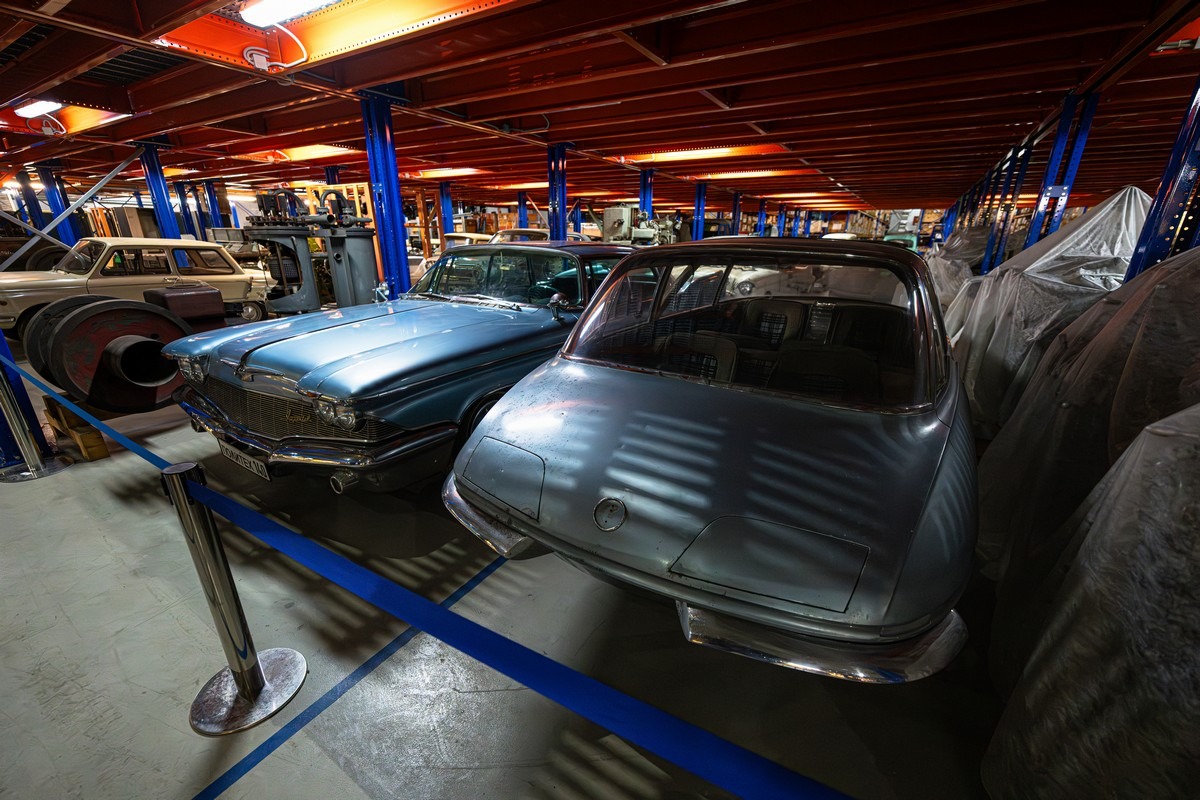
Apparently it’s an experimental prototype, made as a one-off.
And here’s a model of the futuristic six-seater concept car Selene. Made as a one-off by the Carrozzeria Ghia design bureau, it was shown at the Italian Industrial Exhibition in the USSR in 1962.
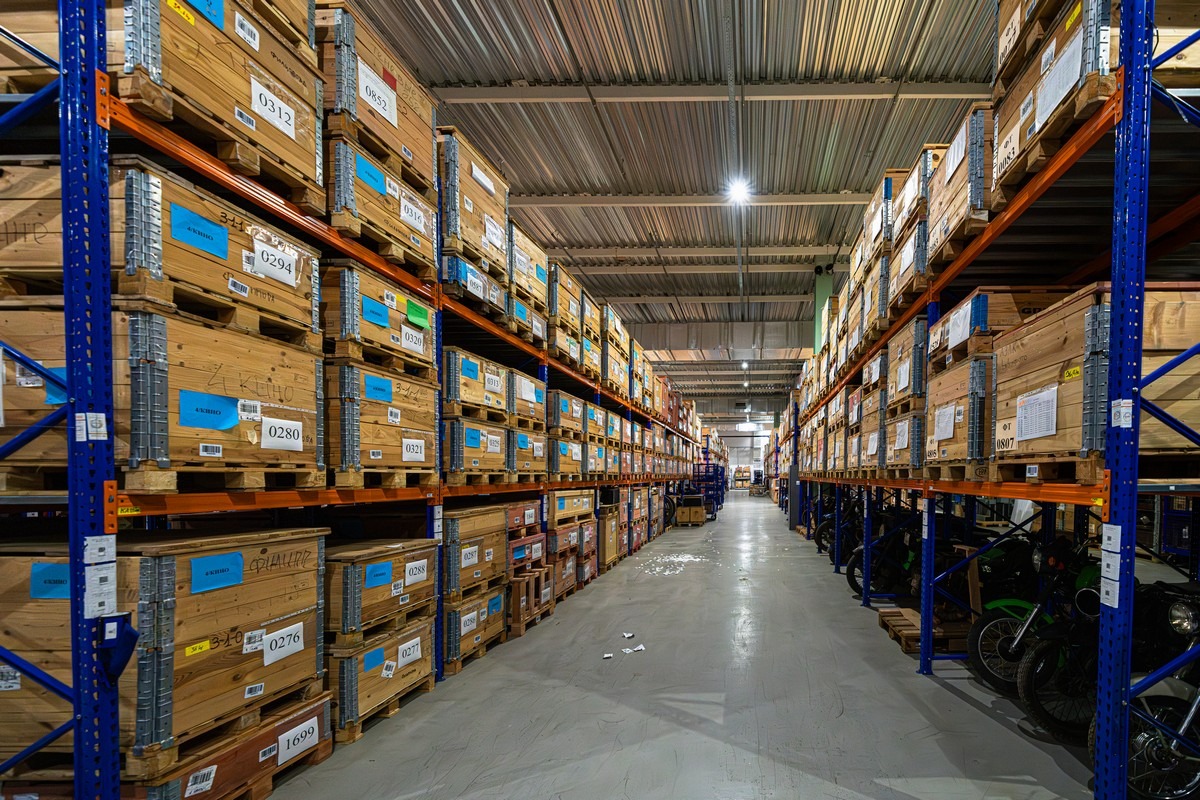
What’s in all those boxes on the endless shelves – anyone’s guess…
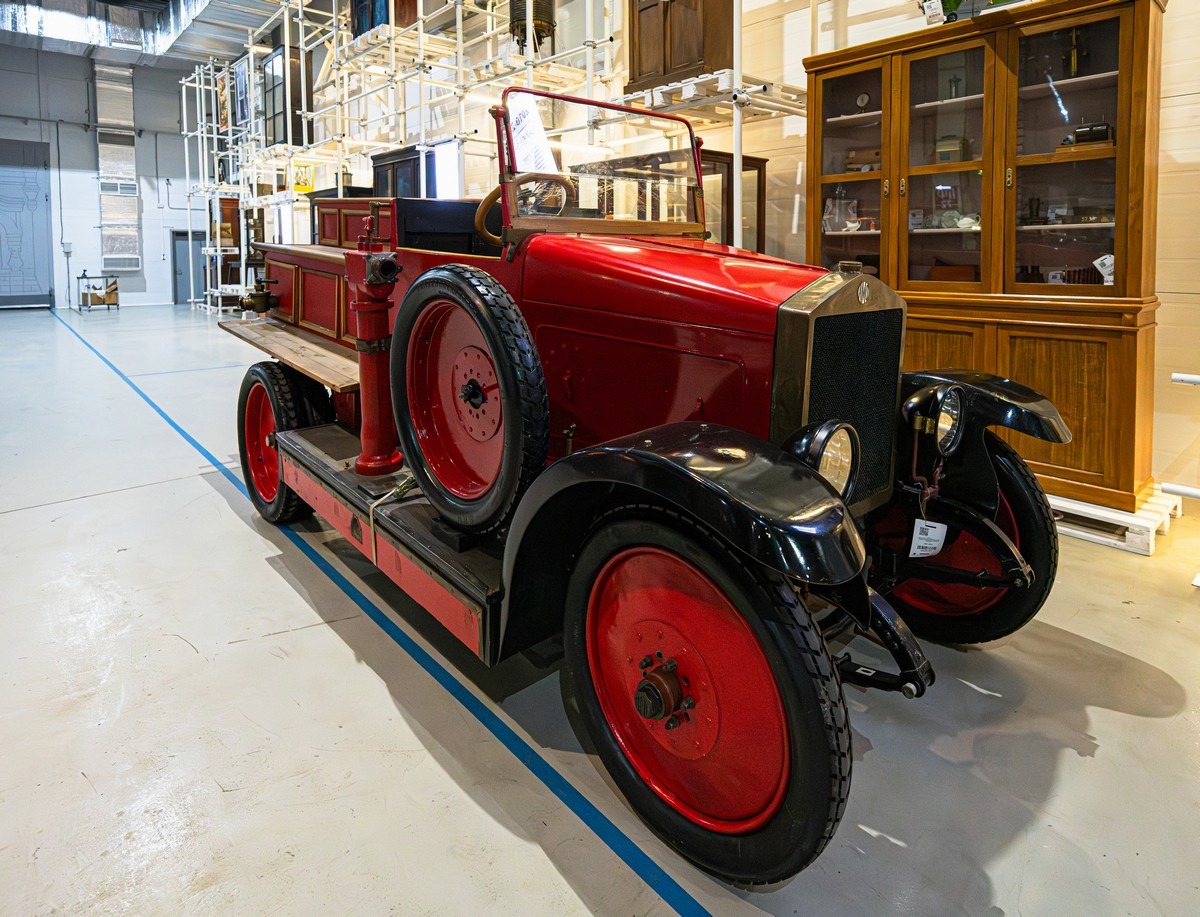
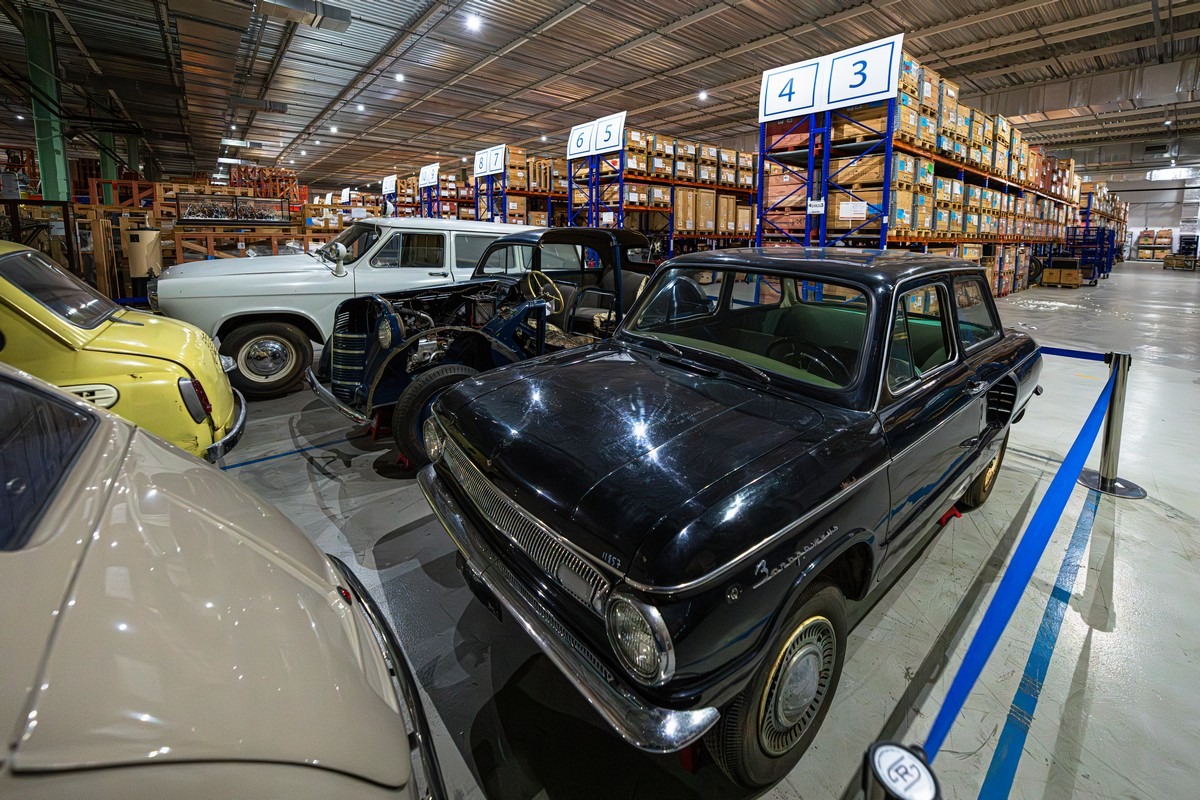
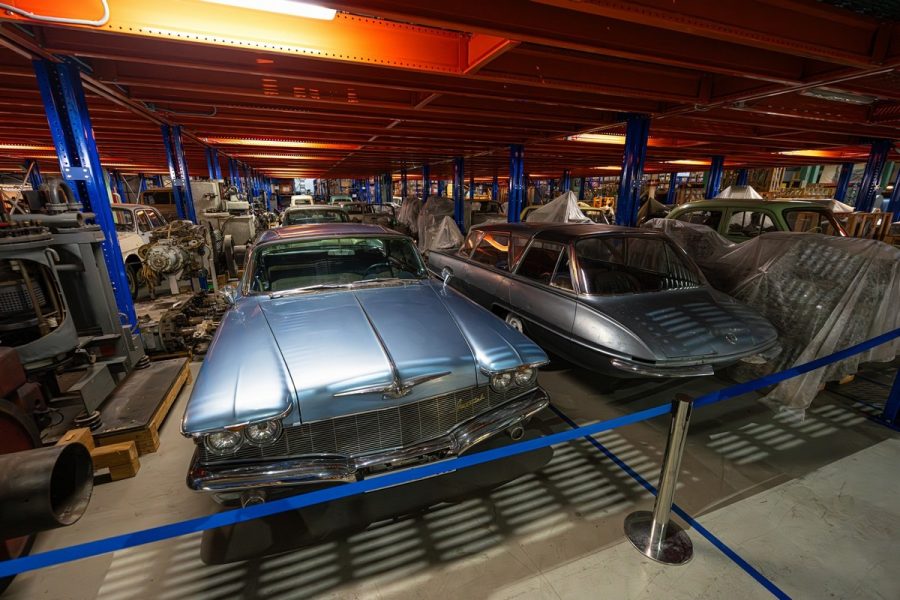
Naturally, the automotive collection stands out. There’s so much here – even old fire engines :) ->
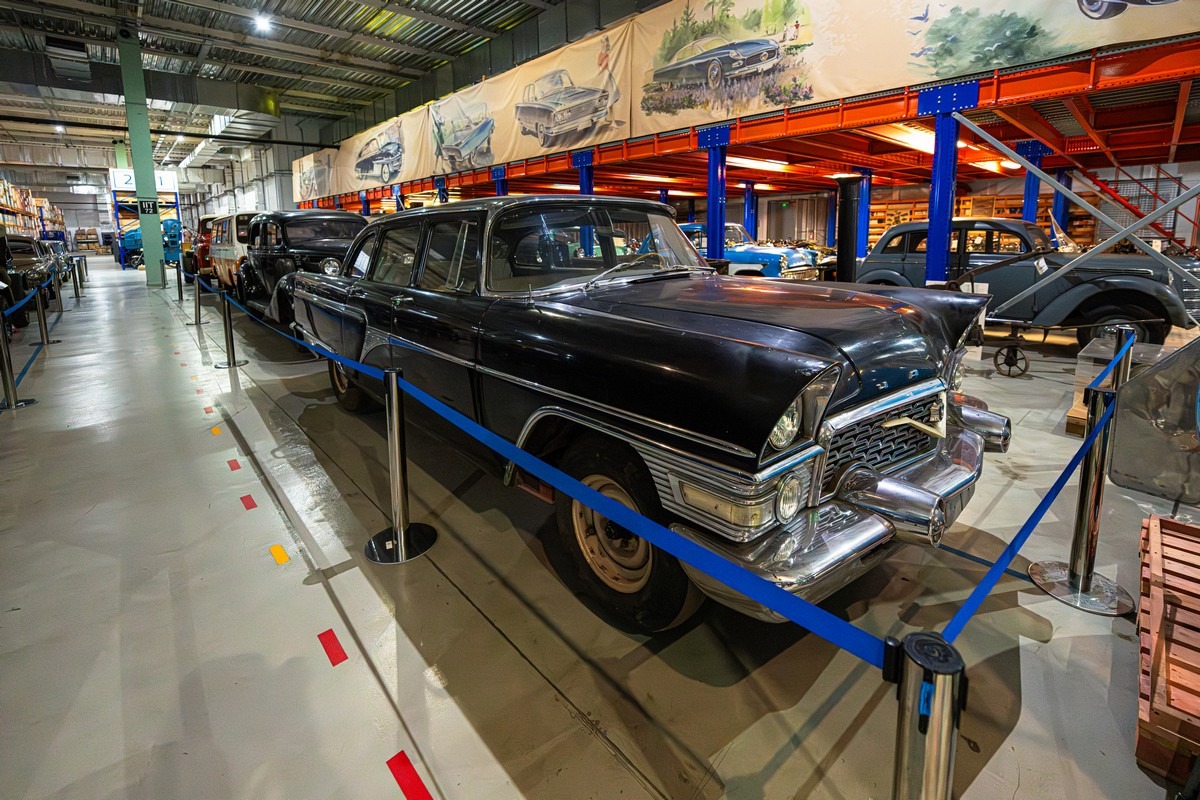
Looks like an ordinary Chaika…
…and some kind of unusual Zaporozhets:
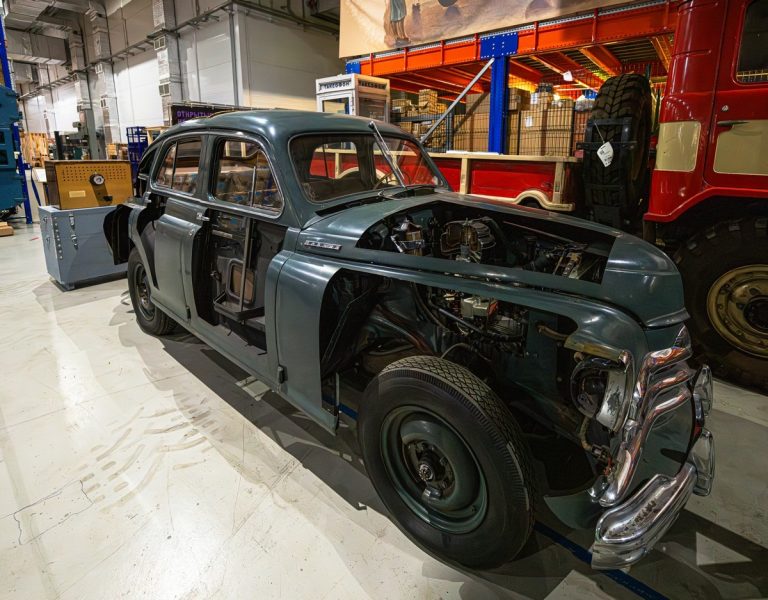
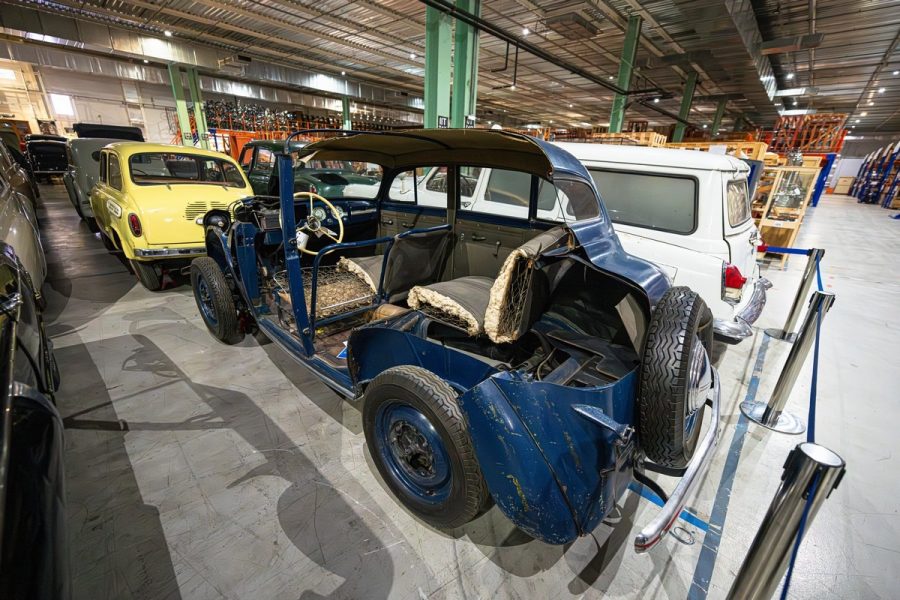
Some of the cars are cut open:
A portable engine! ->
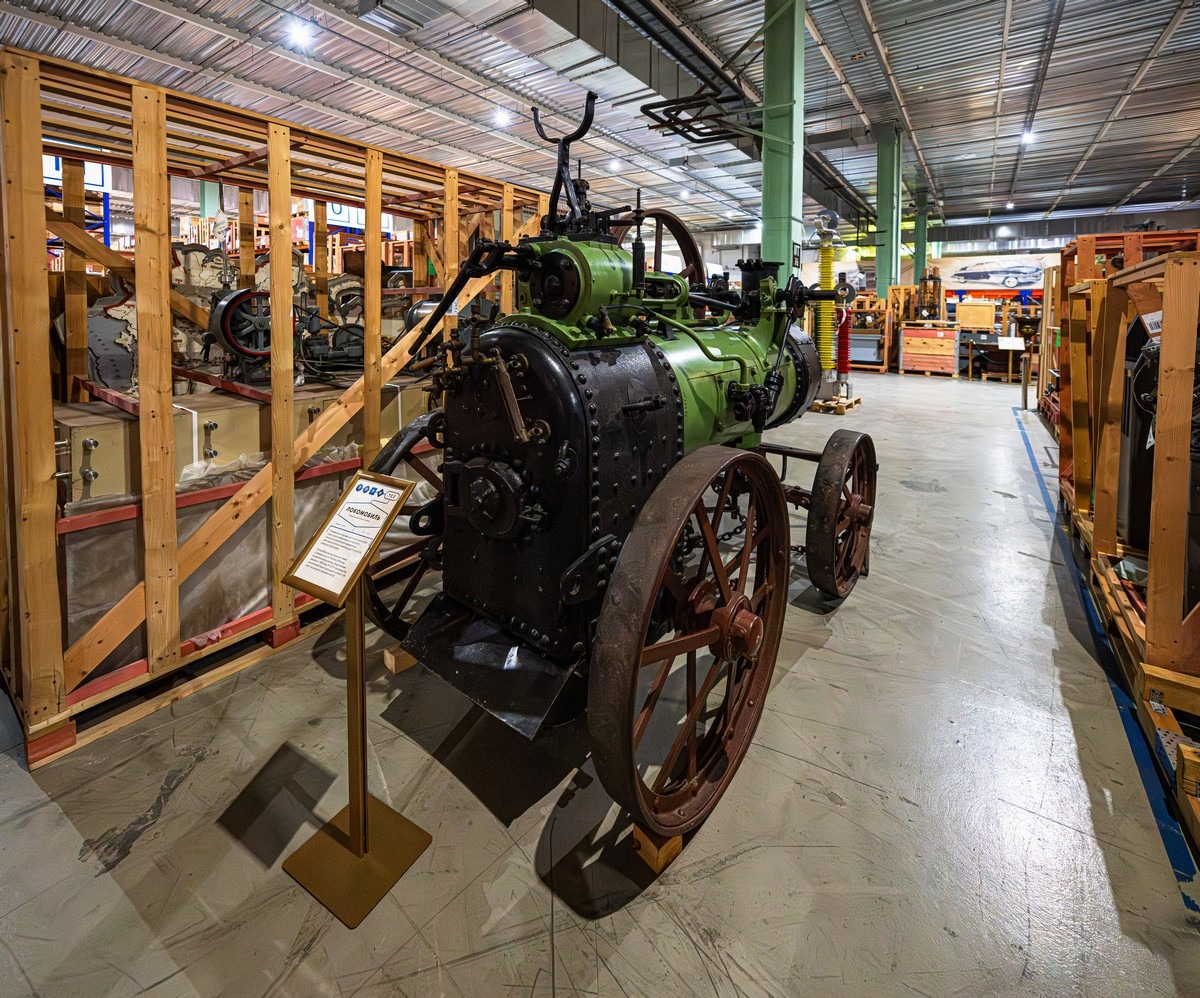
And assorted other motor vehicles, the collection of which stretches off into the distance:
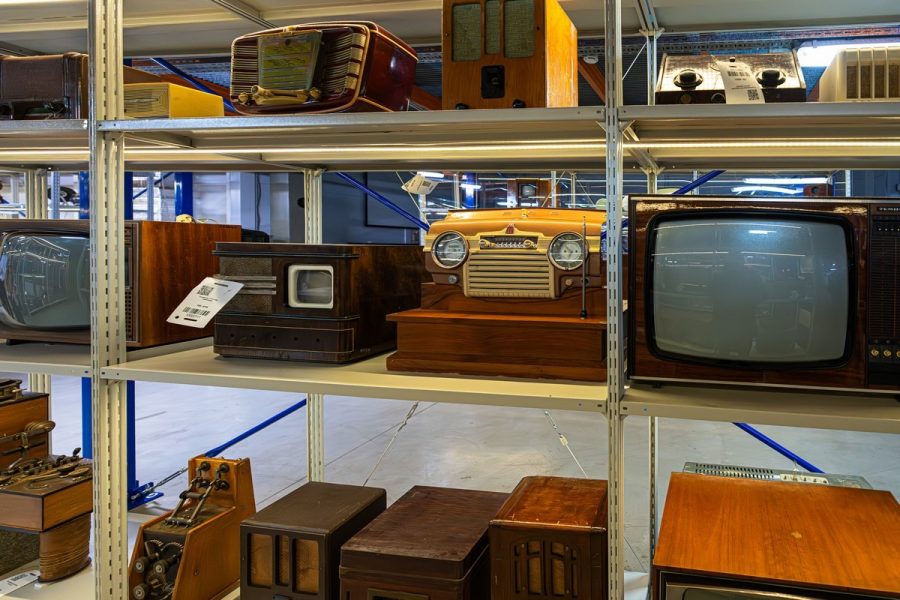
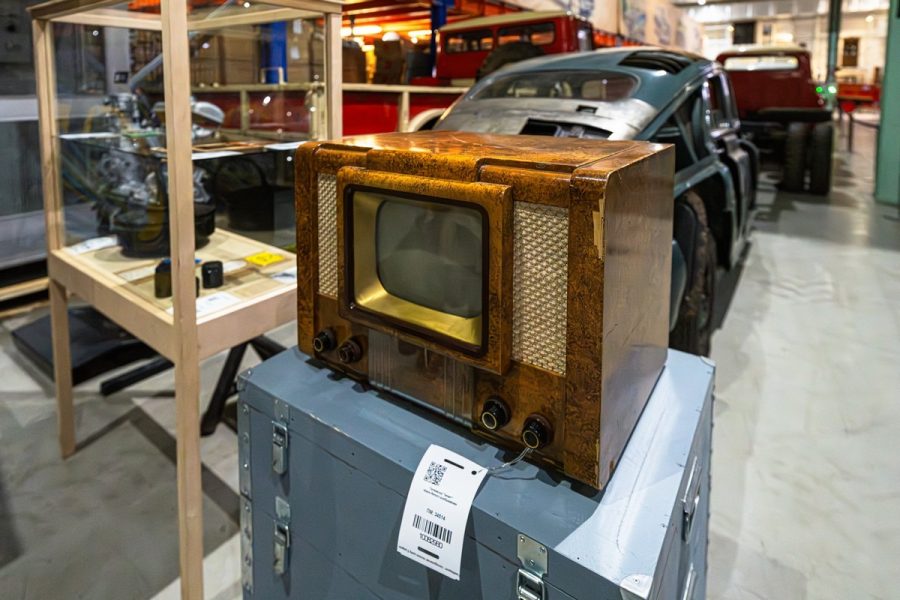
Radio and television equipment in all varieties:
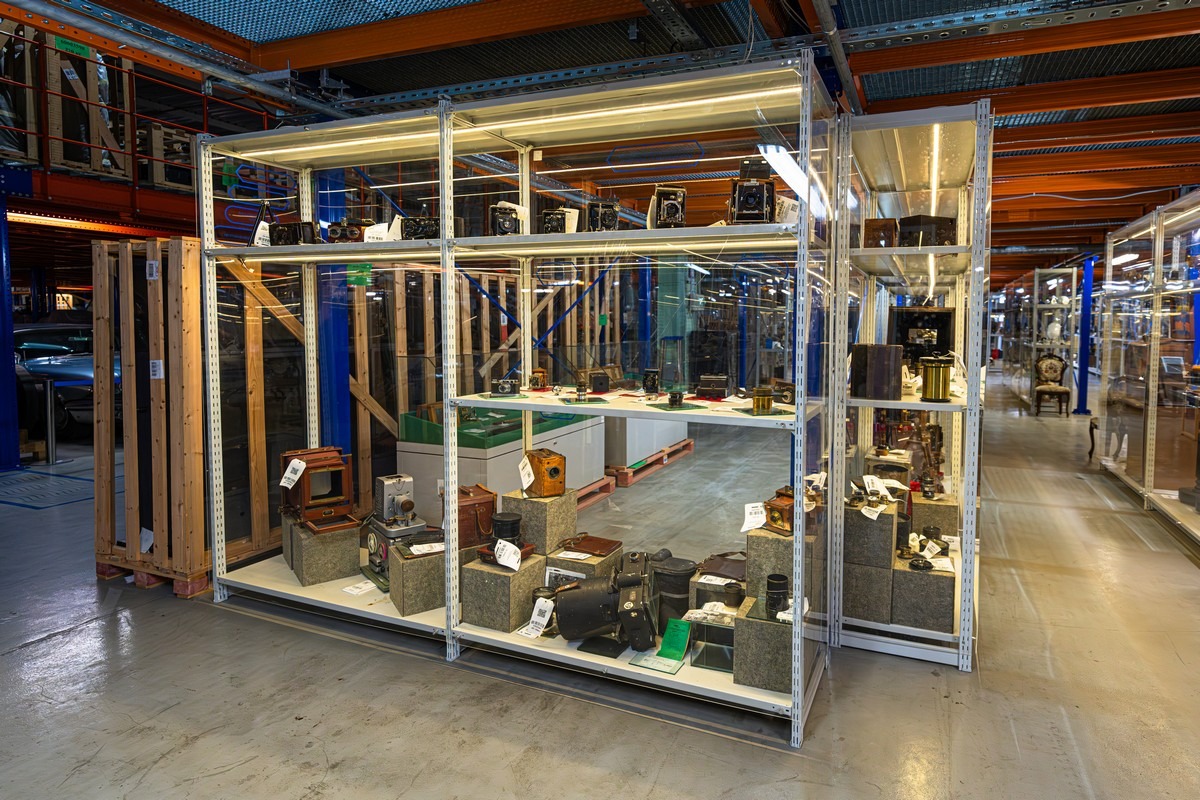
Photography gear as well:
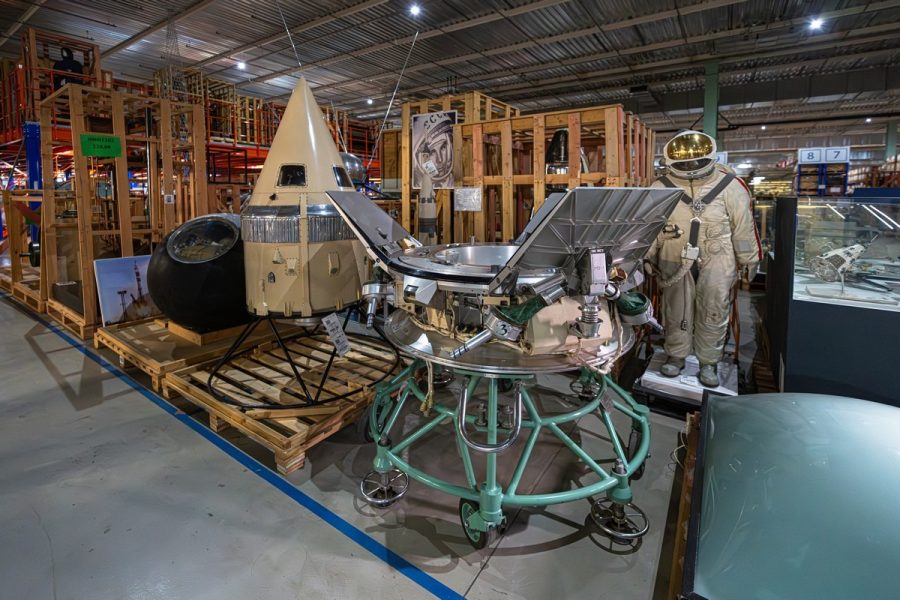
Space kit is represented too – mostly by scale models:
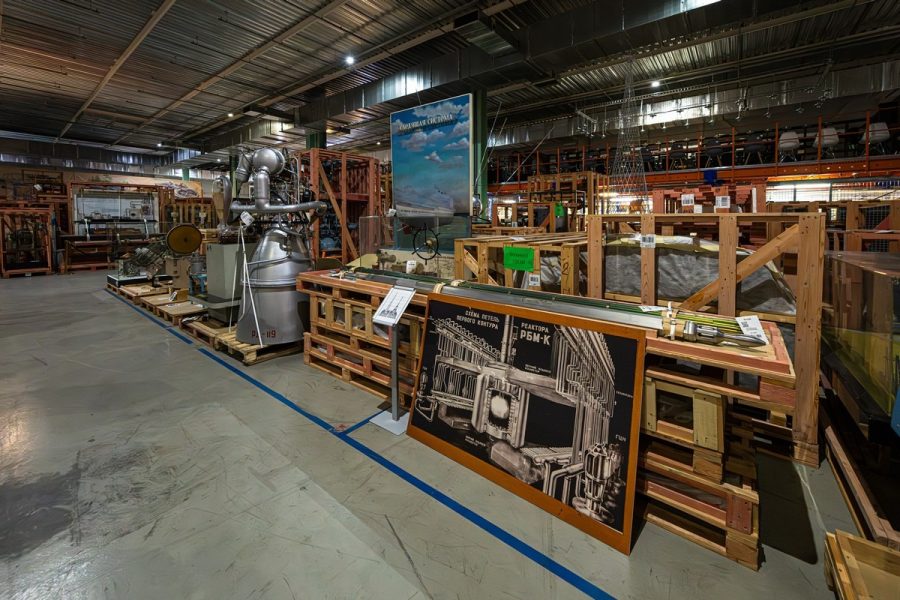
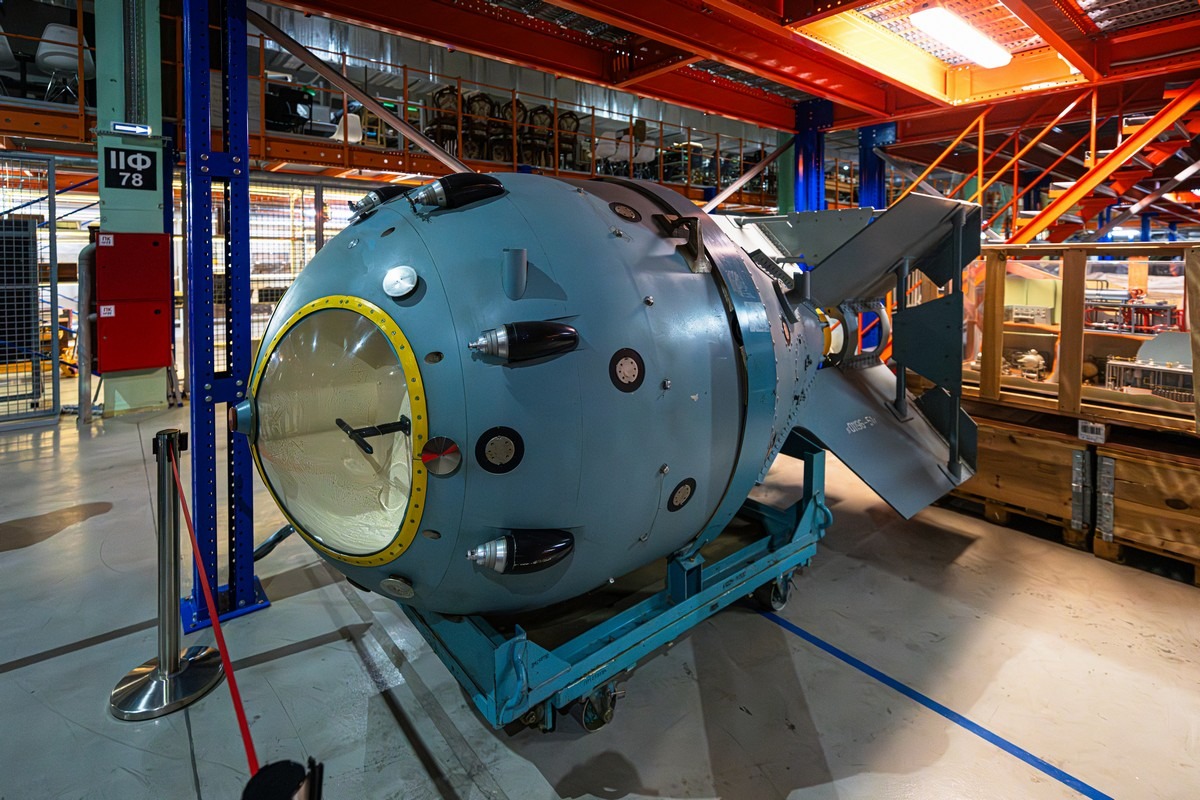
And even a model of the first Soviet atomic bomb, RDS-1:
Naturally, computing equipment was the most interesting part of the entire exhibition for us. There’s a ton of it here, of all kinds – starting with basic counting frames and various ancient abaci, then arithmometers, and on to more modern systems.
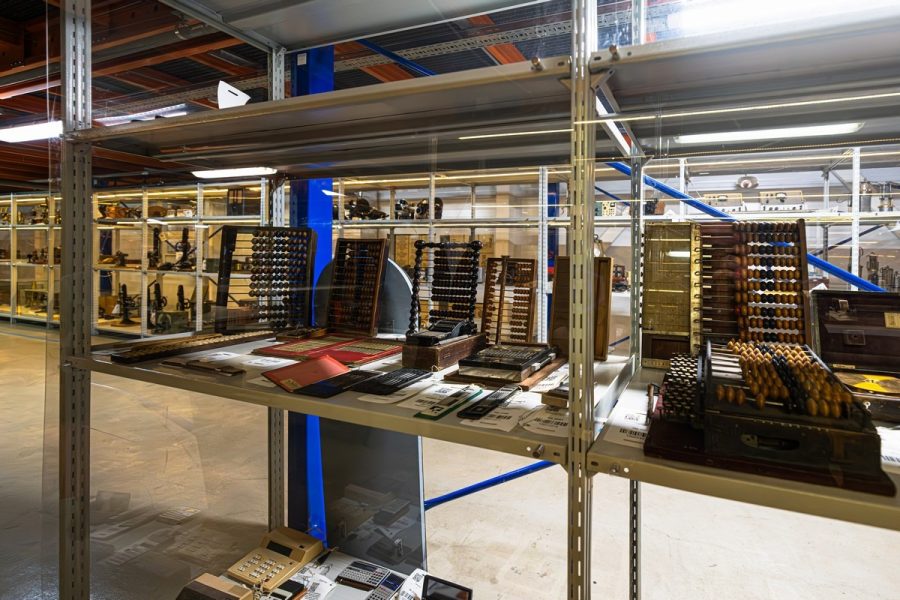
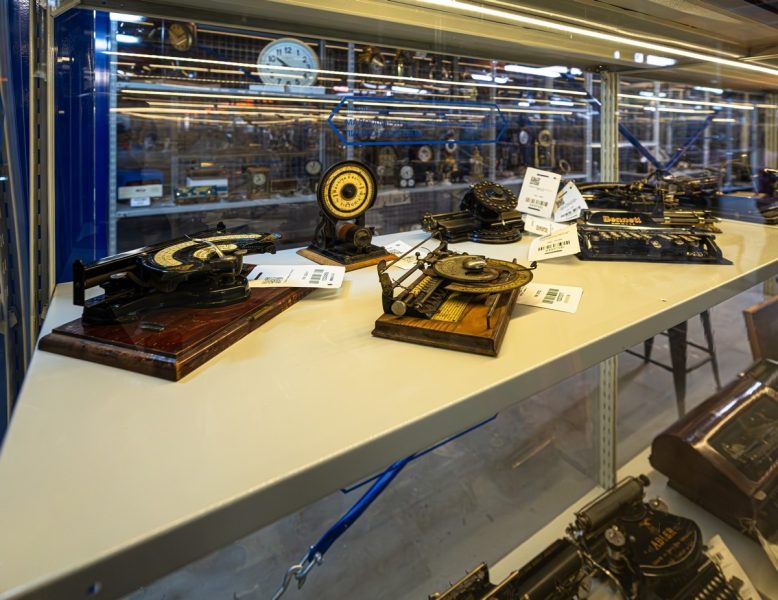
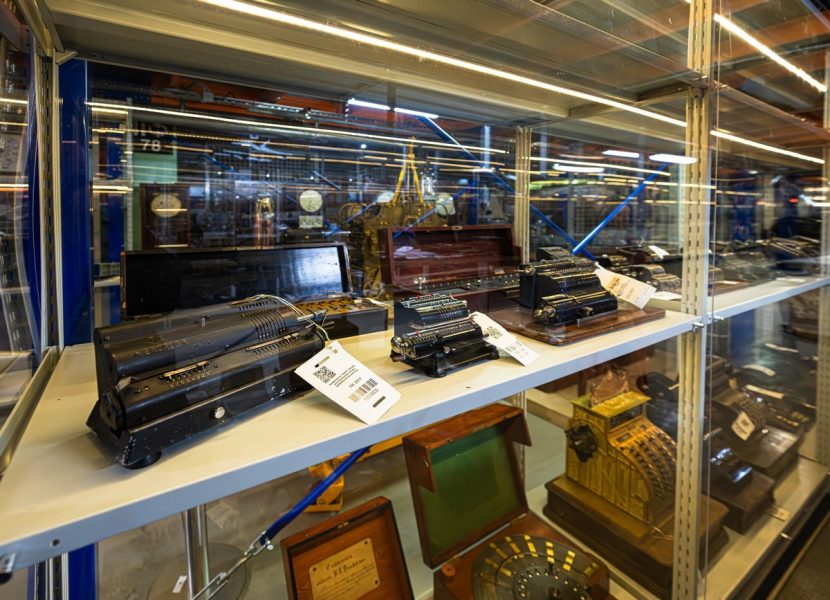
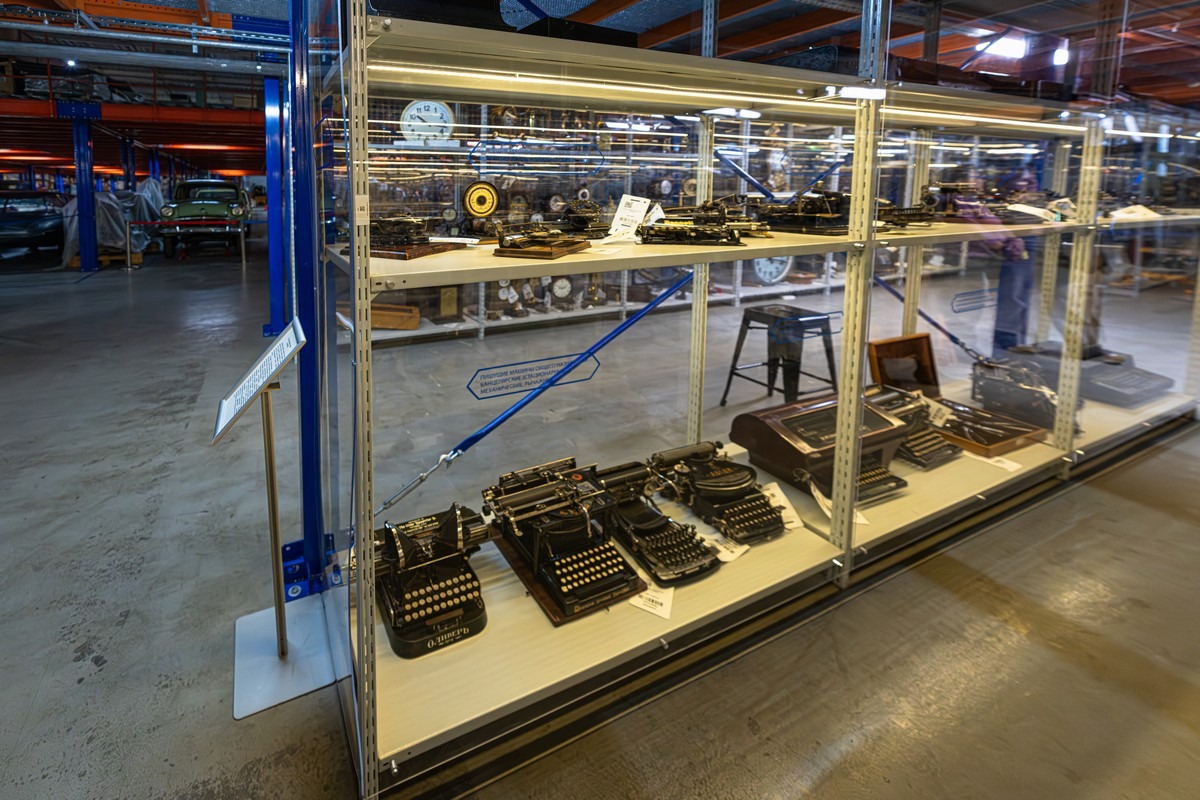
All kinds of typewriters are here too, including some very rare and unusual ones:
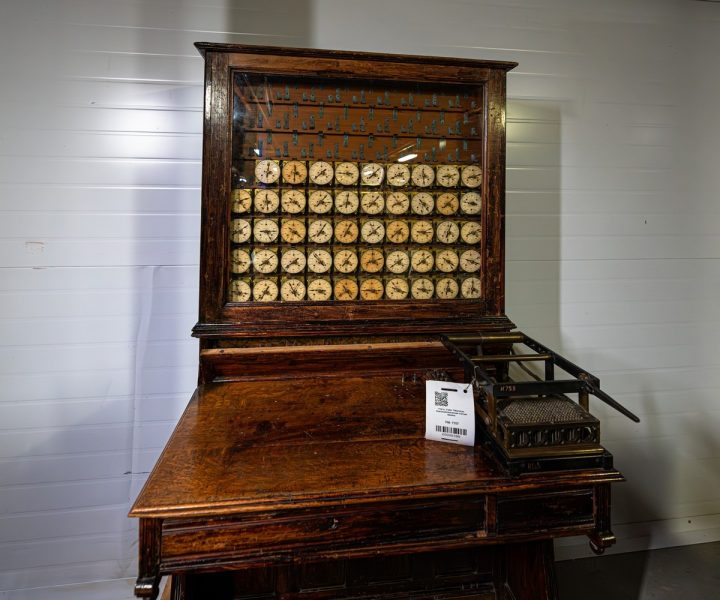
Here’s Herman Hollerith’s tabulating machine, created at the end of the 19th century and used for the U.S. census. By the way, this is the only surviving example! ->
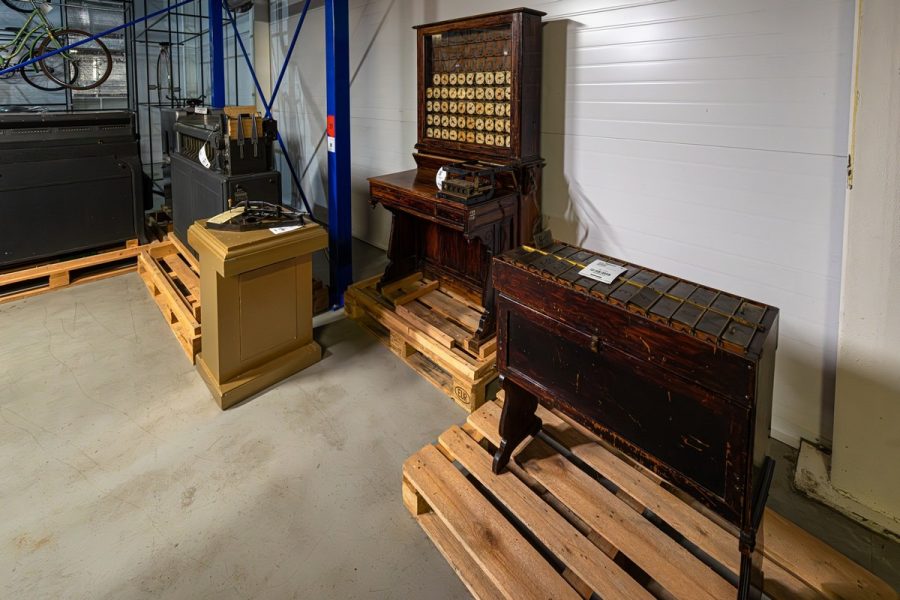
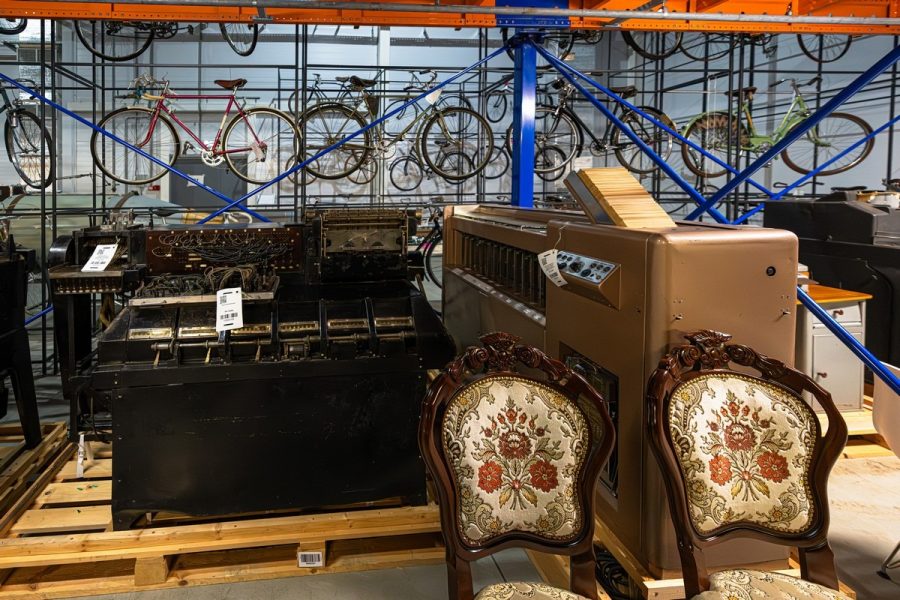
And here begins the era of electronic computers:
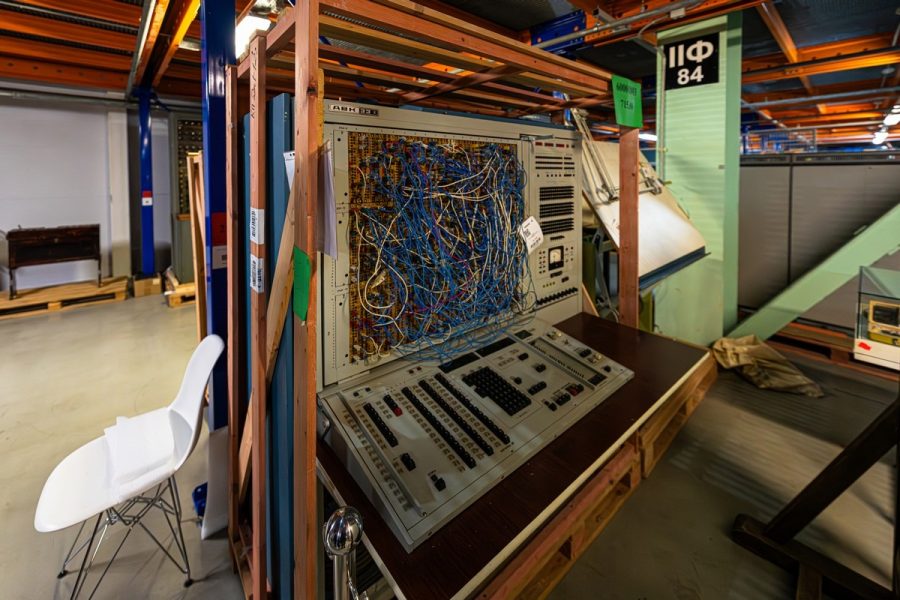
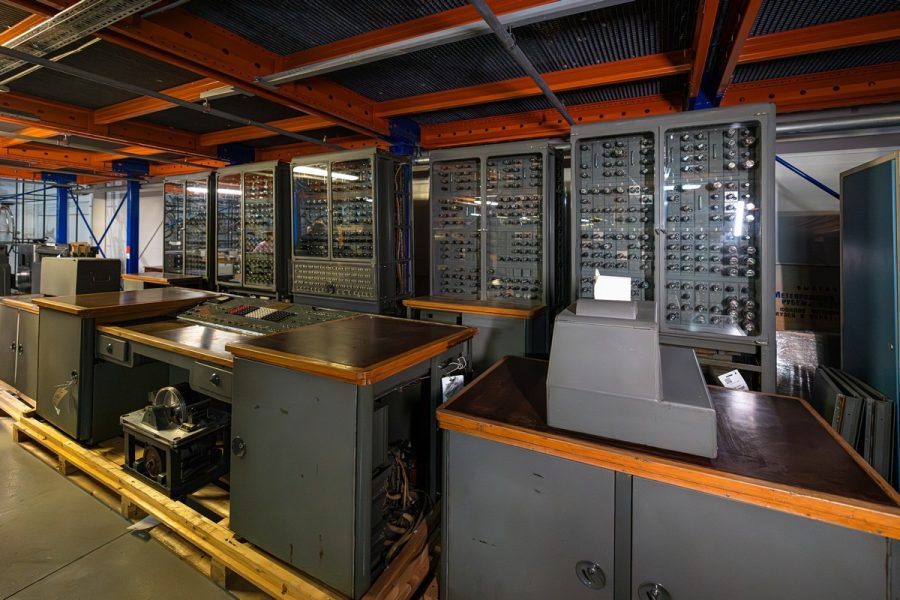
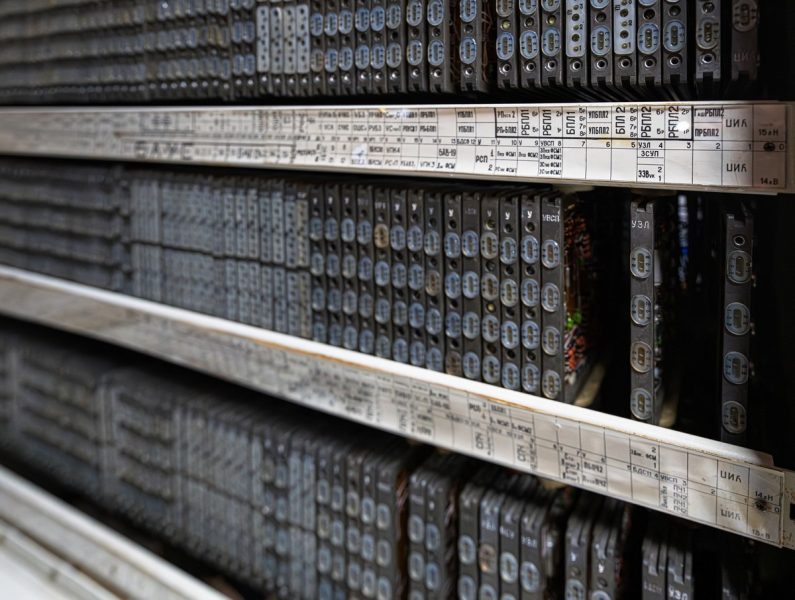
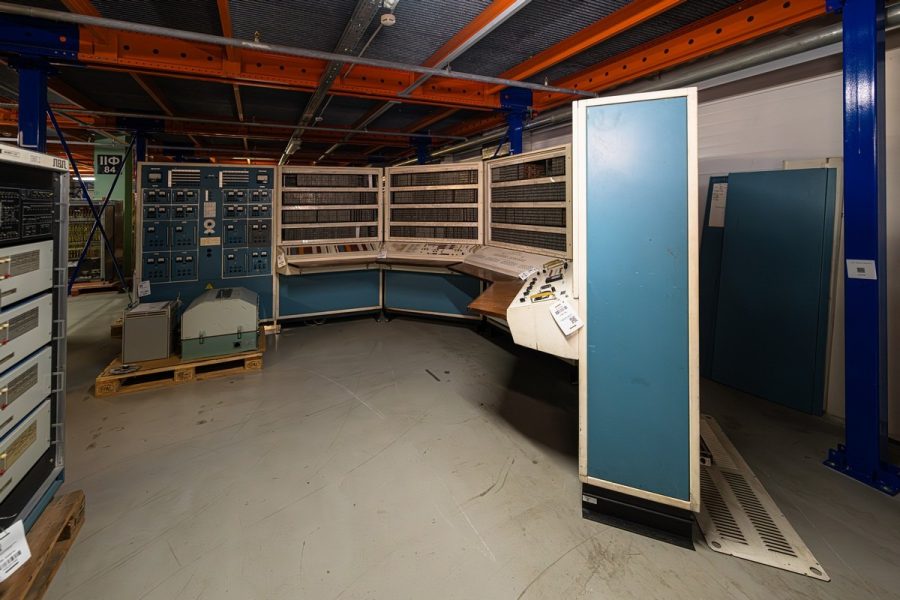
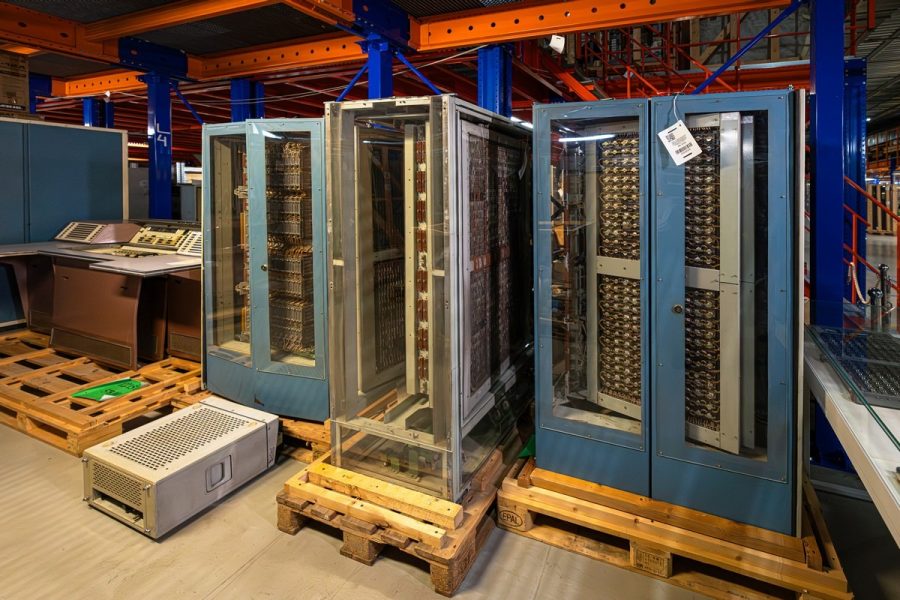
The BESM-6, no less! A massive electronic computing machine from the Soviet era:
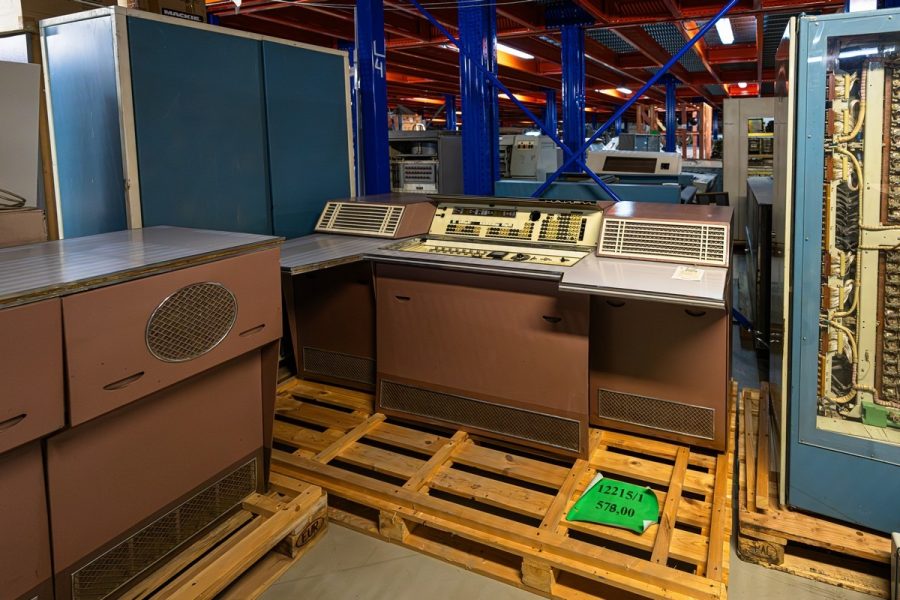
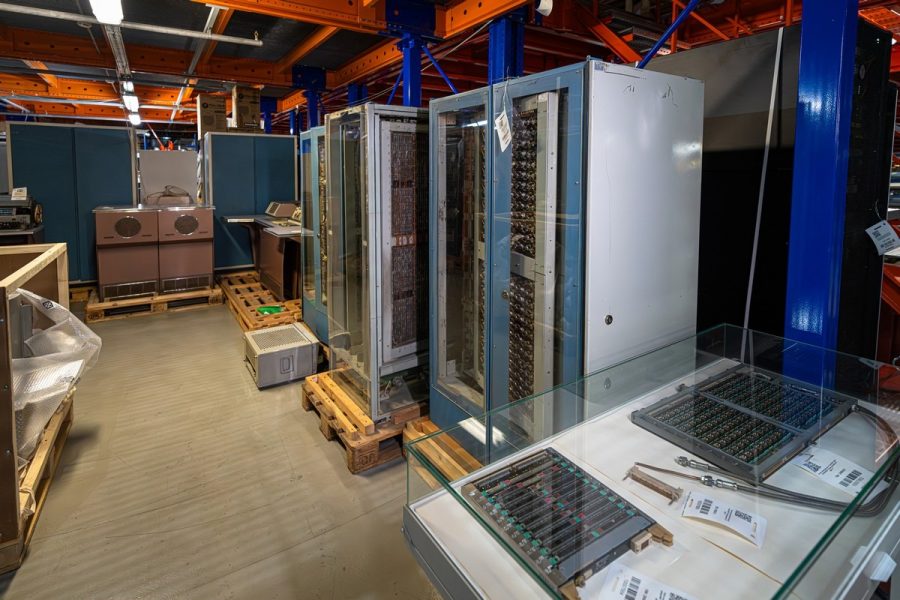
And this, by the way, is a water-based computer, also known as a water integrator! Yes, ordinary water was used as the digital medium! This method of computation was invented in the 1930s in the USSR and was used for calculations related to hydraulic facilities (like the Moscow–Volga Canal), building dams, and so on:
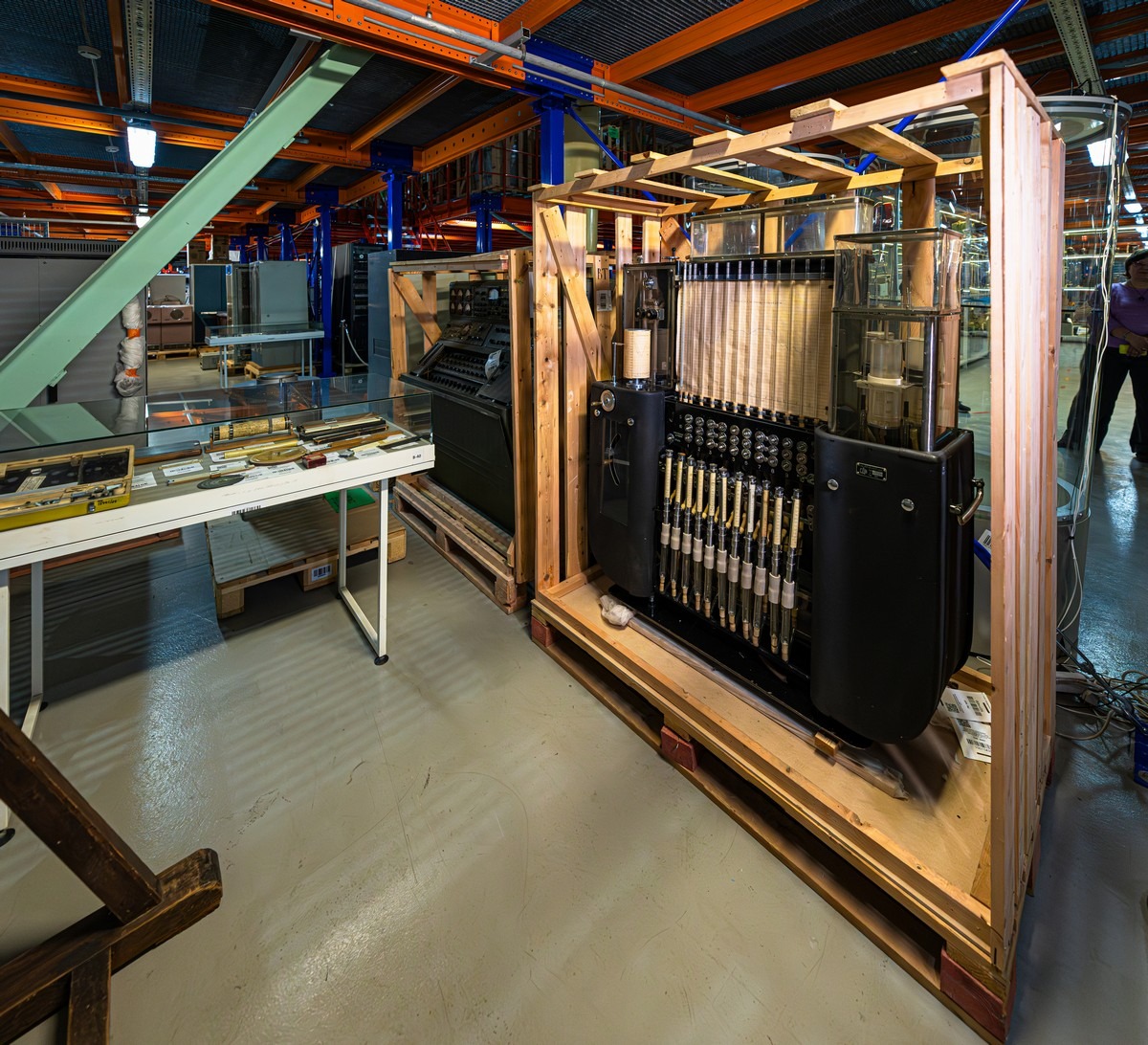
An amazing analog computer! I’d heard about it, but only managed to see it with my own eyes here.
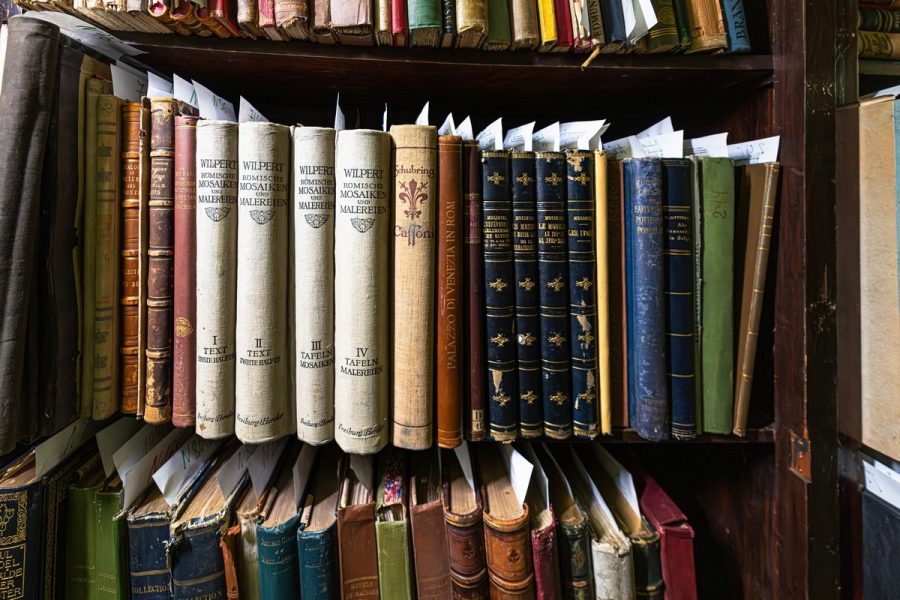
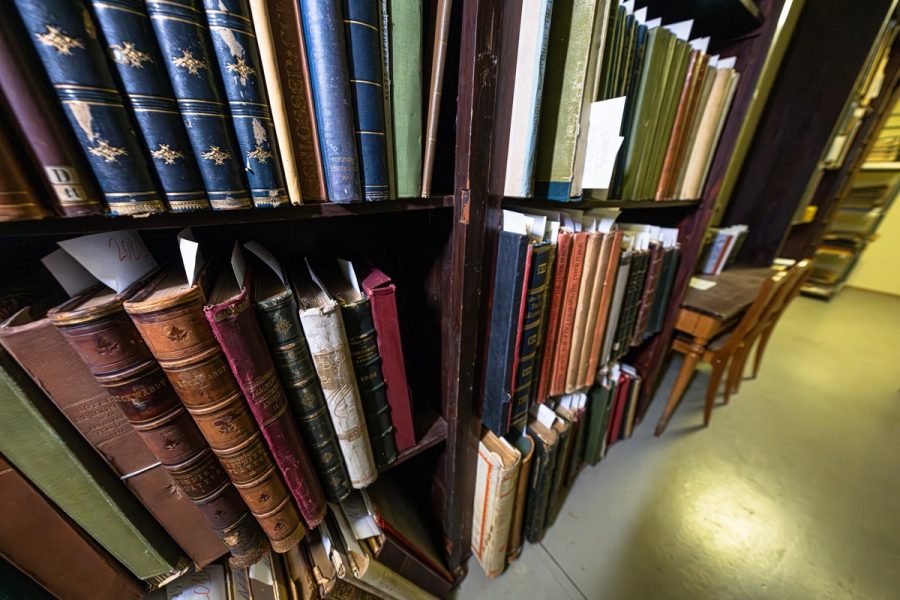
There’s also a literature storage area – mainly scientific and technical. As far as I remember, it houses more than three and a half million (!) books and journals. There’s a section for especially rare and valuable items too…
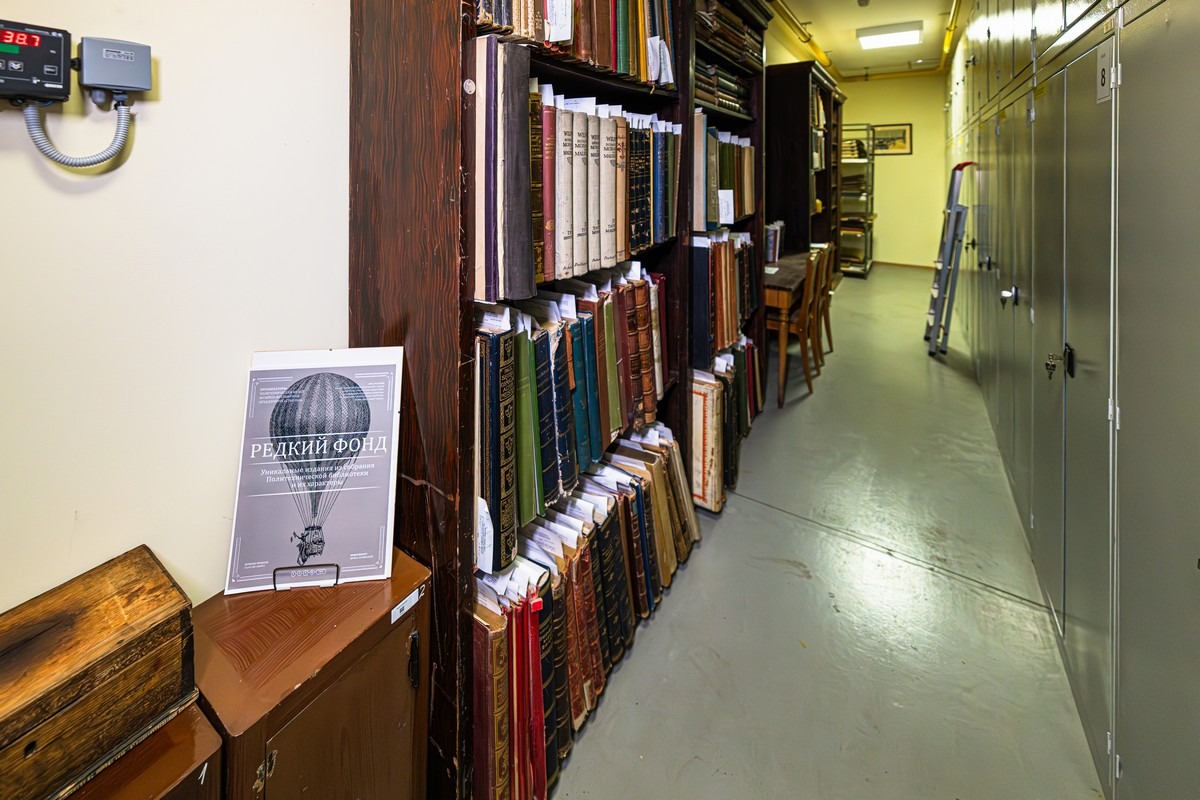
But almost all the books are in closed metal cabinets; a few are left on the shelves:
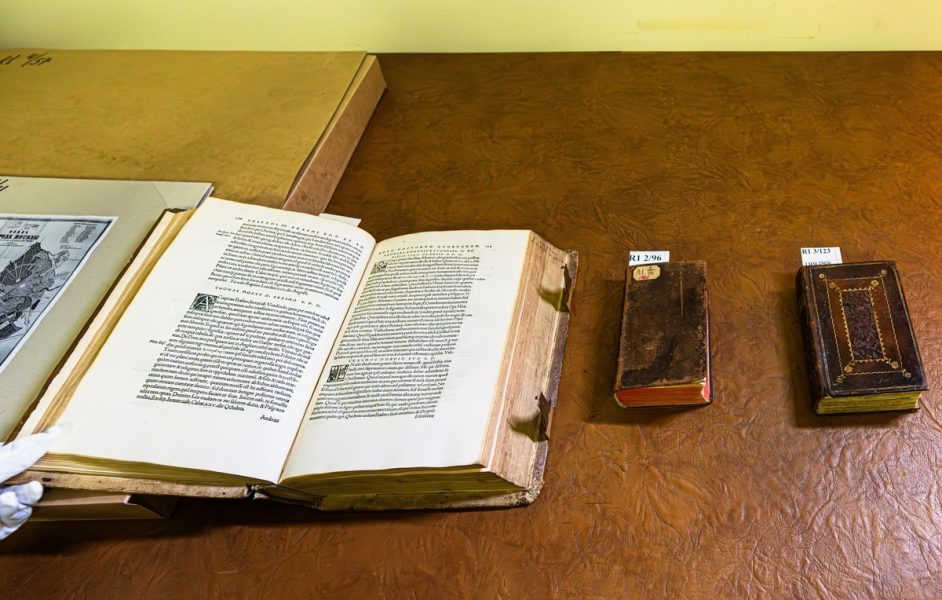
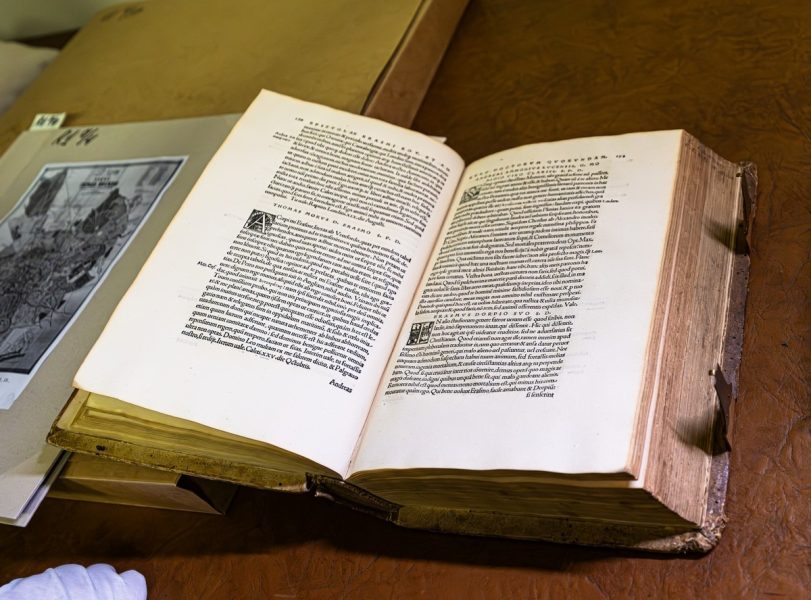
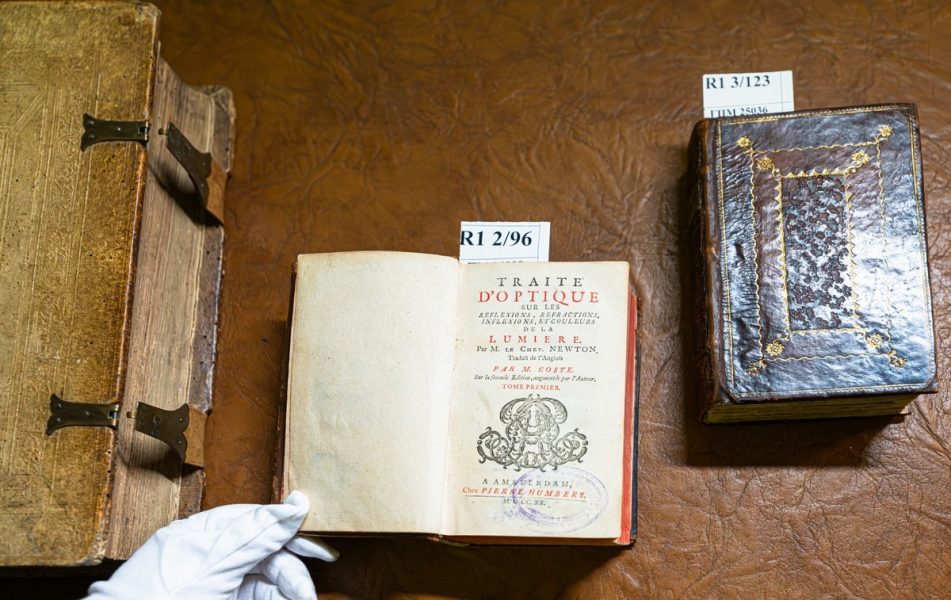
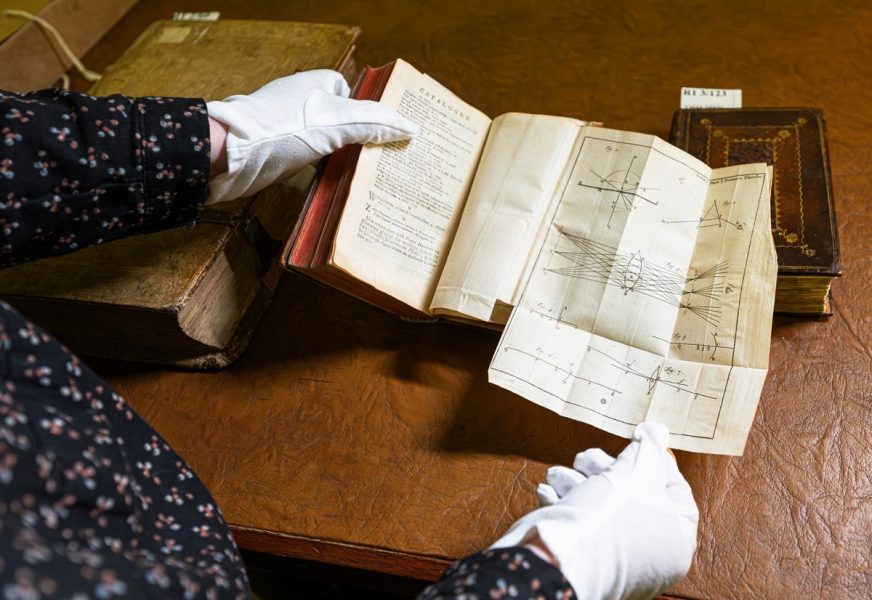
Opticks – a collection of three books by… Isaac Newton (published in 1704) ->
A first edition of Lomonosov’s “First Principles of Metallurgy, or Ore Affairs”:
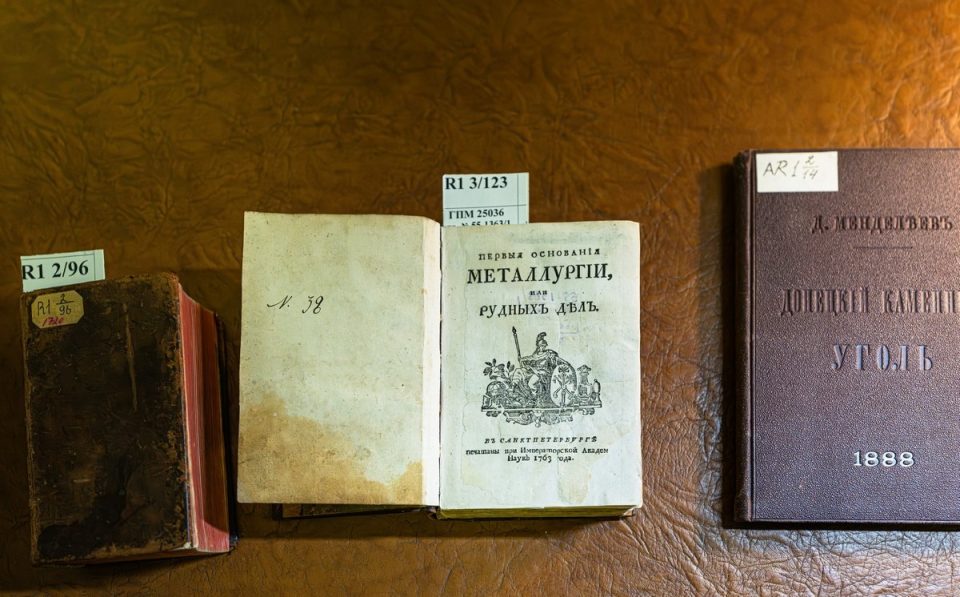
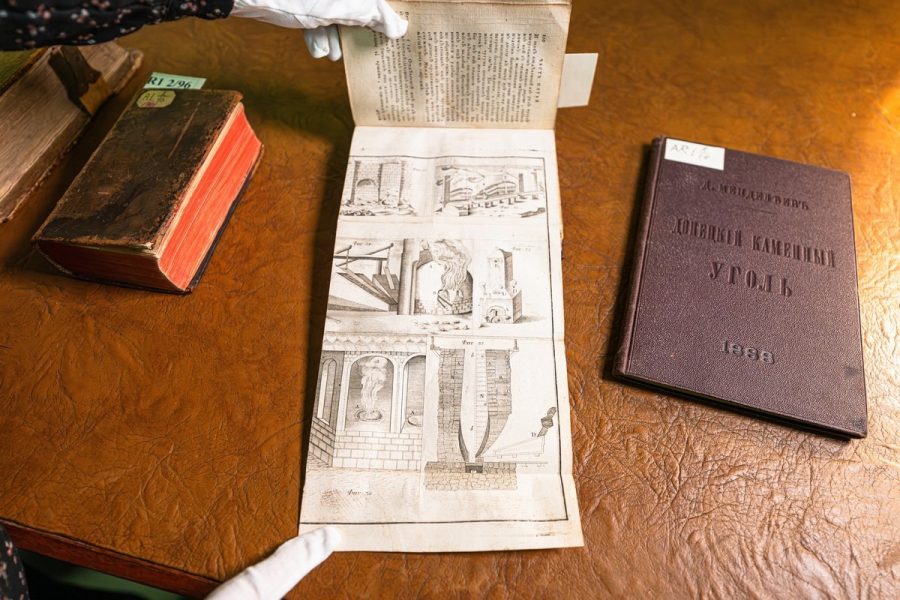
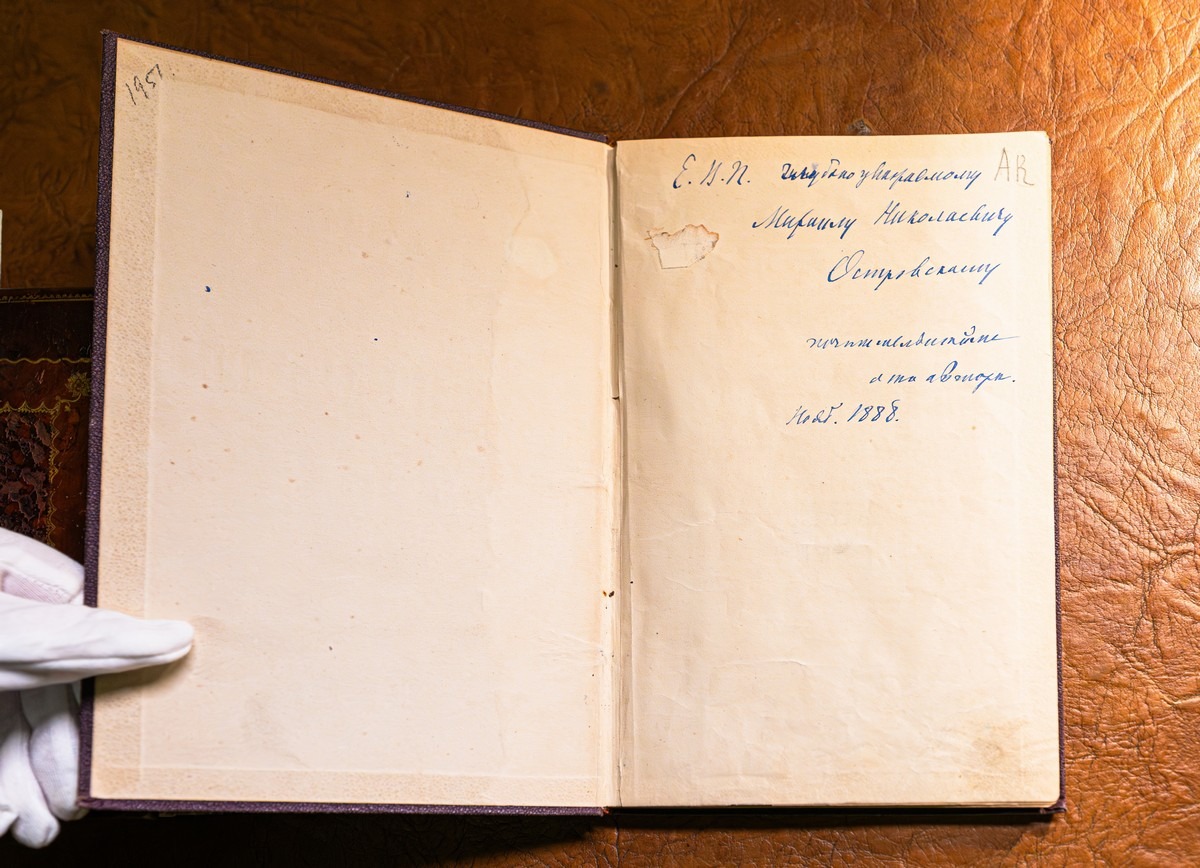
A book by Mendeleev (inventor of the periodic table – known as the Mendeleev table in Russia), signed by the chemist himself:
But after an hour-and-a-half-long tour, my head was already spinning a bit and it was getting hard to absorb all the information – so it was at this point that we decided to wrap up our excursion.
The best hi-res photos from the Polytechnic Museum’s warehouse are here.

