
May 9, 2026
When’s a geyser not a geyser? When it’s in El Tatio, Chile!
I’d heard a lot about the thermal fields and geysers in Chile, and figured it was time to go see them for myself since the photos online were kind of underwhelming.
// Let me say this right away: Atacama does have thermal fields – but geysers? None. That’s why the “geyser” photos from there look so unimpressive. But whatever – onward to the El Tatio geothermal fields!…
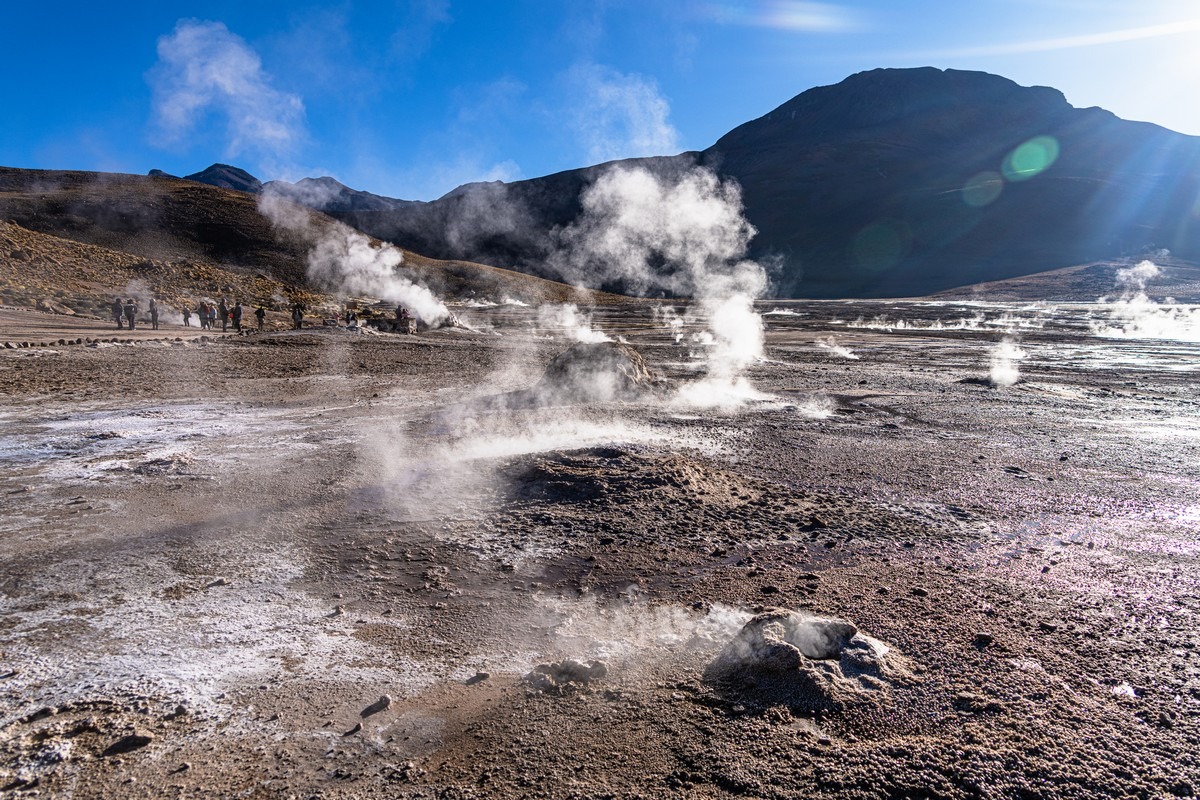
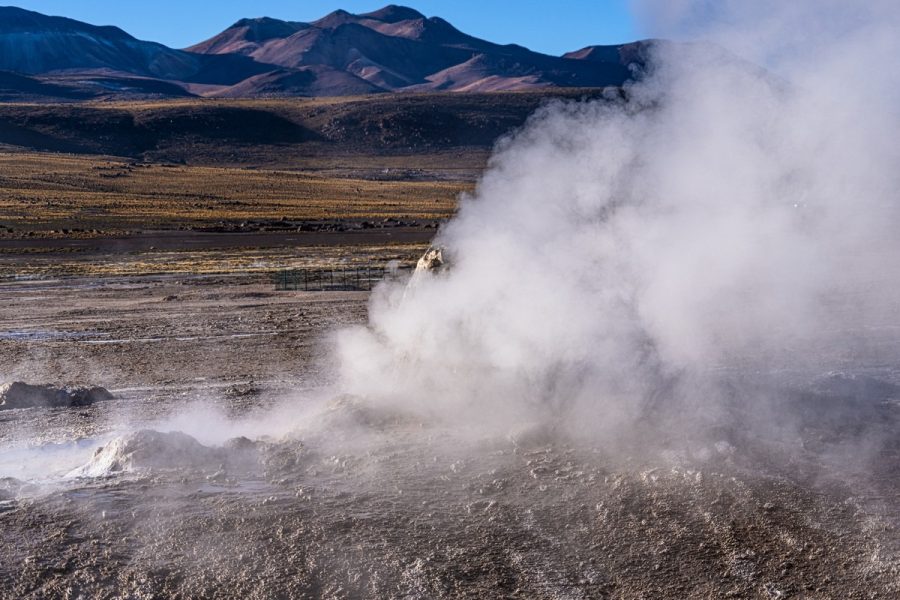
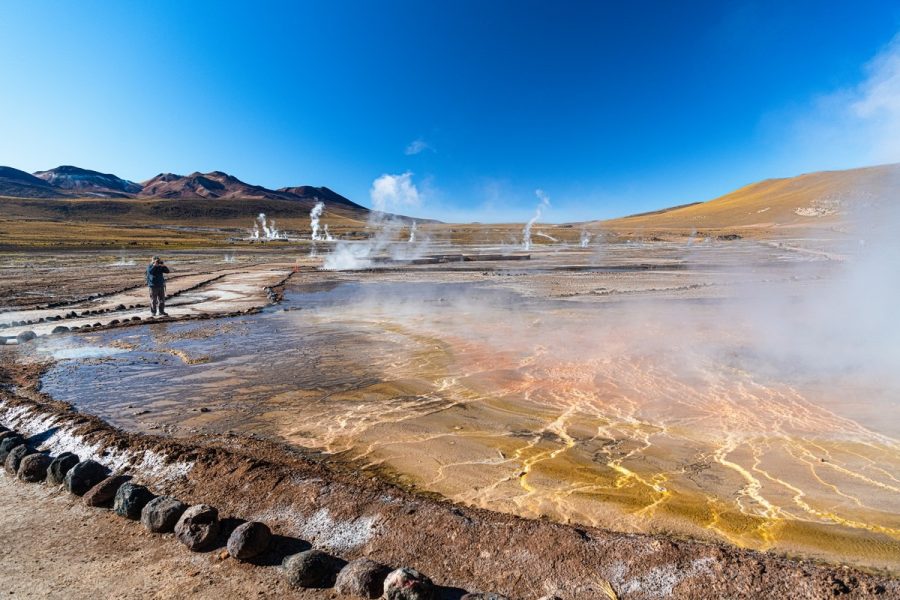
All as per for thermal fields: much hissing, gurgling, bubbling, rumbling, and spraying of boiling water:
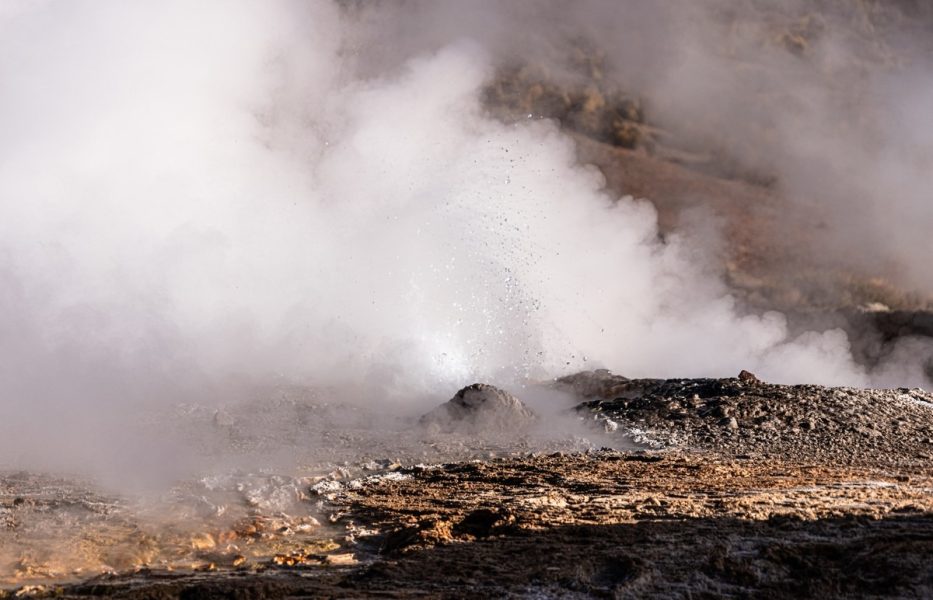
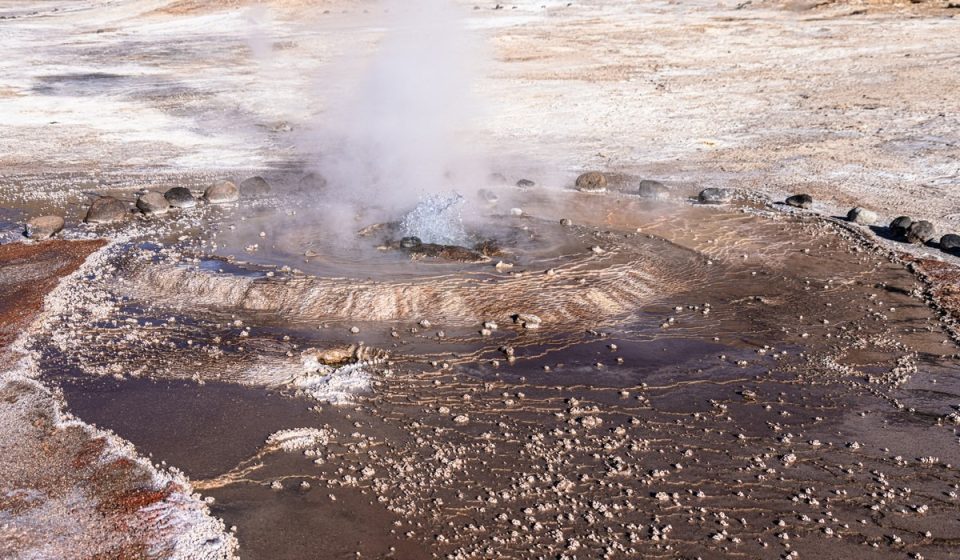
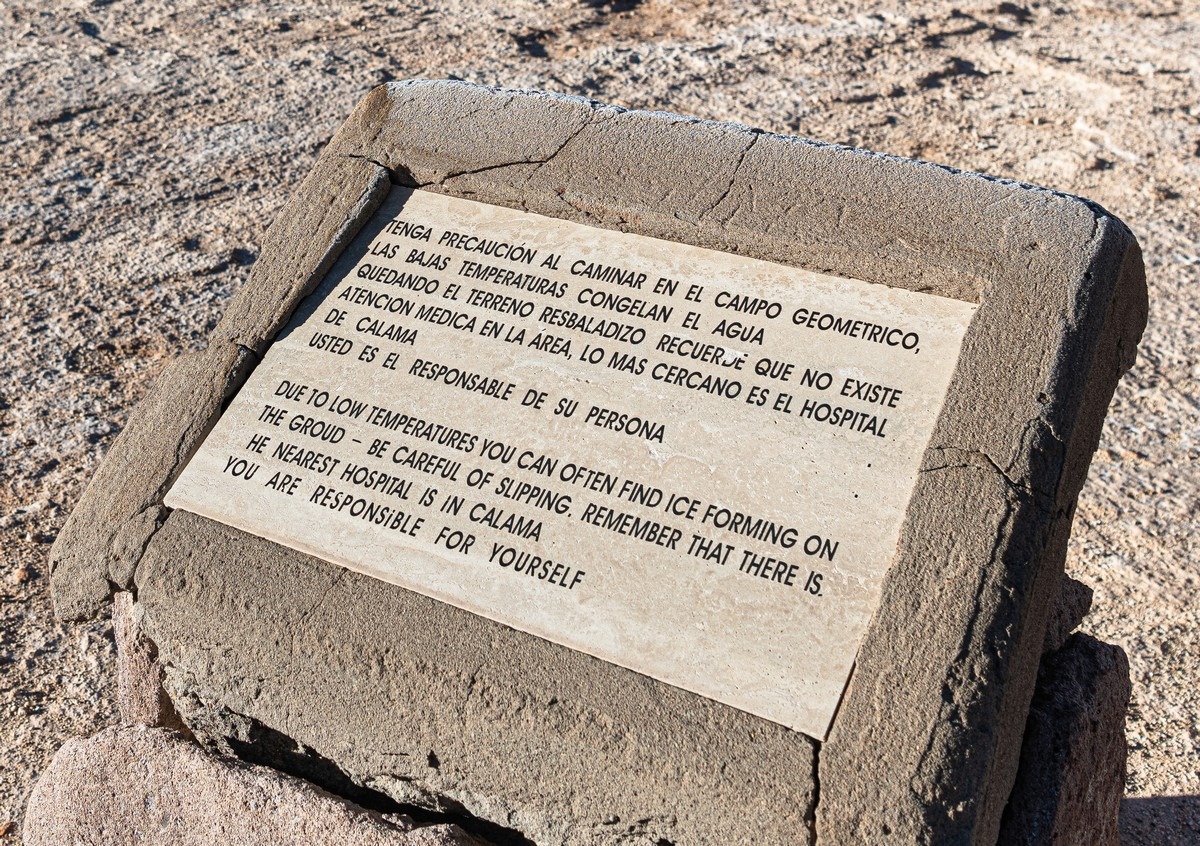
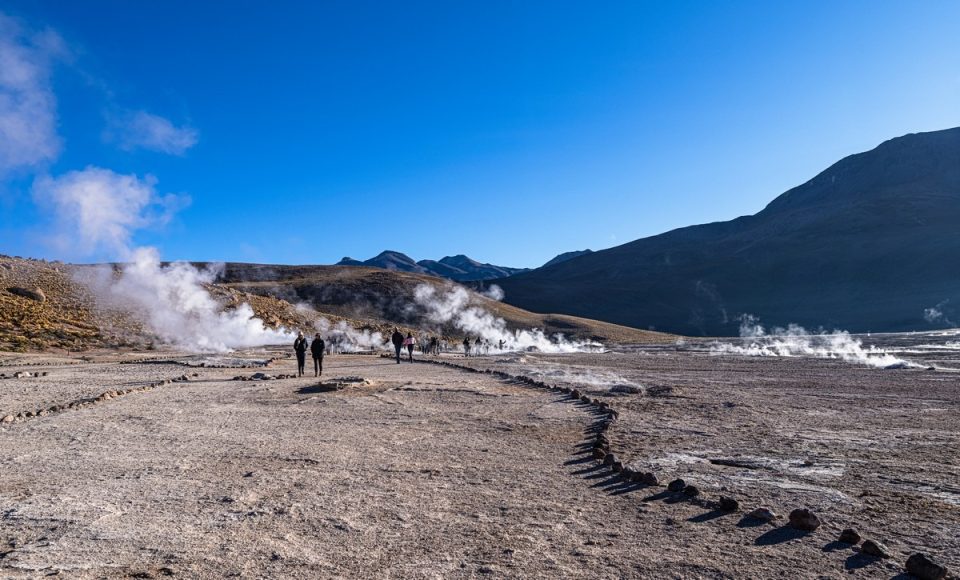
People stroll around taking in the scenery – but first: a warning! ->
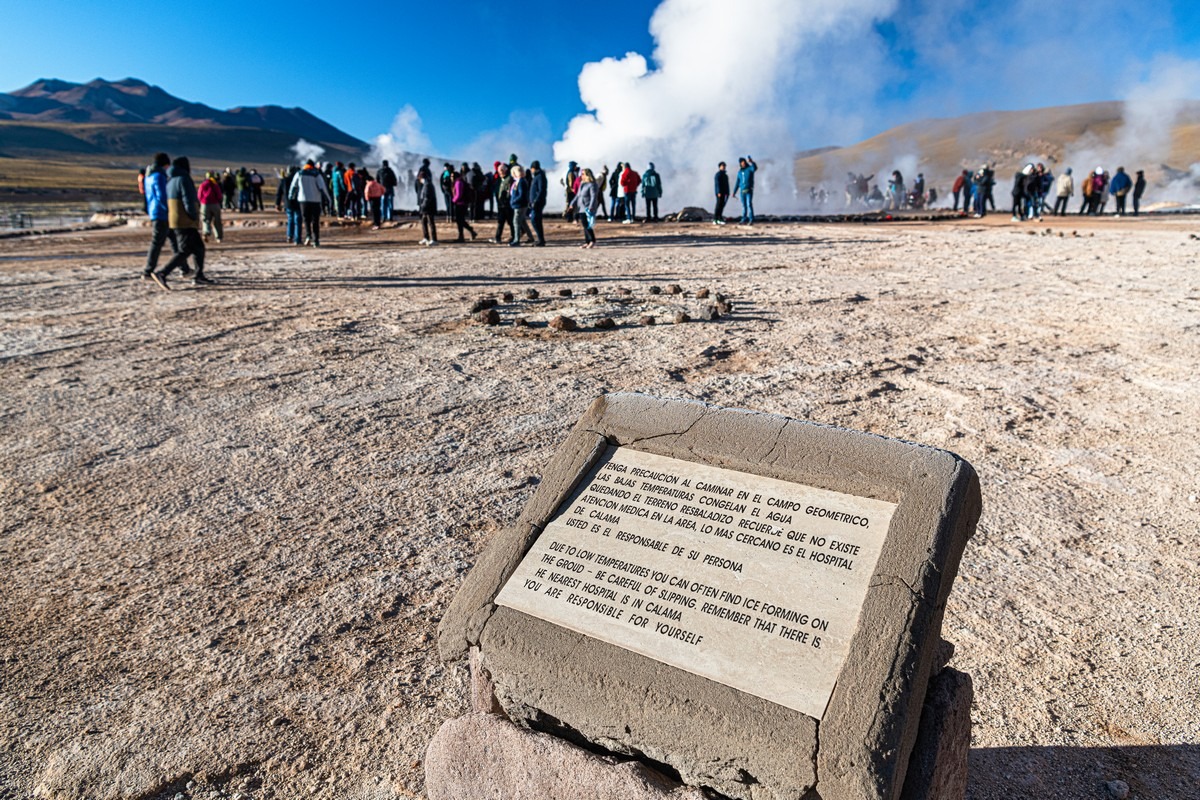
For context: Calama is 140km (three hours) away!
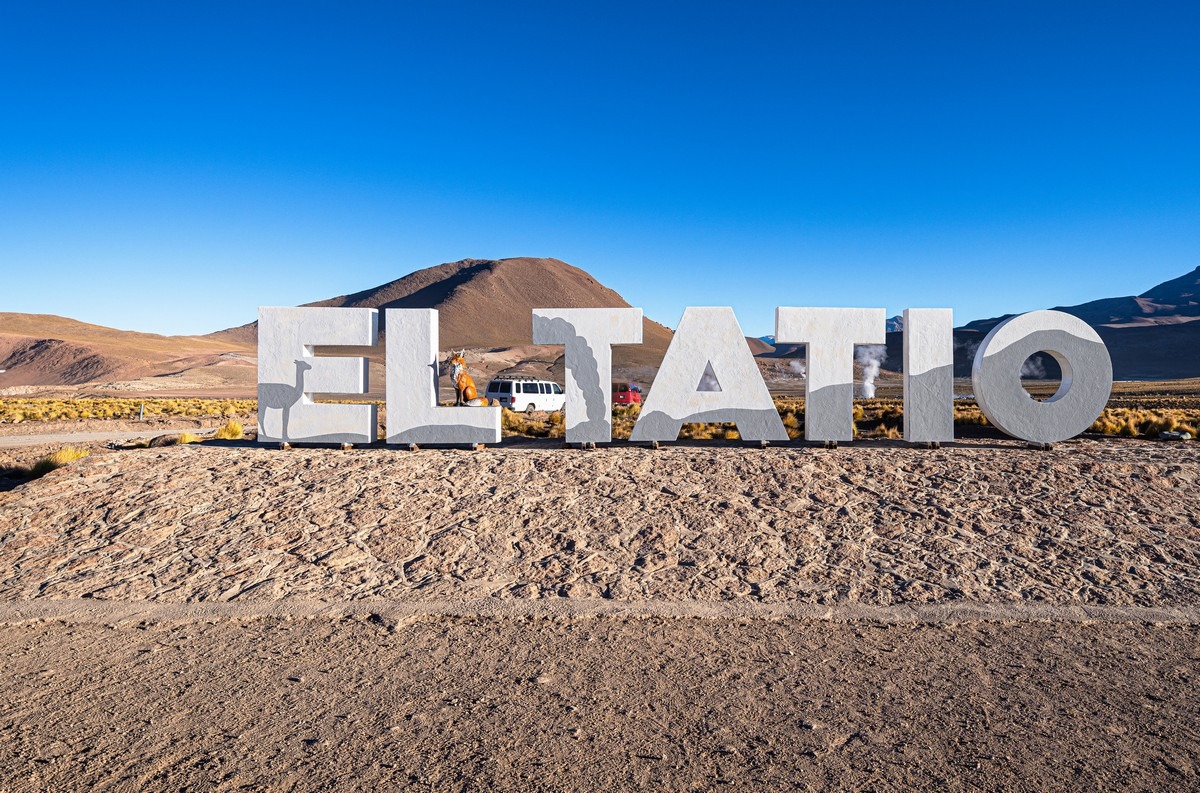
¡Bienvenidos al valle termal de El Tatio!
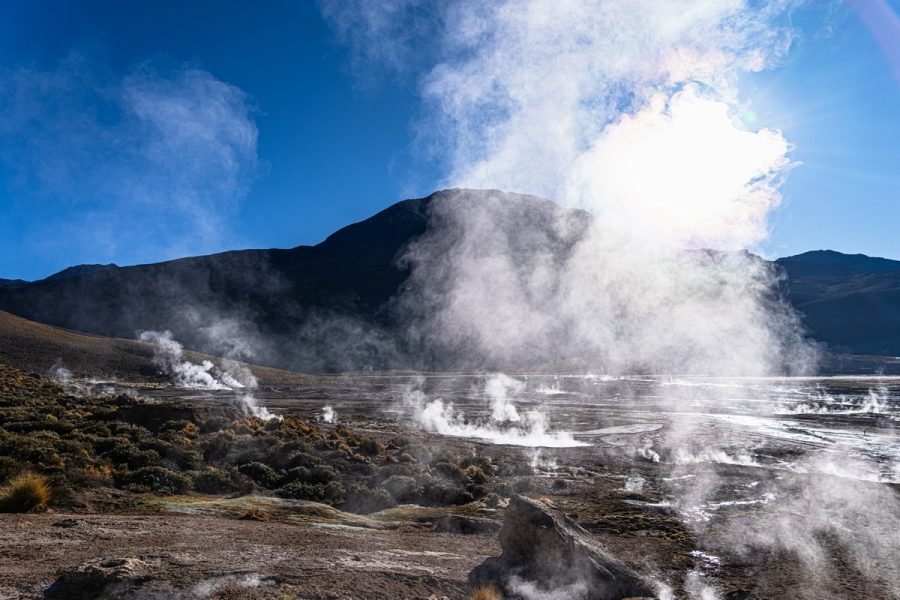
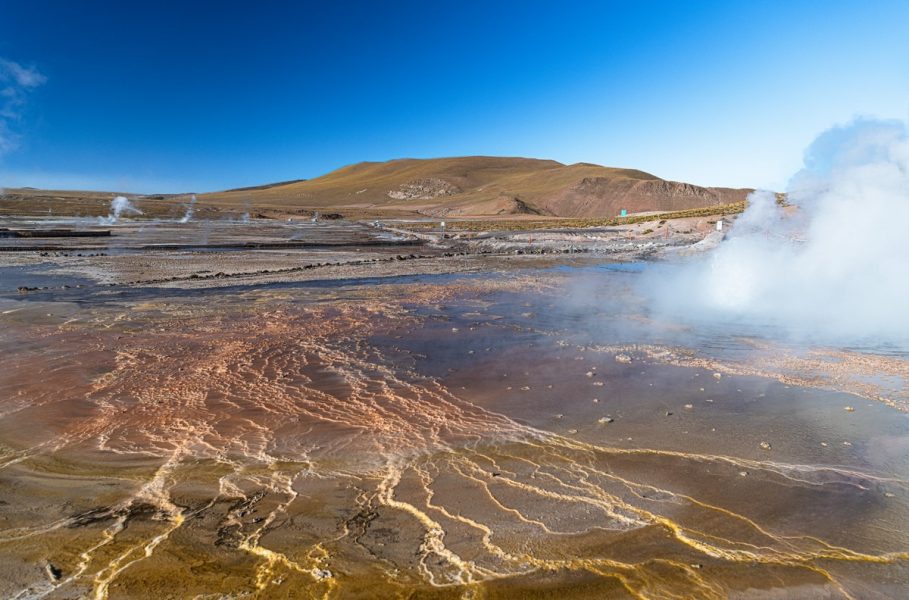
El Tatio is way up in the mountains (4300m above sea-level), but, conveniently, we’d already acclimatized. And it looks like this:
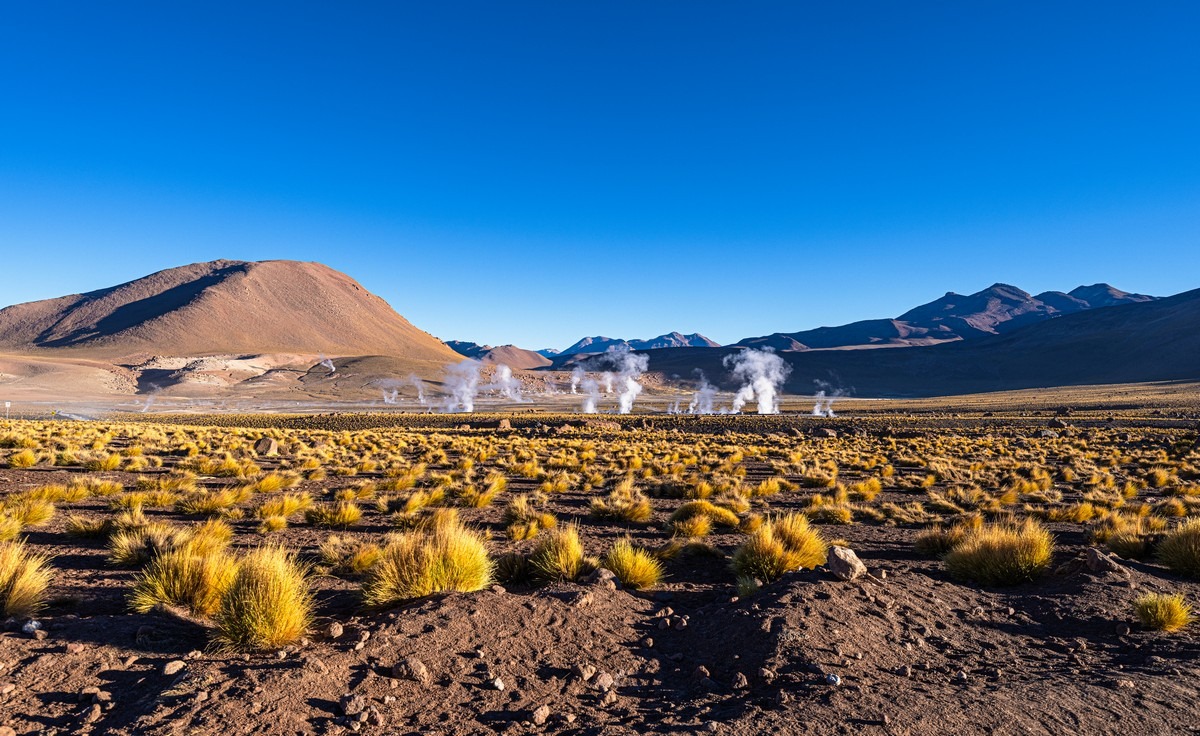
A seriously impressive place!
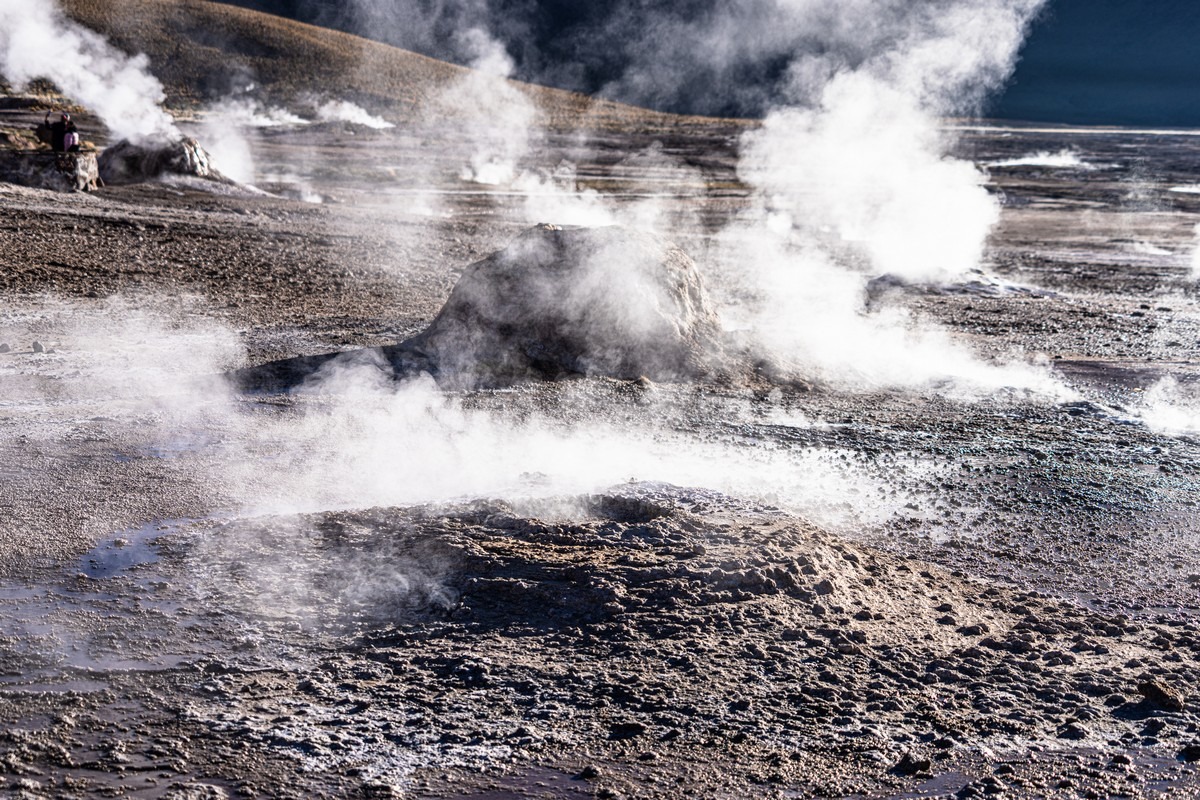
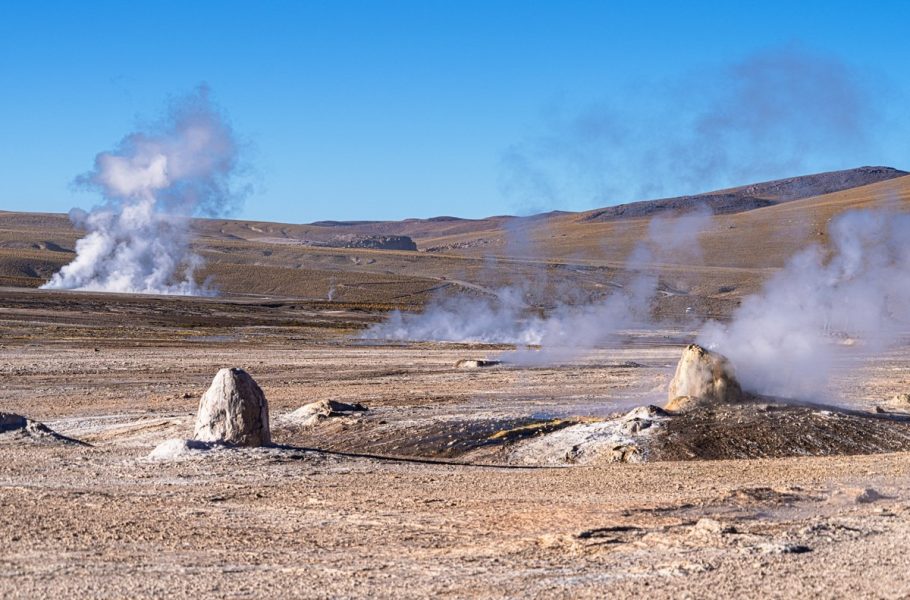
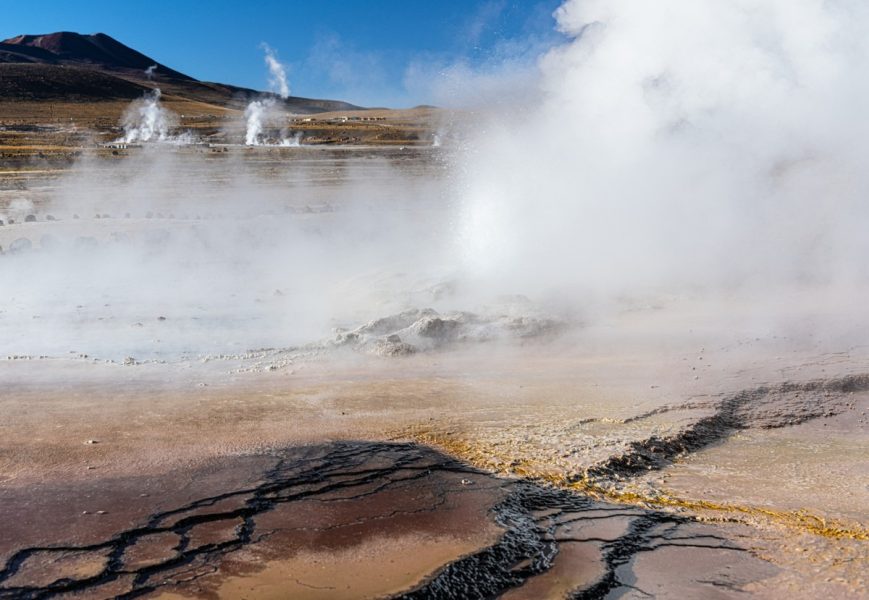
The underground heat is hard at work warming everything above it – bubbling, hissing, and whistling as it does ->
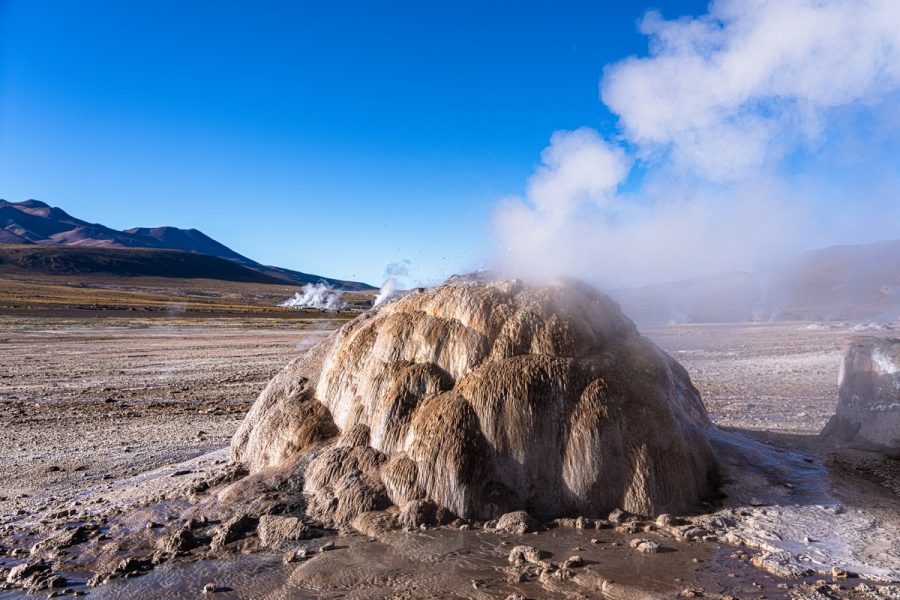
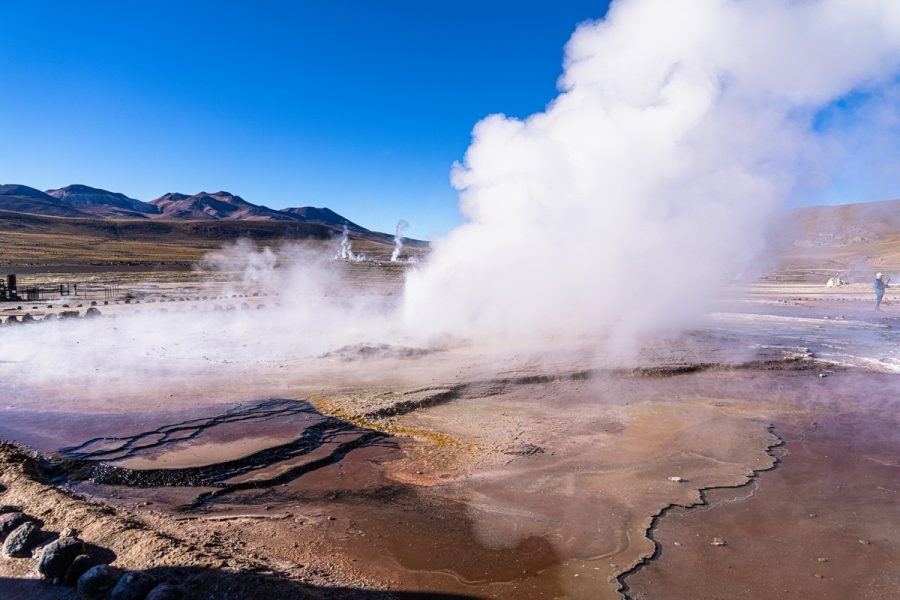
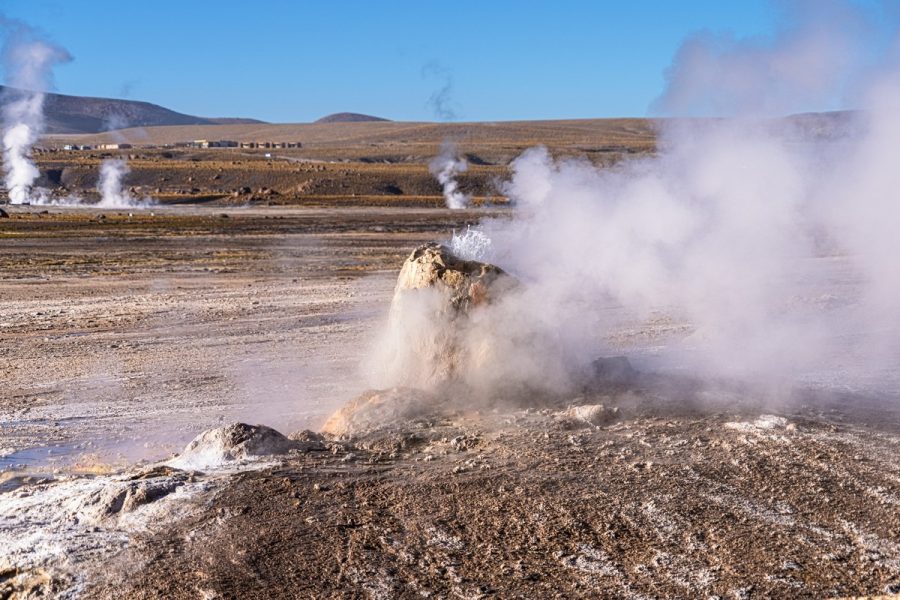
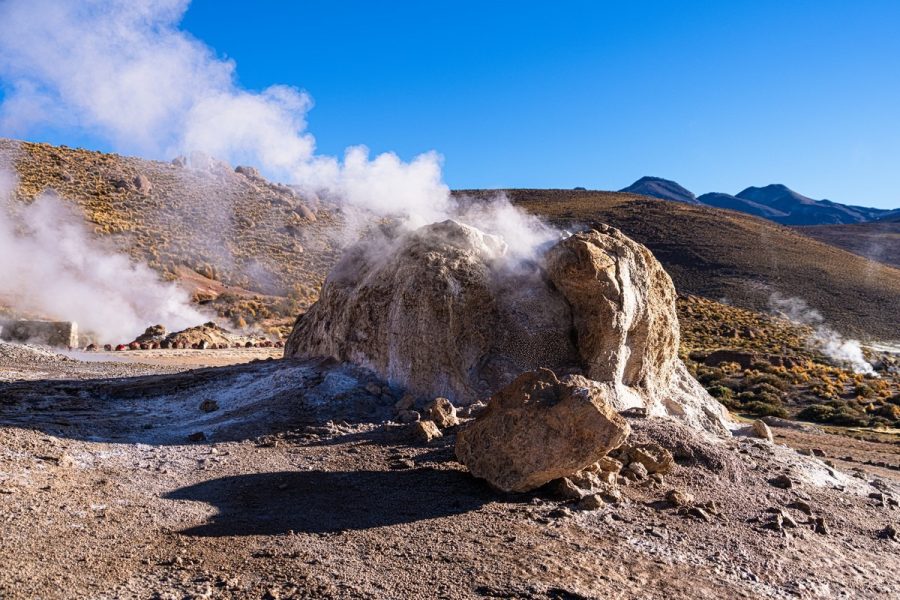
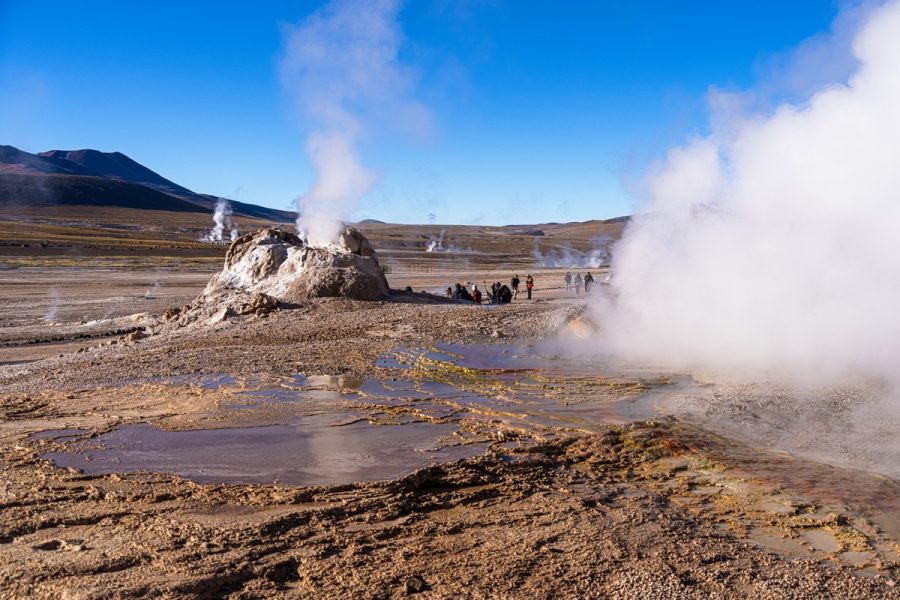
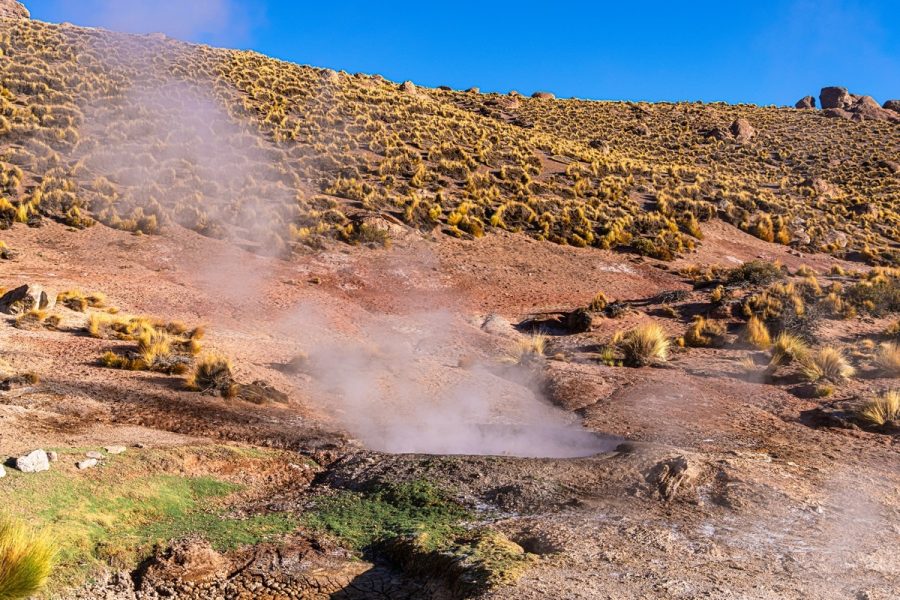
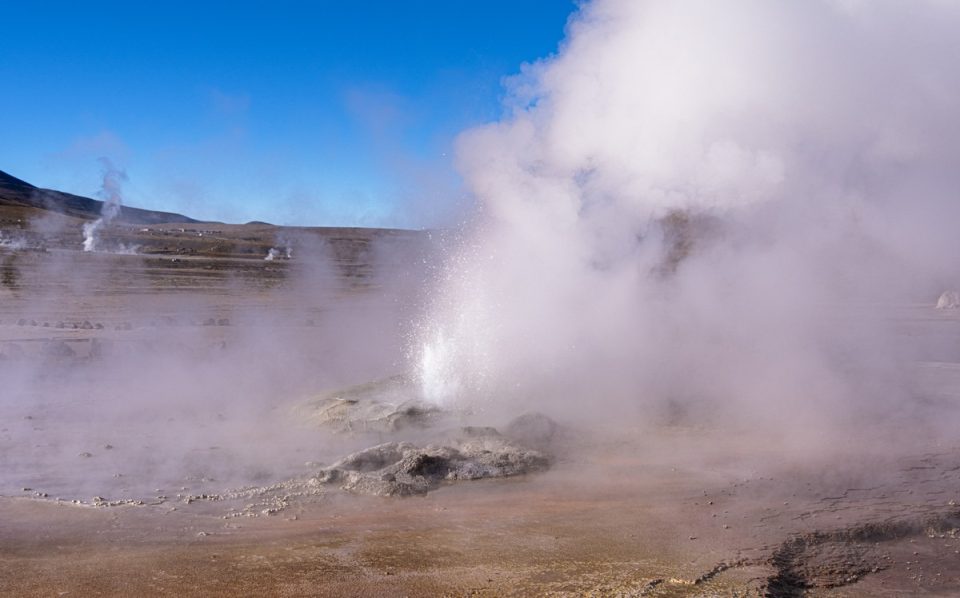
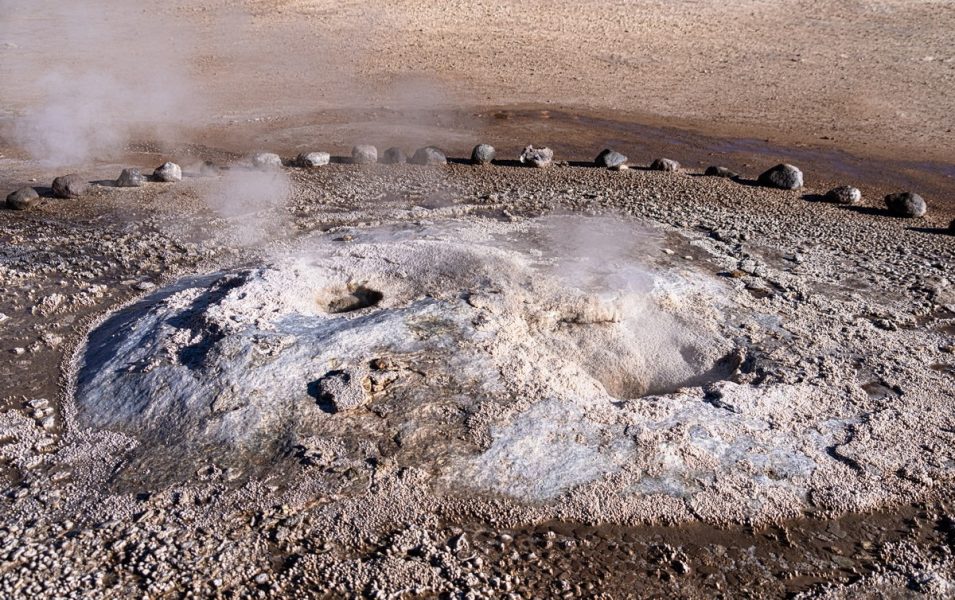
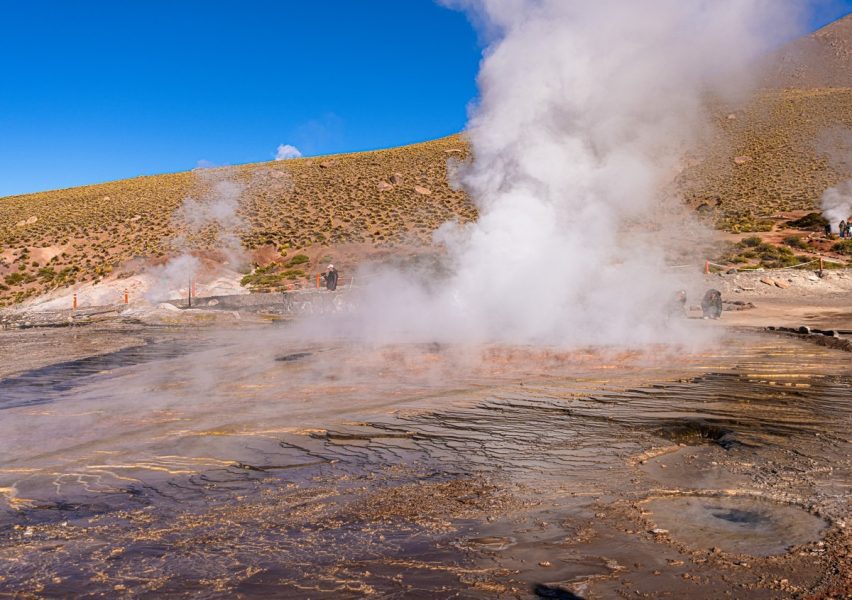
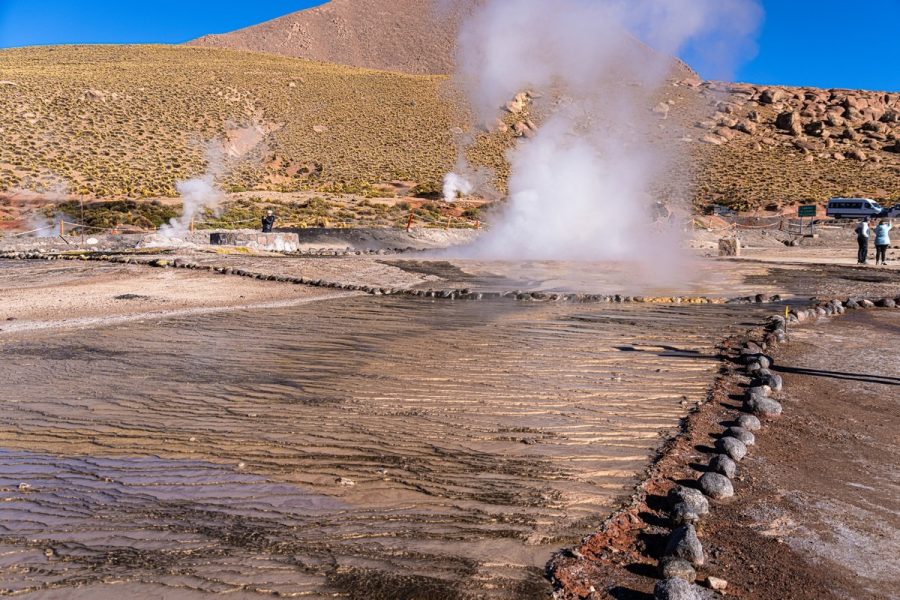
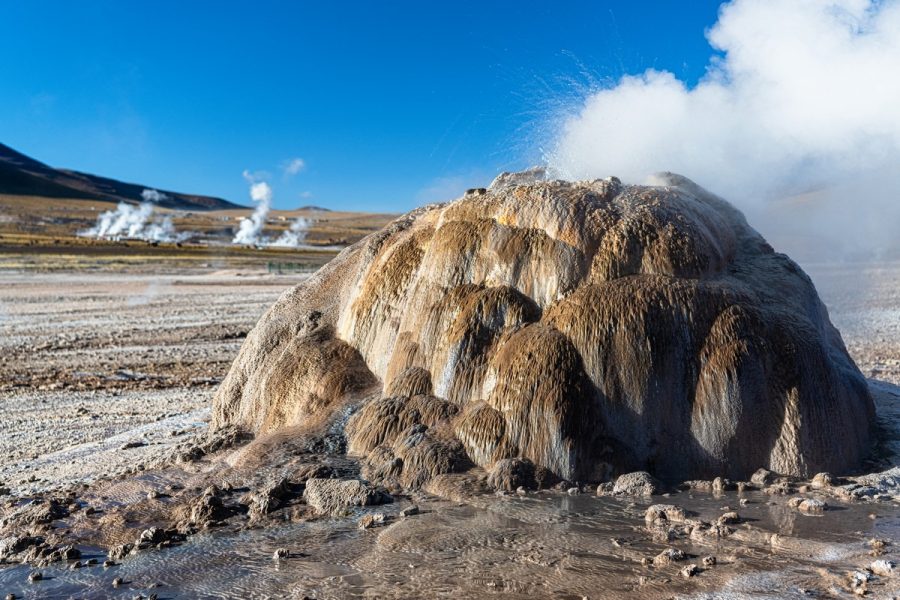
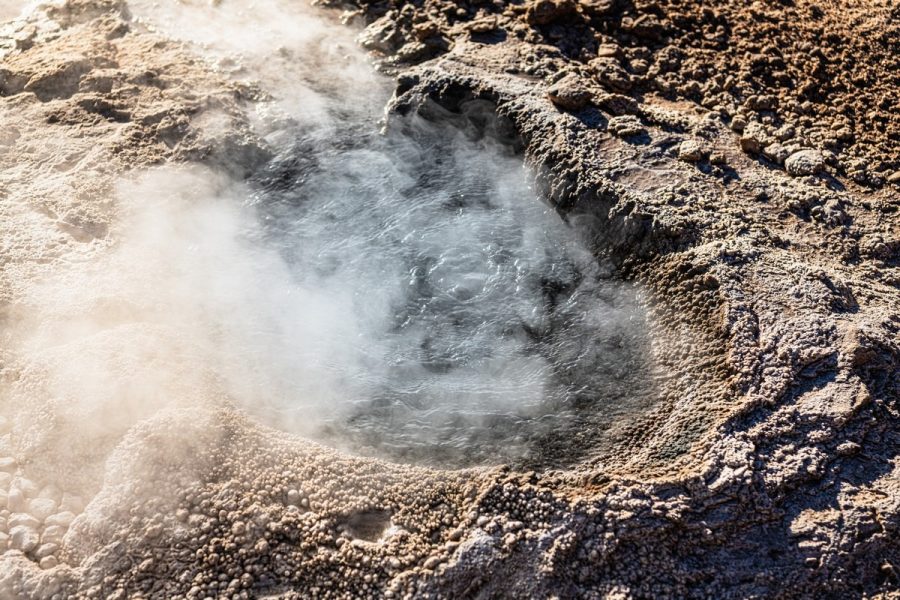
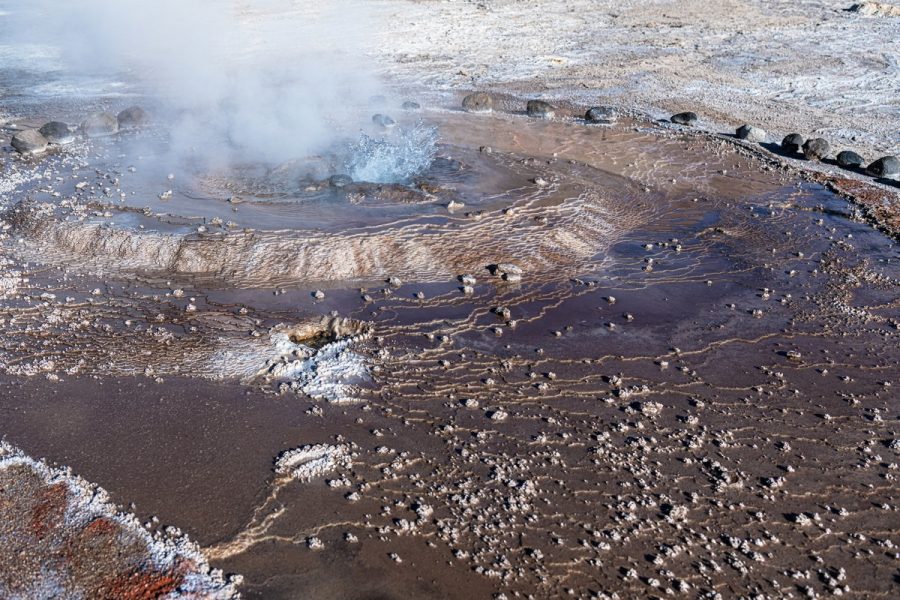
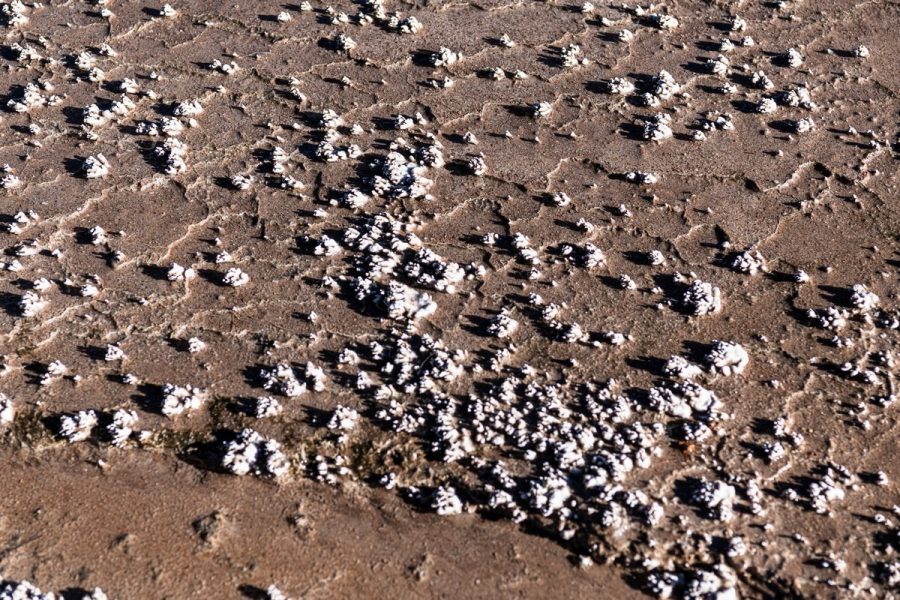
In some spots, you can get a closer look →
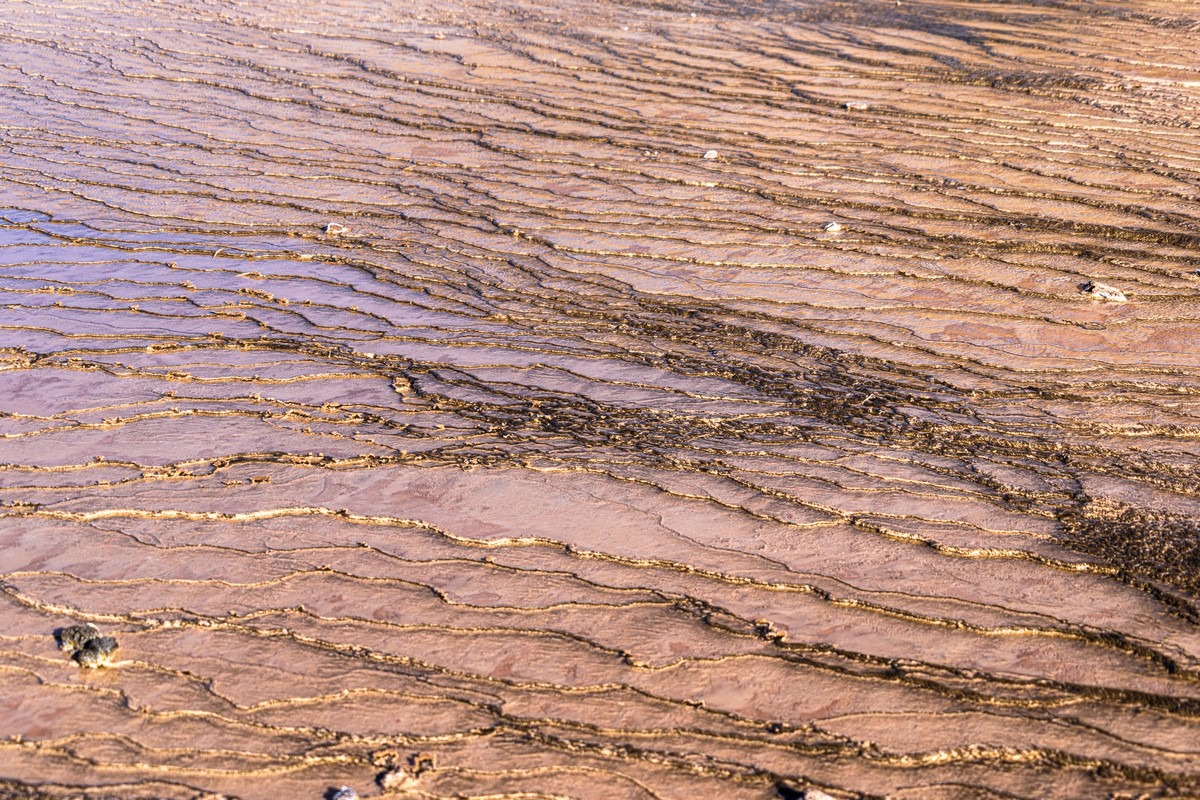
Now, I’m a perfectionist. Call me a pedant, a nitpicker, or any number of other unflattering names. Whatever; I don’t even mind! But!… There are no geysers in South America. None at all. There are geothermal fields, sure, but actual geysers… Well, maybe there once were some, and hopefully there will be again someday. But right now – they’re just geothermal fields.
So what exactly is a geyser? About 20 years ago, after my very first trip to glorious Kamchatka, I got all curious about precisely this question. On the internet of those days, I found a definition saying a geyser is a pulsating spring whose eruptions last more than a minute. If the bursts of boiling water last less than a minute, it’s just a “pulsating spring”. // As for the ones that bubble in cycles of exactly one minute, I had no idea what to do with those – and even noted as much in my write-up back then.
So yes – South America has pulsating springs and geothermal fields. Geysers in the original sense of the term – no.
A geyser is a complex system where, due to natural upheavals we still don’t fully understand (or some other conditions), underground water chambers form deep inside bedrock:
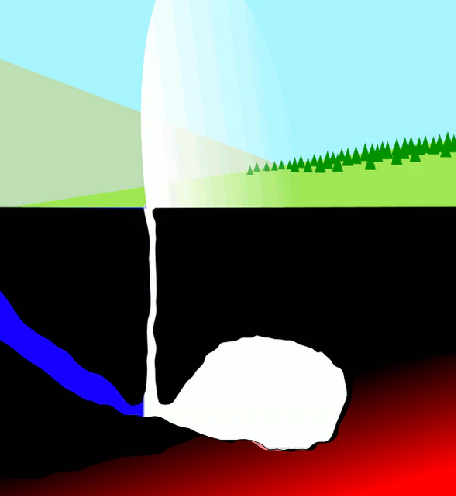
Here’s how the cycle works: first, a chamber fills with water; then the water heats to extreme temperatures, but the column of water in the “upper conduit” presses down on it, preventing it from turning to steam. The vapor pressure in the chamber keeps rising until it matches the pressure of the water column above – and the whole thing blows. Kind of like shaking up a bottle of soda and popping the cap. Then the pressure drops, the chamber refills with water, and the cycle starts over. Now read that paragraph one more time – and take a look at this diagram, which I photographed in the Valley of Geysers in Kamchatka:
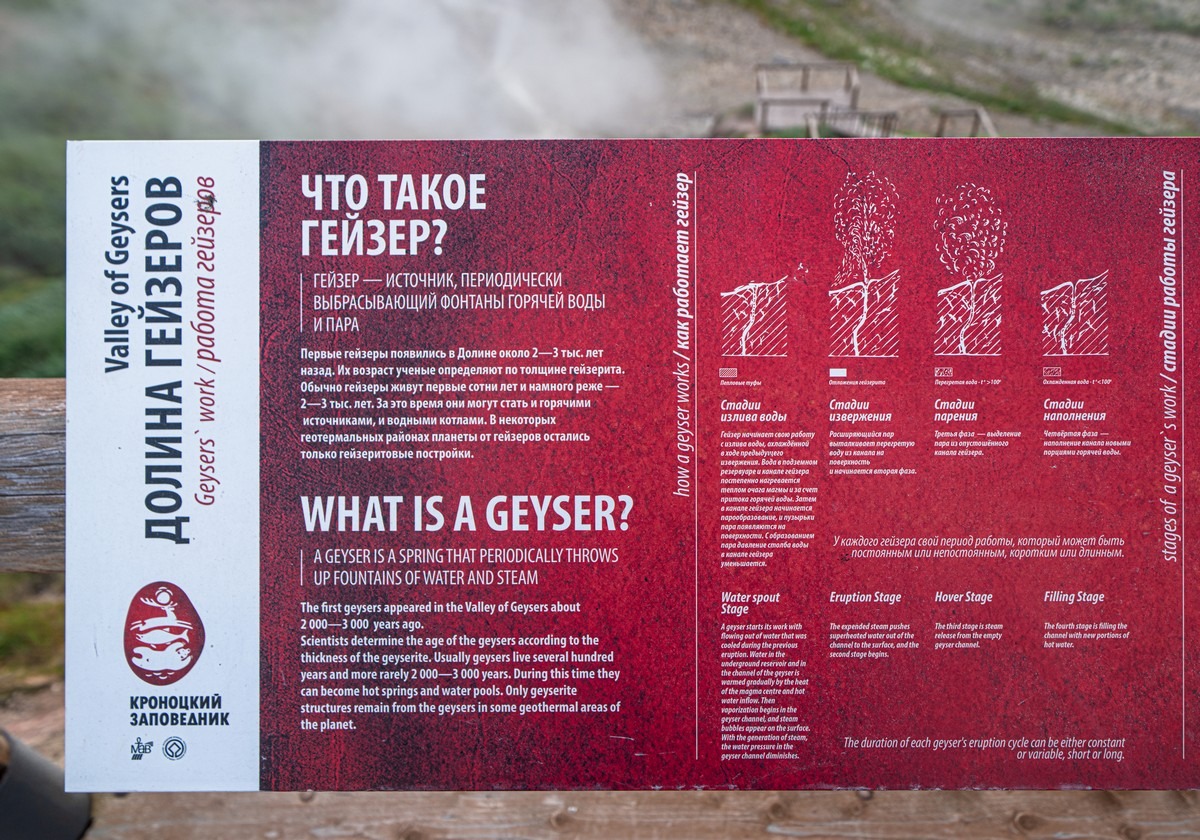
This geyser cycle can take 10–20 minutes, sometimes hours, and some geysers erupt only once every few years. You’ll find places like that in the U.S. (Yellowstone), Iceland, Russia (Kamchatka), and New Zealand – but Atacama definitely isn’t on that list. Even if some sources say otherwise:
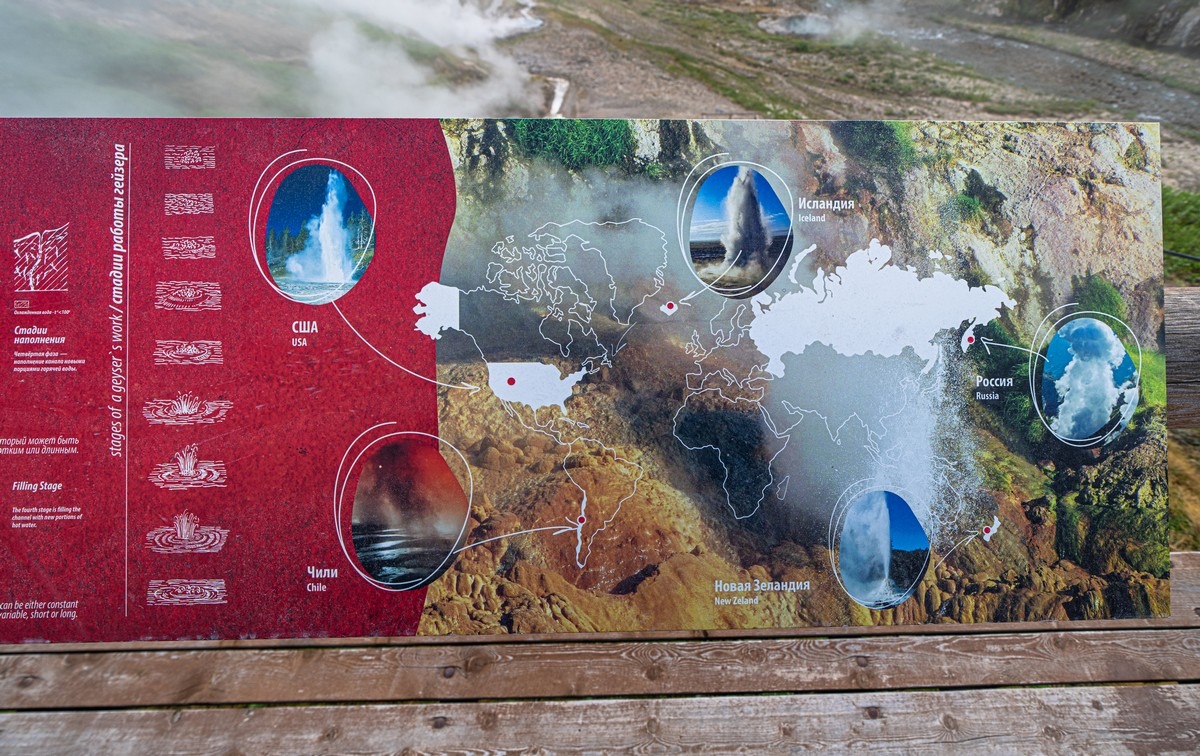 (Photo also from the Valley of Geysers, Kamchatka)
So there you have it – what a “geyser” actually is, and where they’re actually found (without Atacama). // What’s funny is that last year in Kamchatka, in the Valley of Geysers, I told myself I just had to find out what the “Chilean geysers” were all about. And now I have, and they’re all about… nothing as they don’t even exist! Just a load of hot air – and water ).
What about other geysers around the world?…
Well, there are those in Iceland (the word “geyser” actually comes from the Scandinavian geysir – coined when they first encountered this phenomenon in Iceland) ->
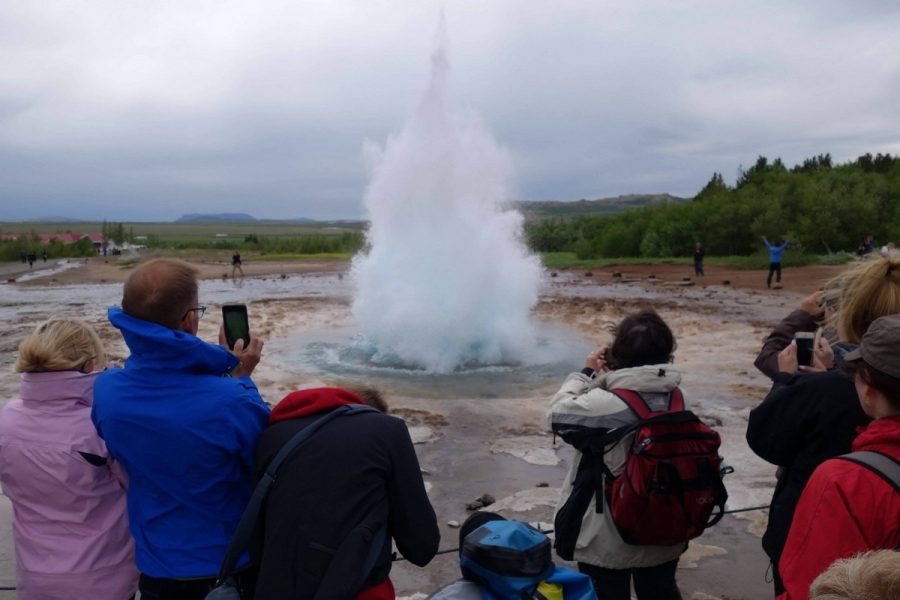
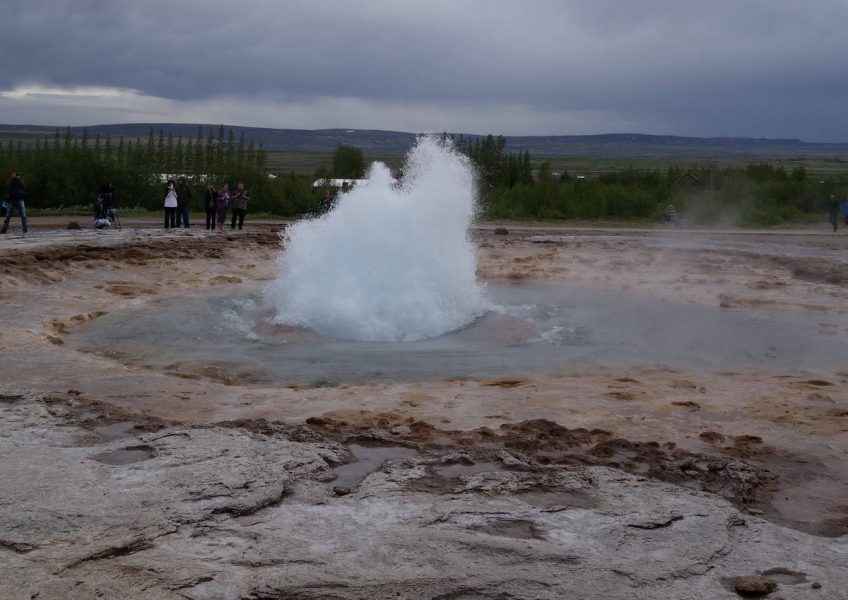
A gheyser huffs and puffs, then splashes a little, then comes a big, powerful jet, then all the water drains back inside – and after a while, the whole thing repeats. Sometimes after tens of minutes, sometimes hours, sometimes years…
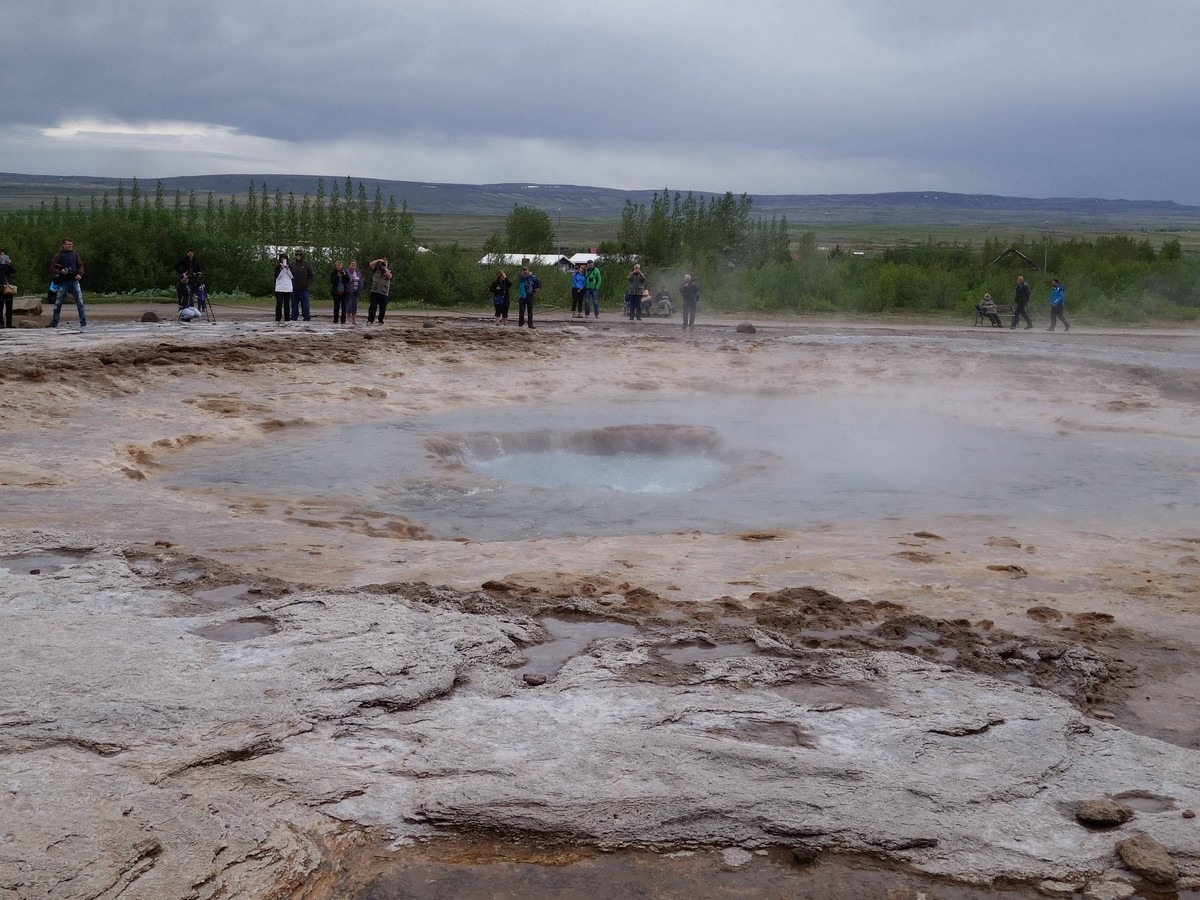
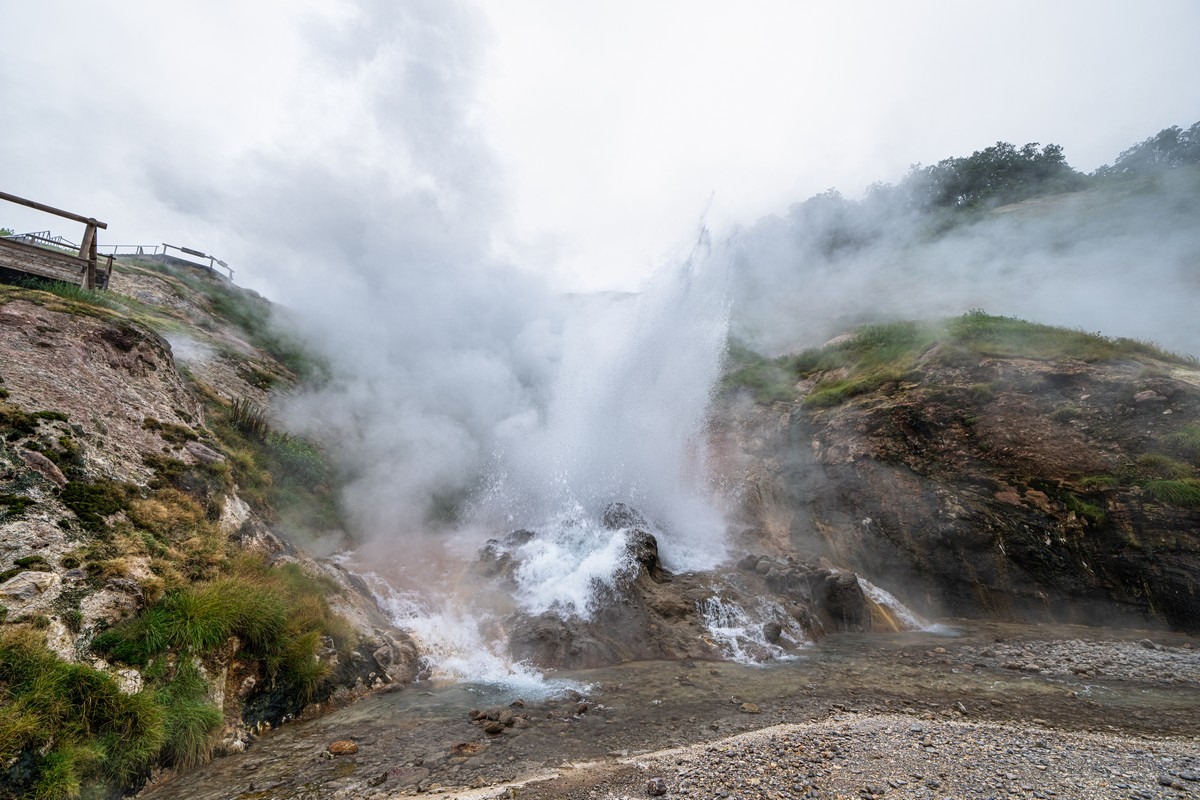
These are geysers in Kamchatka:
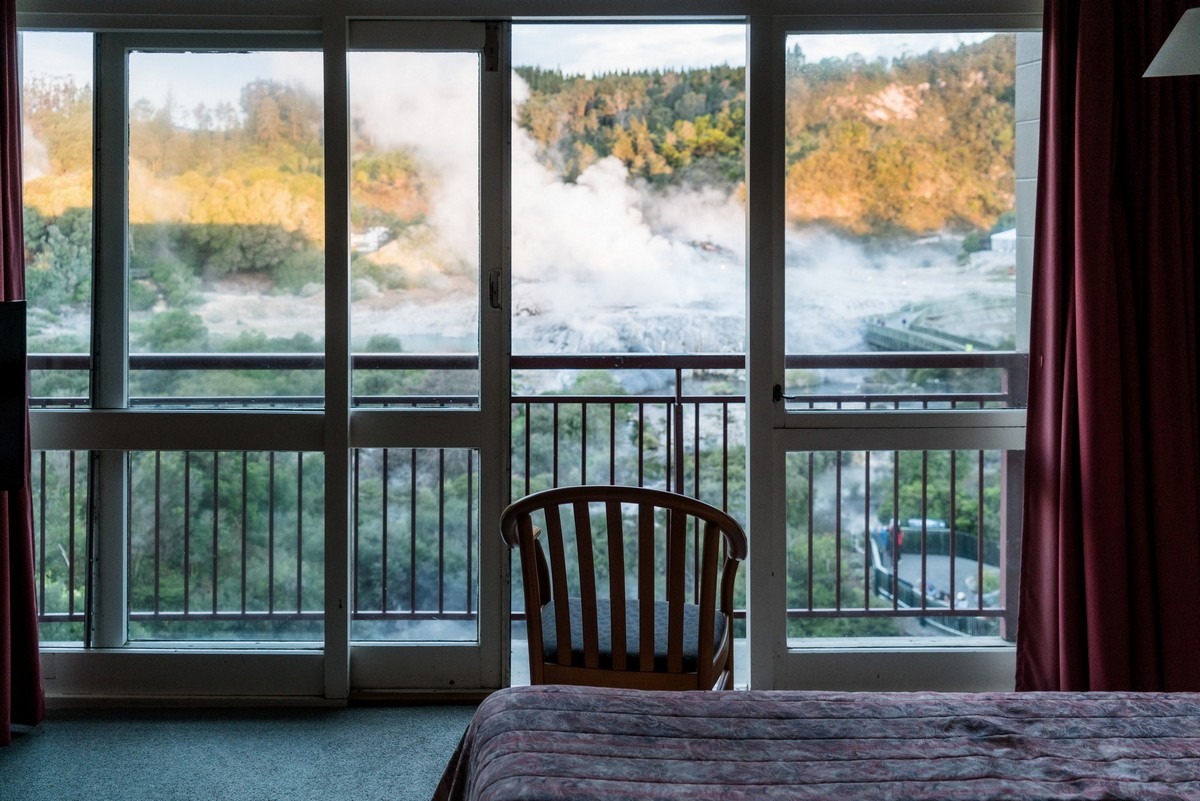
Here was an amazing spot to watch a geyser: it’s a hotel in New Zealand; rather – it was a hotel: it’s since been demolished. And the geyser in question is the Pohutu Geyser ->
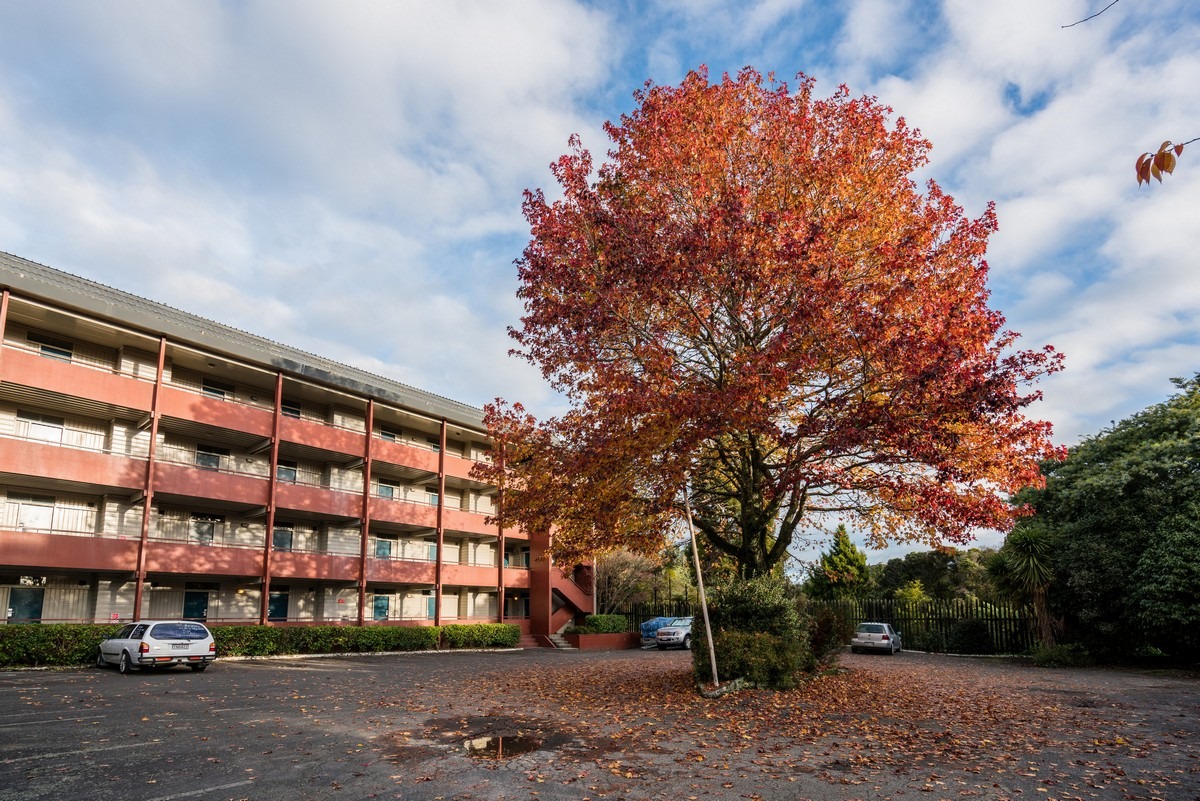
I mean, it was a total dump of a hotel hostel! ->
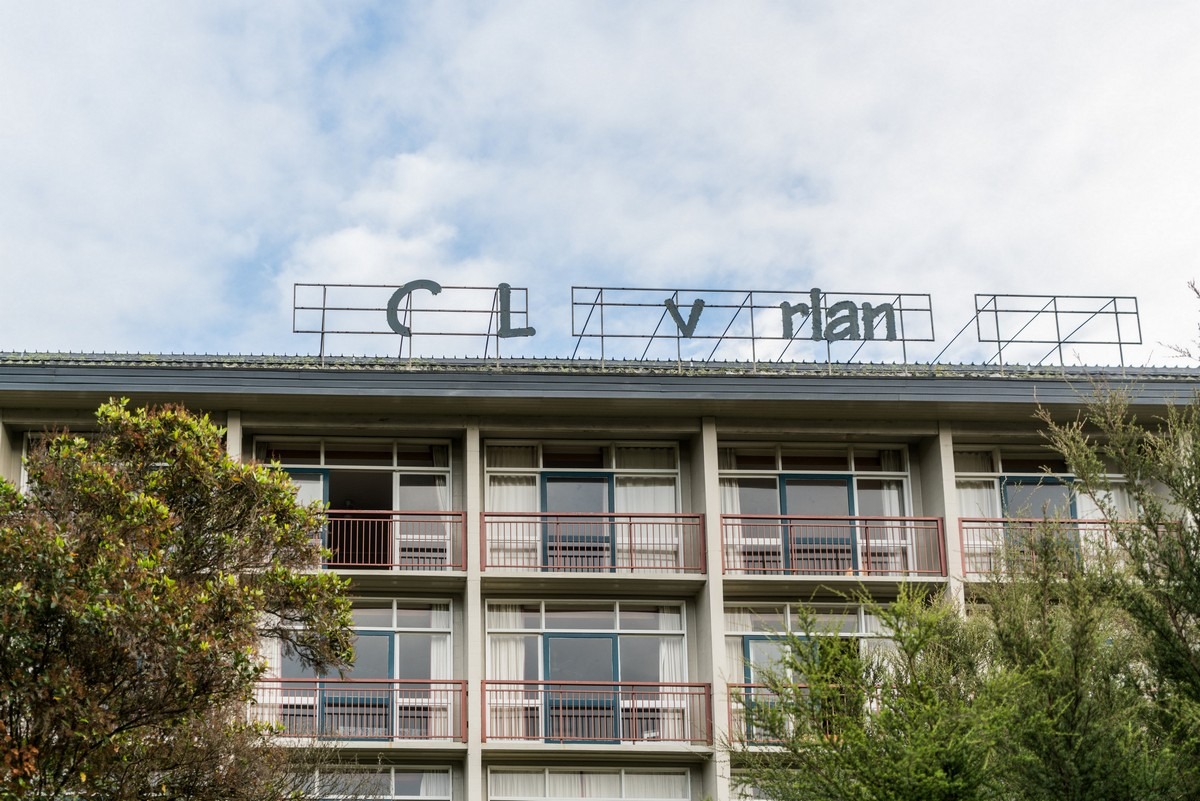
But the views from it were just incredible!! Aaaaaah!!!!! ->
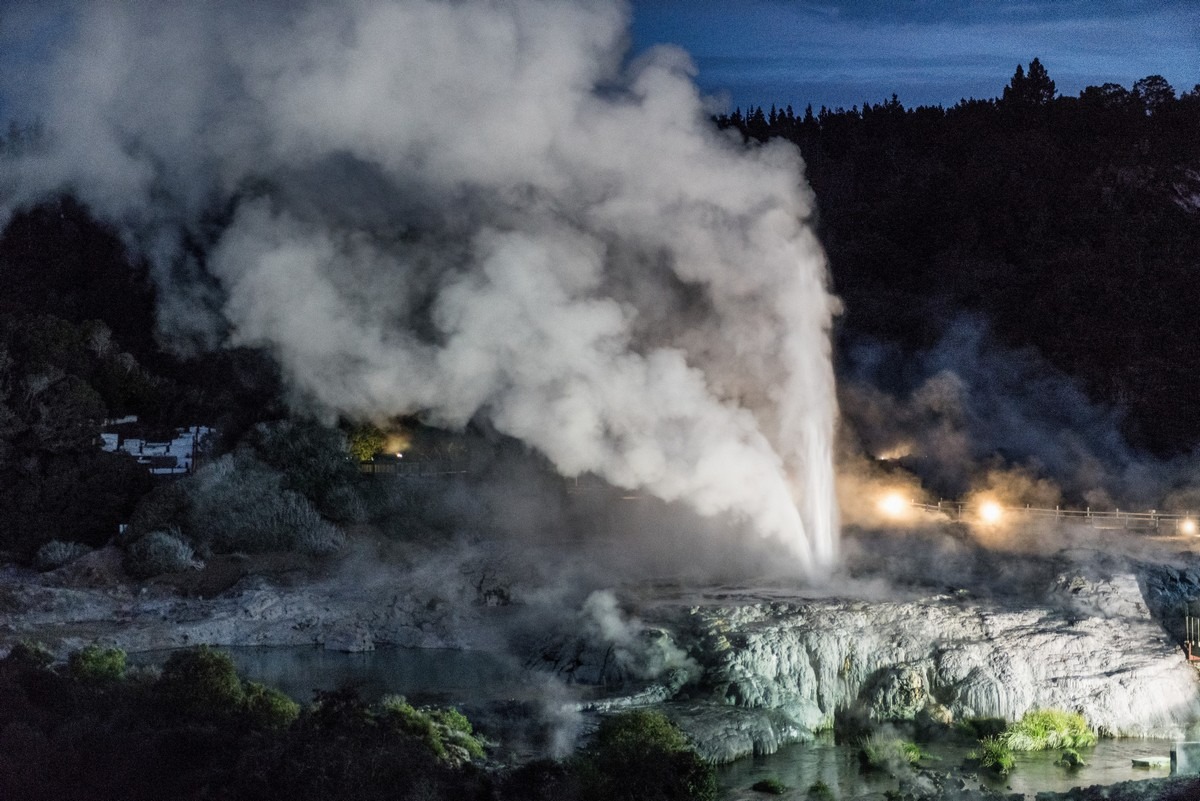
This photo was taken from the balcony of our room in that very hostel:
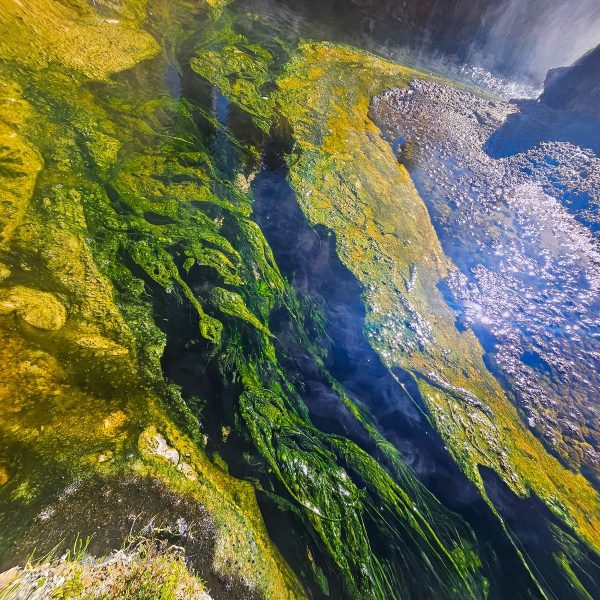
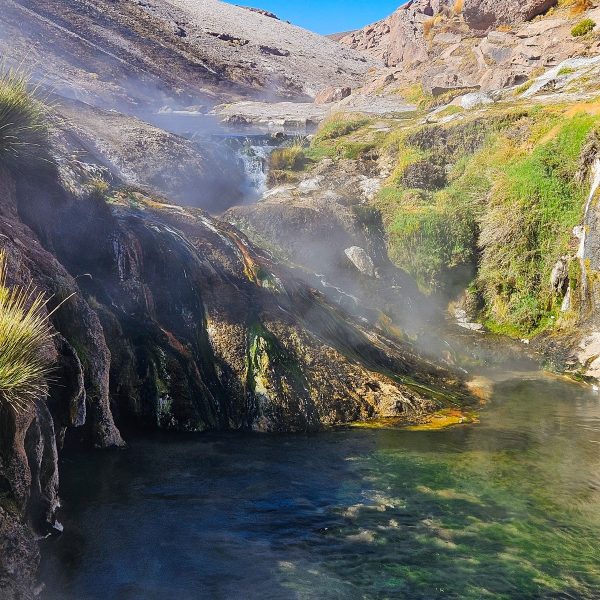
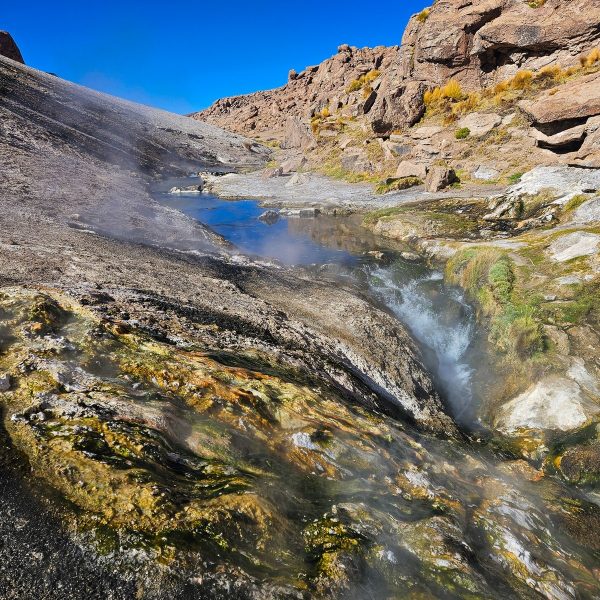
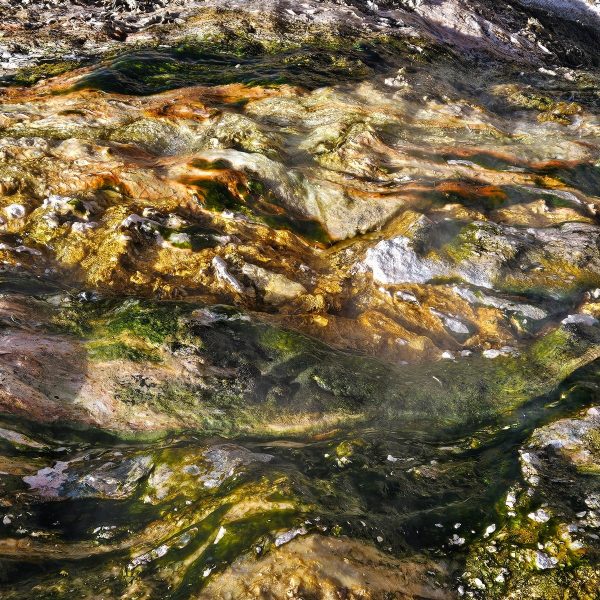
Yes – those are geysers! Everything else is pulsating springs in geothermal fields. But either way – it’s all unusually awesome. The underground waters hiss, sizzle, and bubble away:
We were also told taking a dip in the hot springs would be forthcoming…
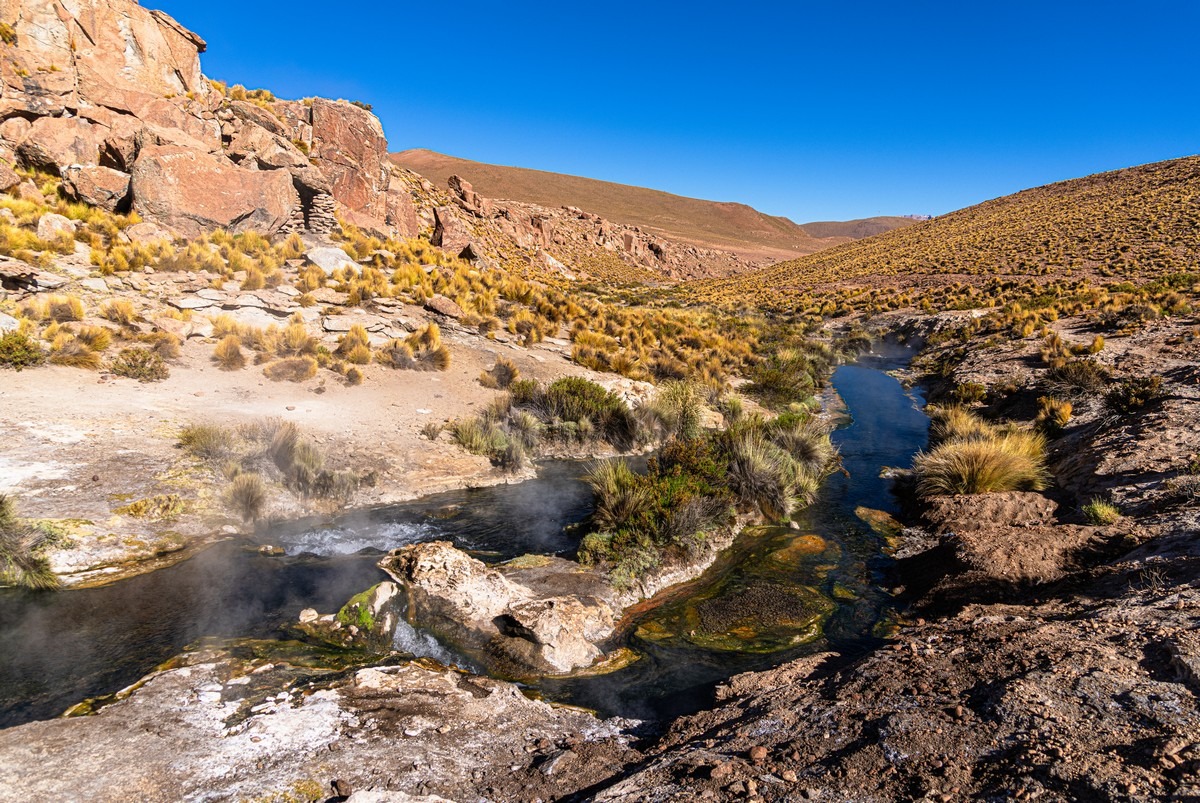
Didn’t look bad – pretty promising:
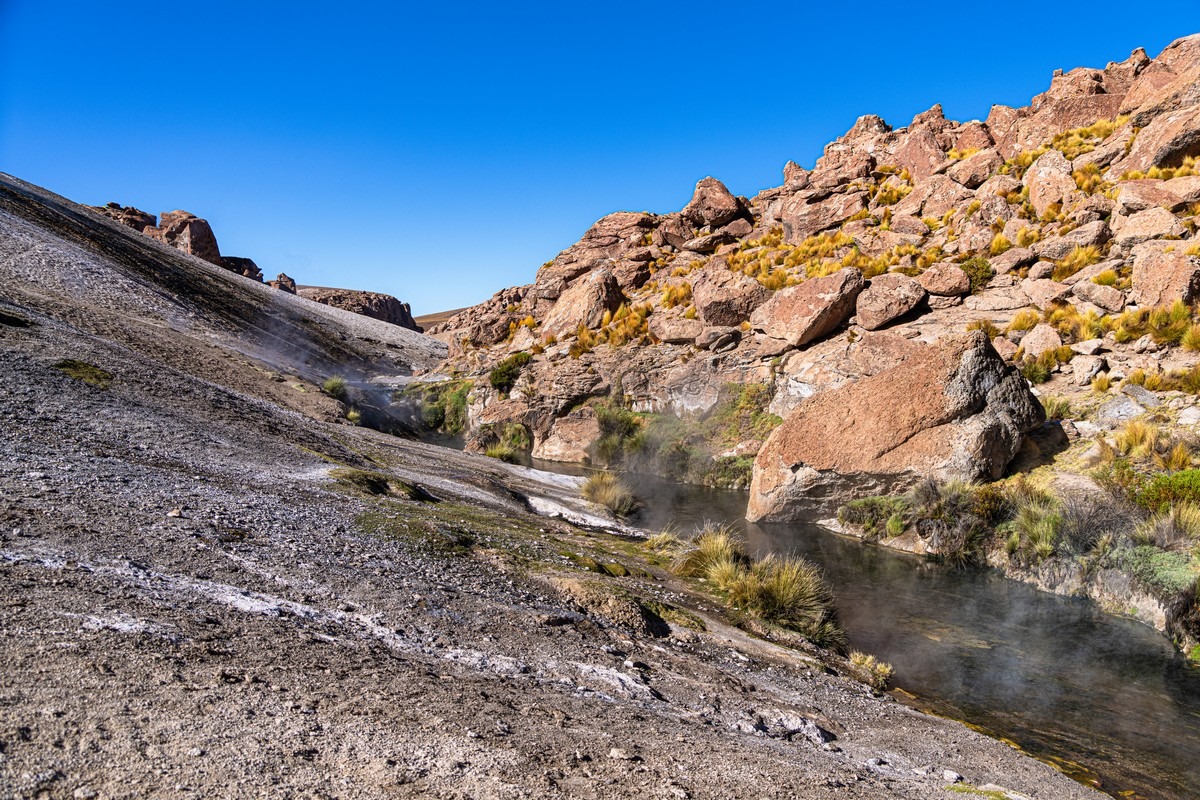
But in the end nobody ended up in the water! Turns out its temperature was about 60°C – at least! You couldn’t even stick a hand in – never mind your whole body!…
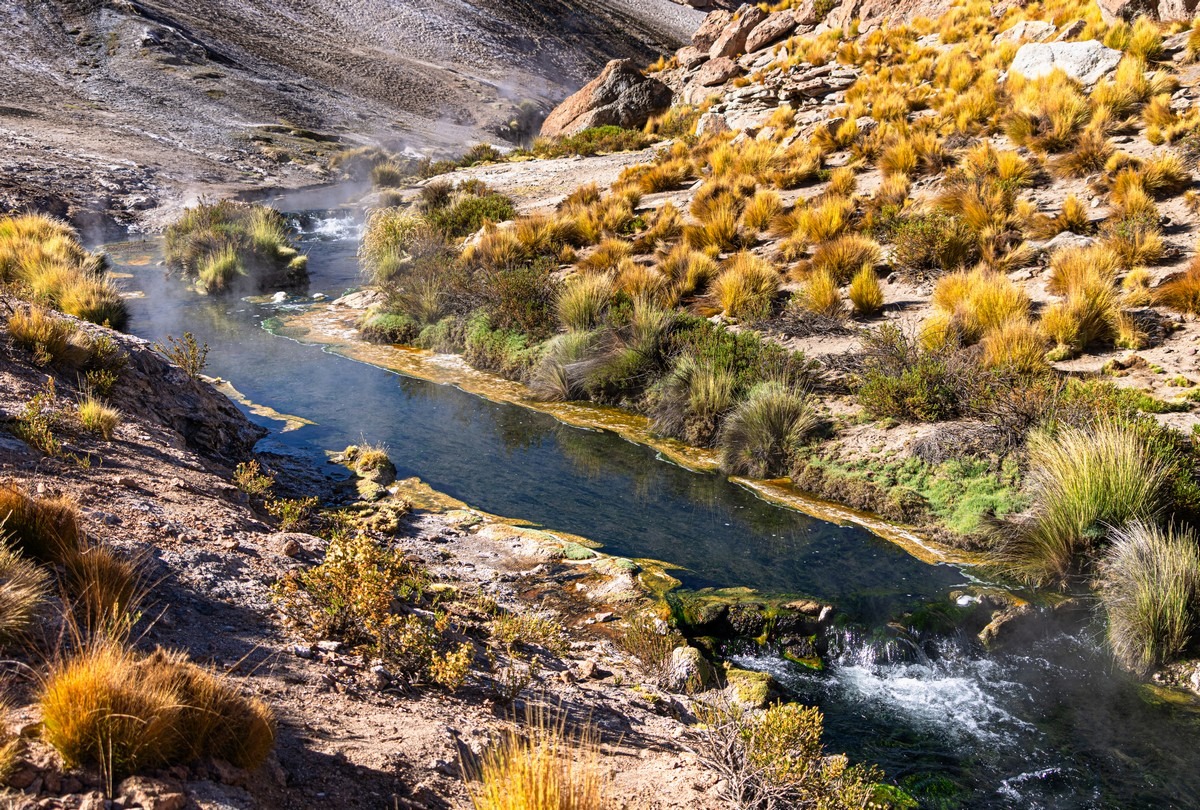
Still, it was pretty.
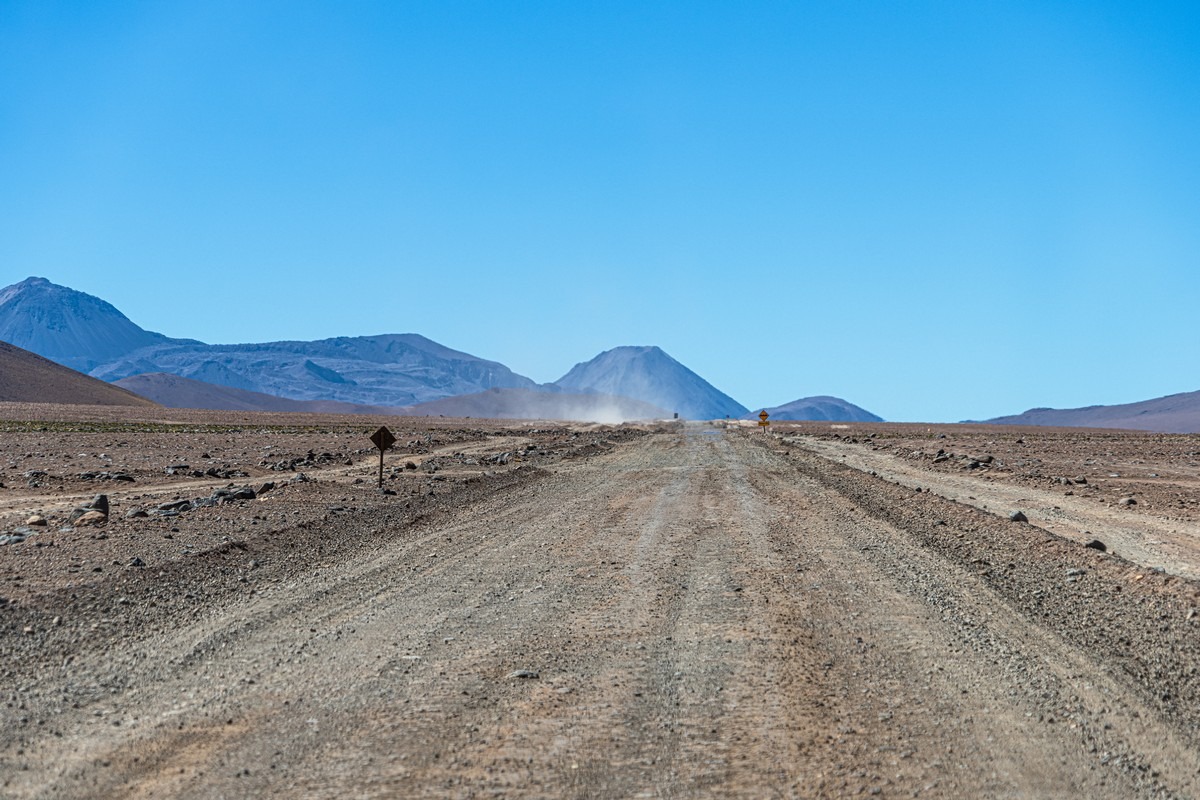
All right, enough of hot water and Chile’s imaginary geysers – it was time to be heading back! The roads in northern Atacama aren’t exactly comfortable. They shake the living daylights out of you:
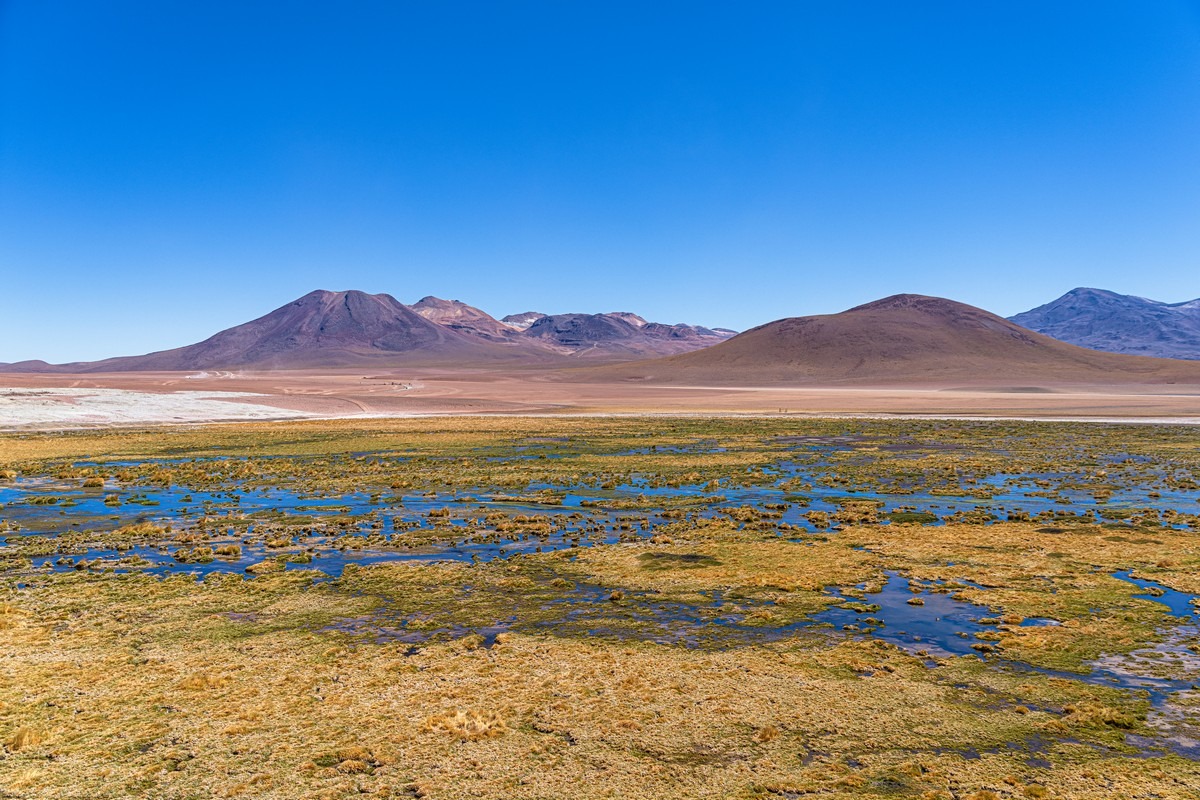
Lagoons and landscapes during the stops:
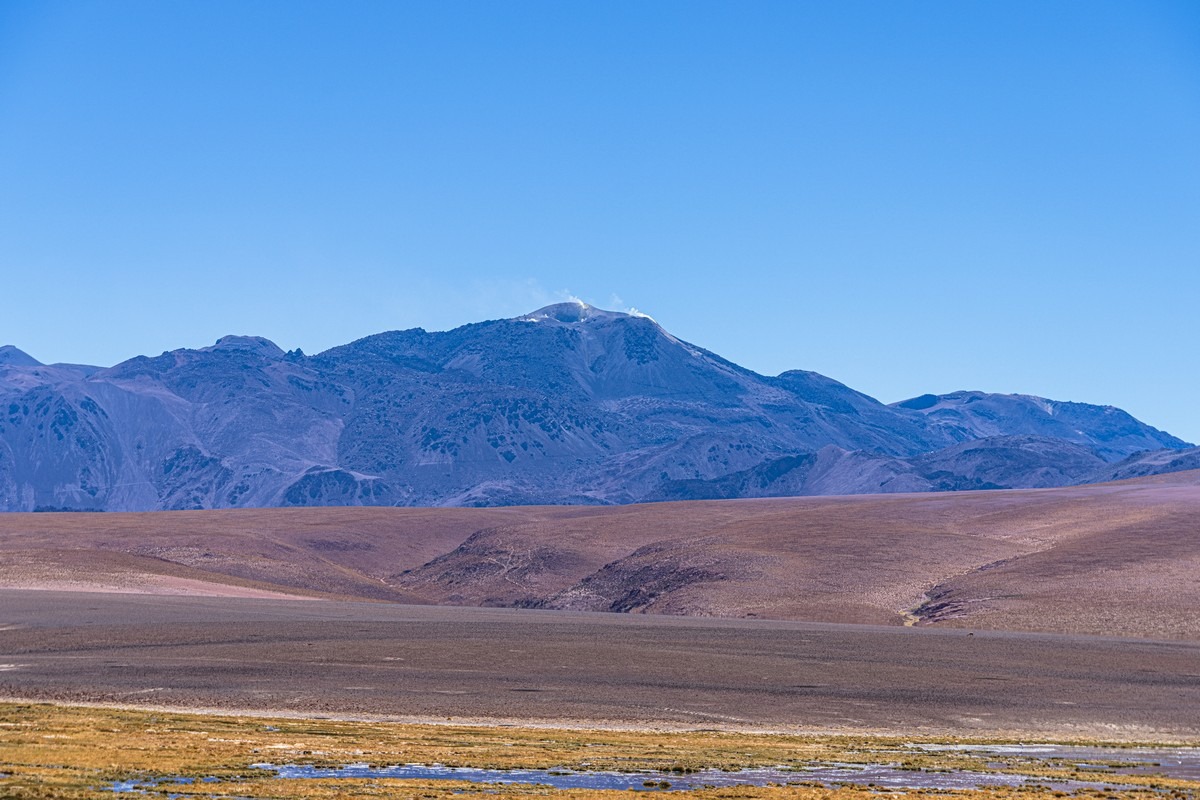
Nearby volcanoes puffing away:
And that’s it for Atacama. Next up – plane, stopover, another plane – and… something else you simply won’t believe! Stay tuned!…
The best hi-res photos from LatAm-2026 are here.

