Tag Archives: iym expedition

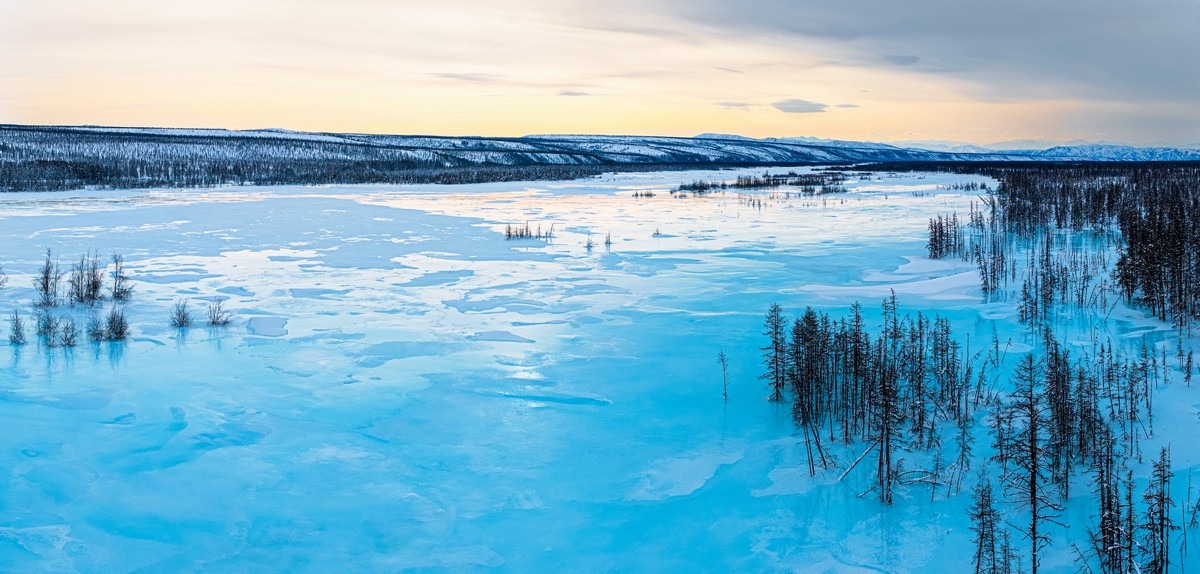
The world’s most beautiful of its kind: the Great Moma Naled.

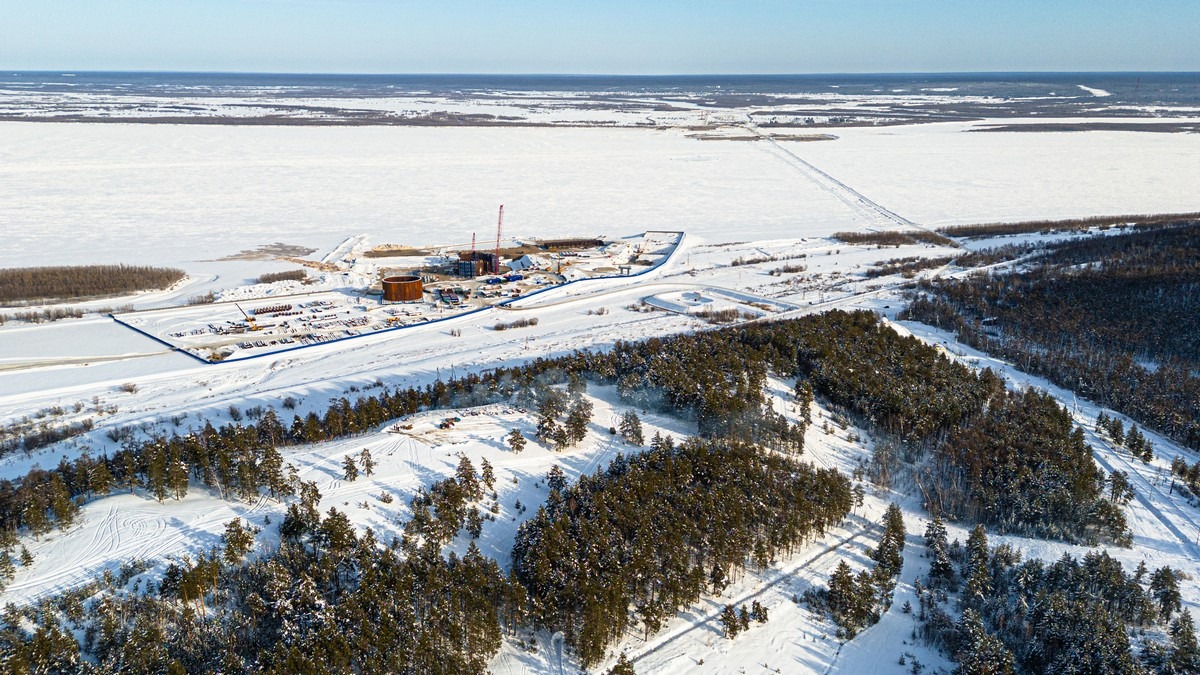
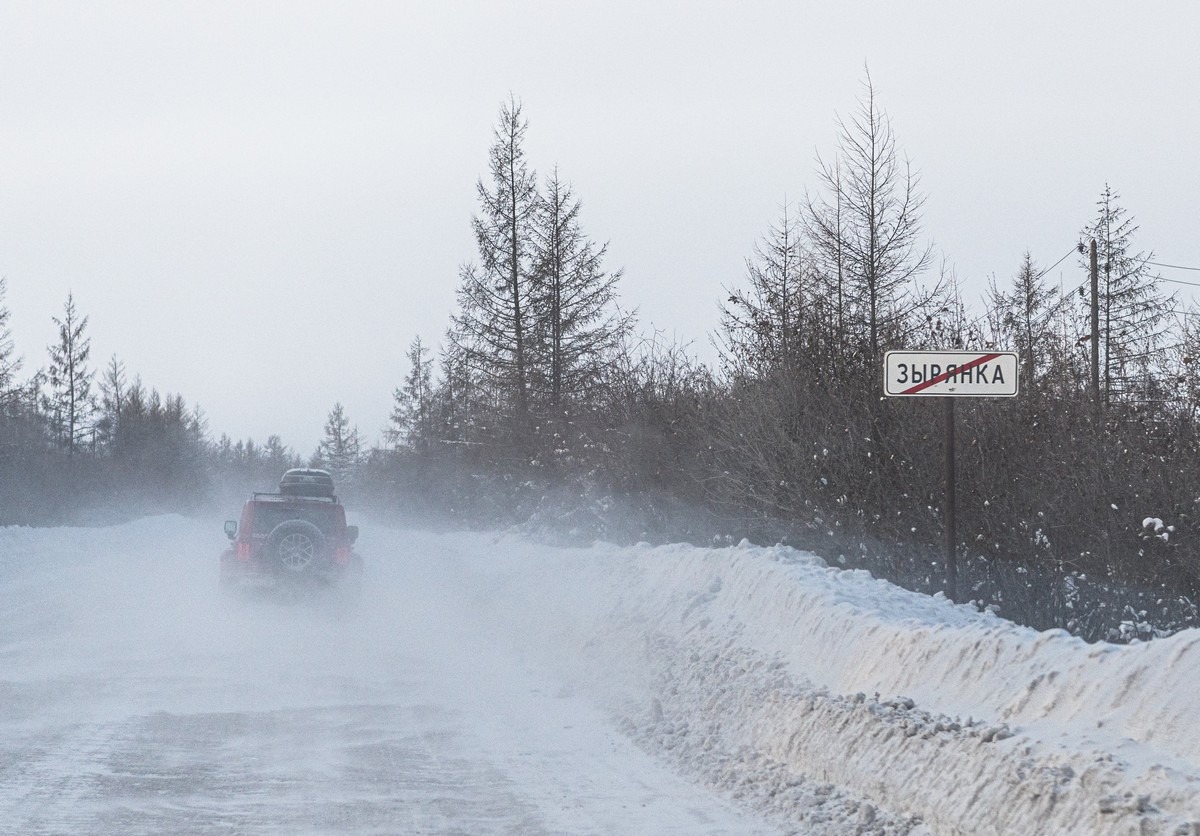
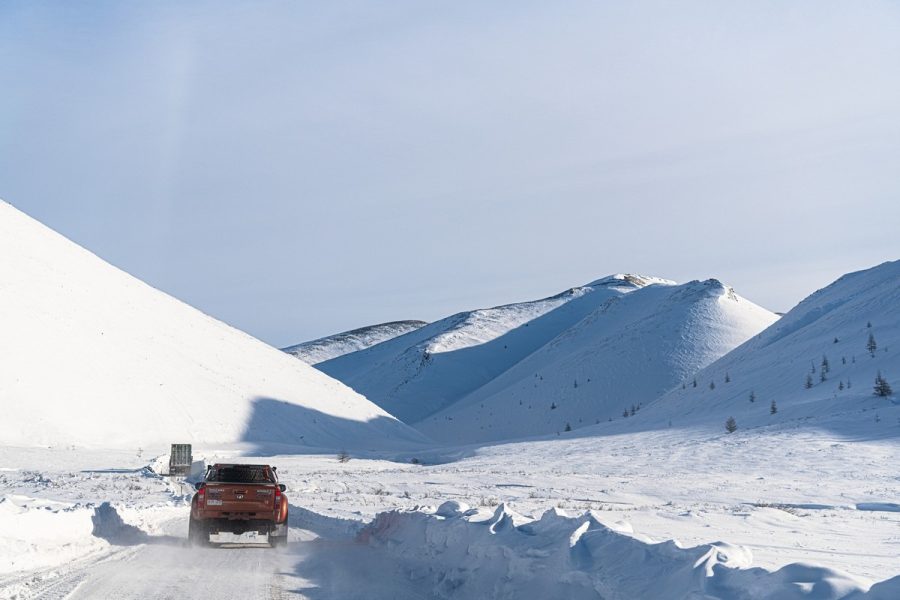
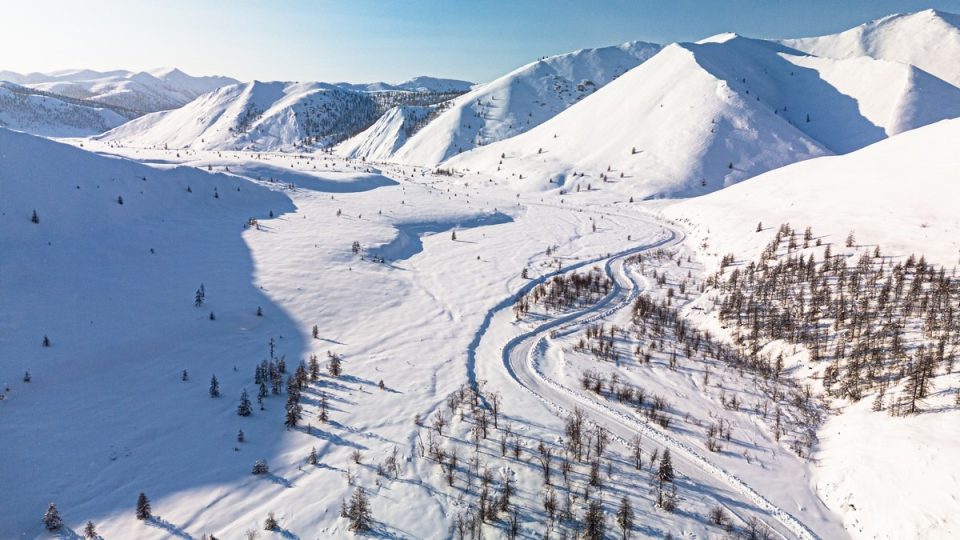
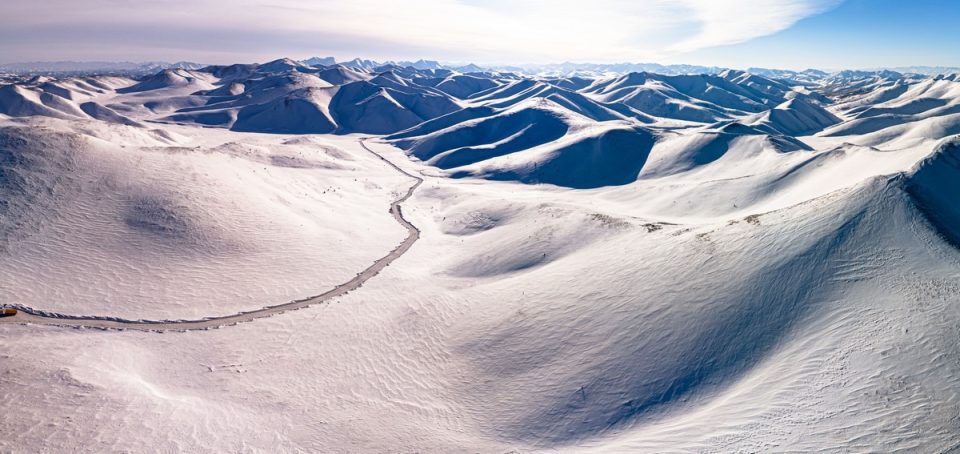
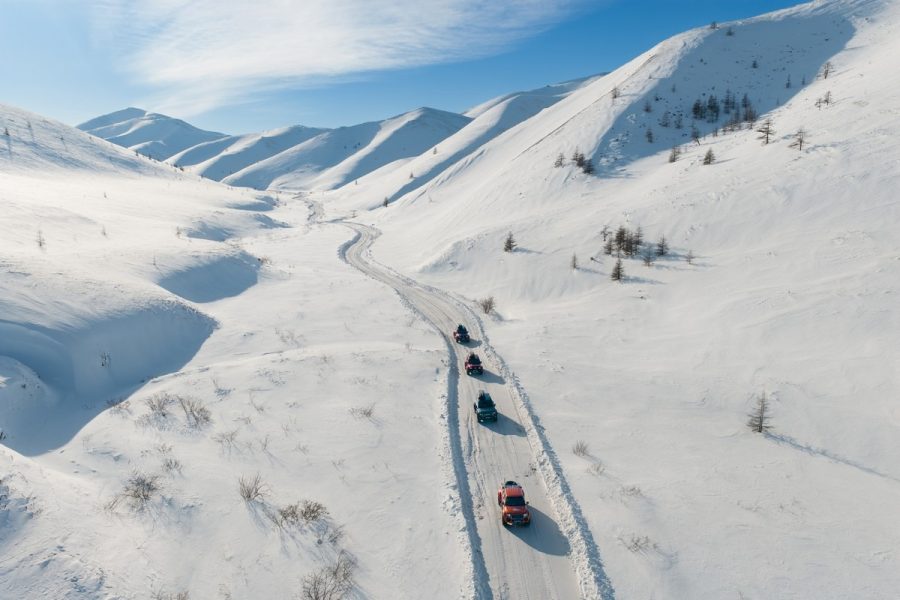
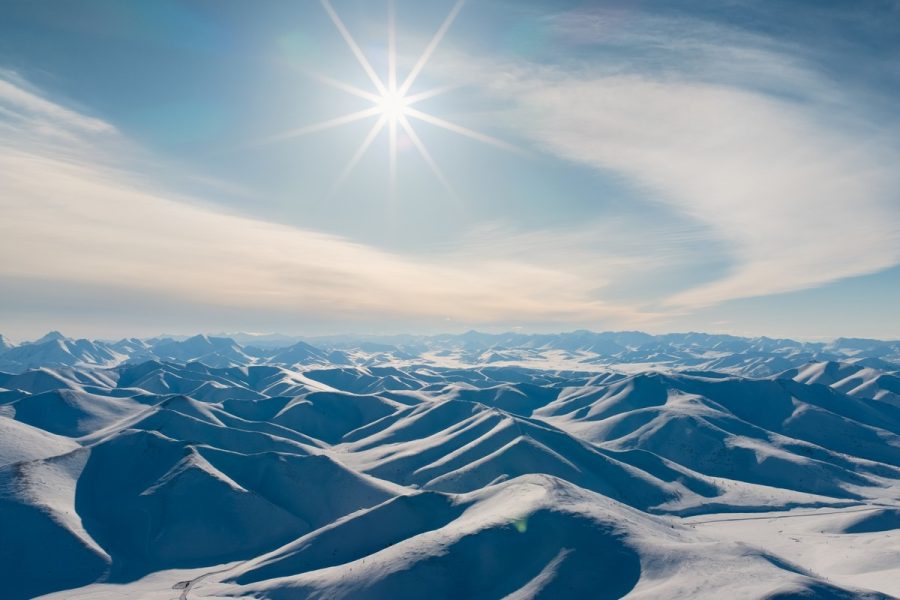
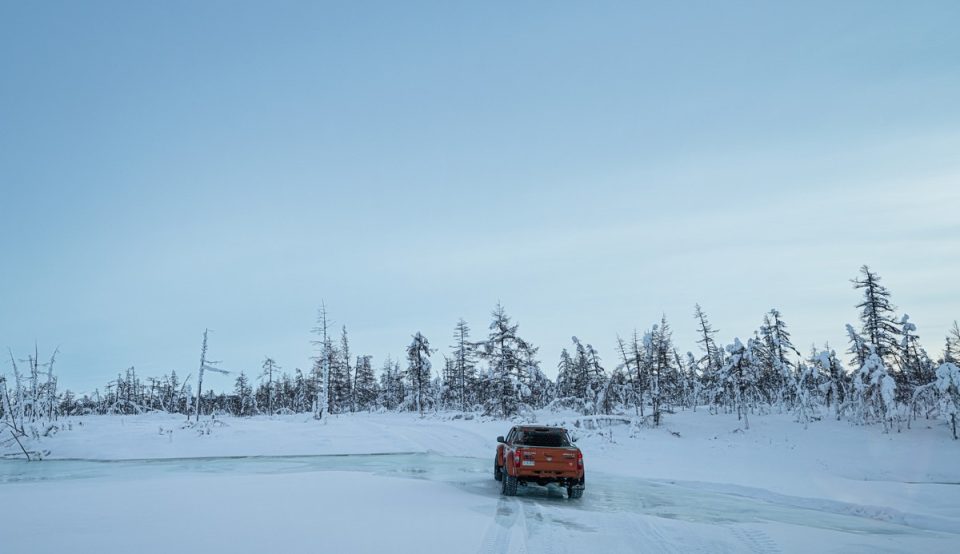
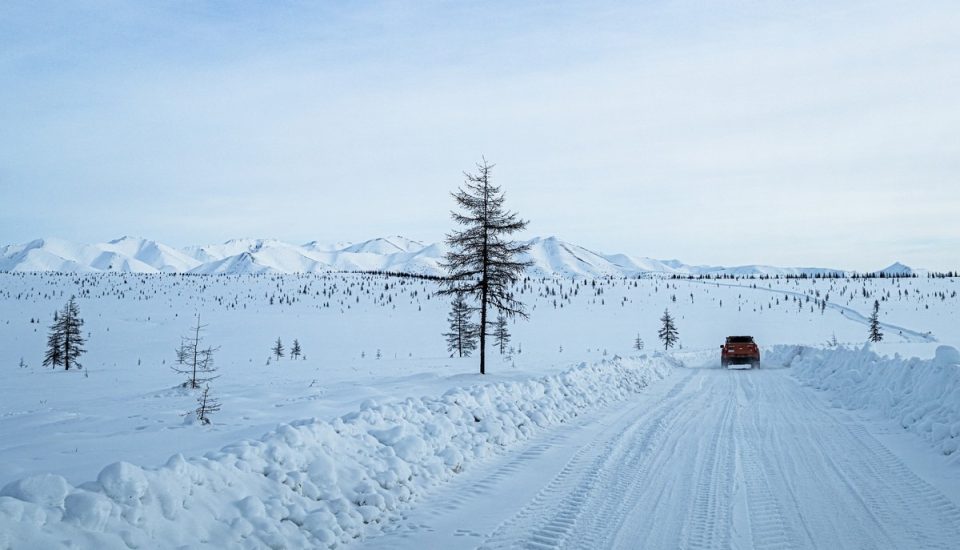
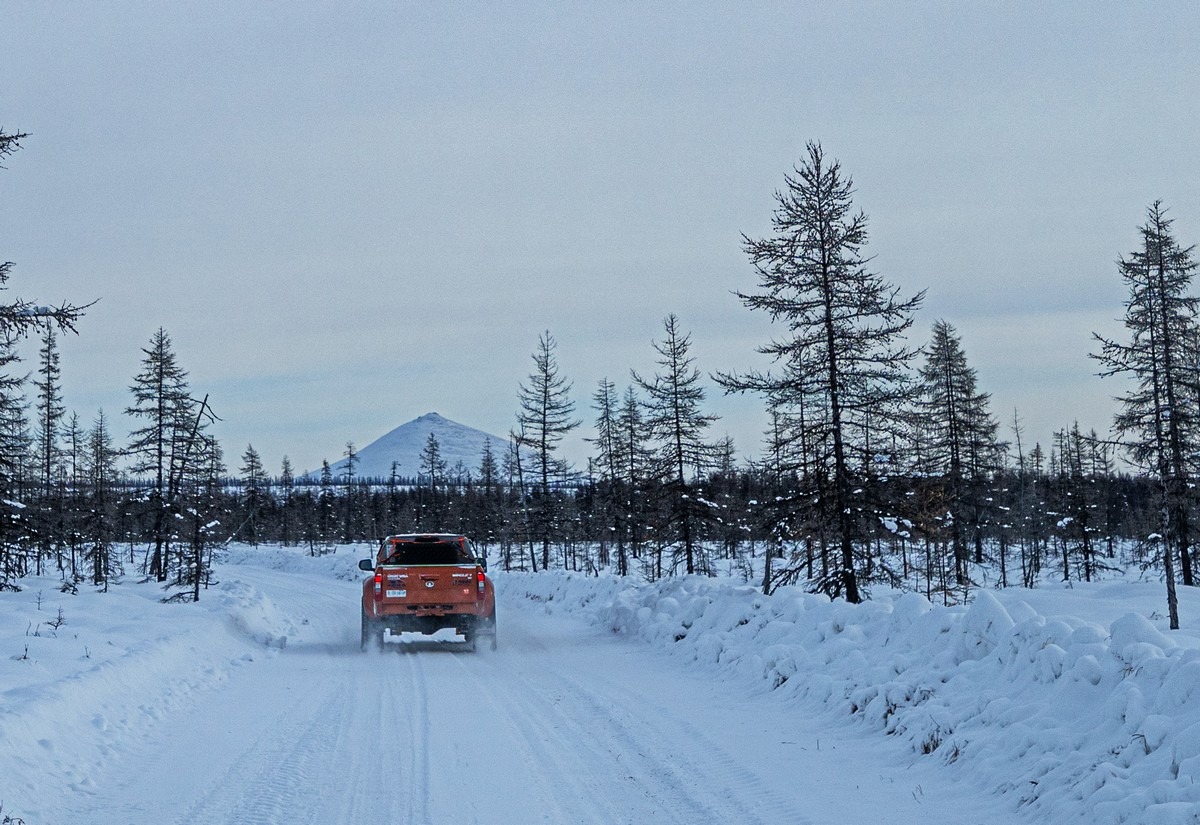
Next on our Irkutsk-Yakutsk-Magadan-Yakutsk winter road trip, it was high time we headed off into the deepest backwoods (so – backwoods of backwoods!), where you can go a whole day’s drive without meeting a single other car. Where? The Khonuu-Sasyr winter road (but more on that shortly). Why? Simple: it’s how you get the Moma Natural Park. Why there? Simple: (i) it’s where the most magnificent naleds are – including the G.O.A.T. naled the Great Moma Naled; and (ii) it’s where there are no fewer than two (2!) Yakutian volcanoes! Yep – real volcanoes; I was pretty stunned when I found out. Back in 2024, we’d decided to come back here with drones – to fly around and snap some shots. Fast-forward two years – and here we are…

These are the naleds in question. They’re situated on the Moma river, and, apparently, they’re the largest naleds in the world:

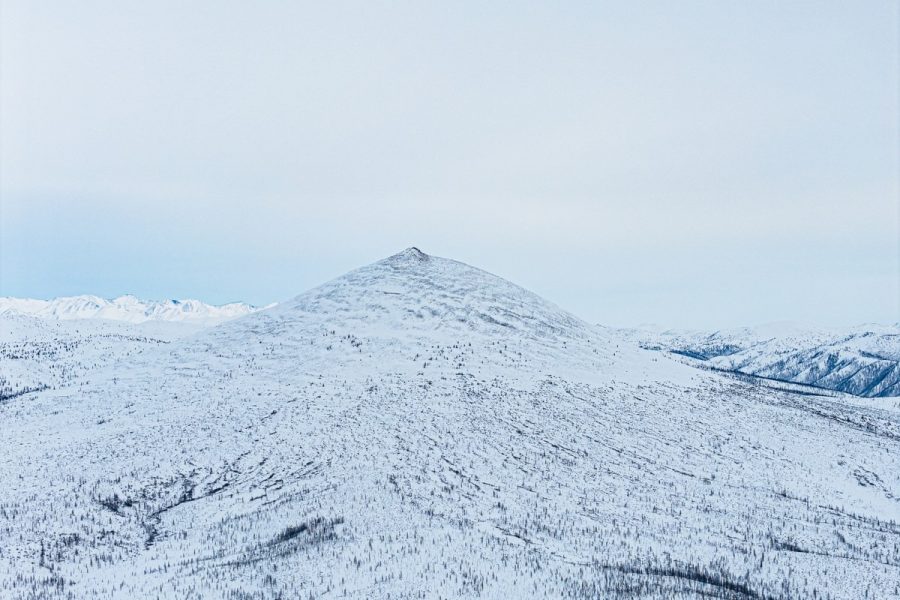
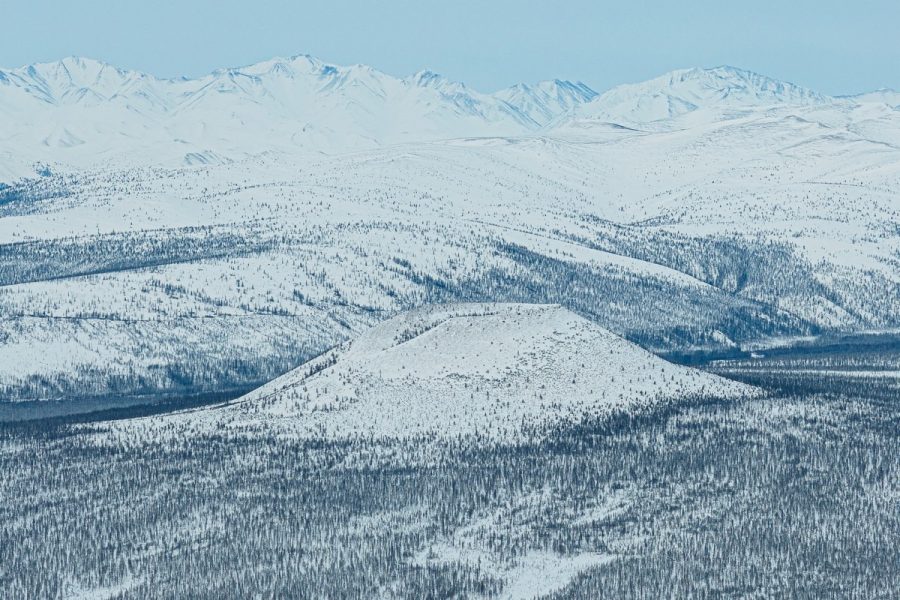
And here are the volcanoes – I’ll have more photos of them a bit later:

Read on…

Indigirka-tubing 2026.

The great Siberian rivers are the Ob, the Yenisei, and the Lena. Not far behind them are the Yana, the Indigirka, and the Kolyma. These aren’t quite as long and wide, but they’re no less beautiful, contemplative, magnificent, and in places downright astonishing. So it’s in their direction we headed…

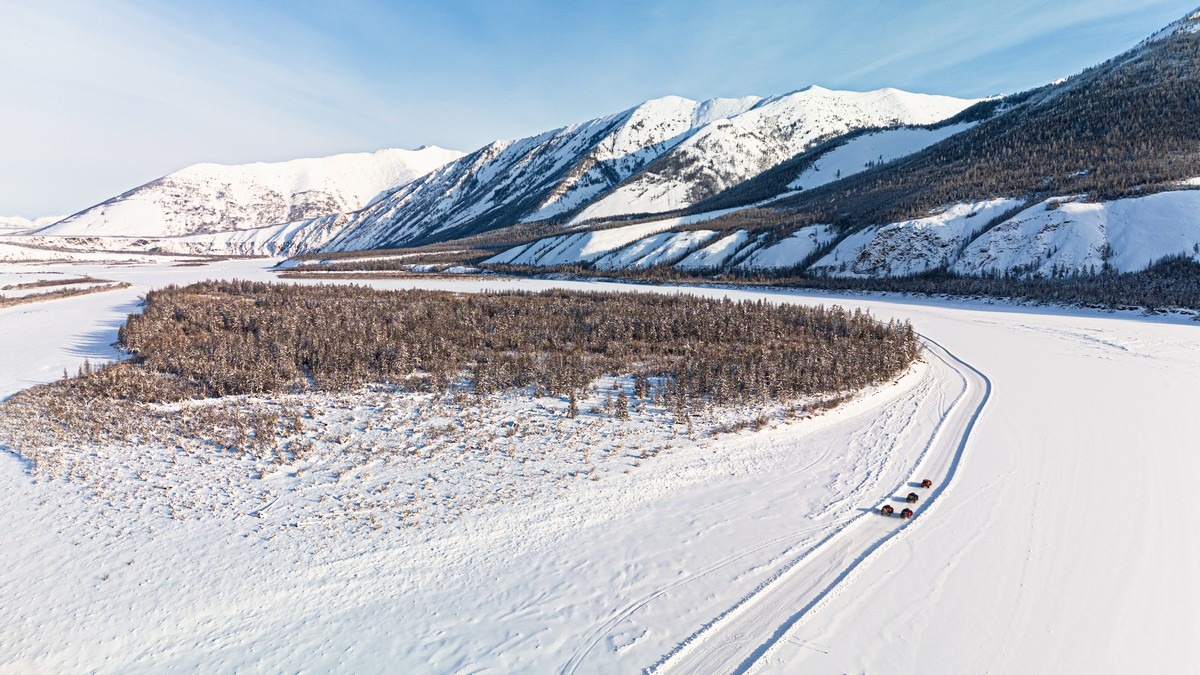
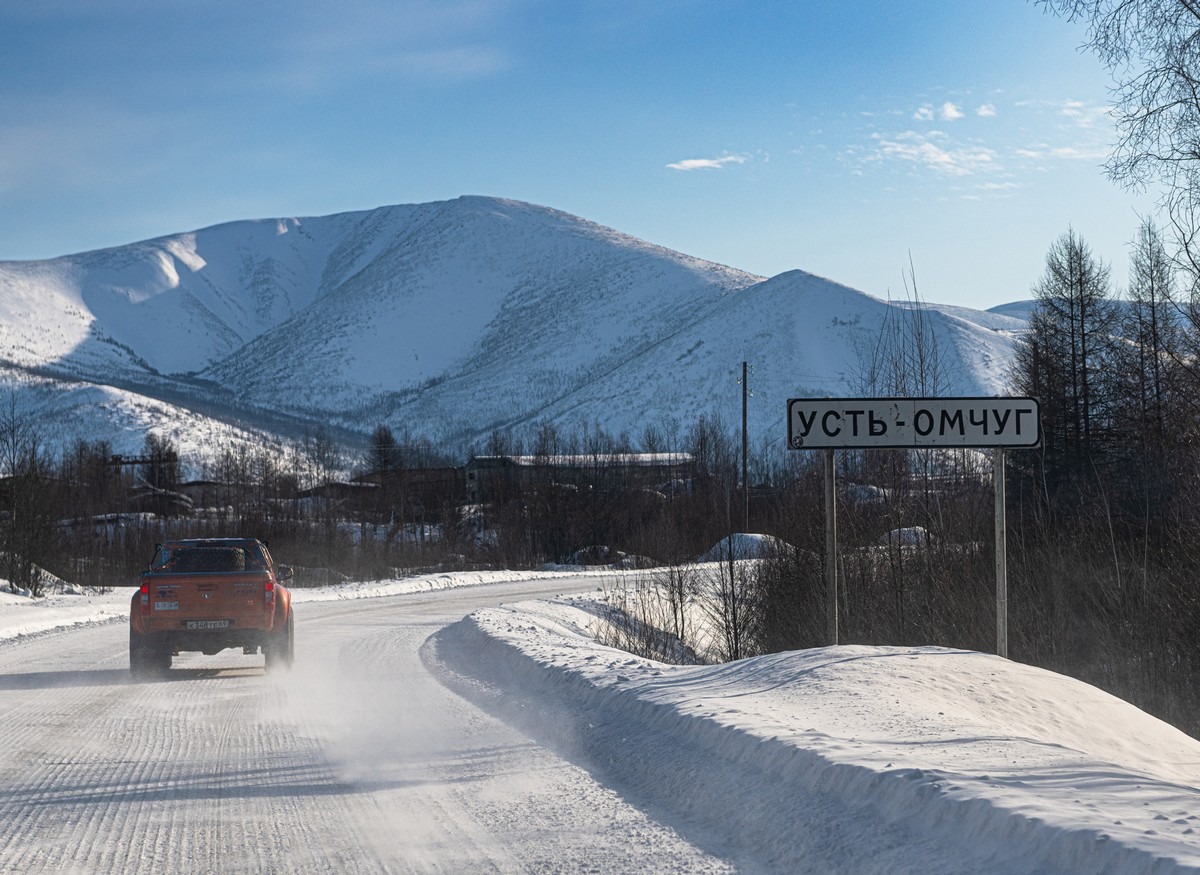
Time for some fun – but not like last time. This time around it was a cut-down version, atop and along the frozen Indigirka only: Ust-Nera > Khonuu > Sasyr, and back.

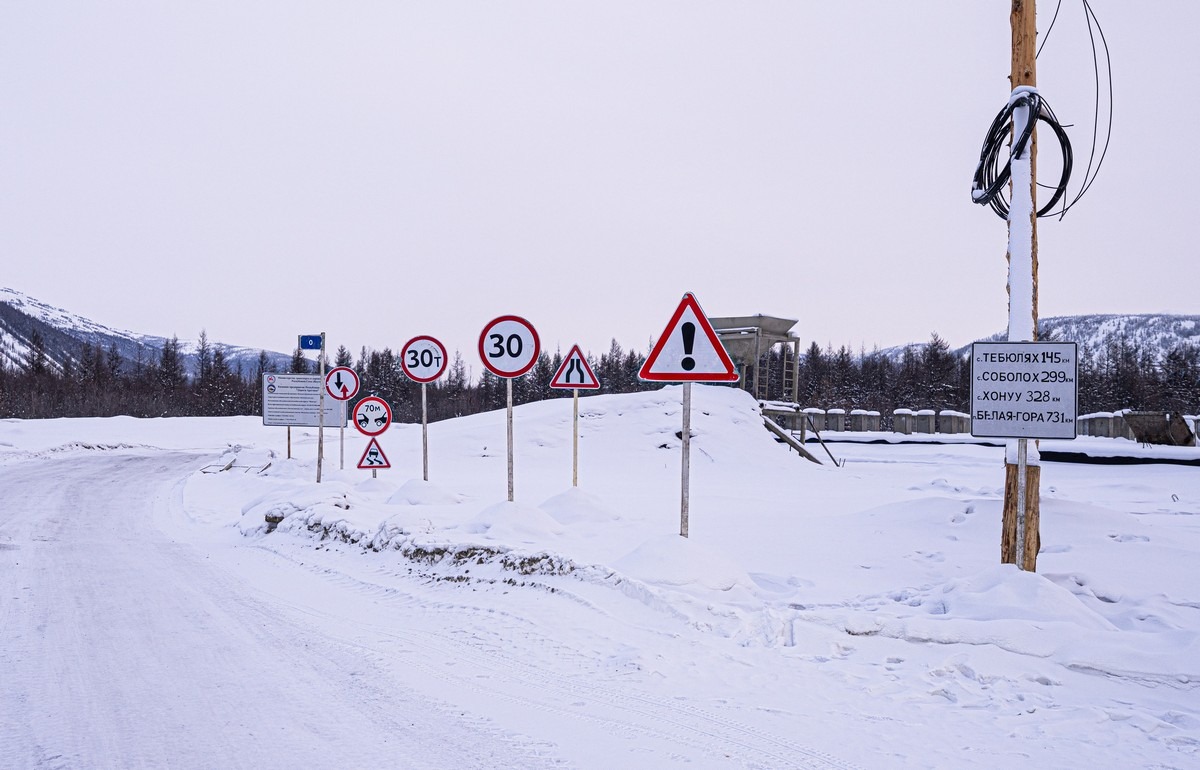
Out onto the ice we go at the start of the winter road, @ “zero kilometers” ->

Read on…

Golden Natalka.

If you think we drove the alternative Kolyma route just out of curiosity… you’re absolutely right! Purely and solely out of curiosity. As it turned out though, some of our key partners have facilities there – we protect them from all sorts of cyber-nastiness, and they invite us to visit their operations. And the stars aligned so that one of Russia’s most golden enterprises – the Natalka gold-ore deposit – sits right by Route 44N-4 – the very alternative Kolyma route we were on. And here we are!

First up – a quick preview of coming attractions…

That’s the pit: one of the largest open-pit mines in the world.

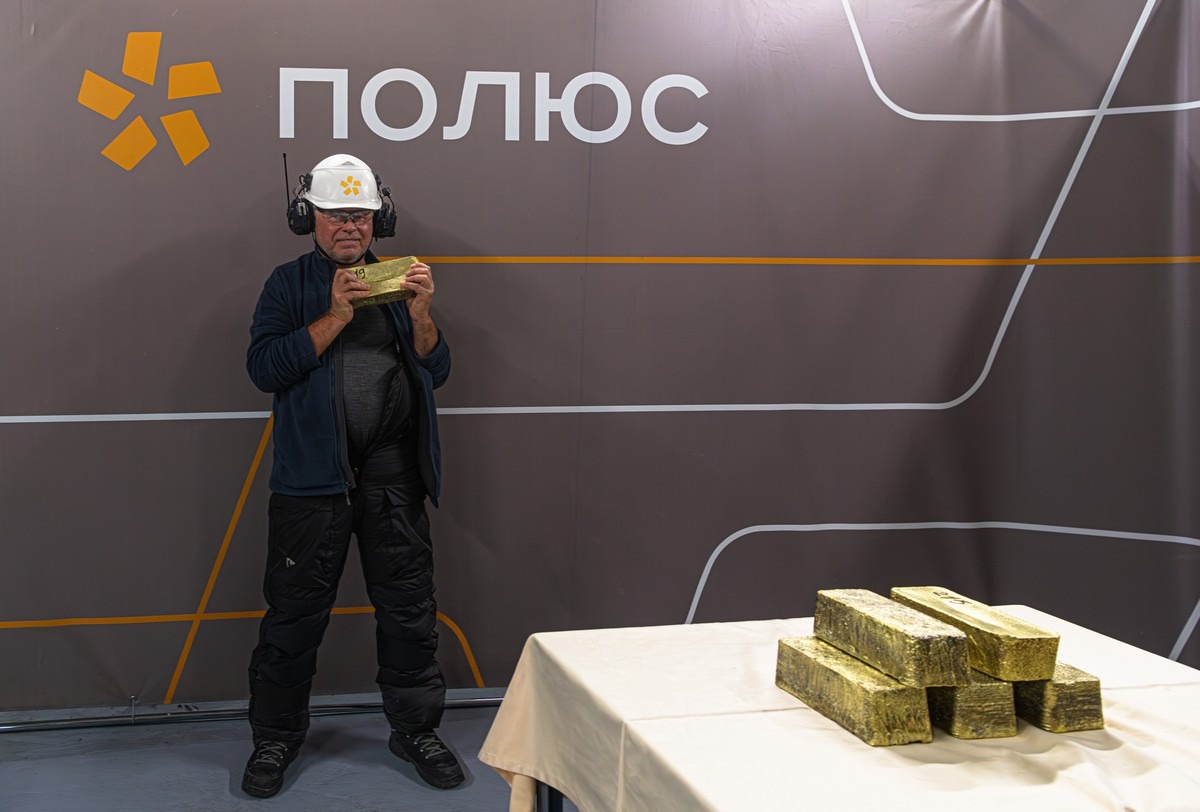
And this is the finished product. About 75% gold, another 20-plus percent silver, plus assorted other stuff. These little bars weigh about 12 kilograms each, and from here they’re sent off for more thorough processing to produce practically pure gold – 999 fineness – and roughly the same purity of silver.

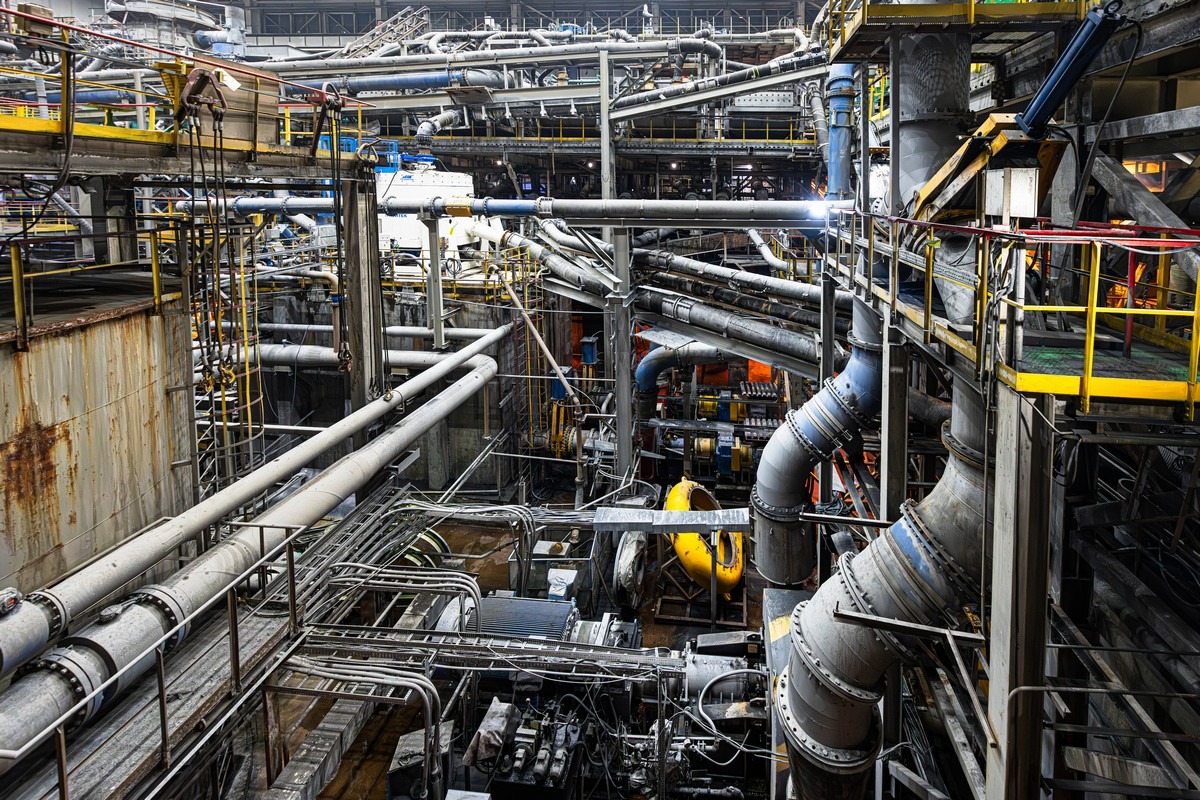
Between the pit and the finished product lies an incredibly complex technological cycle, which I’ll try to explain in a bit.

But first, a little history…

Read on…

Taking the (more) scenic route to Magadan.

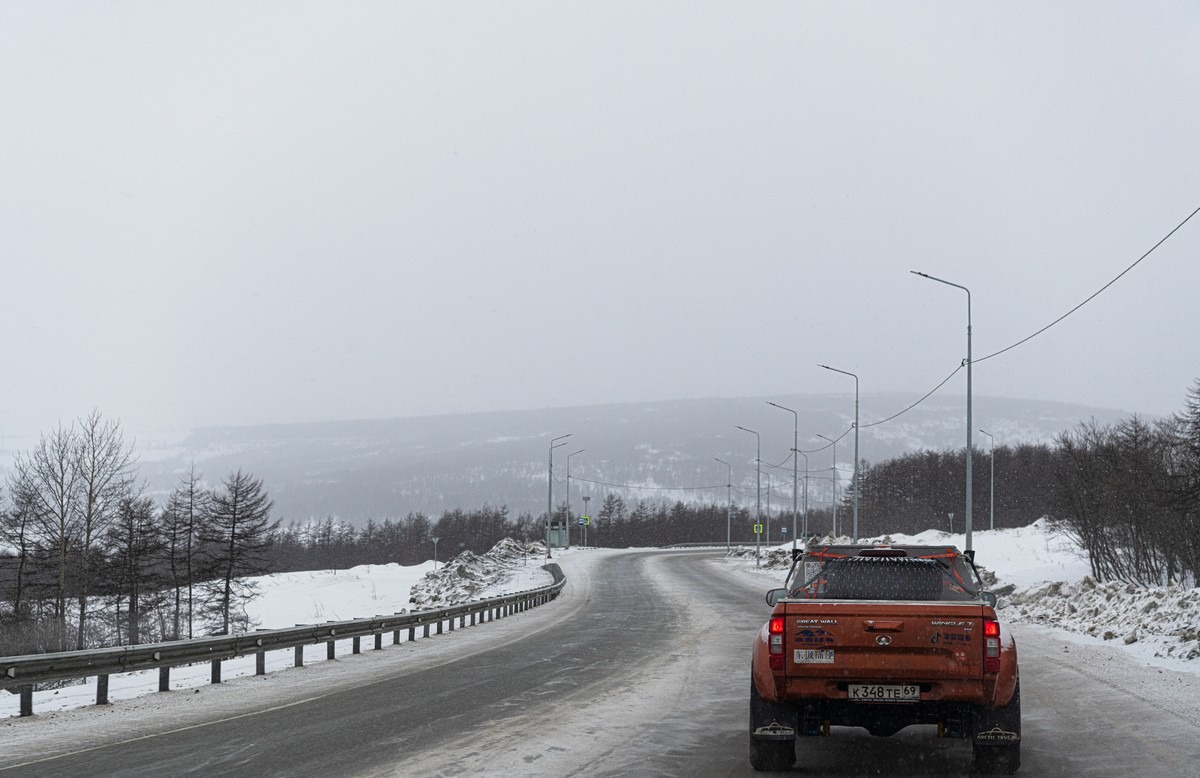
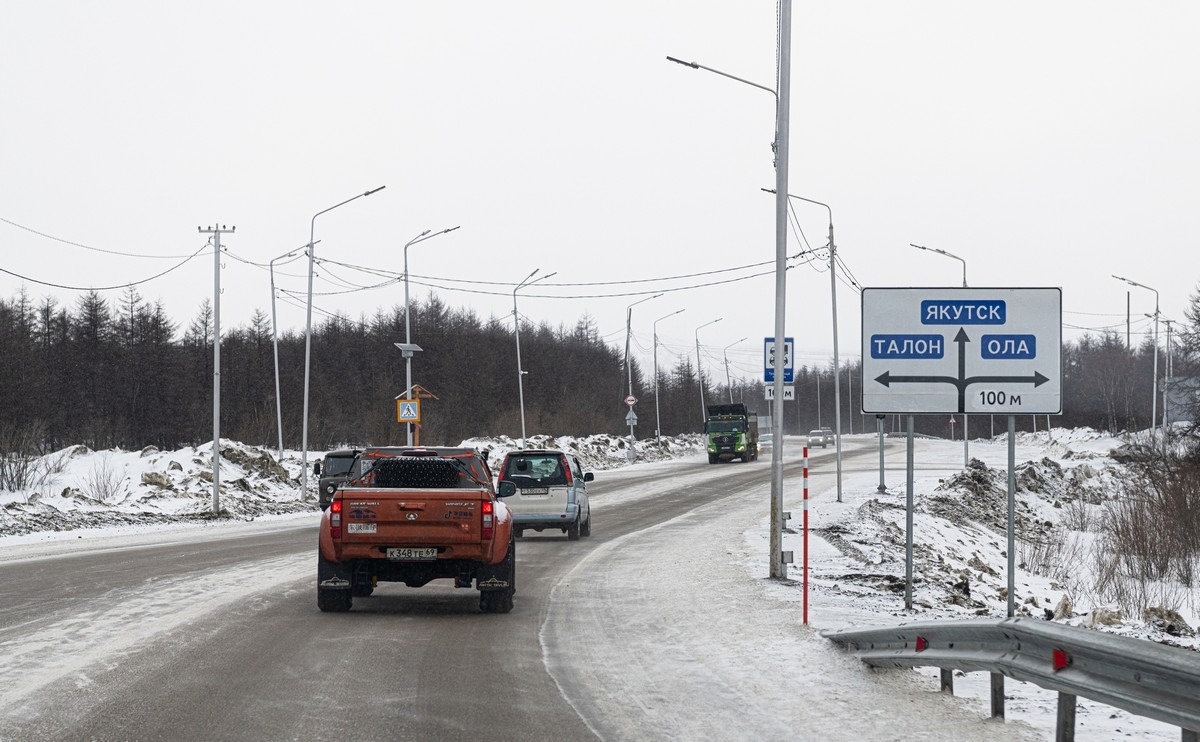
If you ever need to dash from Yakutsk to Magadan (or Magadan to Yakutsk) by car – you need to take the only road that exists between the two cities. And that road is the Kolyma Highway: 2000+ kilometers with the route Yakutsk – Khandyga – Ust-Nera – Susuman – Magadan. And it’s an absolutely mind-blowingly beautiful road in January or February!…

I’ve already driven it along four (4!) times in the winter. And something tells me I’ll be back for more deep-frozen far-eastern road-trip tourism – and more than once.

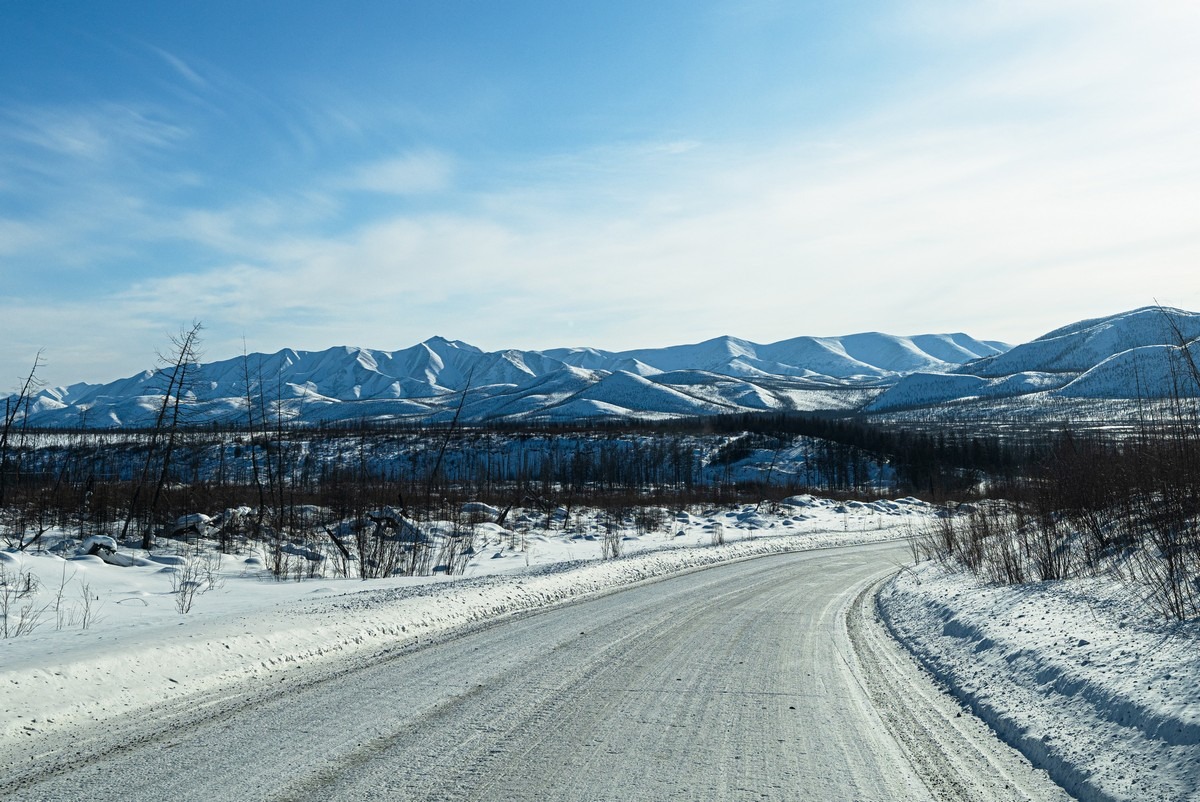
Near Susuman, the highway splits into two branches: the main route, and an alternative route – 100km shorter, but trickier. This alternative road, marked 44N-4 (also known as the Tenkinskaya Highway), may be less comfortable for crossing the vast Kolyma region, but it’s far more scenic – at least in the dead of winter. So we hang a right off the main Kolyma road – and off we pop!…

Read on…

The Bratsk Hydroelectric Power Plant: +1 = 8!

The Bratsk Hydroelectric Power Plant on the Angara River is a fascinating facility with an equally fascinating history. Construction began way back in 1954 – over 70 years ago. The first turbine unit came online in 1961, with the rest phased in gradually. For about eight years this power plant held the title of the world’s largest by installed capacity. (Fun fact: the crown then passed to another Soviet plant, the Krasnoyarsk HPP.) Anyway, here’s the Bratsk HPP:

A mightily powerful structure…

Read on…

Two attempts at the infamous abandoned “Road of Bones” in Siberia.

When the temperature drops below -50°C, the world turns into something else. It doesn’t just freeze; it visually transforms. Everything gets wrapped up head to toe in hoarfrost and grows a thick layer of fluffy white crystals. It’s kind of like the inside of a freezer, only way more intense. Trees, road signs, poles and the wires on the poles are all coated in white hoarfrost:

This year that kind of a deep-deepest freeze in the Russian Far East only took place in December and January, while February turned out to be unseasonably warm. In fact, I’d say it was hot for February in Yakutia. If the thermometer shows -20°C at that time of year – yes, that’s hot! The thermometer only crept lower than -40°C a couple of times early in the morning, but it’d almost immediately warm up to -30°C or even higher. It got to the point where, for most of the trip, I wasn’t even wearing thermal ski pants – just jeans. I had some thermal leggings on underneath the jeans – but that was it. And I only wore my fur-lined boots once (when we spent the night in our cars on the ice of the Kolyma River to enjoy the northern lights and a total lunar eclipse).

At such higher-than-usual temperatures, all the white beauty melts away quickly, and the world turns gray and boring again. But at least a few times we got lucky and drove right into “proper” bleached scenery:

Read on…