
May 19, 2026
Golden Natalka.
If you think we drove the alternative Kolyma route just out of curiosity… you’re absolutely right! Purely and solely out of curiosity. As it turned out though, some of our key partners have facilities there – we protect them from all sorts of cyber-nastiness, and they invite us to visit their operations. And the stars aligned so that one of Russia’s most golden enterprises – the Natalka gold-ore deposit – sits right by Route 44N-4 – the very alternative Kolyma route we were on. And here we are!
First up – a quick preview of coming attractions…
That’s the pit: one of the largest open-pit mines in the world.
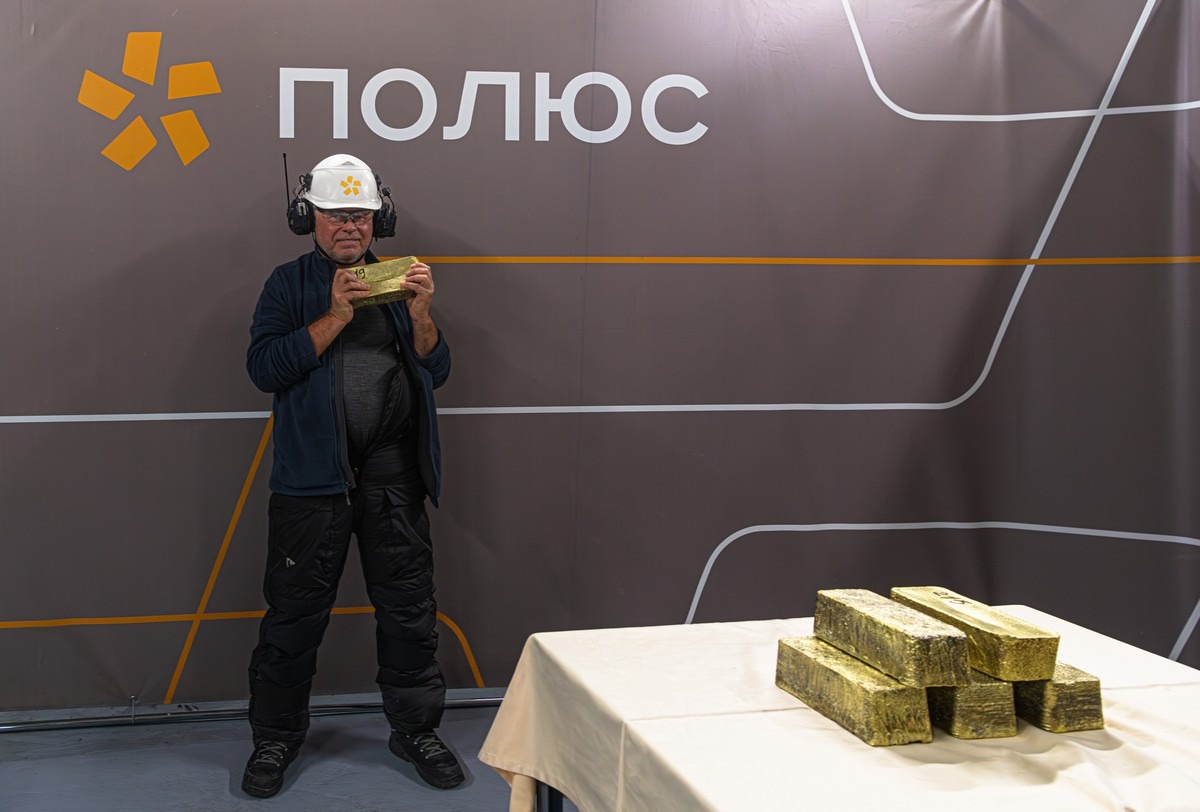
And this is the finished product. About 75% gold, another 20-plus percent silver, plus assorted other stuff. These little bars weigh about 12 kilograms each, and from here they’re sent off for more thorough processing to produce practically pure gold – 999 fineness – and roughly the same purity of silver.
Between the pit and the finished product lies an incredibly complex technological cycle, which I’ll try to explain in a bit.
But first, a little history…
First things first, the gold had to be found – and that happened in the early 1940s when an expedition led by Dmitry Pavlovich Aseev discovered two gold-bearing streams here – later named after this legendary Kolyma geologist’s two children, Natalka and Pavlik. Today there are two gold-mining operations here with those same names located about 10 kilometers apart.
Originally the deposit was worked by underground mining – adits, narrow-gauge railways, and all that sort of thing. Those who follow my mine tours should recall this process.
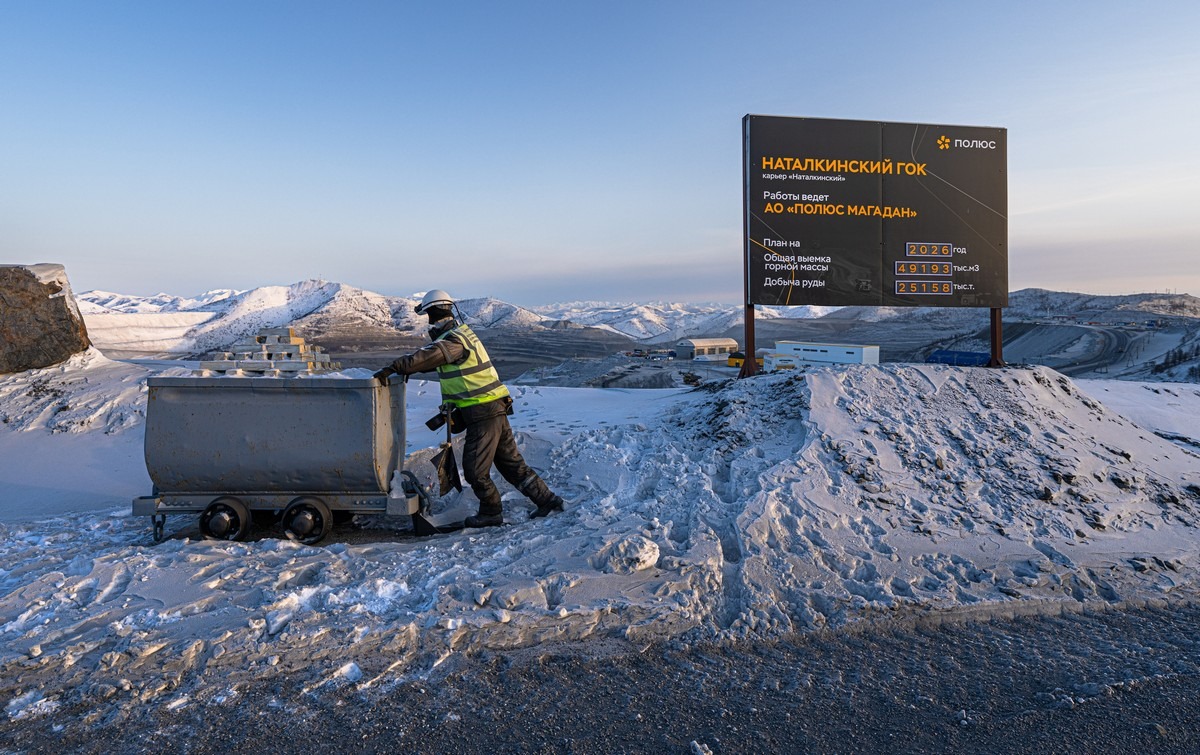
But underground mining stopped long ago. Now it’s simply an open pit, where they extract rock containing – wait for it! – a mere 1.7 grams of gold per ton of rock! The rock is sent for processing, and after several cycles the result is 75–80% gold. And every year this operation produces 12–14 tons of the precious metal (if the internet and other sources are to be believed).
So how does it all work? I’ll get to that soon…
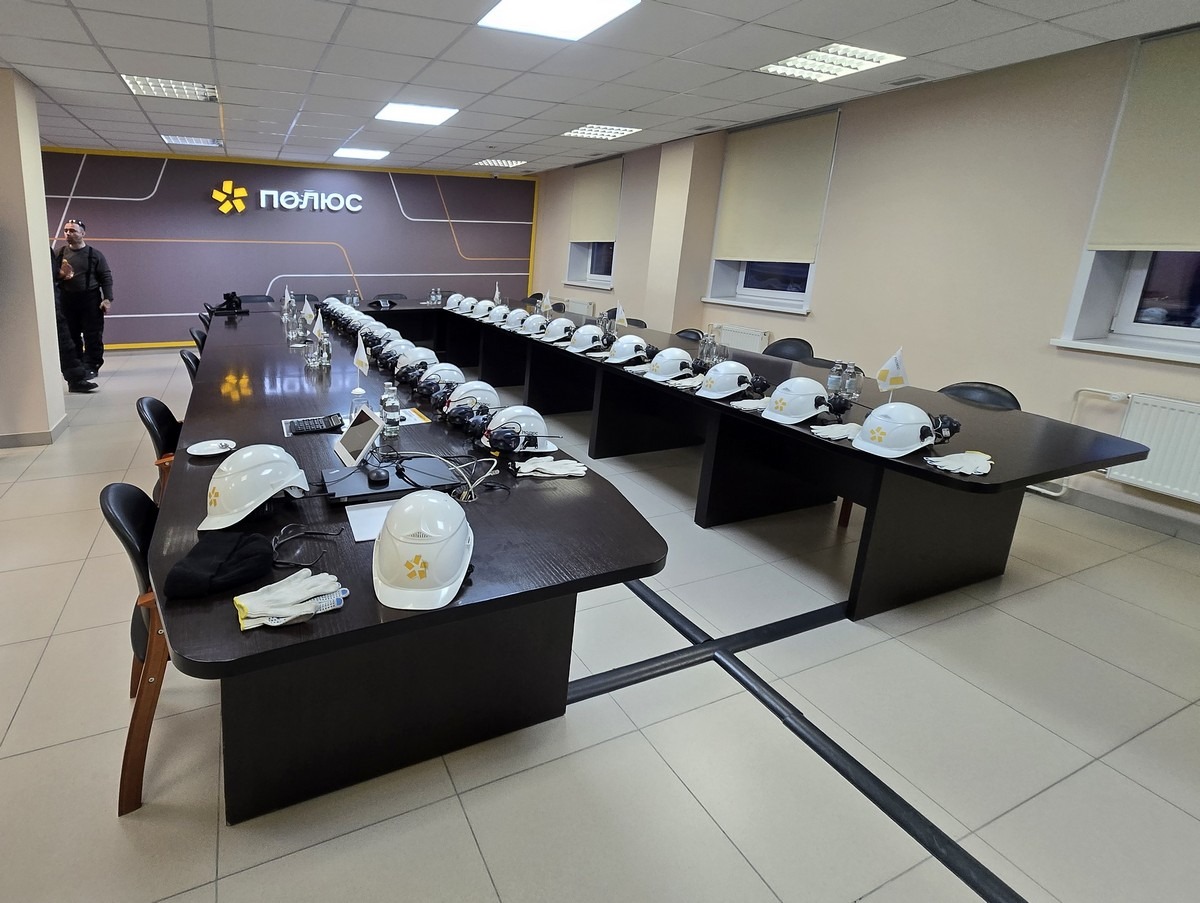
But first we had to go through a safety briefing and dress appropriately. Hard hats are mandatory too:
We were to be shown the production process from the very beginning – so off we drive to the pit!
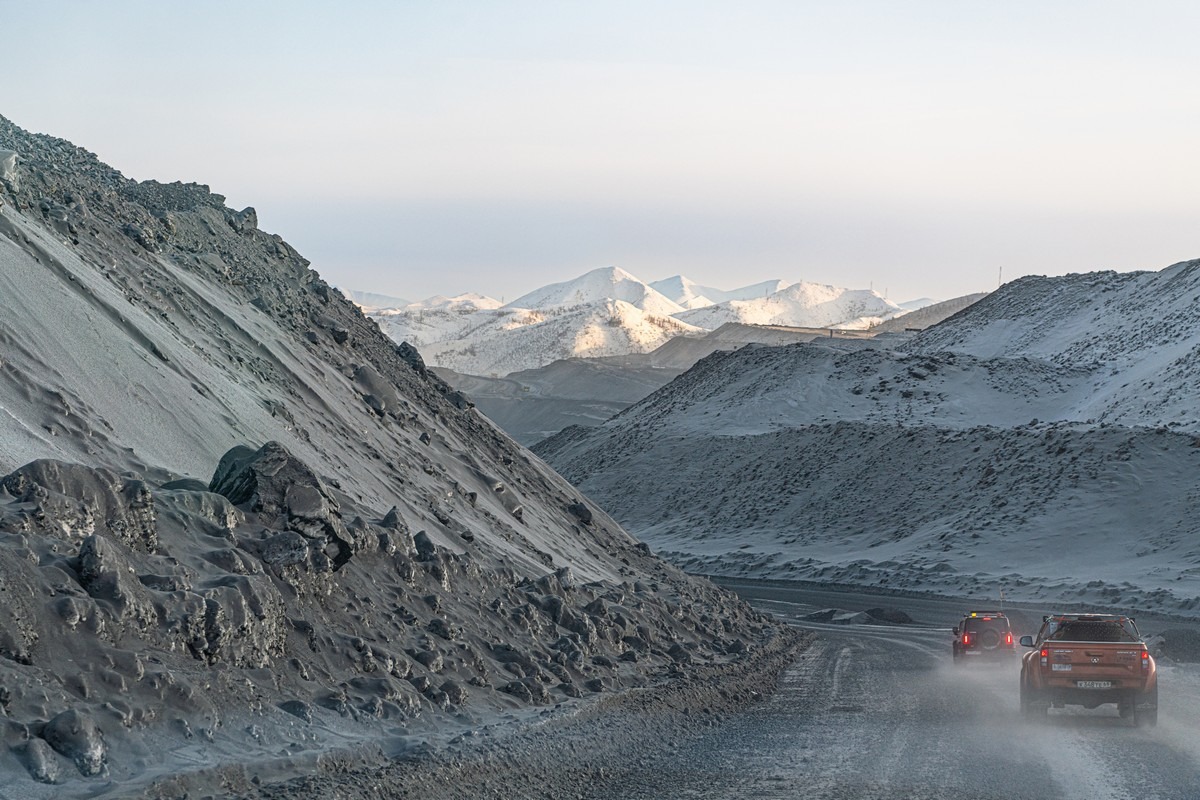
Passing along the way monsters like these…
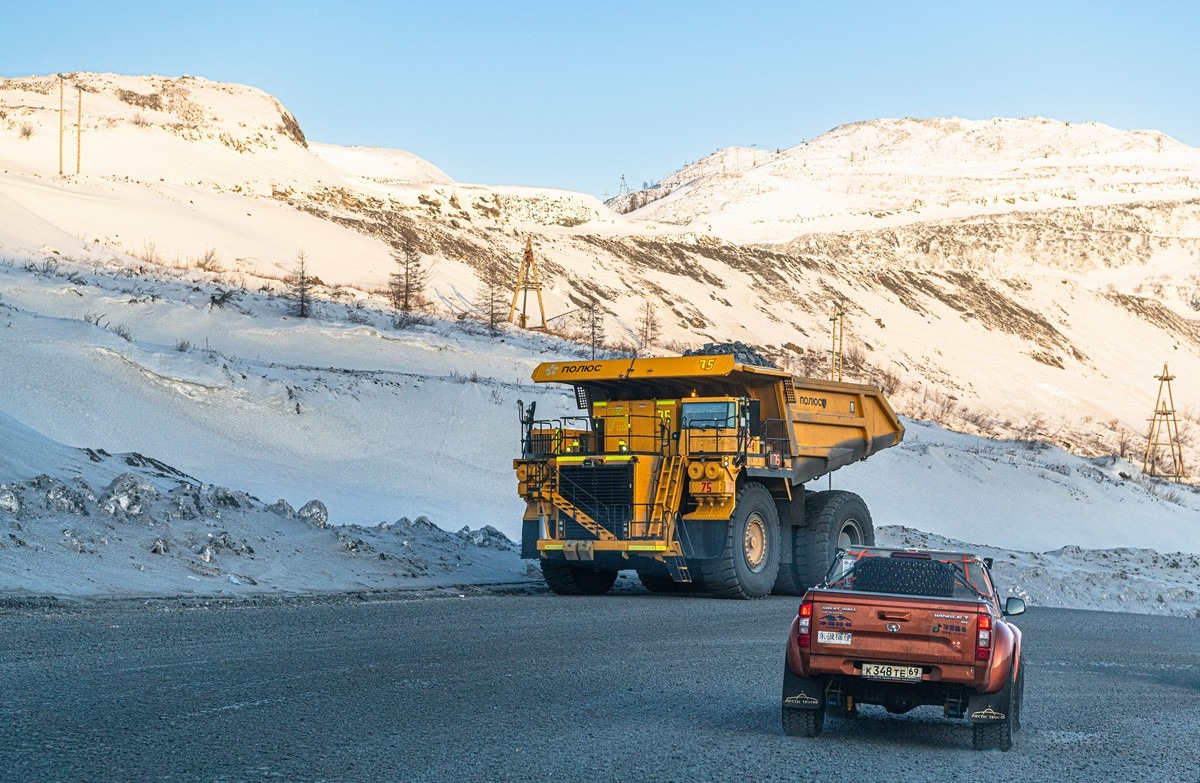
But, since we were civilian vehicles and didn’t have the mandatory mounted flags required here, they simply… paused work in the sections of the pit where they drove us around. How to put this… A gigantic thank-you! Major respect to Polyus! And for that, we’ll come up with, make, and implement something real nice for you too! :)
And here’s the pit! It’s simply colossal. So much so its size is hard to calculate – the terrain is uneven and wavy. Where do you measure the depth from? How do you calculate the other distances? No idea…
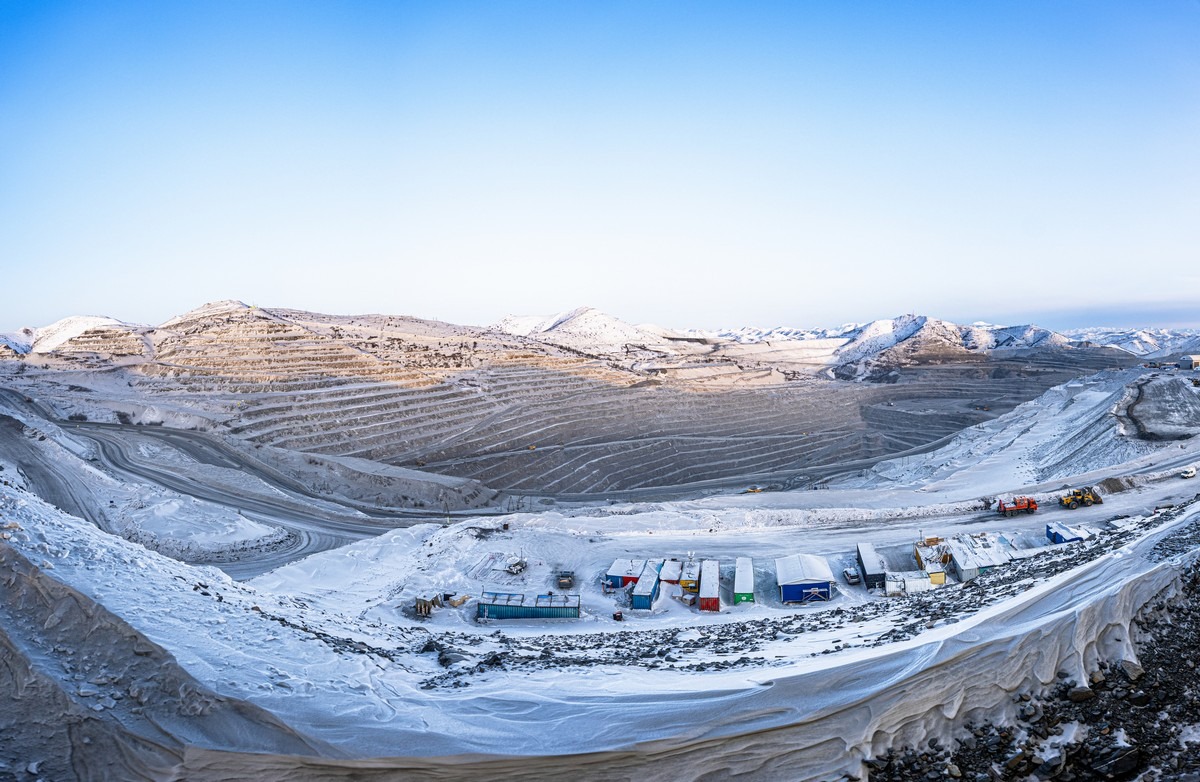
Still, there it is – this enormous open pit containing 1.7g of gold per ton of rock:
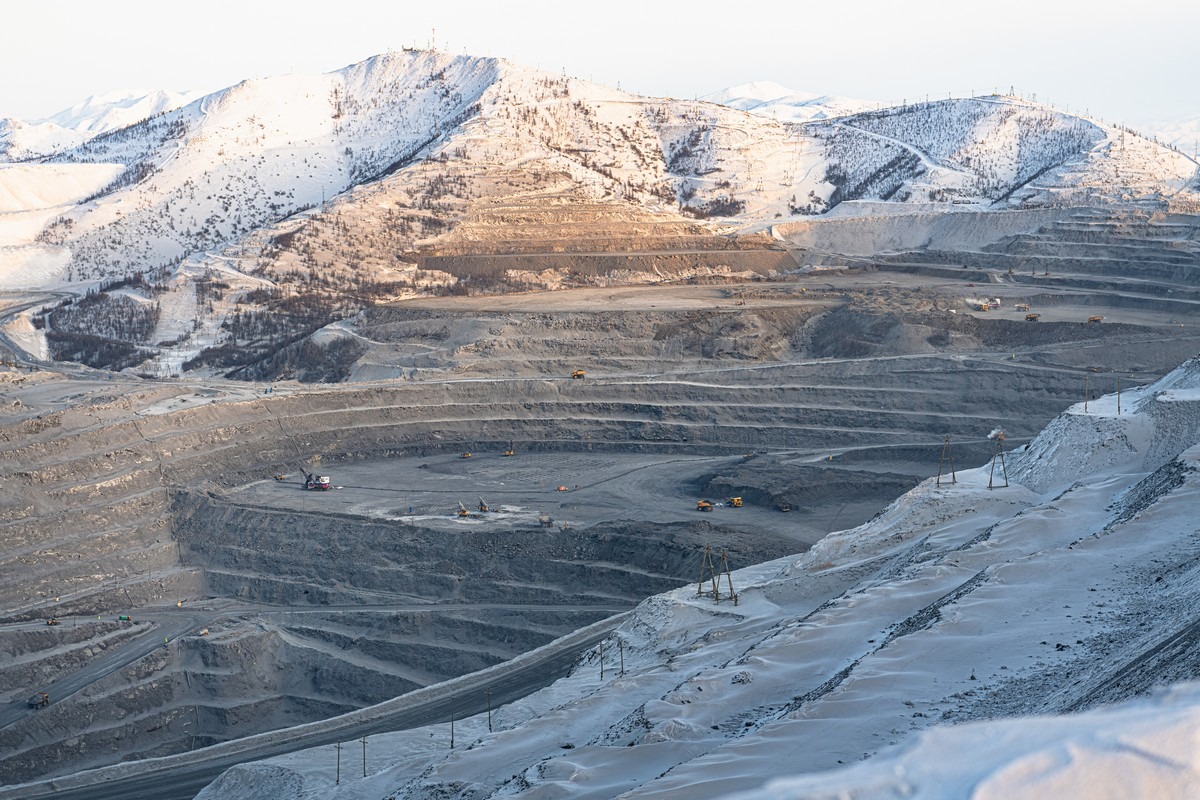
They’d been preparing a blast for our arrival, but we were late – we didn’t make it along the Old Kolyma Road in time, as you may remember. No big deal, though: I’d already seen something like that at the Vostochny deposit near Krasnoyarsk. So instead we headed over to where they load the rock onto the heavy haulers:
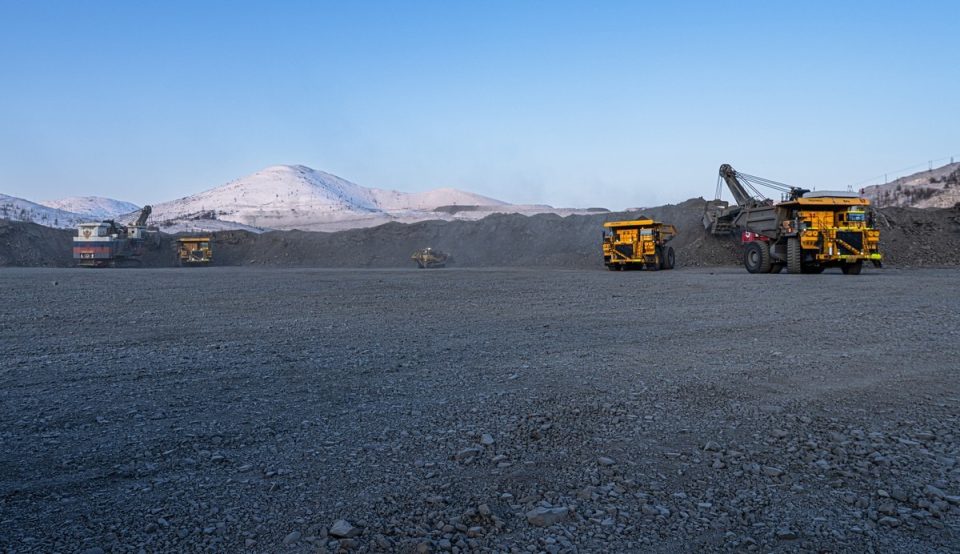
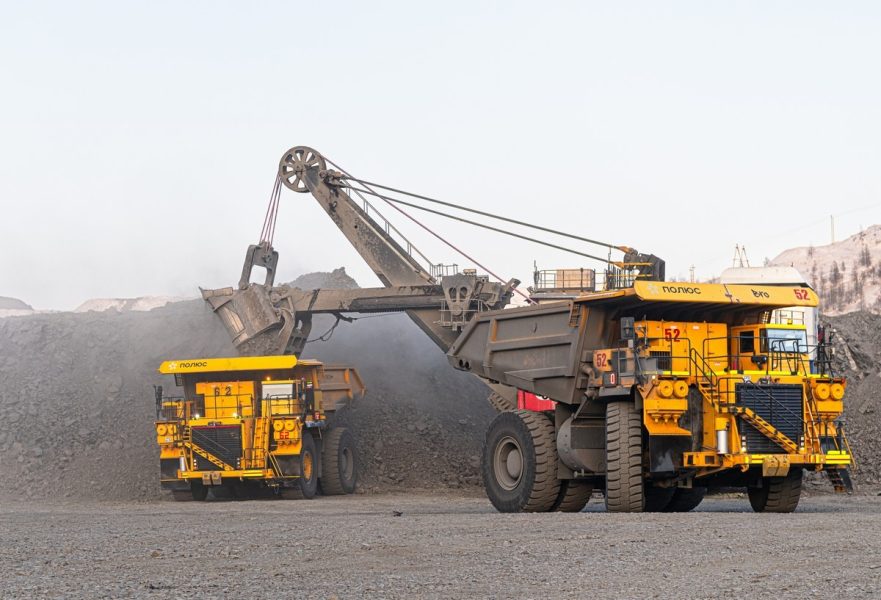
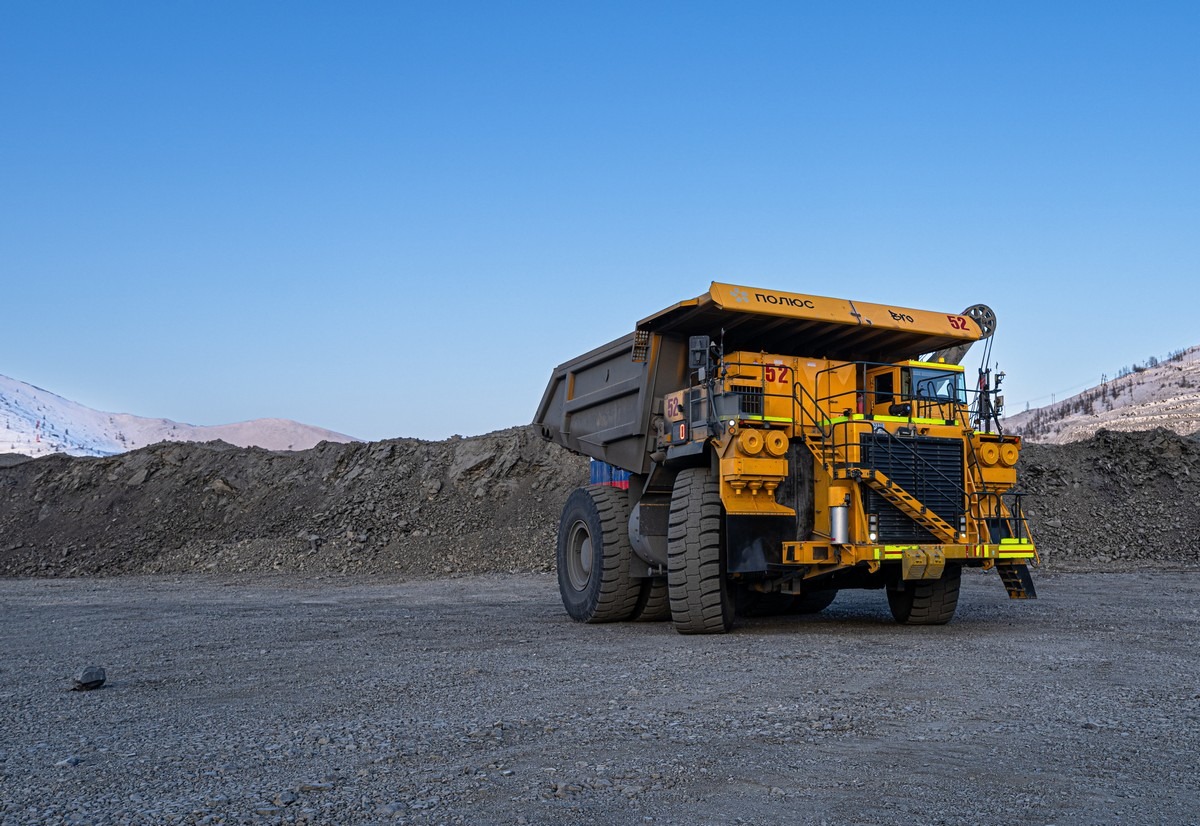
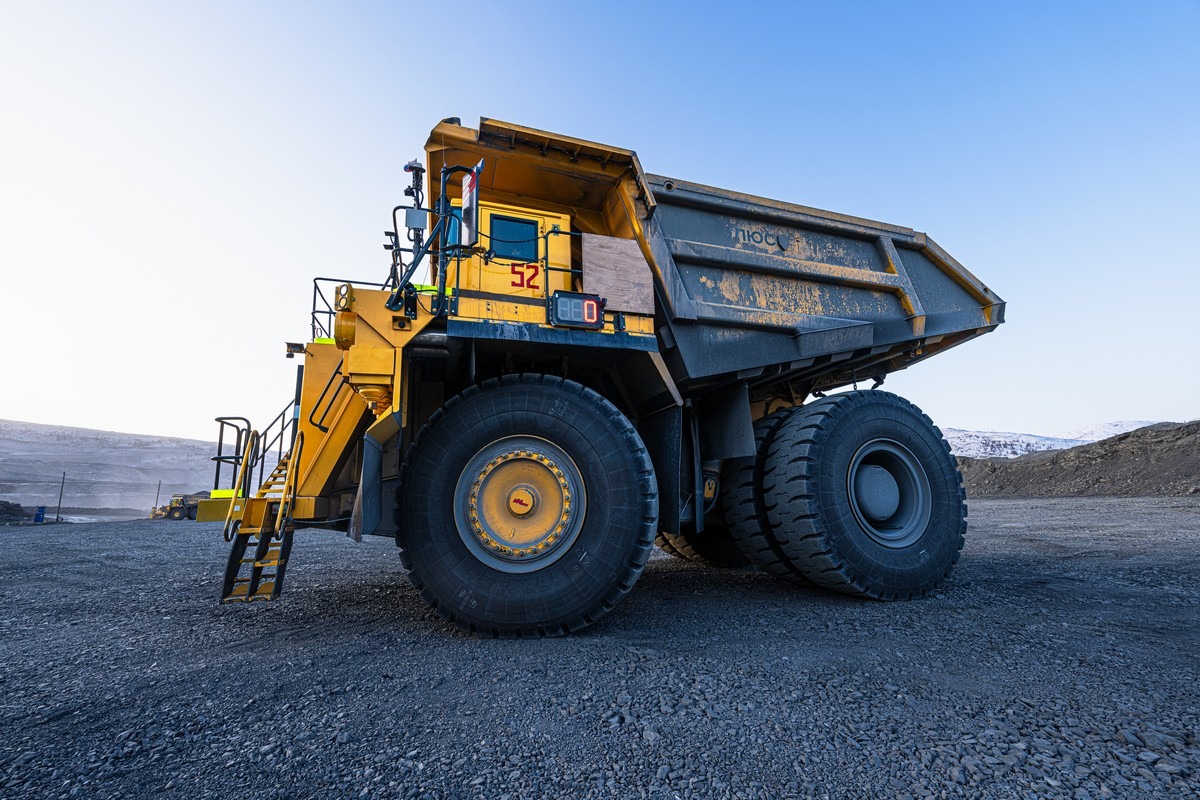
The machines here are seriously hefty – with a whole flight of steps up the front to climb up and into the cabin! ->
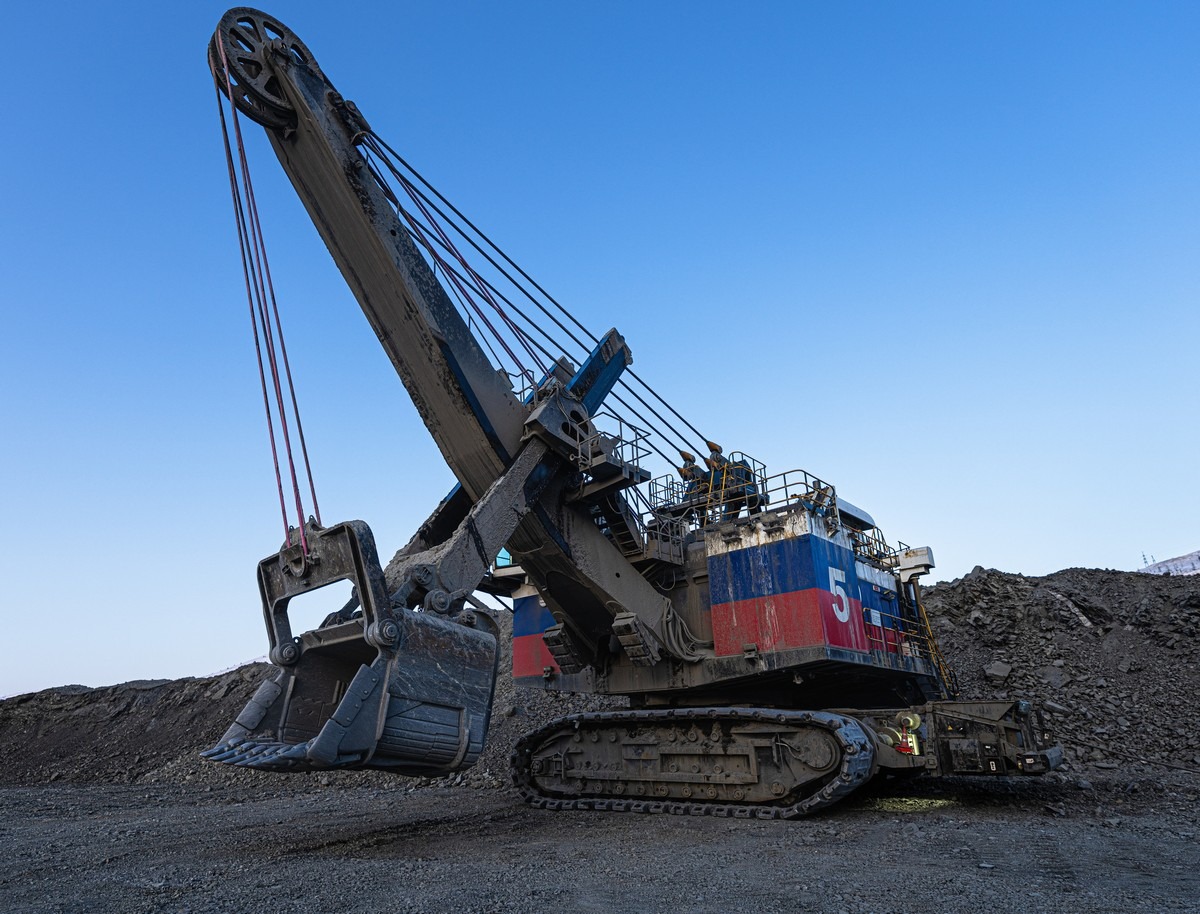
The excavators are huge too:
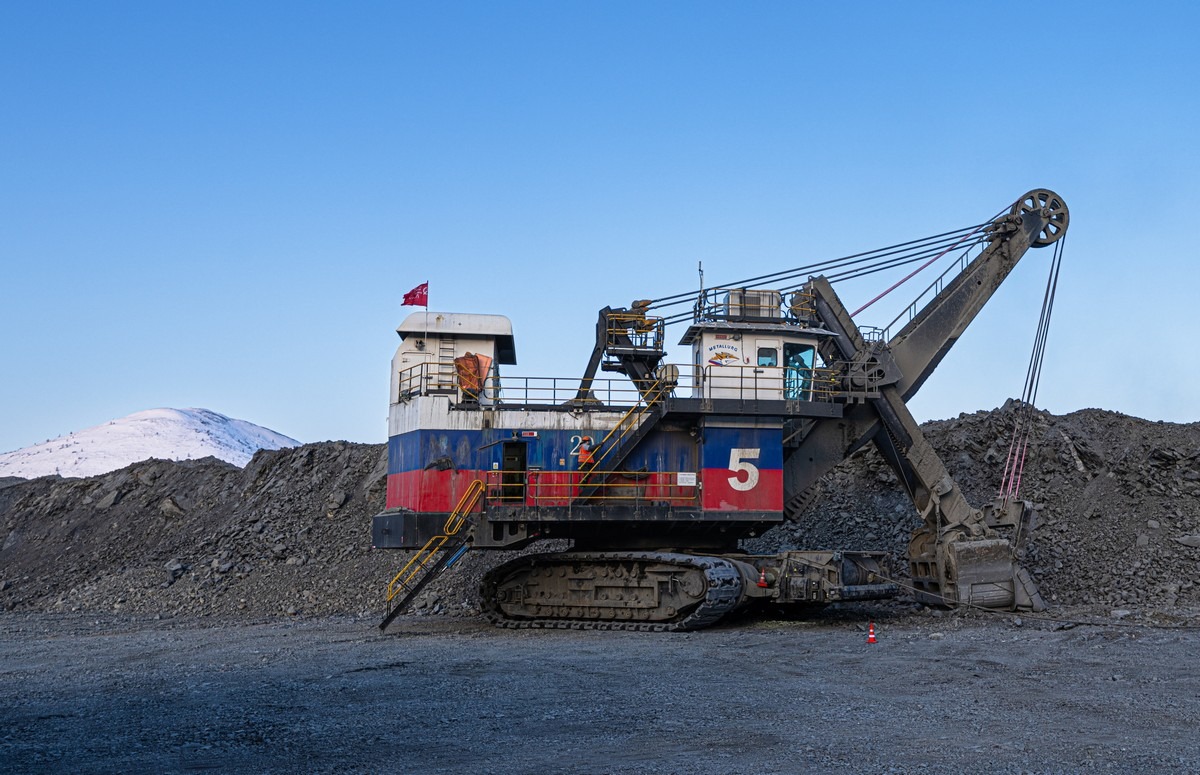
Interestingly, the equipment is Chinese. And the excavators arrive from China already painted with the Russian tricolor :)
Up we go, Bro :)
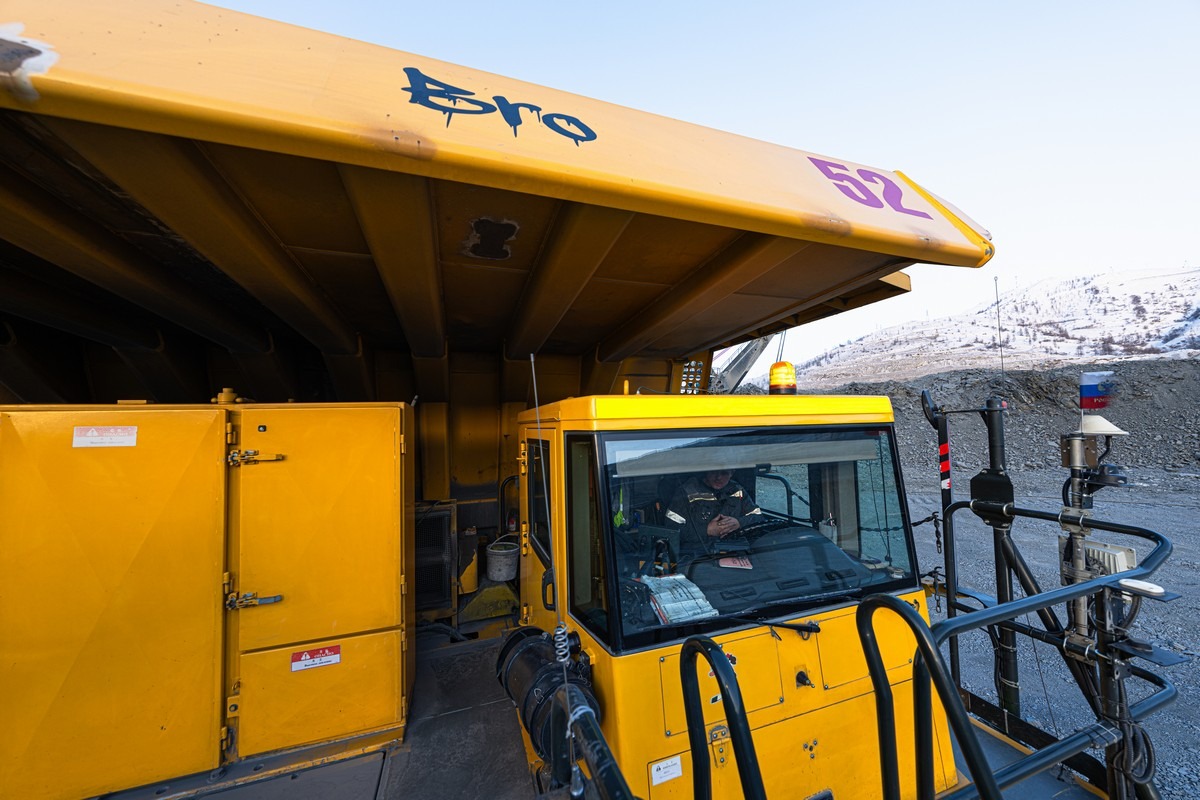
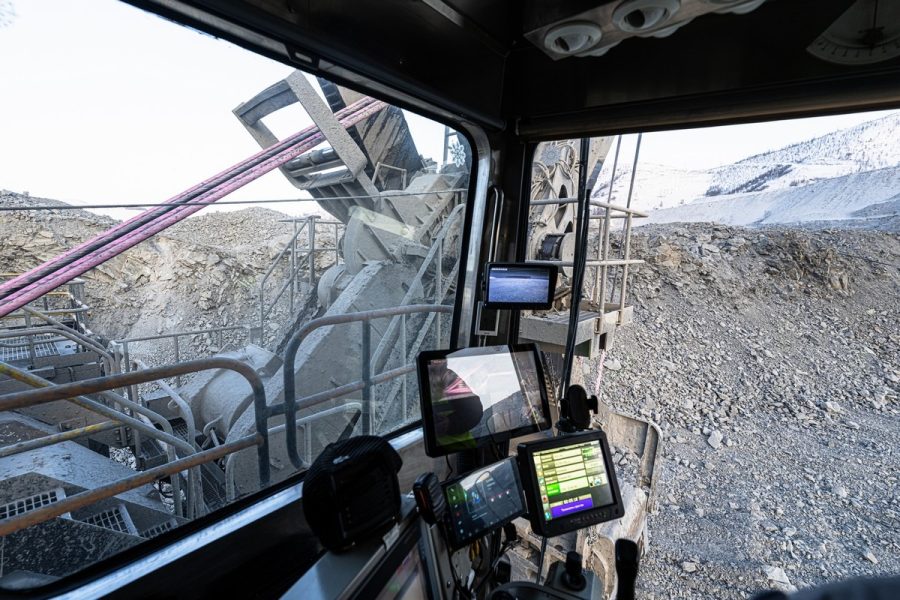
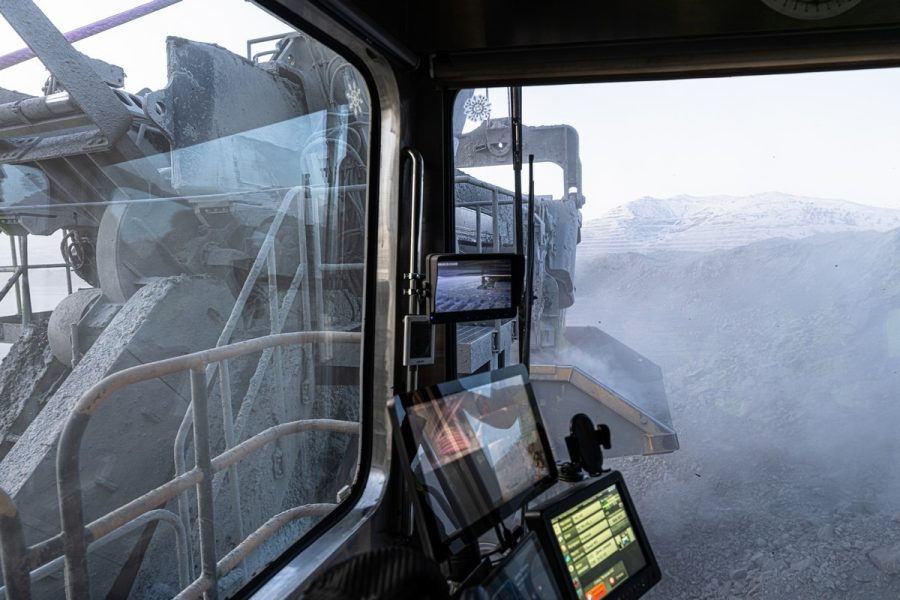
Then we climbed into the excavator cab – kitted out with various screens. I’d expect no less from those hi-tech Chinese!
Loading rock onto the dump trucks is really something! The excavator rocks, shakes, crunches, and spins! And somehow, by some kind of magic, the weight of the loaded rock is adjusted so the truck runs at optimal load.
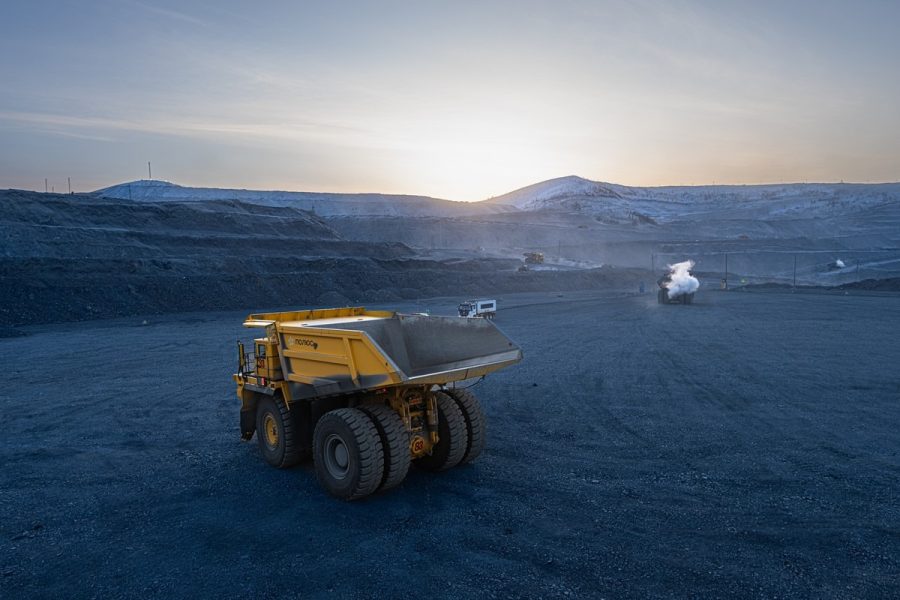
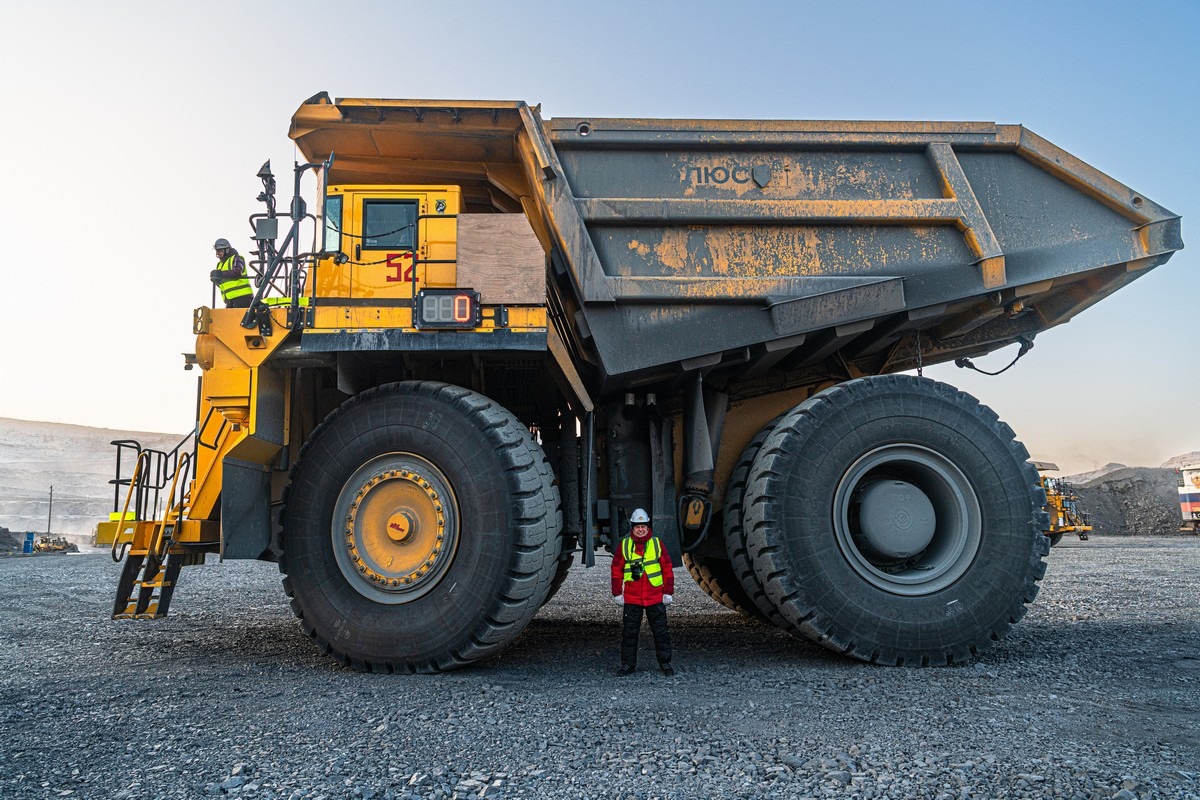
It’s hard to grasp the sizes of the vehicles from photos alone. For example, here’s a mining dump truck. Big or small?
A mining excavator. Same problem: you can’t tell its size. You need to put something next to it.
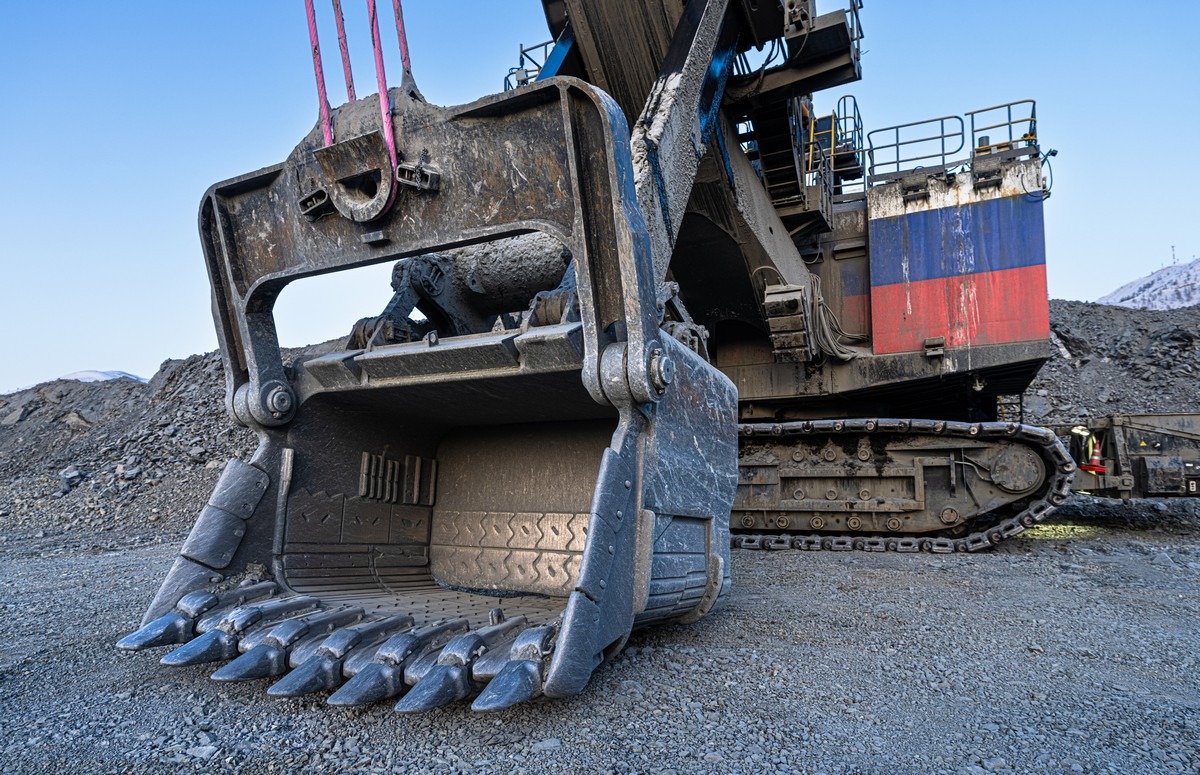
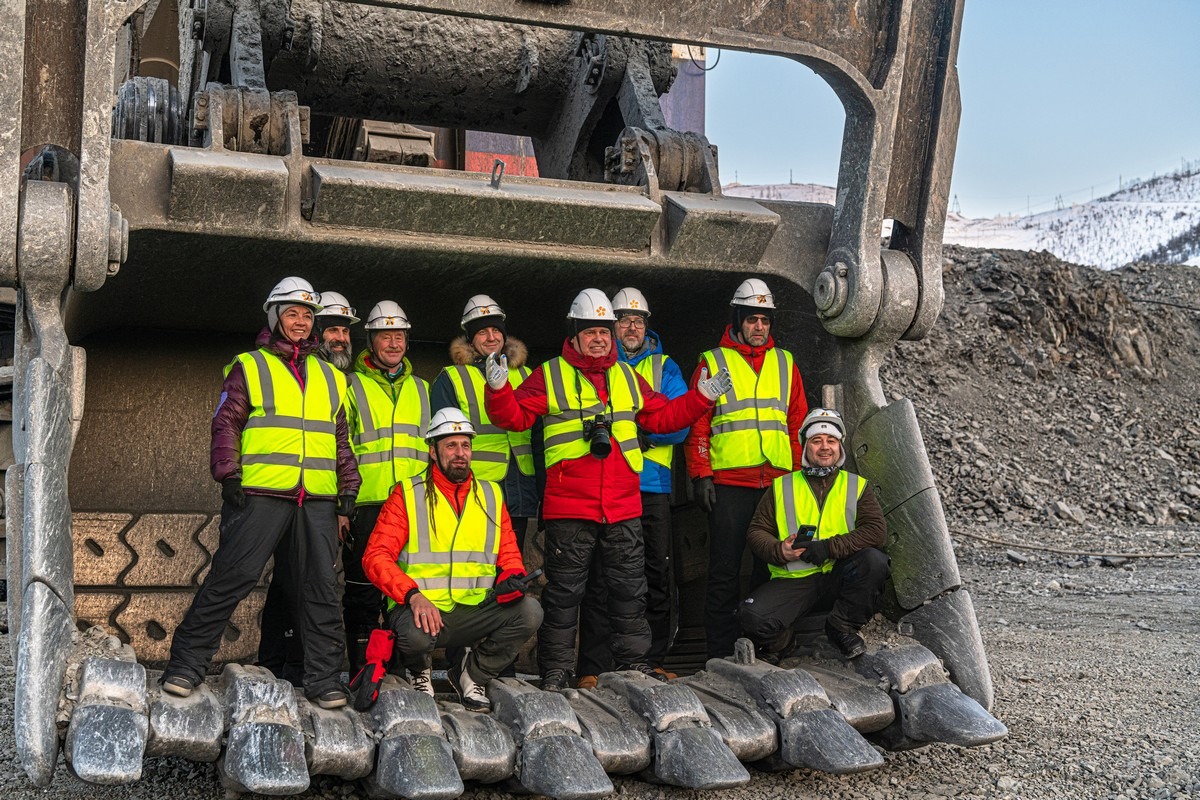
Aha – here we go! Here’s a scoop for you:
And here are the models for scale! ->
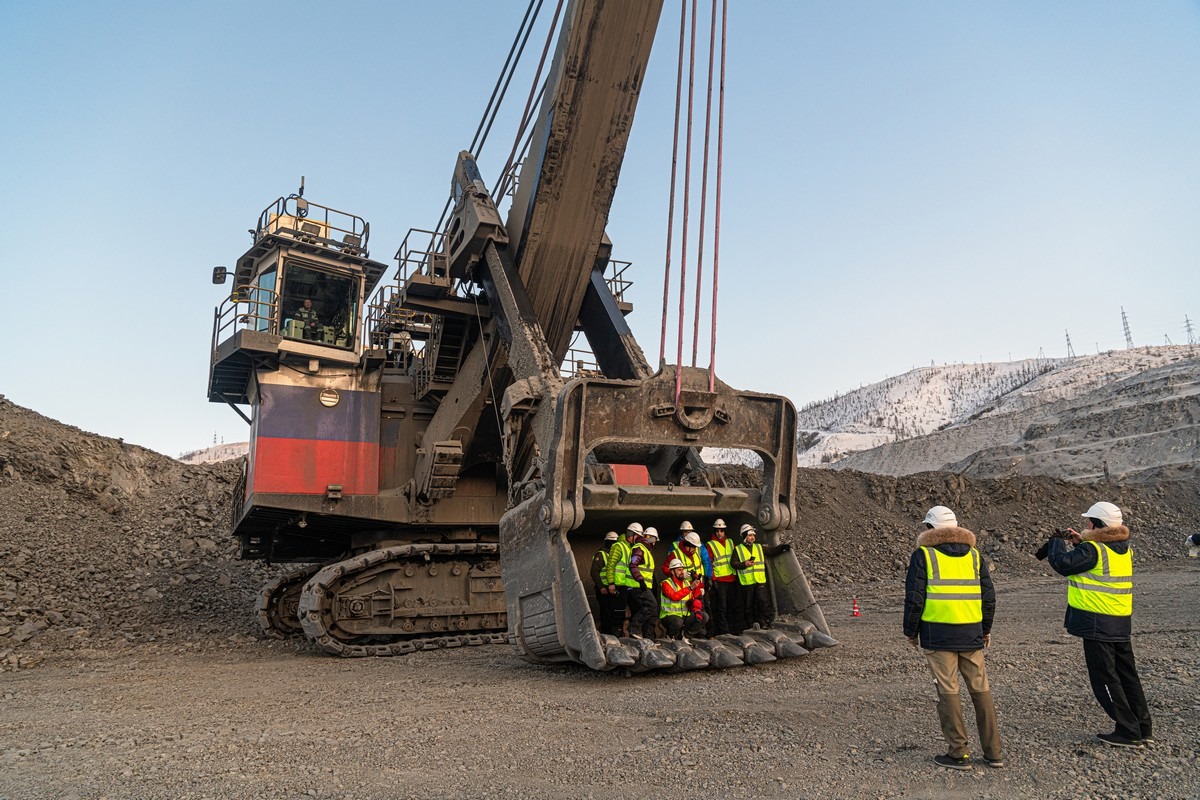
That’s the scale we’re talking about! And you could fit two more groups like us into that scoop.
And the size of the dump trucks is clear now? I wonder how much a tire change costs?…
Next stage: crushing…
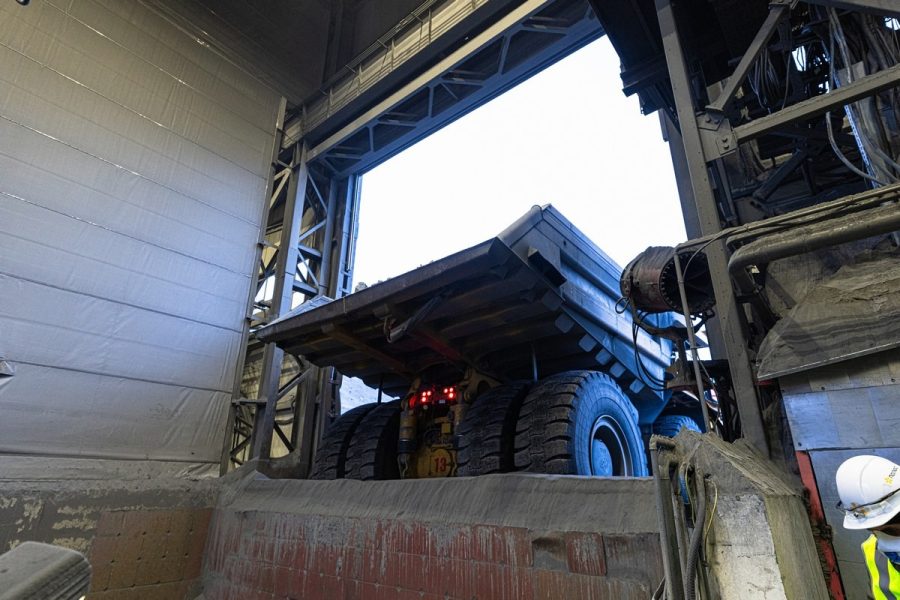
The giant dump truck reverses up and starts unloading its cargo.
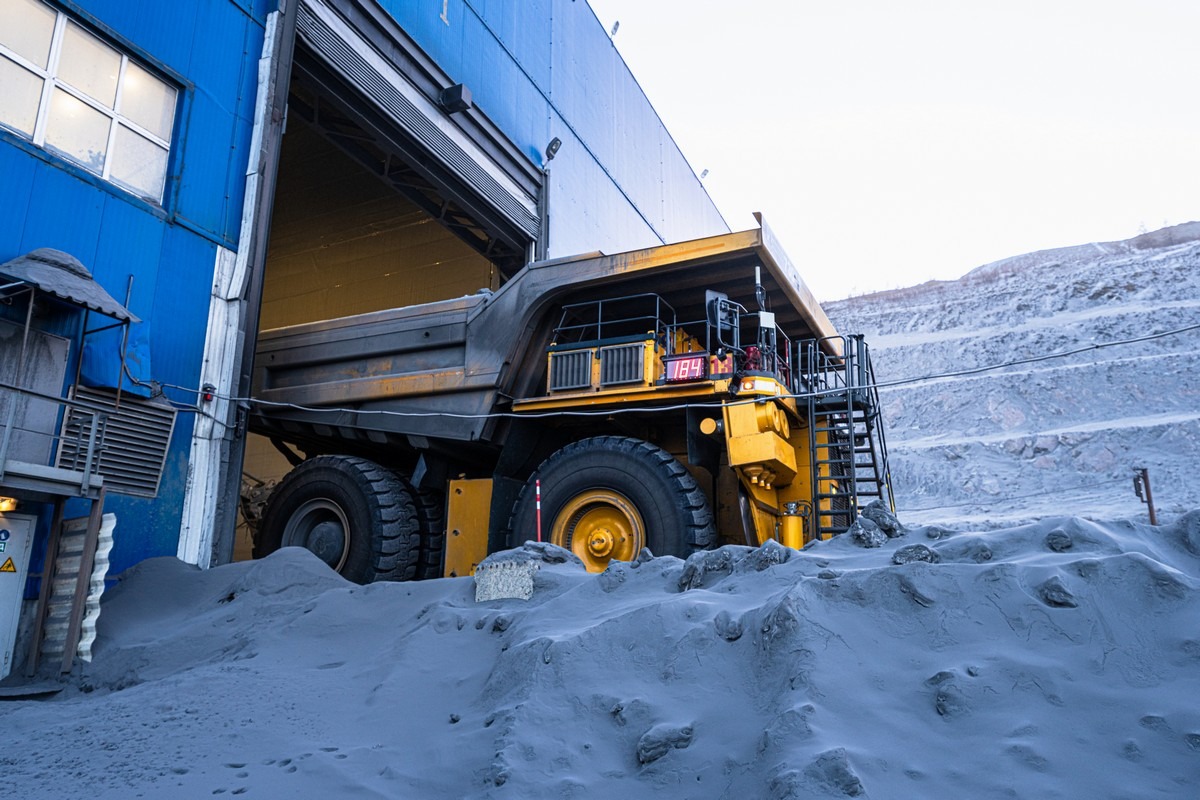
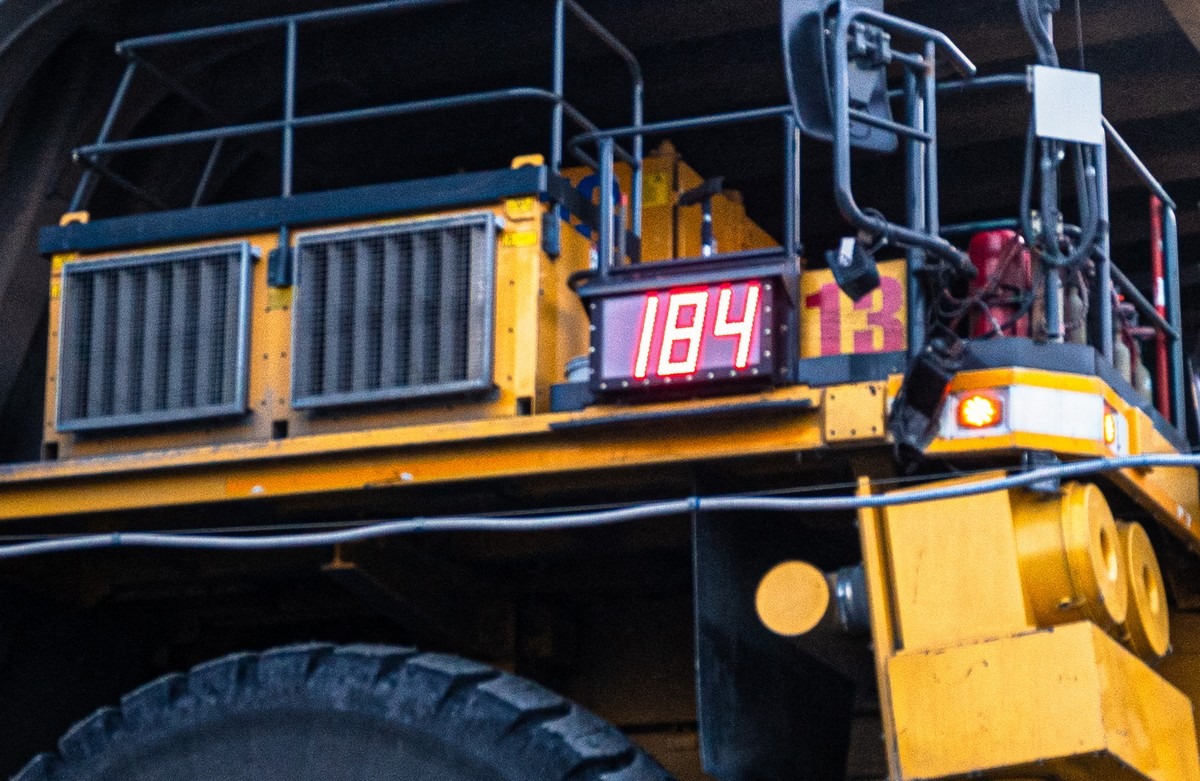
Interesting detail: the side of the dump truck displays how many tons of rock it’s carrying:
They unload the rock into this gigantic grinder, which spins and grinds the rock into smaller stones:
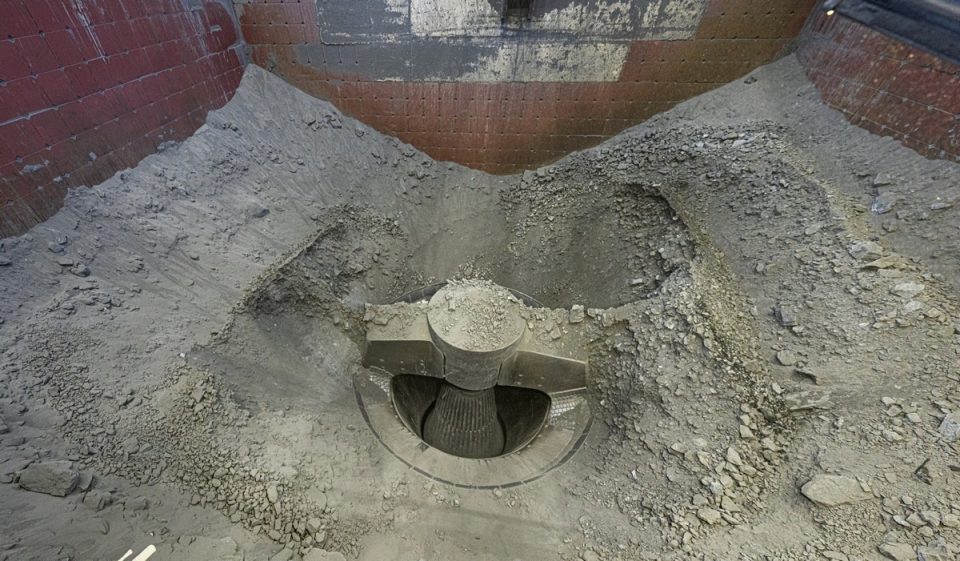
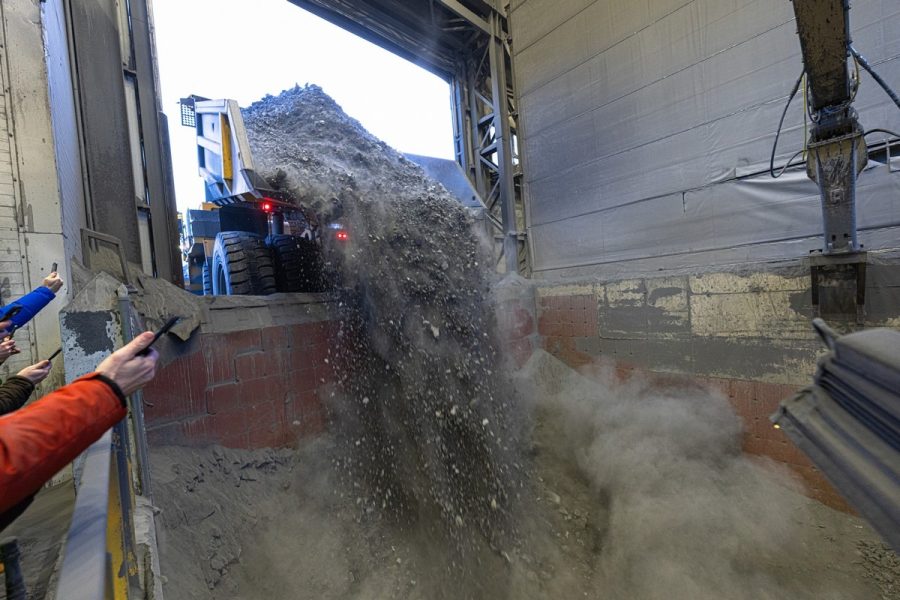
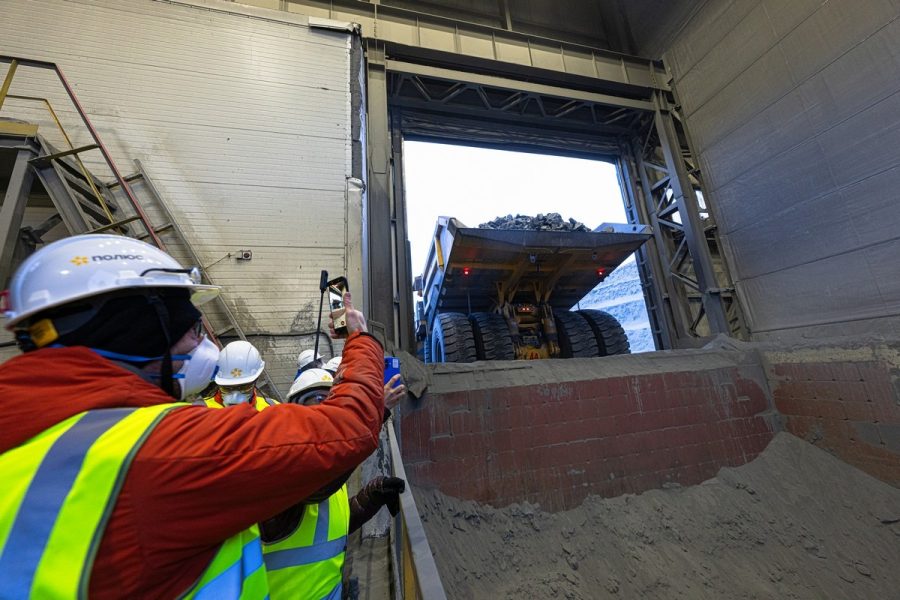
Naturally, there was more than enough din and dust, so nearly all the photographers – except me and one other person – quickly bailed from this less-than-comfortable situation :)
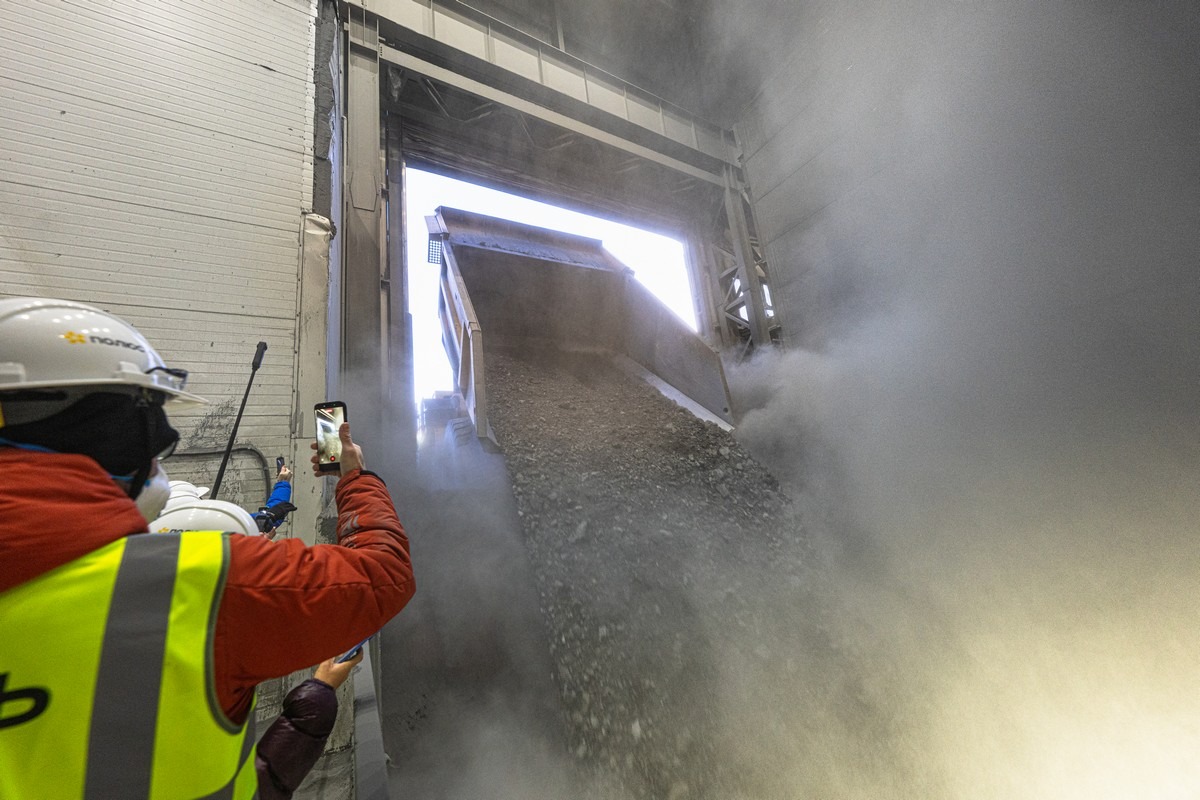
Having stayed, we got covered in an even layer of real caustic and most unpleasant rock dust. The least humane part was that all our photo and video gear got coated in the same abrasive material. But it wasn’t so bad: at the exit there’s a special service: everyone gets blasted with a very strong stream of air from a hose. So strong, in fact, that I accidentally shifted a switch on my camera with my finger, and some of the later shots ended up in a different mode and out of focus.
Of course, we were curious: just how much gold is there in each dump truck? Turns out – not that much. Take 180 tons, give or take, multiply by 1.7g per ton, and you get 306g of gold in each truckload.
How do you explain those numbers so everyone gets it? Like this, for example: a wedding ring weighs 3–4g. So each dump truck is carrying around a hundred wedding rings – enough for 50 couples :) Again: each one of these monsters carries only enough gold for 50 couples getting married! That’s why gold is so expensive. And it’s used for much more than jewelry – in fact, quite the opposite: far less of it goes into jewelry, and much more into various technological processes and all the newfangled devices everyone uses every minute of every day.
Just out of curiosity: how many tons of gold a year go into making mobile phones? Here’s what artificial intelligence tells us:
“According to various expert estimates, the figure averages somewhere between 200 and 350 tons of gold per year for the entire electronics industry – a significant share of which goes specifically into mobile devices.“
But back to the main topic. So, how do they squeeze 1.7g of gold out of a ton of rock here? Here’s how…
The crushed rock is carried by conveyor belt – through a tunnel in a nearby hill – into the processing shops:
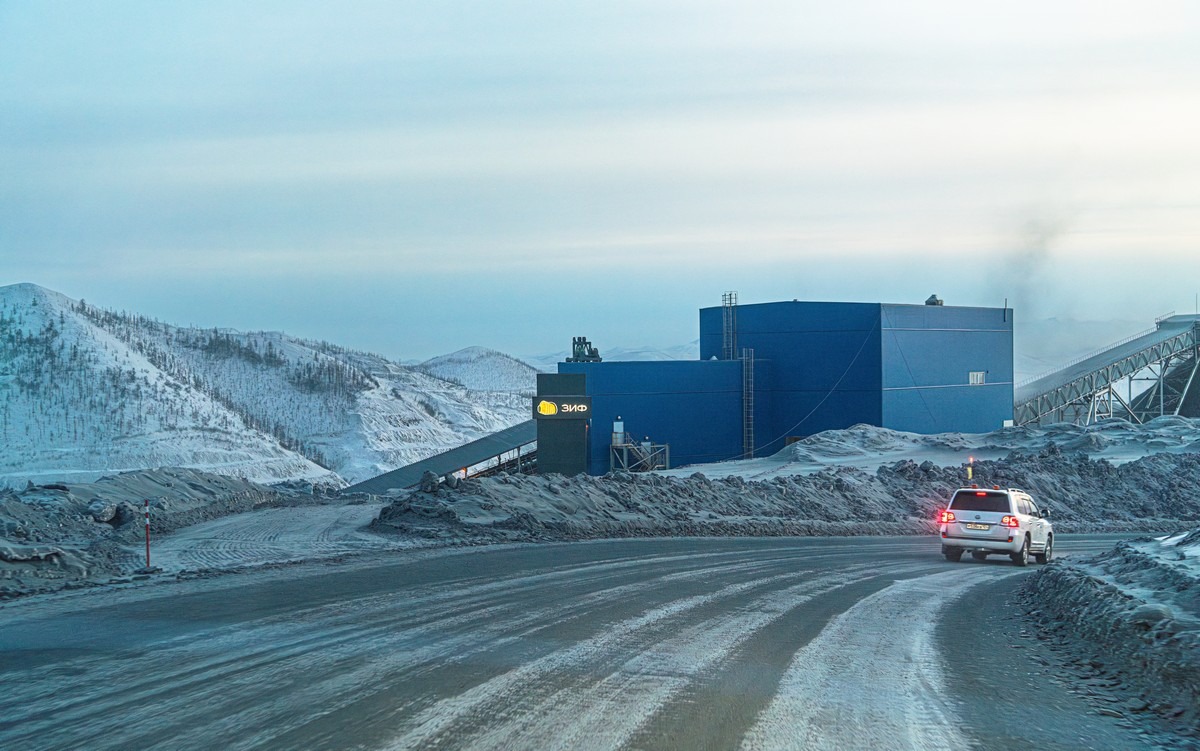
Here it is, pouring out:
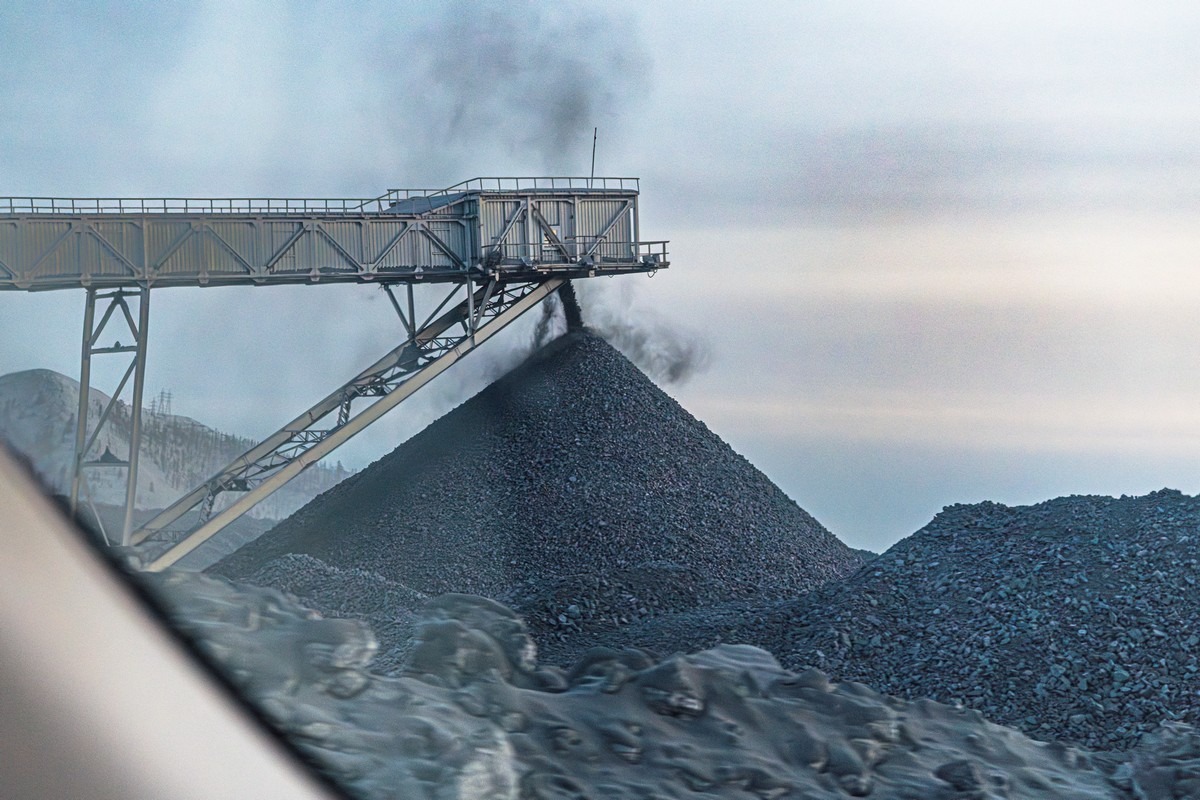
And then come more crushers, to grind everything down even further:
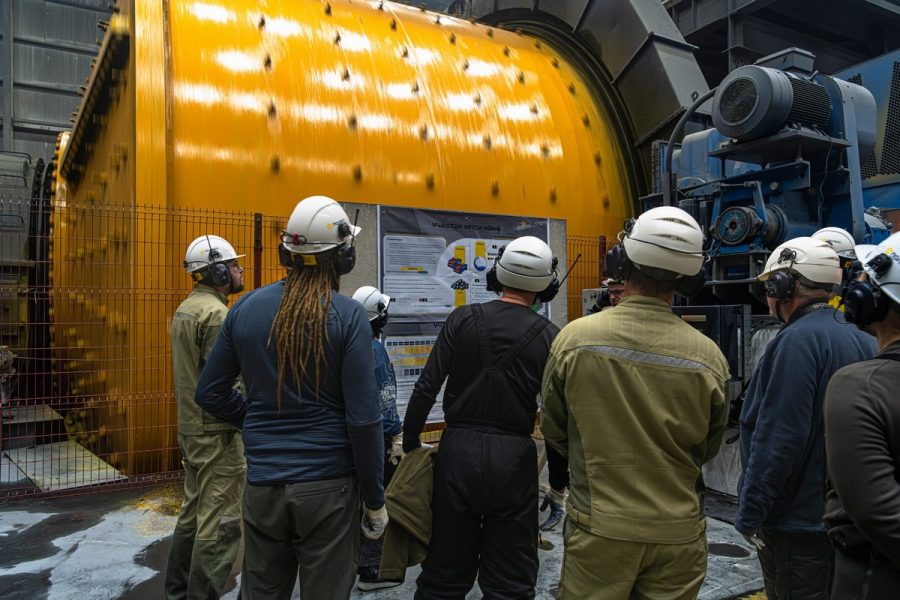
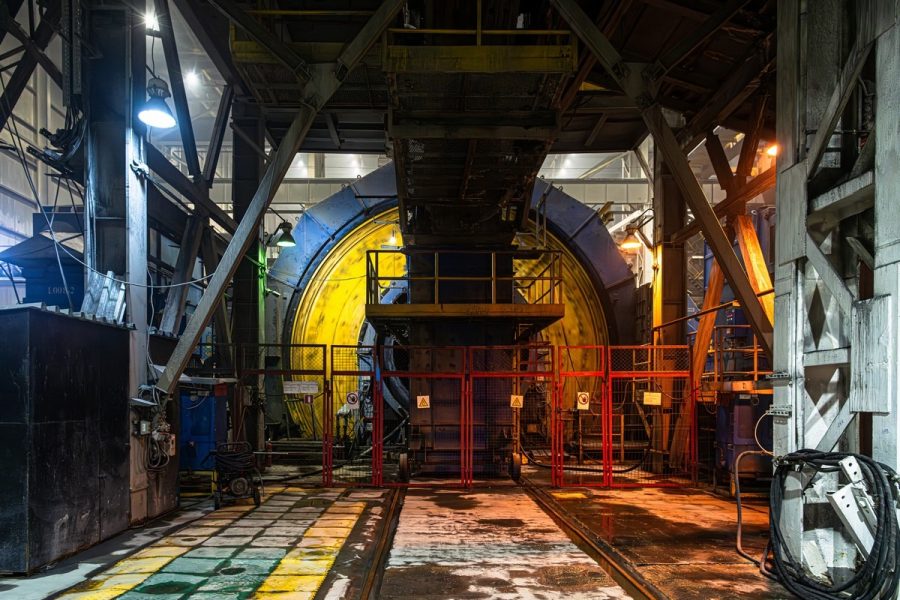
The crushing doesn’t end with the first “crusher” for the extracted rock. Next come these rotating drums with metal balls inside that grind everything into dust:
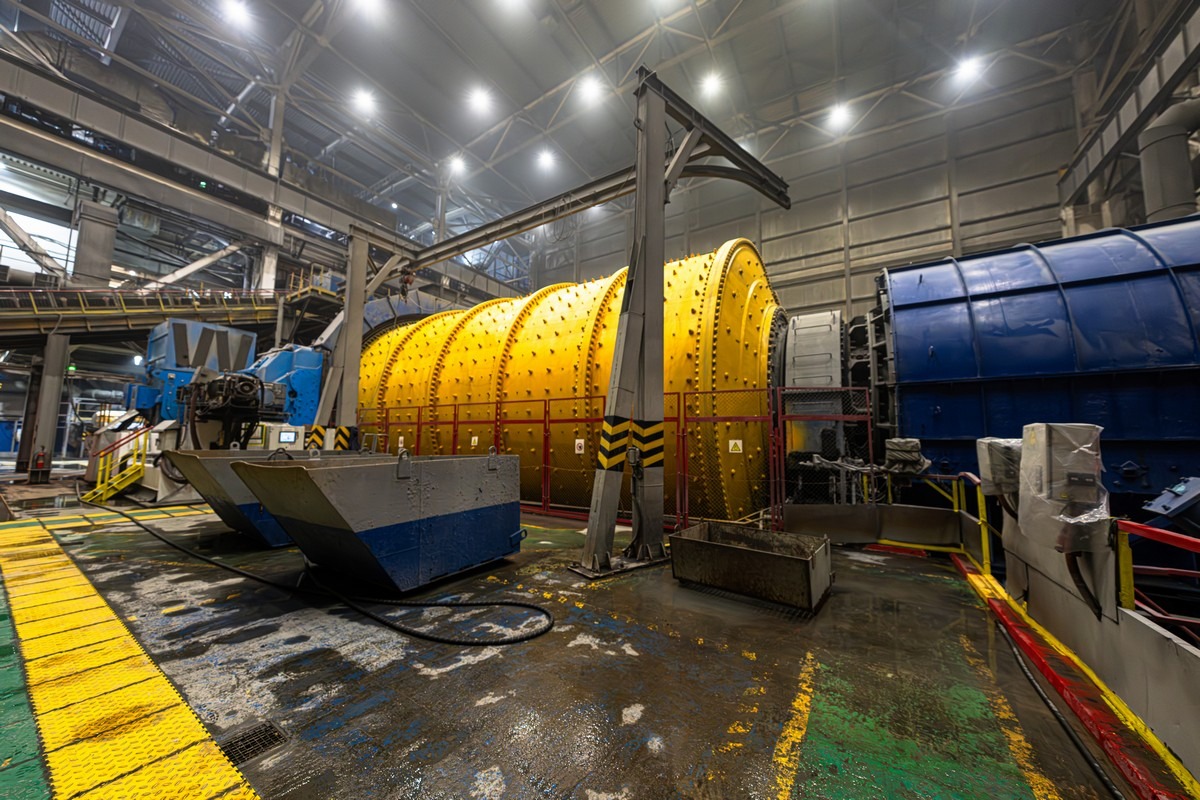
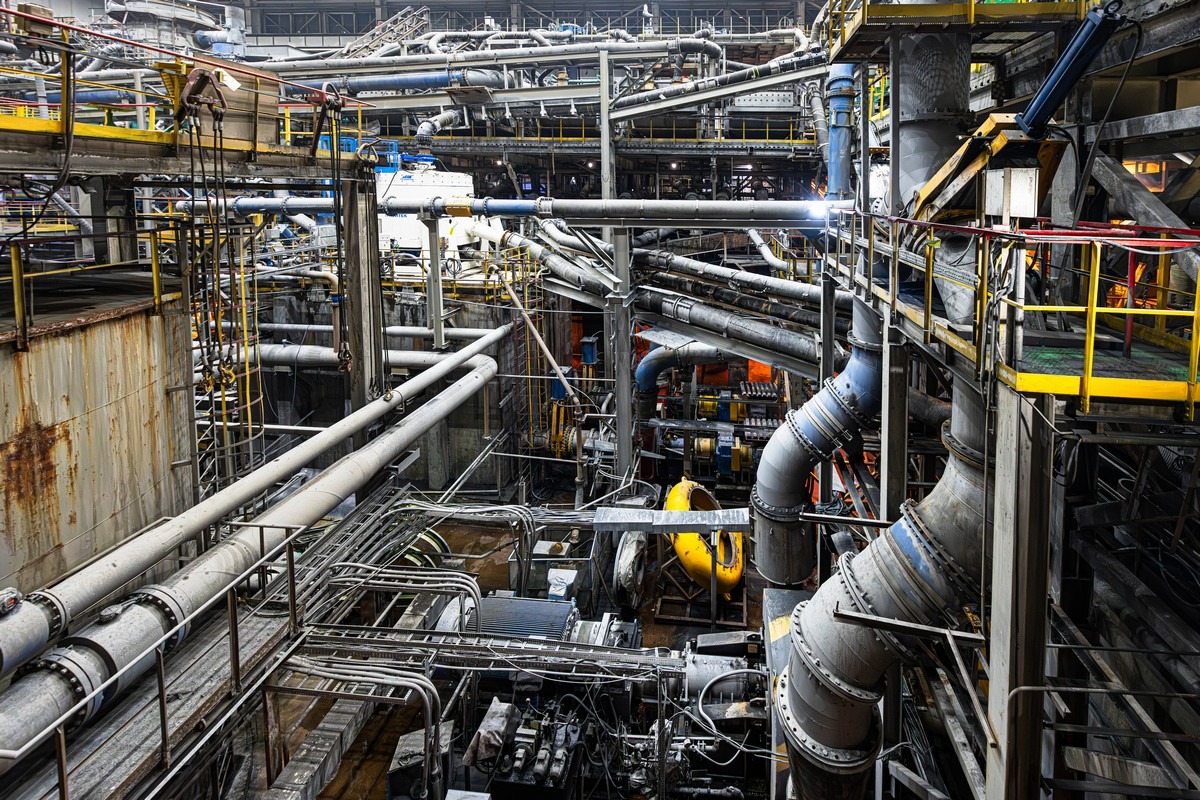
Time for a closer look so we can see and absorb the sheer monumentality of the technological processes taking place here:
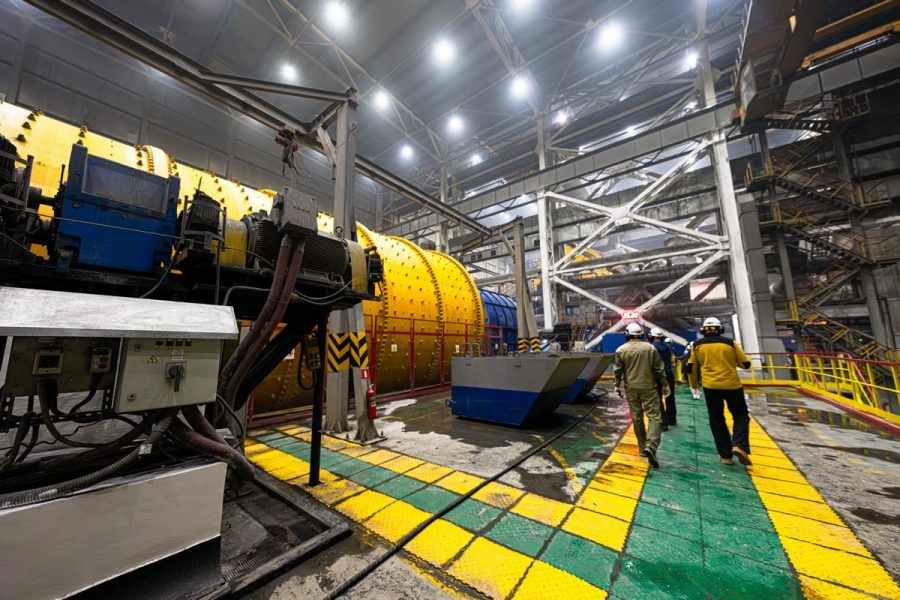
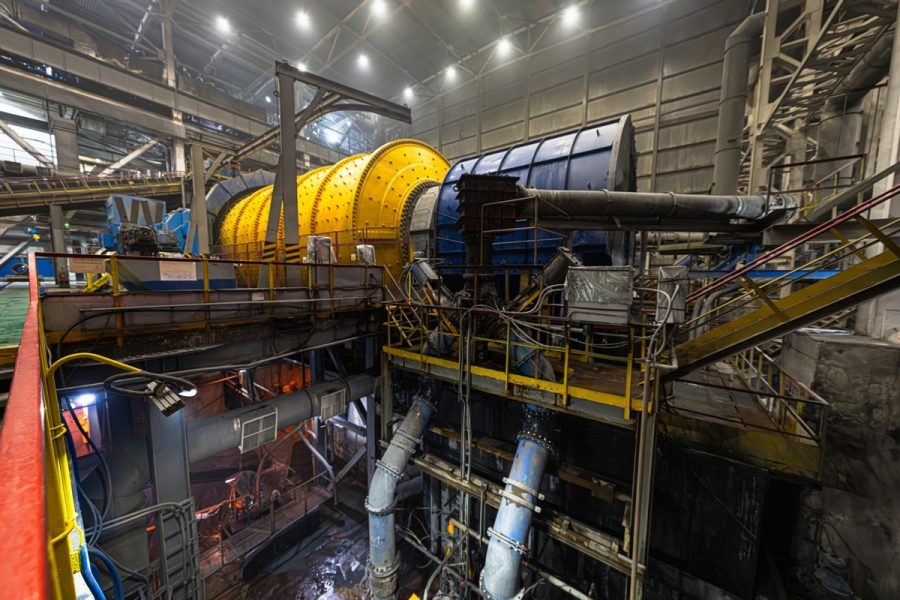
By the way, we were warned right away not to dress for the cold. Outside it might have been -50°C, or even colder, while in here:
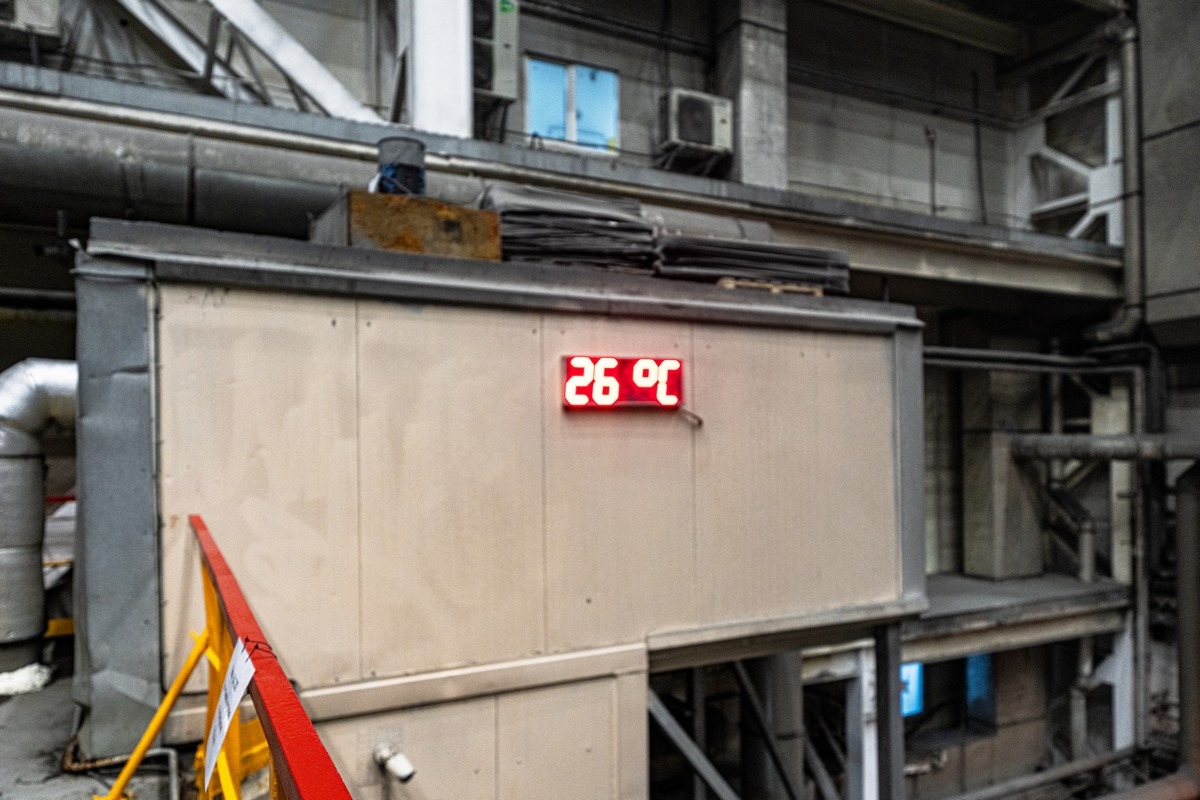
// this is where my camera’s autofocus went off the rails, so apologies.
All this stuff clanks, rattles, thumps, and thrums.
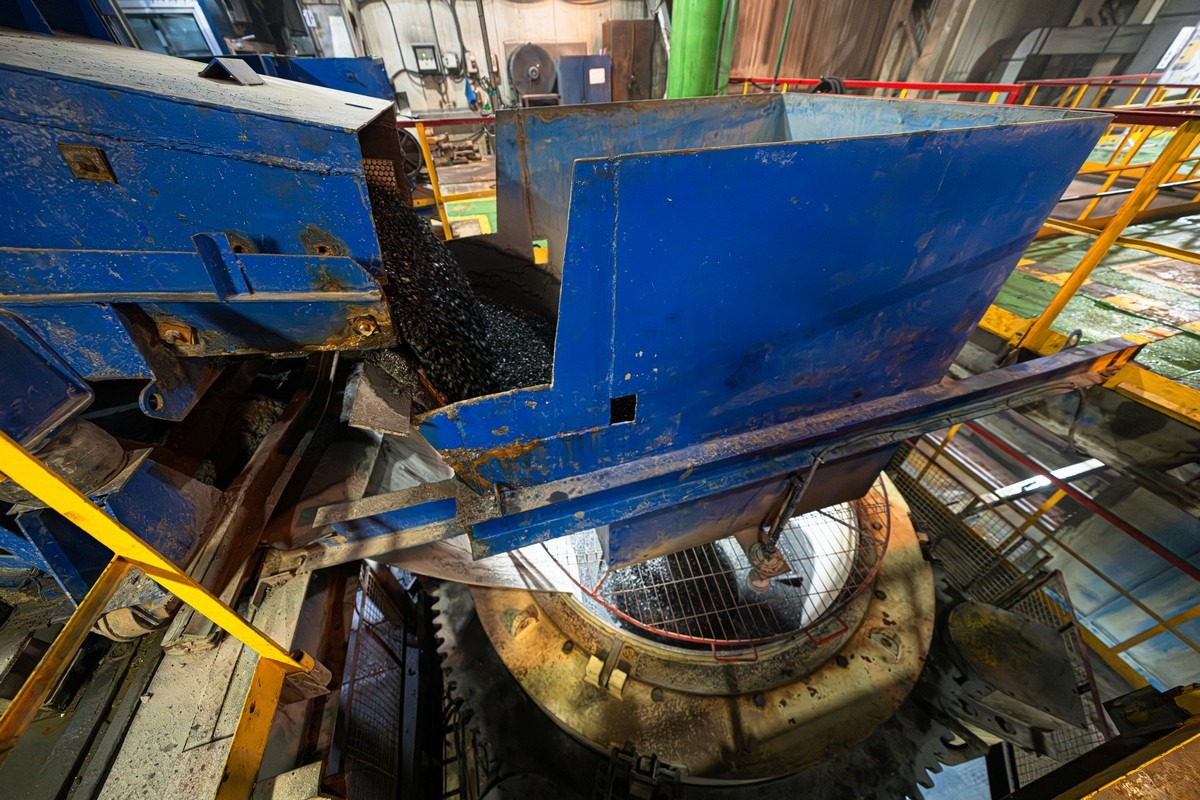
Filters divert the material that hasn’t made it through; that goes around for a second pass. And the most important stuff goes on to gold purification!
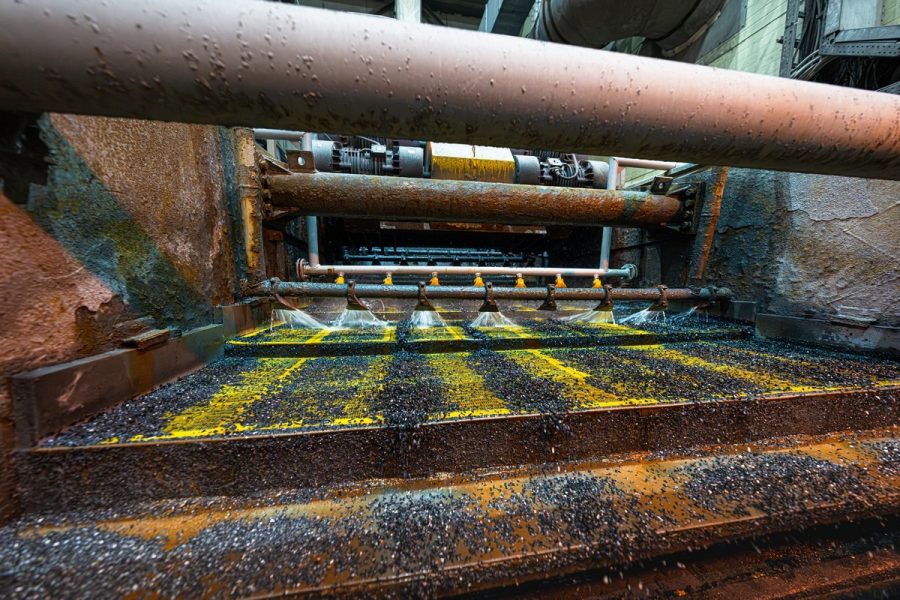
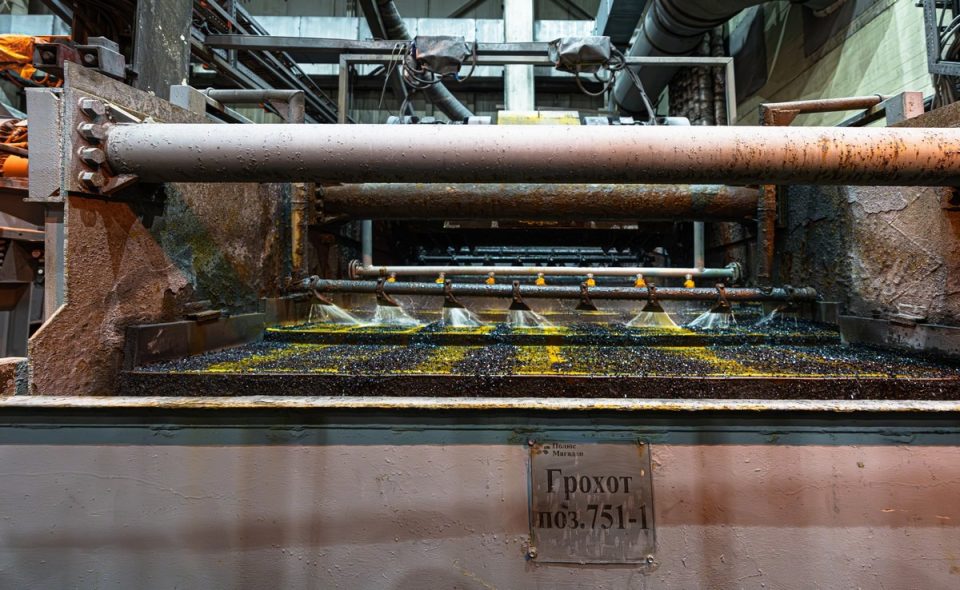
Btw: who here owns some gold jewelry? Who uses a modern mobile phone? Everyone except newborns! We all use gold constantly. There’s at least a little gold in a mobile. Tiny amounts – grams – but it’s there. Because gold isn’t just a precious metal; it’s also a very technologically valuable one.
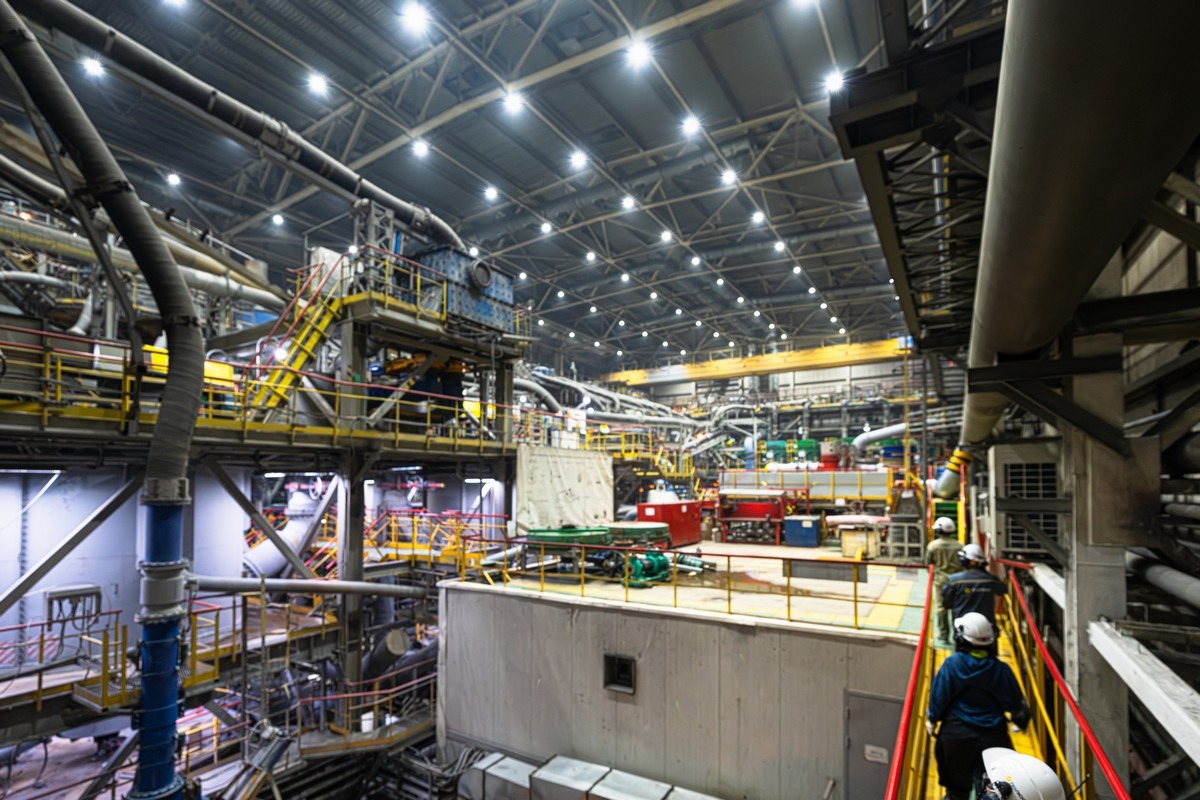
And this is how it’s all mined, processed, and cast into finished forms.
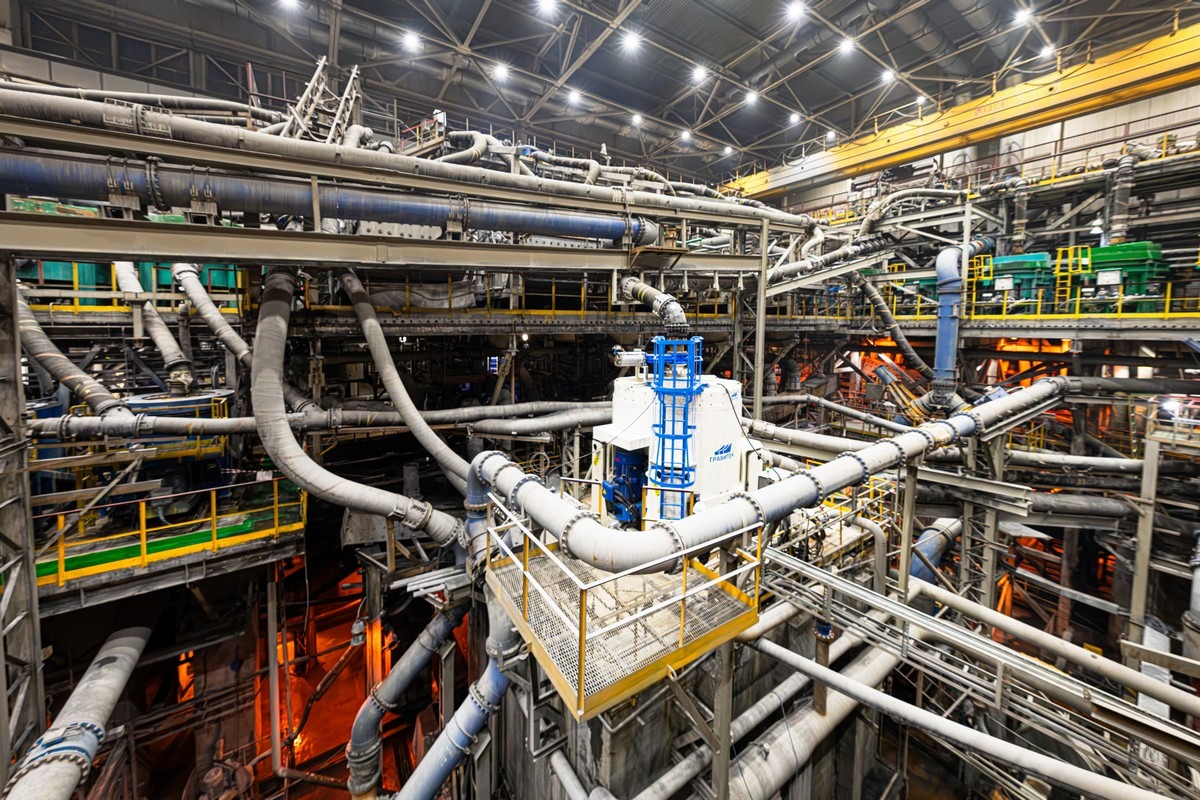
I don’t know, and don’t really want to know, exactly how this processing operation for low-grade gold-bearing rock works, exactly how they squeeze 1.7g of gold out of every ton of ore, or exactly what technologies they use here. But in any case, this facility, its processes, and all its inner workings are just seriously cool!
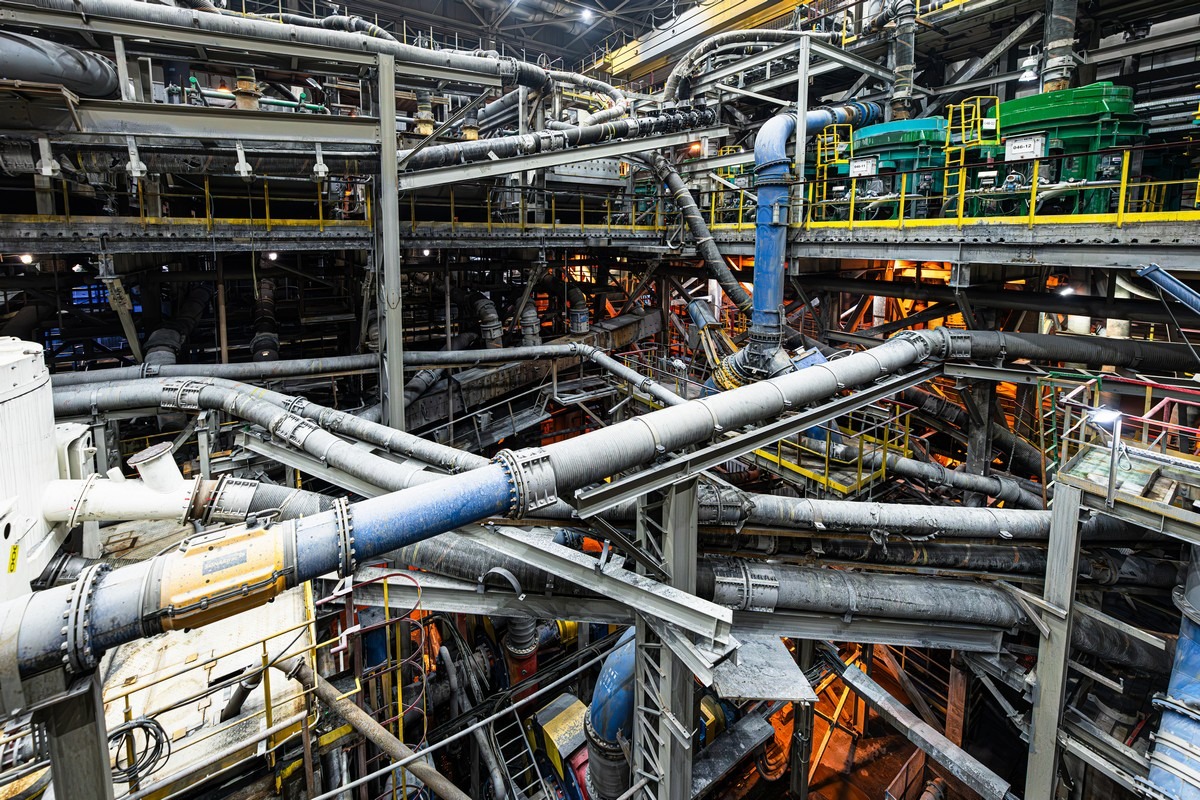
These are the kinds of structures needed for modern industrial gold mining.
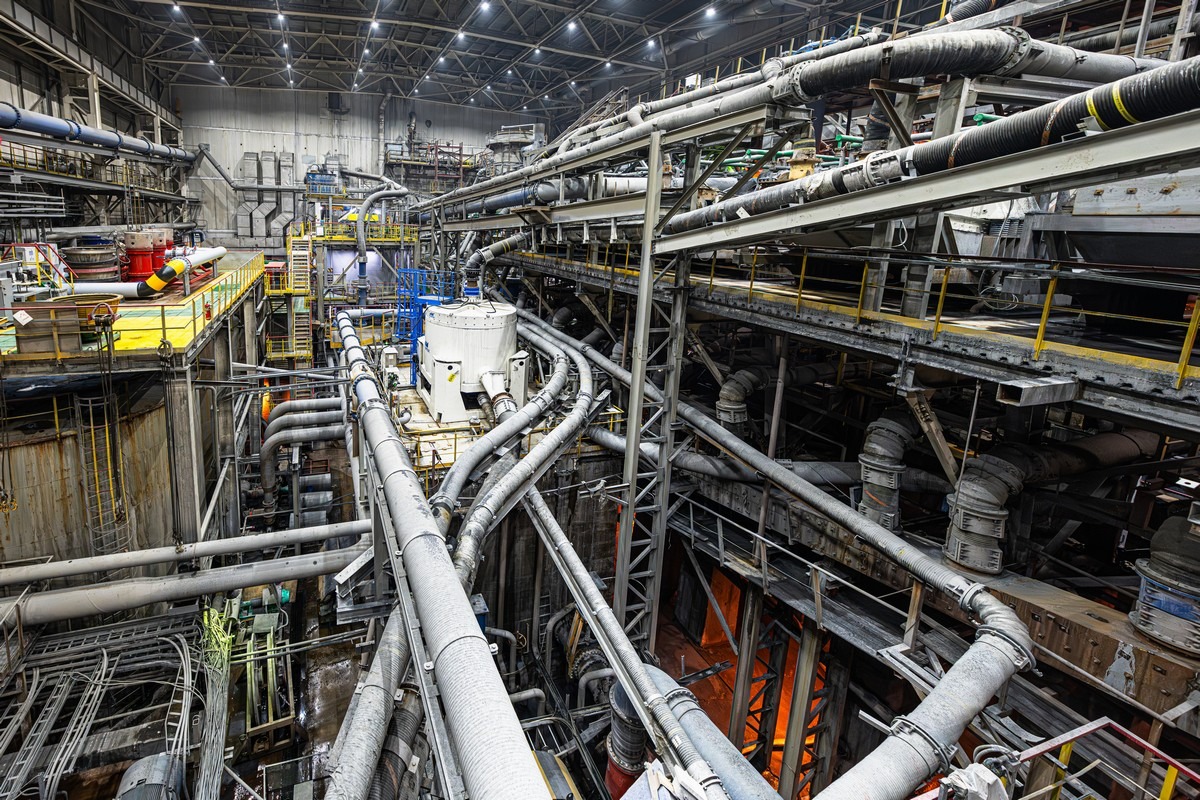
Mind-blowing!
But that was just another stage of ore processing. Next comes “leaching”:
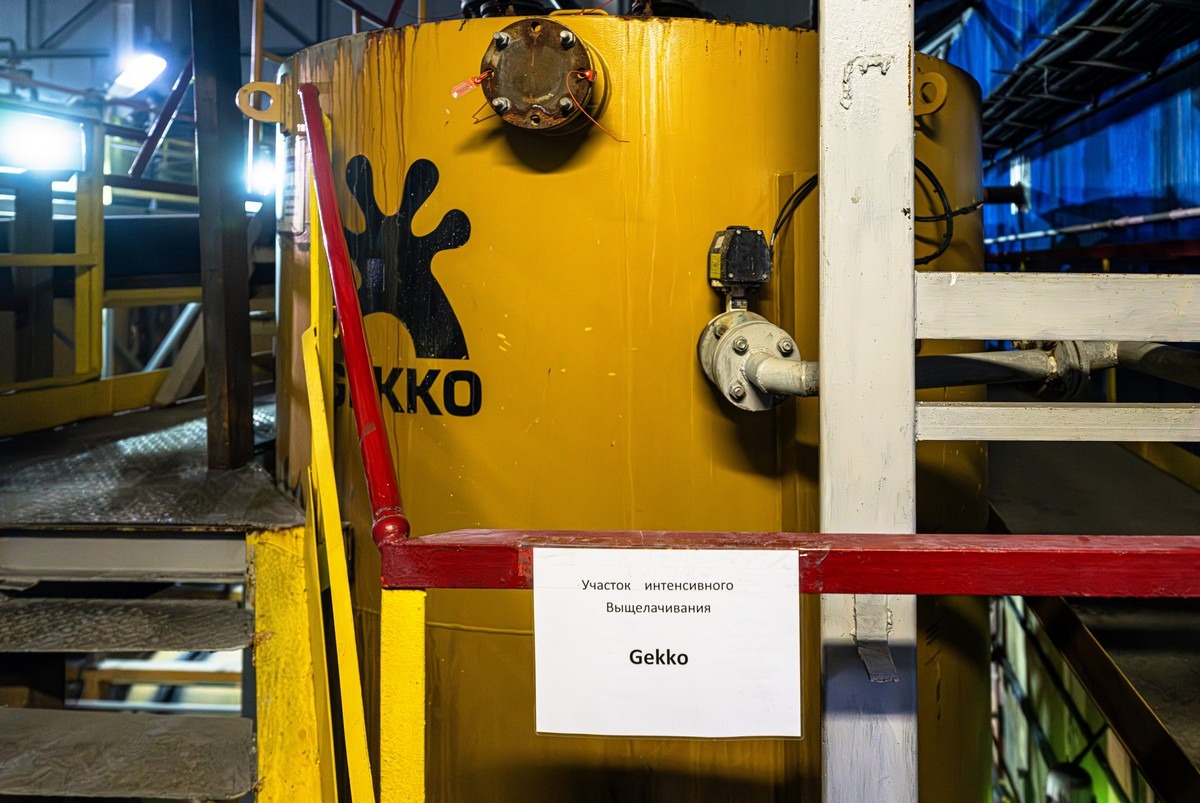
Leaching is where they use all sorts of chemicals to separate the gold from the other rock. And not only gold – other very useful metals are separated too. It’s all vast, bubbling, hissing, and spinning.
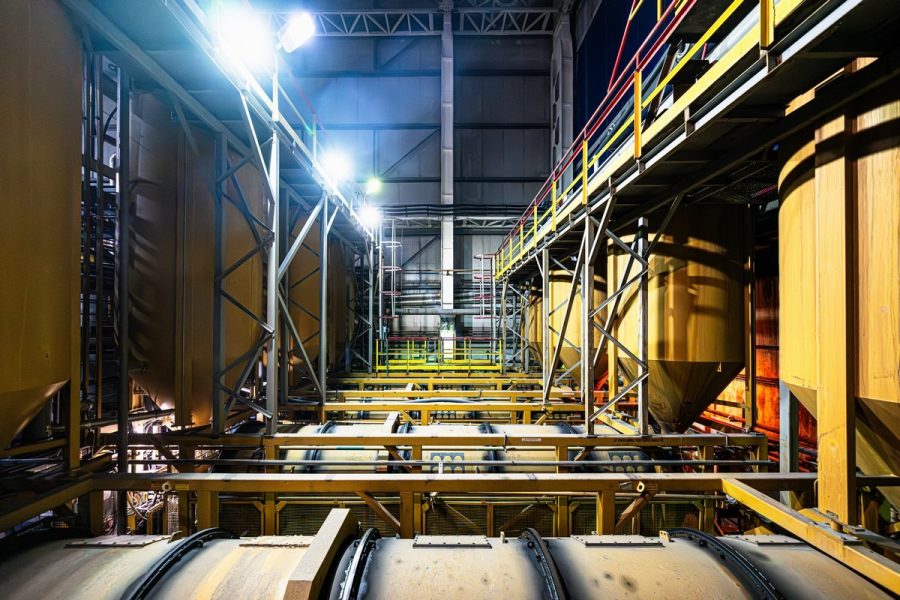
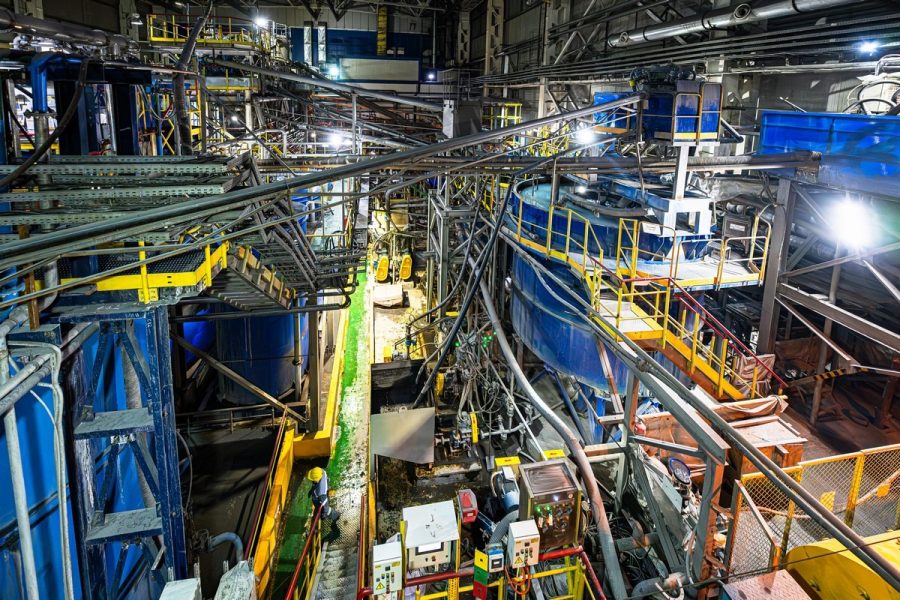
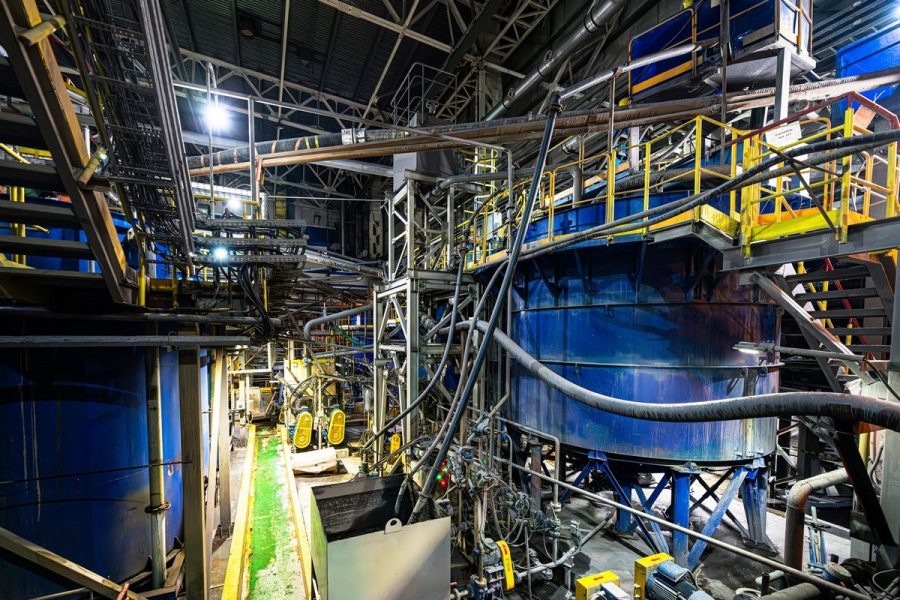
And that’s not all. There’s also this:
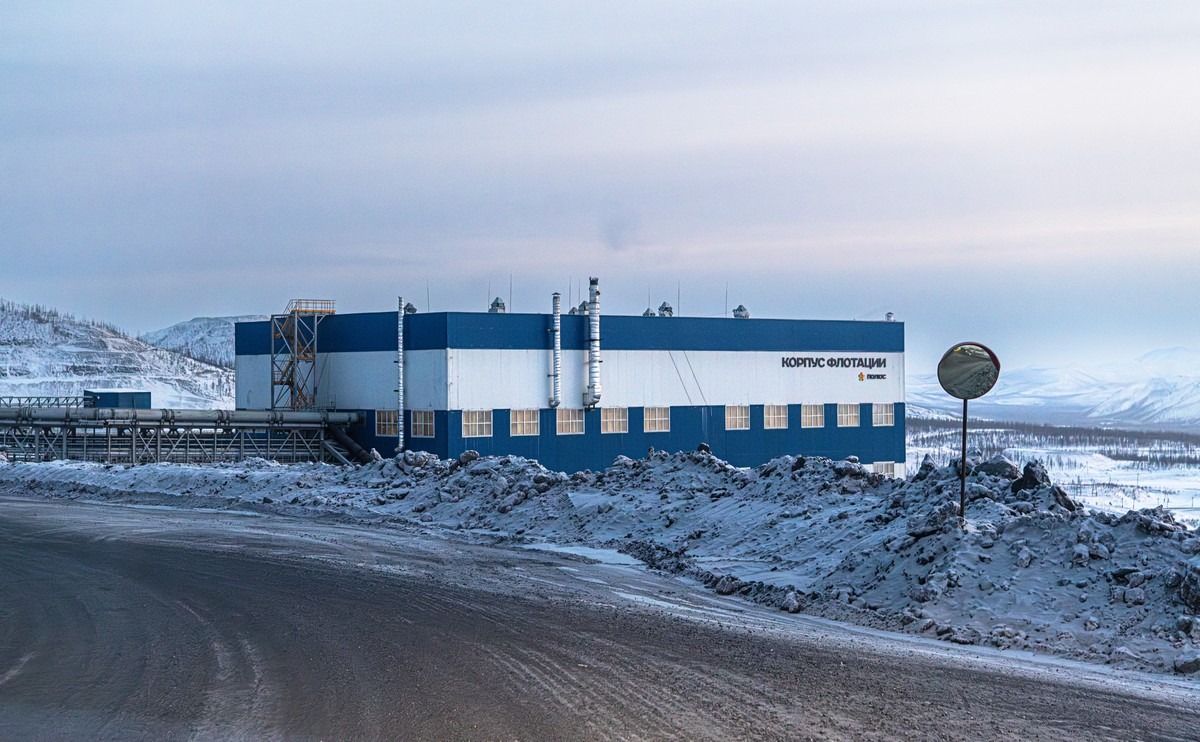
Here the gold-bearing mass is run through liquid-format filters, all to increase the percentage of gold in the material passing through. That, basically, is what mineral processing is all about.
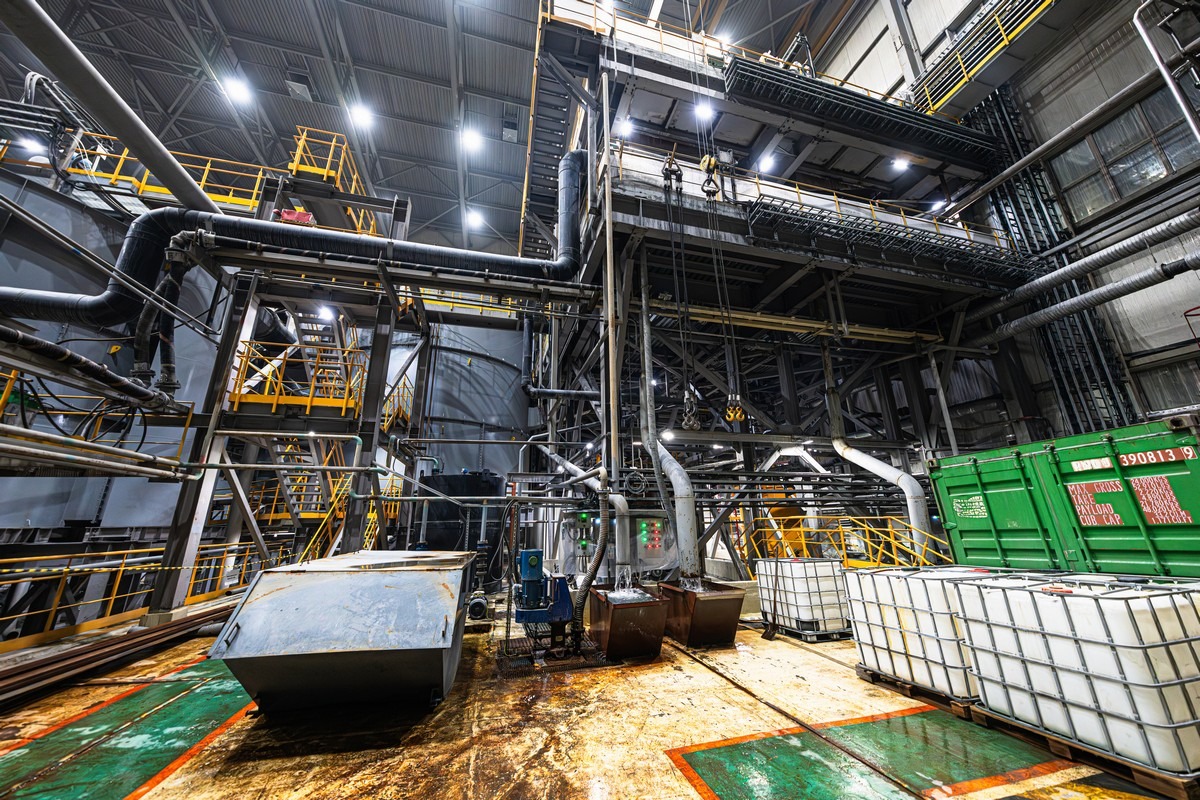
The gold-bearing materials are pumped back and forth here, enriched, and have all sorts of other things done to them.
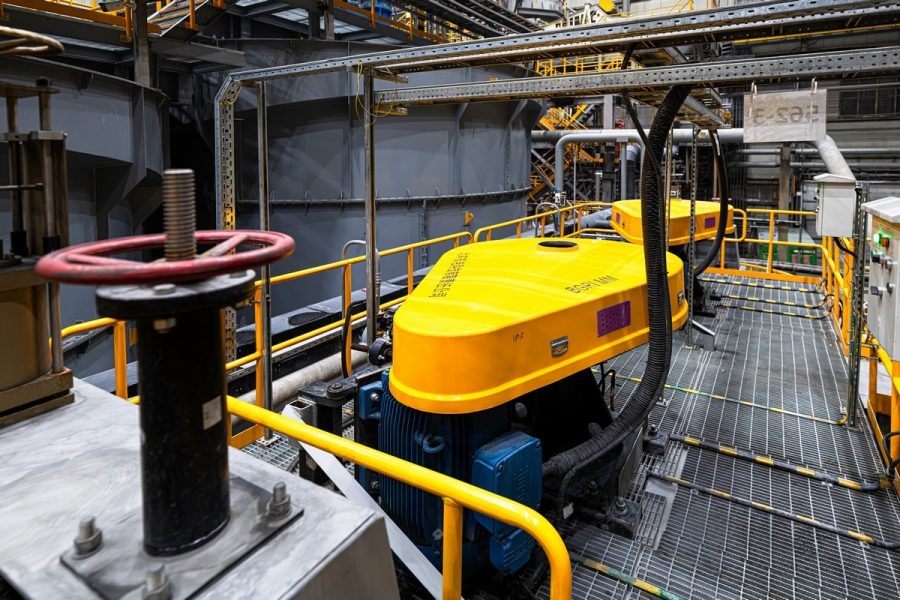
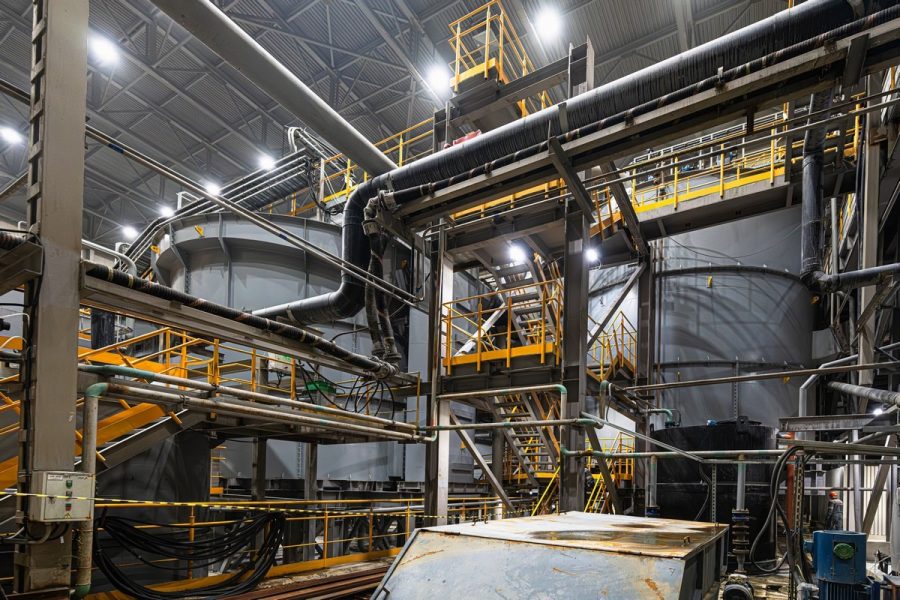
Then comes electrolysis, and at the end of it practically pure gold is cooked up:
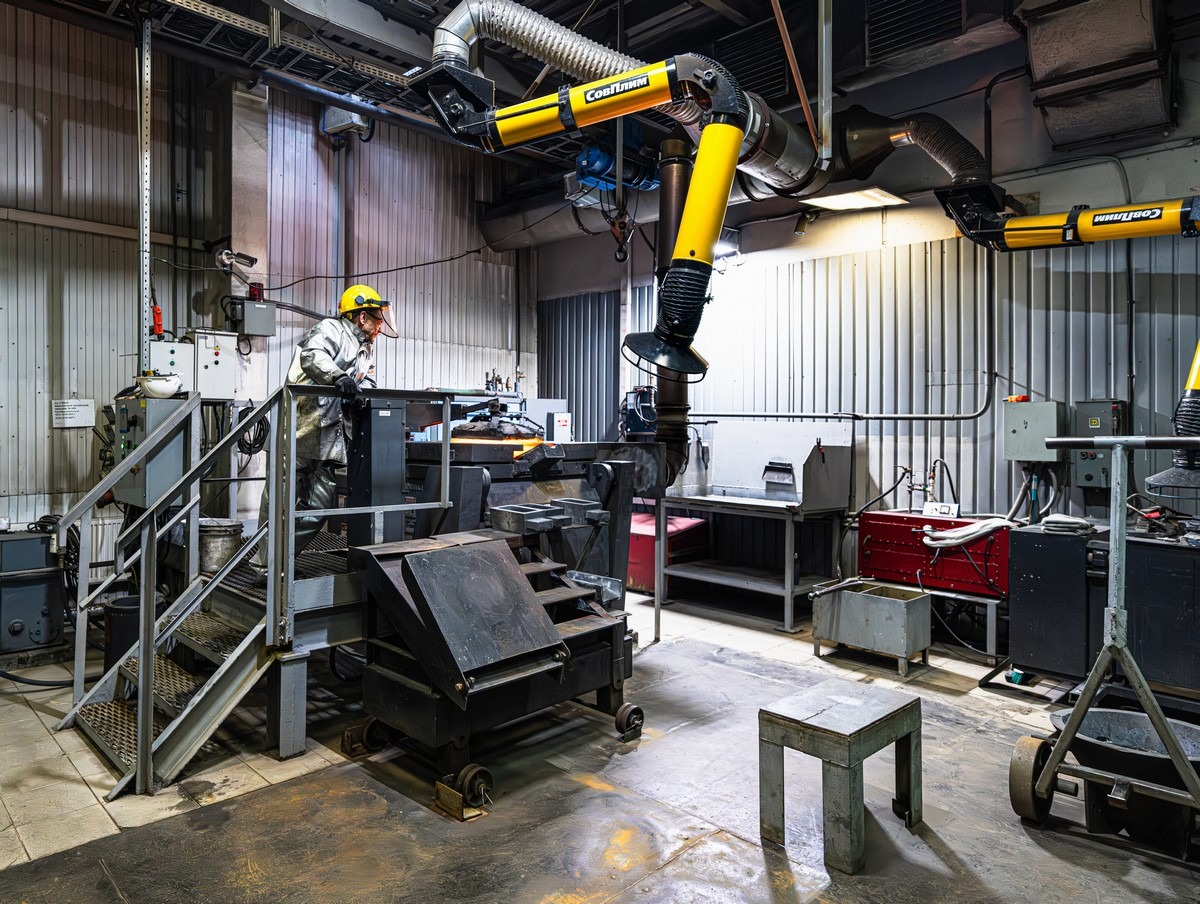
They’re about to pour it now:
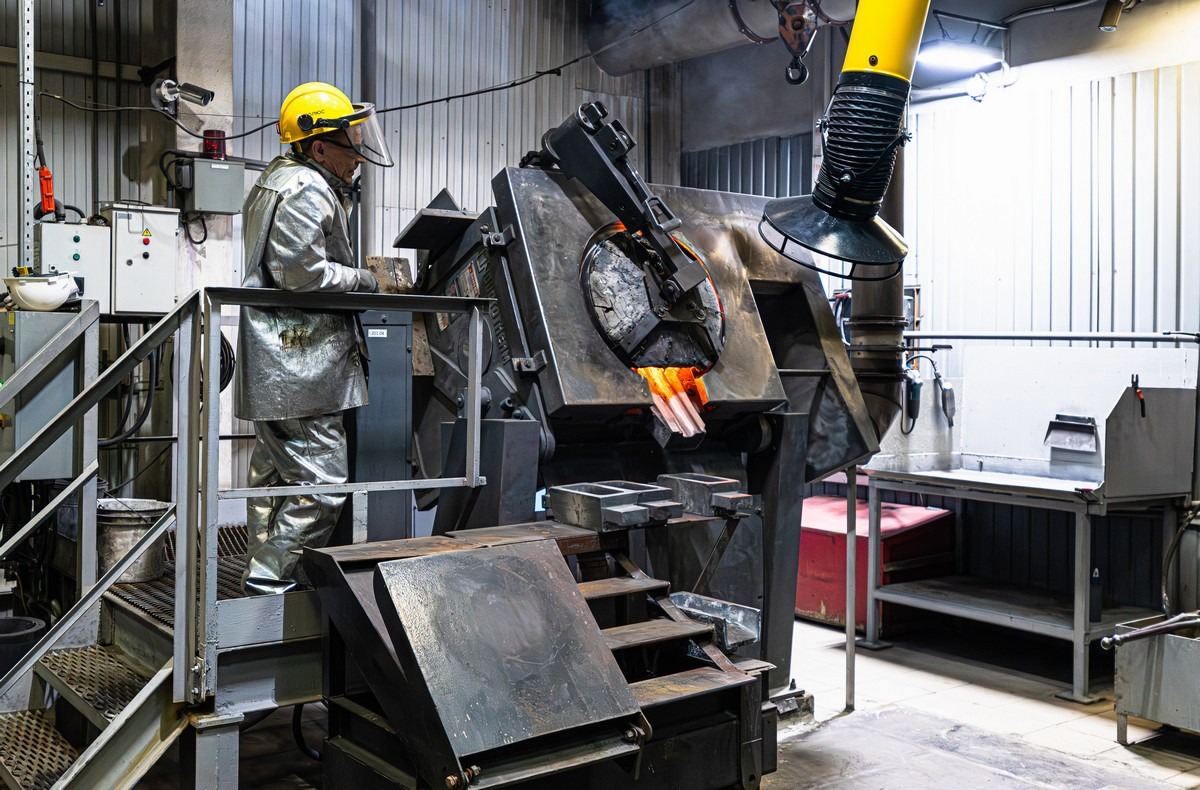
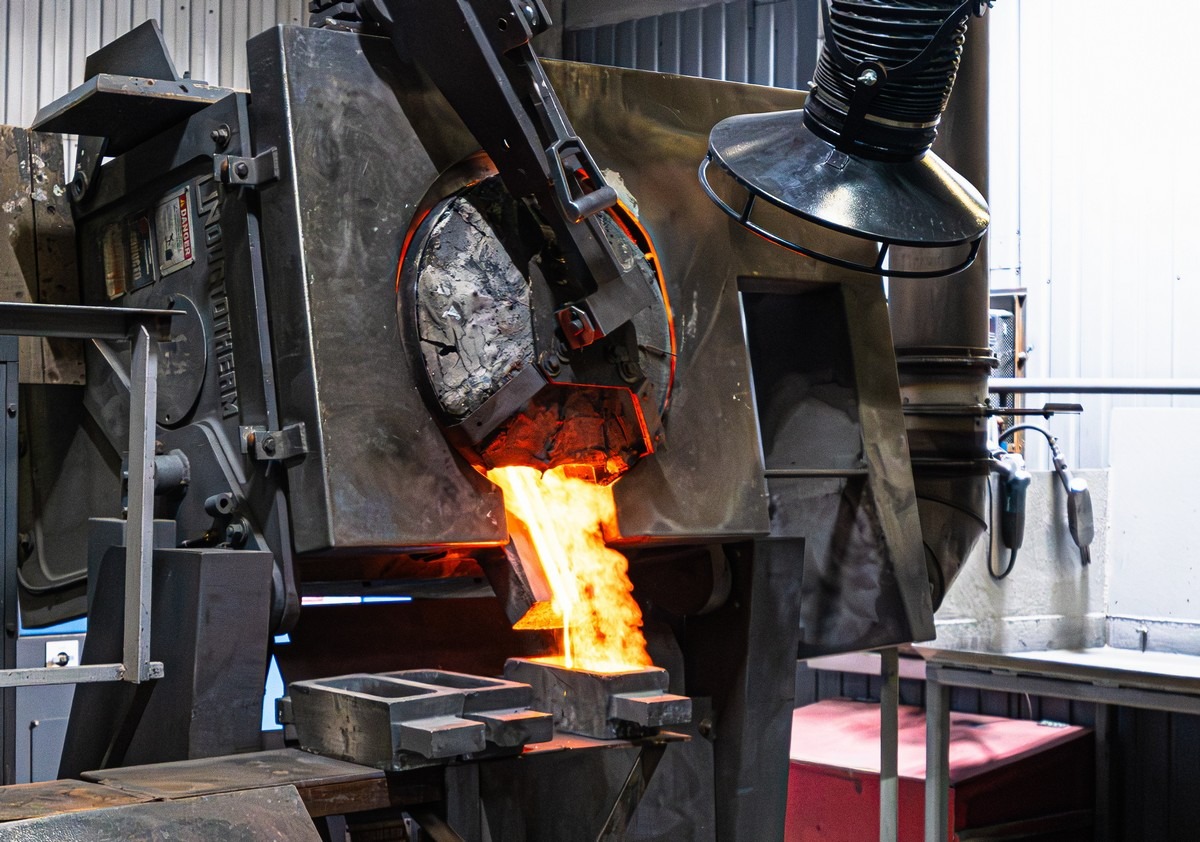
Here it comes!
You can take it out, but only very, very carefully:
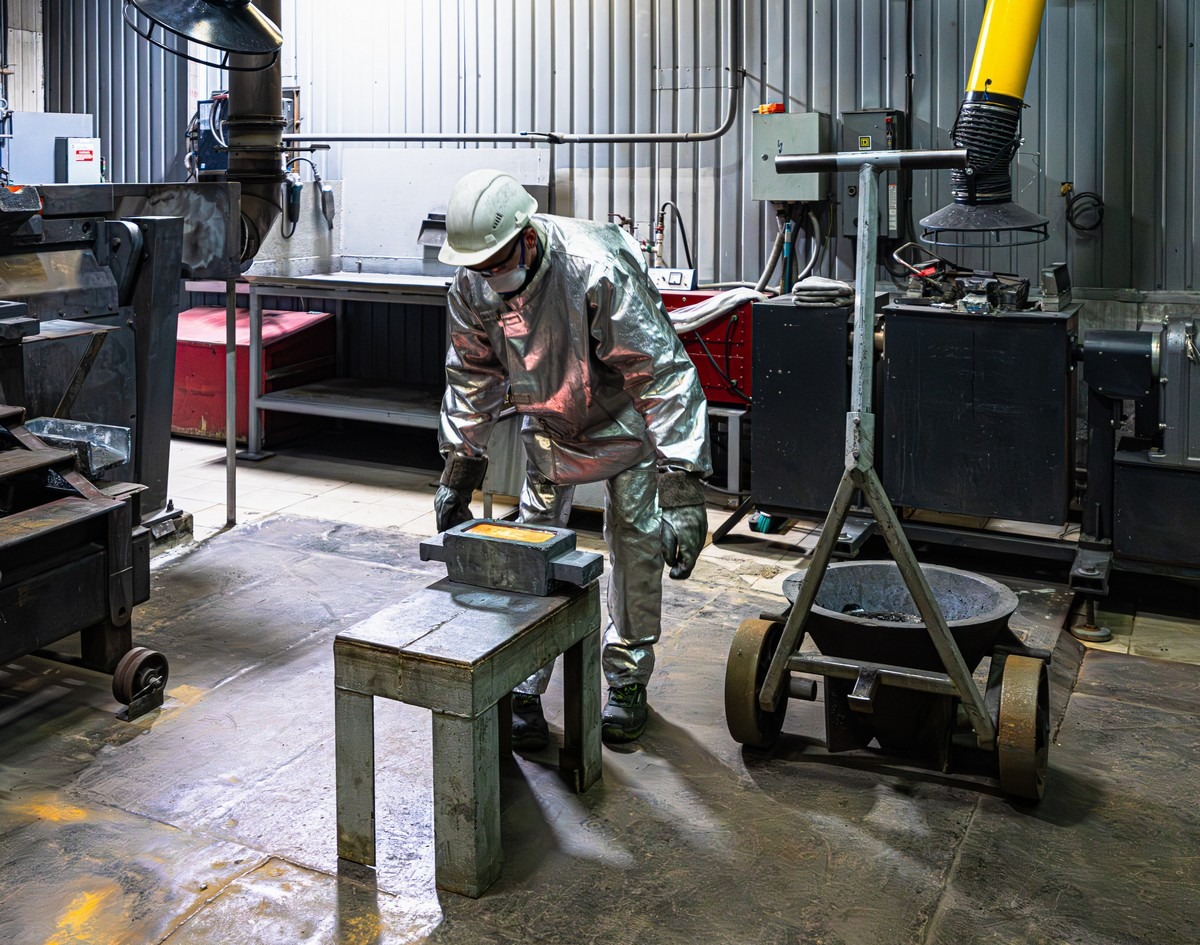
Where’s the finished product, you ask? Right here!
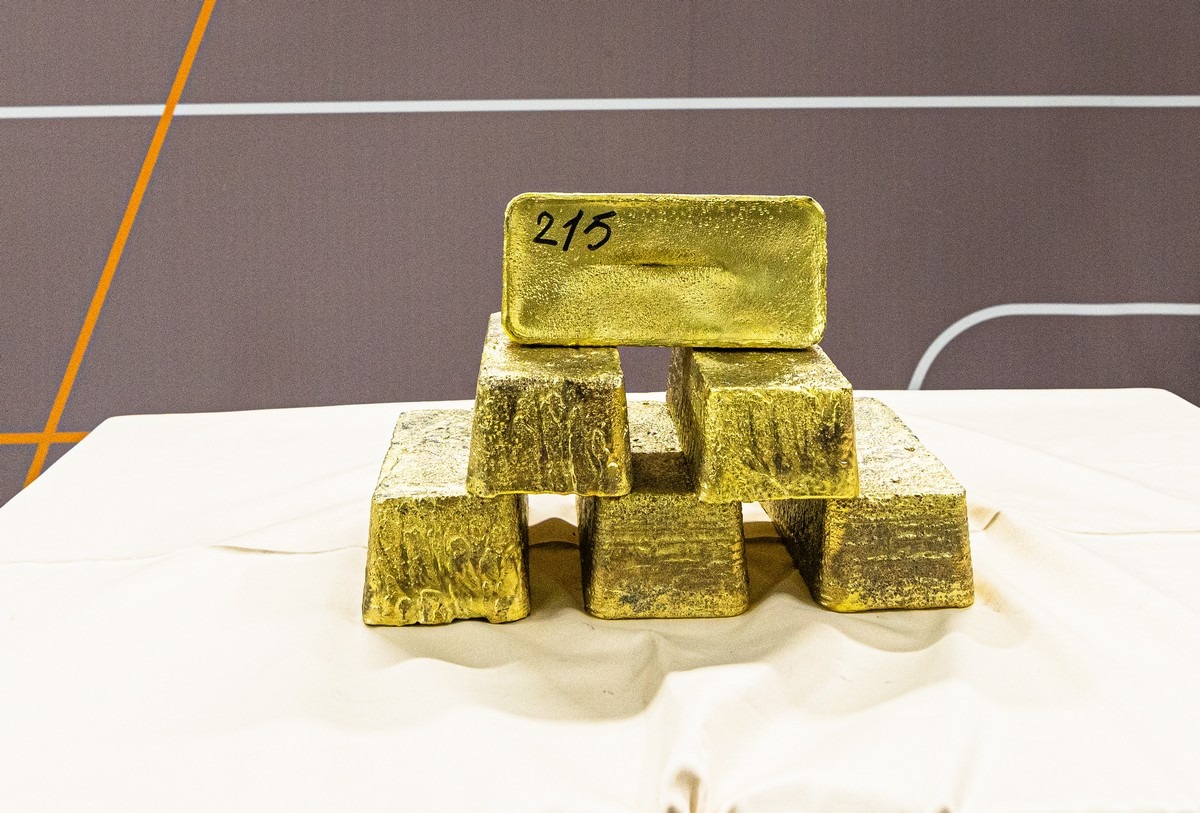
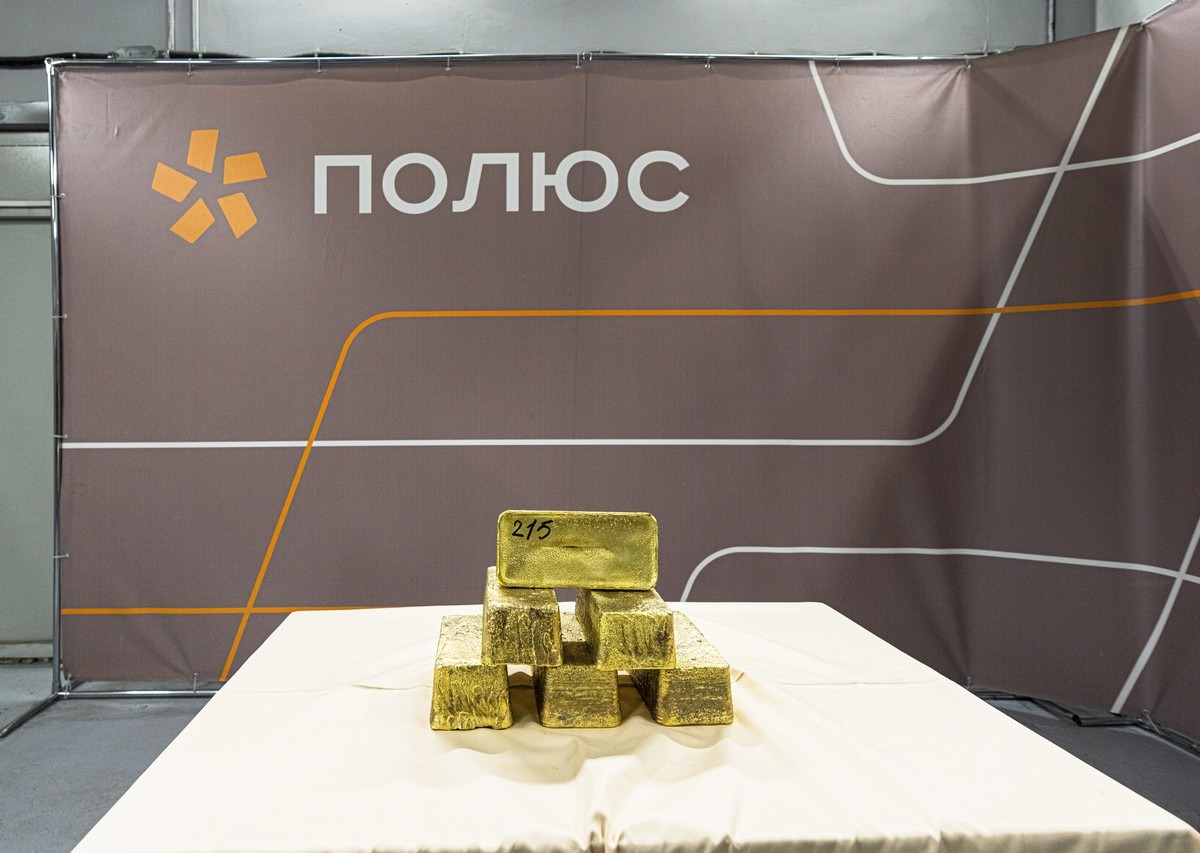
These are the small bars this whole mining-and-ore complex produces. Small – but golden!
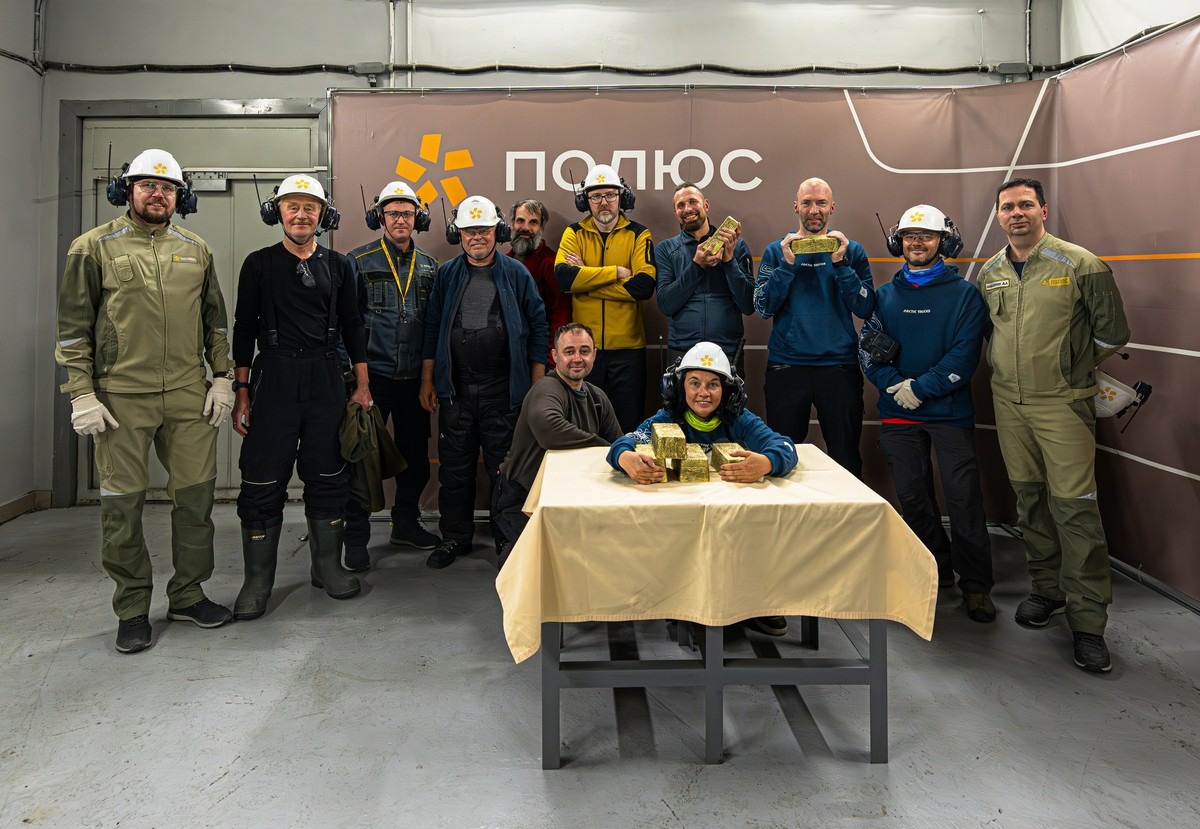
How could we not take a group photo? Simply impossible ->
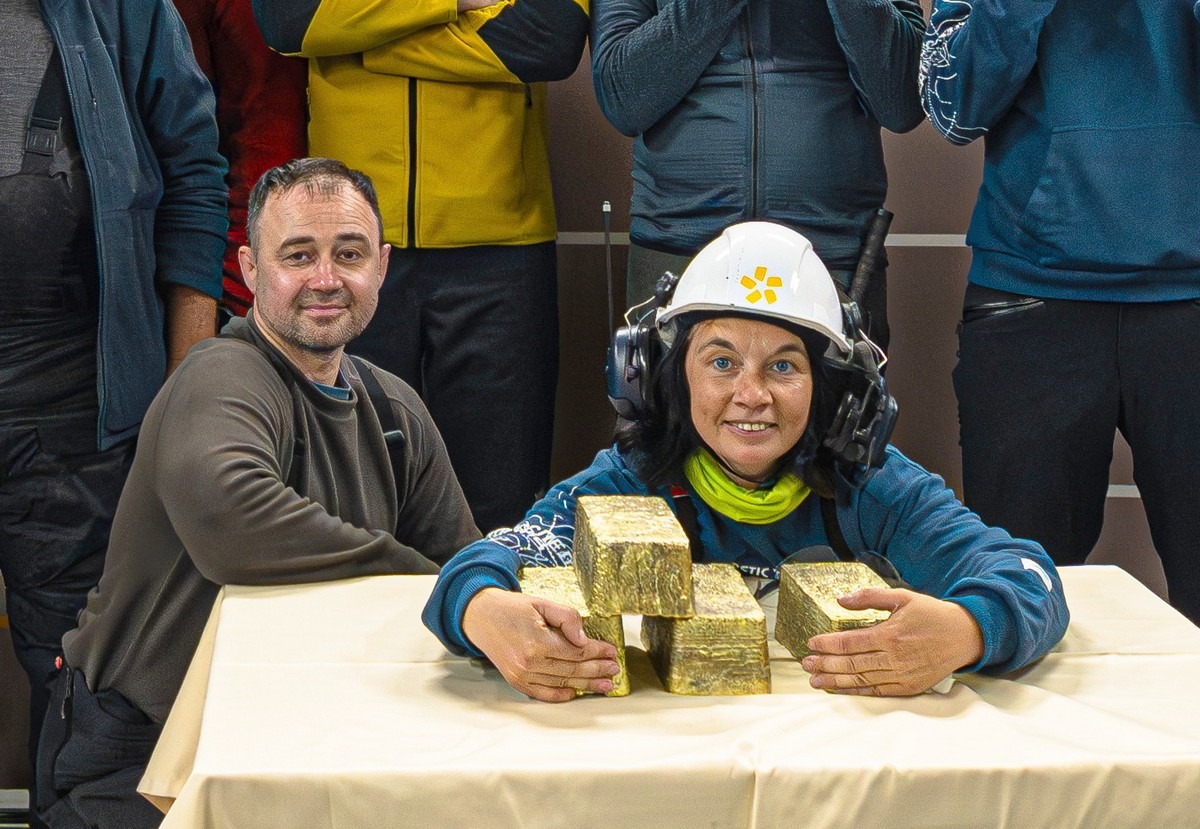
Some just had to give the gold bars a hug! ->
I think that’s everything. But if I forgot something, I’ll add it later…
The best hi-res photos from our Irkutsk–Yakutsk–Magadan–Yakutsk winter road-trip are here.

