Tag Archives: chile

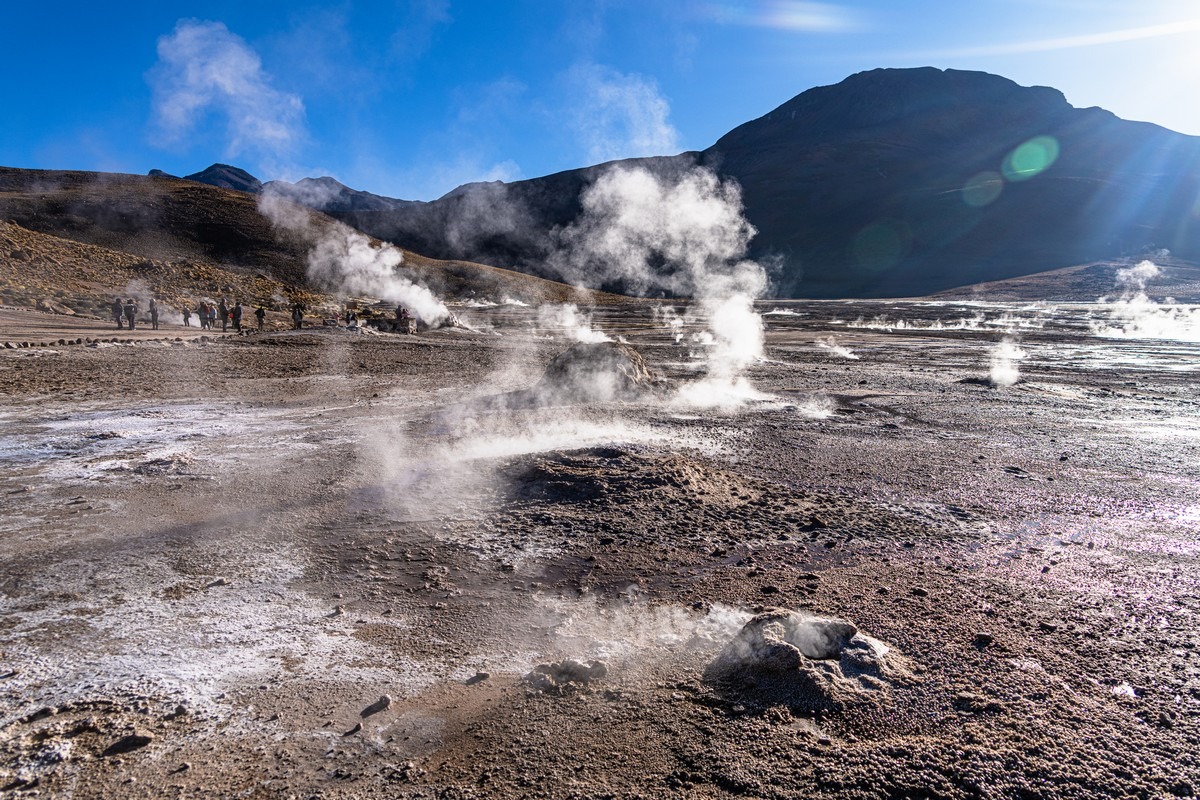
When’s a geyser not a geyser? When it’s in El Tatio, Chile!

I’d heard a lot about the thermal fields and geysers in Chile, and figured it was time to go see them for myself since the photos online were kind of underwhelming.

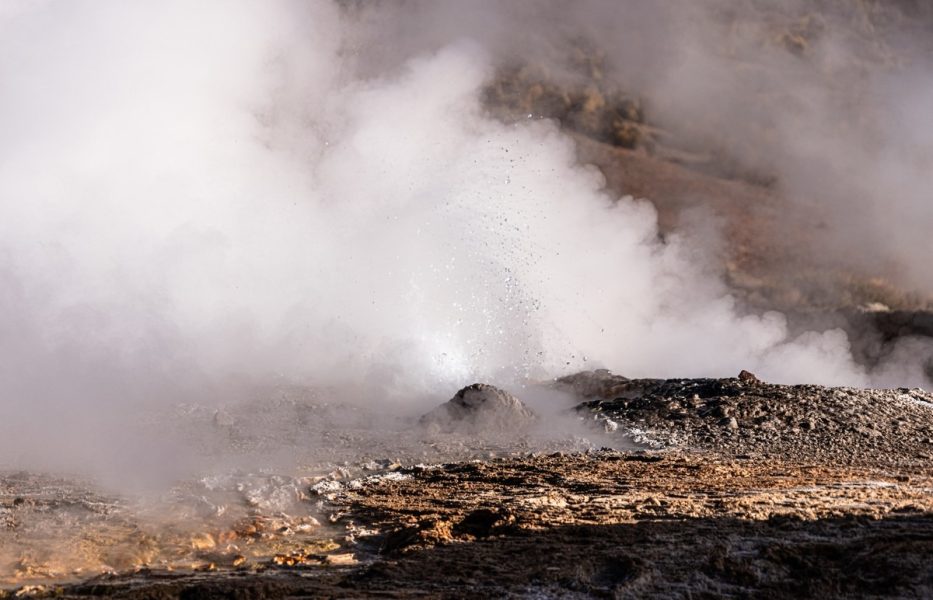
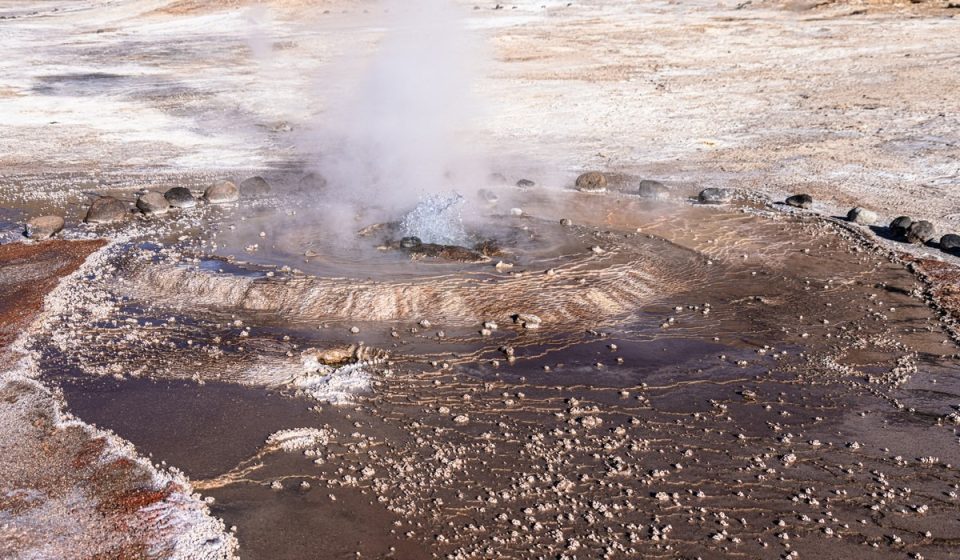
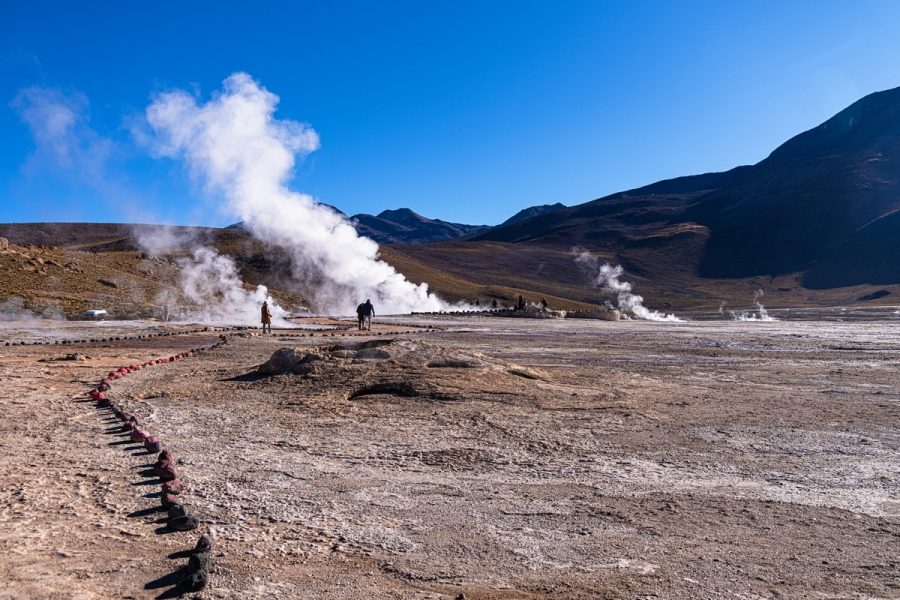
// Let me say this right away: Atacama does have thermal fields – but geysers? None. That’s why the “geyser” photos from there look so unimpressive. But whatever – onward to the El Tatio geothermal fields!…

All as per for thermal fields: much hissing, gurgling, bubbling, rumbling, and spraying of boiling water:

Read on…

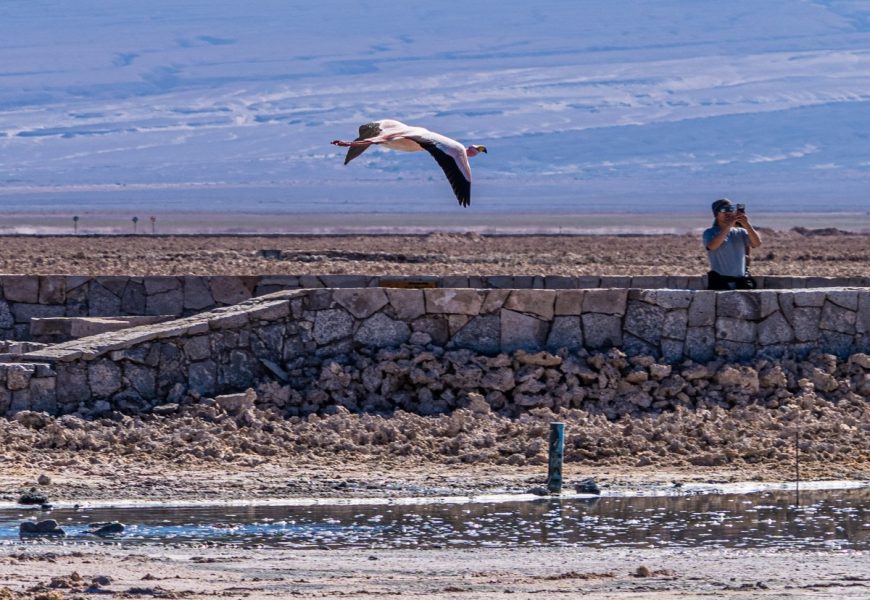
Atacama – pt. 4: two touriosities: the Valley of Death, and pale flamingoes.

Atacama – pt. 1
Atacama – pt. 2
Atacama – pt. 3

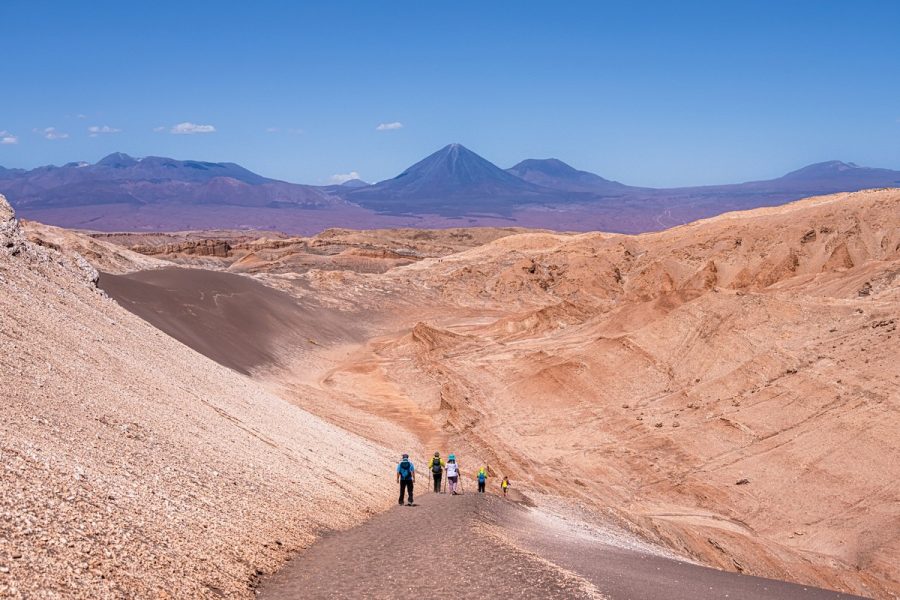
So, shall we keep moving across the majestic mountain expanses of Chile’s Atacama? Of course we shall! How could there be a different answer? We didn’t come here for boredom, relaxation, assorted sybaritism, or spiritual languishing. We’re contemplative tourists. Show us the views – lots of them! :)

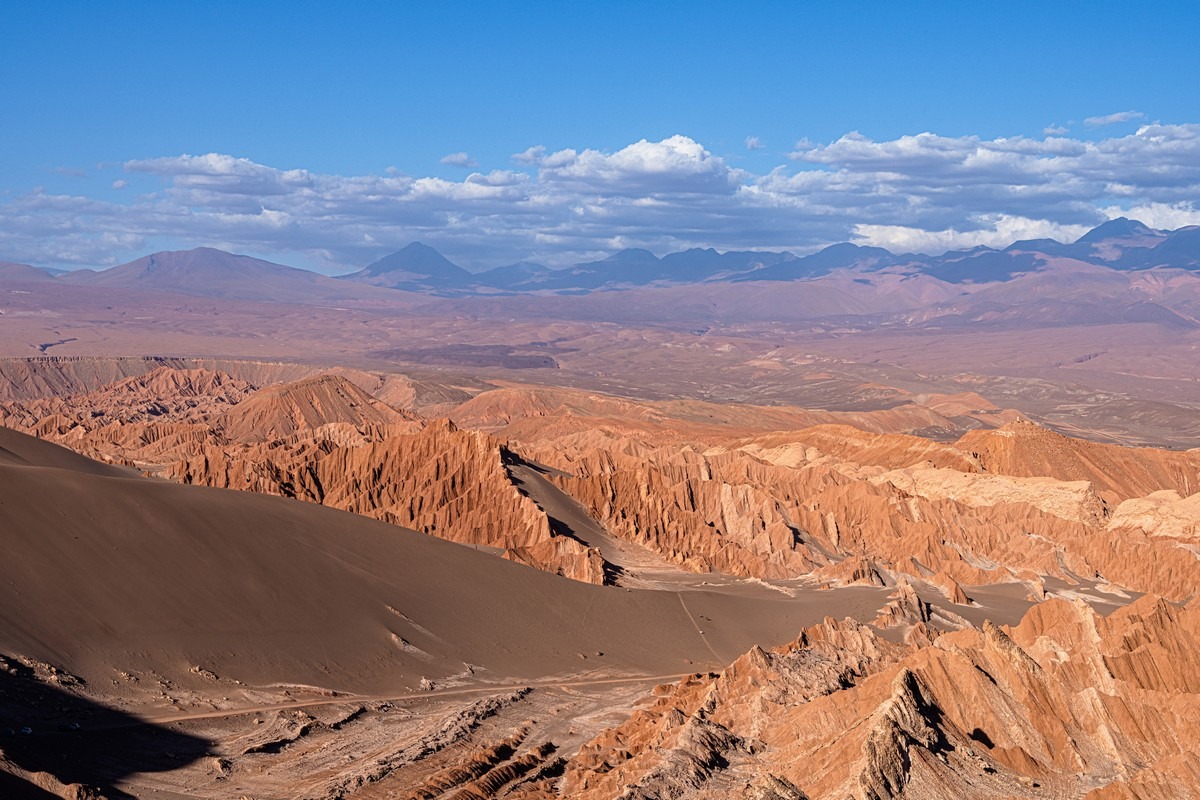
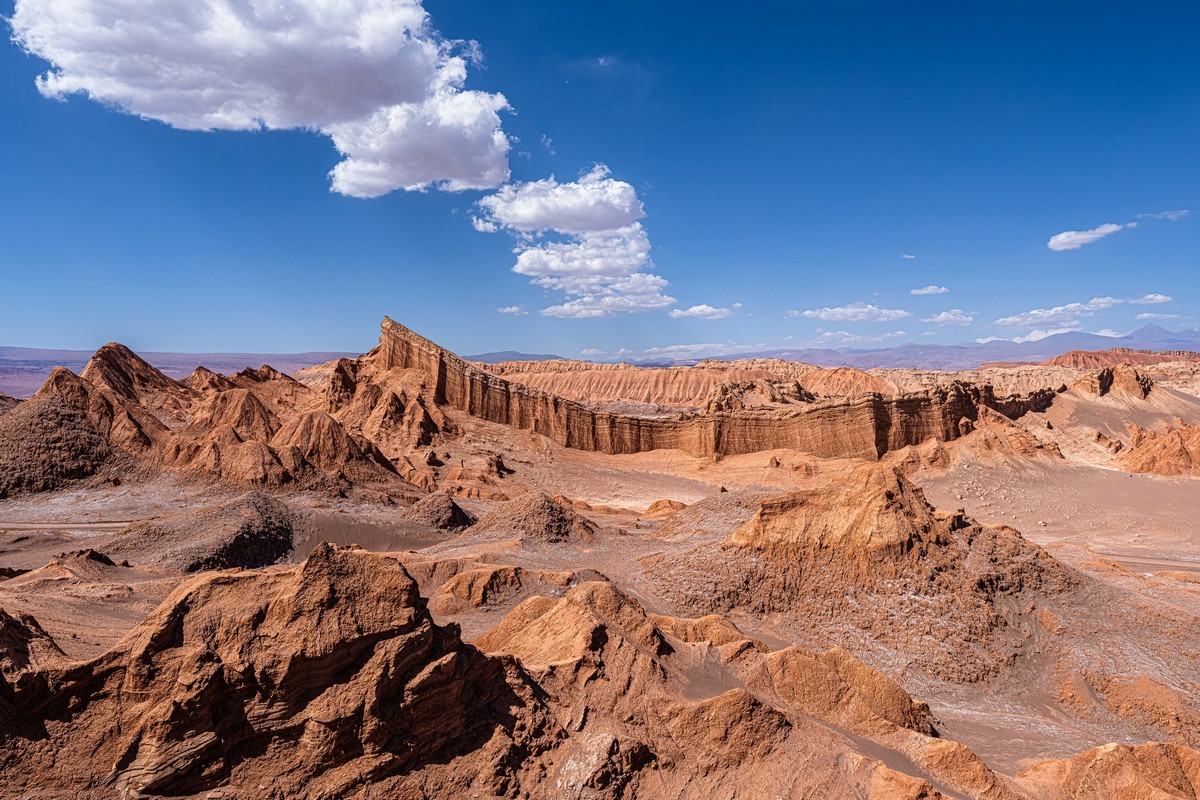
The next installment of entertainment to calm our restless tourist souls was catching a sunset in the Valley of Death (here) (Valle de la Muerte / Valle de Marte), which, curiously, doesn’t have a Wikipedia page)…

Beautiful – insanely so. The rock formations are painted in totally fantastic colors. But there’s a catch: the sun setting behind us, who were looking east. The shadow kept creeping over the landscapes around us, more and more relentlessly…

Read on…

Atacama – pt. 2: Devil’s Throat.

(Atacama – pt. 1: Rainbow Valley and petroglyphs)

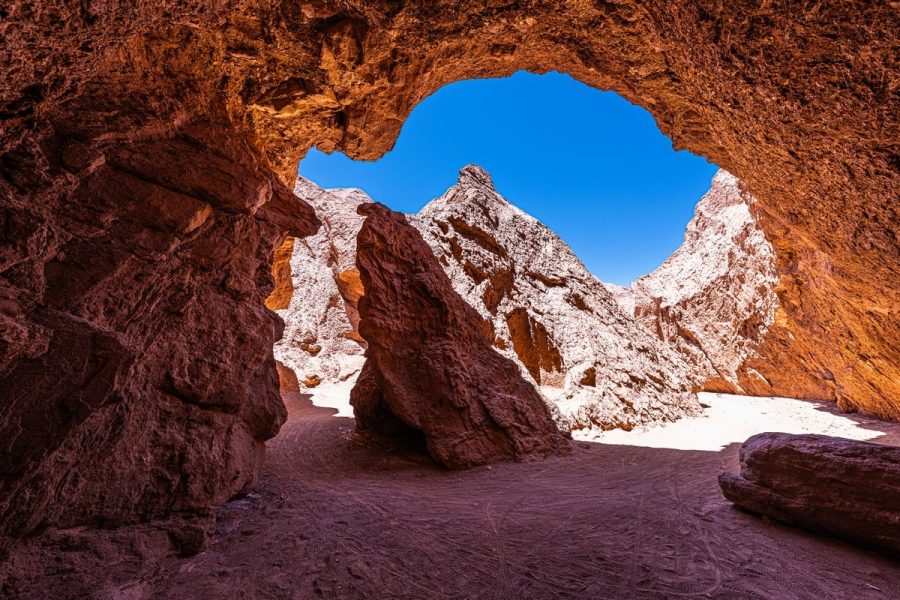
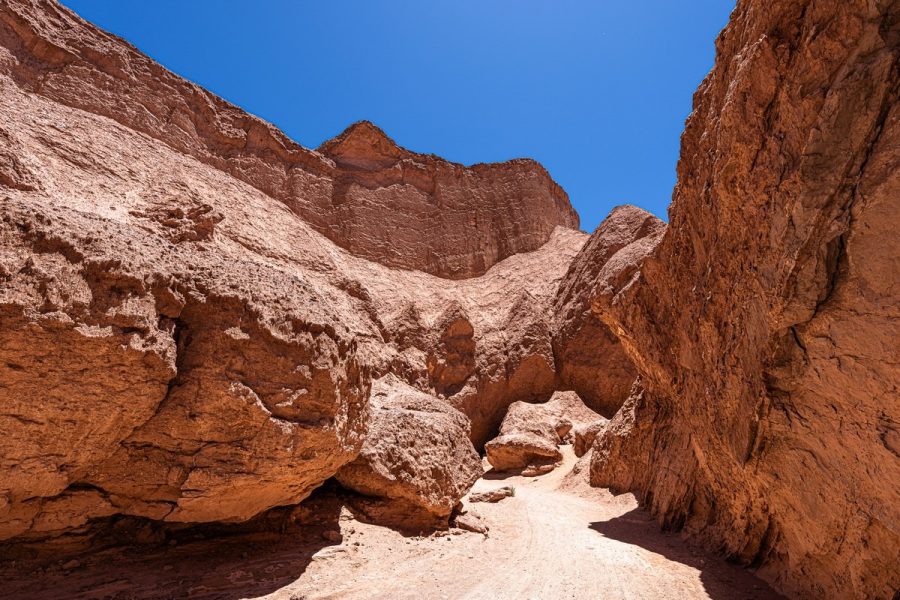
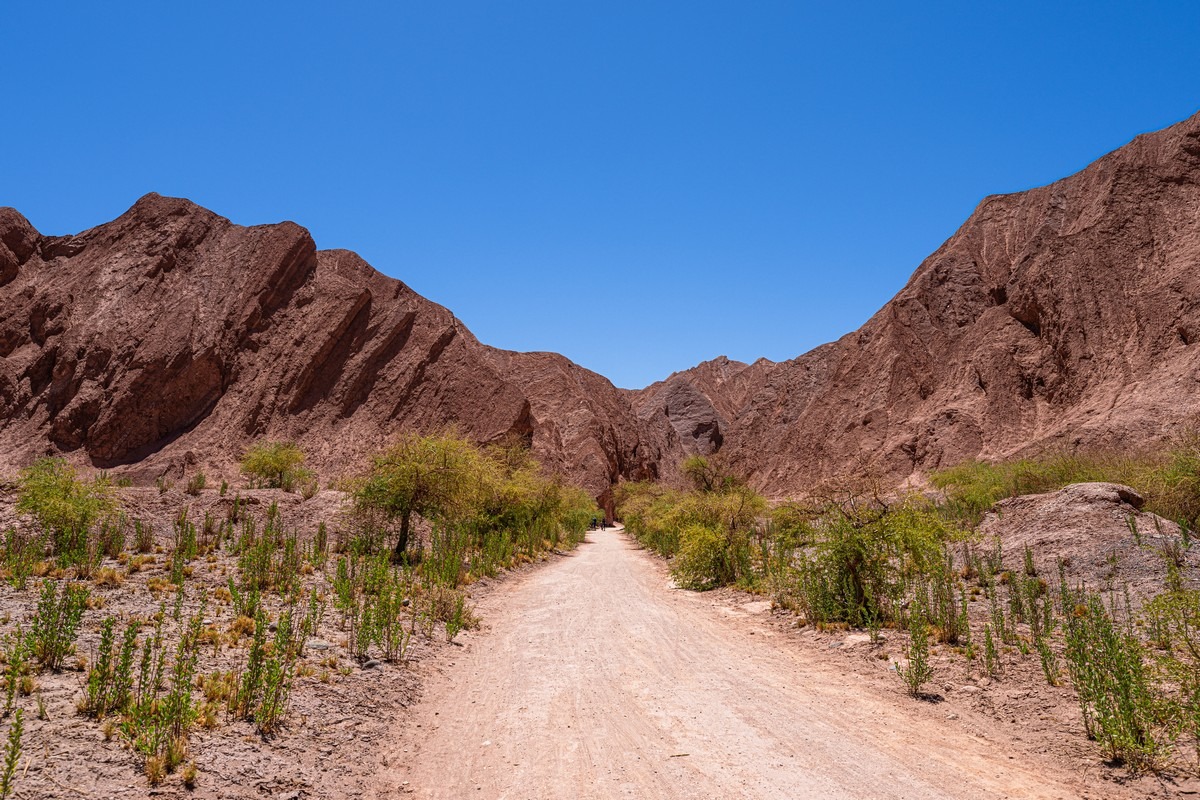
The Atacama Desert is all about multicolored mountain landscapes, vast lifeless expanses, and volcanoes lining the horizon. In this post, there’s more of all that – especially the multicolored mountain landscapes bit – but with a difference; where? Devil’s Throat, or in Spanish – Garganta del Diablo!…

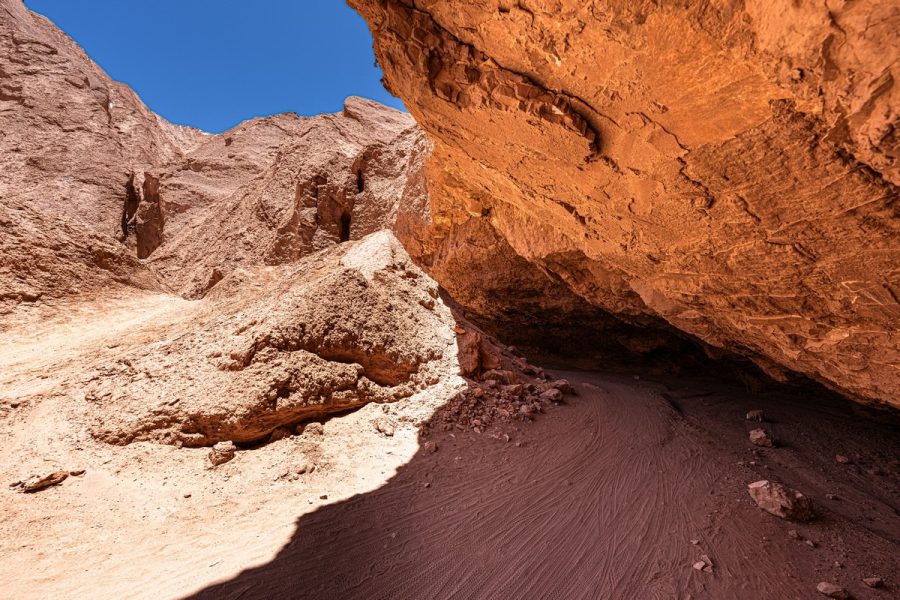
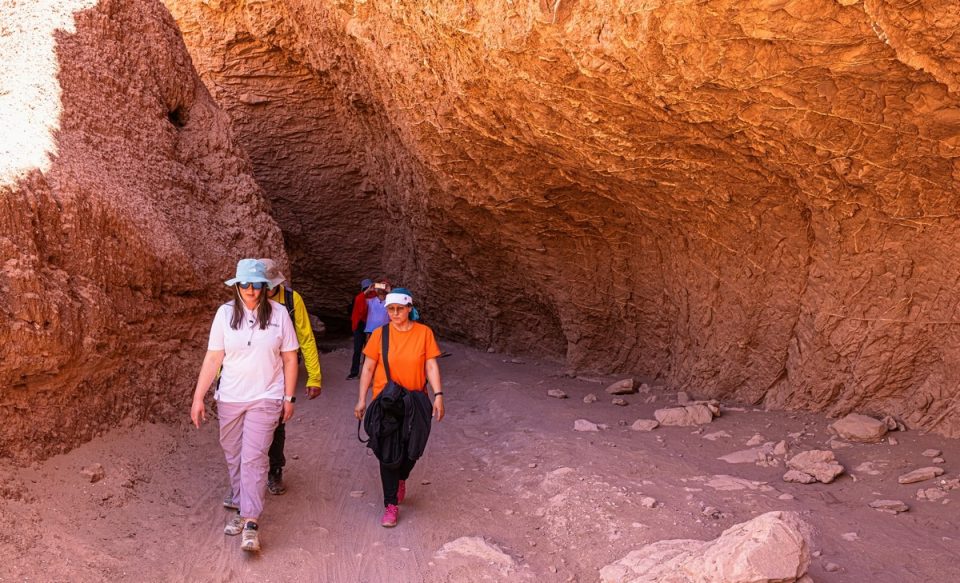
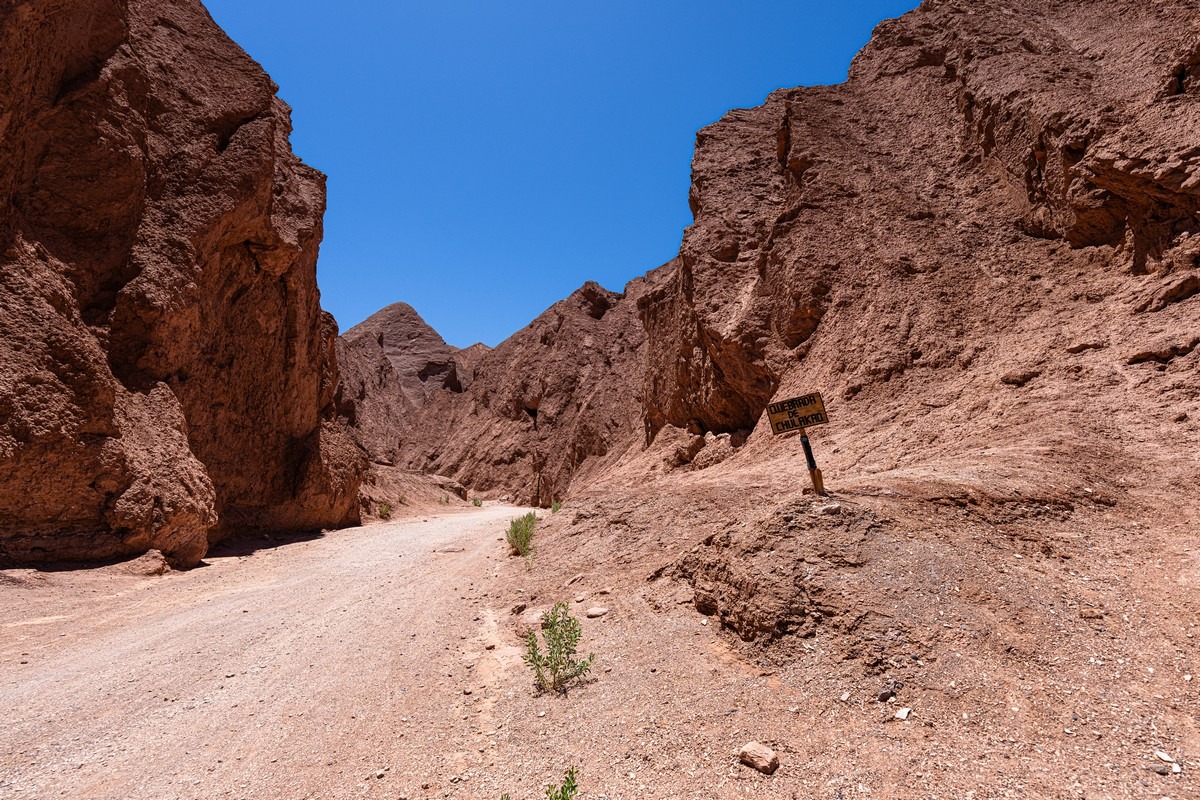
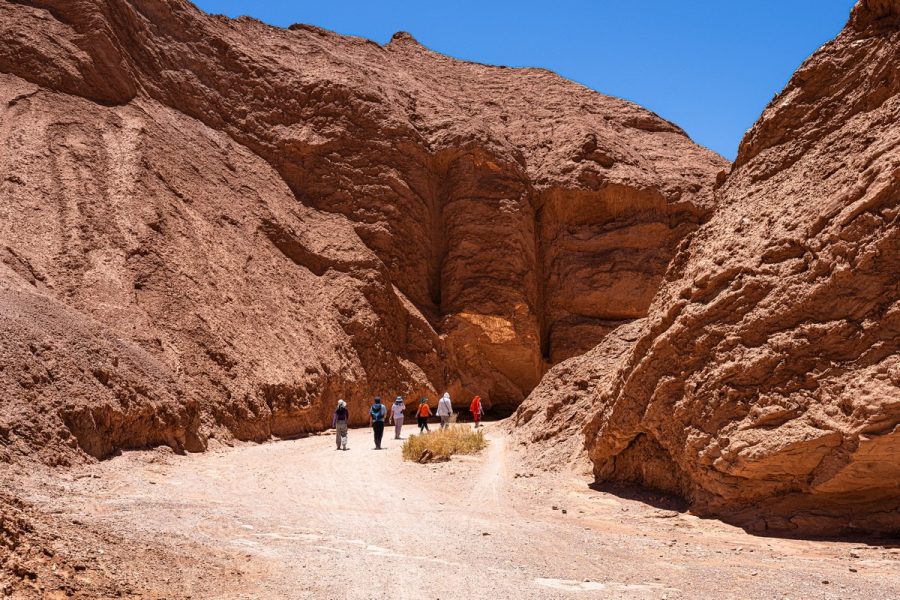
Devil’s Throat is a narrow canyon carved into relatively soft rock by water. It winds left and right, sometimes doubling back on itself before twisting again. At some sharp bends, the rock has eroded into overhangs – almost like little grottoes. The trail along it is about 2.5–3km one way, so with photo stops and breaks, it’s roughly an hour-and-a-half to two-hour walk. Most people do it by bike, but we decided to hoof it.

Here’s where we’re headed ->

Entering the Throat! ->

Read on…

Atacama – pt. 1: Rainbow Valley and petroglyphs.

Ola folks!

Getting to Atacama – sweet. Staying the night in Atacama – neat! Next up – Atacama proper…

Our to-do list had a full nine items:

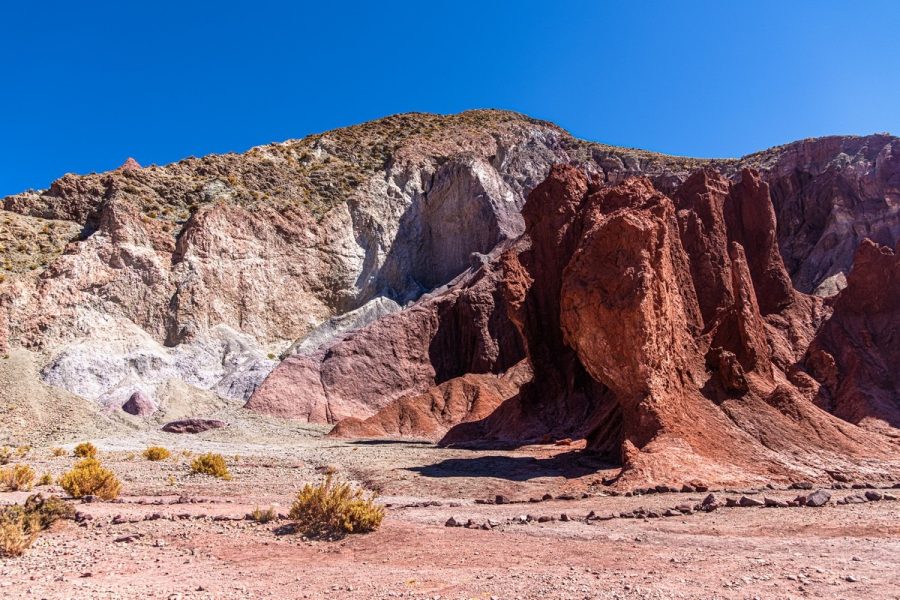
1) Rainbow Valley
2) petroglyphs at a place called Yerbas Buenas (which turned out meh)
3) Devil’s Throat Gorge (curiously, there’s a Devil’s Throat at Iguazu Falls – though it’s not a gorge but a waterfall)
4) Moon Valley
5) Death Valley
6) Lake Chaxa (with flamingos)
7) the stunning Miscanti and Miñiques lagoons
8) the El Tatio geyser field
9) stargazing through telescopes

Off we go!…

Read on…

A cozy night in the desert.

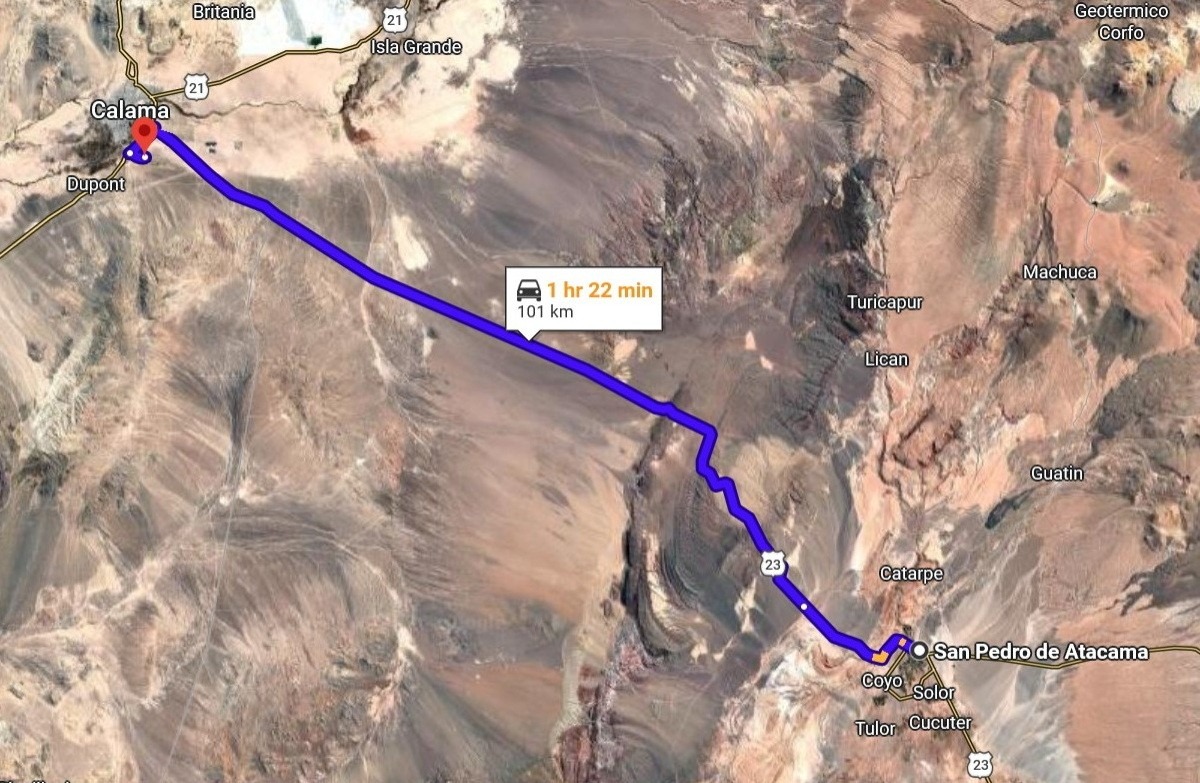
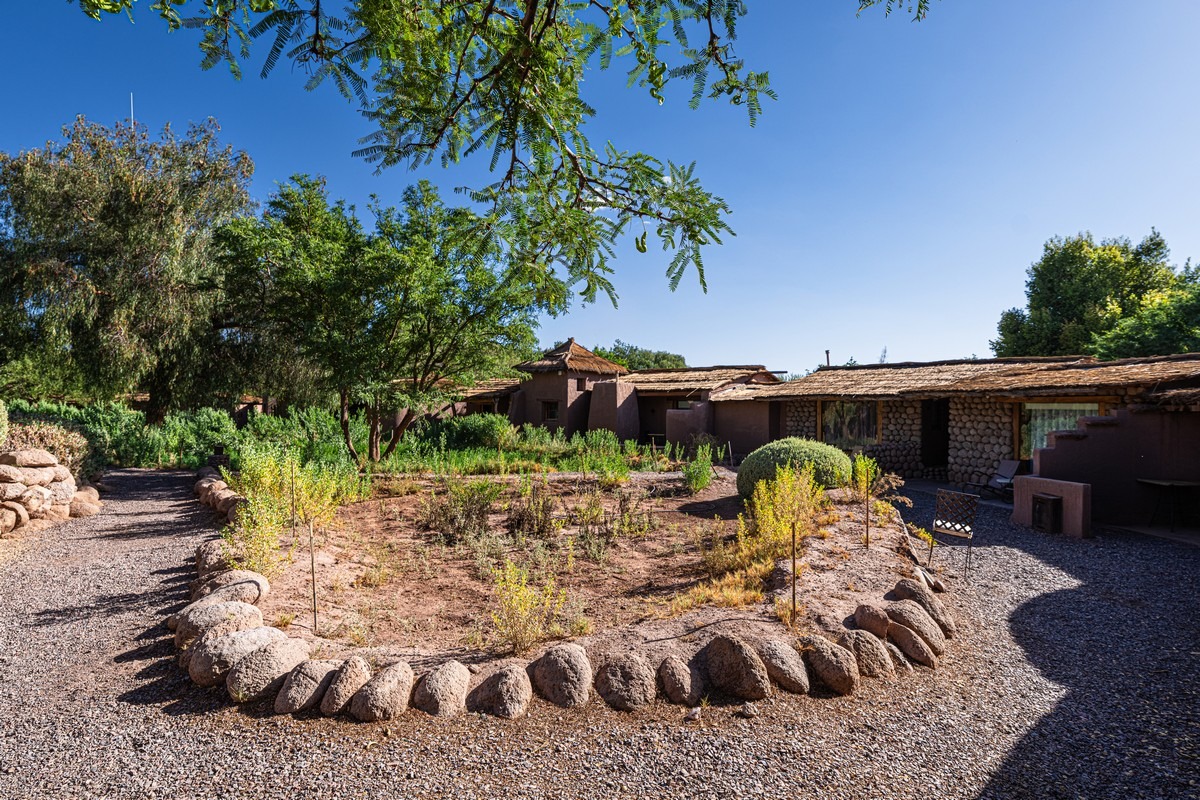
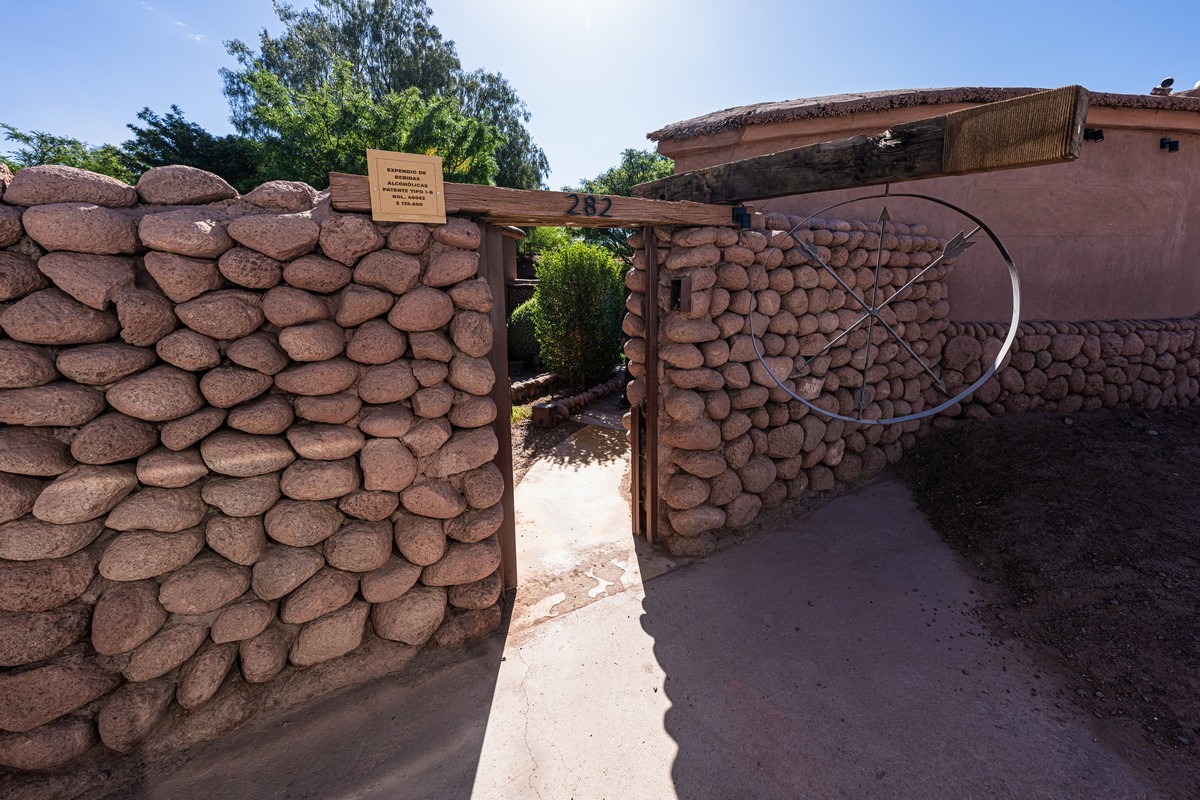
Our South American road-trip early this year was a belter – as regular readers already know. As per, thousands of photos are still being sorted to be turned into (hopefully interesting) photo-based stories, with videos getting uploaded too. As usual, I’m sharing practical info along the way: the routes we took, where things are on the map, where we stayed, what the comfort levels were like – that kind of thing. And on today’s menu: where we stayed in Chile’s Atacama Desert in the town of San Pedro de Atacama (here)…

It was a hotel called Our Habitas. It belongs to a chain of stylish hotels in cool locations around the world (Latin America, the Middle East, Namibia…). But this isn’t an ad for the chain or this particular hotel. There are other solid options here too – including simpler and cheaper ones. We just happened to stay here, so that’s what I’ll be writing about. Let’s go!…

Read on…

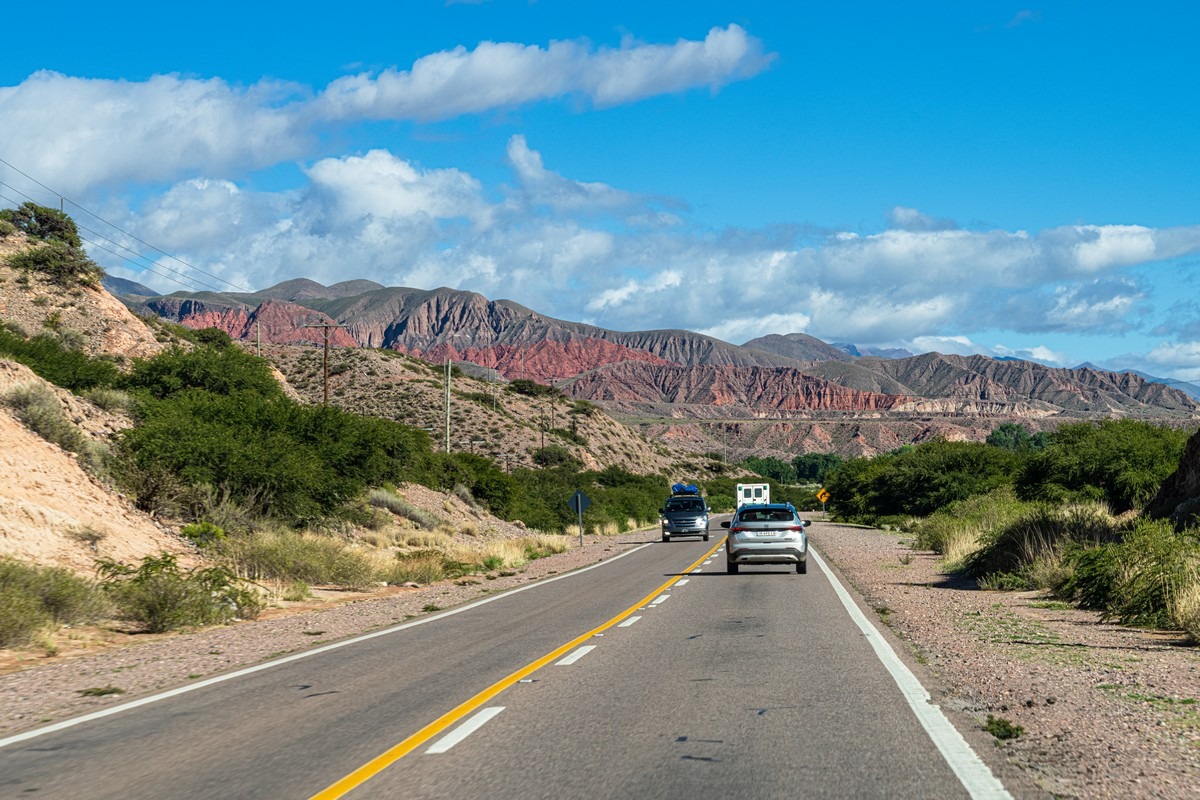
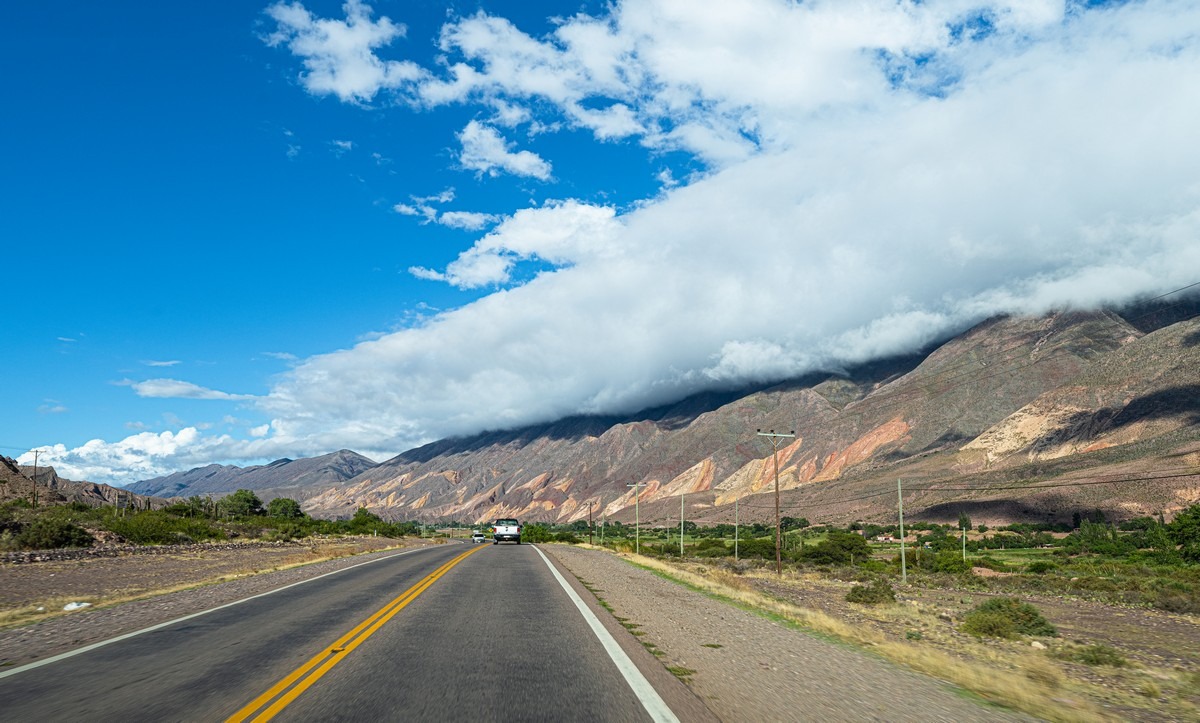
Lat-Am twenty-twenty-six: intro-post with 75 pix!

Hola Folks!

And so this here blog of mine has finally caught up with my late-2025 globetrotting escapades to bring me (almost) up to date – at least firmly into this year and its first touristic adventure. And that adventure, as you already know from the title of this blogpost, took place down in South America. But not Rio, and not Iguazu/Itaipu either – though there was a Brazilian installment…

The touristic adventure was an extended vacation – to fill in the lull early in the year, as per tradition. And “extended vacation” can mean only one thing for my blog: an extended series of posts thereon – coming right up! Today – also as per tradition: intro post, to get the juices flowing…

Read on…

Easter Island – places to stay, and a fond farewell.

In this, my last post in the series on Easter Island, a few words on day-to-day practicalities: how to get there, where to stay, and how to get around the island.

There are two ways to get to Rapa Nui: either a five-hour flight from Santiago (and getting to Santiago from anywhere on the planet is straightforward – albeit often long-winded:), or a two-week (!) boat trip from Valparaiso, Chile’s main port, which is about 120km from the capital. There used to be flights from Lima, Peru, too, but they stopped during covid in 2020, and somehow they just never resumed after that.

Anyway, back to the Santiago > Easter Island route…

Either one or two large planes do the route there and back daily. But on days when two planes fly, the lines at the airport in Santiago grow to truly inhumane lengths. We ended up queuing for our boarding gate all the way to the very furthest corner of the airport – in a line that stretched at least a hundred meters. Still, one should only ever remember the good stuff (and don’t let anyone tell you otherwise)! So, just read these lines, forget about them – and then go ahead and dream about planning your own Easter Island trip!…

Once there, how do you get yourself to the various tourist spots dotted across the whole island? You can do so yourself in cars, on scooters or bikes you can rent. But if you do, it’s better if you know Spanish, because almost every site charges entry, and there’s no guarantee anyone at the entrance speaks a language you know. We rented a mini-bus with a local guide, who was half-Spanish and half-Rapa-Nui, but unfortunately he didn’t speak the language of his island ancestors. (Curious fact: “Rapa Nui” = the Rapa Nui people, the Rapa Nui language, and the island of Rapa Nui!)

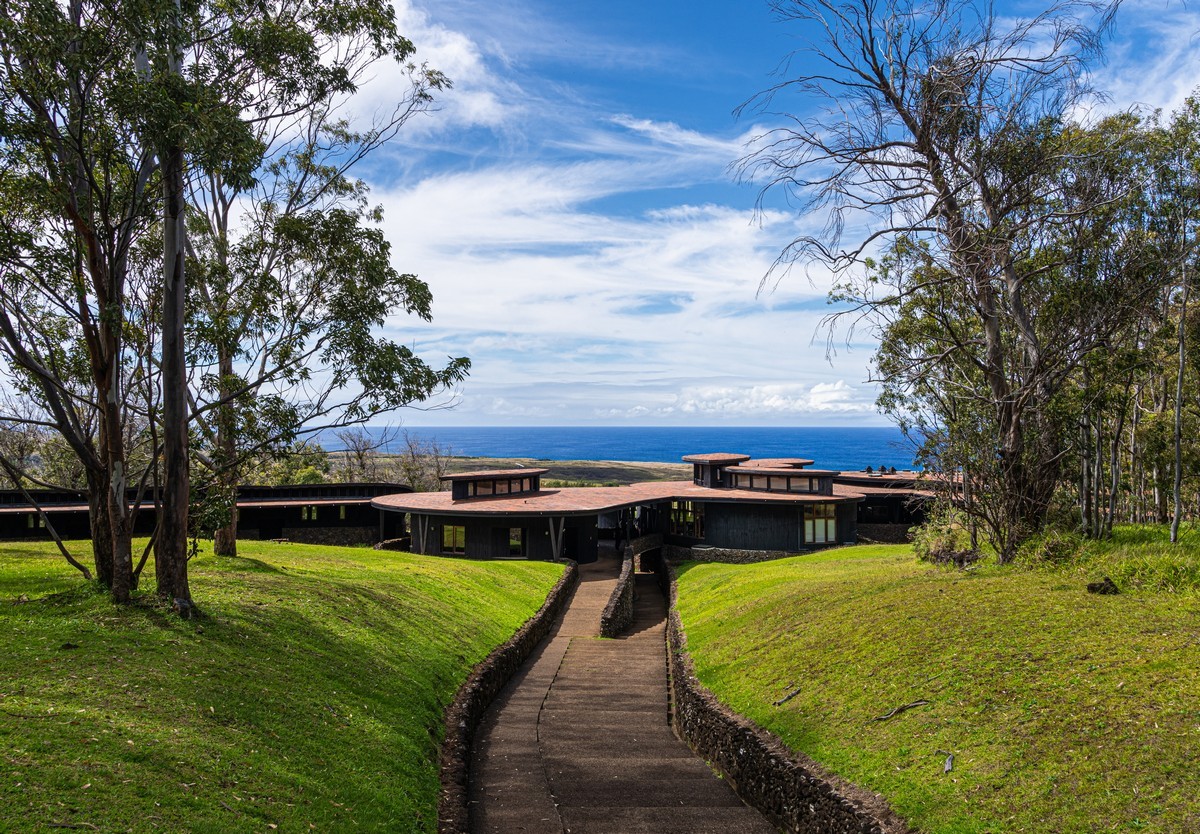
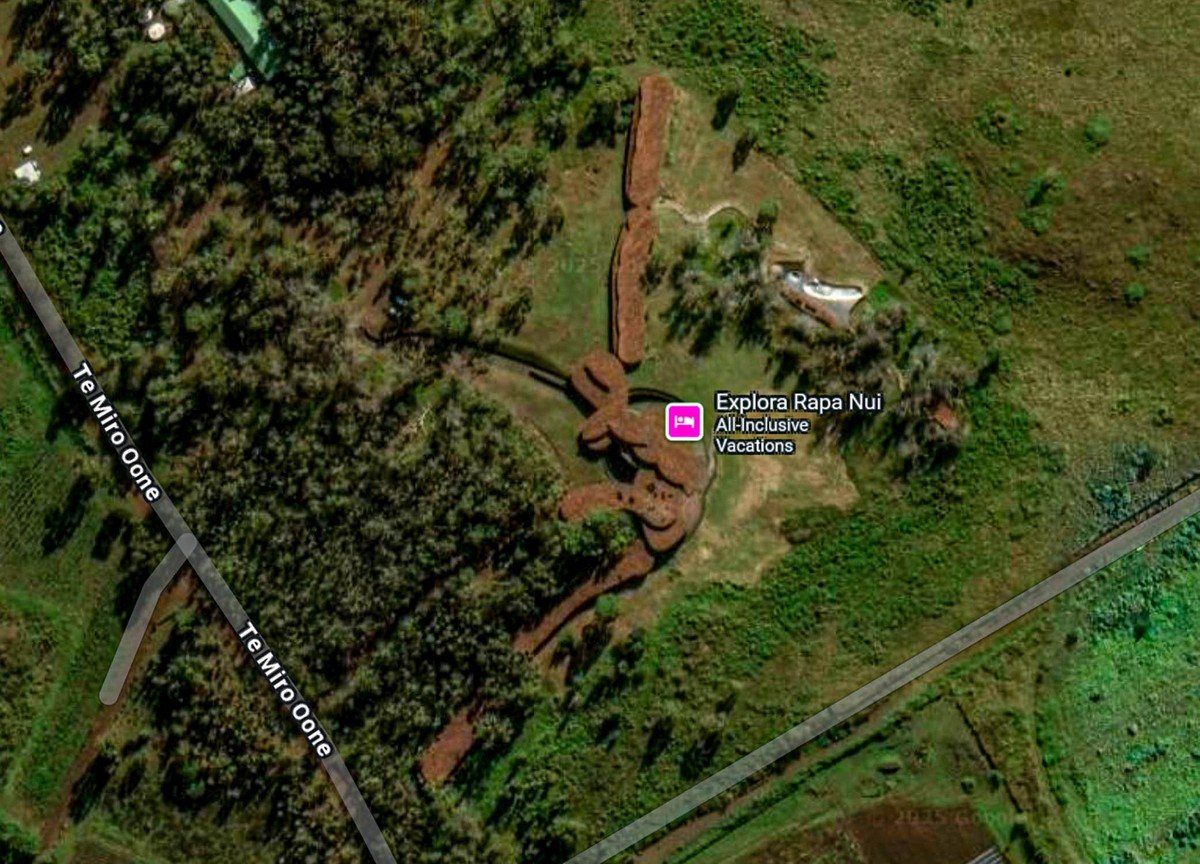
Next – where to stay? There are lots of options. We were apparently booked in at “the best place on the island” – the Explora Rapa Nui hotel, here

And here ->

Read on…