
November 9, 2026
Onward in style, taking in Kom Ombo on a bank of the Nile.
Onward!… Down the Nile from Aswan to Luxor…
We’d finished checking out the tourist sights at our point of departure (the Aswan Dam, an unsuccessful dash to the ancient quarries with the unfinished obelisk, and the Philae temple complex), our boat barge pulled away was pulled away from the pier, and our leisurely 2.5-day journey downstream along this great African river began.
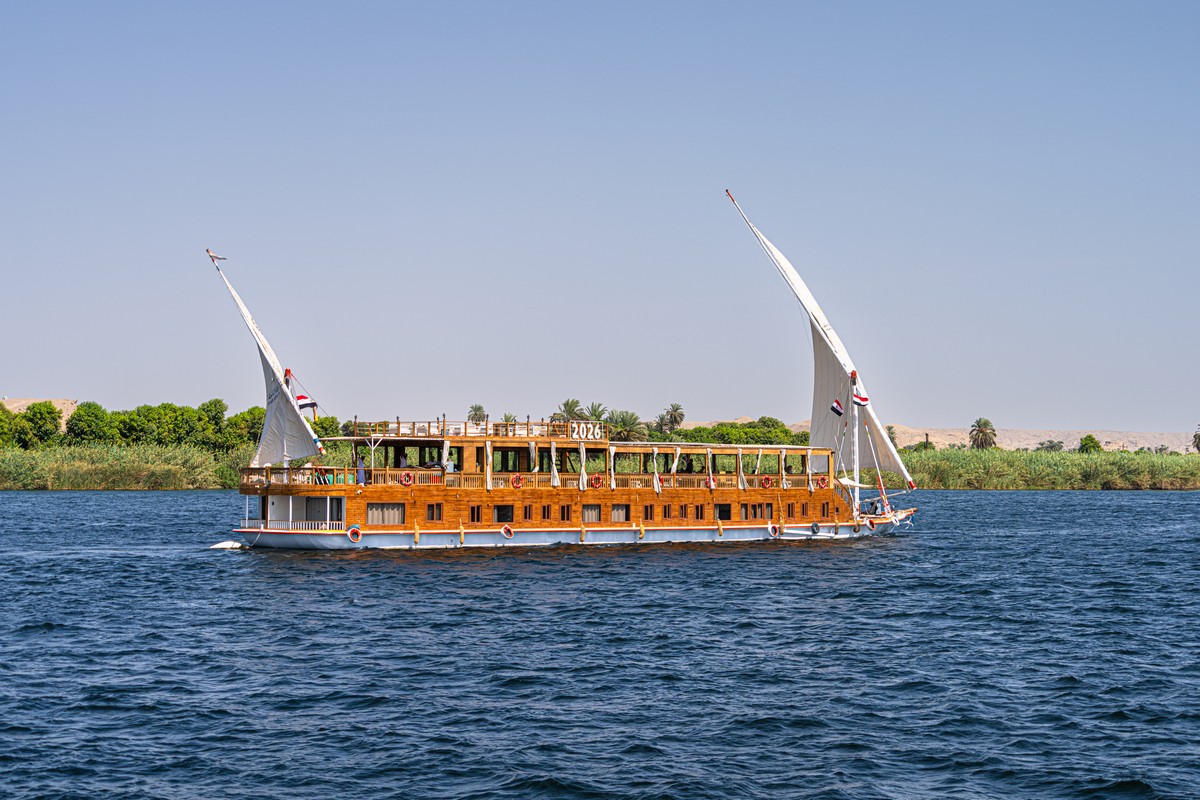
// That’s not our boat; it’s a vessel under sail heading upstream toward Aswan.
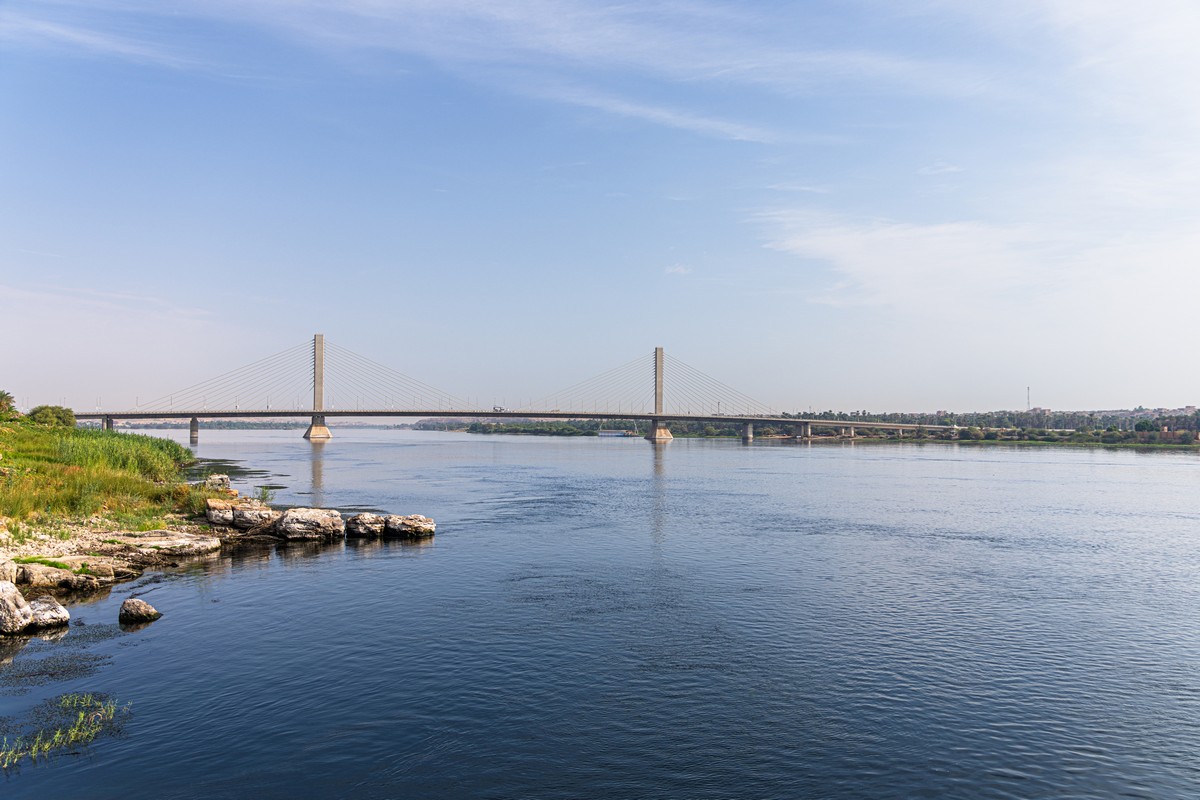
And this bridge was right by our starting point:
The views along the way were rather heavenly:
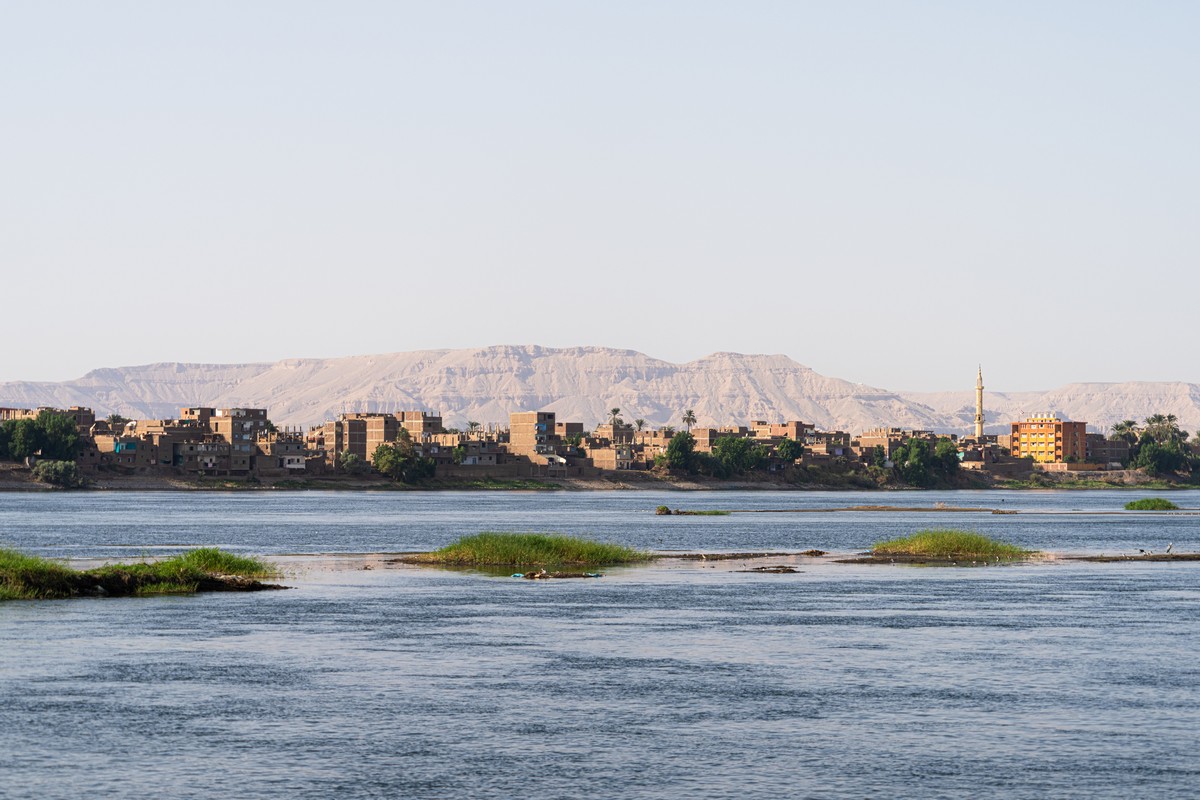
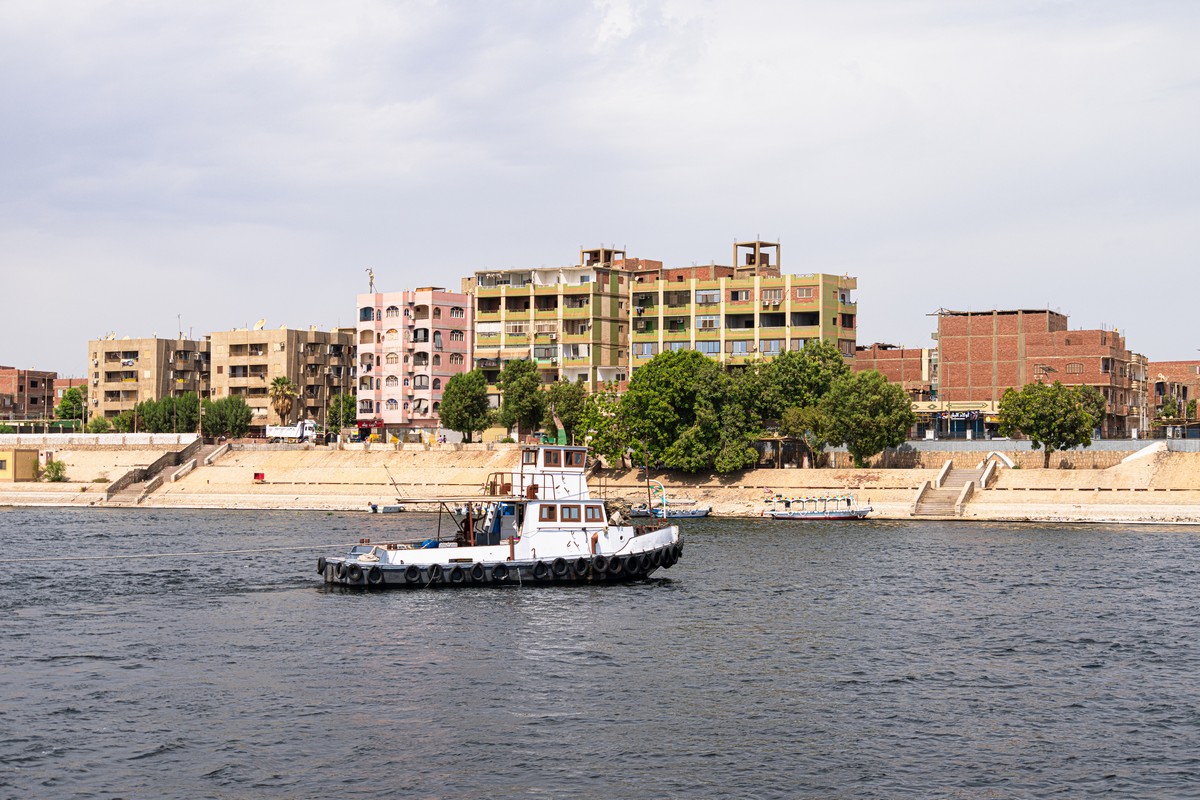
Then a town appeared on the riverbank. Aha – Kom Ombo. Just a regular town, originally founded in… the paleolithic-era. Egypt, baby! Time to dock!…
Time to head to our next tourist attraction: the namesake Kom Ombo temple.
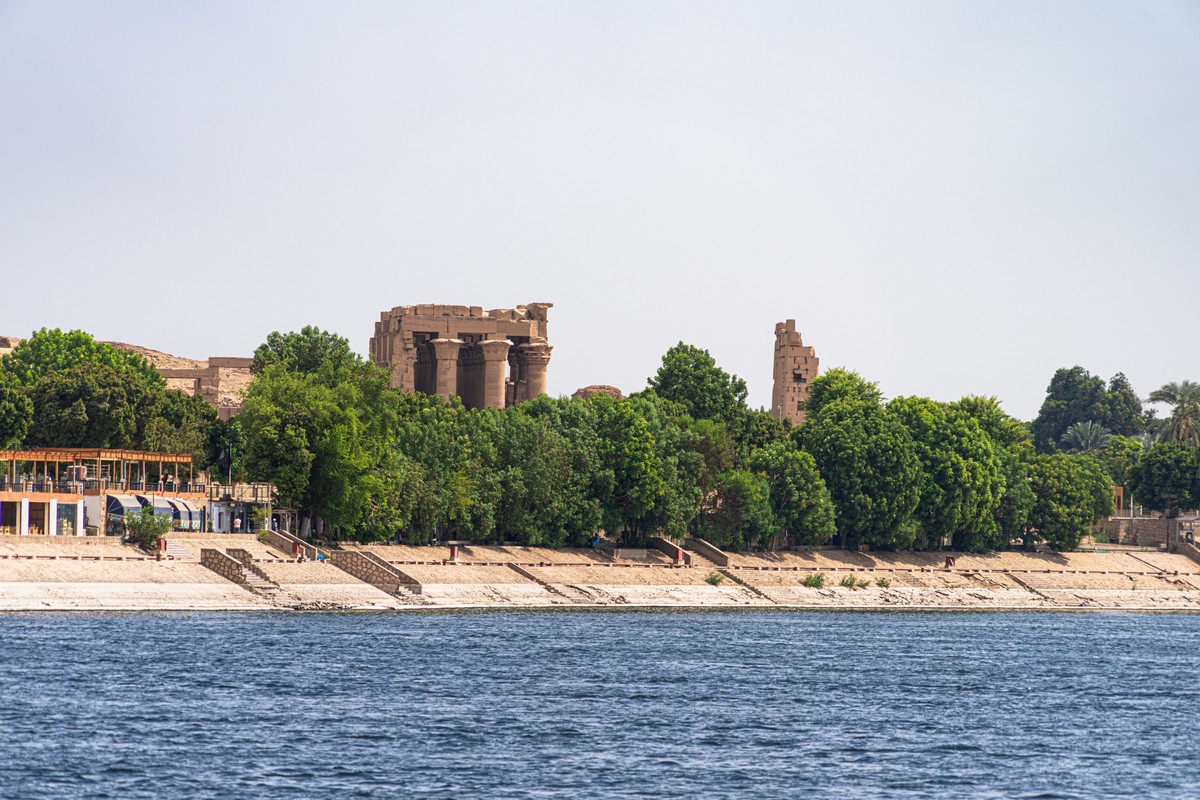
It’s much the same story as before: there were older Egyptian temples on this spot too, which were built and destroyed over and over – whether by people or by time, who can say now? What stands here today is a partially restored structure from the late Greco-Roman era (constructed from 180 to 47 BC).
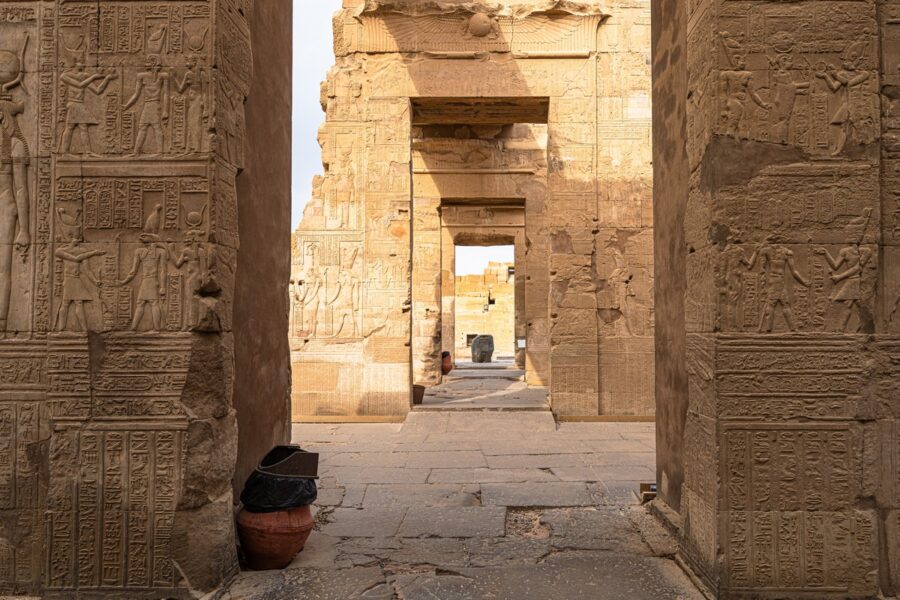
The entrance to the temple complex:
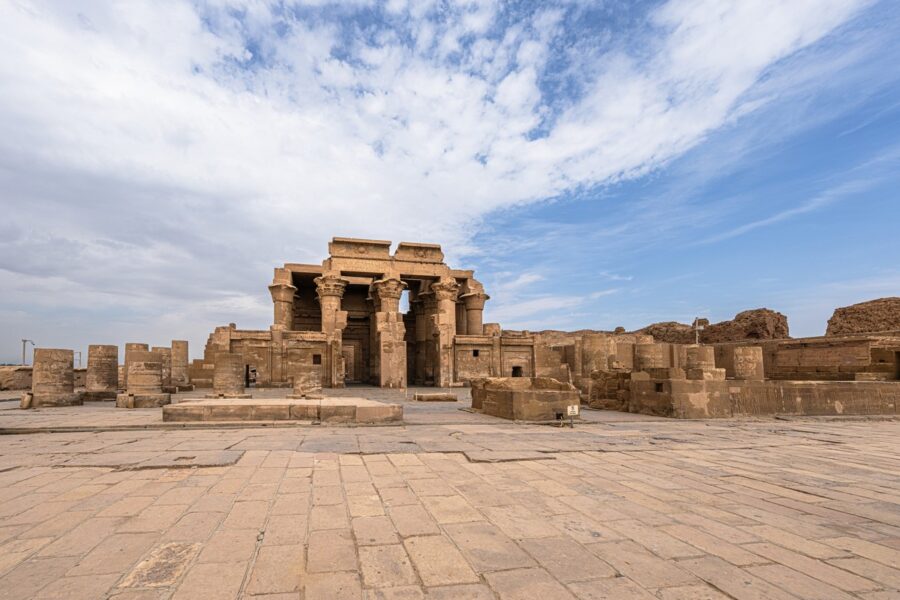
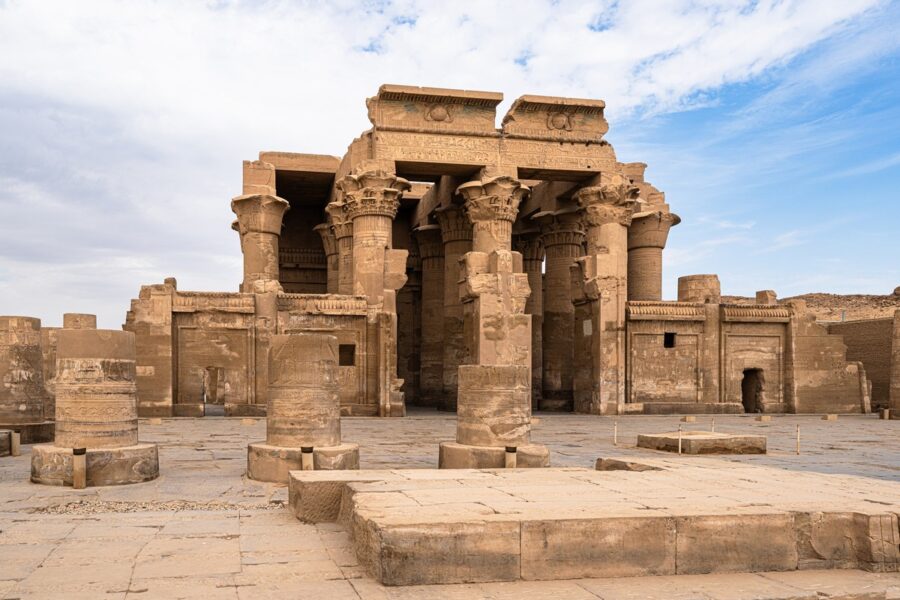
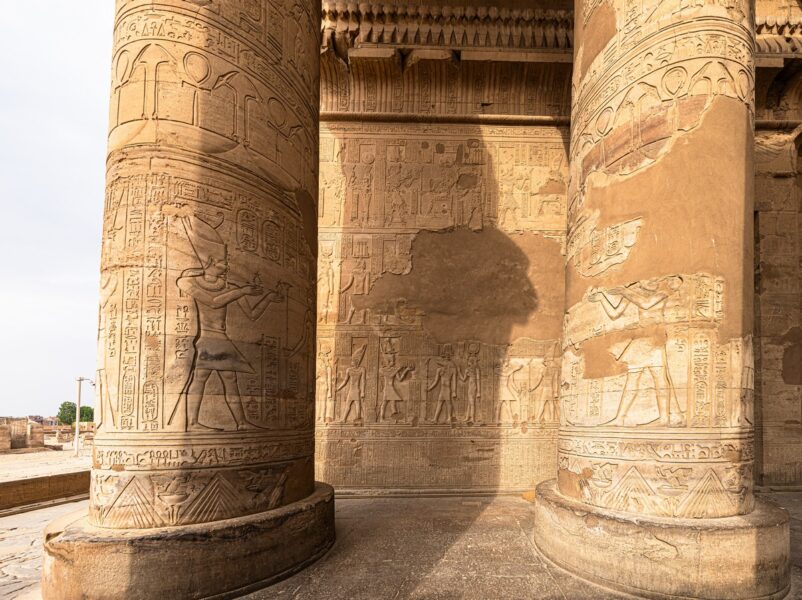
Back in the day there were some pretty lavish structures here – clearly not small ones, either.
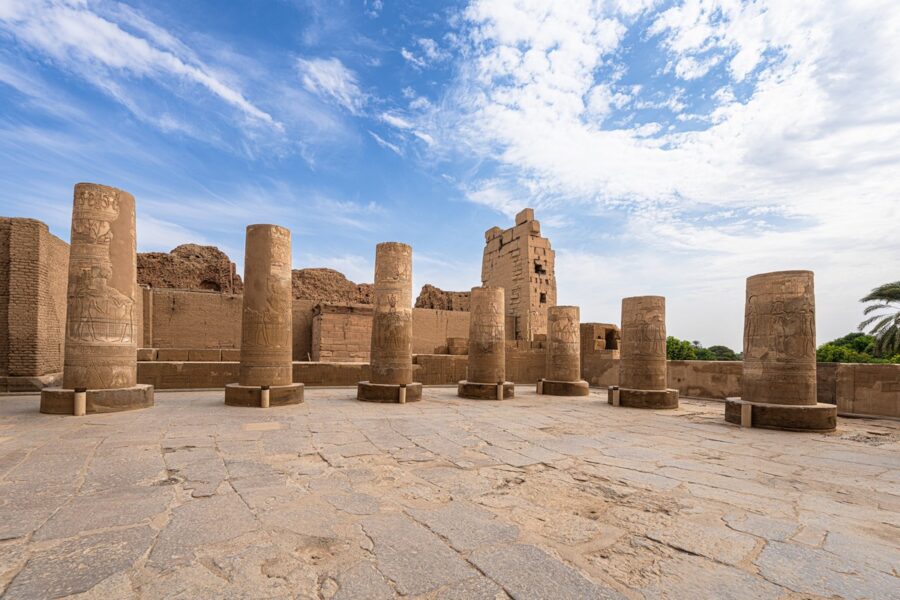
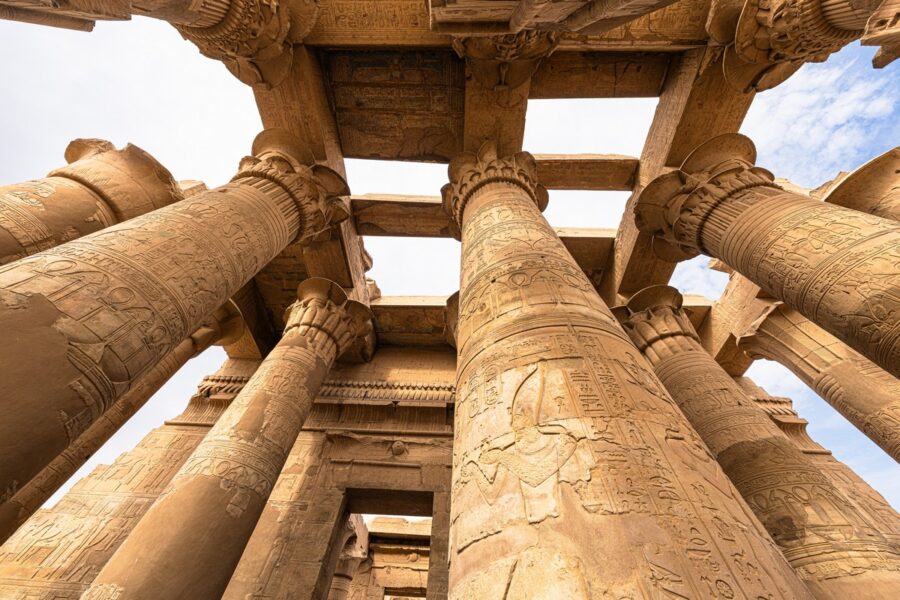
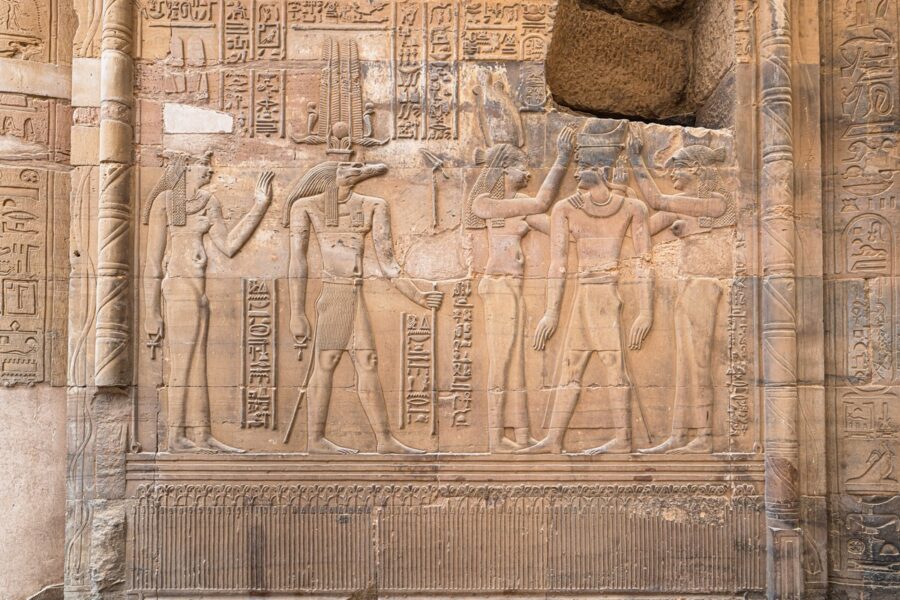
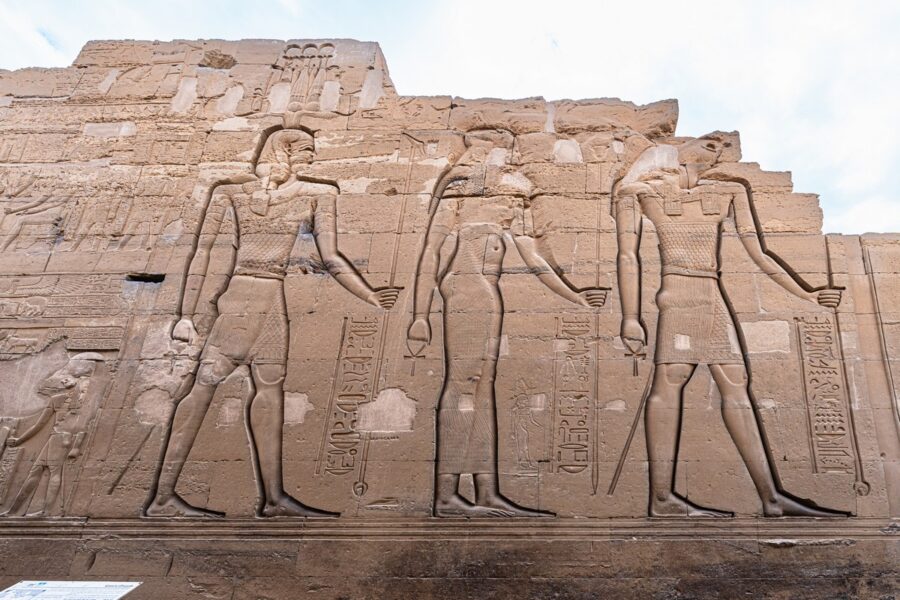
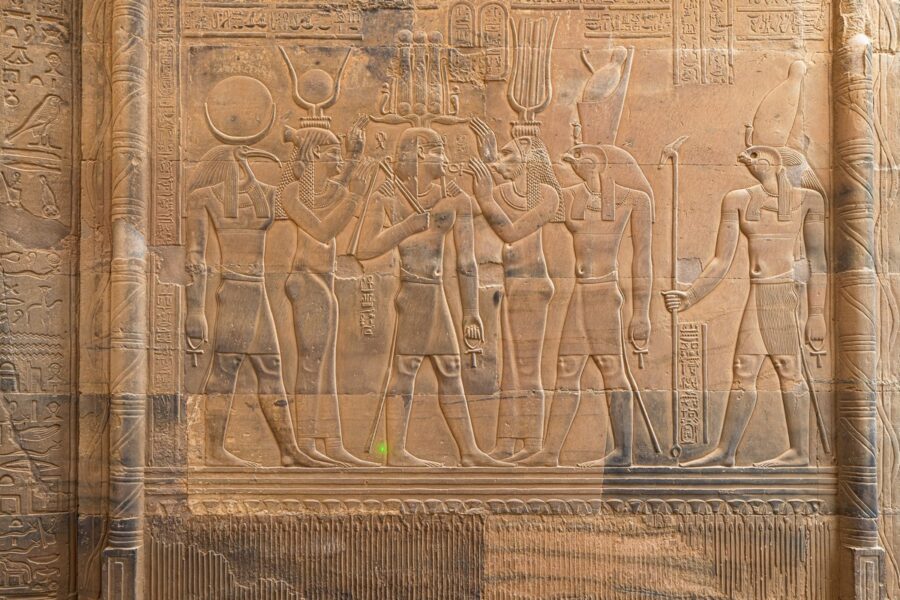
Interestingly, the figures on the walls are carved with anatomical accuracy – even the belly buttons on their tummies are absolutely spot-on. Is there anything like this anywhere else on ancient Egyptian or ancient Greek sculptures/objects? Just curious…
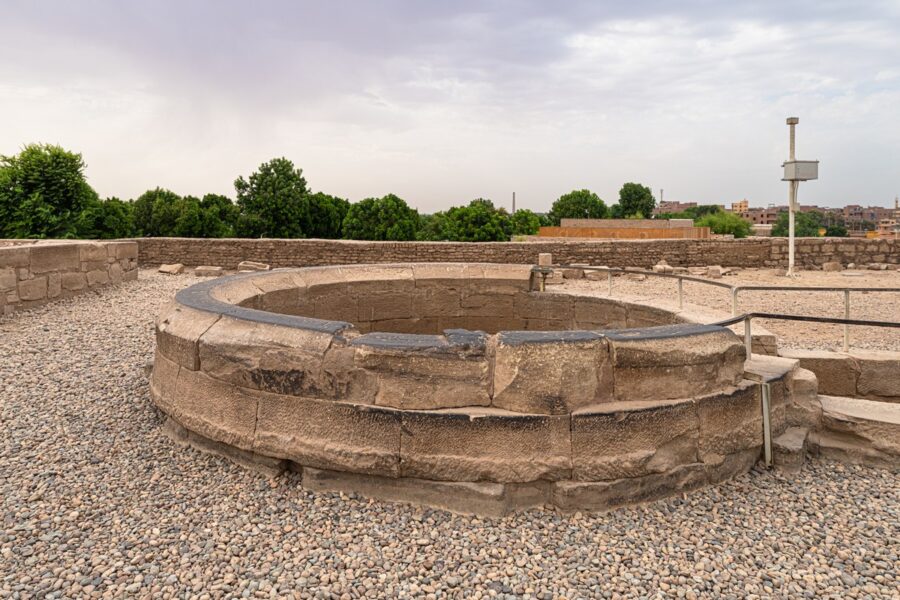
A Roman-era well:
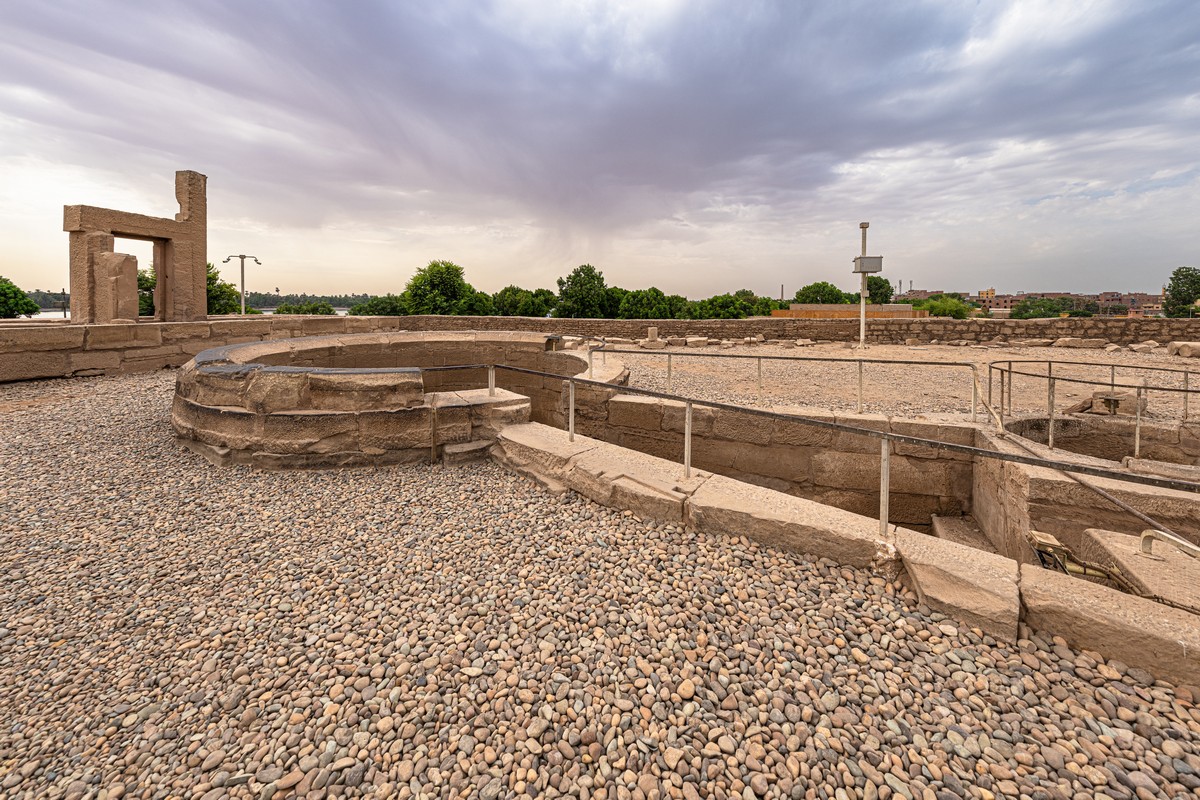
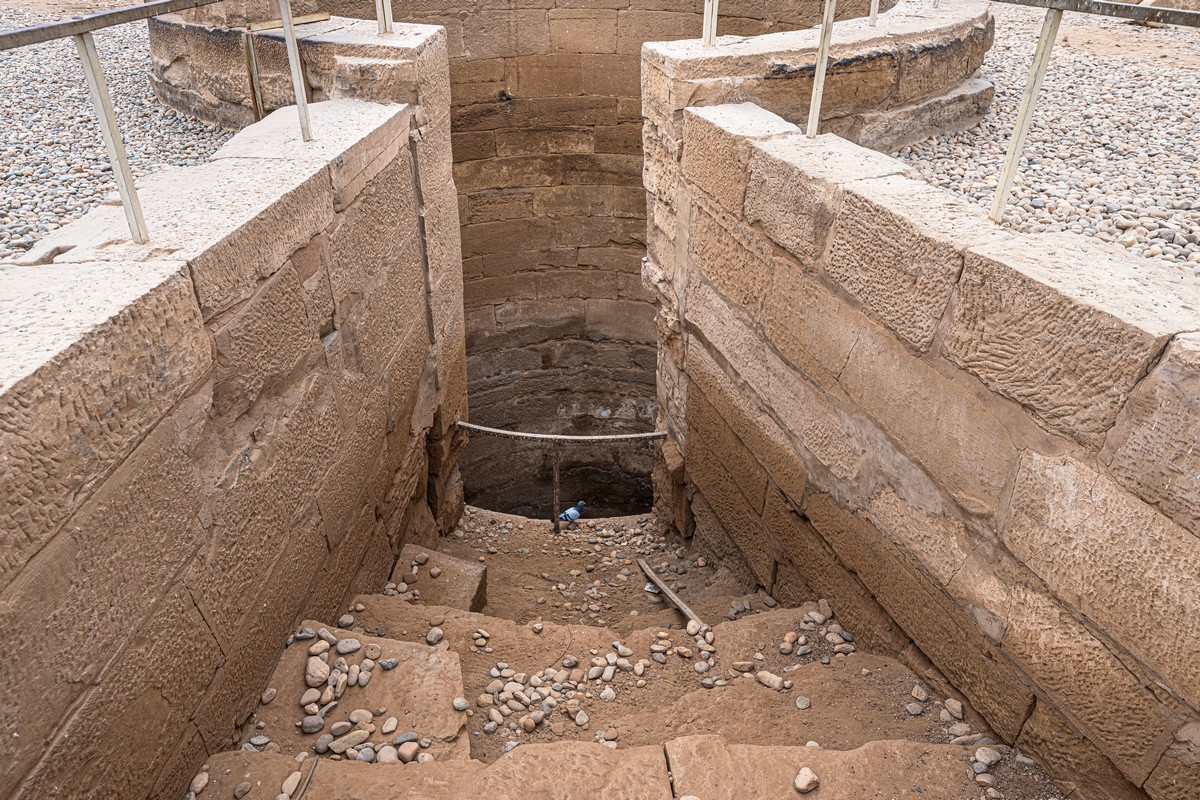
A deep one at that:
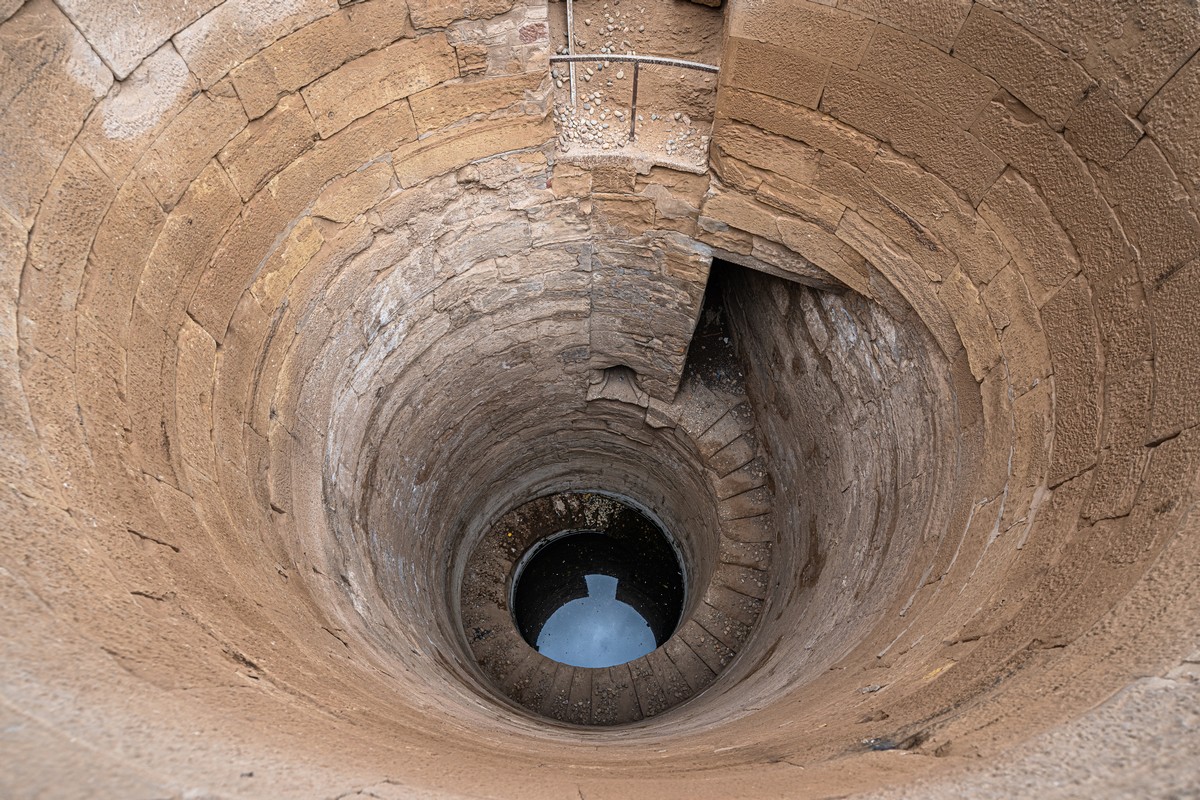
The well’s story:
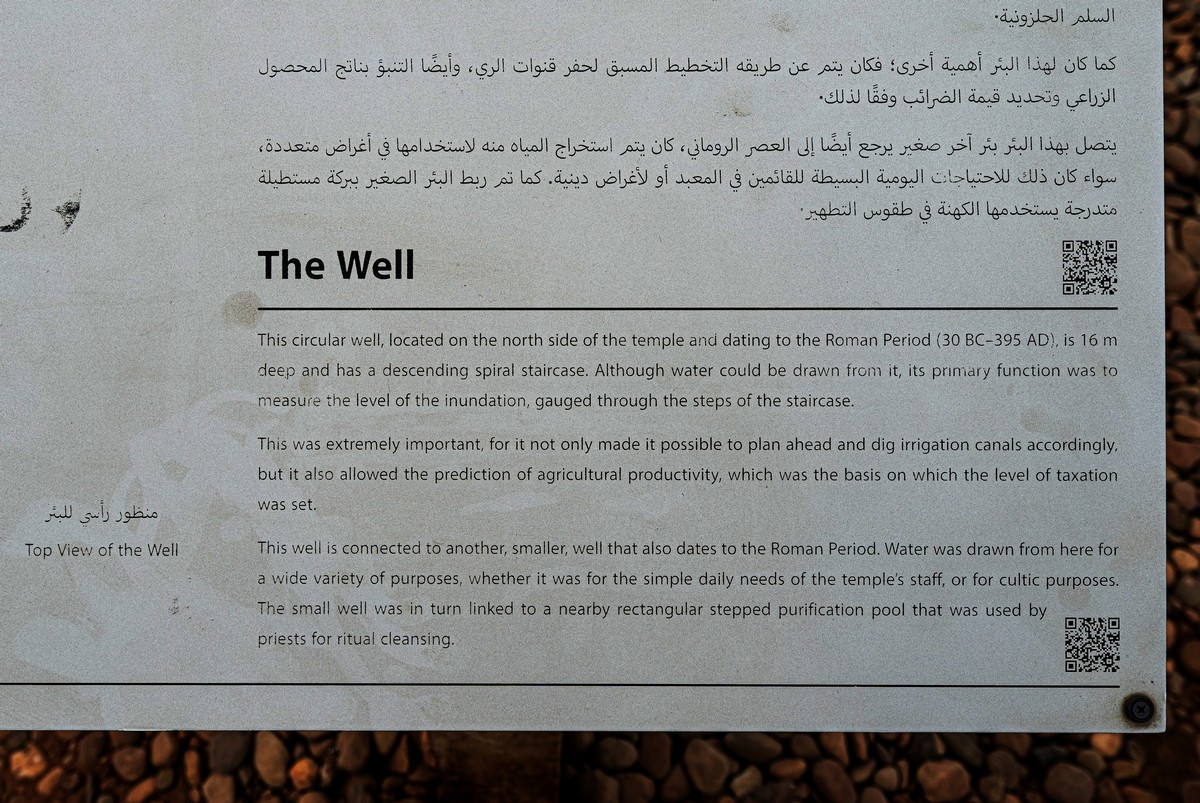
So there you have it – not just a beautiful well but something very different too: a means of extracting folks’ hard-earned income! Oh – some things never change have always been the same ).
Up top:
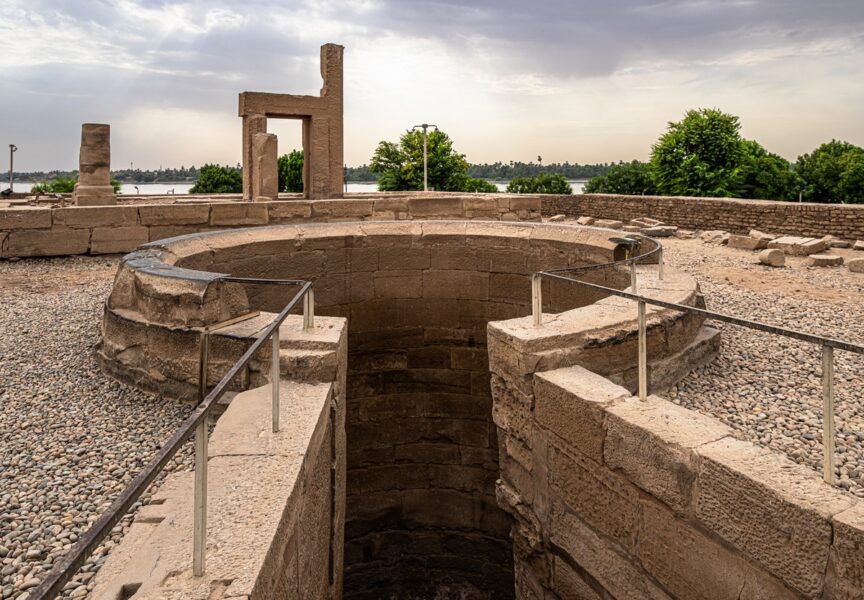
The steps going down were for collecting all kinds of critters that had swum in from the Nile. That way, they could predict the fish harvest too!
Next up…
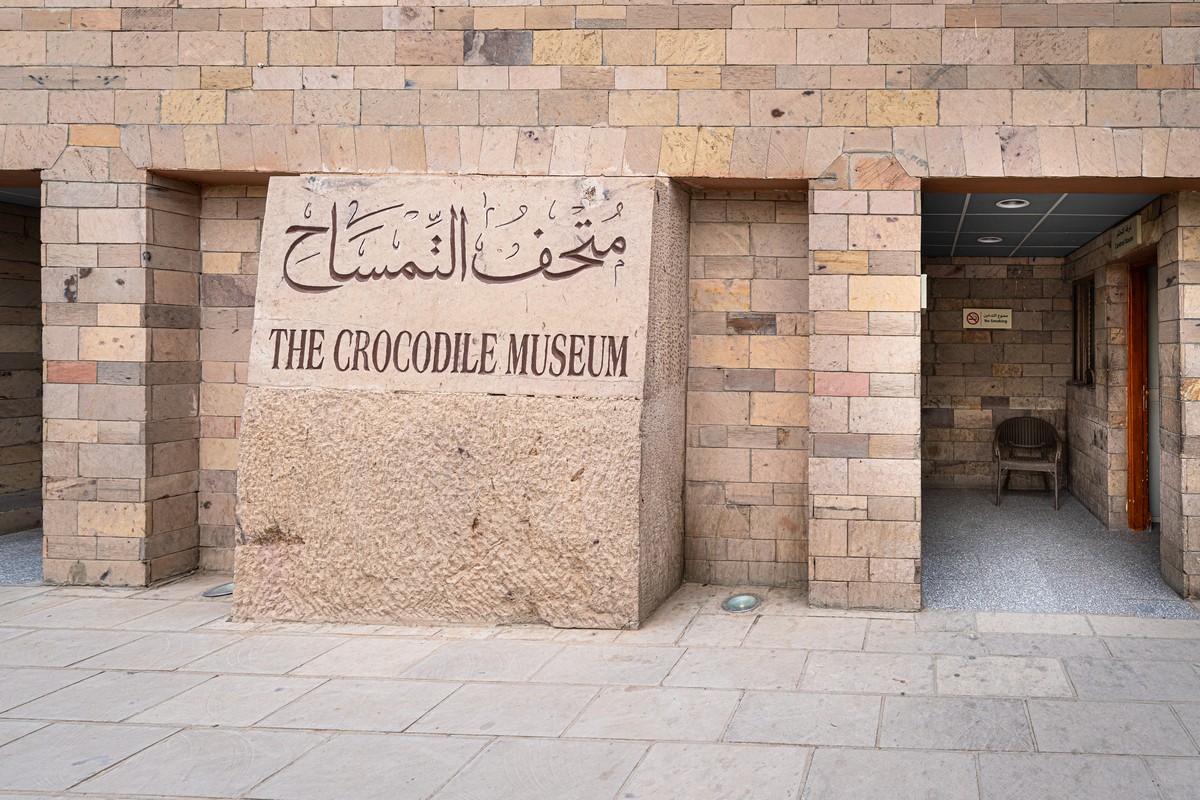
Actually, it’s not quite a museum. See, the ancient Egyptians mastered the art of embalming so well that they even mummified crocodiles! (And other domestic animals too, which I told you about a few years ago.) I think “The Crocodile Mausoleum” would be more accurate! Inside – a collection of embalmed crocs ->
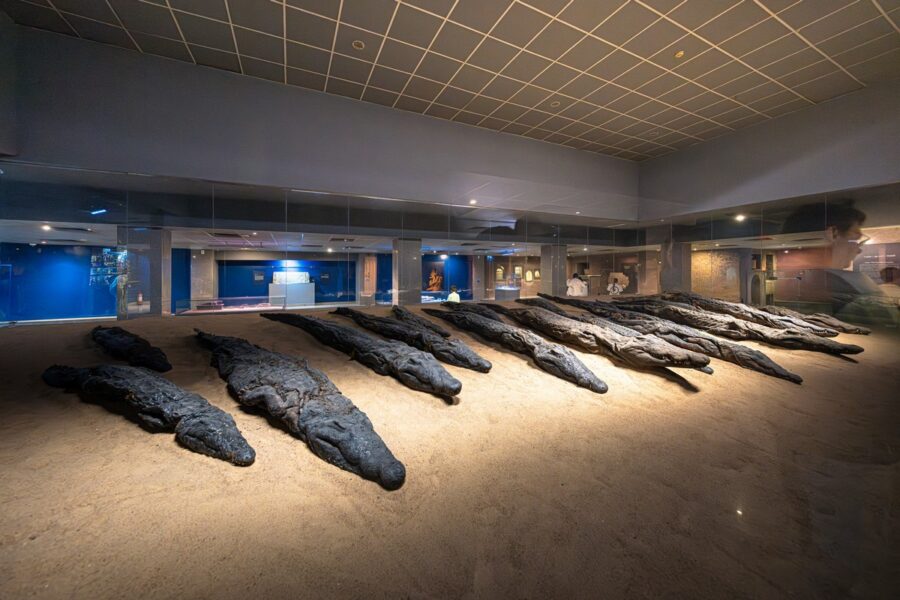
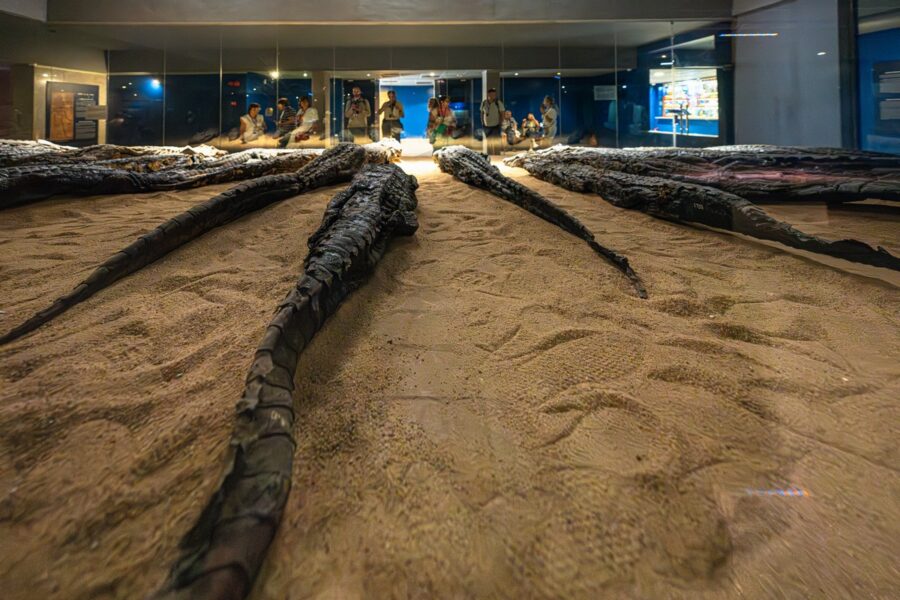
And that was that – back on board the boat barge, and on we went down the Nile.
One more thing, though! We’d strolled around the ancient Egyptian temple complex without any tourist crowds or other hustle and bustle at all. But once we’d pulled away from the bank, the first thing we passed on our way was this large boat:
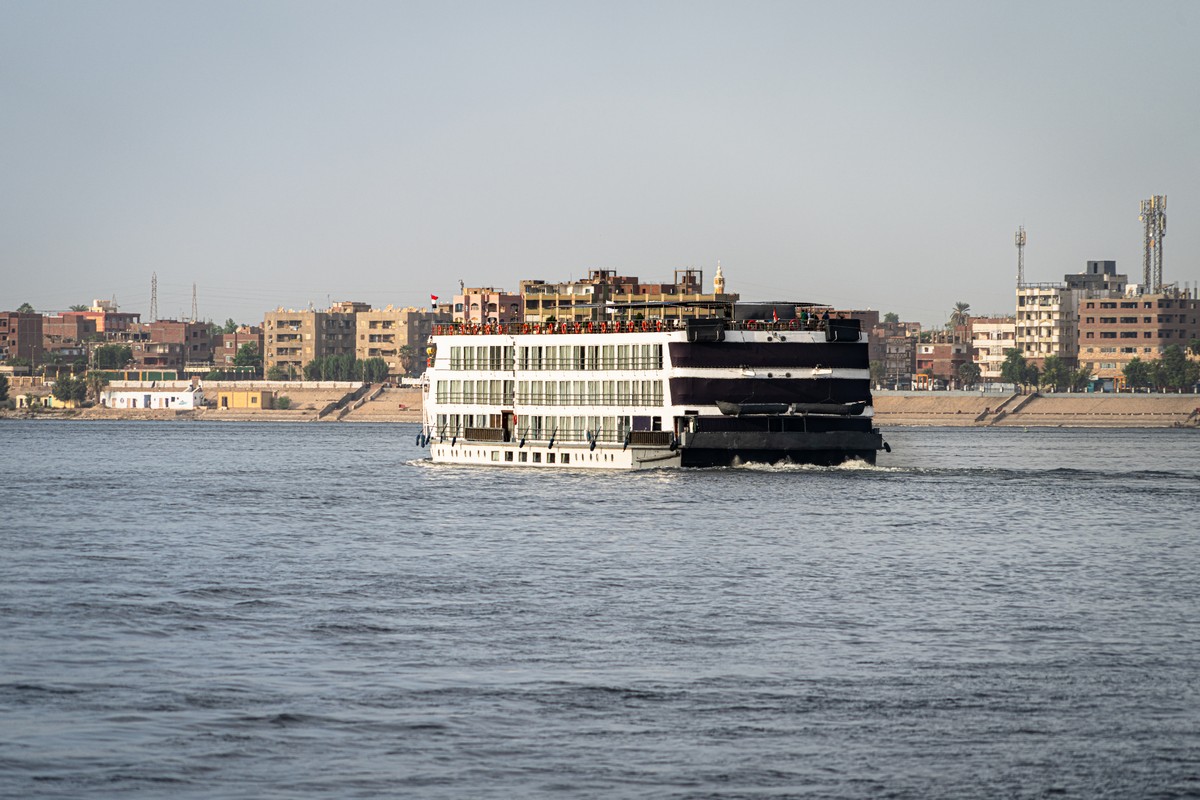
Then another, and another… The upshot: by evening (so we were told), more than 30 of these large vessels would be parked along the waterfront, each with 200–300+ tourist souls on board.
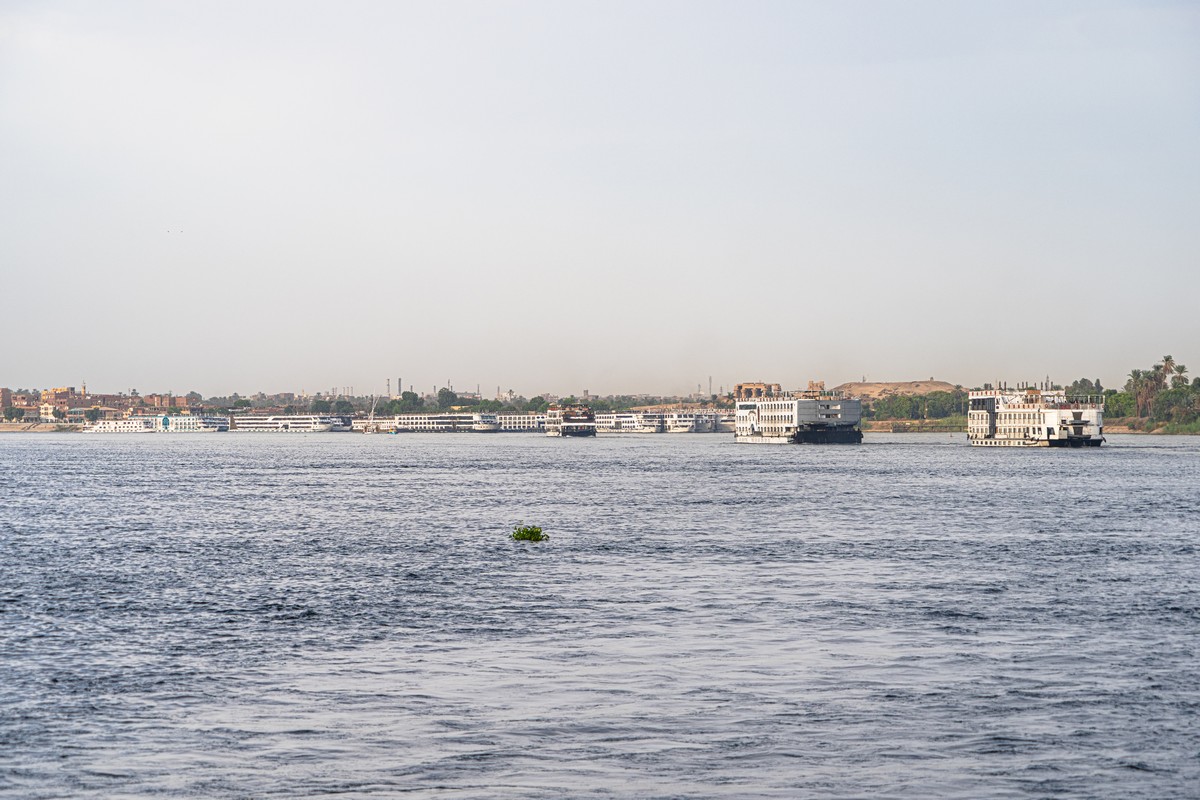
Phew: good job we missed them.

