November 3, 2026
The curiously multicultural, checkered history of Egypt’s Philae temple complex.
An absolute must-see for tourists near the Aswan Dam is the Philae temple complex. Its origins are truly ancient, but it’s been ruined and rebuilt many times over – so in the end it’s not so much genuinely Egyptian as something remade “Egyptian-style” later on, in the Greco-Roman eras. And then other cultures/religions came along and trampled all over the place too: as our guide told us, “religious barbarians/fanatics” destroyed the images of the “wrong gods”. Yes, I can believe it. How else to explain all this obviously deliberate damage to the ancient stone frescoes and sculptures?
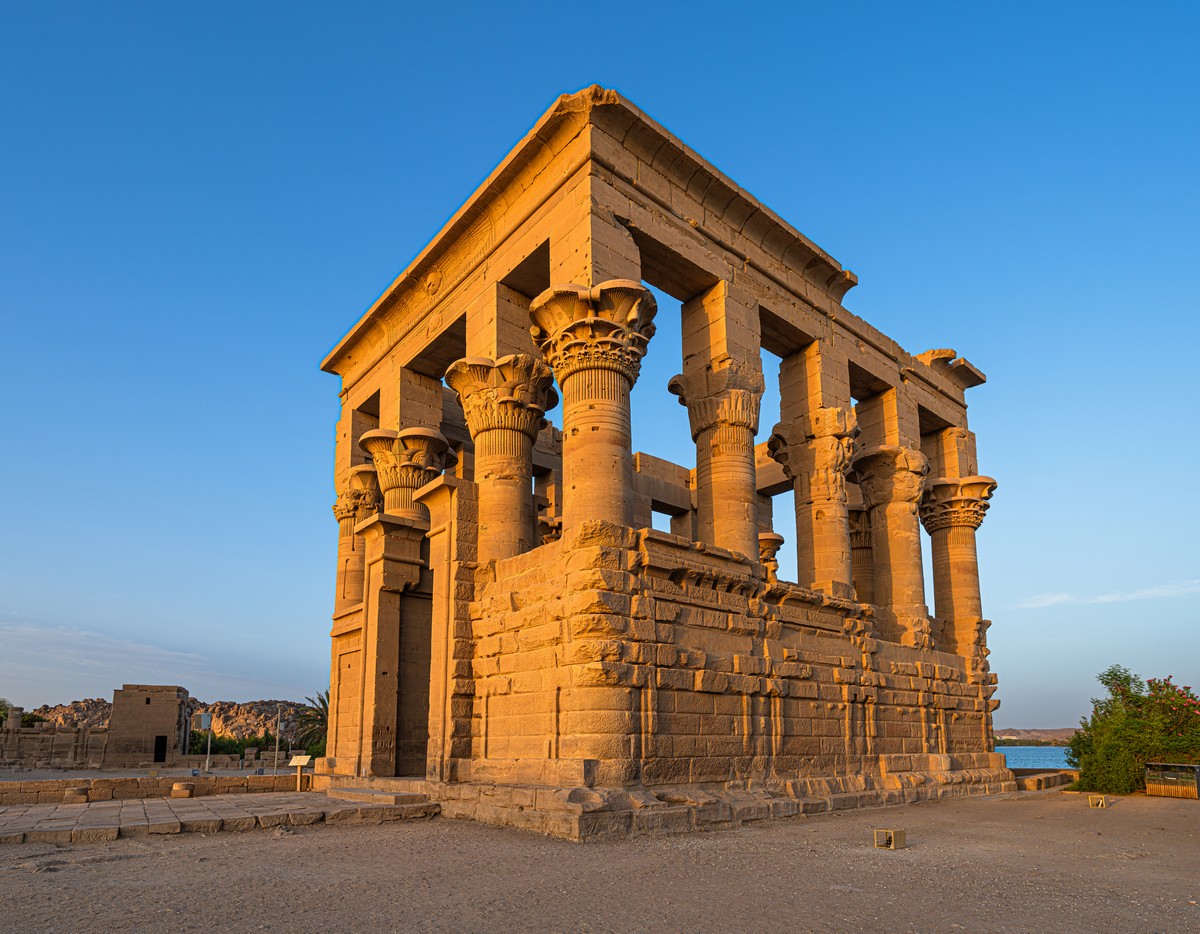
Some of the artifacts just lie about, while some of the structures are clearly being put back together by archaeologists:
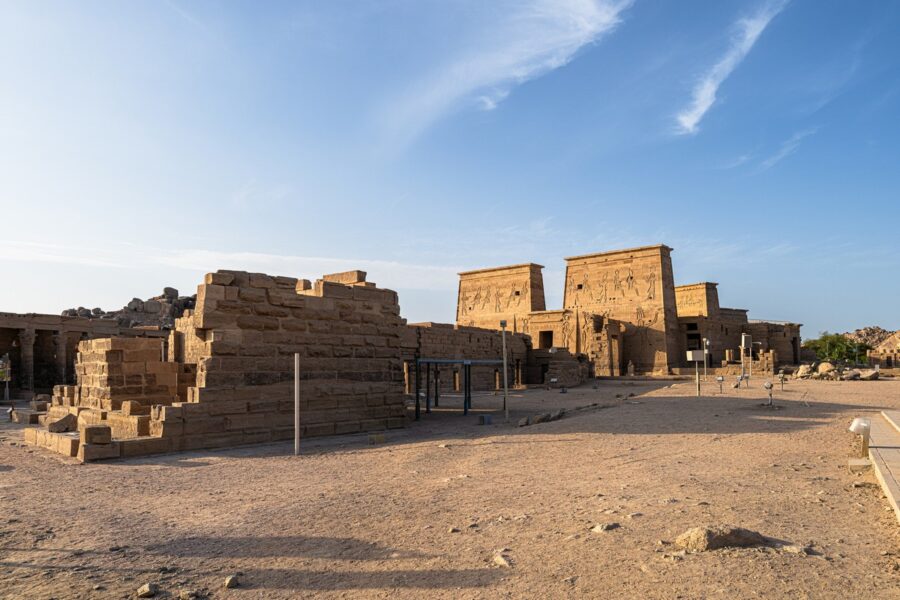
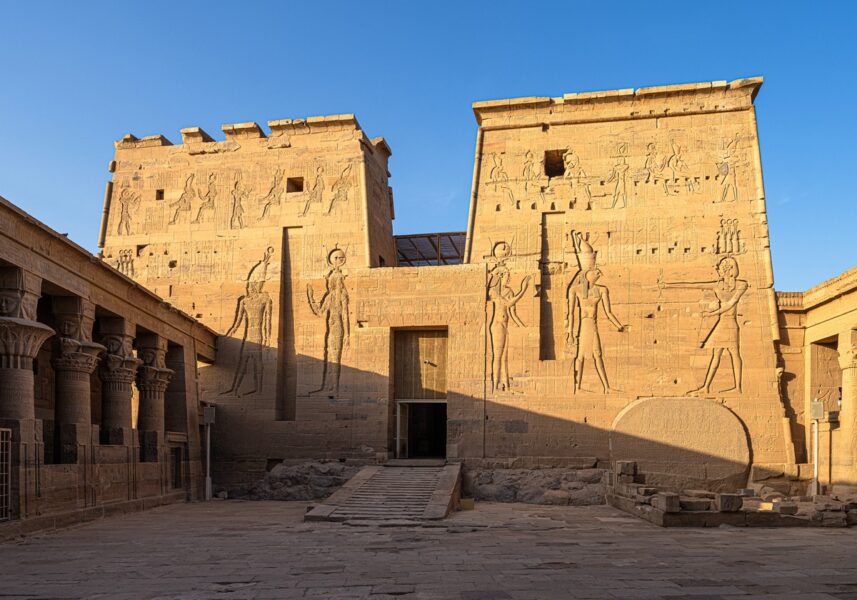
Here the damage to the ancient Egyptian bas-reliefs is very noticeable:
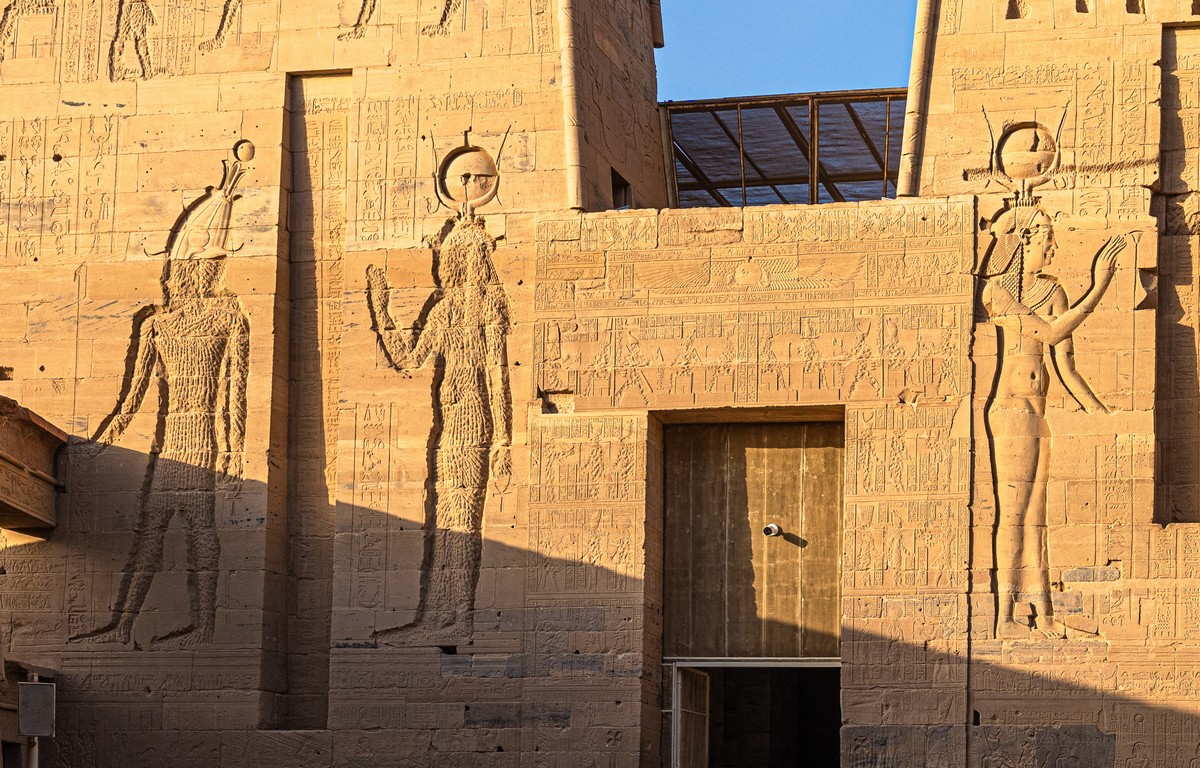
They wanted to destroy everything, but just didn’t have the wherewithal… // Alas, in Afghanistan, the Taliban managed it.
By the way, our guide was perfectly frank on this subject, telling us the following: Christian fanatics wrecked only the exteriors of buildings, leaving the interiors of the temples and other structures intact. If early – and highly intolerant – Muslims had reached the place, there’d have been nothing left whatsoever for today’s historians and archaeologists.
We approached the entrance to the vaults of yet another ancient Egyptian something-or-other:
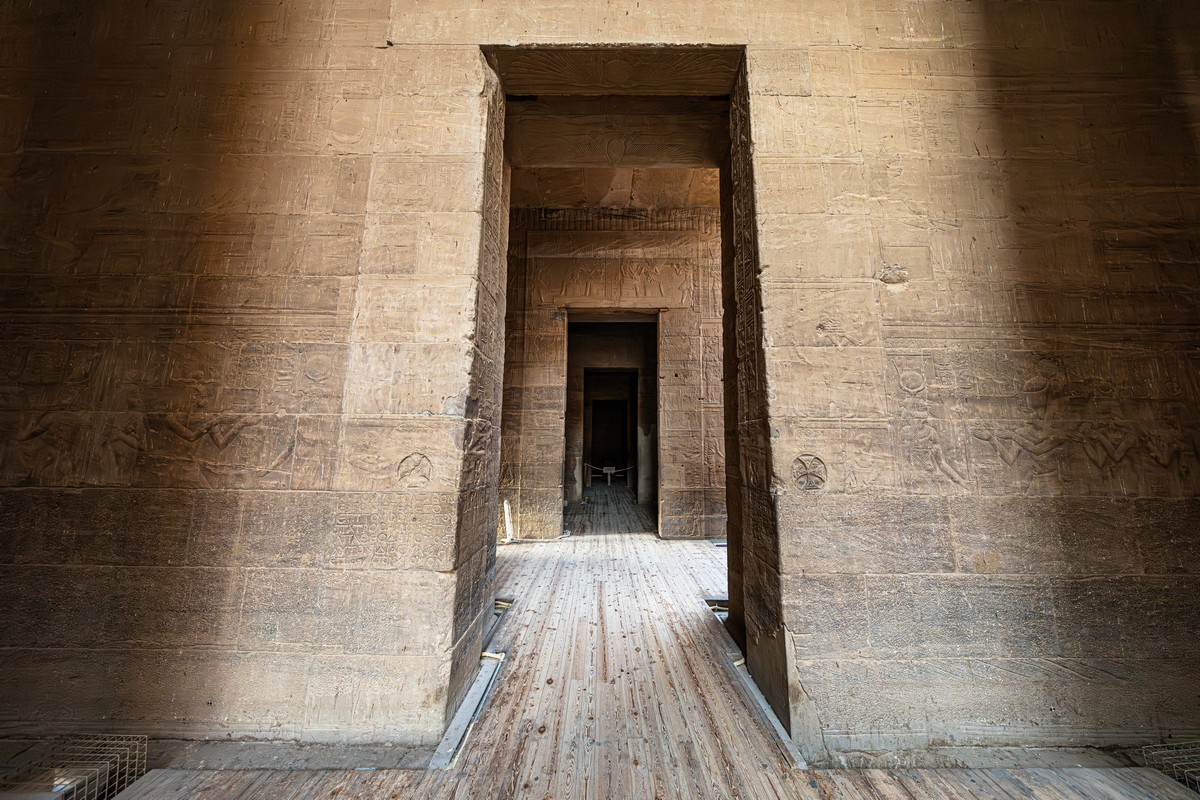
Look closely and you’ll see that Christian “zealots” left their cross symbols there:
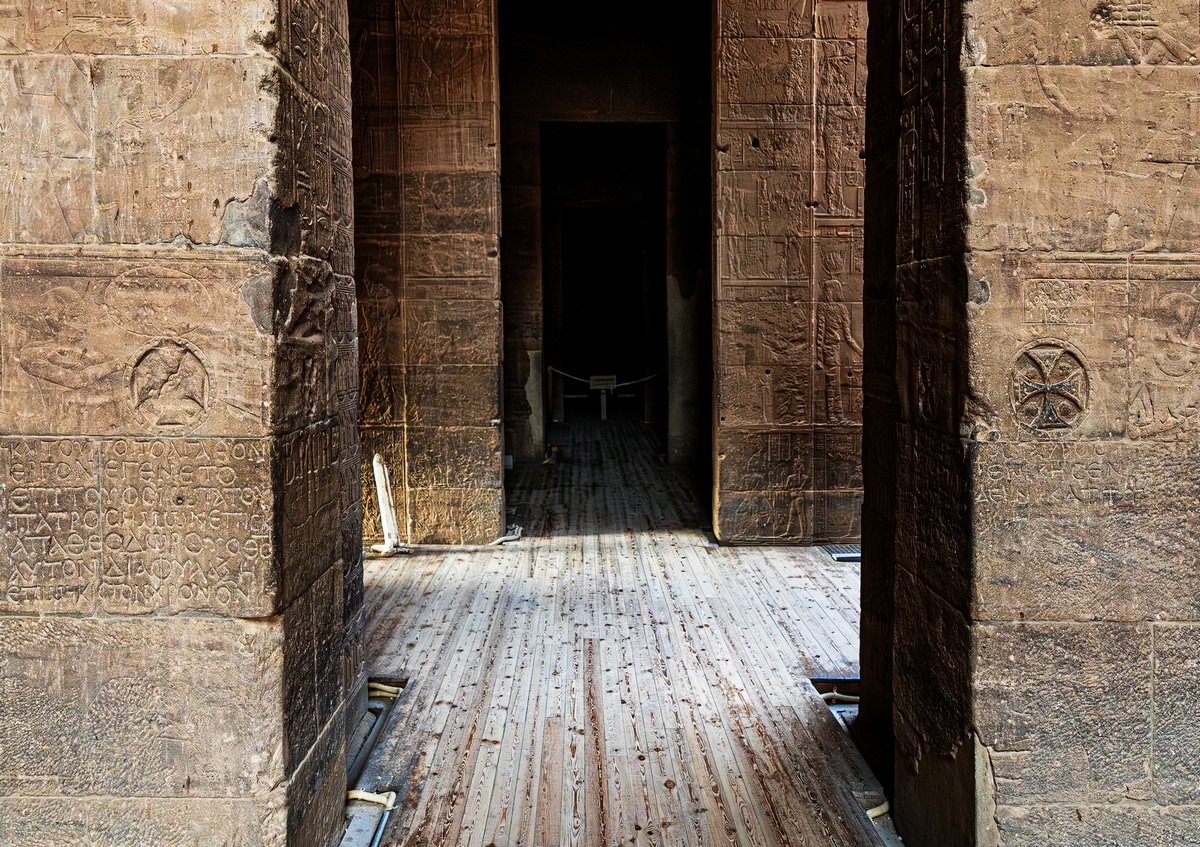
Such is life, brothers and sisters… Good thing they didn’t scratch up, destroy, and defile everything; at least something’s left of the ancient eras and cultures.
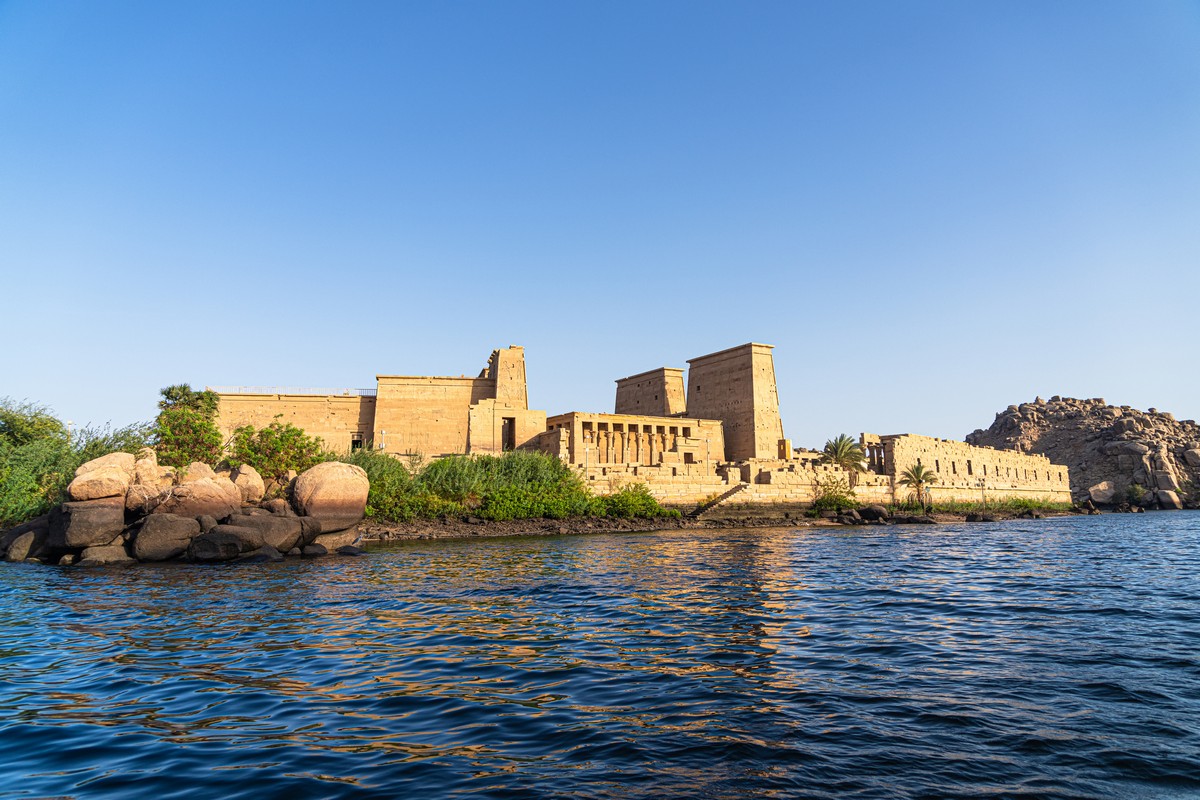
The history of this temple complex is… complex. It was originally built on one of the small islands on the Nile not far from Aswan. However, the river became dammed – first (at the very end of the 19th century) by the British with their Old Aswan Dam, and then in the 1960s by the Soviets with their grander Aswan High Dam. As a result, the island ended up underwater. But the Egyptian authorities kept their cool, and simply moved the old temple to another island closer to the city. And since it’s on an island, you need to take a short boat trip to get there…
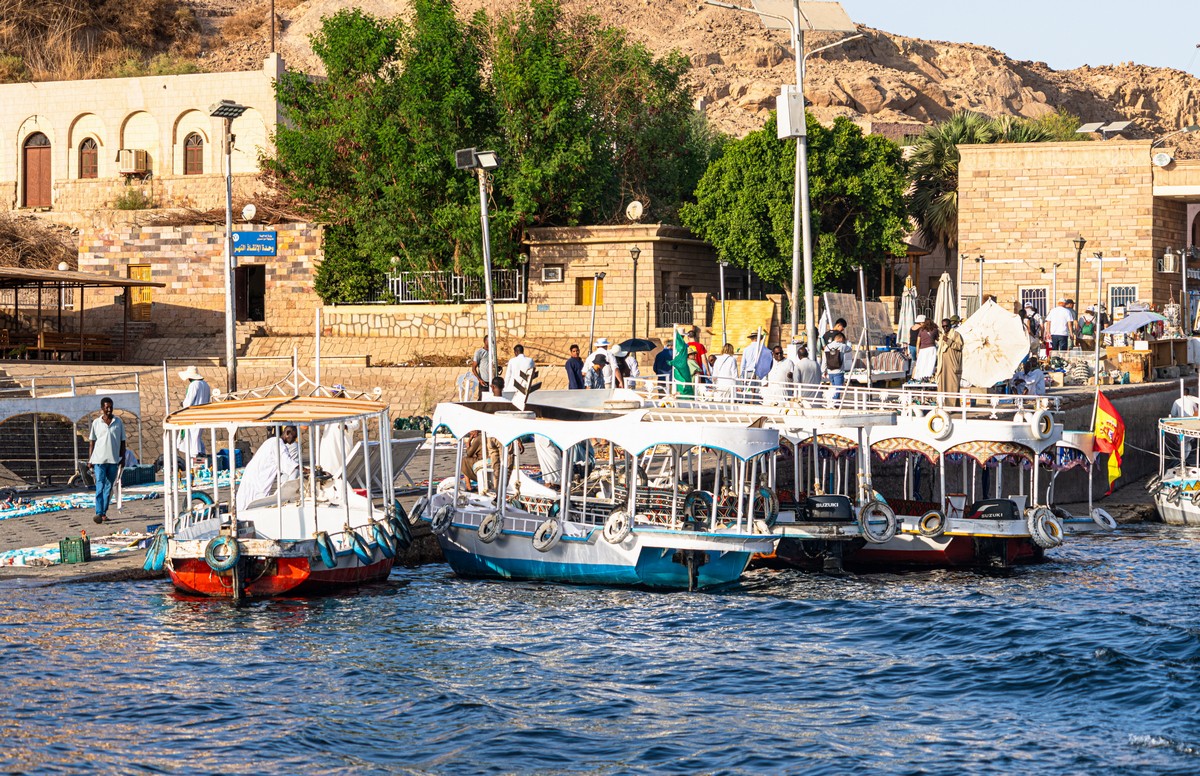
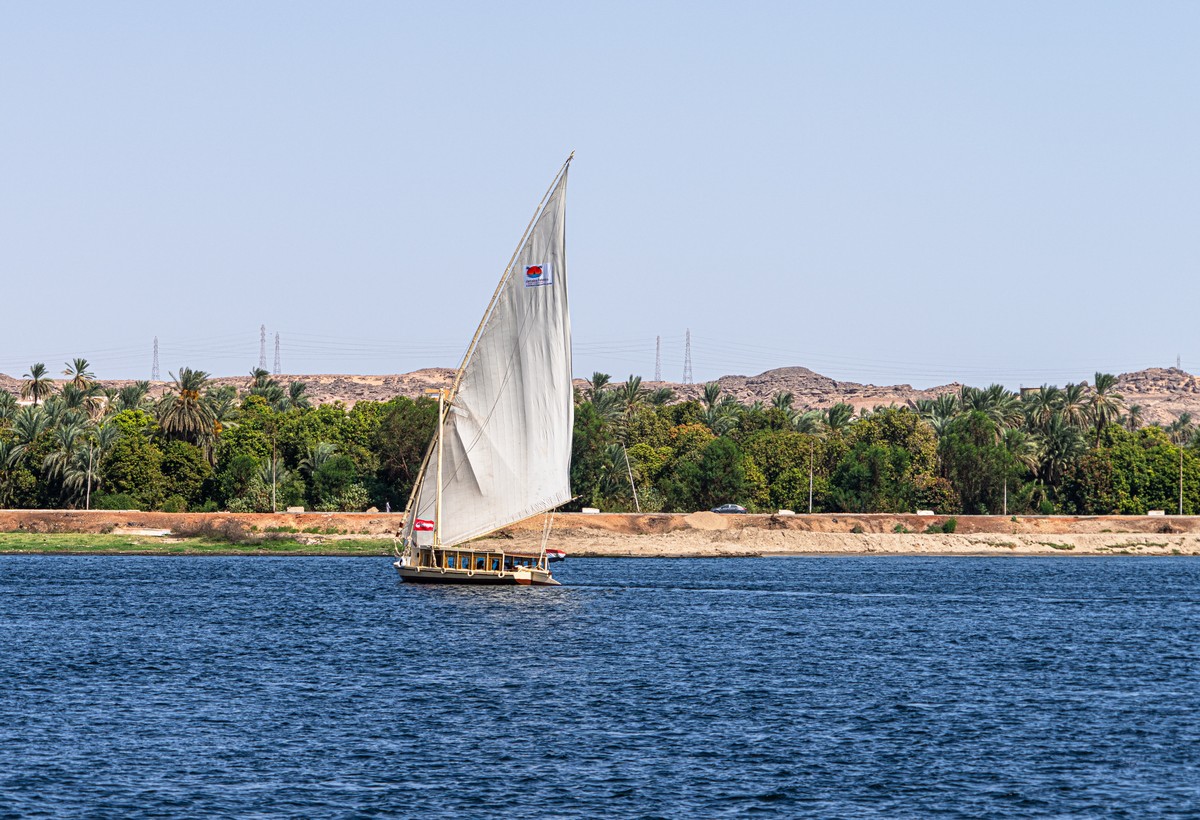
Rather comfortable boats, and pretty authentic views:
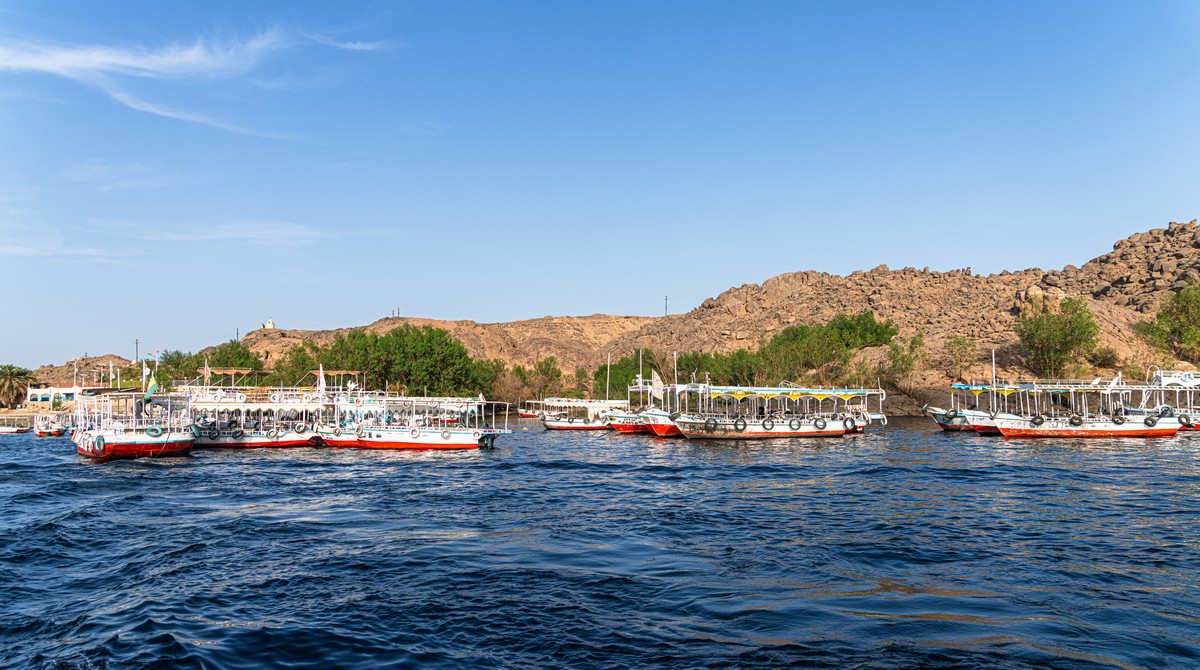
The scenery is somewhat reminiscent of Santorini in Greece, albeit on a much smaller scale:
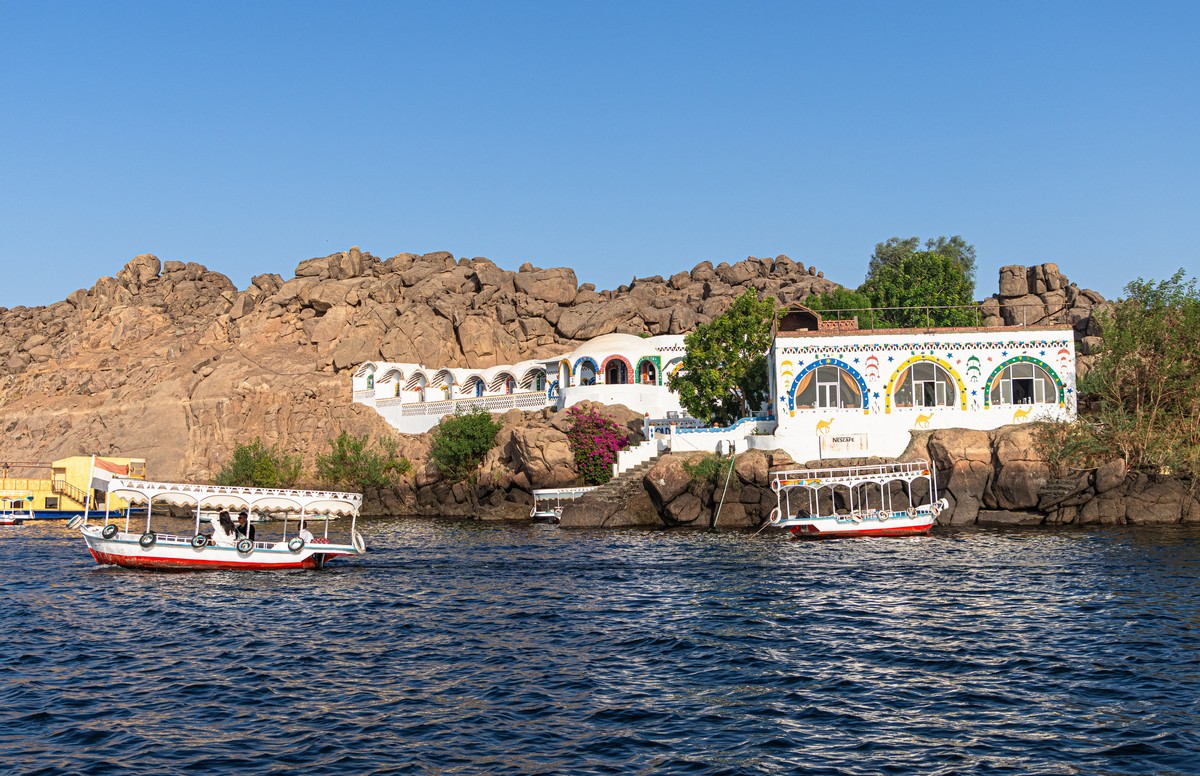
The rock here is obviously granite – it’d be hard to mistake it for anything else:
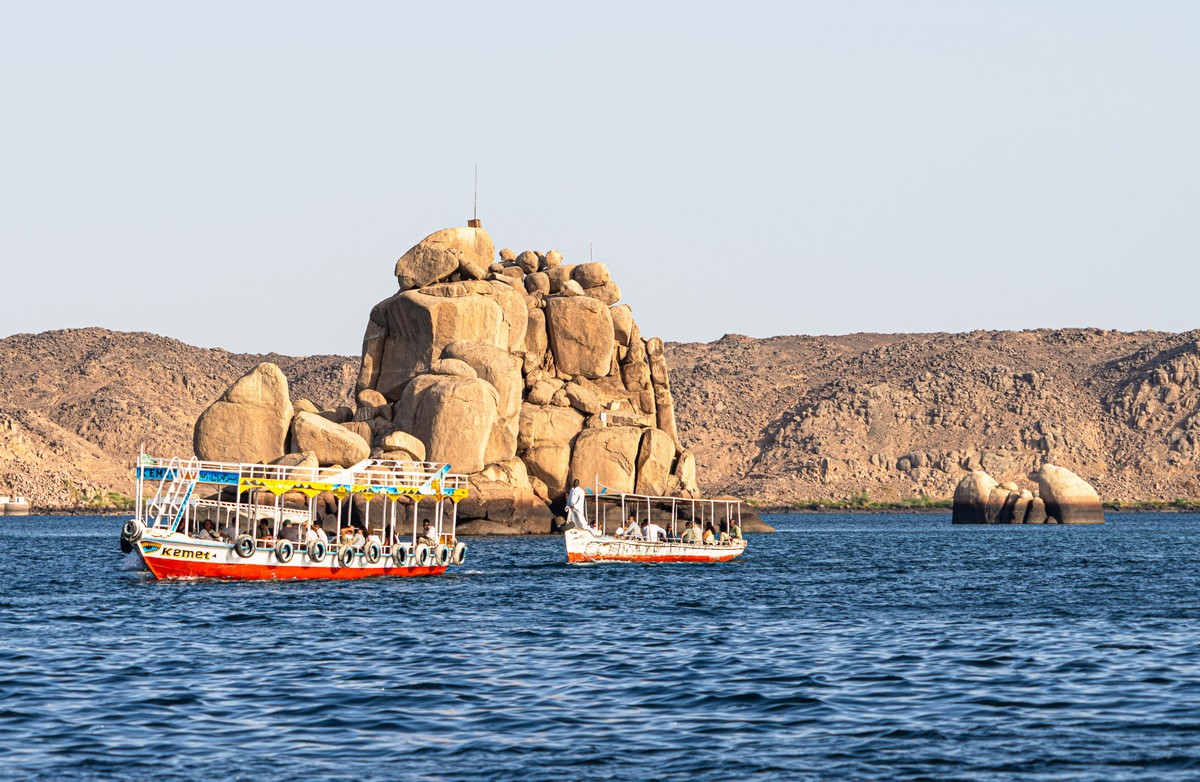
That’s why this is where the granite was brought from to carve ancient sculptures and construct installations like the pyramids of Giza:
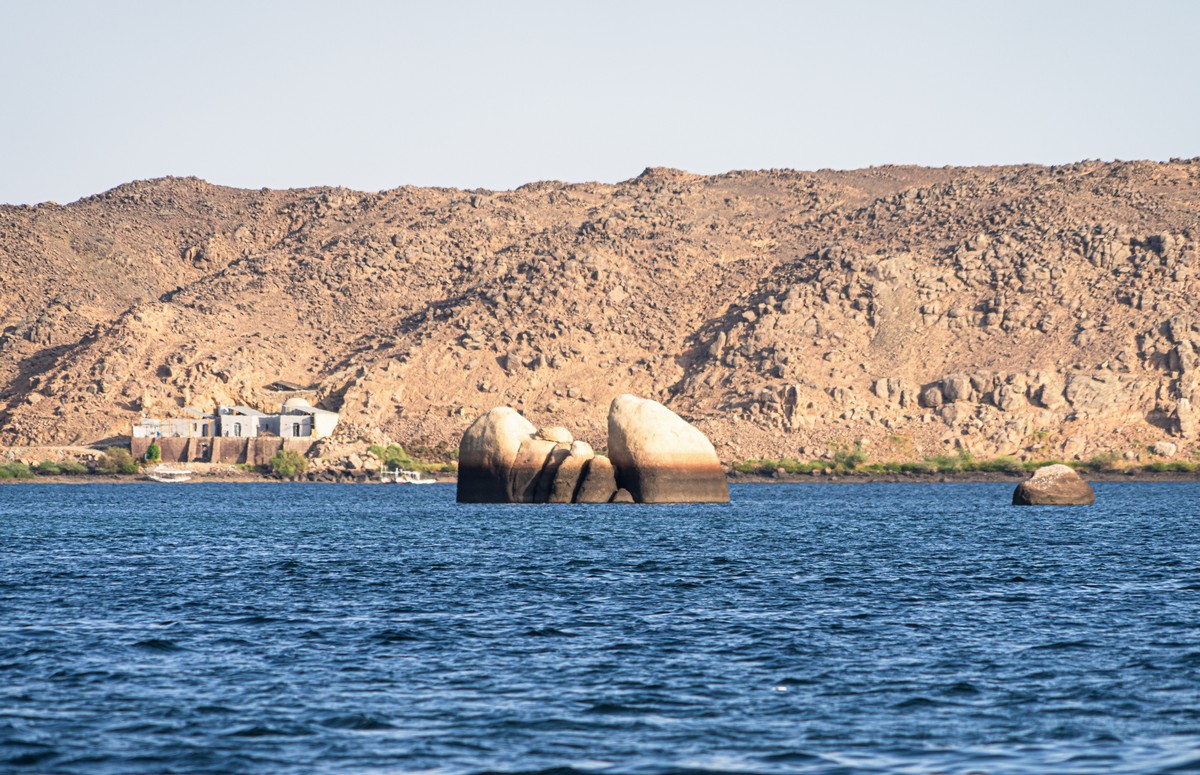
Meanwhile, a heron had found a good spot for some fishing (just a little vignette on the way to the island) ->

We arrive. Sightseeing is served!…
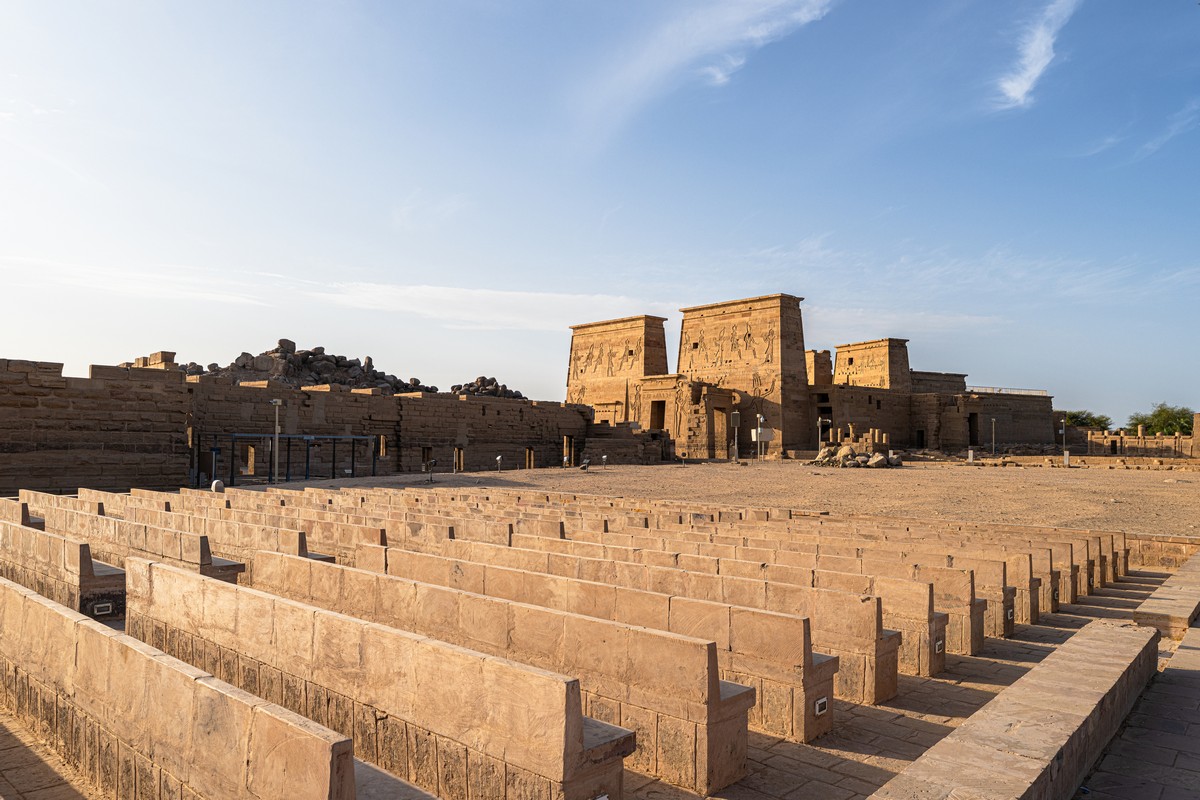
Interestingly, there were rows of seats in front of the temple. Evidently, a little later, after dark, they’d be putting on some sort of ancient Egyptian show (I’d come across this before – in Luxor, back in the not-so-distant year of 2022).
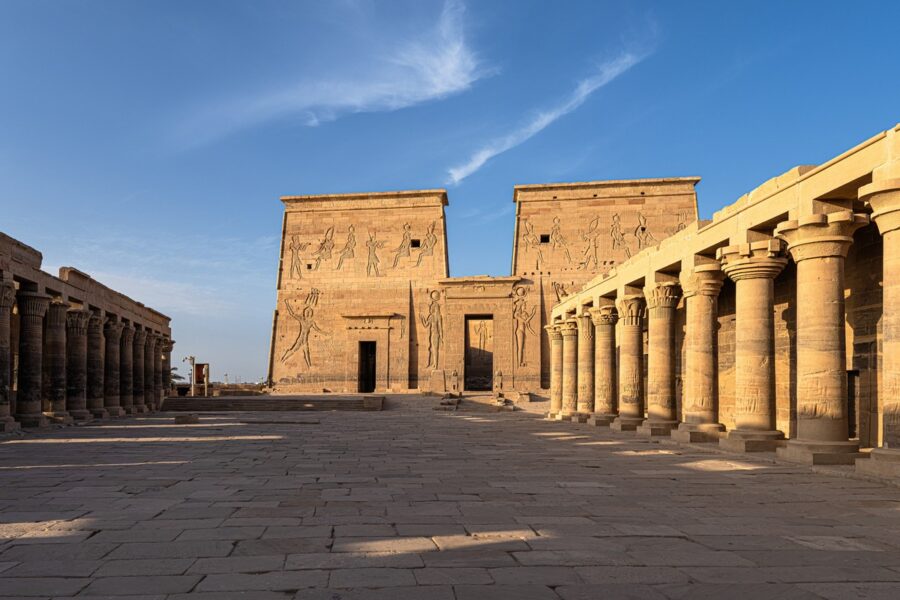
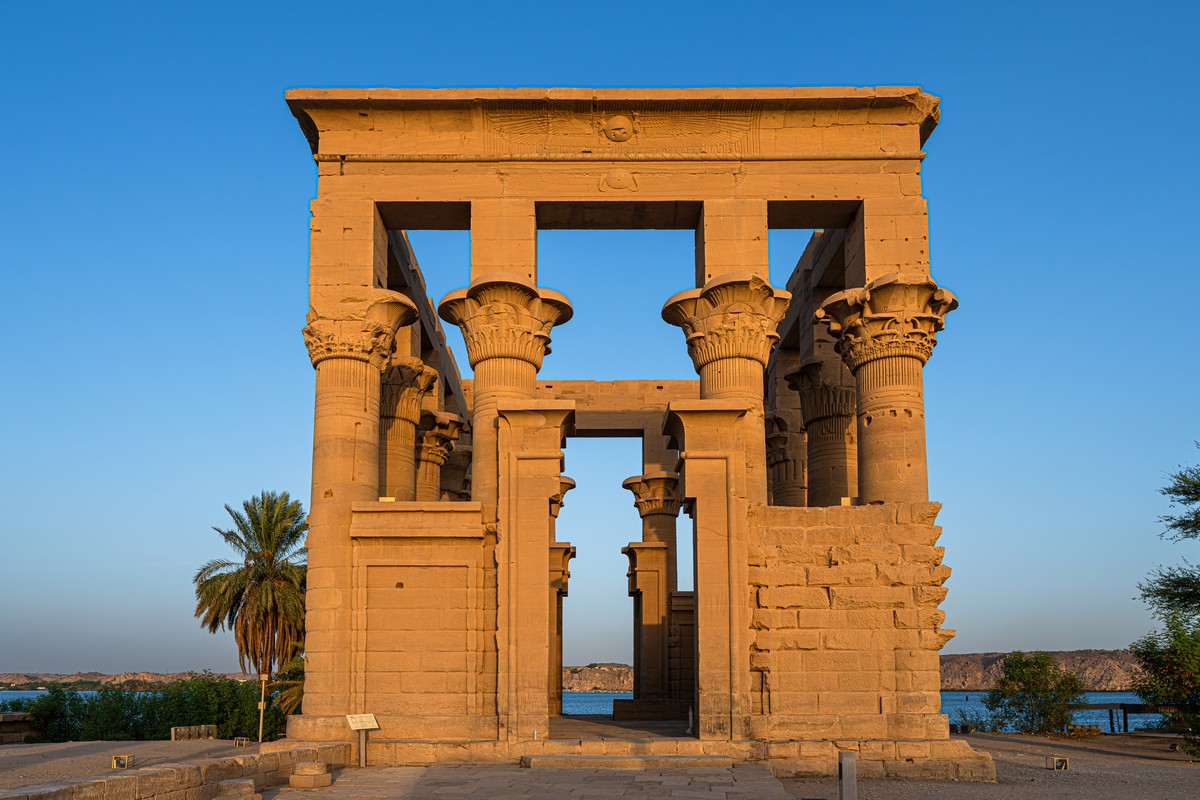
And here’s the temple itself – a pretty impressive sight.
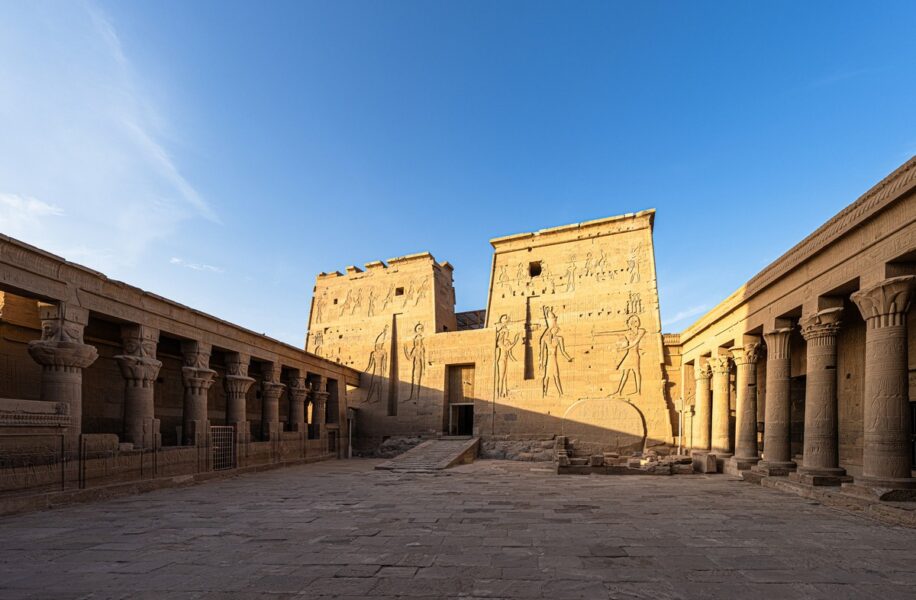
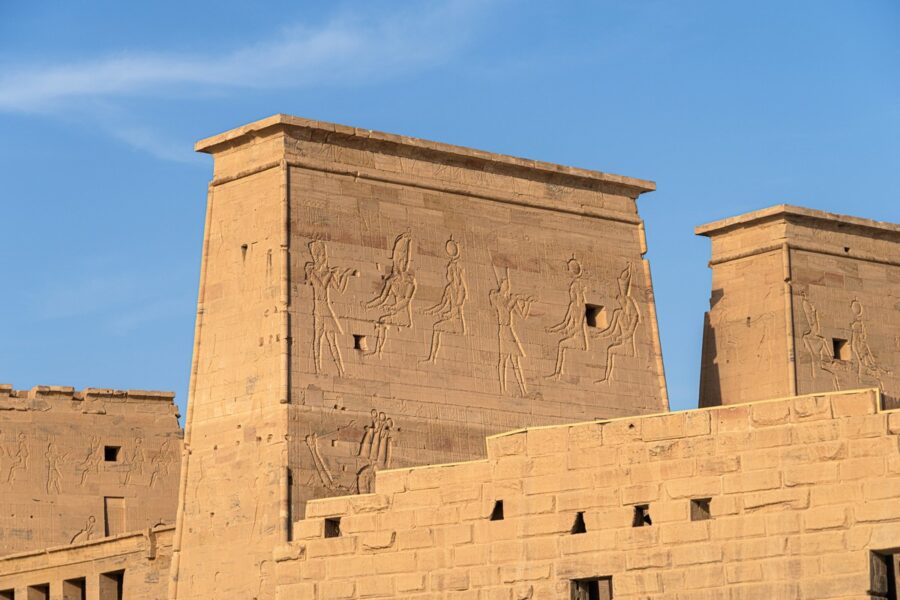
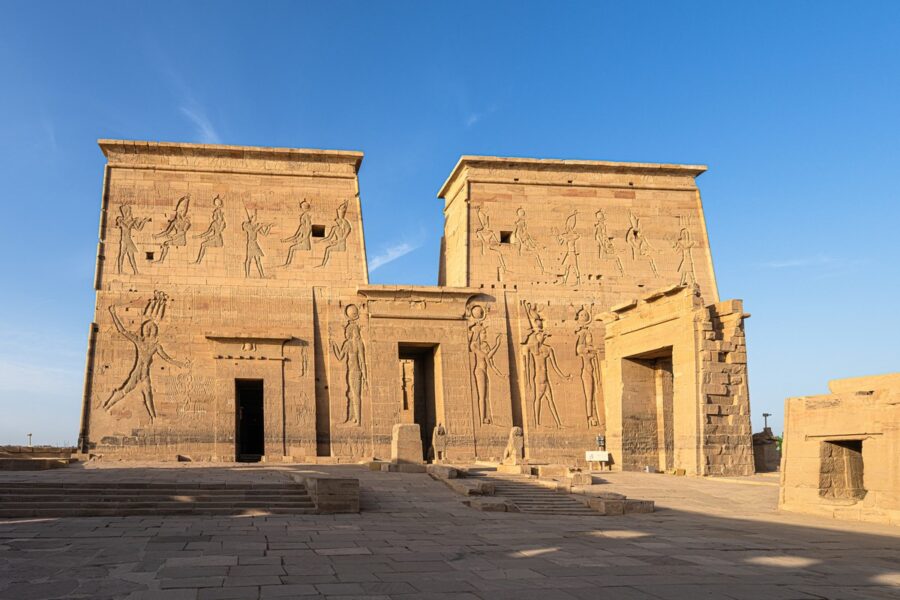
As we were told, there used to be even older structures on the site of the temple (or, rather, on its original site – before the buildings were moved from the old, flooded island to the new one). In the Hellenistic period of Egypt‘s history, a new phase of construction began, aimed at winning over the local population – after all, if the new powers-that-be respect your old gods, everything’s fine! Go forth, toil, and multiply! And so the new rulers started building/restoring the old Egyptian temples – making sure to leave the traditional religious symbols on them. However, the construction style was a little different – and so were the finishing techniques.
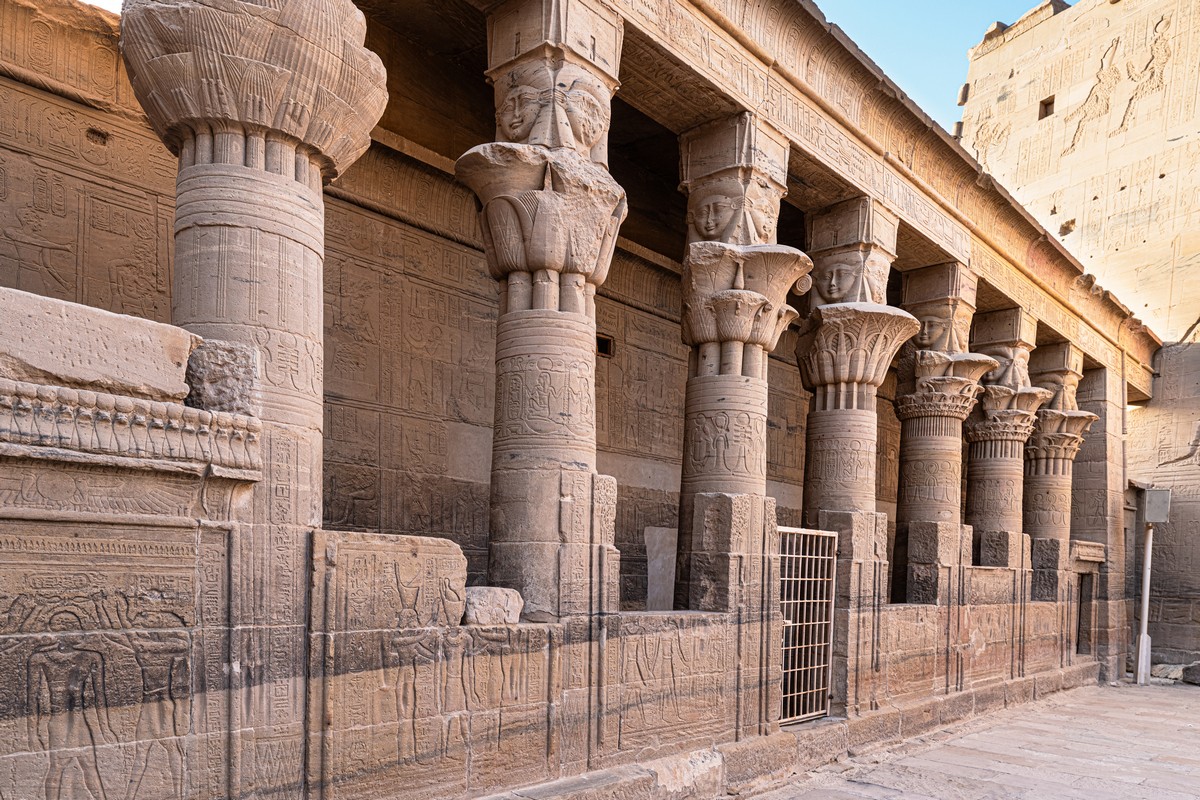
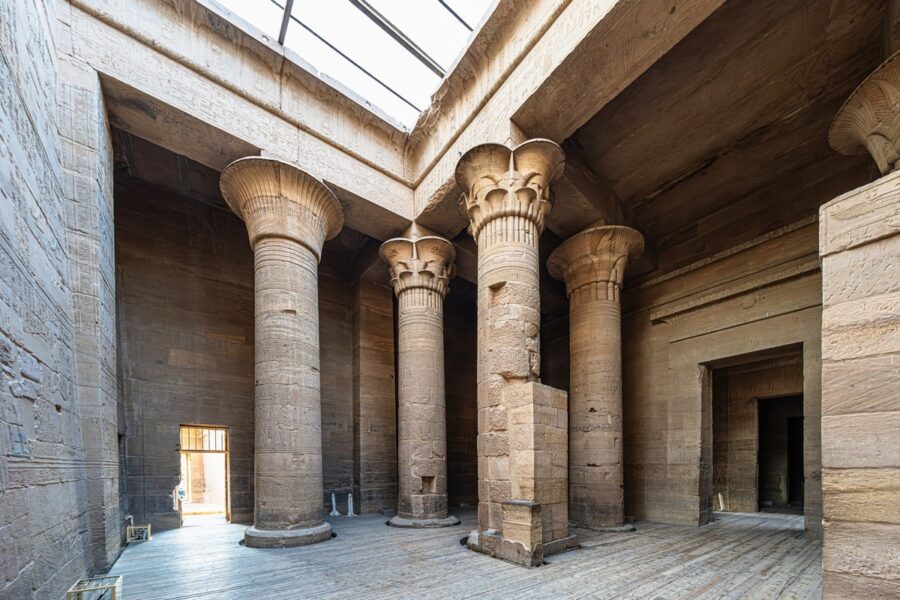
For example, the ancient Egyptians built their columns from single blocks, which sometimes weren’t quite perfect, while the ancient Greeks put up their columned halls out of “pancakes” – the upside being that the curves of the columns came out geometrically precise. On top of that, both the Egyptians and the ancient Greeks created their wall images in relief (“3D images”, as our guide joked). But the Egyptians’ pictures are “innies” concave – they chiseled them out like sculptures – whereas with the Greeks, the same scenes are convex: they cut away everything superfluous, leaving the 3D image on the surface.
Am I explaining what we were told there clearly enough?
Let’s try it this way. Here’s a photo where the images are carved into the stone – that’s Egyptian work (even though the column is made of stacked “pancakes”, meaning it already dates from Greek times) ==>
While here, the depictions have been ground from the main block and “stick out” of it; and this is the Greek technique, if I’ve remembered it all correctly and our guide wasn’t telling us too many tall tales (he seemed to be prone to that):
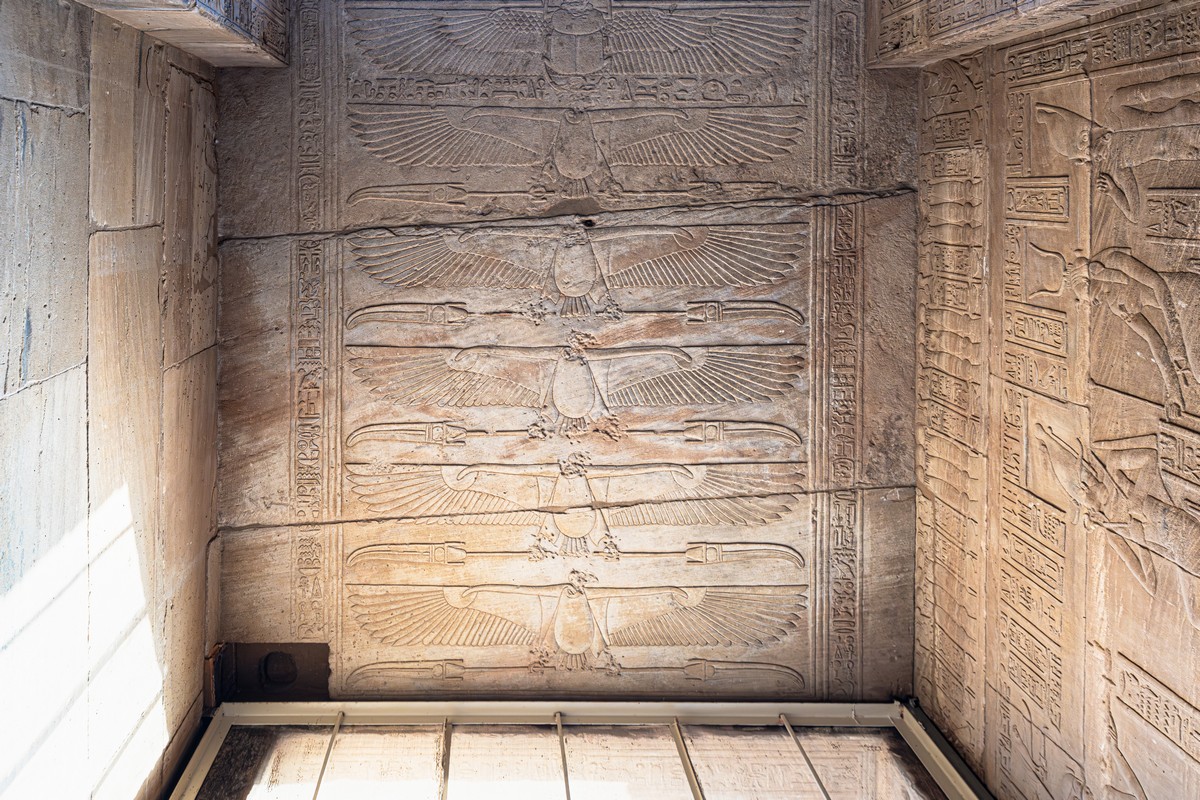
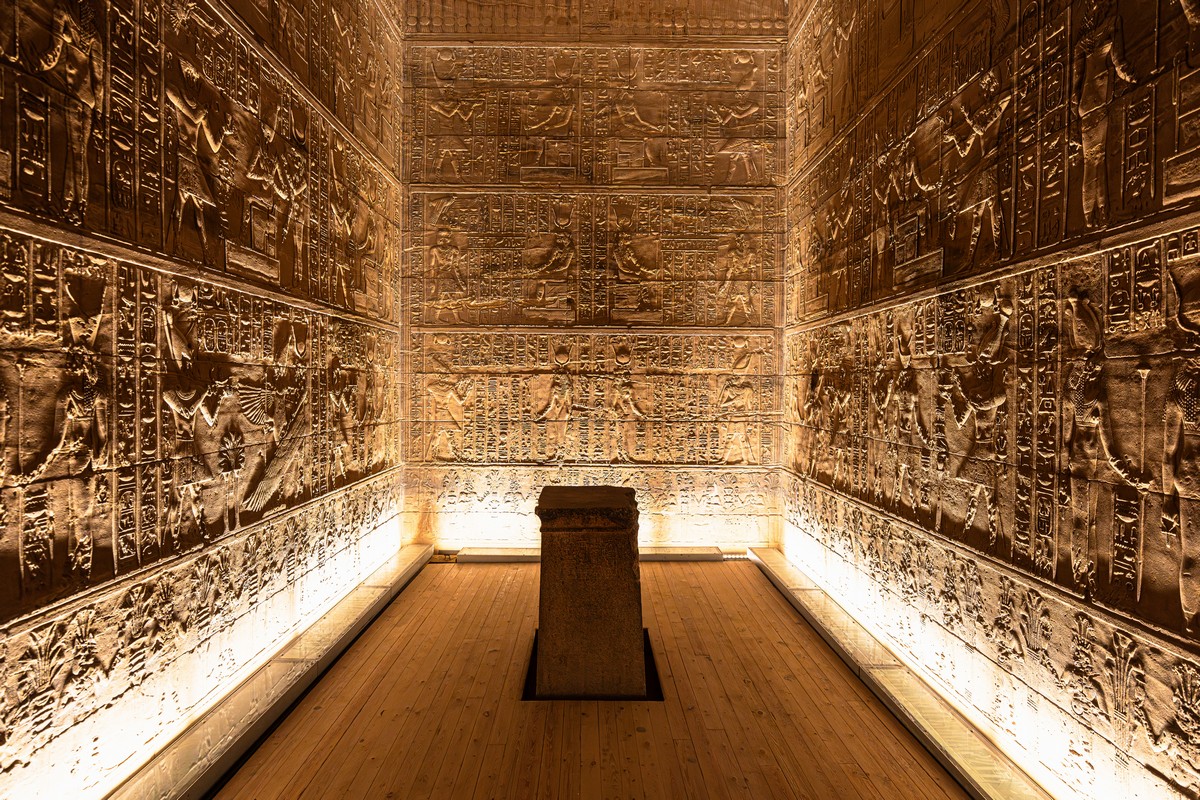
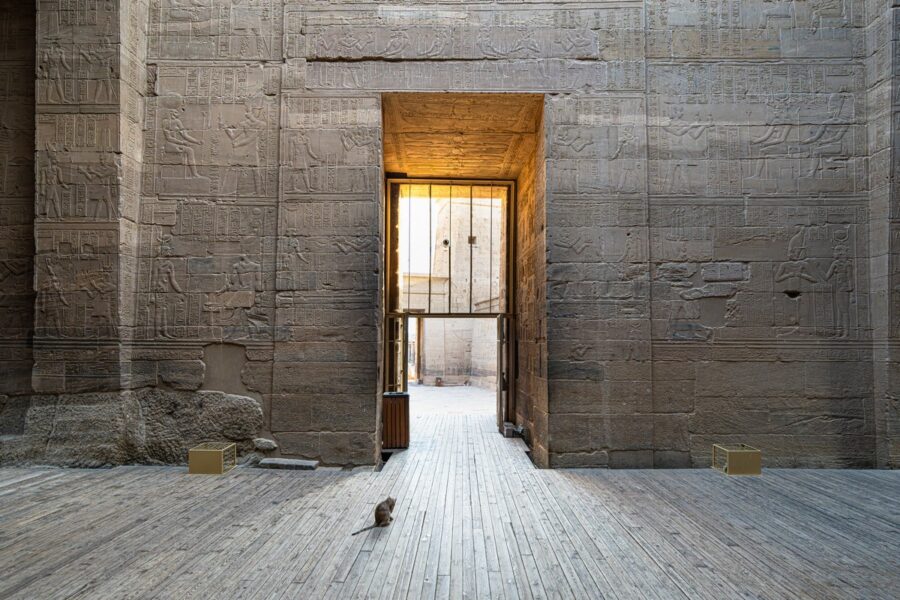
Let’s take a walk through the topology of this structure’s labyrinths:
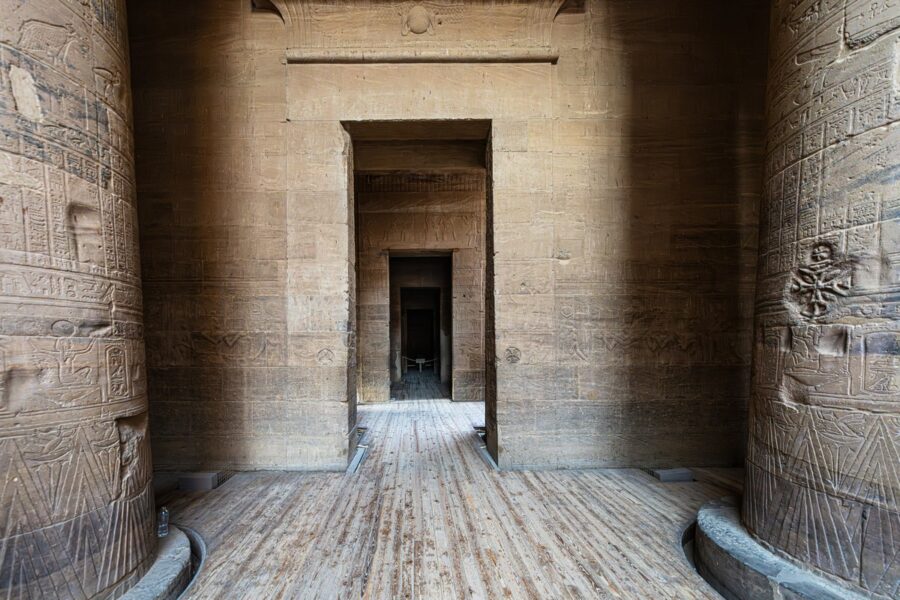
And once again, traces left by other cultures and religions: Christian crosses:
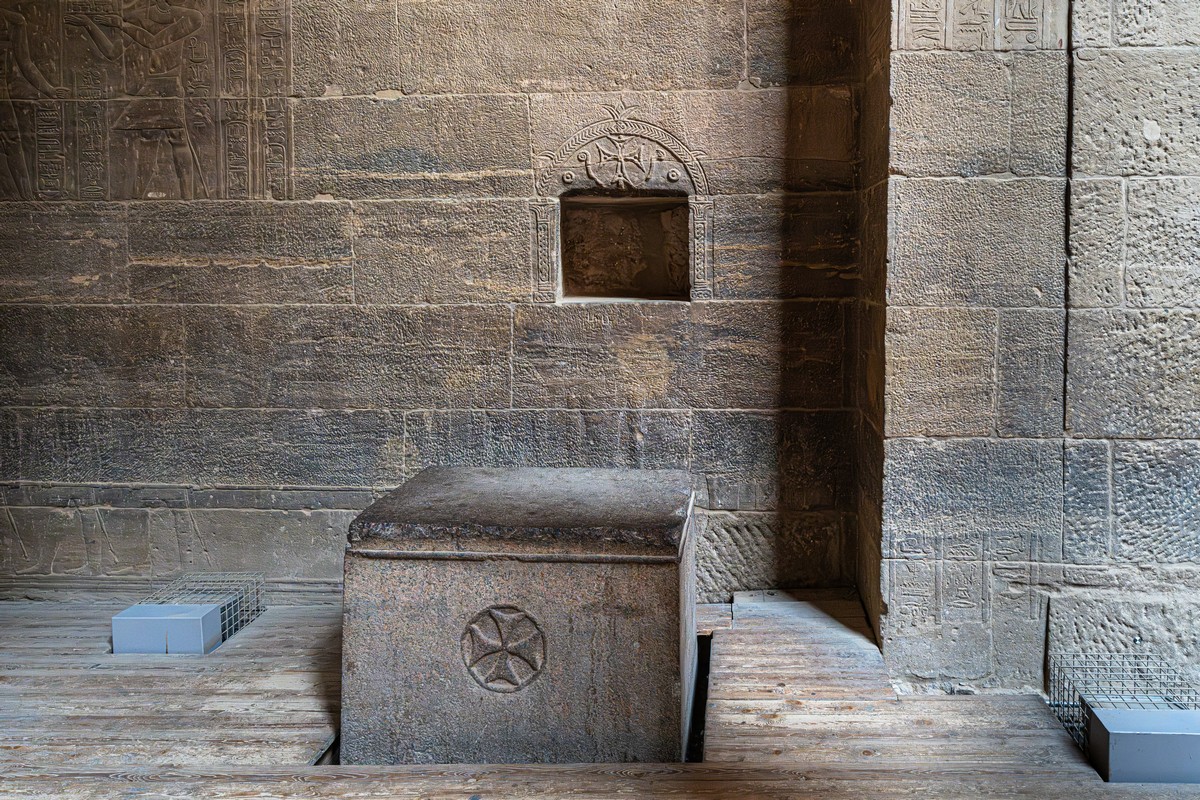
On we went – corridors, turns, rooms…
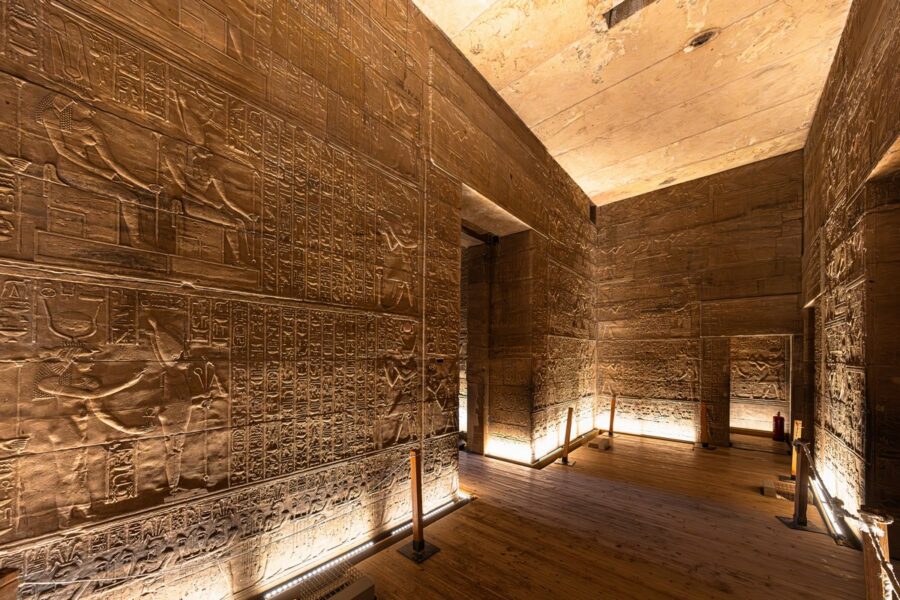
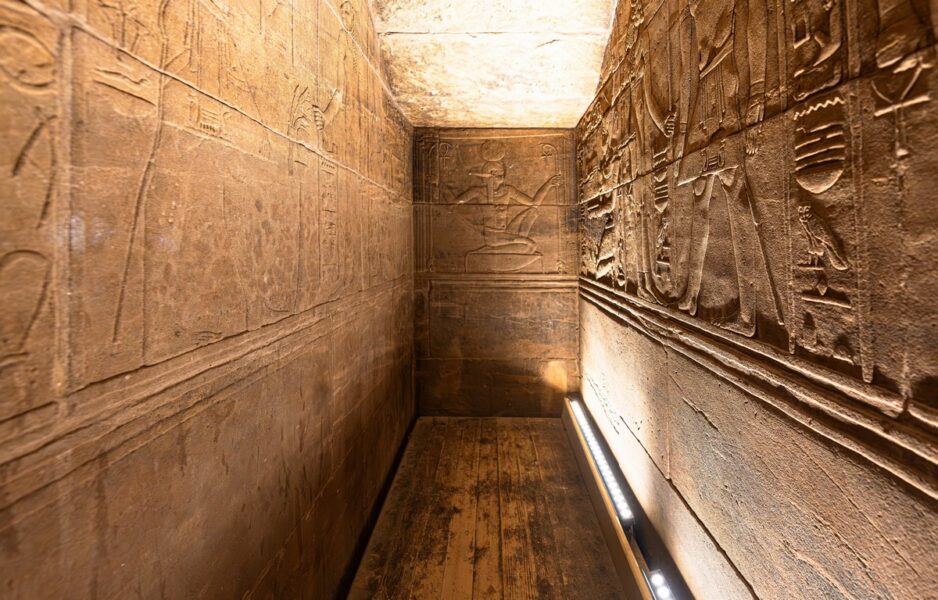
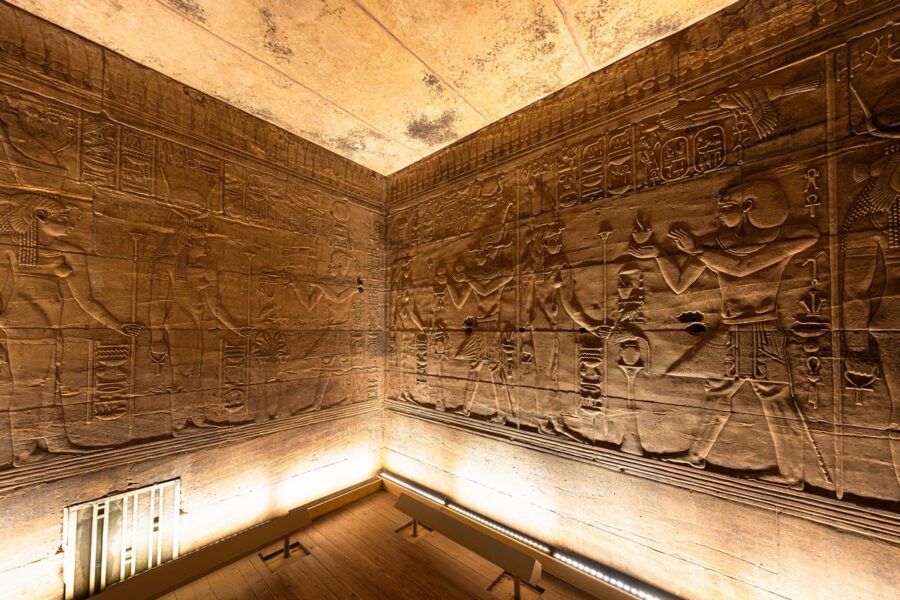
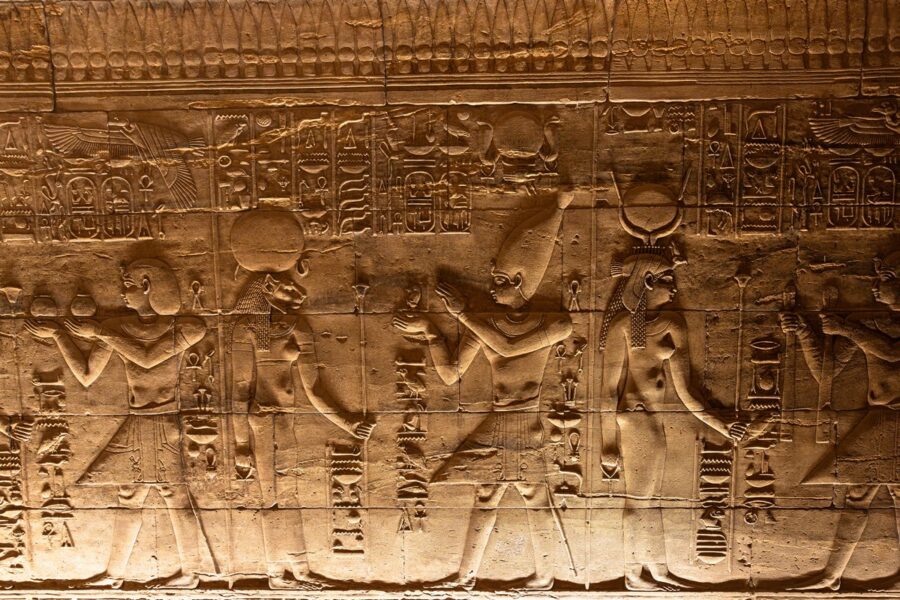
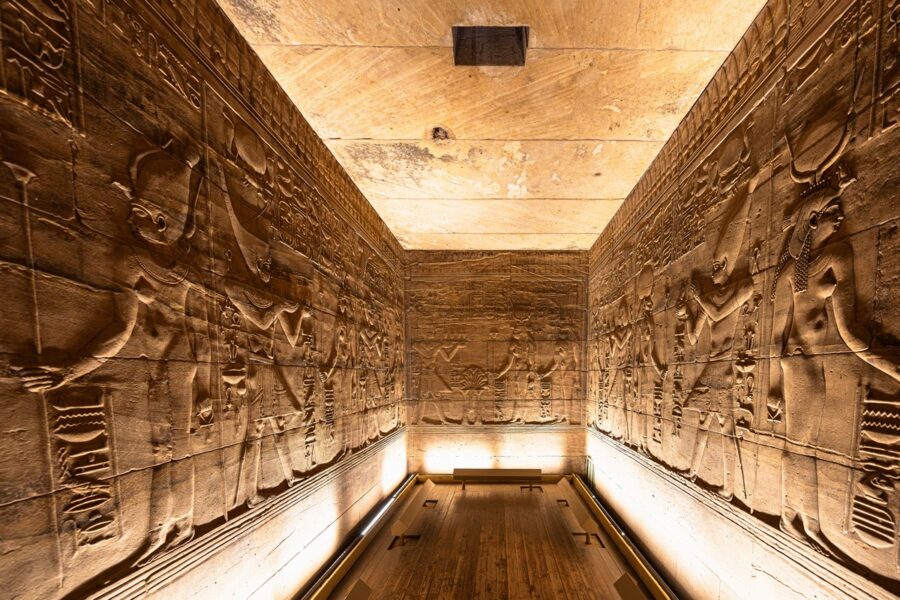
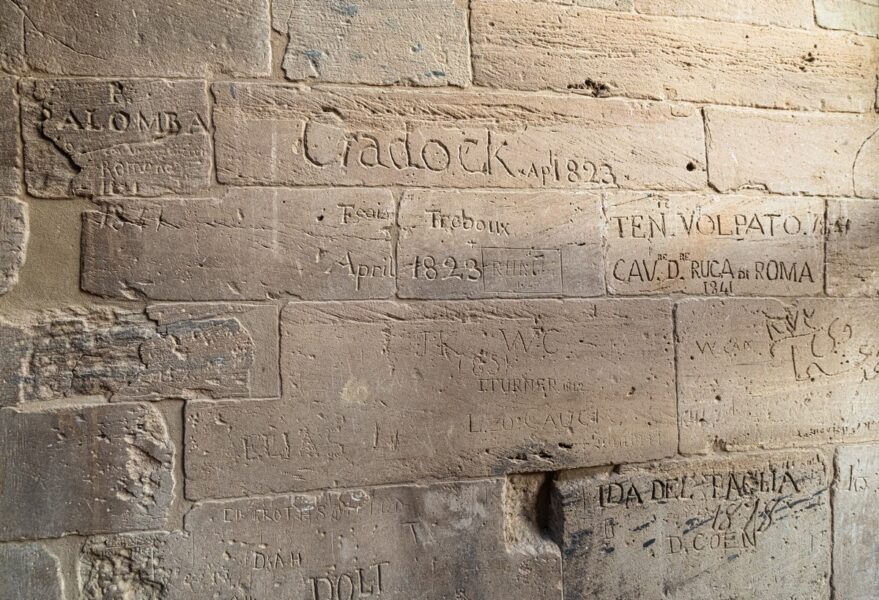
Nineteenth-century proto-graffiti! ->
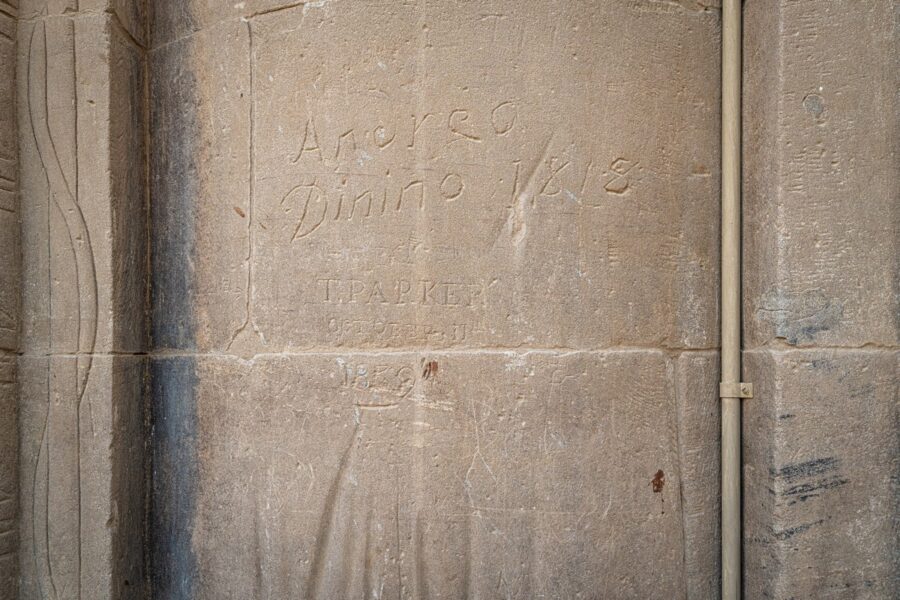
And that was that: our excursion of Egypt’s Philae temple complex – done; highly recommended!
We headed back to the boat to then carry on down the Nile…