
October 13, 2026
Luang Prabang – day two: temples, stupas, and a high-speed railroad too!
ສະບາຍດີ folks!
Back to Laos – for a continuation of my tales (and pics) from the Luang Prabang side…
Curiously, the city is the country’s alternative capital (the government hopped back and forth between Vientiane and Luang Prabang several times), which is why traces of investment in urban infrastructure from days of yore remain here. And since back in those ancient times it wasn’t all about buses and subways, what they built were temples – some of which have survived through to today.
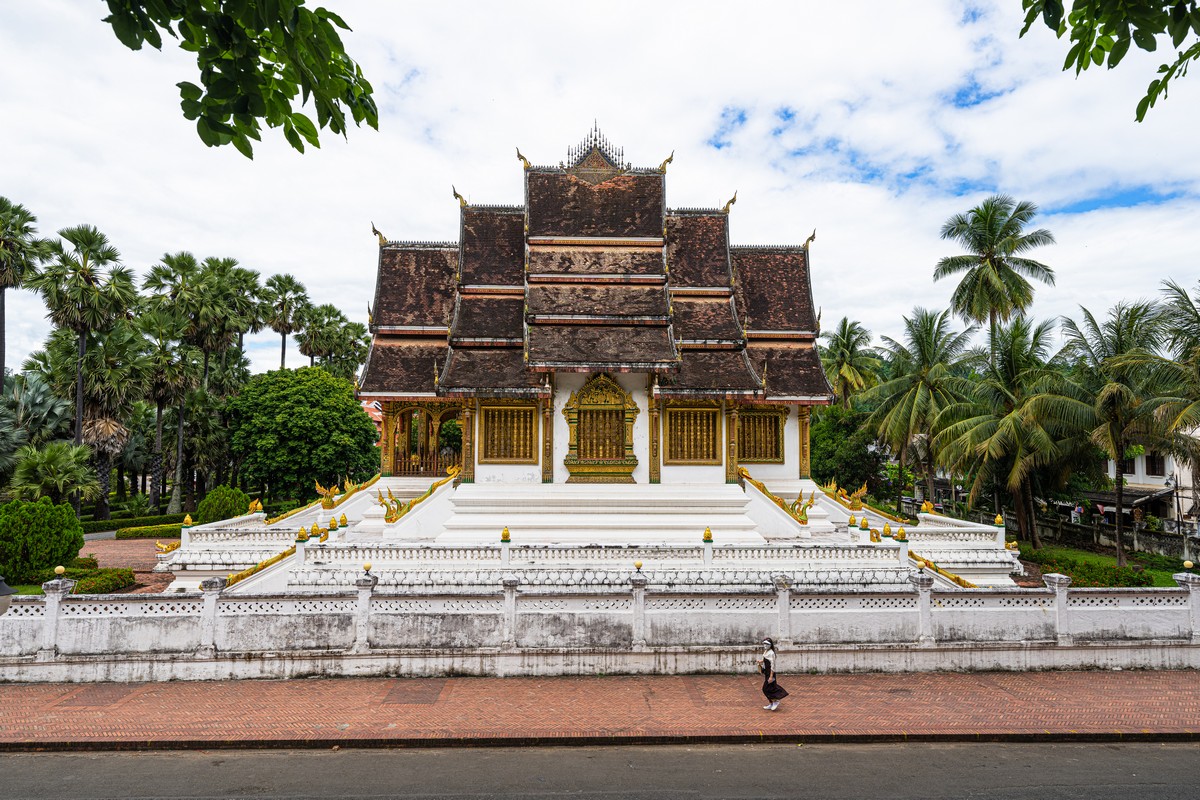
I no longer remember which of these is a temple and which is the royal palace: it was insanely hot and humid, so somehow everything our guide told us wasn’t taken in too well…
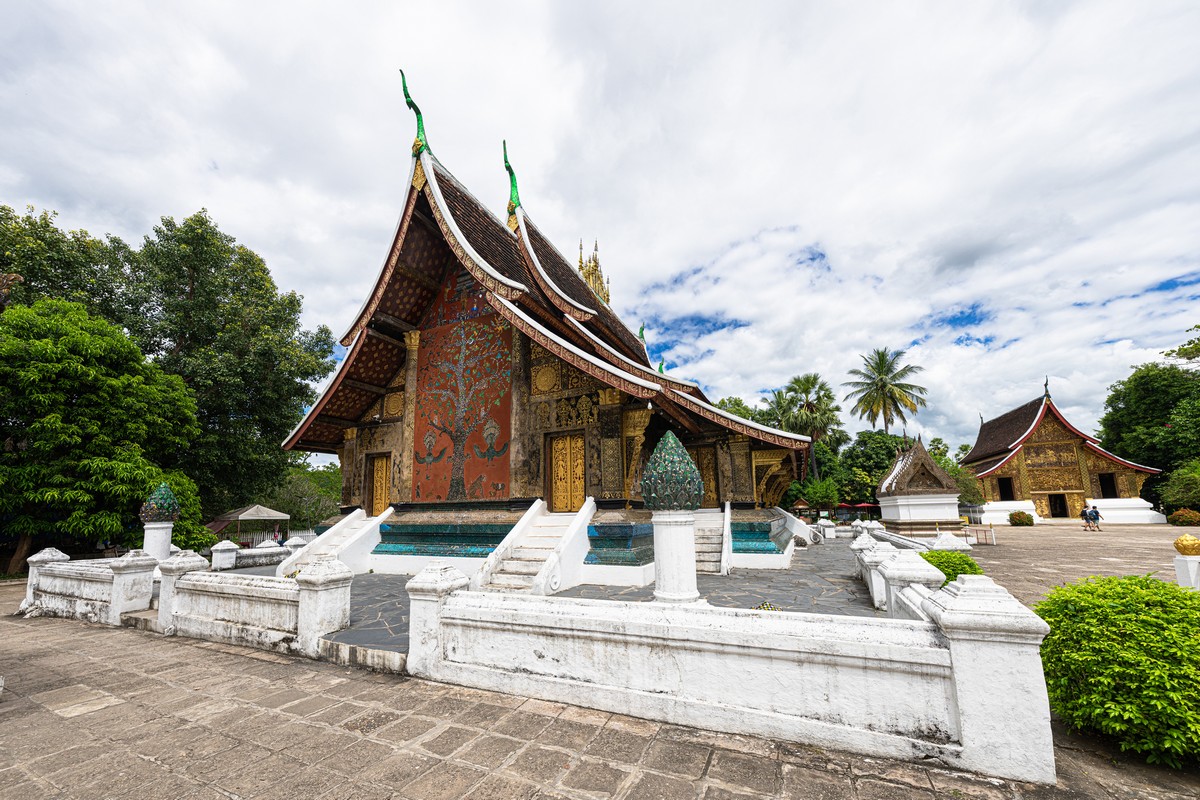
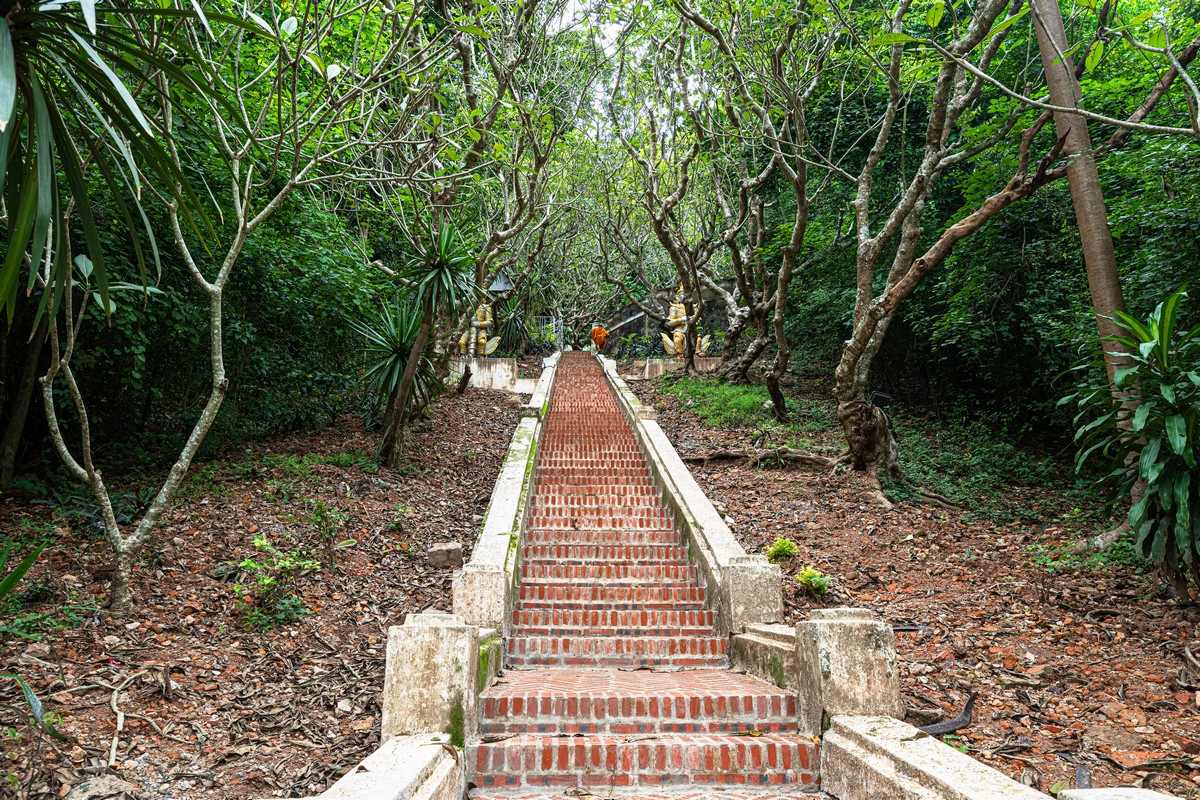
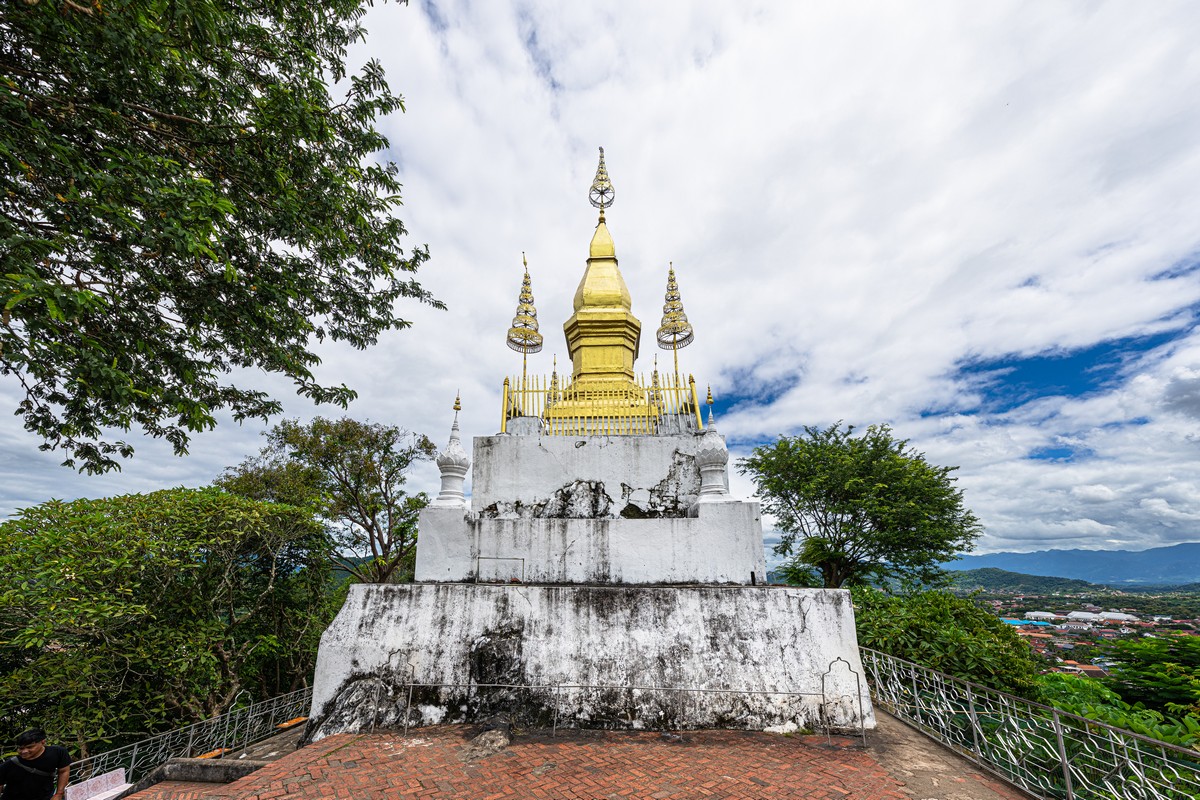
Here you can dash up to the That Chomsi stupa on Mount Phou Si. Some sources try to scare you off with mention of 320+ steps, but if you ask me there are far fewer of them.
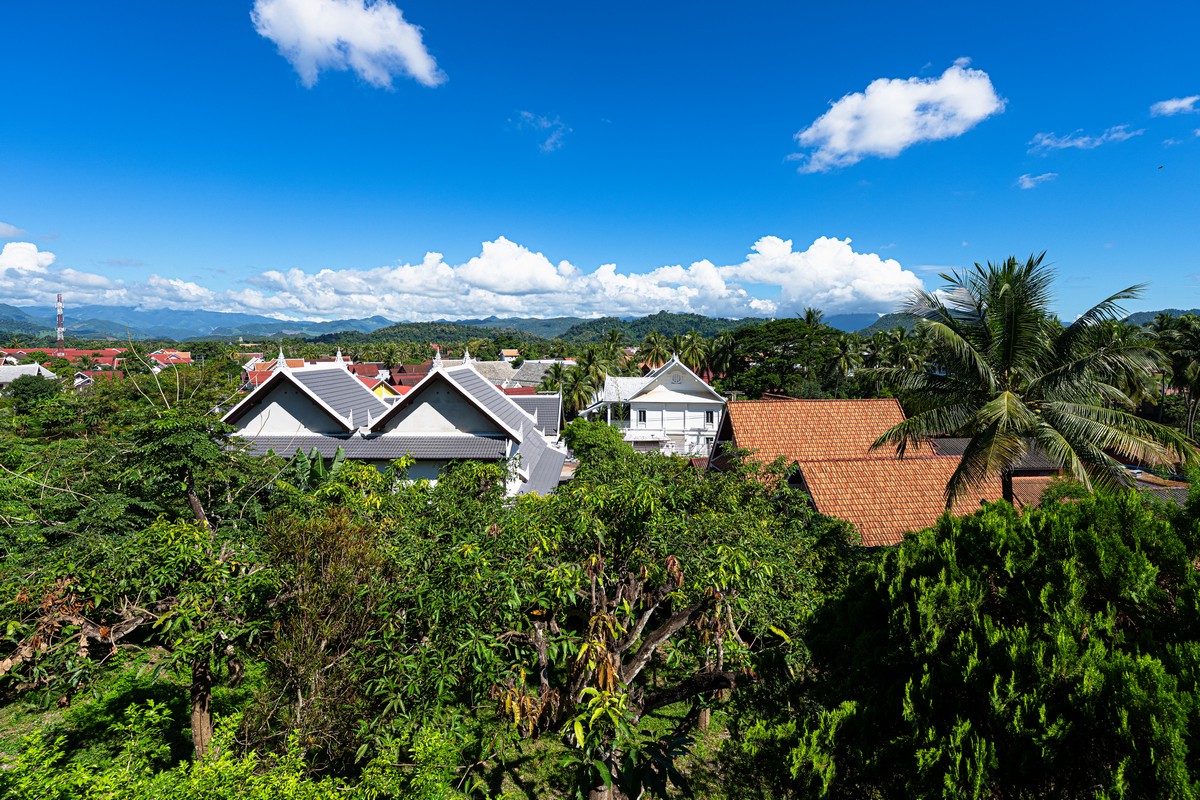
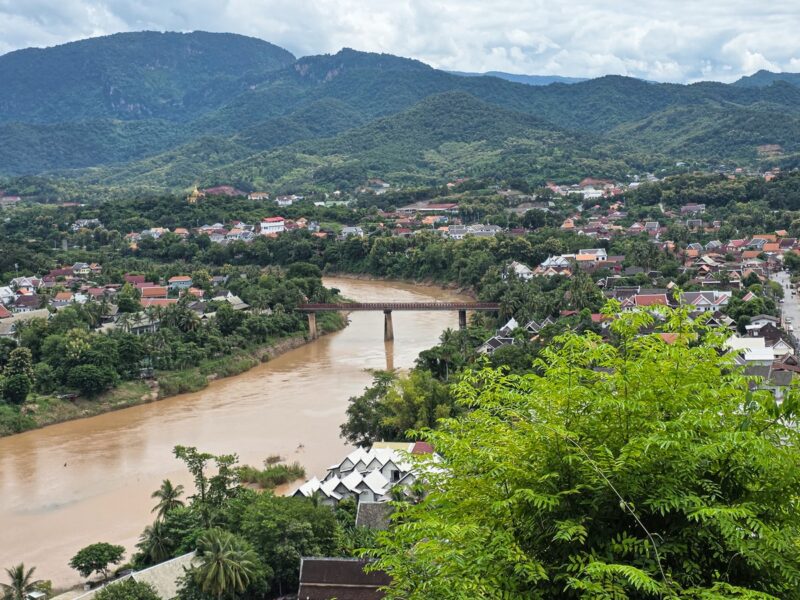
The views of the city from the viewing platform aren’t half bad:
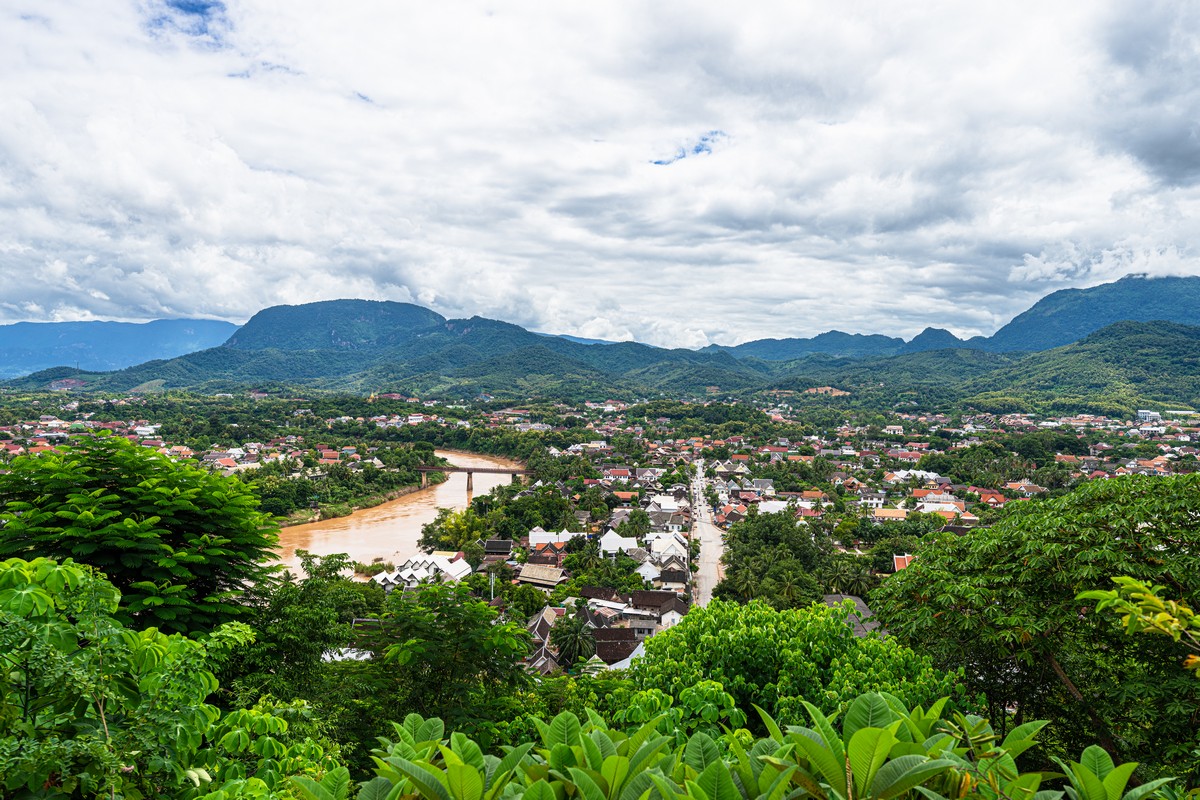
But, oh, it was hot. Yes, the climate here is harsh and unforgiving.
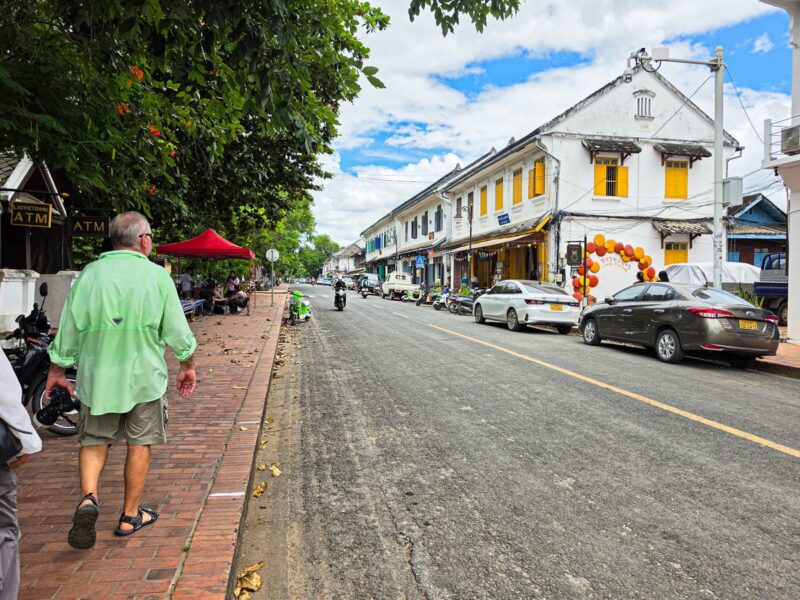
We went back down and carried on through the little streets:
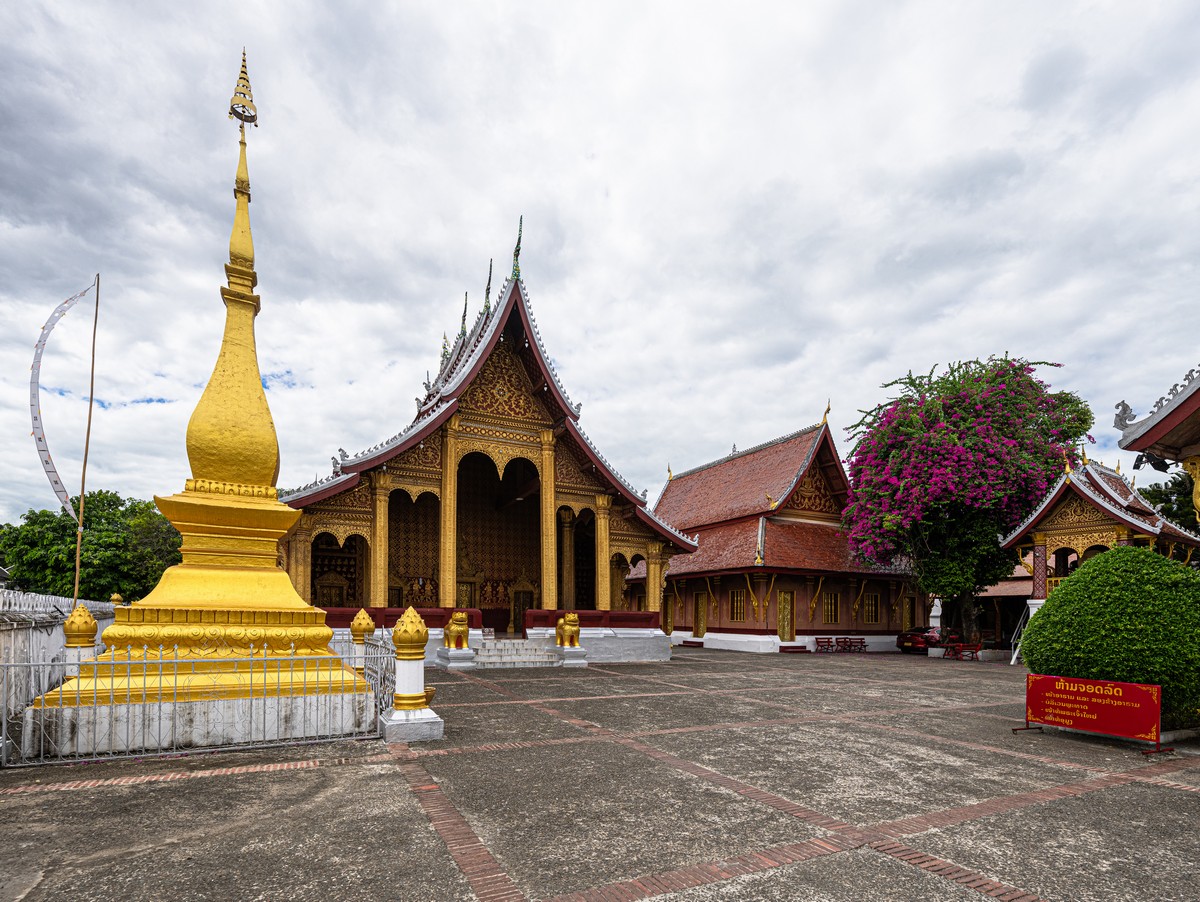
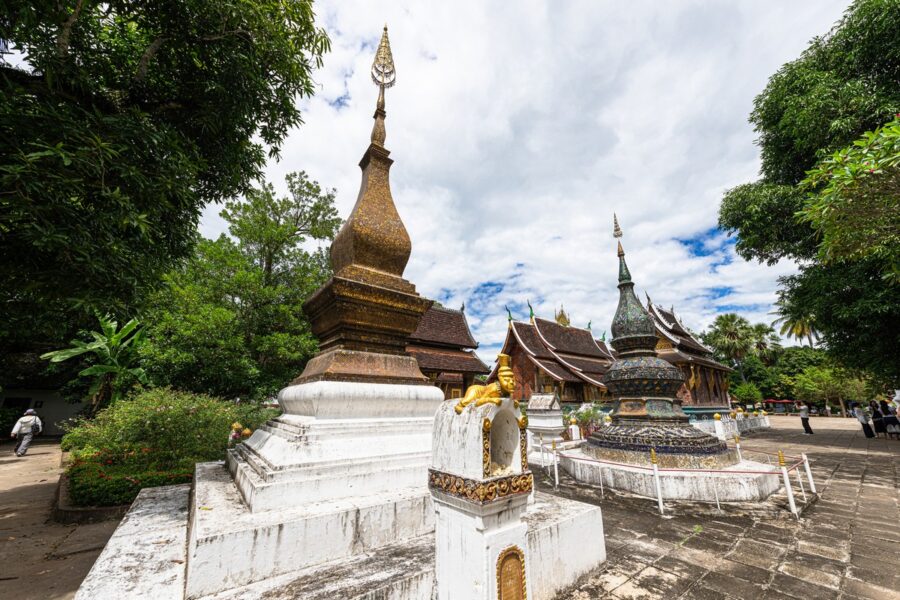
Here’s another interesting little spot: Wat Sene Souk Haram – a still-operating Buddhist temple, built in 1718.
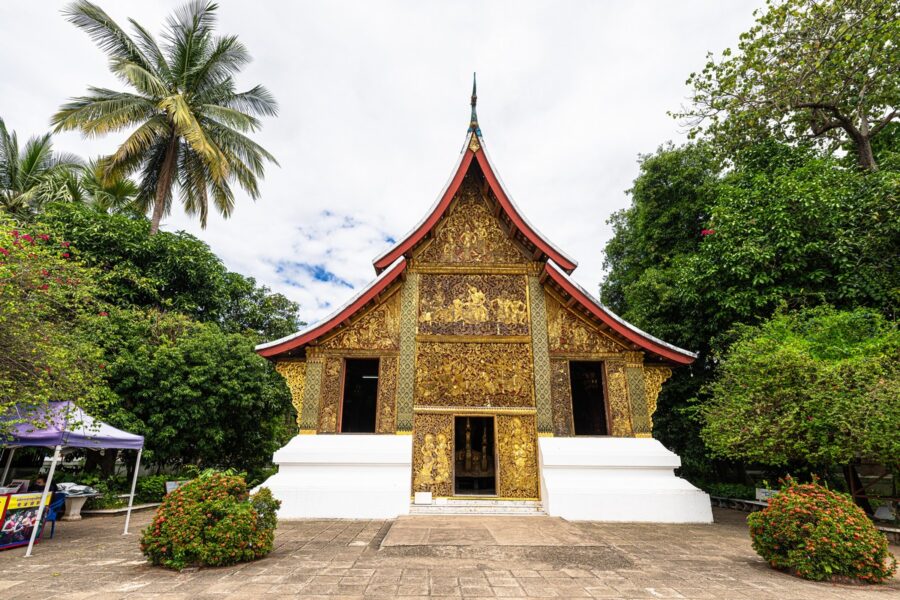
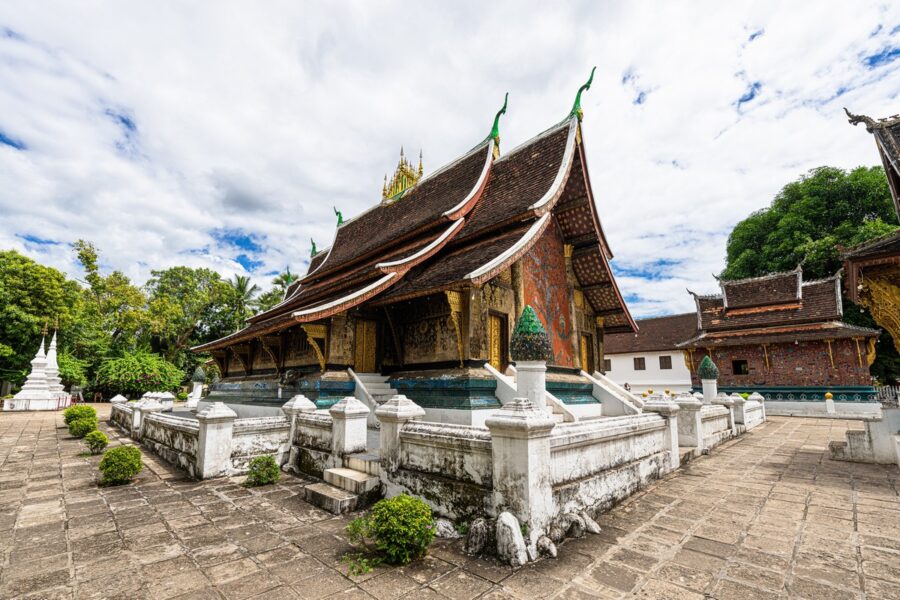
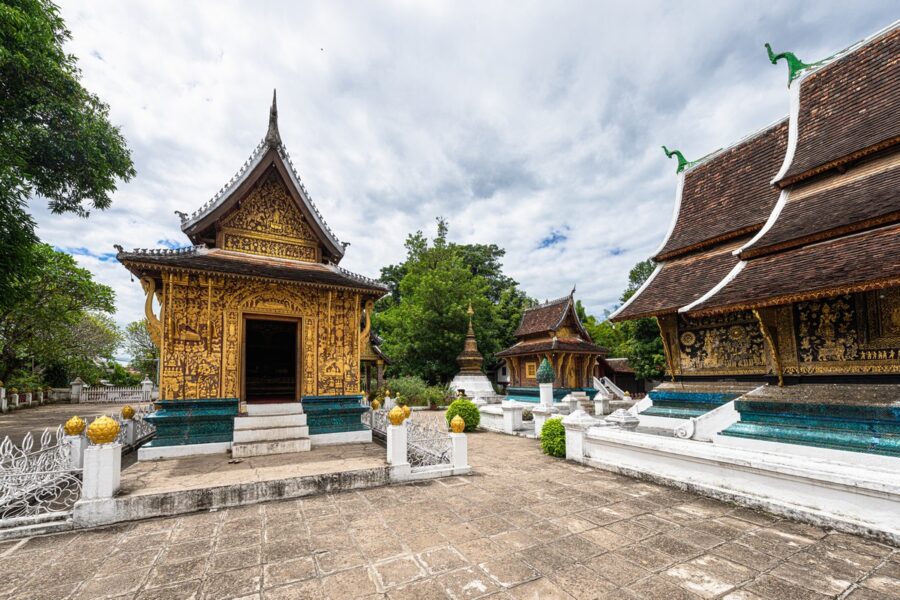
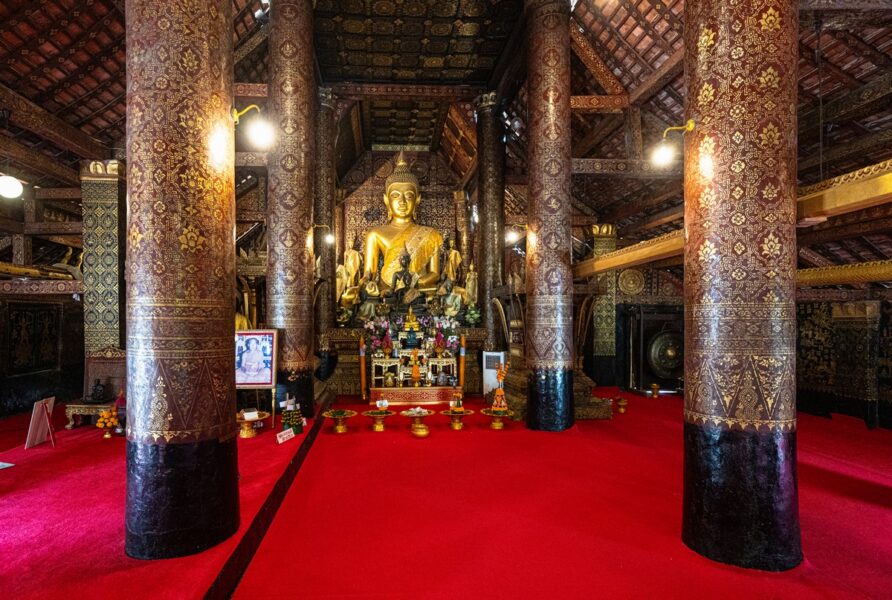
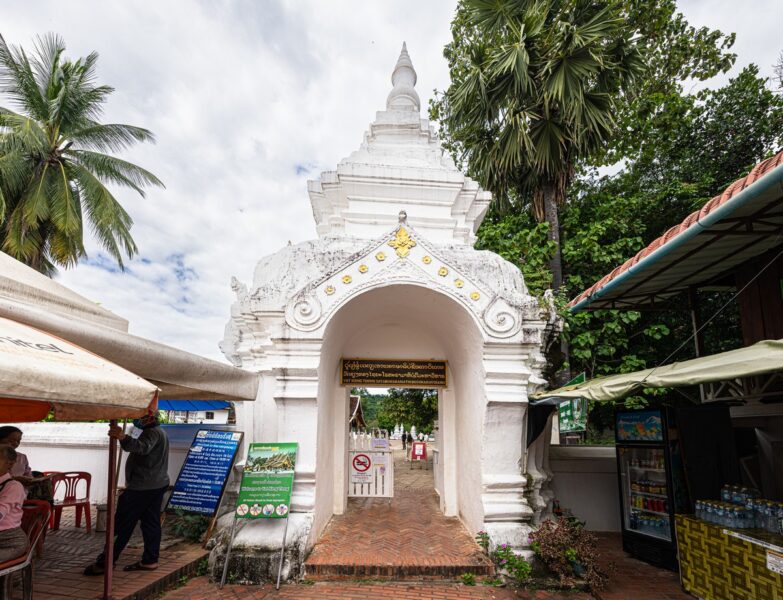
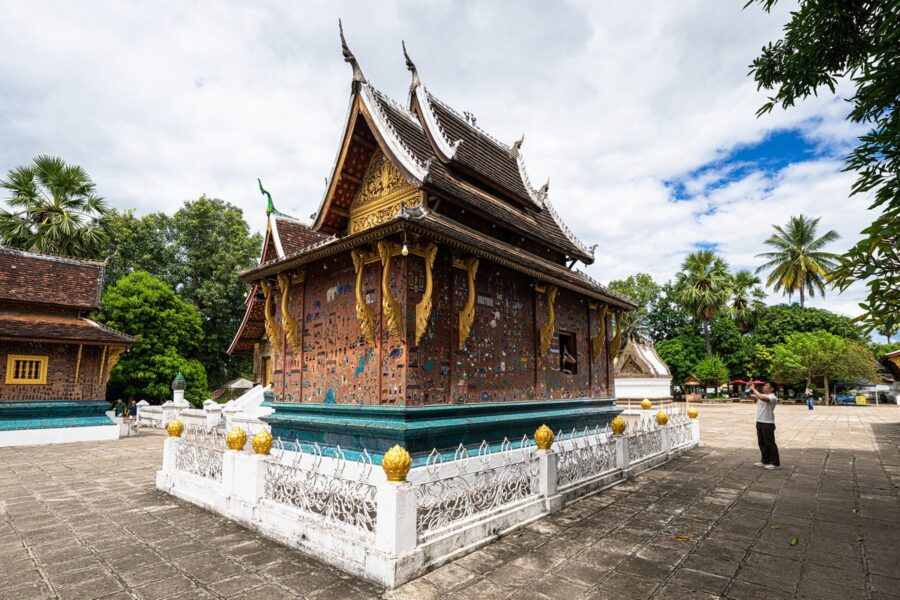
The Wat Xieng Thong temple complex (built in 1560!) is pretty remarkable in its own right.
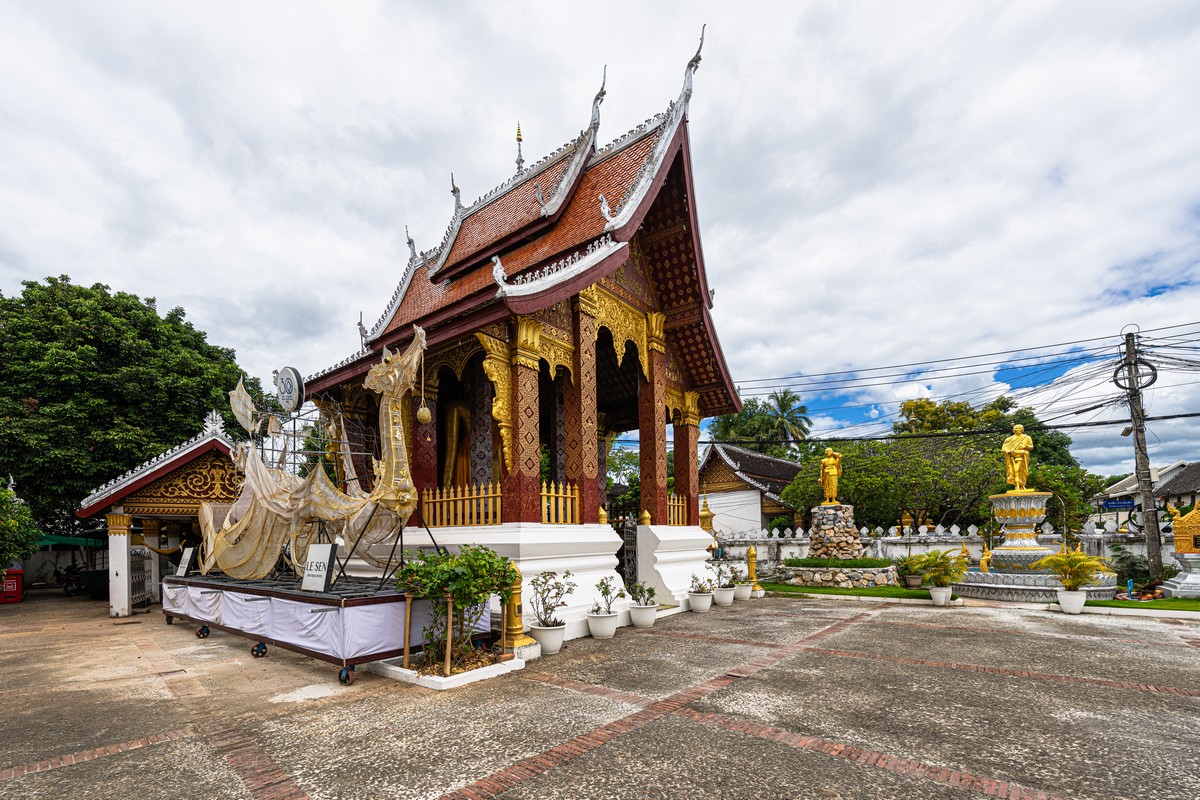
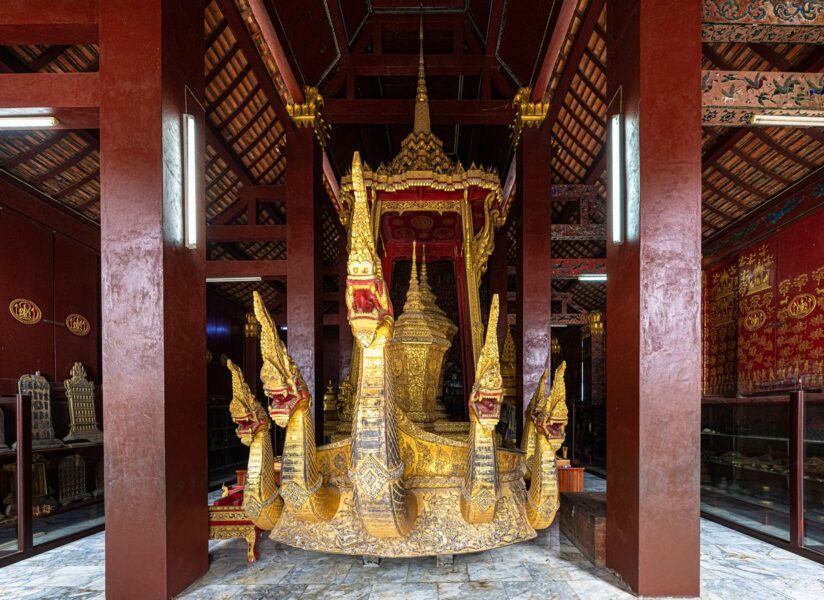
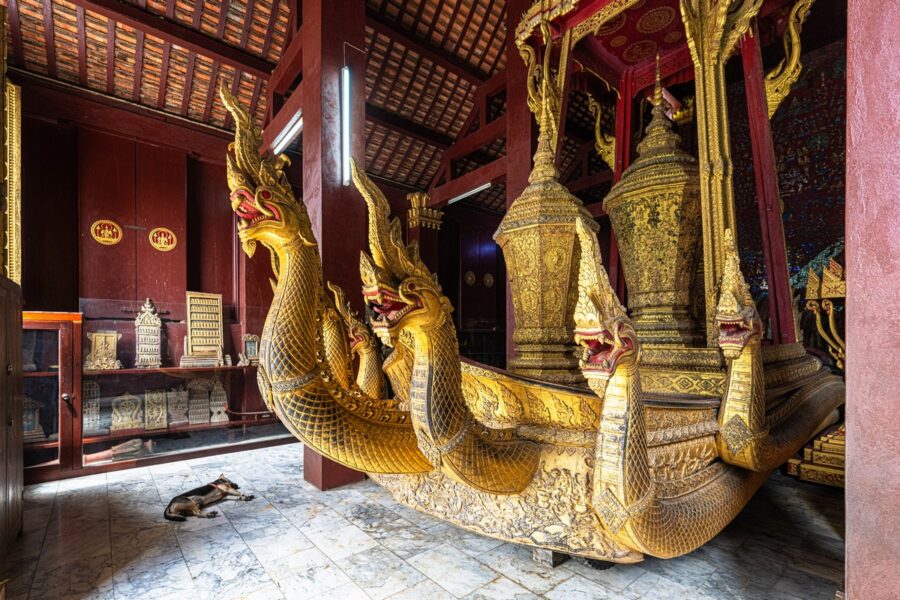
In one of the temple buildings, just inside the front door, you’re greeted by these hospitable dragons. This, mind you, is an ancient royal funeral carriage:
All sorts of wall paintings inside:
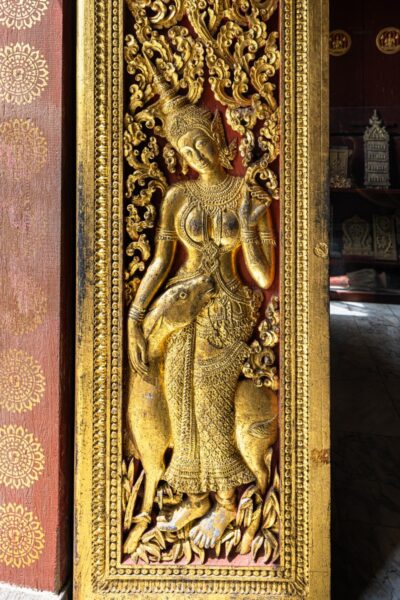
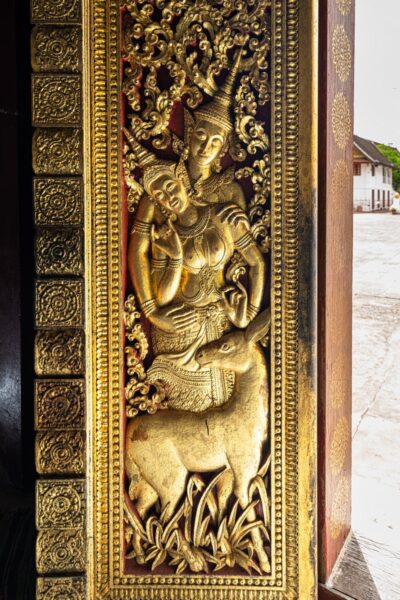
If it hadn’t been so hot and stuffy, it would’ve been just perfect!
The morning views from our hotel were very nice indeed! The only catch, alas, was that you couldn’t open the doors or windows in the evening or at night – the local airborne bloodsuckers were on the rampage!
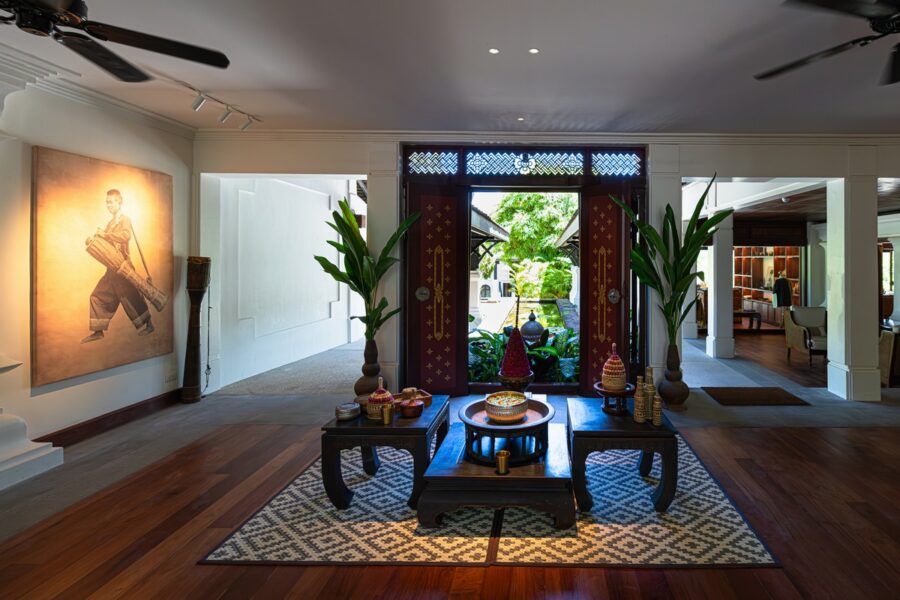
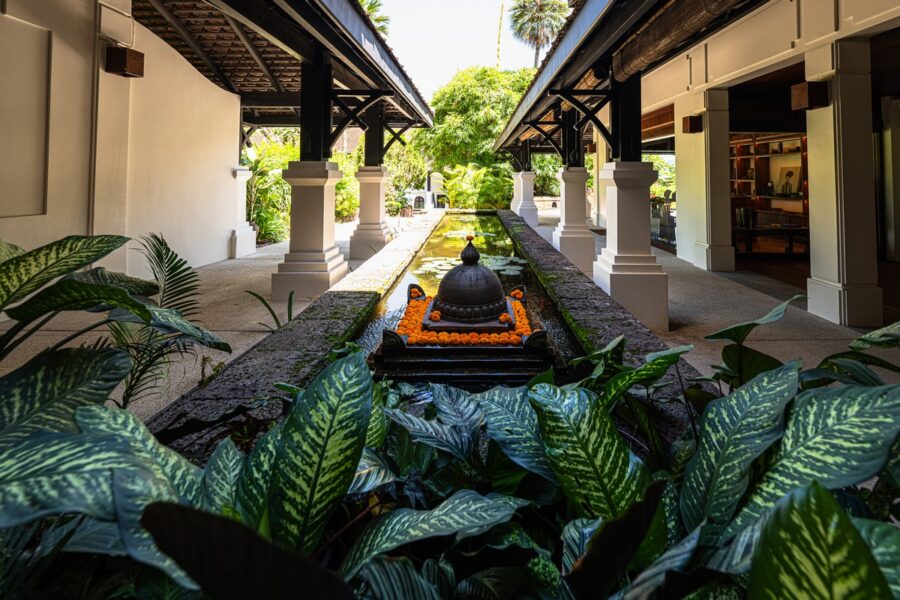
Actually, it’s not exactly a “hotel” – more like “comfortable accommodation with amenities”:
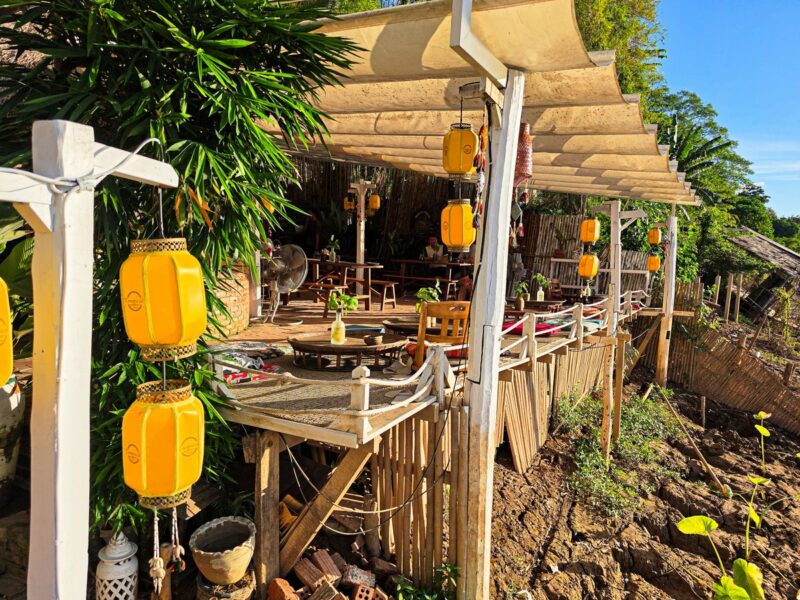
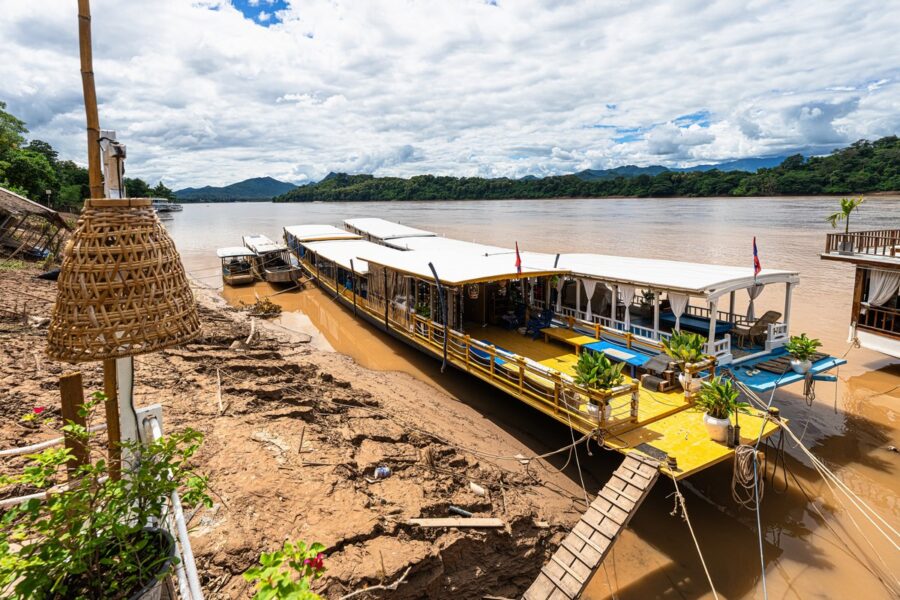
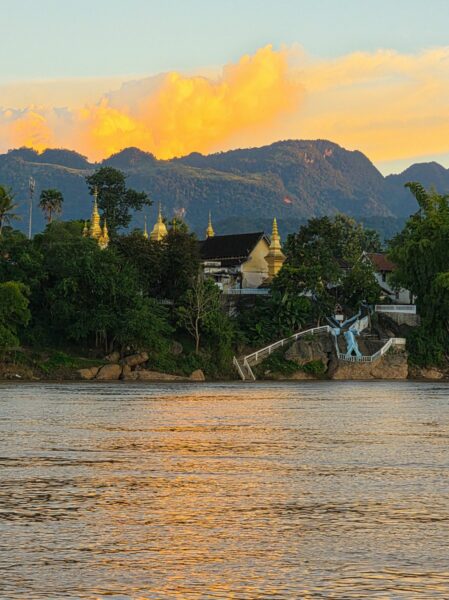
During the day, in the worst of the heat, I’m sure it’s really nice to hole up in one of the little restaurants on the banks of the Mekong. They’ve got fans that cool you down as best they can, and loungers laid out for blissful idleness (alas, not for us), plus fresh coconuts and an assortment of other drinks. Heaven!
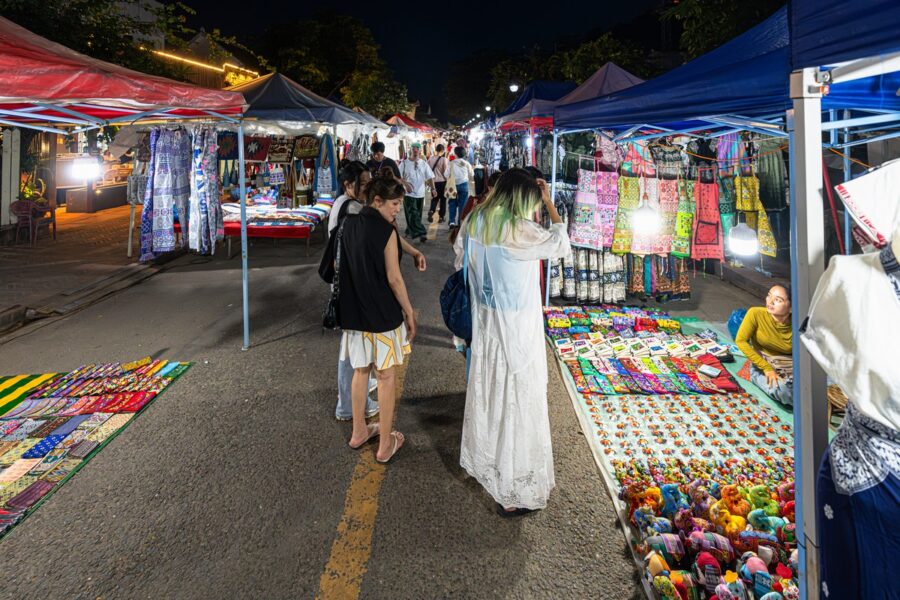
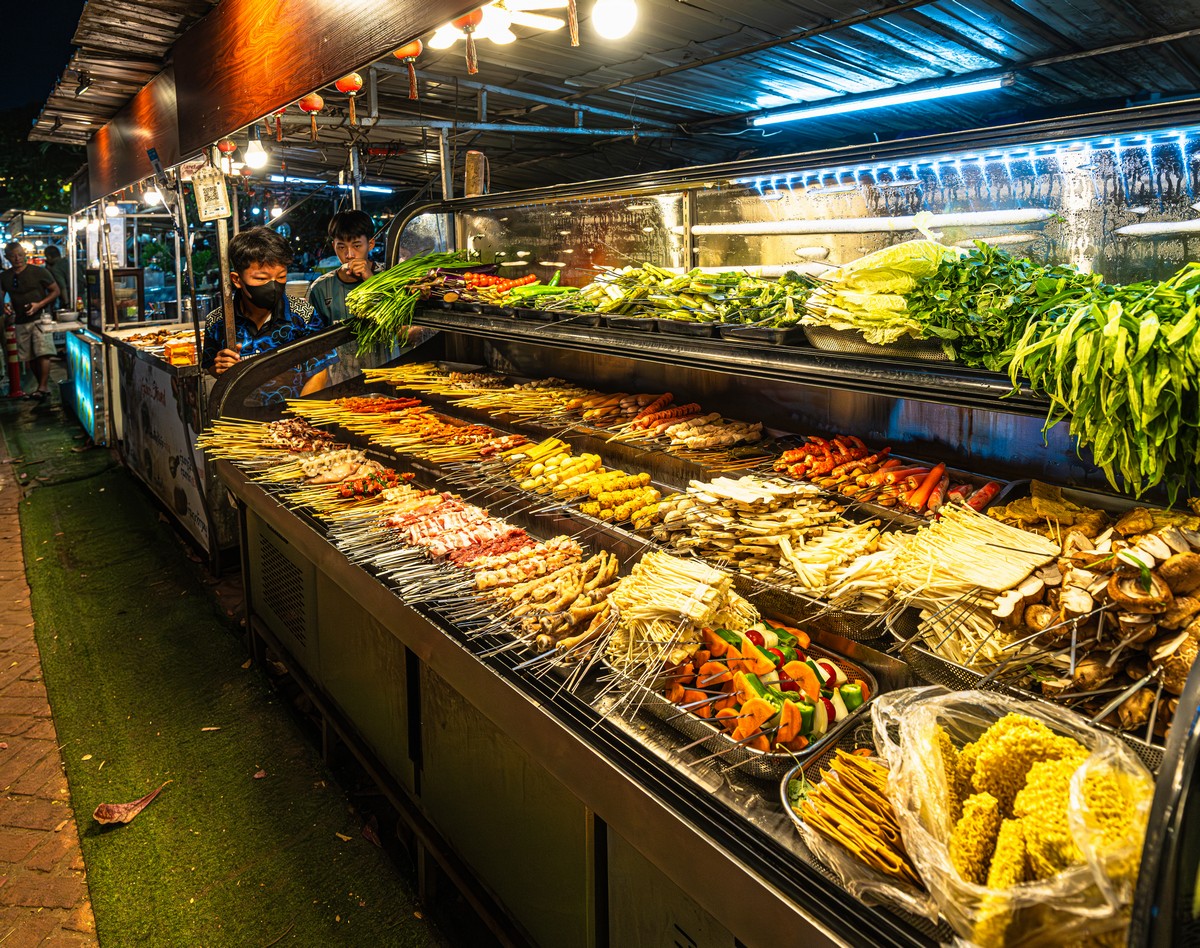
And in the evening you can drop by the local market. Just out of curiosity, though; I wouldn’t recommend the uninitiated tourist buy anything here.
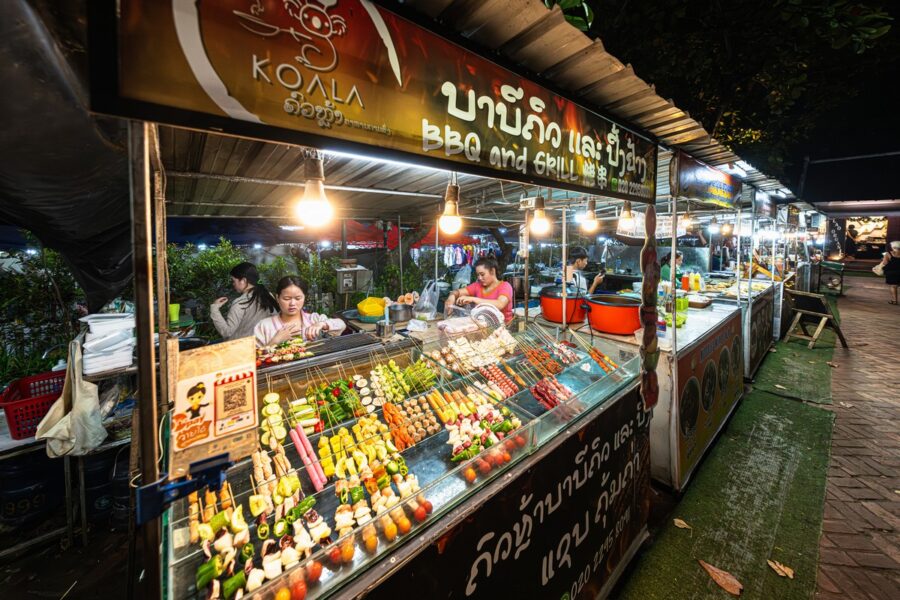
Grabbing a bite to eat, on the other hand – why not?!…
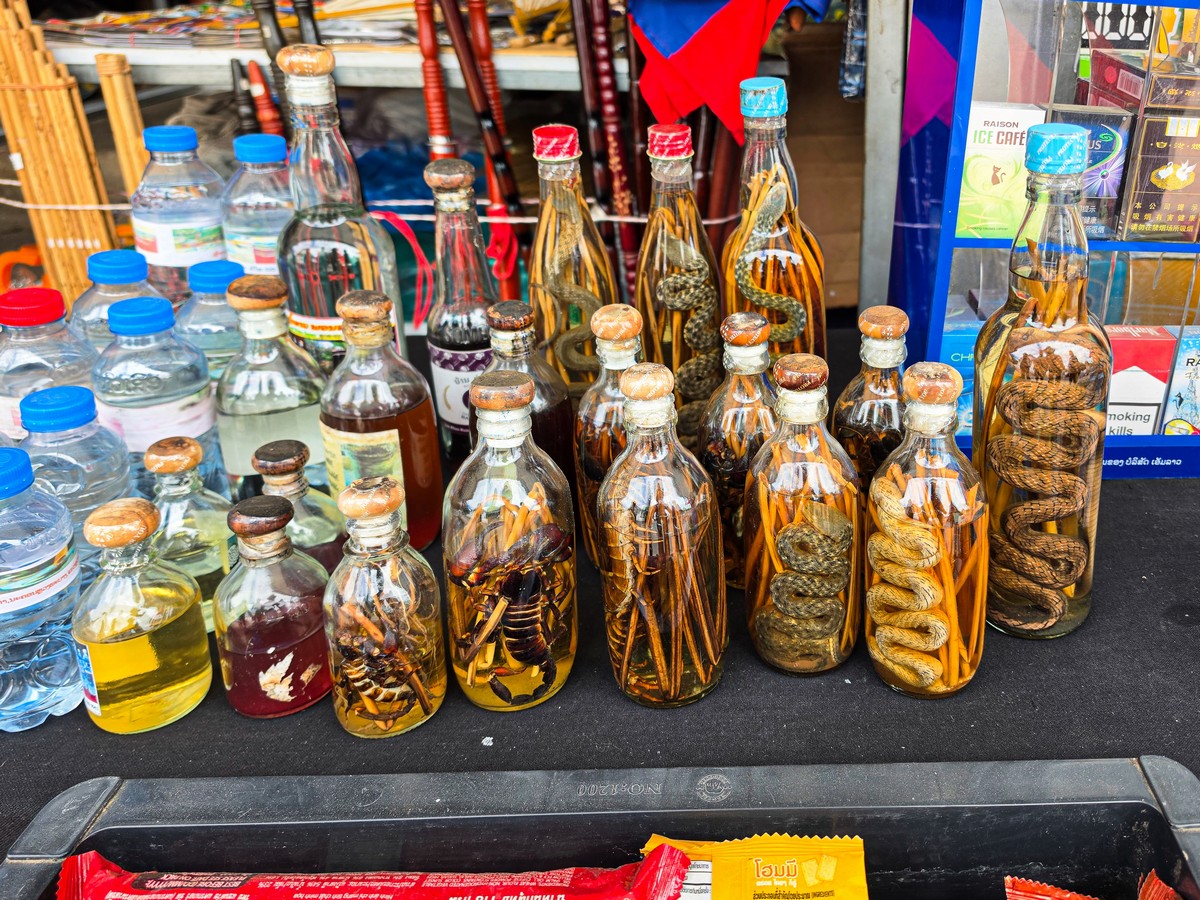
Yikes… Yes, these are some of those culturally-specific quirks. They steep snakes in alcohol here. Poor things. Then again… it seems to me that for a creature getting on in years, weary of life, and made wise by all it has come to know, this might even be a welcome way to go :)
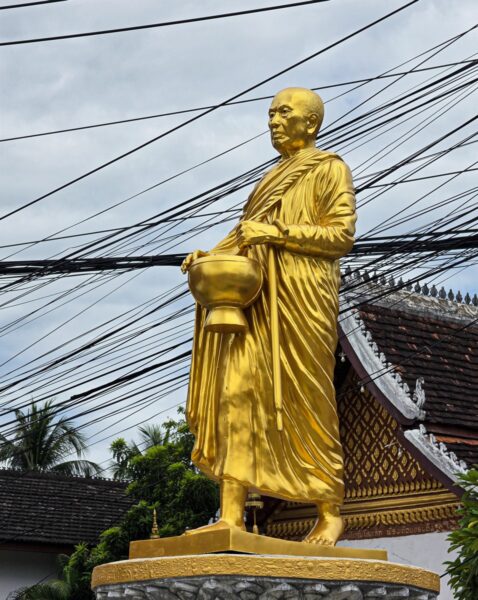
And here are some more pics from my fellow travelers:
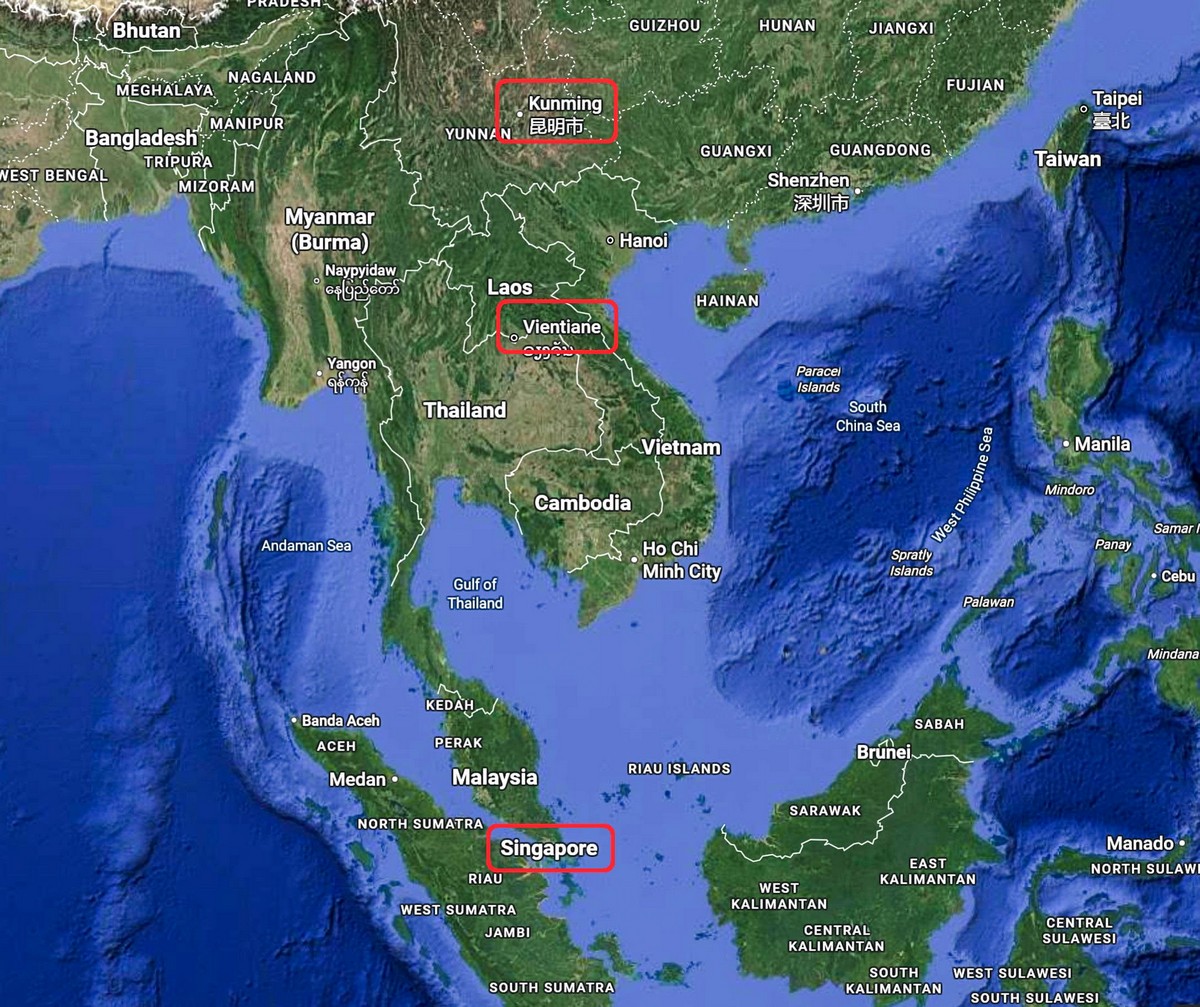
To get back from the old capital to the current one (Luang Prabang -> Vientiane), we decided to take the high-speed train. At first I was a little surprised: how come Laos has high-speed trains? But then I remembered. It’s a Chinese project, announced long ago (exactly when, I no longer remember… something like 2016, I think), and it’s to link up the railroads of Southeast Asia into a single [Chinese] transportation network running from southern China to Singapore. Well, from Kunming (southern China; I was there once, at that very Shilin Stone Forest), the Chinese have gone and stretched a high-speed rail line all the way to the capital of Laos. It runs through mountains and gorges, over bridges, and through endless tunnels. They’ve gotten very, very good at digging and building. In other words, they’ve already got roughly a quarter of the route from China to Singapore done!…
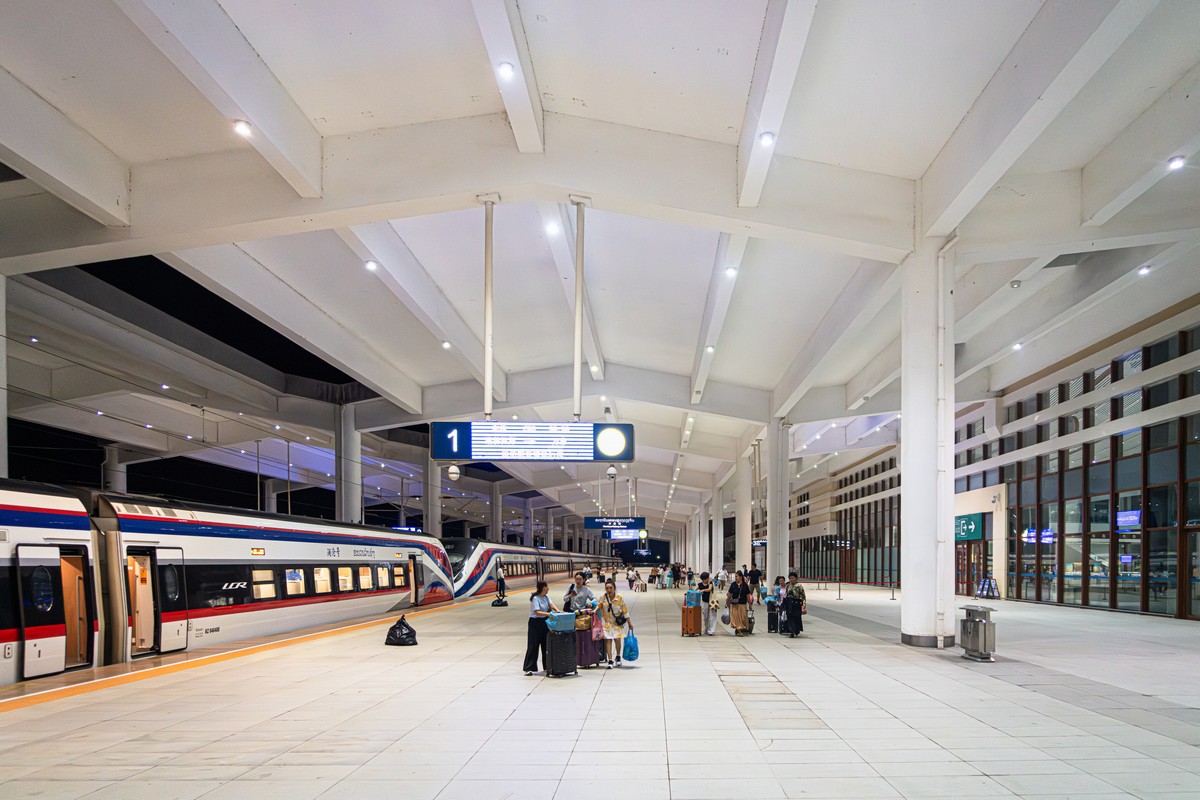
The railroad infrastructure was built on a typically Chinese scale.
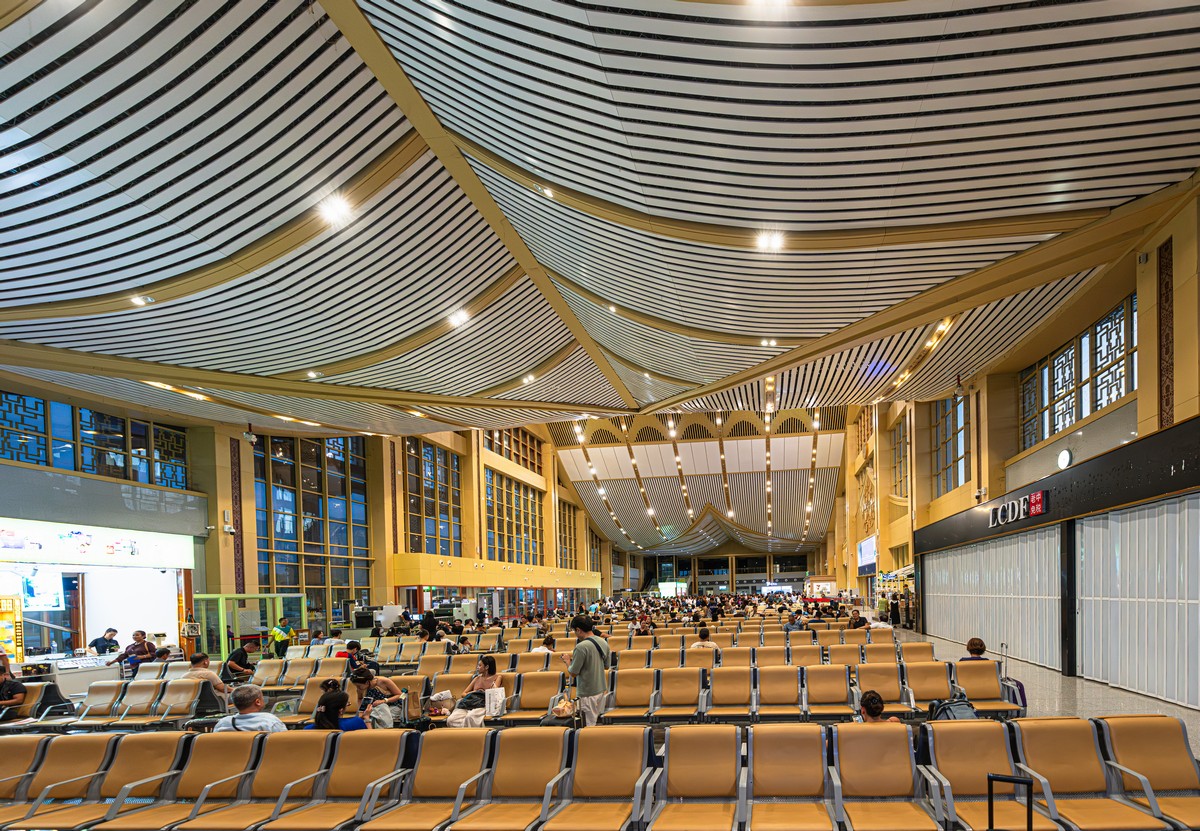
It comes with “room for future growth”, so to speak. And the platform, too, is designed for crowds of passengers numbering in the thousands:
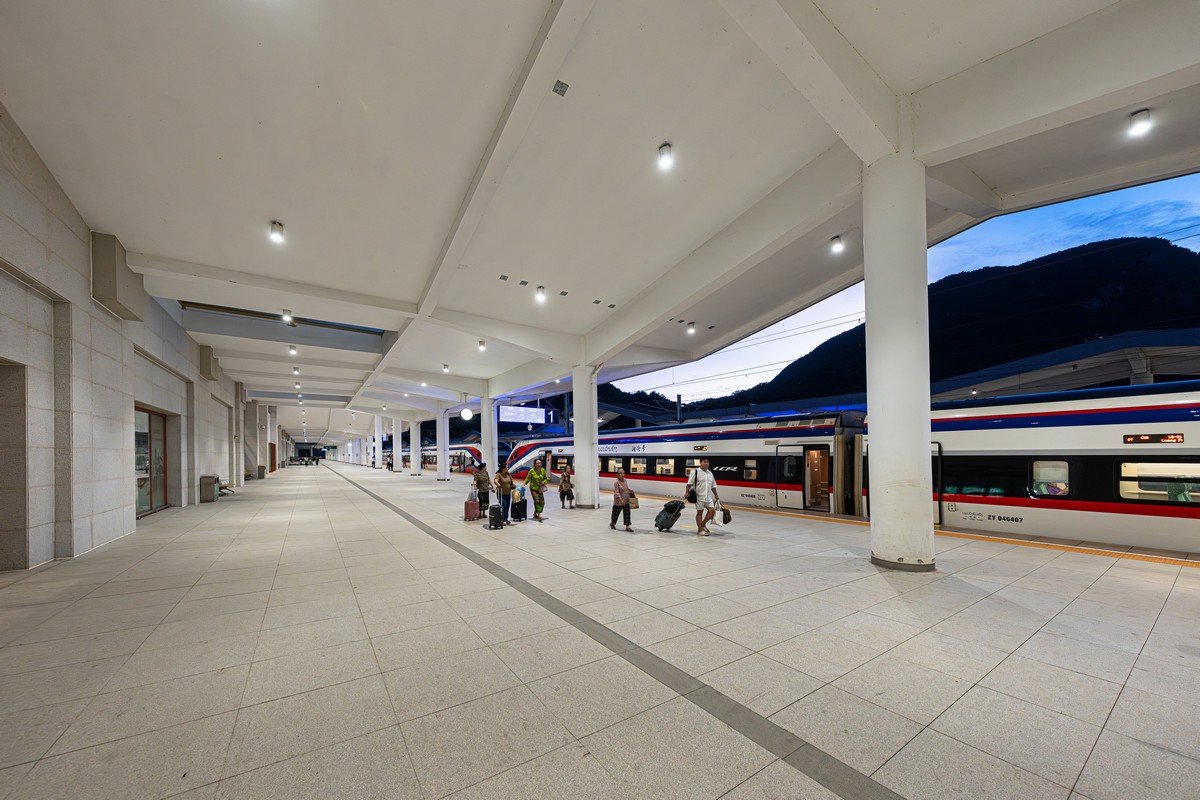
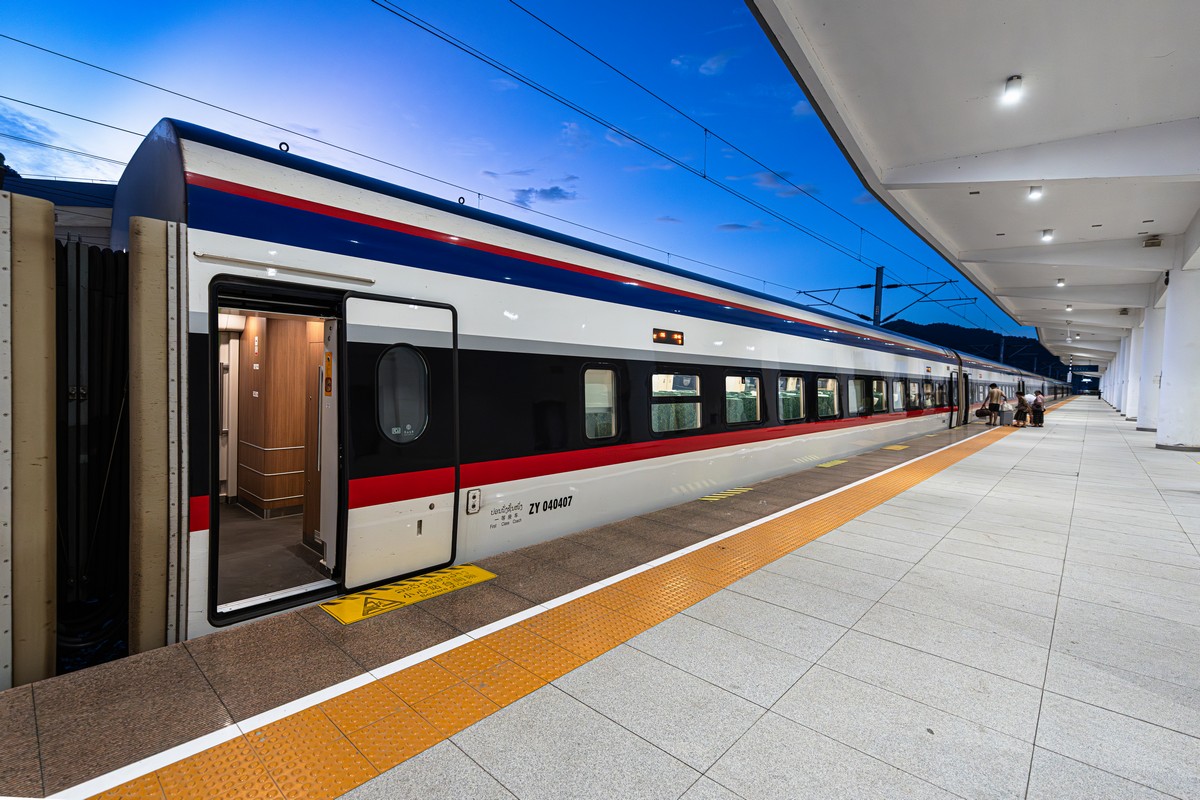
Naturally, all the rolling stock is Chinese.
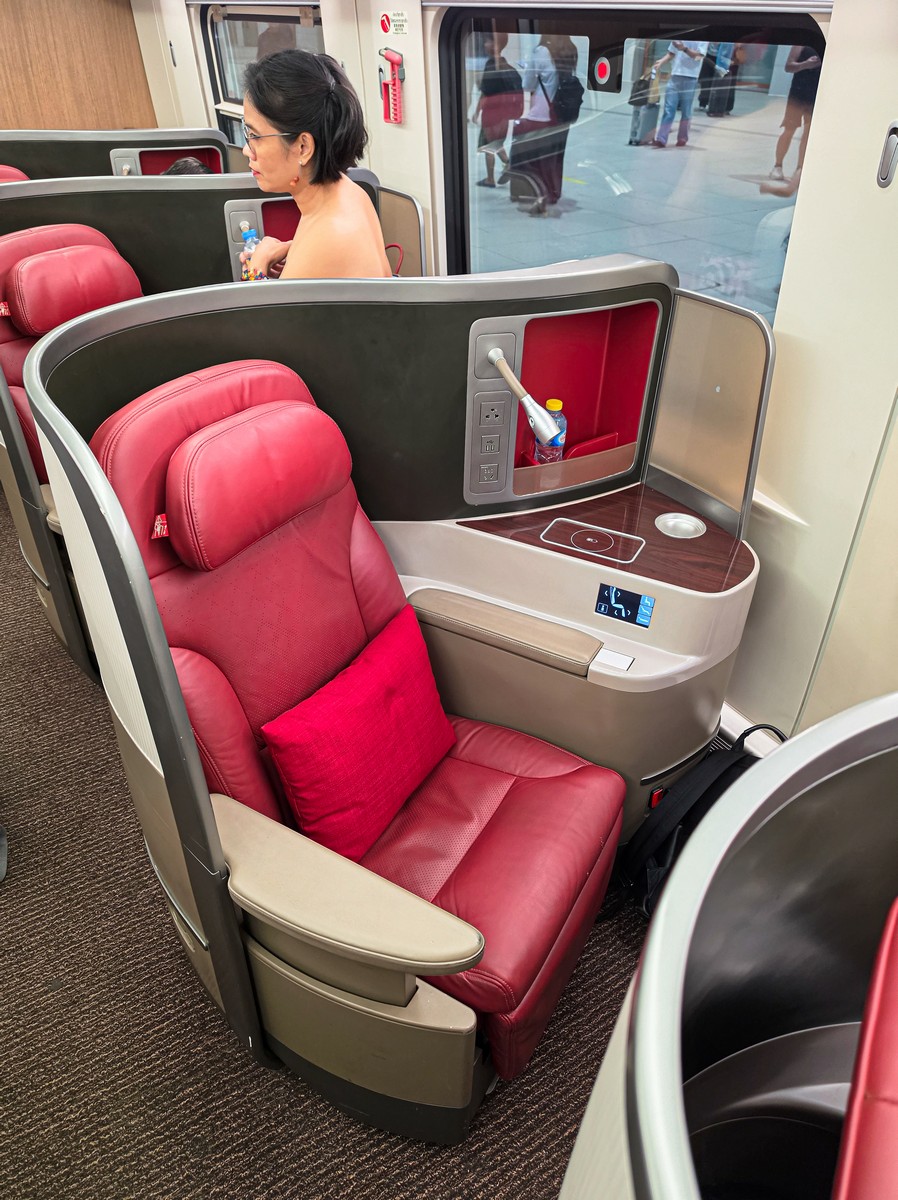
As you can see, all very modern, comfortable, and swish – especially if you’re traveling in this class :)
It’s known as a “high-speed train”, but… it tops out at 160km/h – which in today’s world somehow isn’t all that “high-speed” anymore.
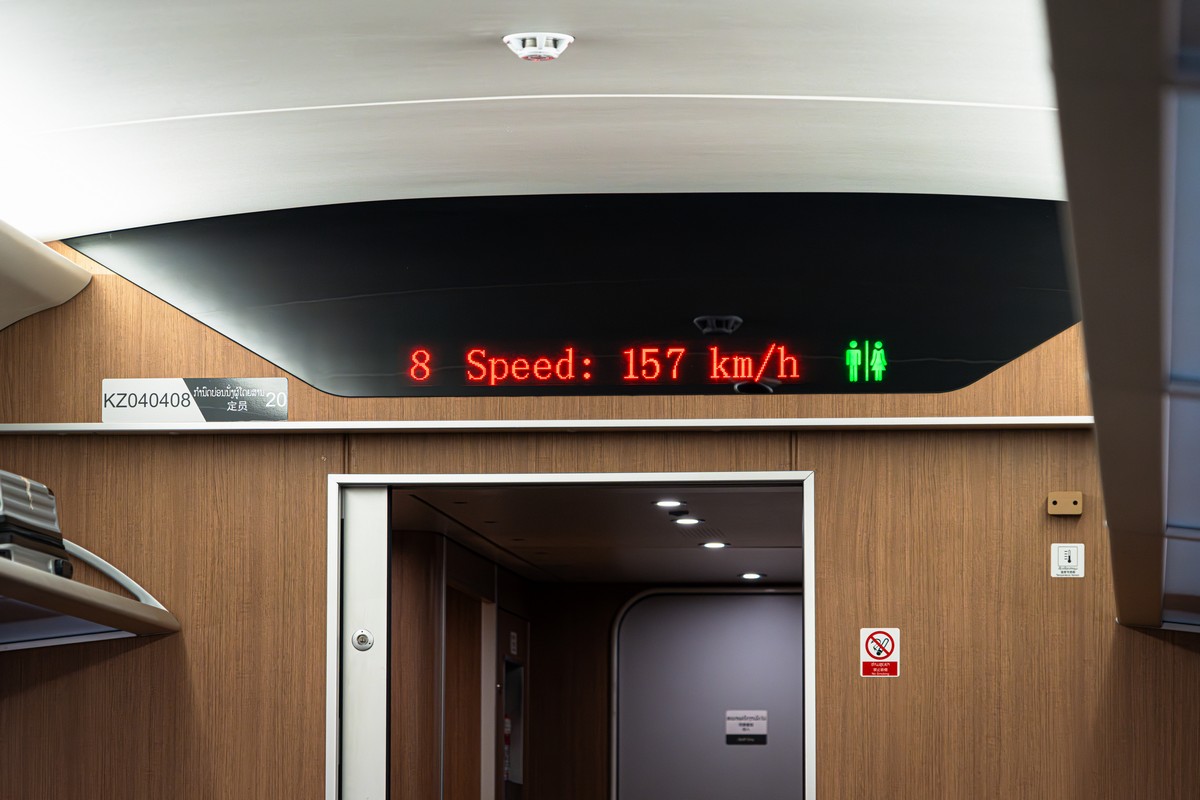
It was already late evening; the sun had set before the train even departed, and on top of that the line is nothing but tunnels – so the window showed us no scenery whatsoever. Never mind – only a couple of hours later we arrived in Vientiane!
This time I also managed to snap the station from the outside. Yep, that’s Chinese scale for you… Fly in the ointment: just one of the characters was lit up ).
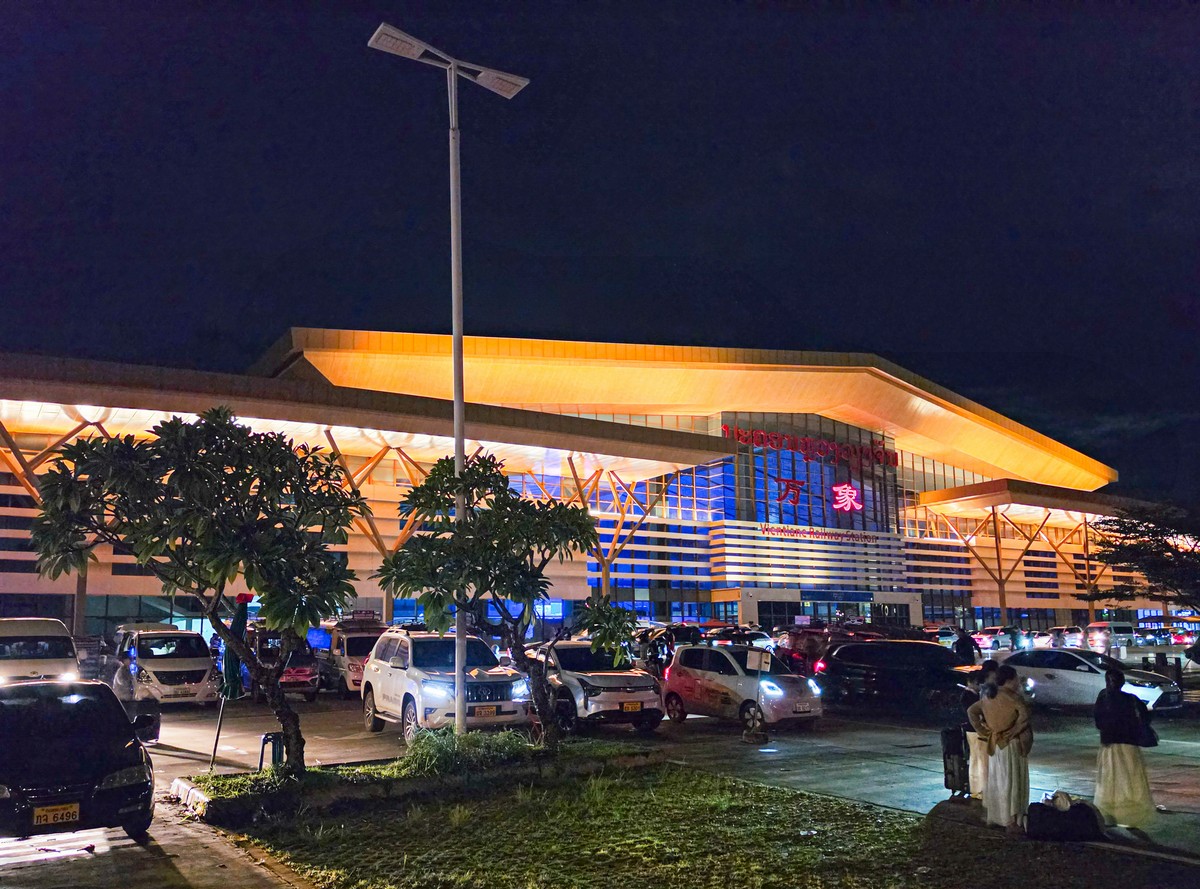
A… wasp added to the salve: eventually that one went out too :)
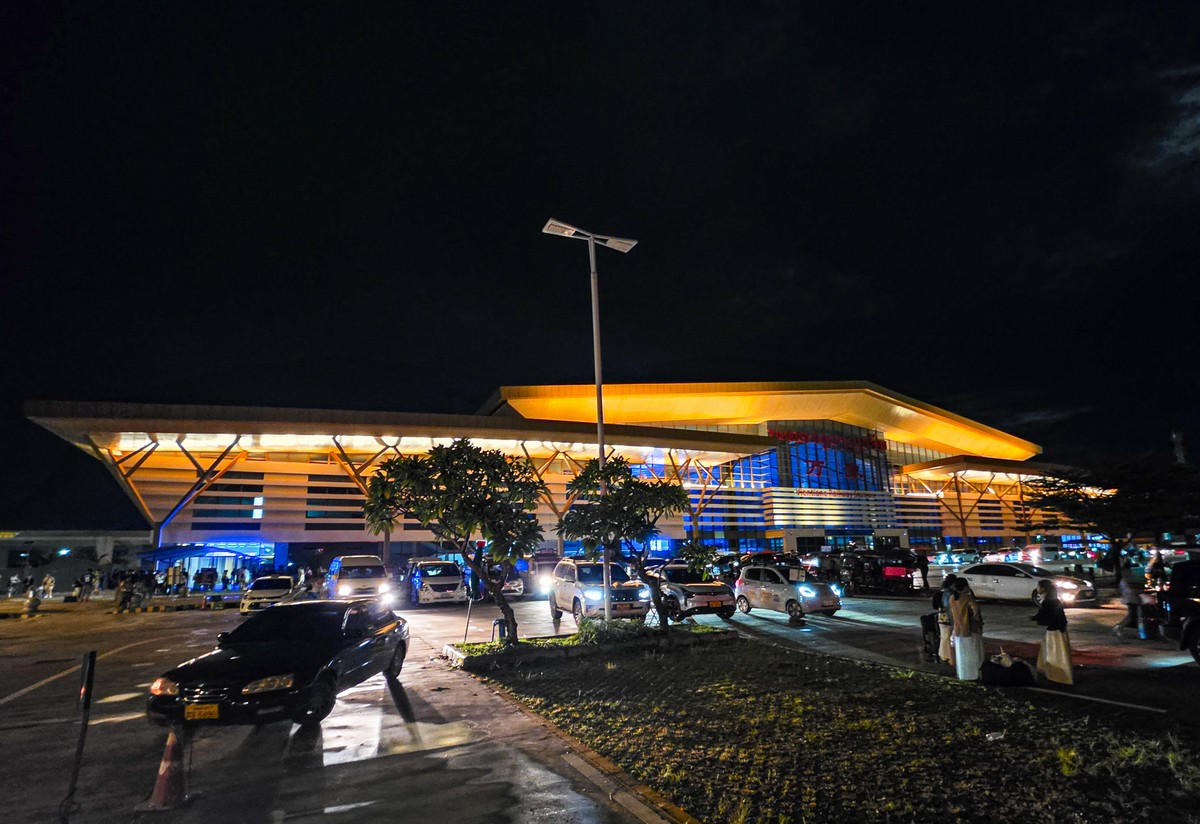
The darkened characters are, as you’ve no doubt guessed, the name of Vientiane in Chinese. More on that, as per AI:
While for most foreign cities the Chinese pick characters purely for their phonetic similarity (simply copying the sounds), for Vientiane they chose a name based on meaning.
The city’s historical Lao name – Vientiane – translates as “City of Sandalwood” or “City of Elephants”. The Chinese went with the elephant-related translation, since the character 象 (xiàng) means “elephant”. The result was the beautiful word 万象 (“myriad images” / “all that exists”), which at the same time alludes to the ancient poetic description of Laos as the “Kingdom of a Million Elephants”.
And that’s all for today folks – Luang Prabang: done. More Laos tourisms coming right up!…

