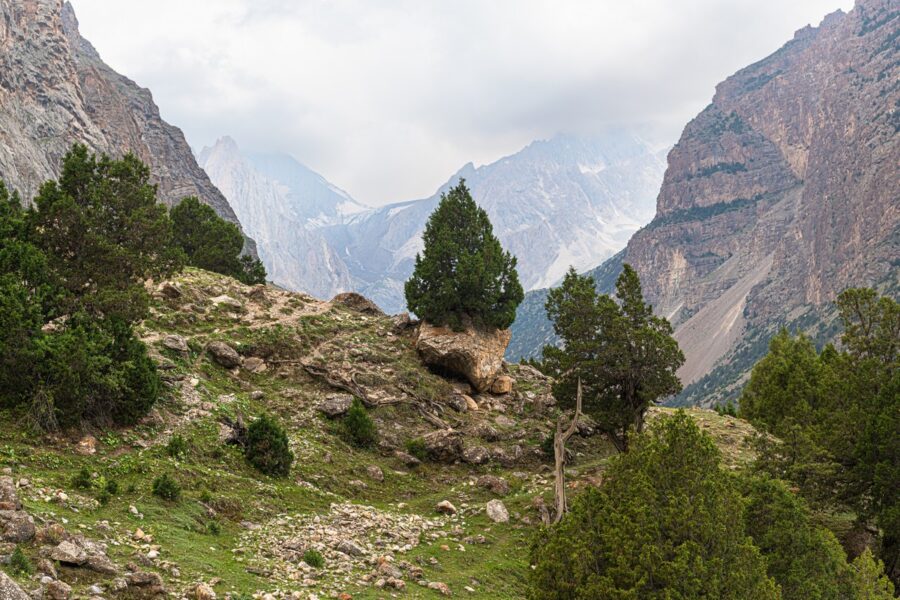
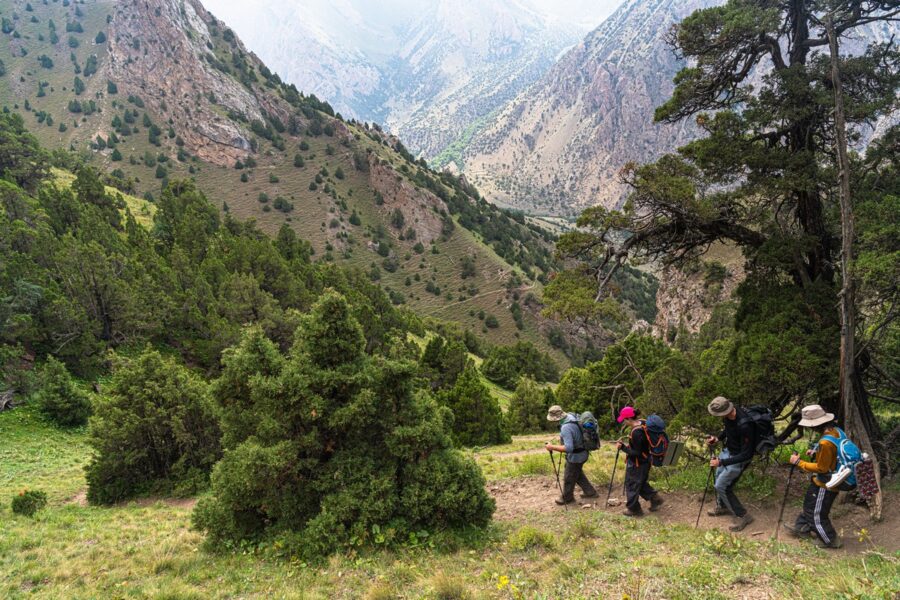
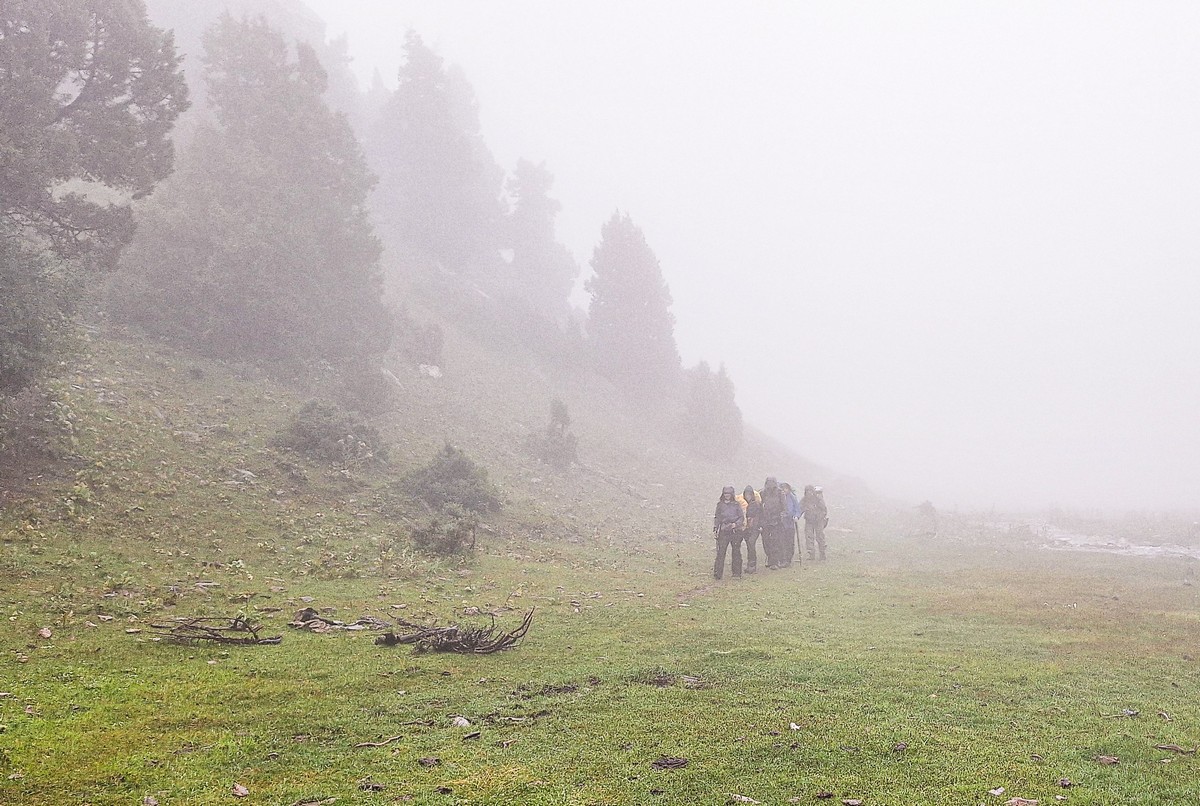
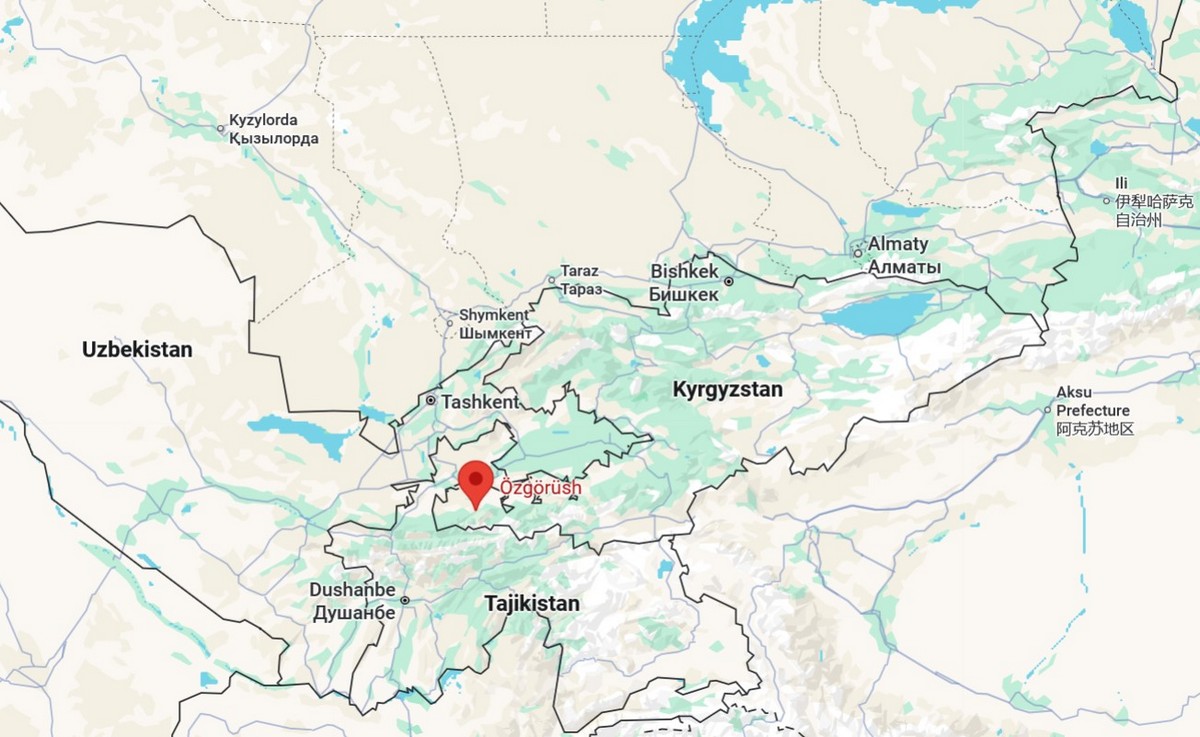
And so – tomorrow had arrived on our Karavshin mountain trek in Kyrgyzstan!…
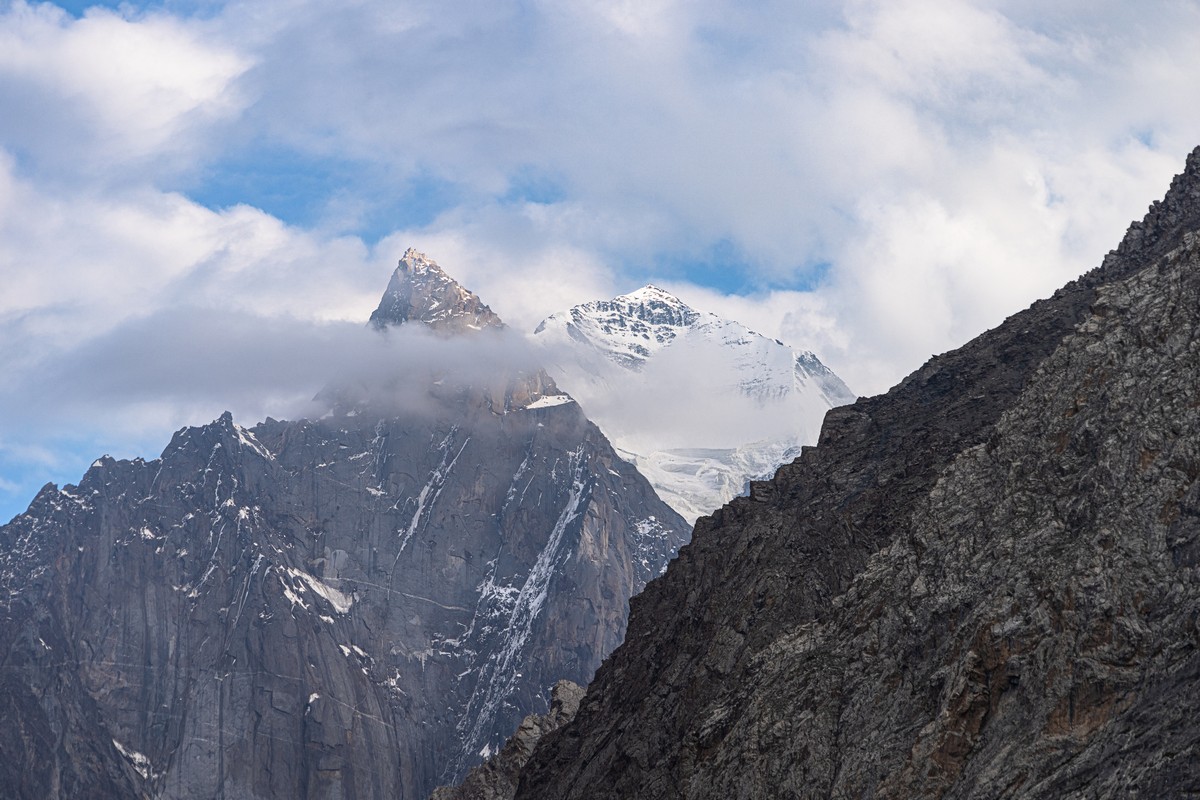
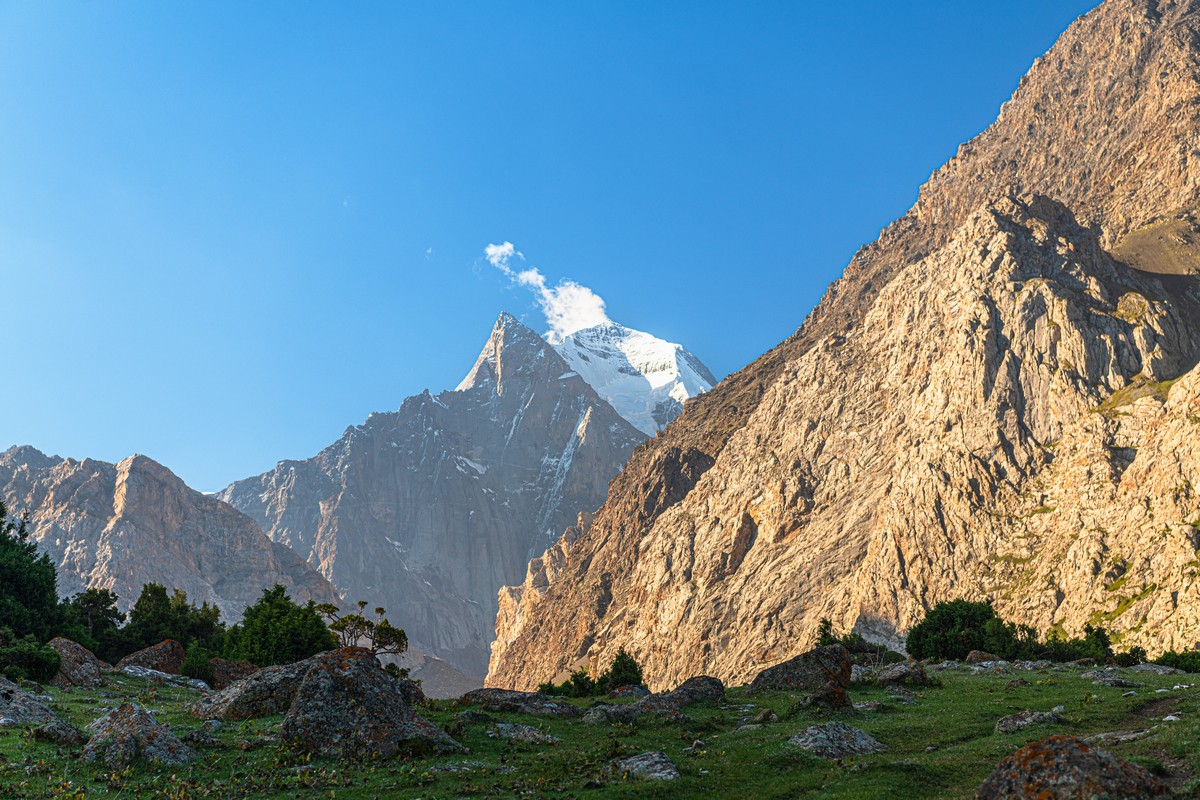
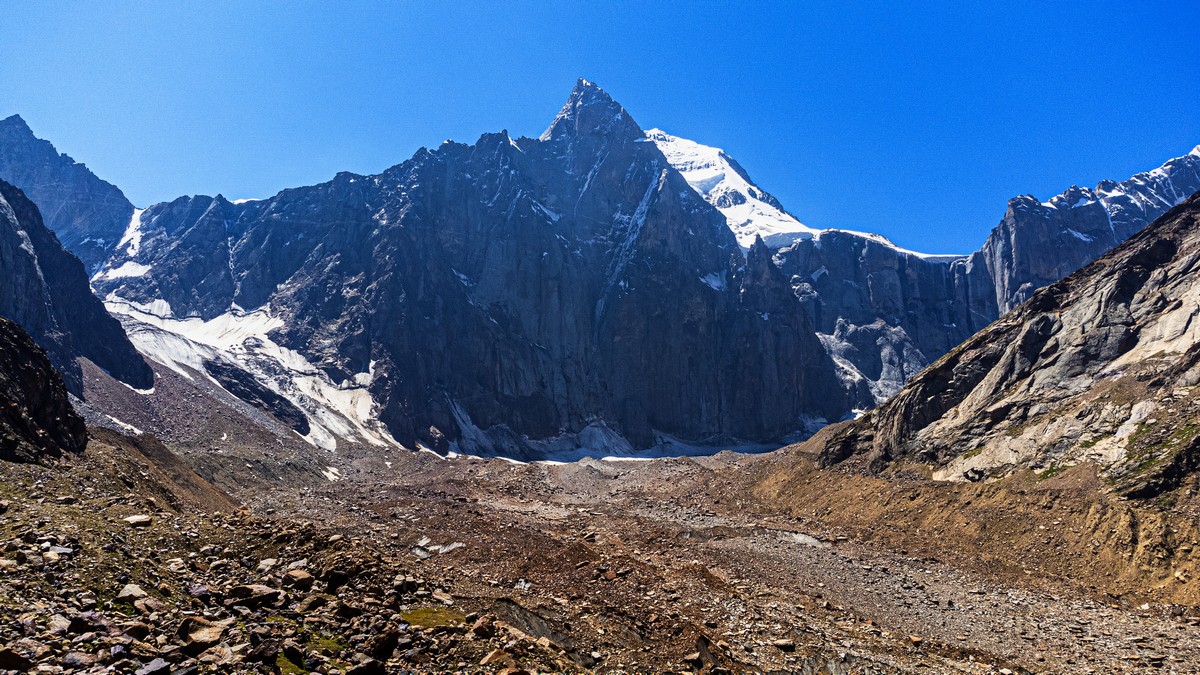
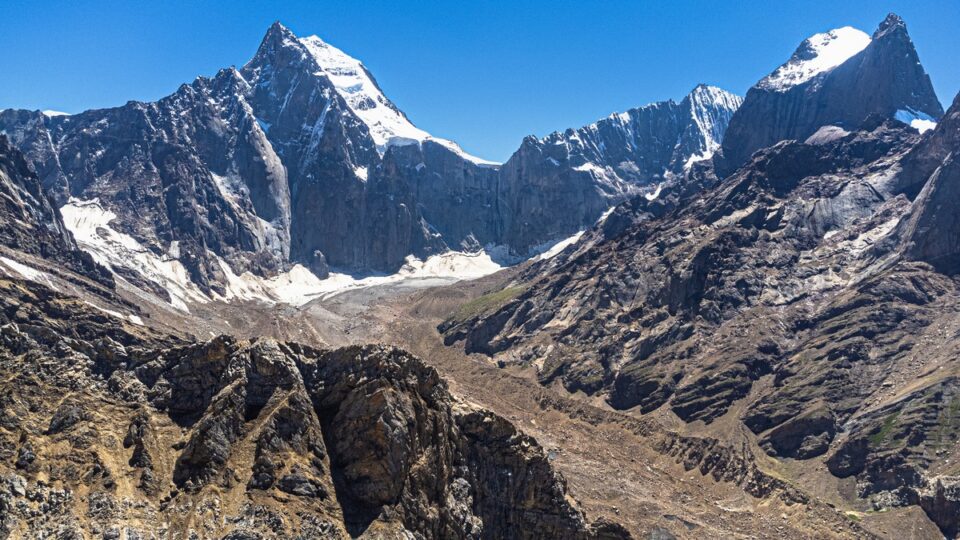
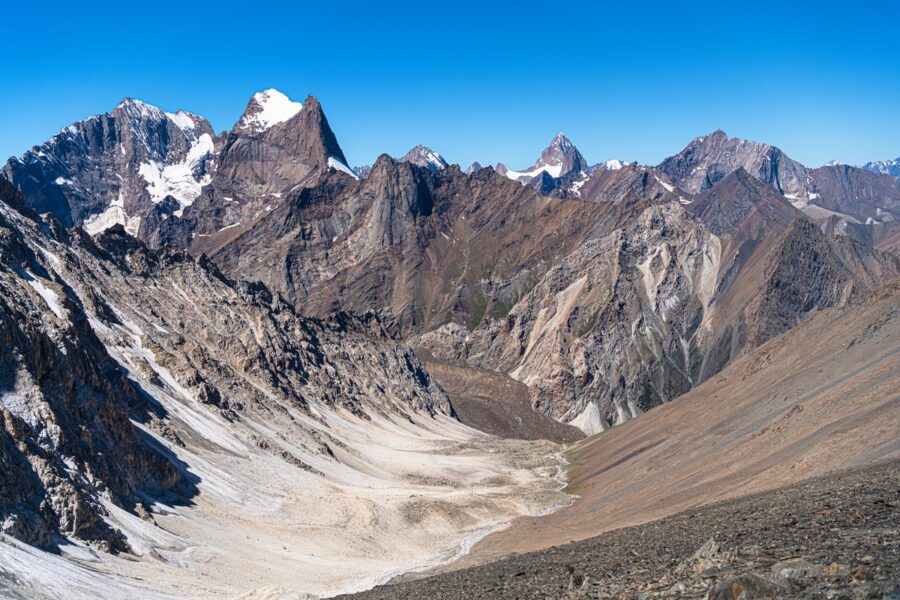
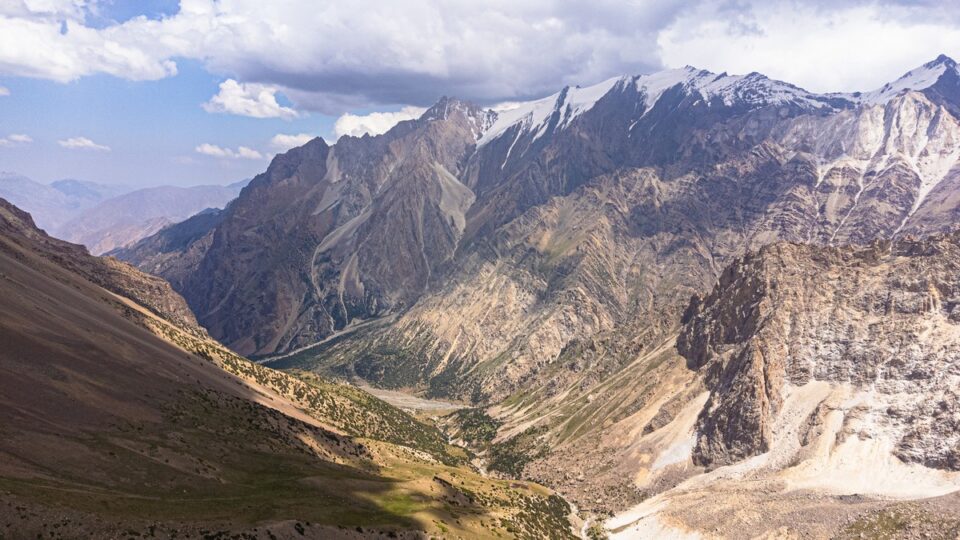
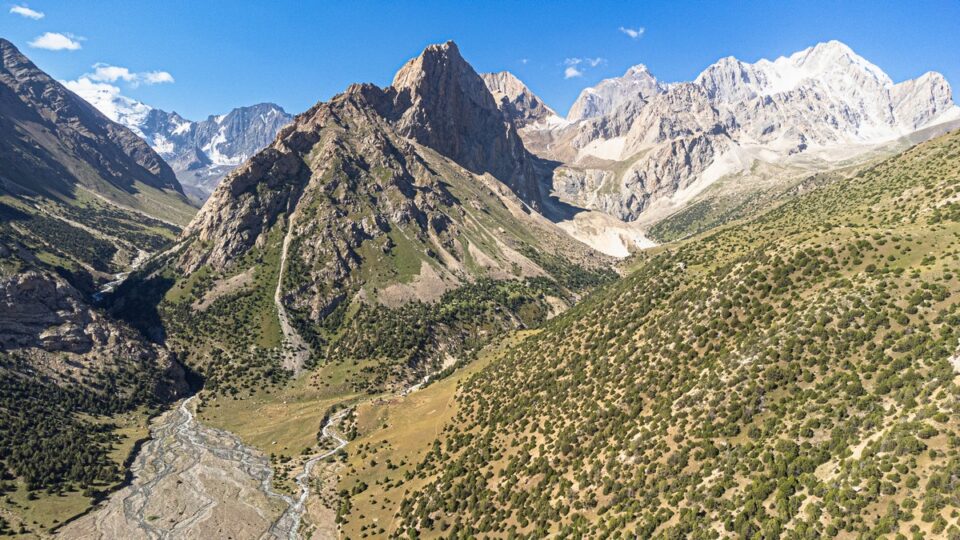
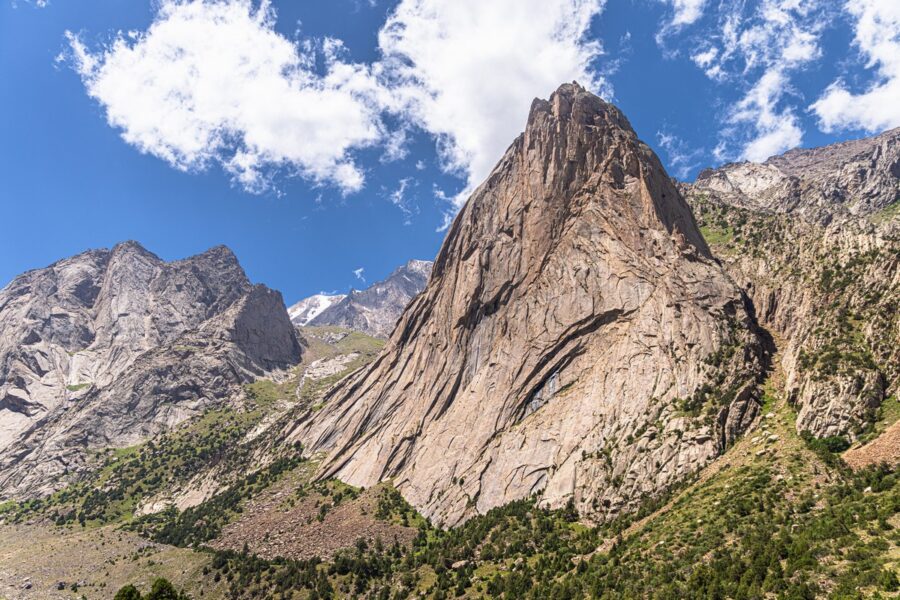
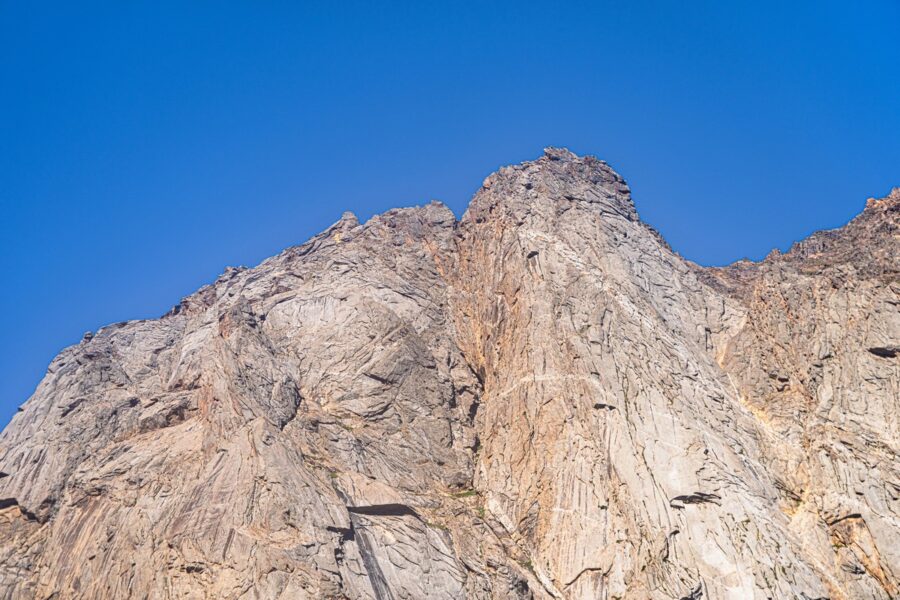
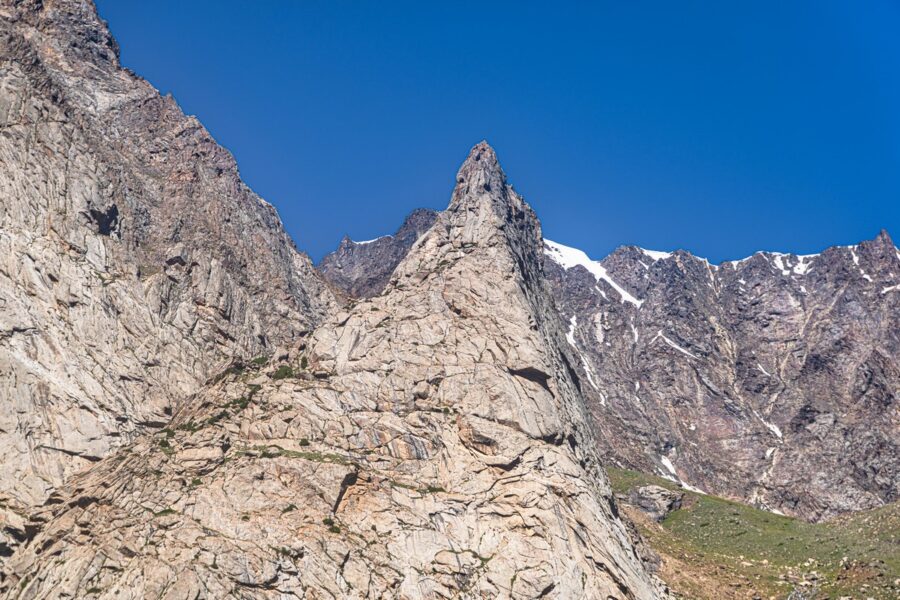
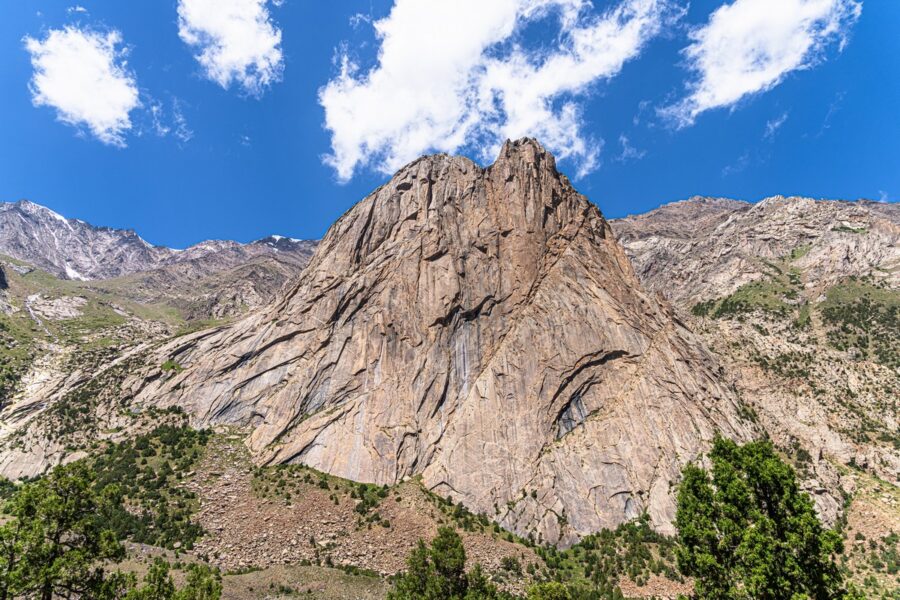
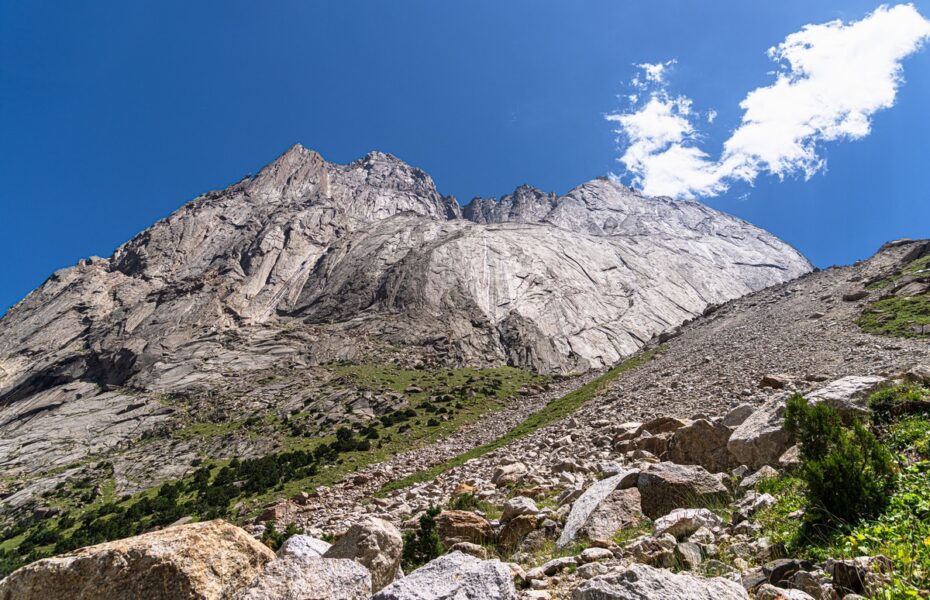
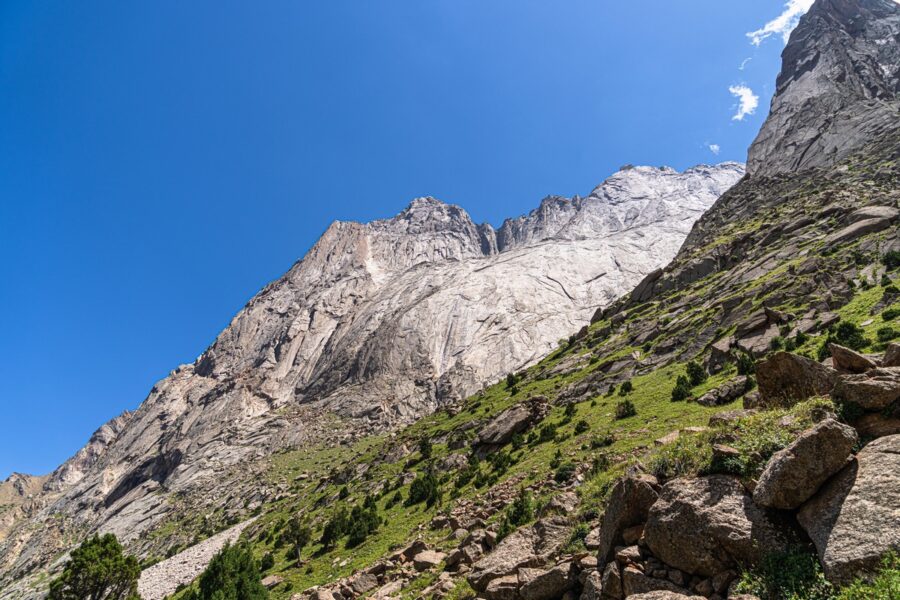
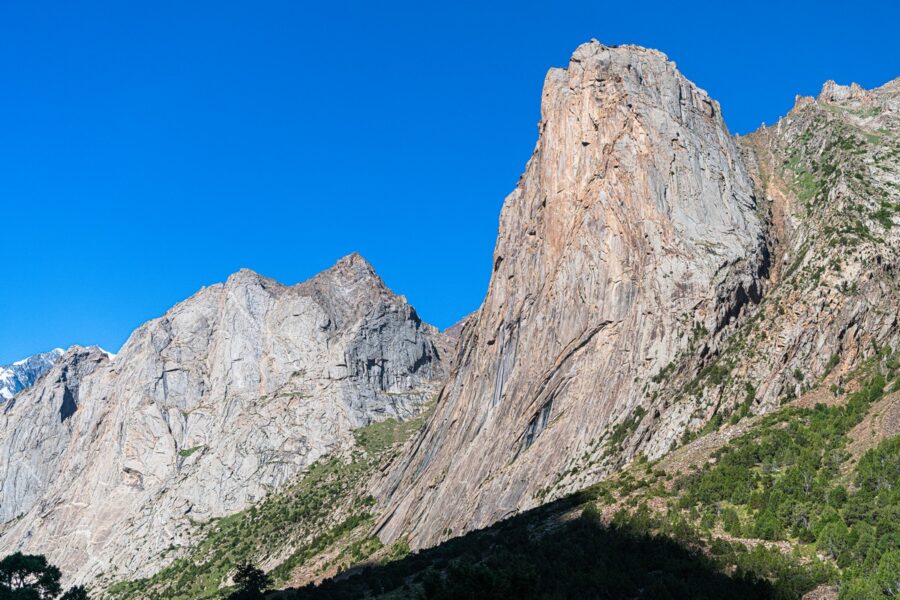
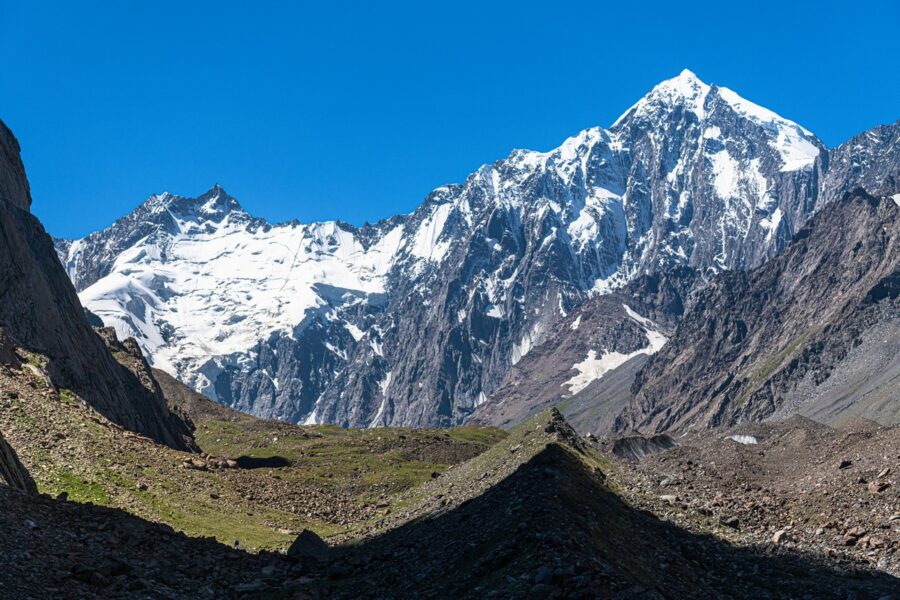
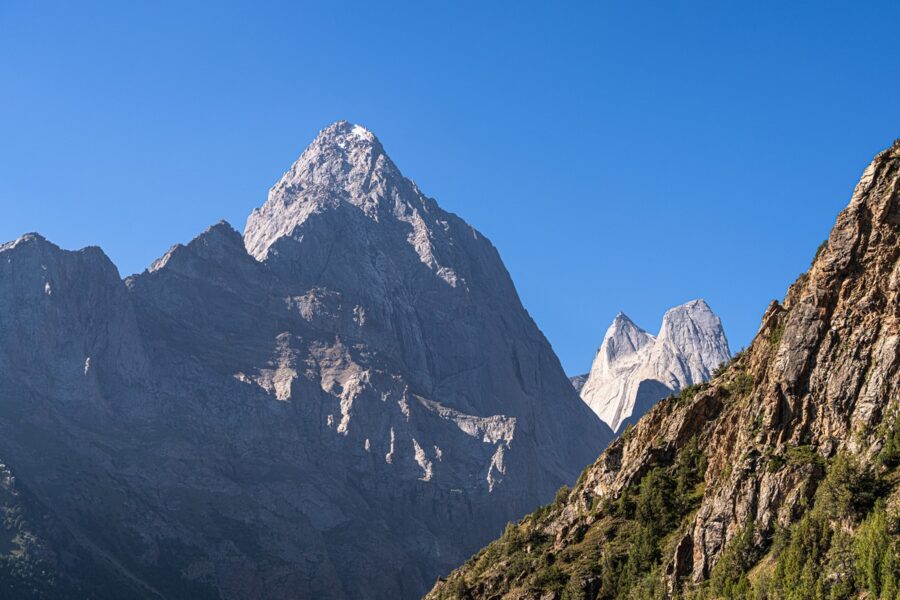
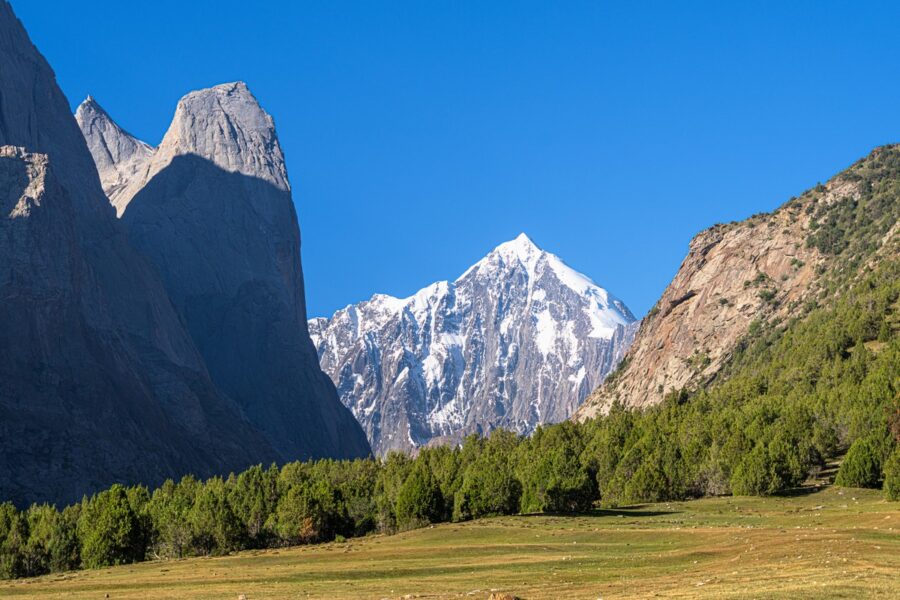
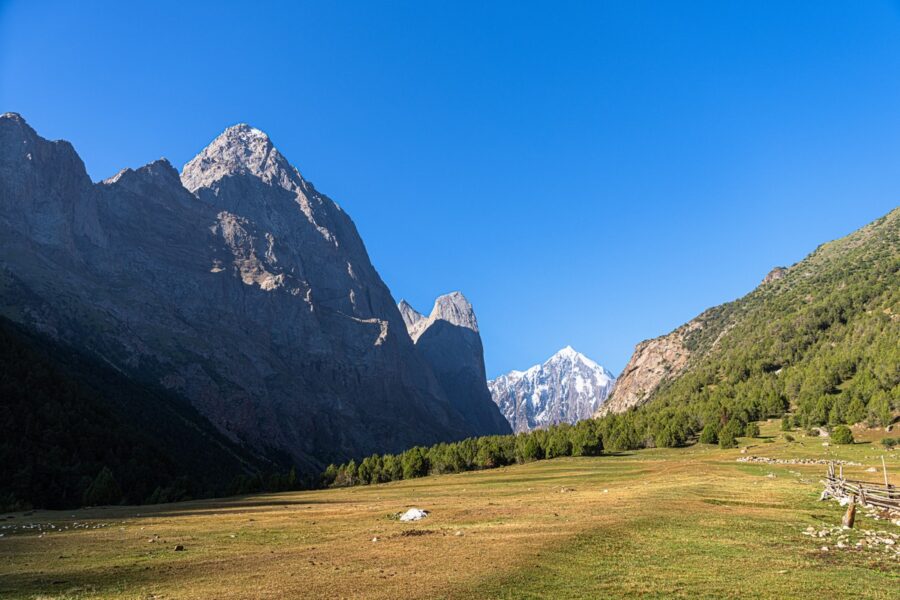
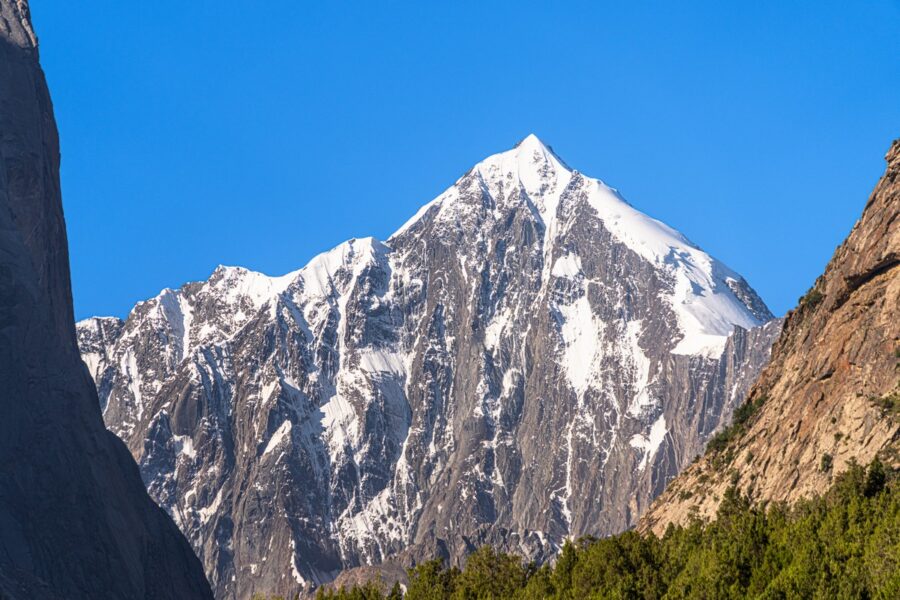
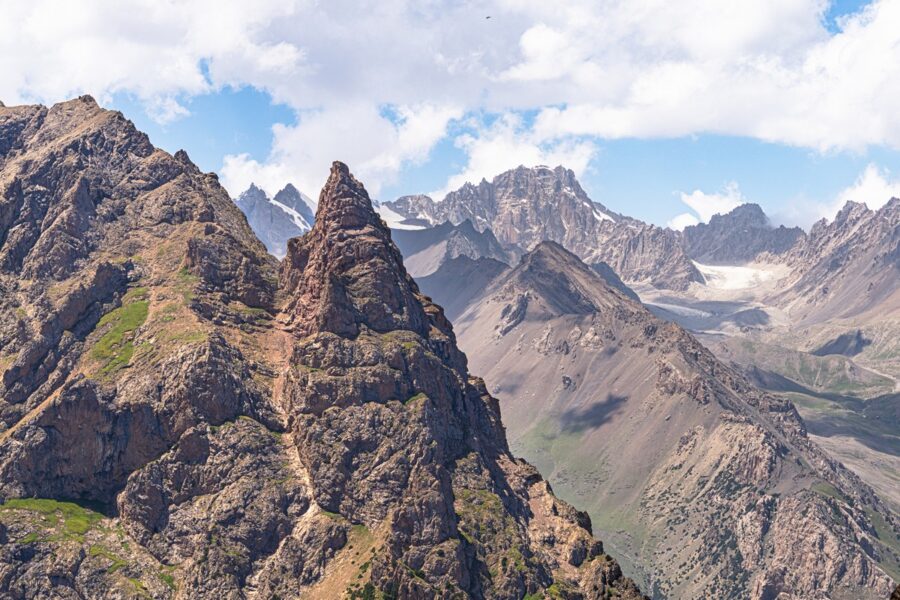
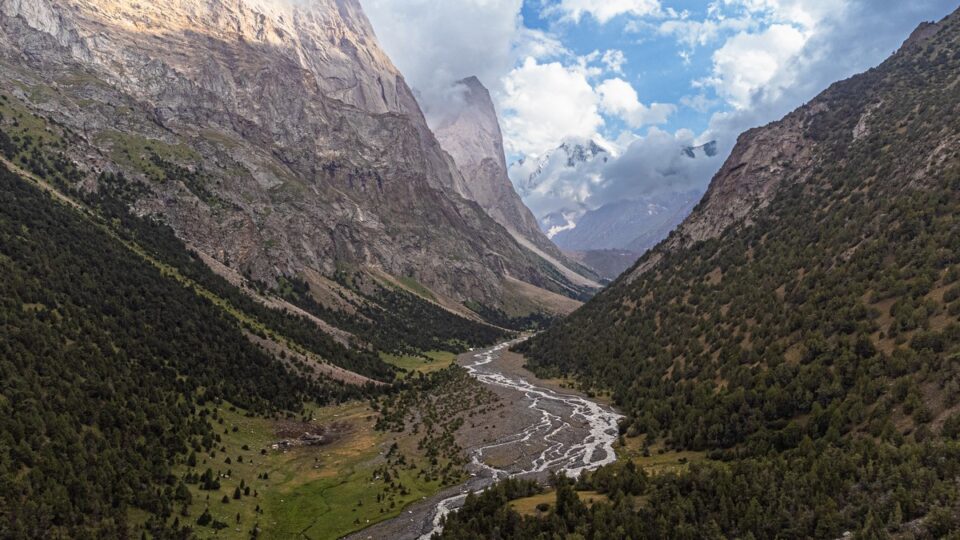
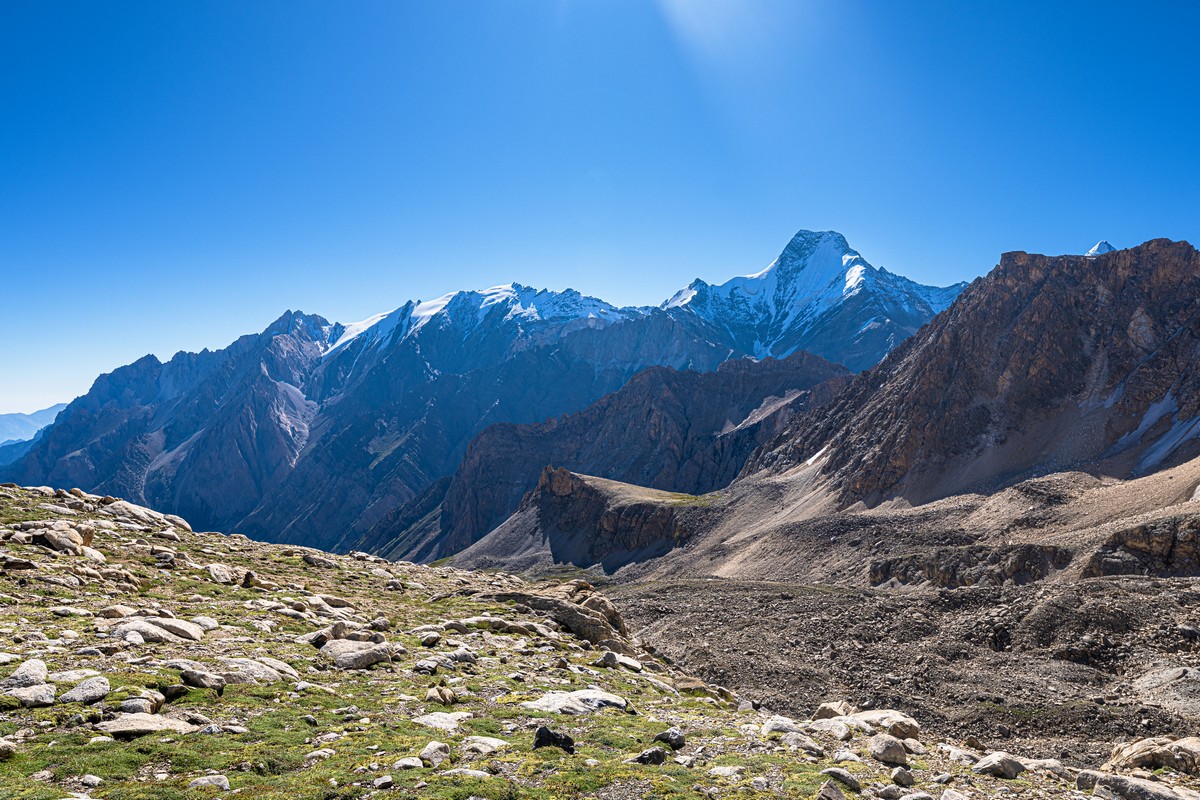
We were to be heading off up into those gorges over there – where gigantic granite skyscrapers shoot up some four or five thousand meters, where glacial moraine landscapes spread out in every direction, where the streams run with “glacial milk” (rock ground down to the consistency of flour), and where the sky is so blue and the sun so bright and scorching that you squint even with your sunglasses on!
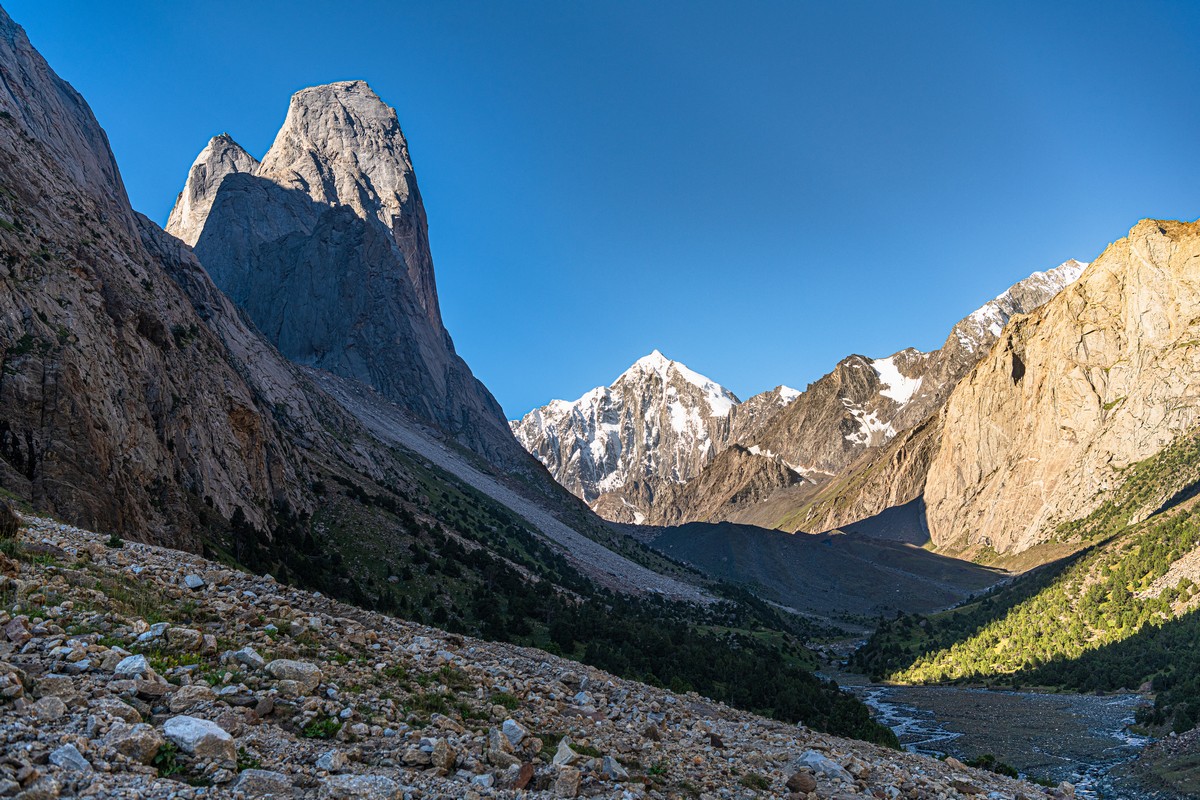
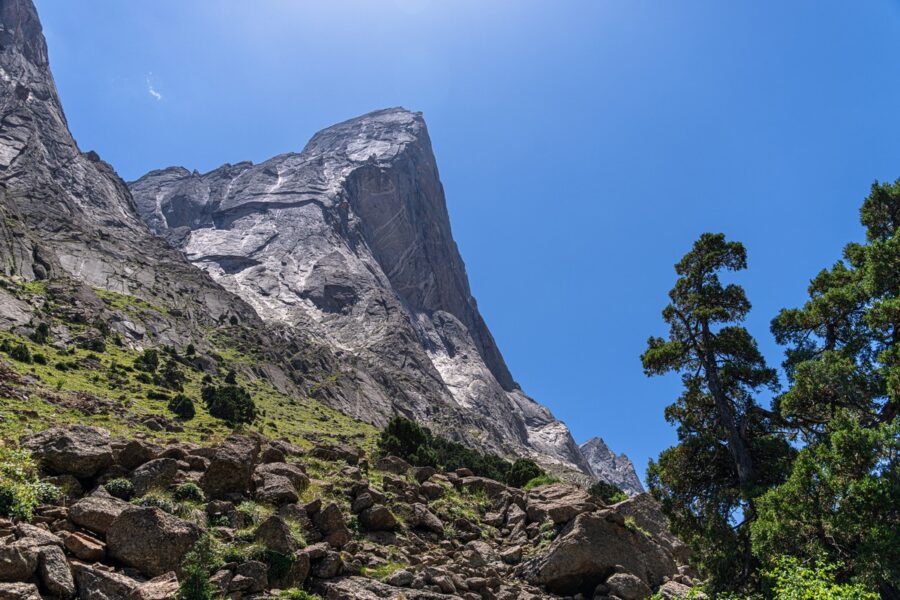
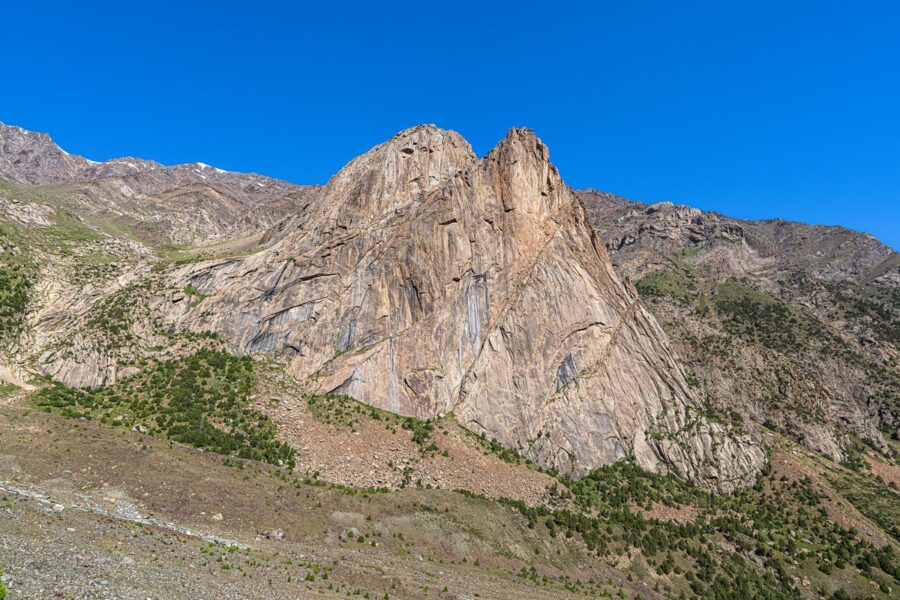
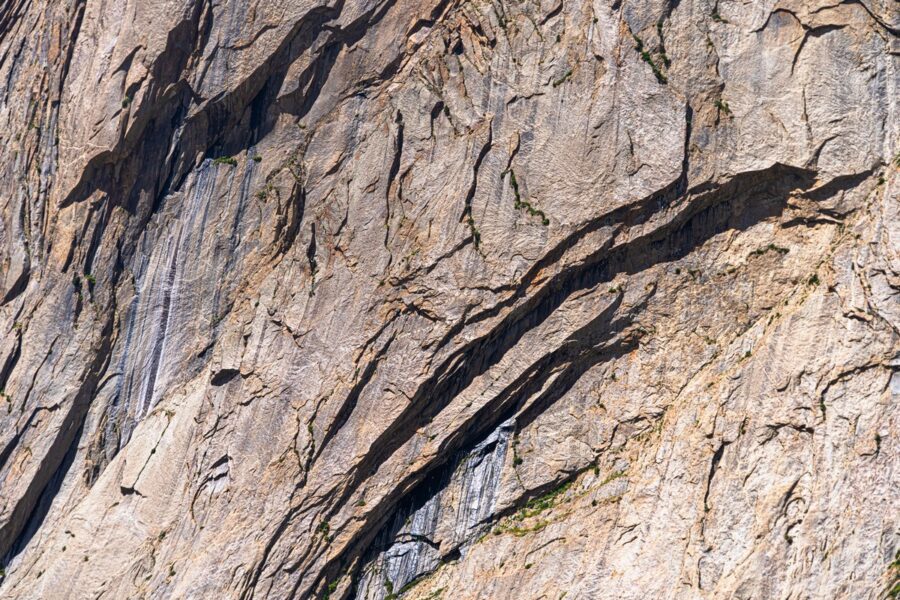
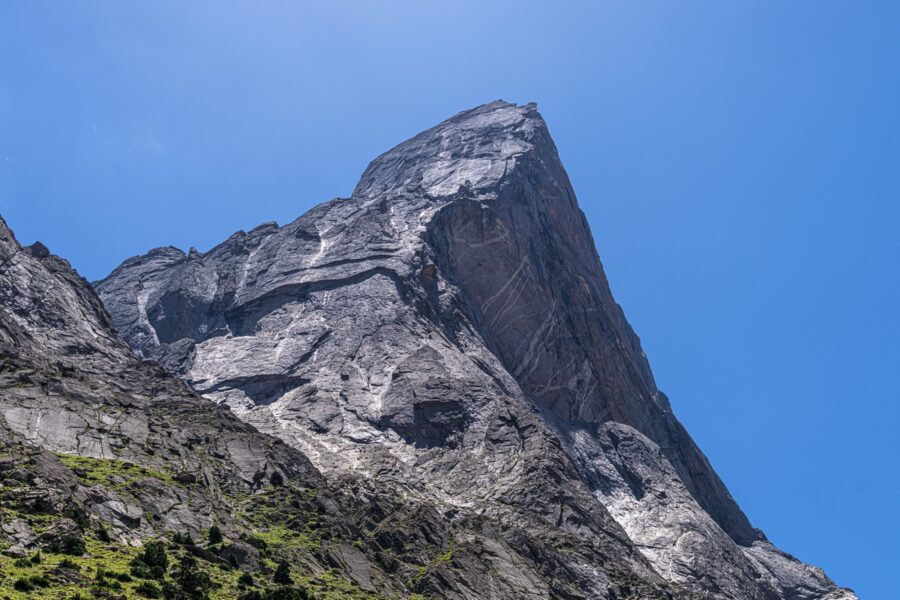
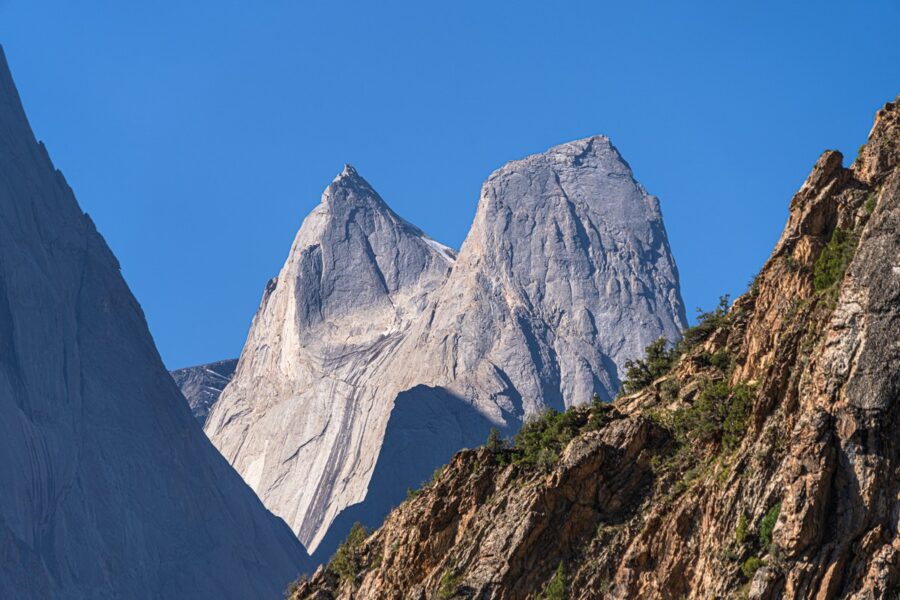
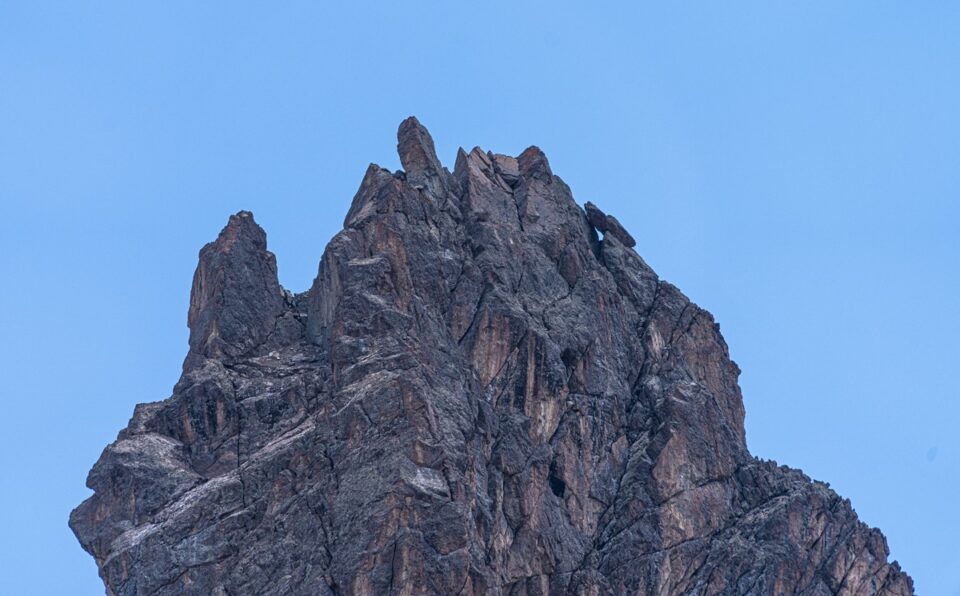
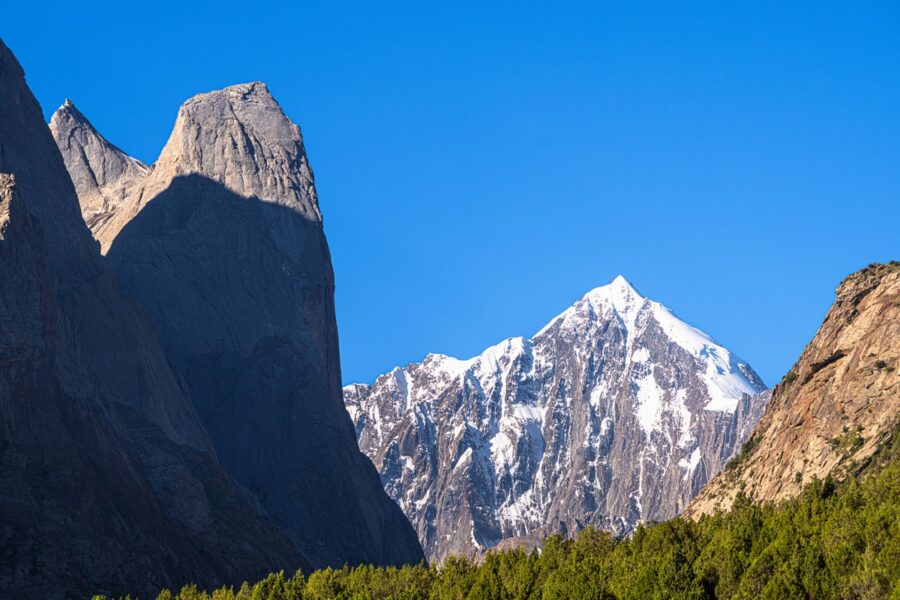
Here are some of the above-mentioned granite monoliths – paradise for mountaineers and rock climbers (but that’s not us) ->
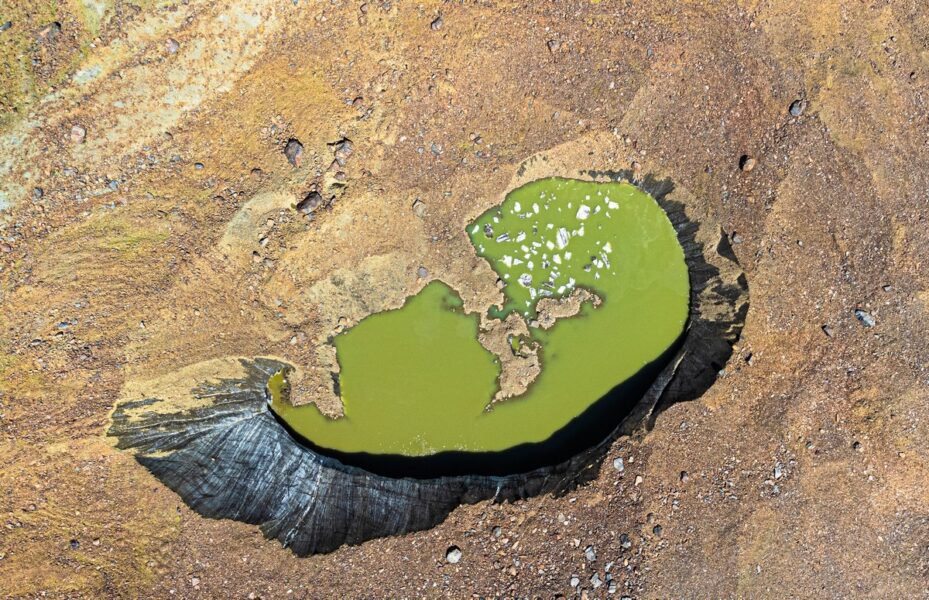
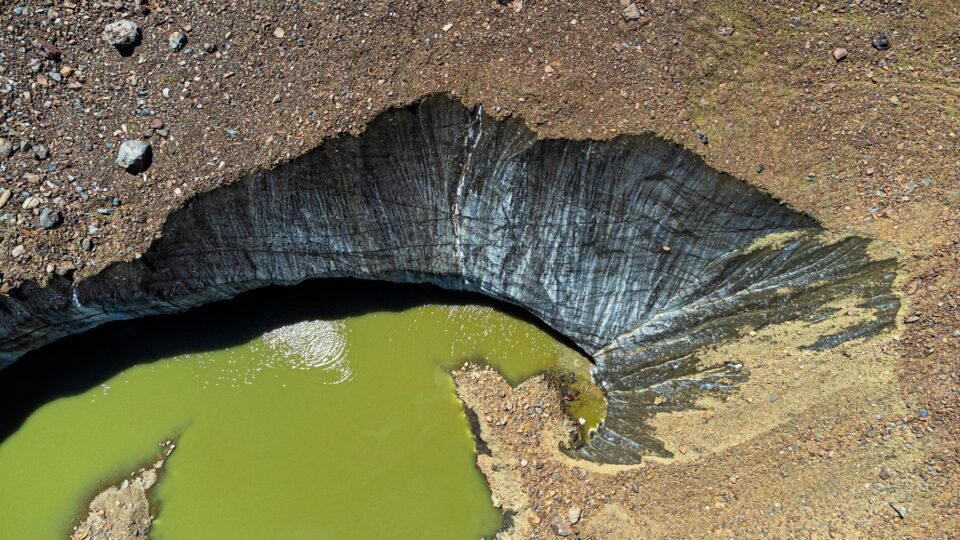
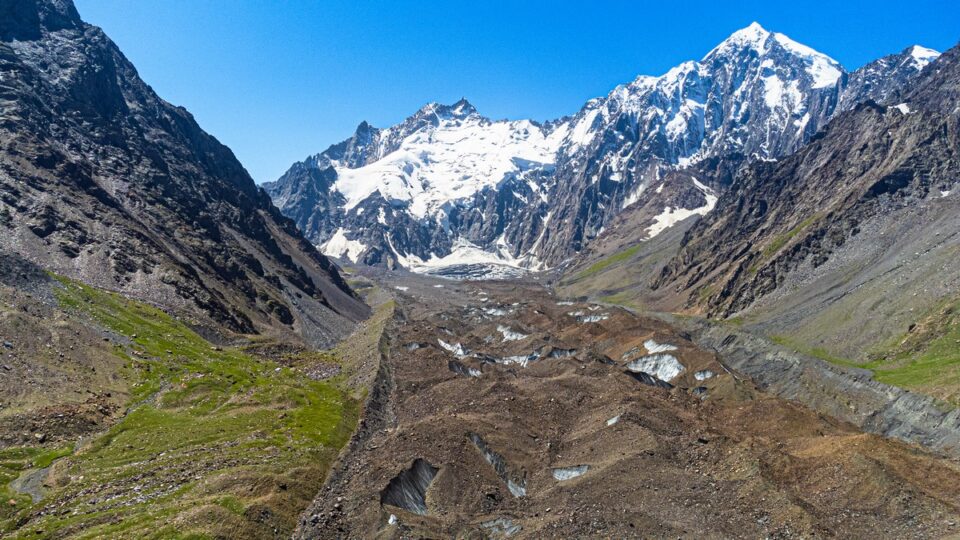
The remnants of ancient glaciers come creeping down from above, melting away vigorously as they do:
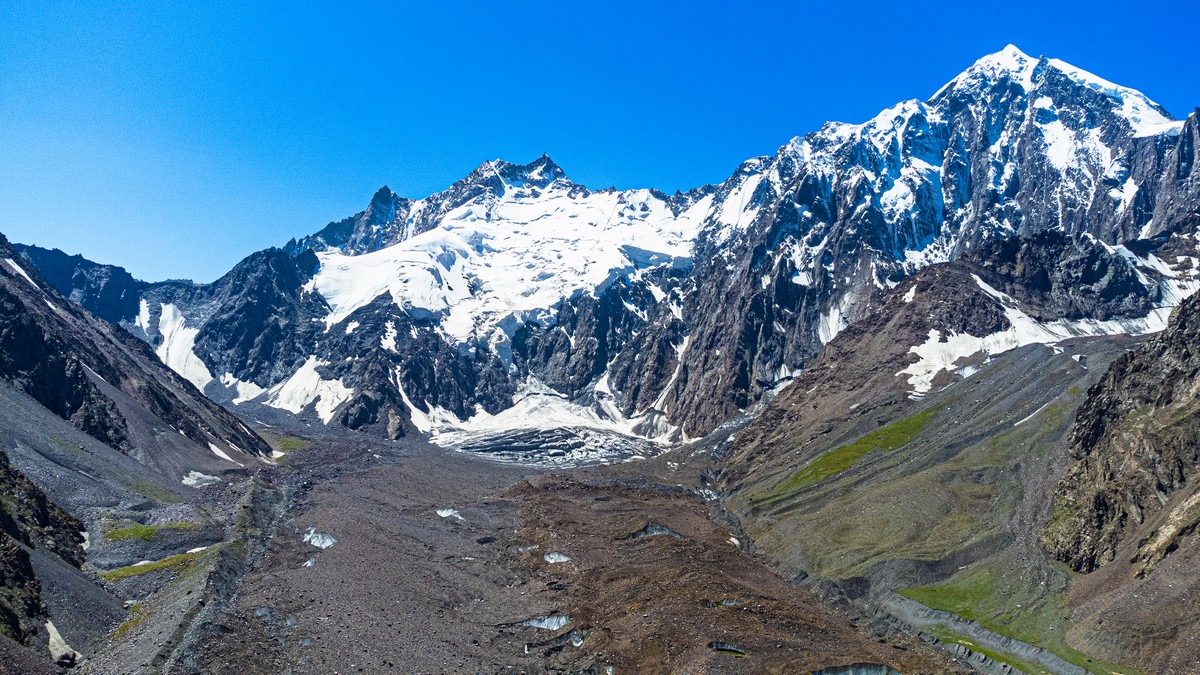
Oh, these mountains – simply magnificent!
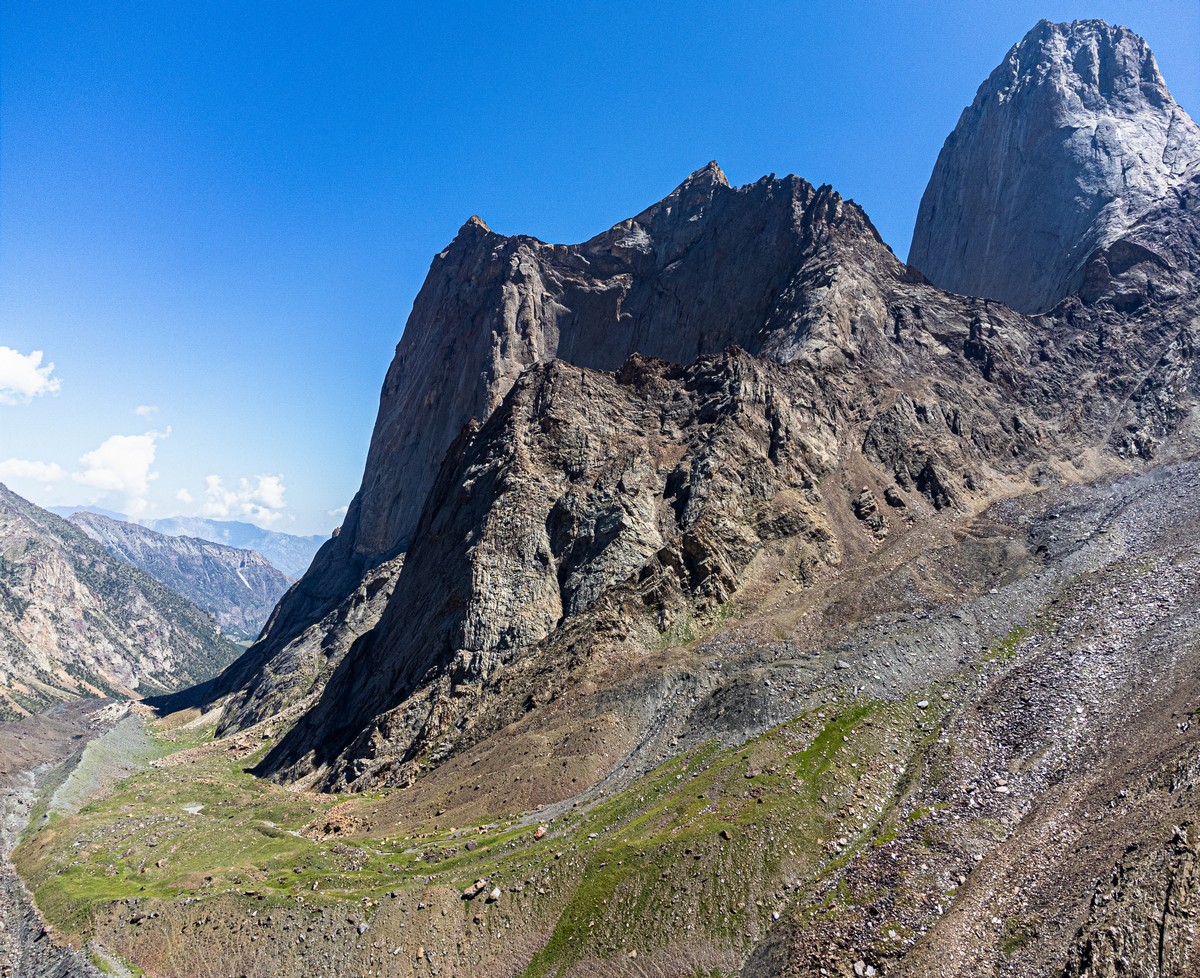
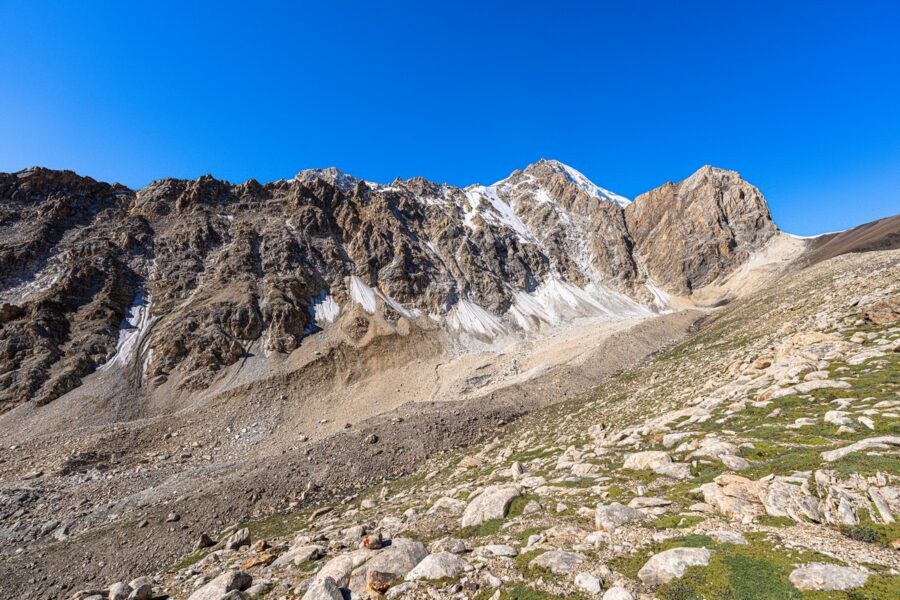
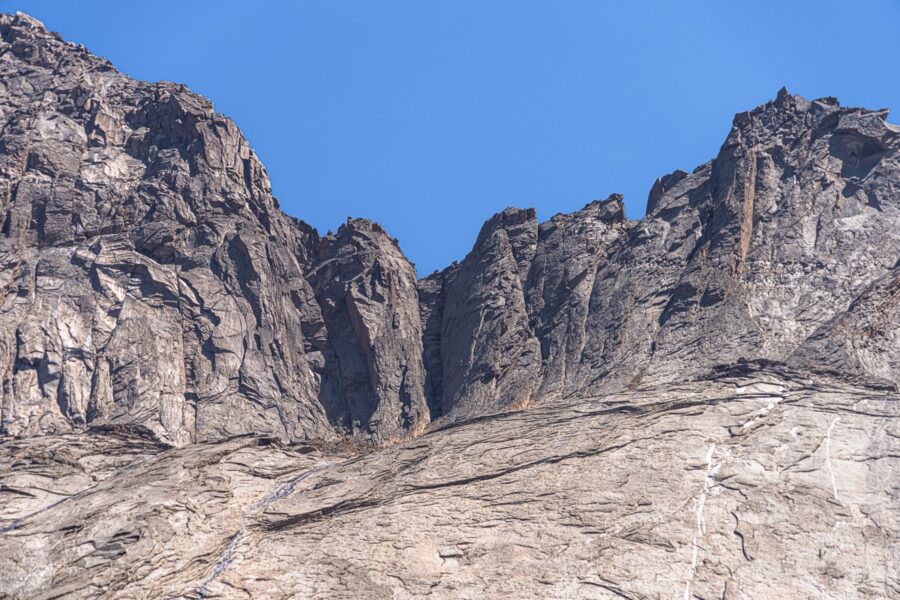
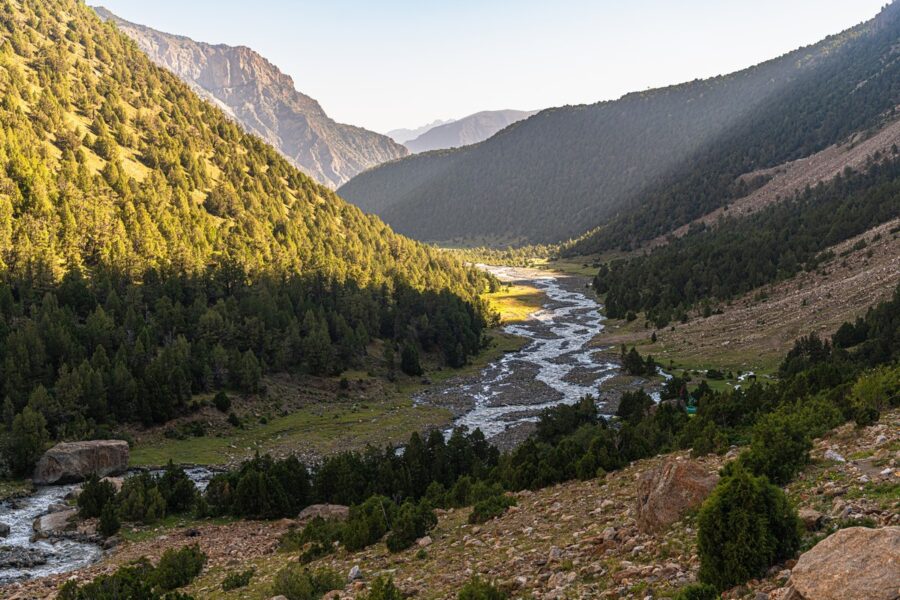
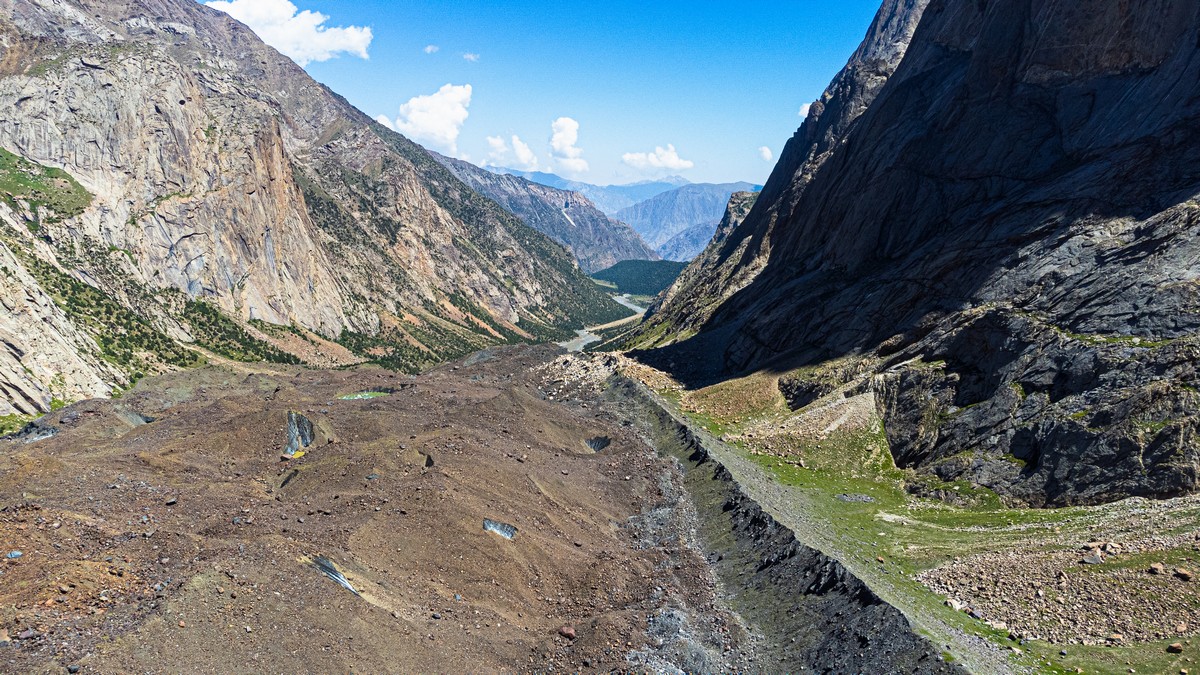
It’s curious to see how in places the cliffs along the gorge have been sheared off smoothly – which means the glacier here used to be a whole lot higher. It may even be that this entire mountain system was once covered by a colossal block of ice.
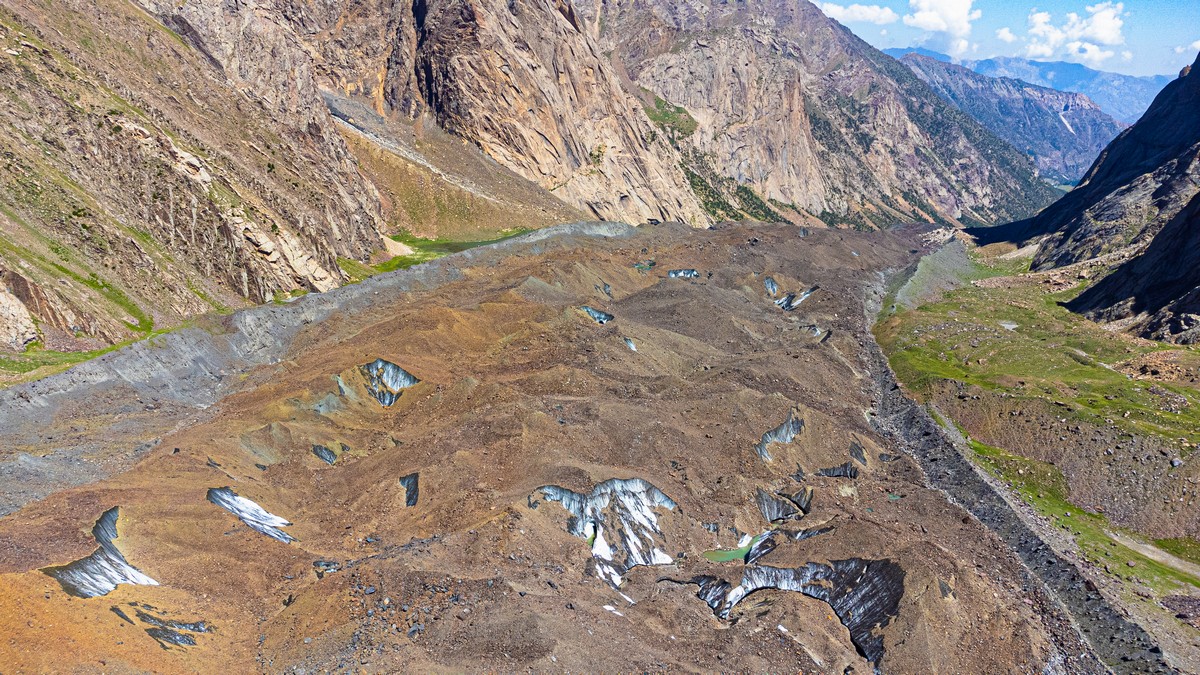
Then the whole icy fairy tale melted away; then it rose again a little – the glacier grew thicker and dragged in lateral moraine ramparts – and then melted away again. You can see it all very clearly in the photo:
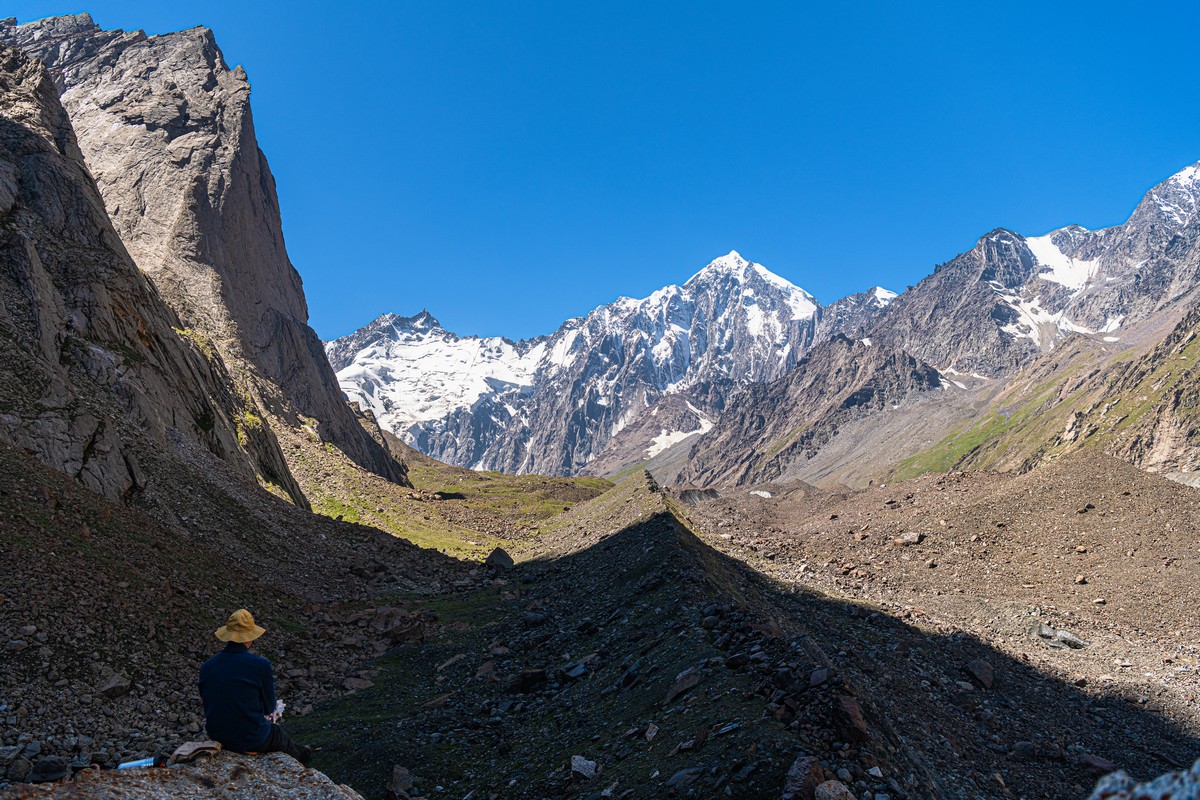
And that’s just how it goes… Nature’s cyclical like that, in absolutely no hurry, and couldn’t care less what’s going on on the surface of the third planet of a single-star planetary system somewhere out on the edge of a galaxy that this same indifferent nature never even bothered to give a name to… Those, I expect, were the kind of thoughts running through the head of my ever-contemplative travel companion SP-O as he sat there, melancholically meditating upon the glacial-mountainous scenery:
Yes, the glaciers are melting – so you’d better be quick about looking at them! And in places they melt in the most colorful ways:
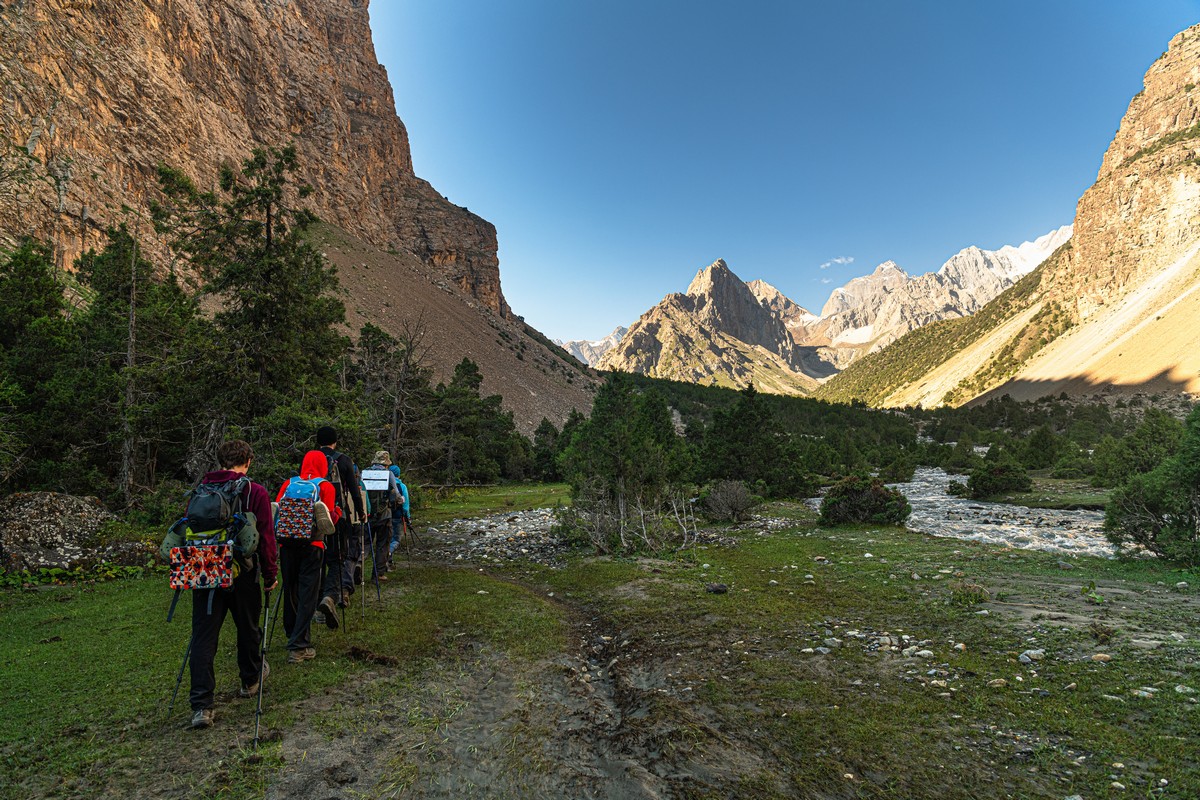
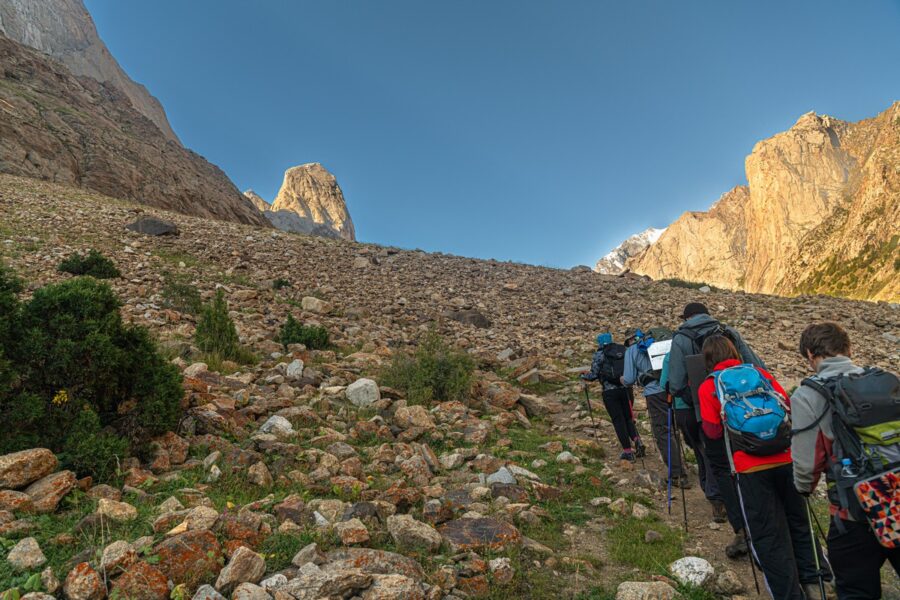
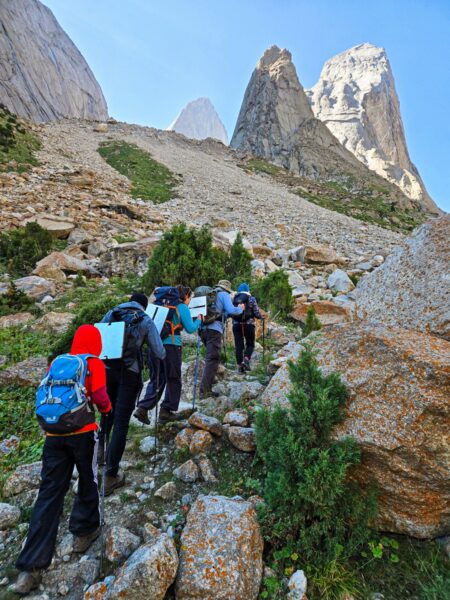
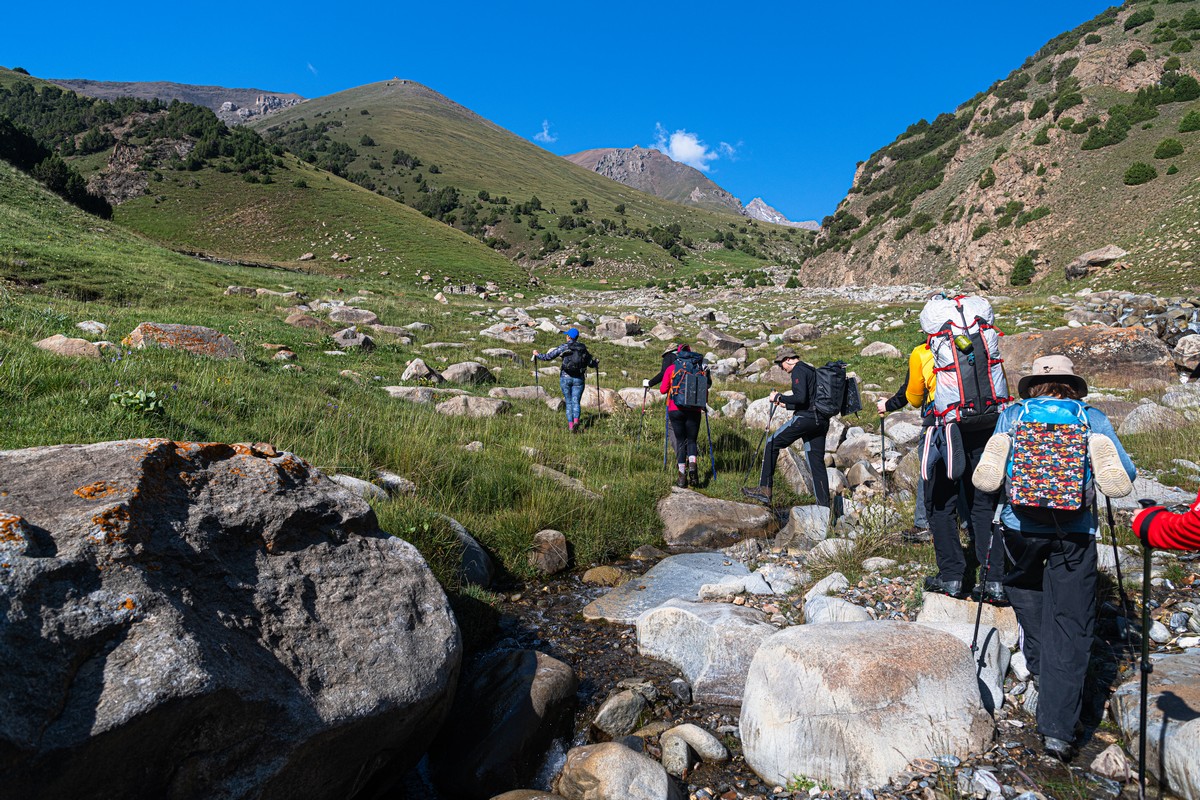
So, after breakfast, off we popped!…
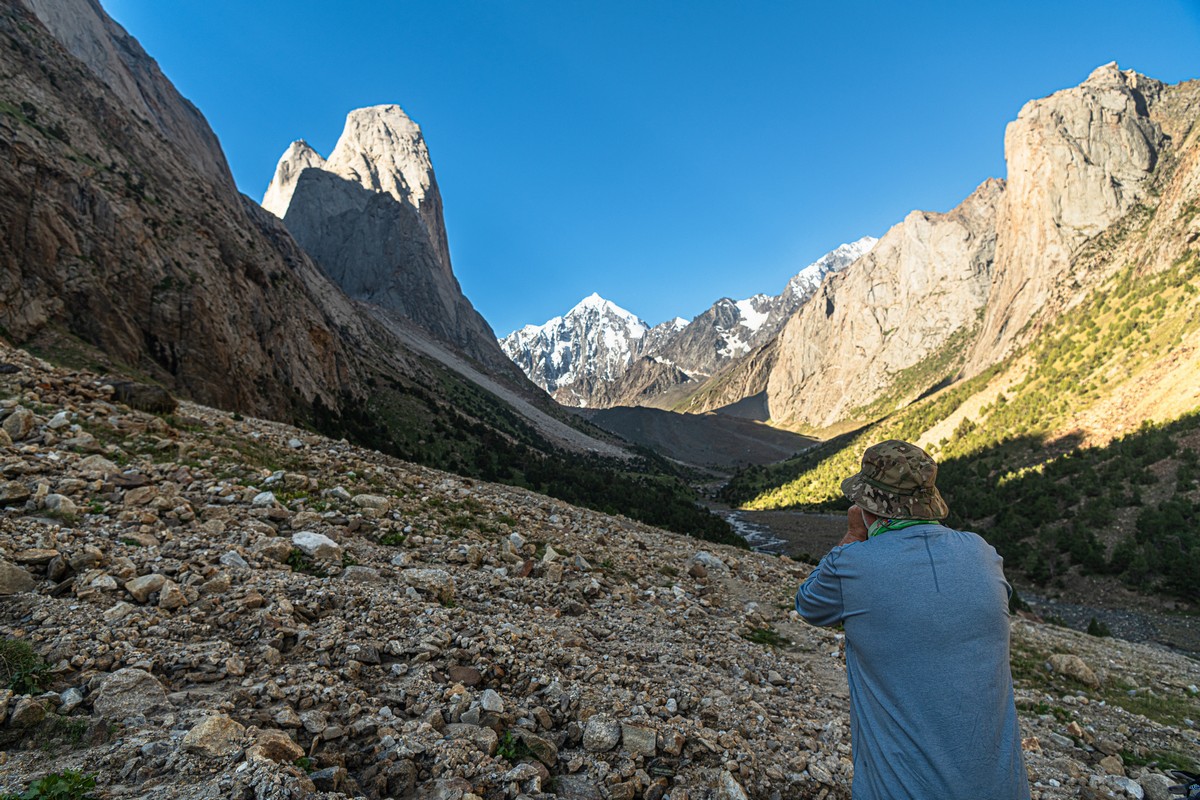
…Always with the camera close to hand:
And then I stayed put for a couple of hours’ snooze in the sun.
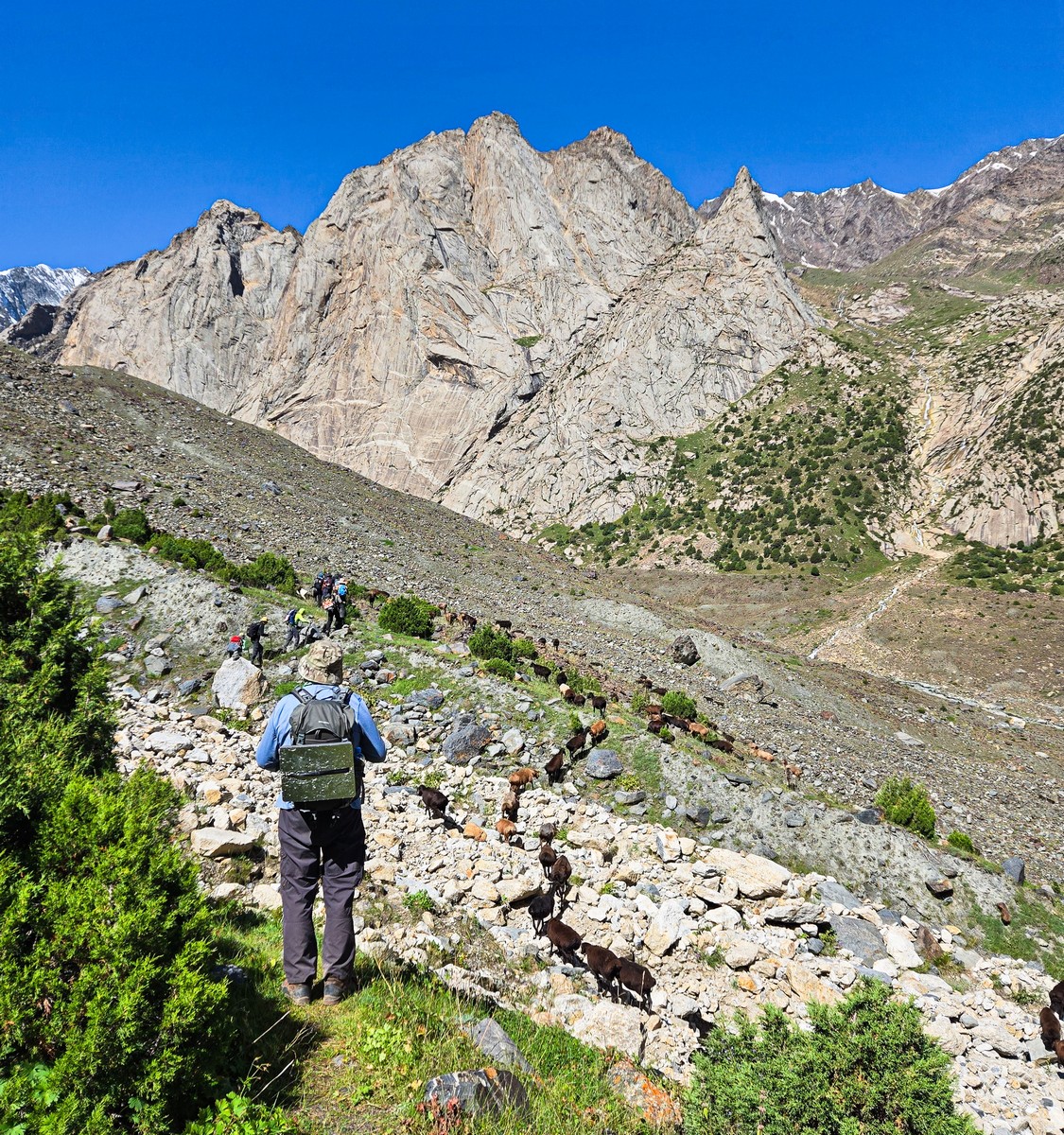
Why did I stay back? Well, it was clear to me right away that there wouldn’t be much farther up (see my accounts of Antarctica, Greenland, and the Inylchek – plus various other very northern and extremely southern places). Also, walking around on moraine formations, which I’ve done plenty of times, isn’t really my cup-of-tea. So I simply stayed down below and spared myself a two-hour “back-breaker” over rocks of every caliber.
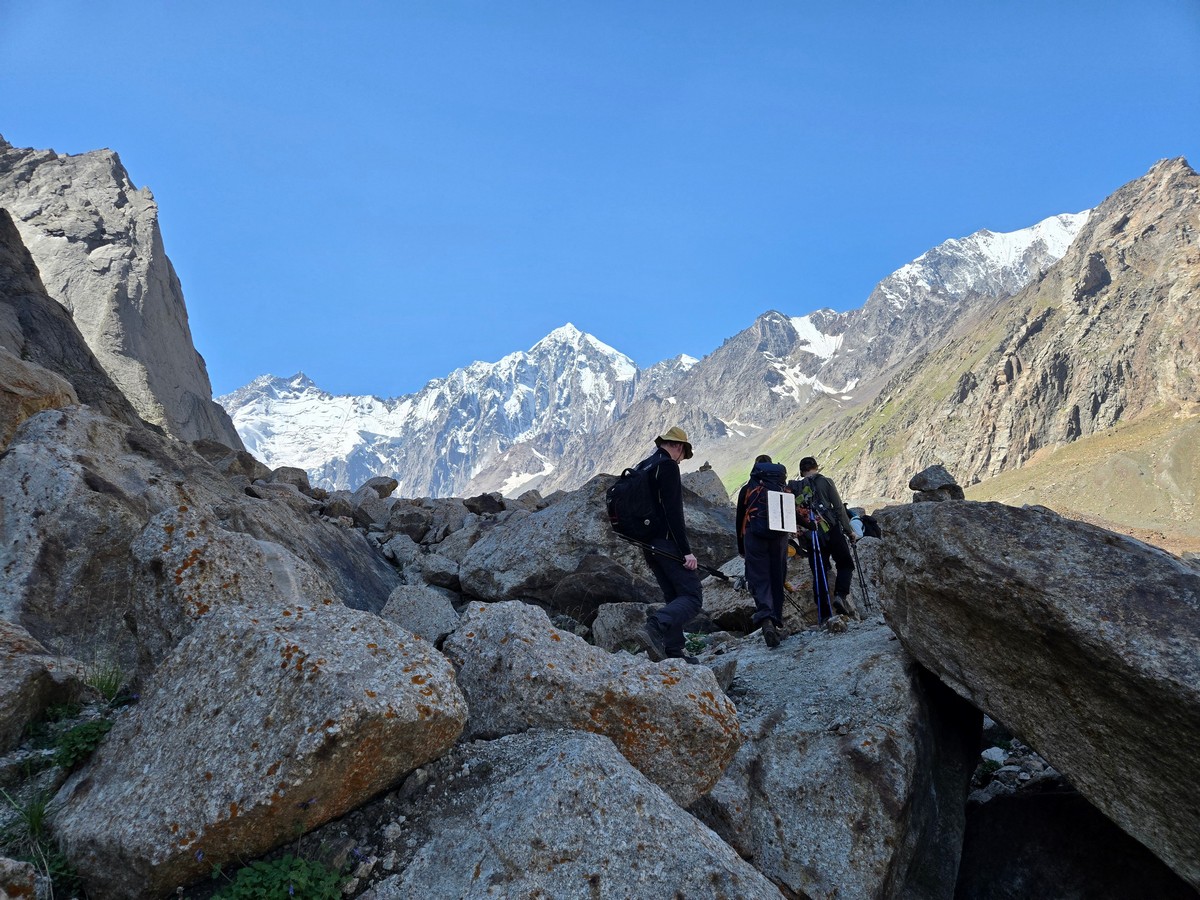
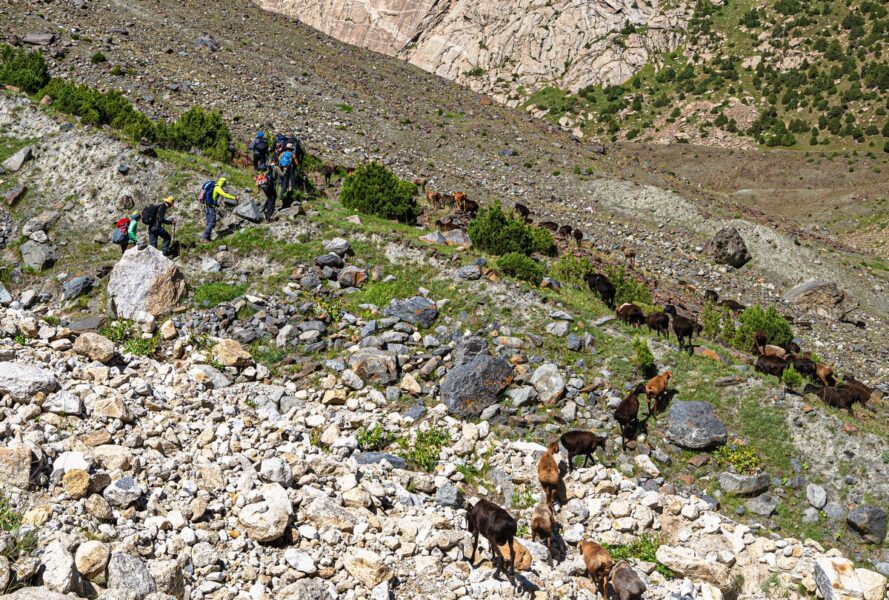
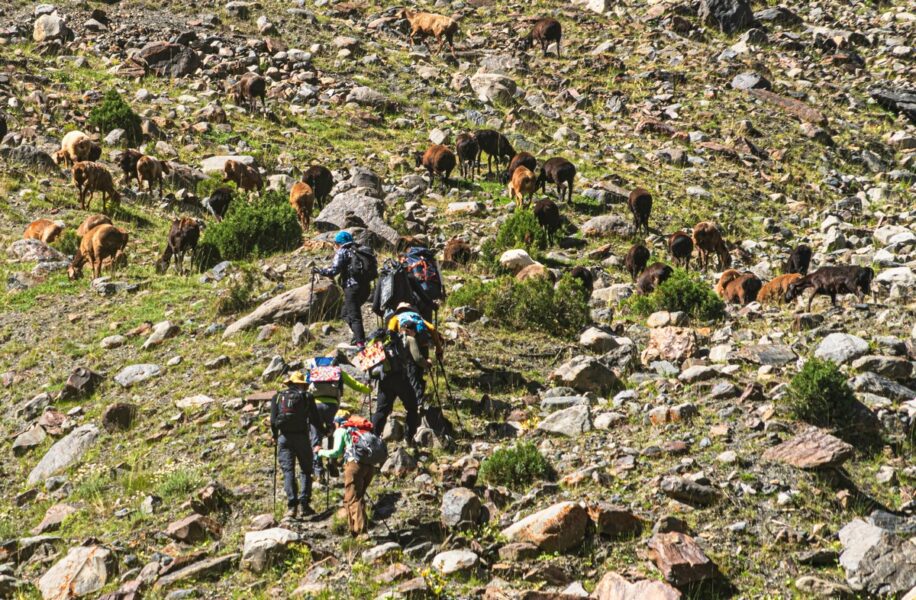
So off went the others to clamber over the moraine boulders.
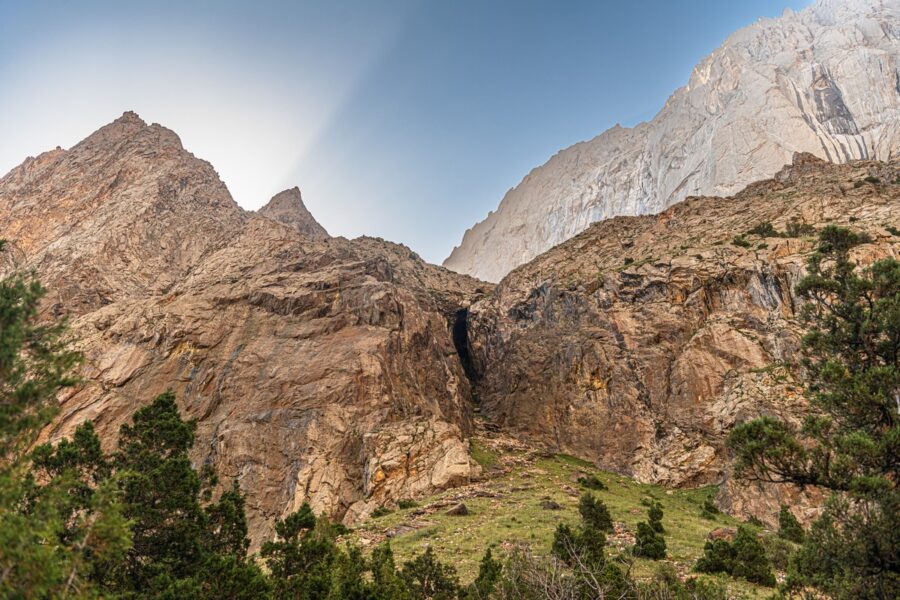
But I didn’t snooze for all of my down-time. Out came the Sony to capture the surrounding oh-my-granites!
If you look closely, there’s a small glade up there! Ooh, intriguing… If I were a climber, I’d be up there for sure.
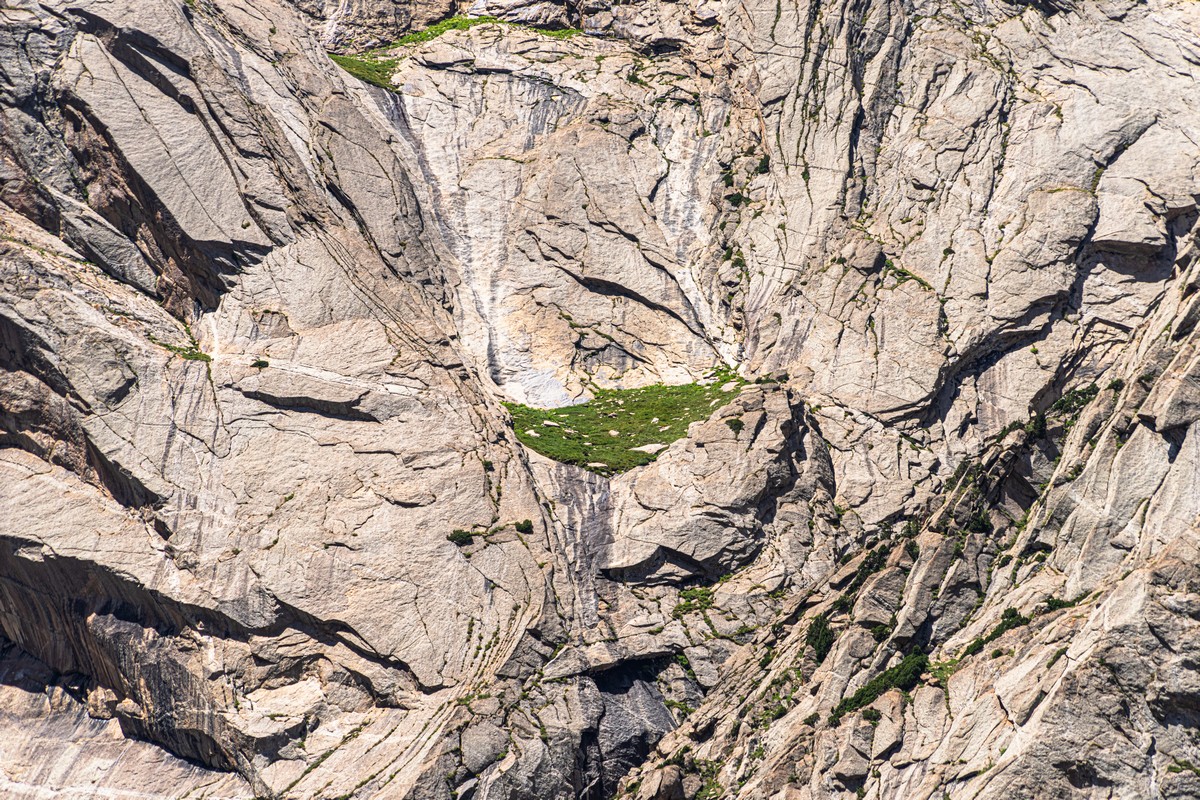
Just stunning!
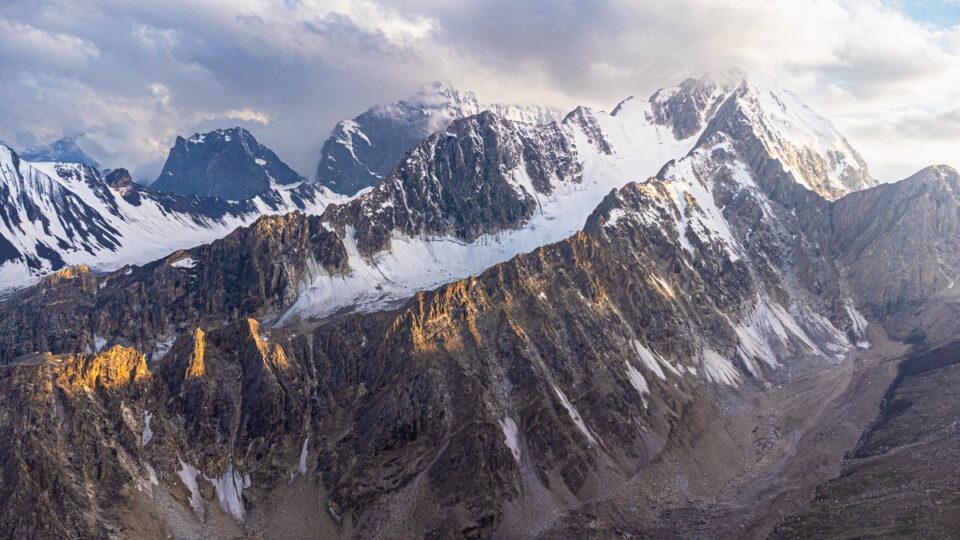
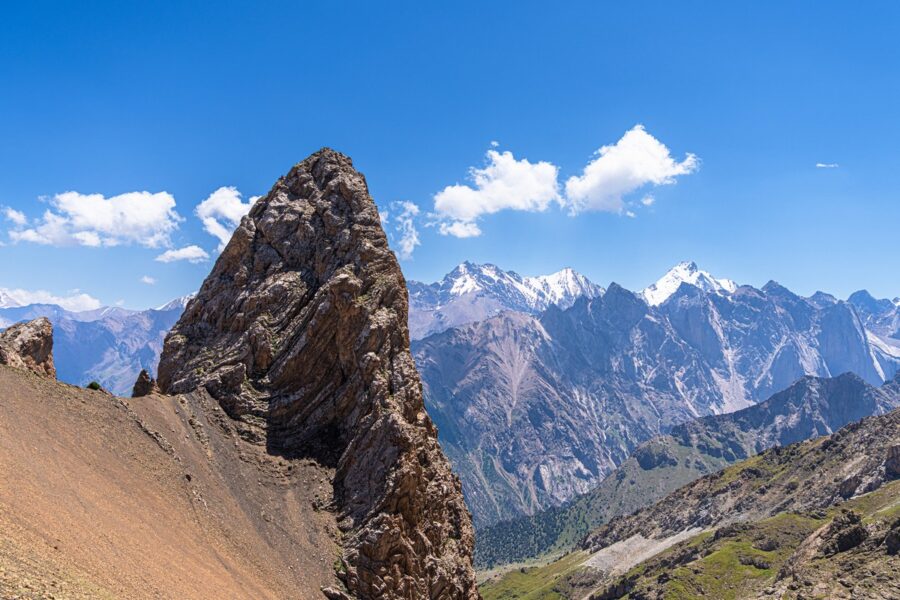
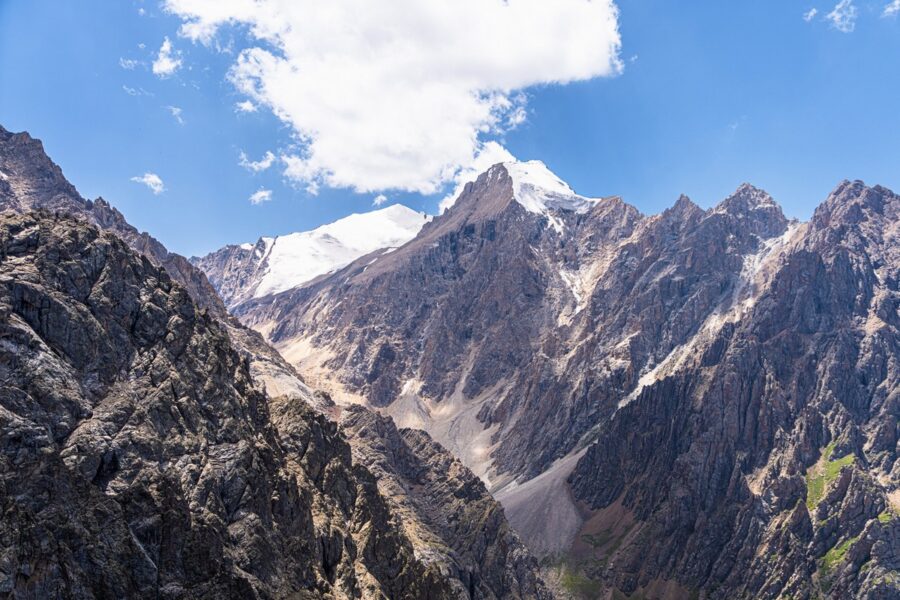
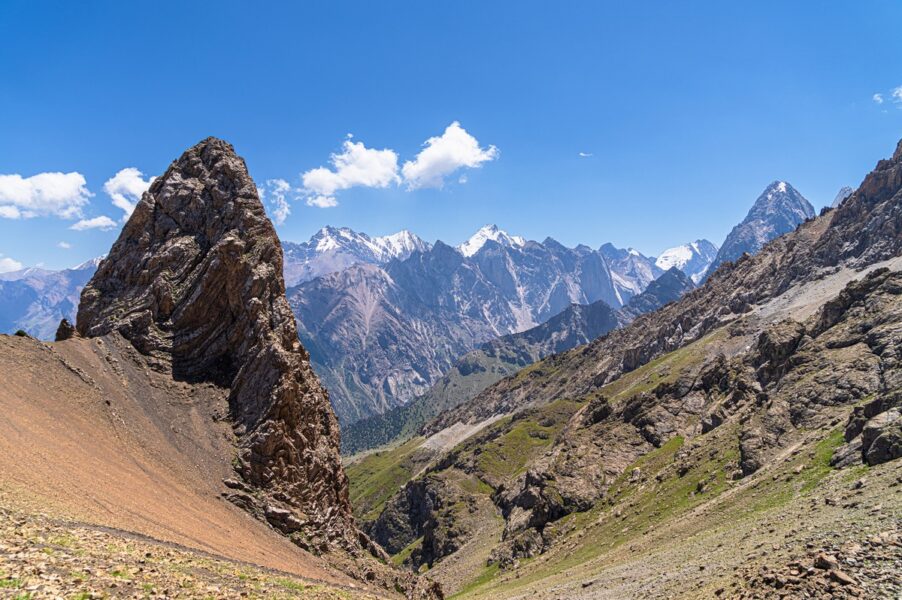
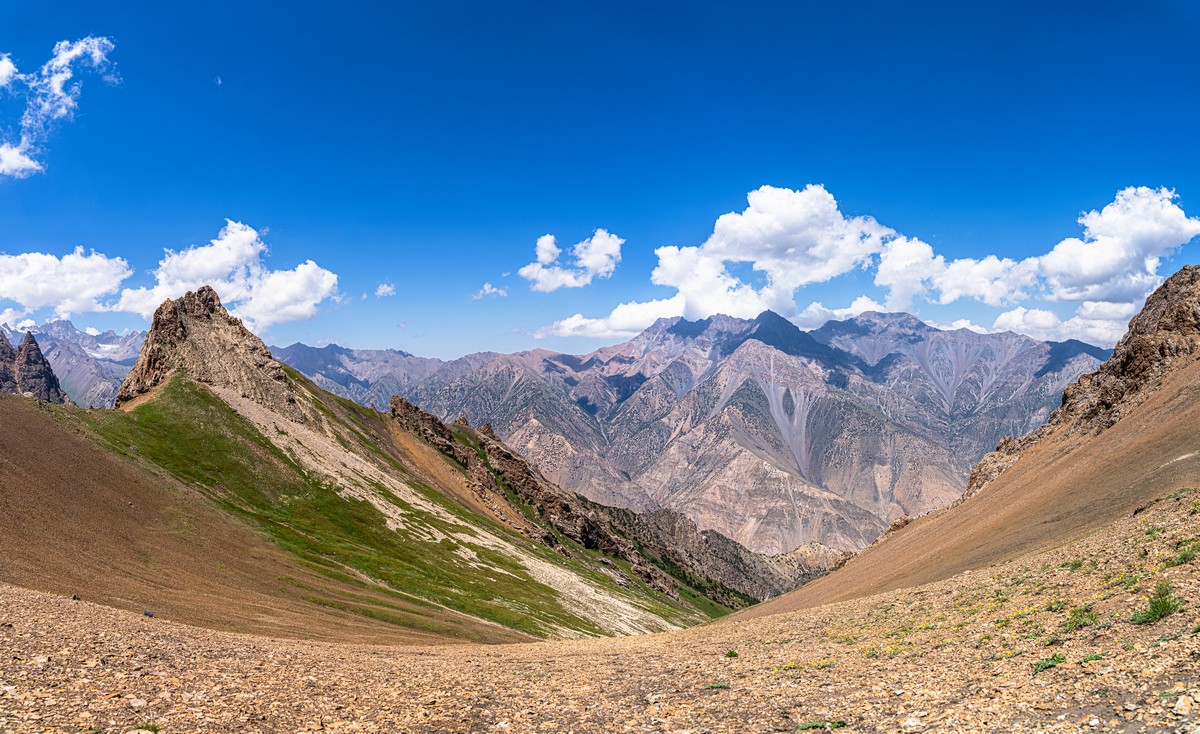
Yes, the views really are magnificent in every direction…
But it was time to be heading back!
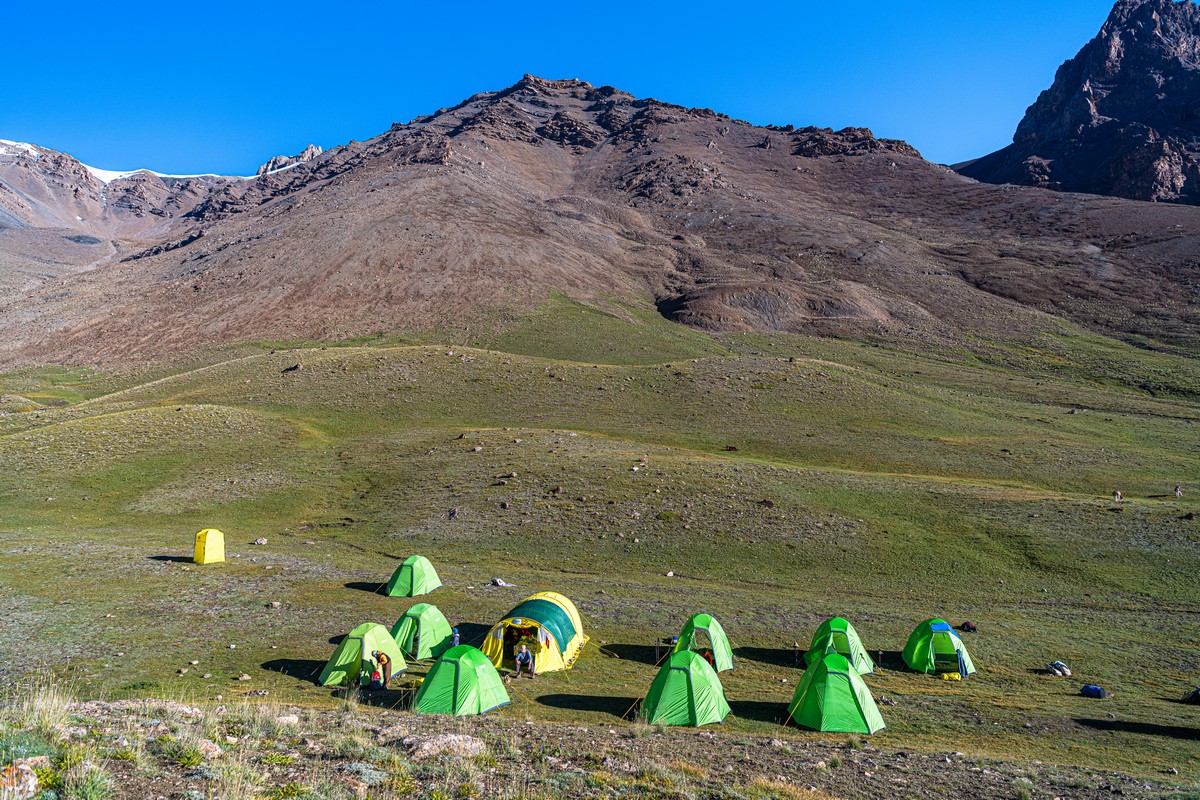
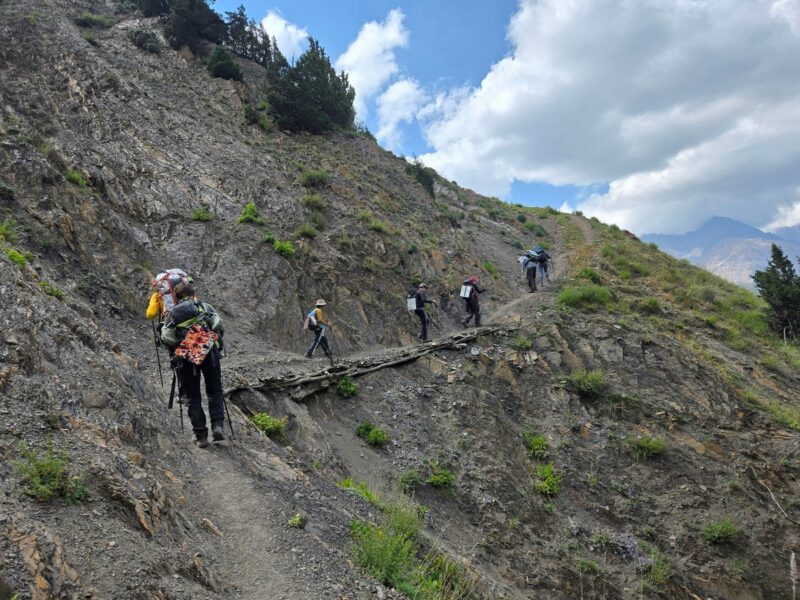
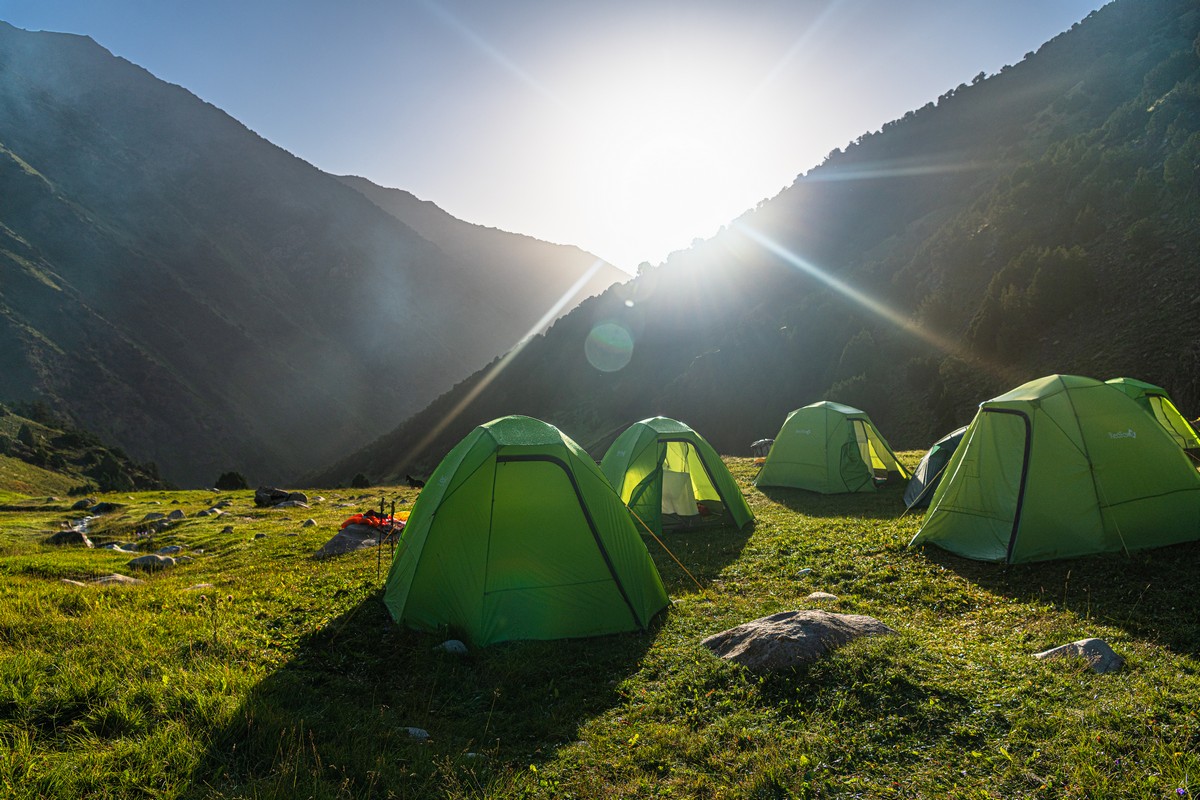
And that’s generally how things went on this trip: of a morning – up, washed, breakkie, rolling up our gear, backpacks on, a respectful and grateful bow to the donkeys and porters – and off on that day’s trail again.
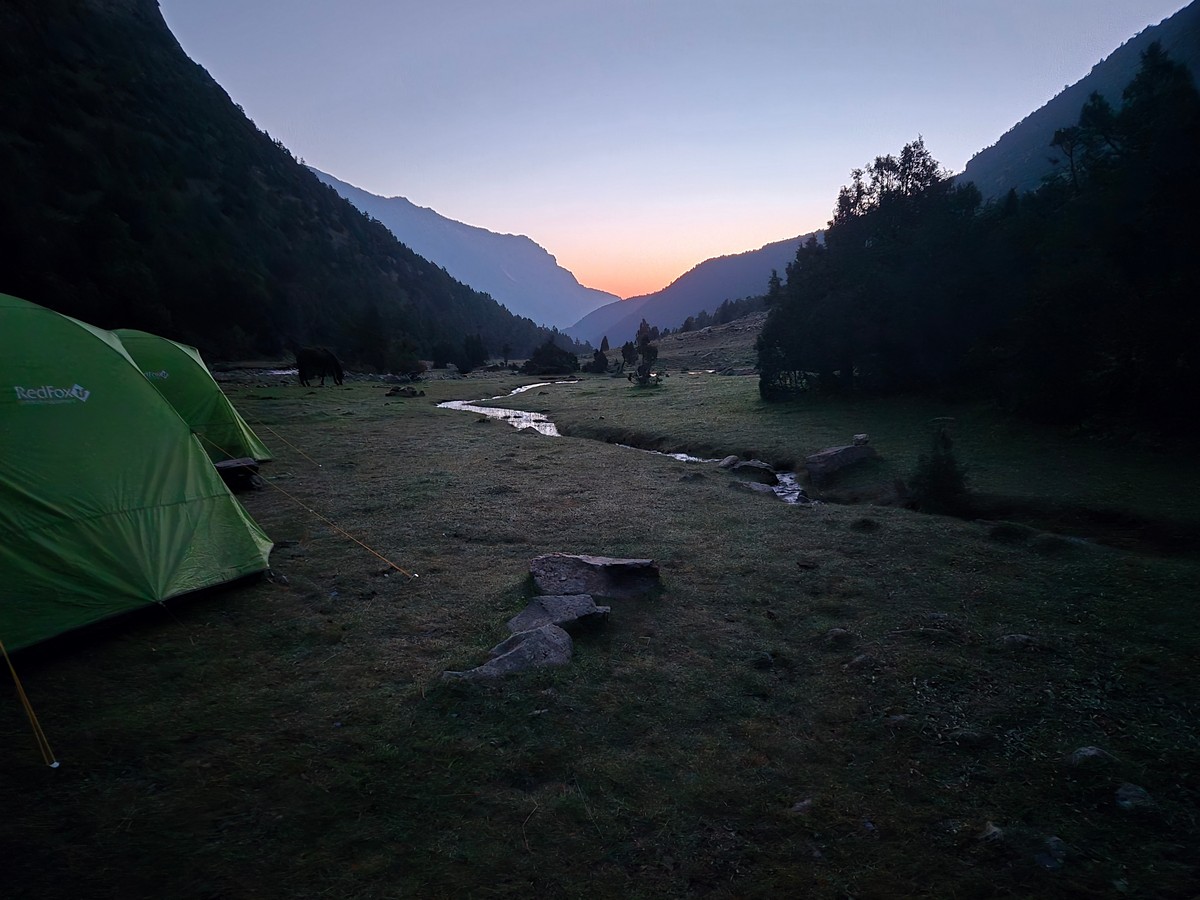
And of an afternoon/evening: kind of the same routine but in reverse – and with breakkie being renamed supper.
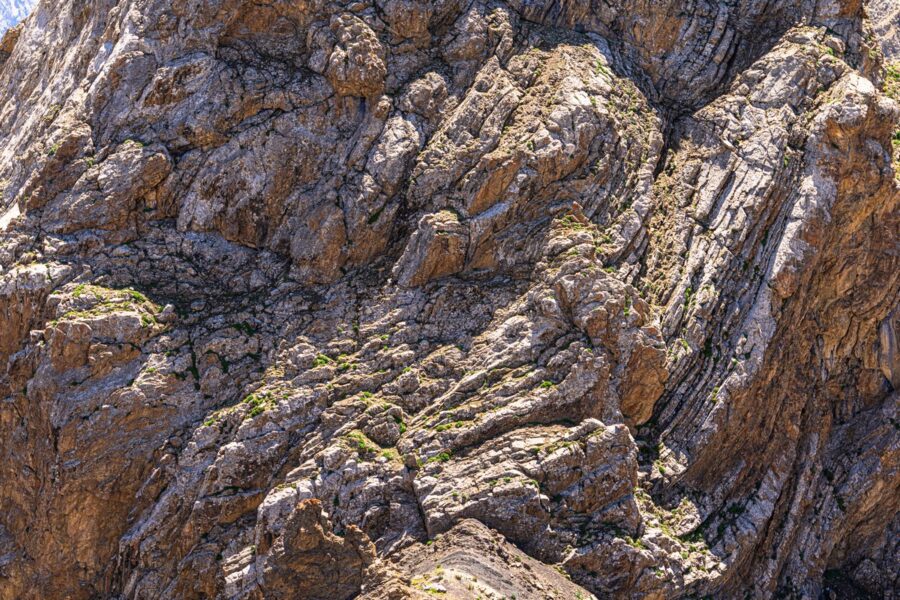
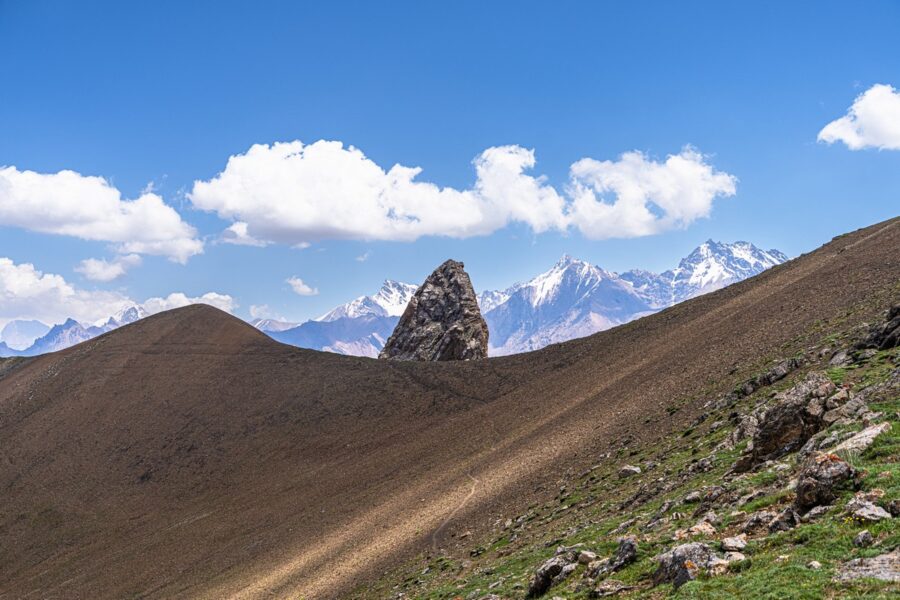
In closing, some random pics of some of the more jaw-dropping scenes from this day…
…From afar and up close:
This glacier’s surely going to collapse soon:
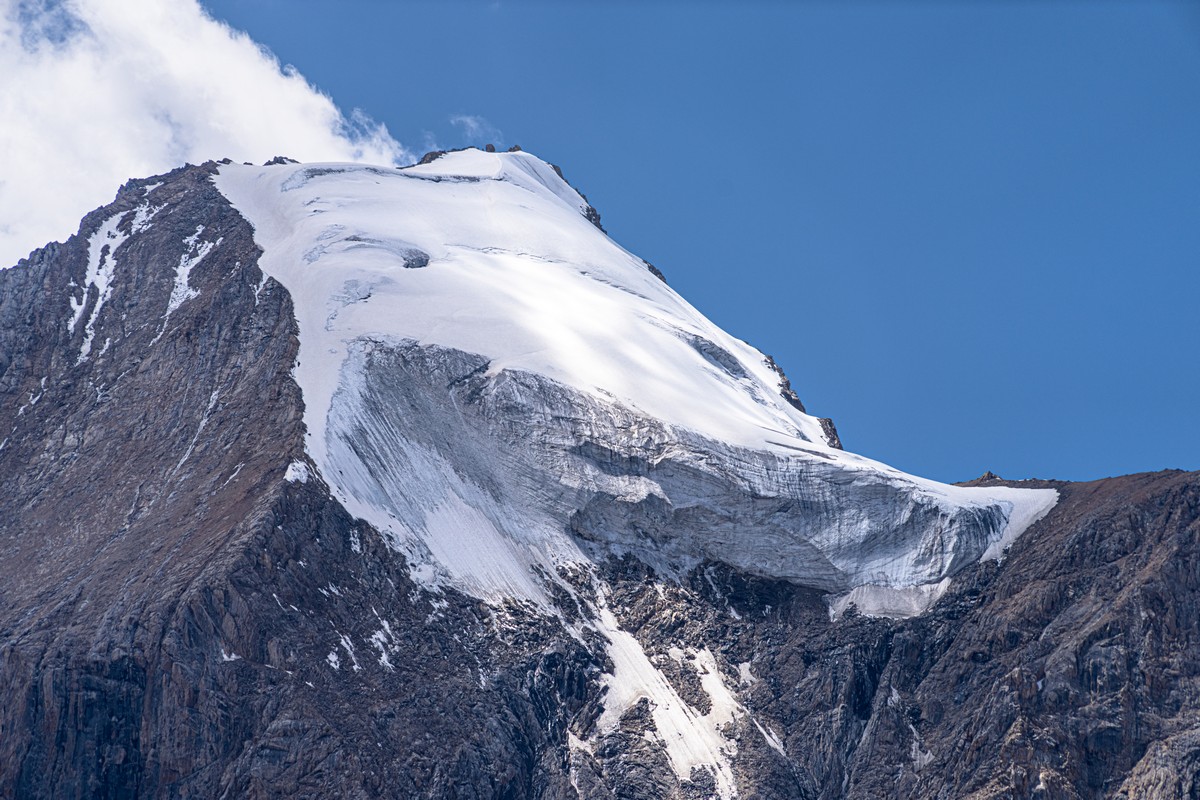
Designer scenes:
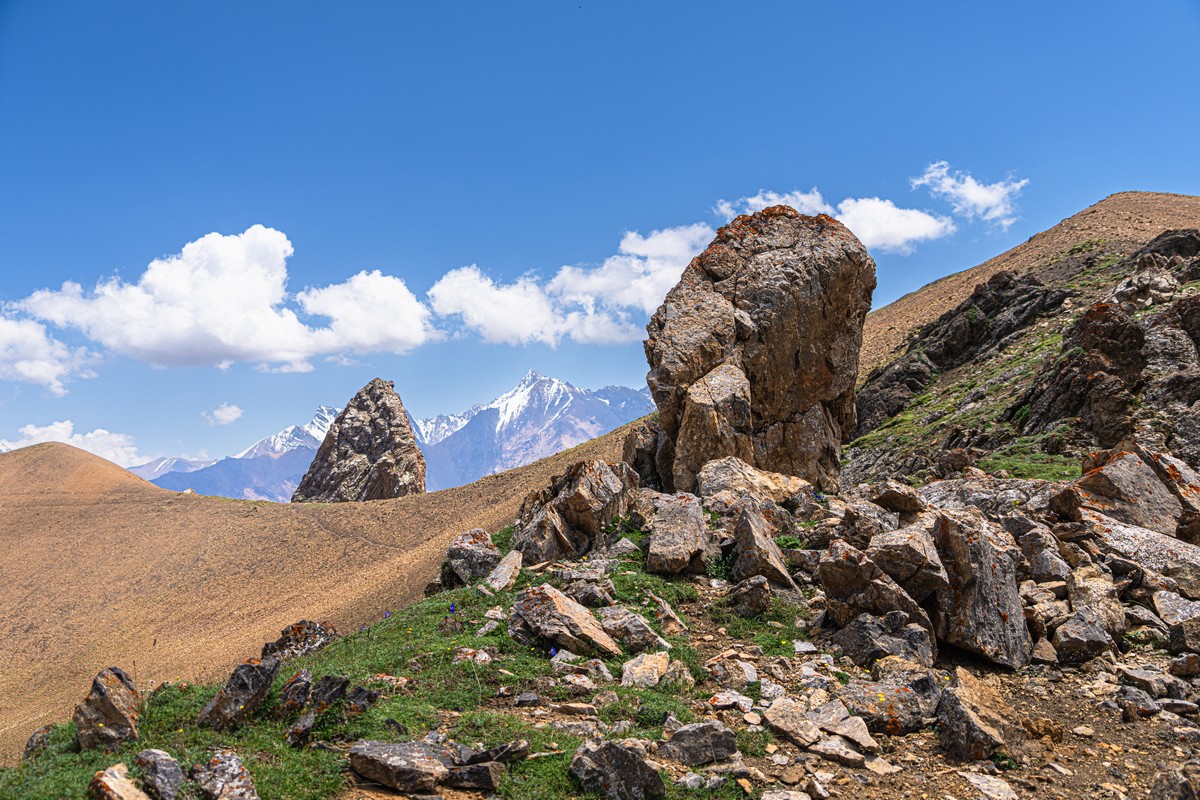
And that was that: a thoroughly worthwhile walk; highly recommended!
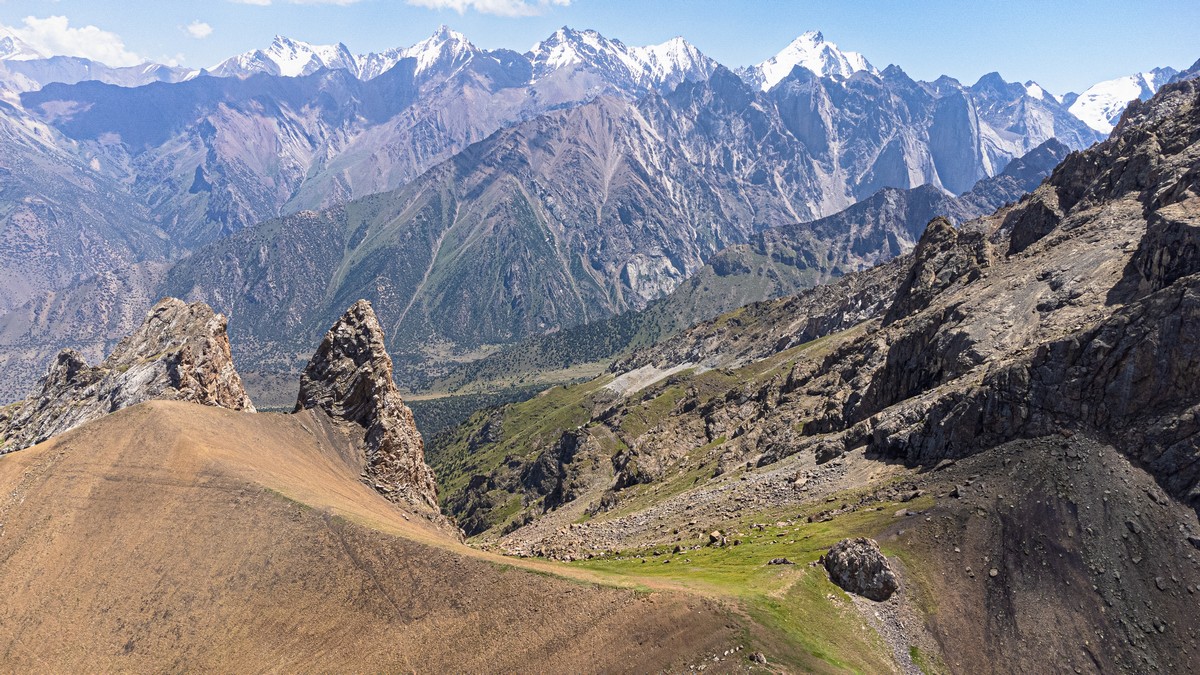
Sure – tough in places, but no major bother!
That’s all for now, folks – until the next broadcast from Karavshin!
The best hi-res photos from Karavshin are here.