
August 31, 2026
Who’s the fairest, most Patagonian, and most contemplative of them all?
It’s time to move on to fuller accounts of our July-August adventures in Kyrgyzstan and the Sayan Mountains, and I figure that their telling should go in chronological order: first, the Karavshin trek in the Pamir Mountains, and then rafting down the Sayan Oka River. But before anything else we need to settle some geographical terminology. And for this we need to switch on perfectionist/pedant mode so as to clarify that we weren’t actually walking in the Pamirs as such, but in the Pamir-Alay mountain system; and to be even more specific – in the part of this mountain system called the Turkestan Range. But enough already with pedantic perfectionism; main thing: it’s simply beautiful here!
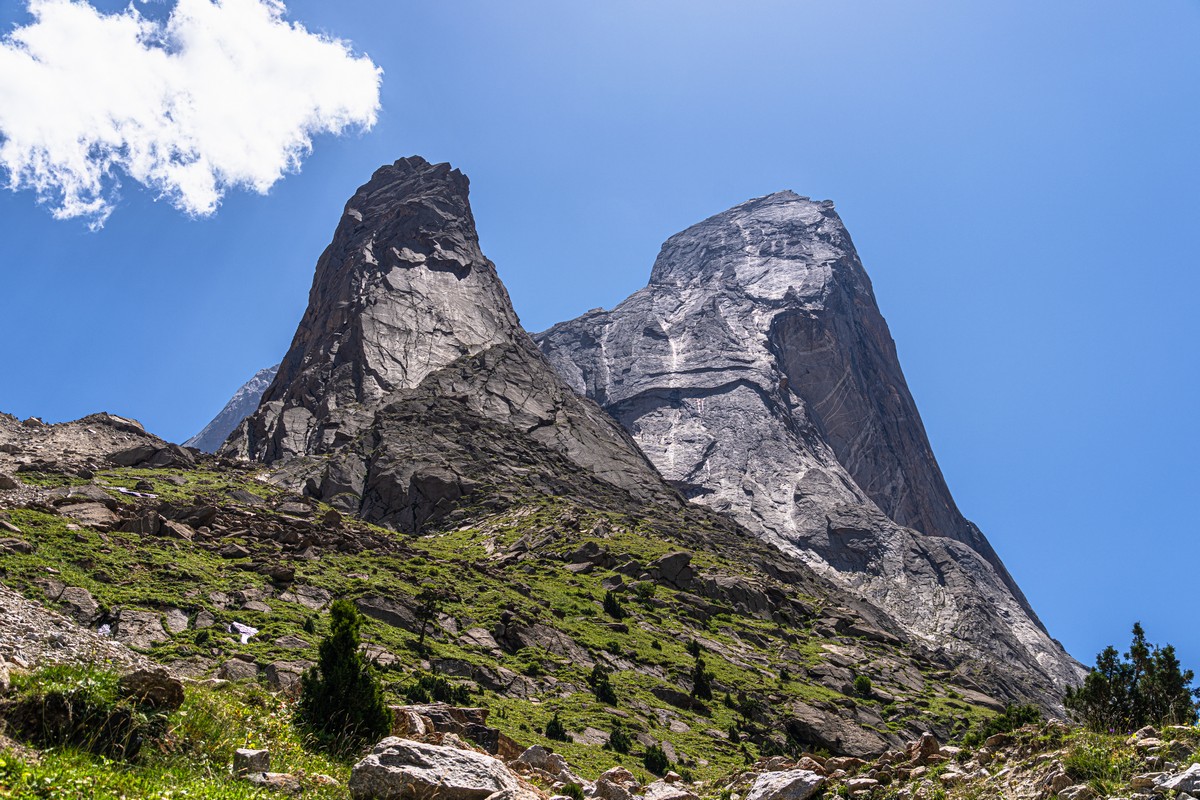
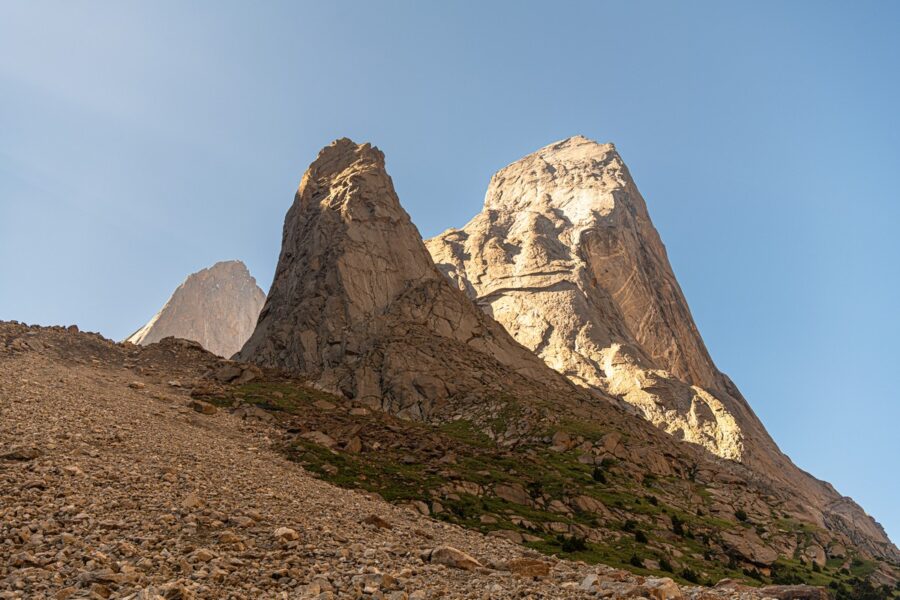
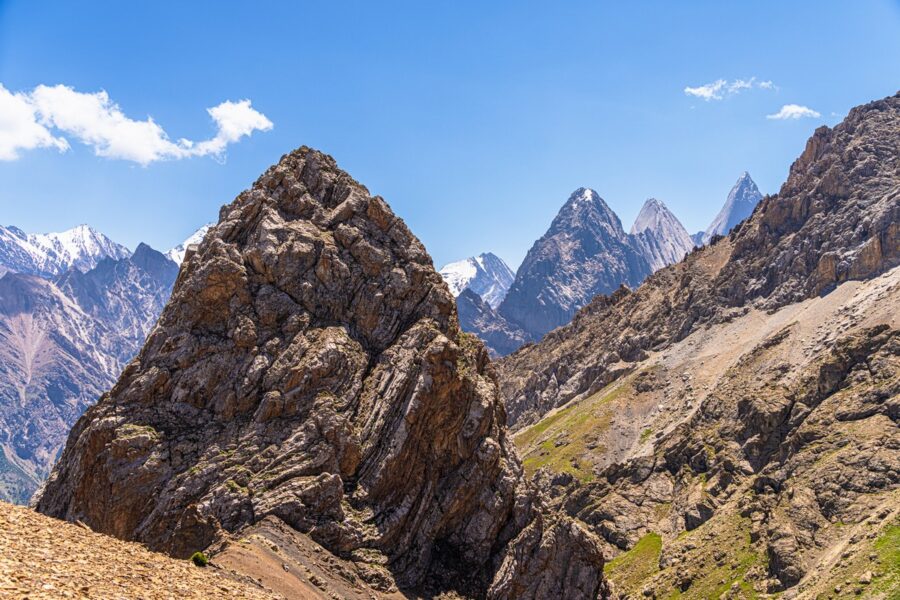
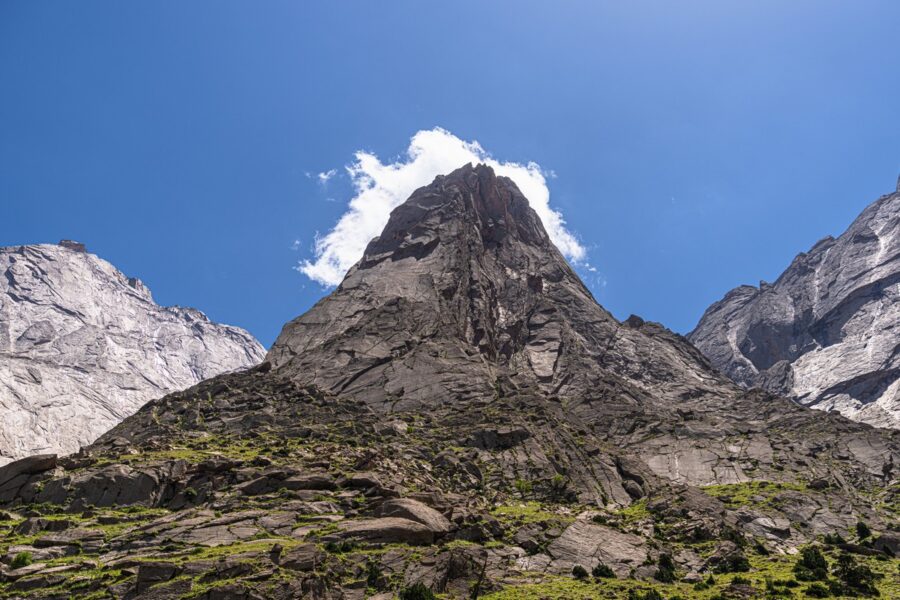
Huge Matterhorn-esque granite rock formations:
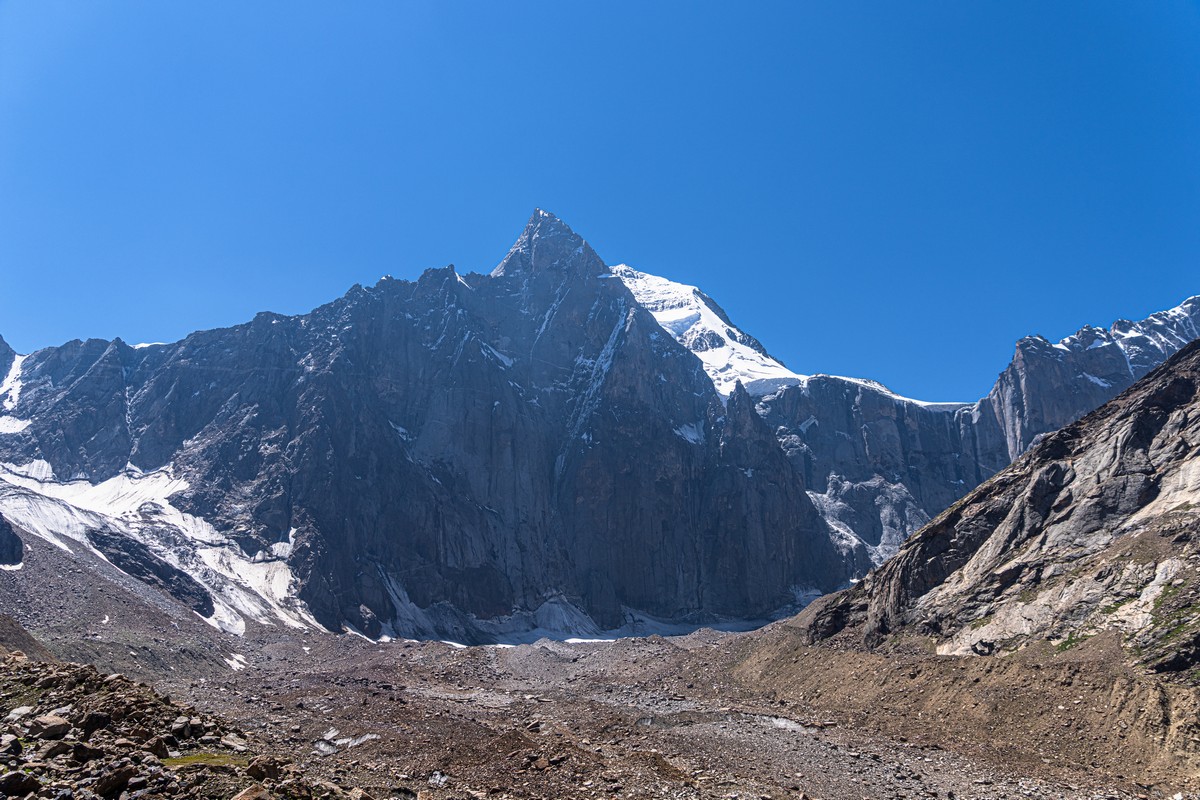
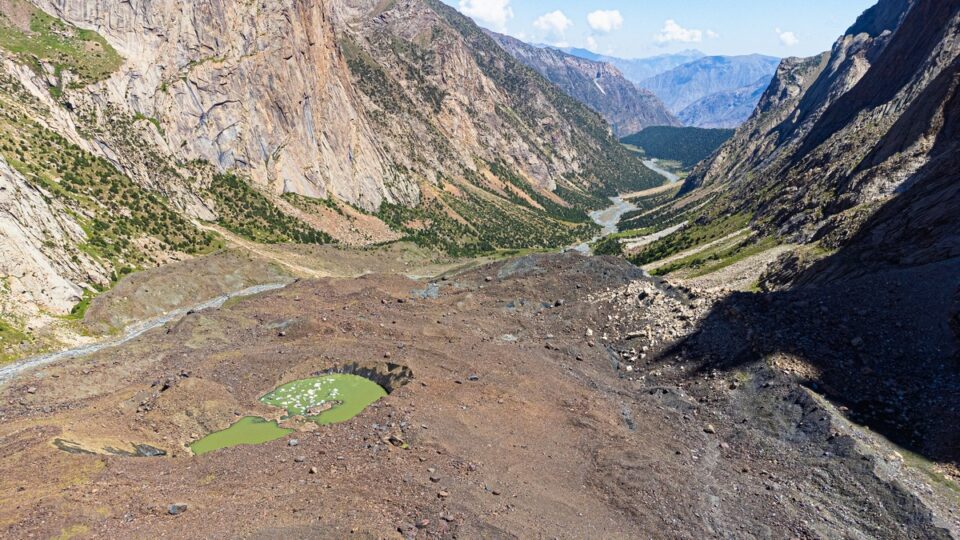
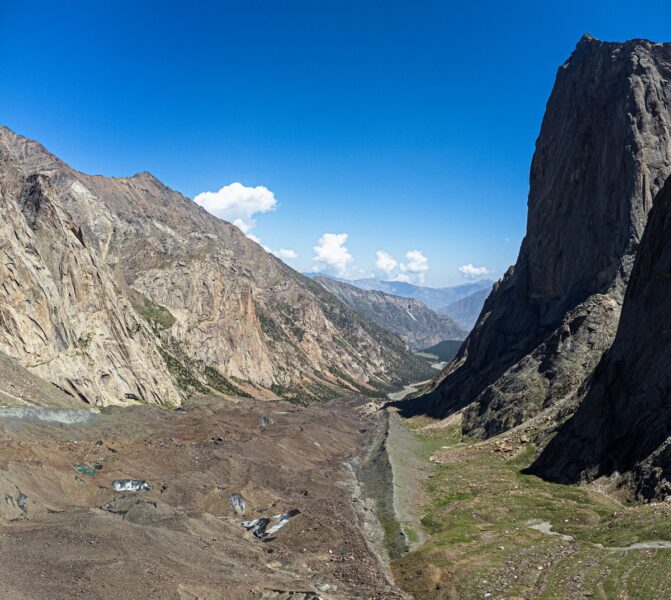
Glaciers, vertical cliffs: brutally mighty landscapes:
No matter where you look, every page on the internet calls these parts “Asian Patagonia” – alluding to the similarities in monumentally magnificent scale to that South American region. This piqued my curiosity somewhat, since I’ve walked around Patagonia myself (this very year, in fact), and I ended up trying to work out if I agree or disagree with such a bold label as “Asian Patagonia”. Ultimately – I’m somewhere in the middle between agreeing and disagreeing.
On the one hand, for mountaineers and rock climbers the granite cliffs here may be even more interesting than those in Patagonia, since the scale involved here is both broader and taller. Patagonian granite mountains reach ~3,500 meters, while in Kyrgyzstan several peaks rise above 5,000. How about that?!
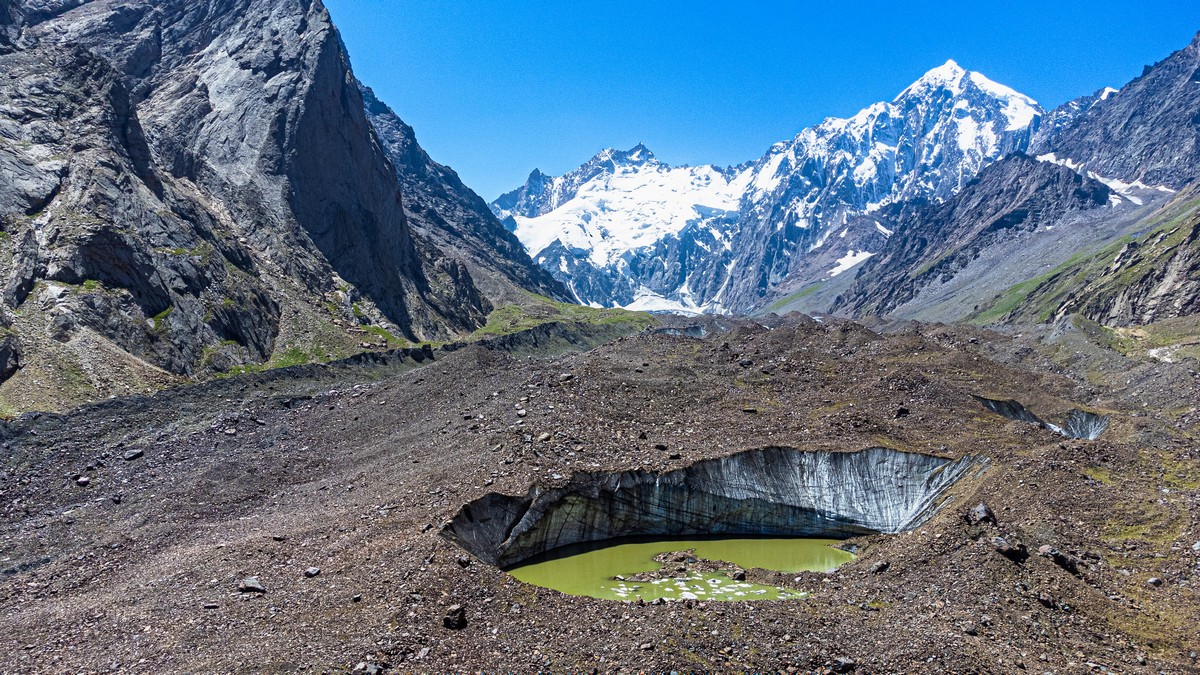
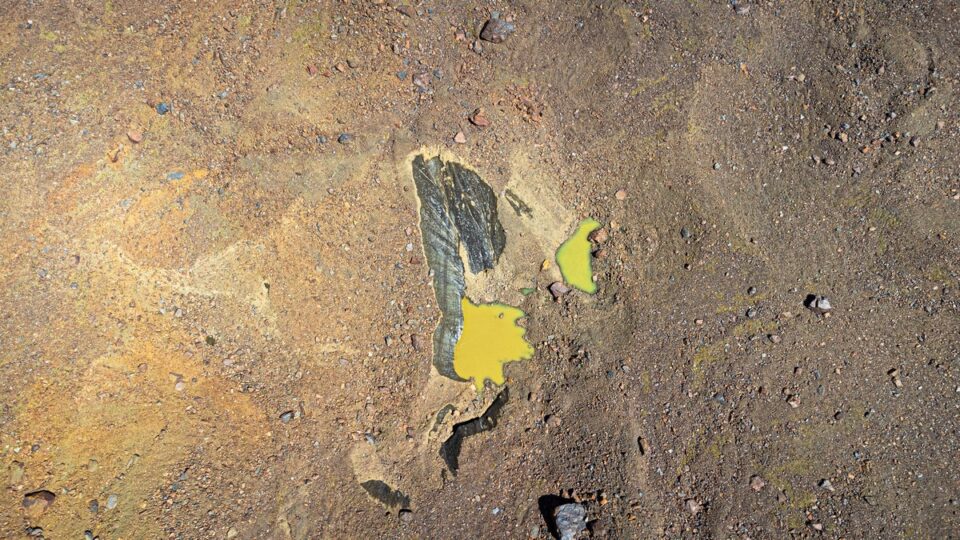
On the other hand, for the contemplative tourist (which is what my colleagues and I are), the Karavshin loop trek comes off a little paler. In Patagonia the views take in magnificent mountains, multicolored glacial lakes, and no less impressive glaciers (there’s a lot of precipitation there, so water, ice, and snow have the run of the place). In the Kyrgyz mountain systems the climate’s far drier, the glaciers are smaller (and always off somewhere in the distance), and there are practically no lakes (or maybe even none whatsoever) – just glacial puddles here and there:
For comparison, here’s Patagonia! ->
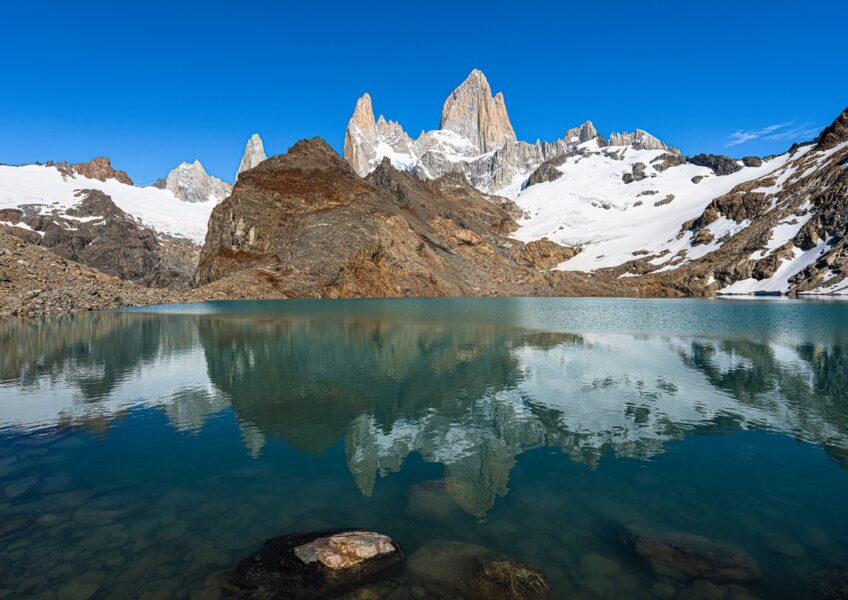
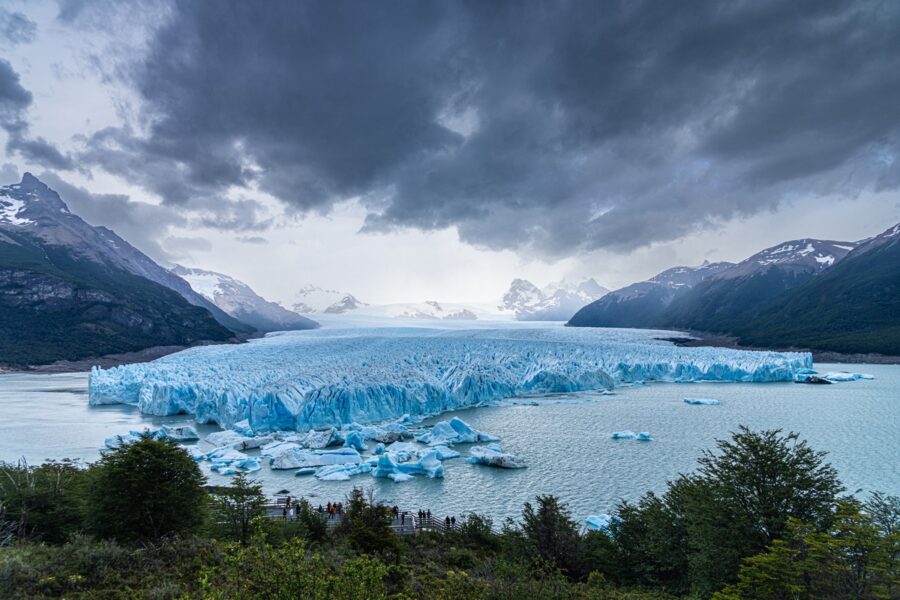
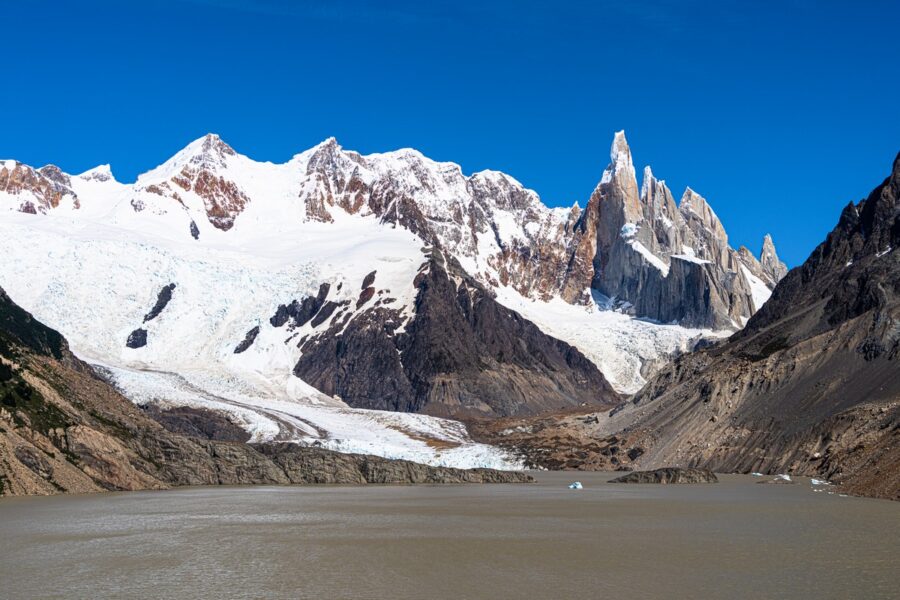
Kirgizstan is still pretty darn… pretty. Back to comparing the two, I’d say that Patagonia scores a five out of five for contemplativeness and sheer oh-my-grandiose-and-gorgeous, while the Karavshin trek earns a solid, well-deserved four out of five. And four out of five, in my book, means only one thing: it’s simply and undeniably… must see!
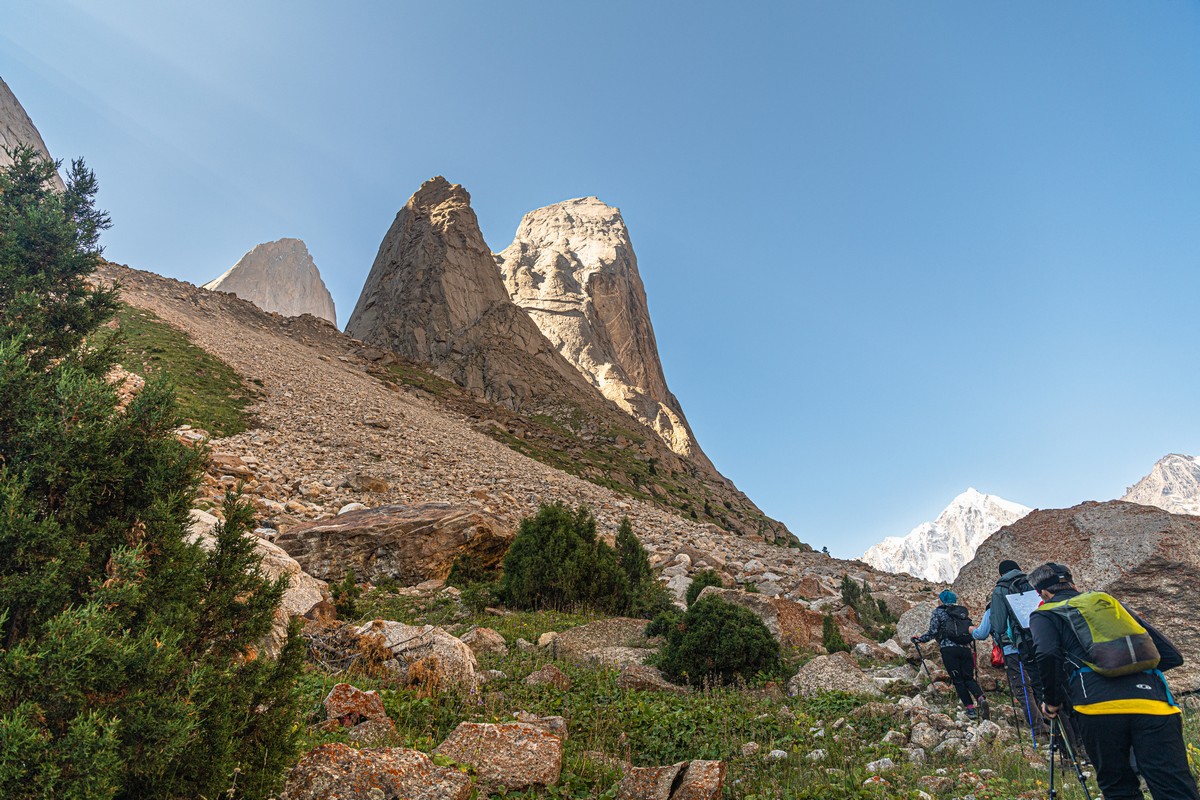
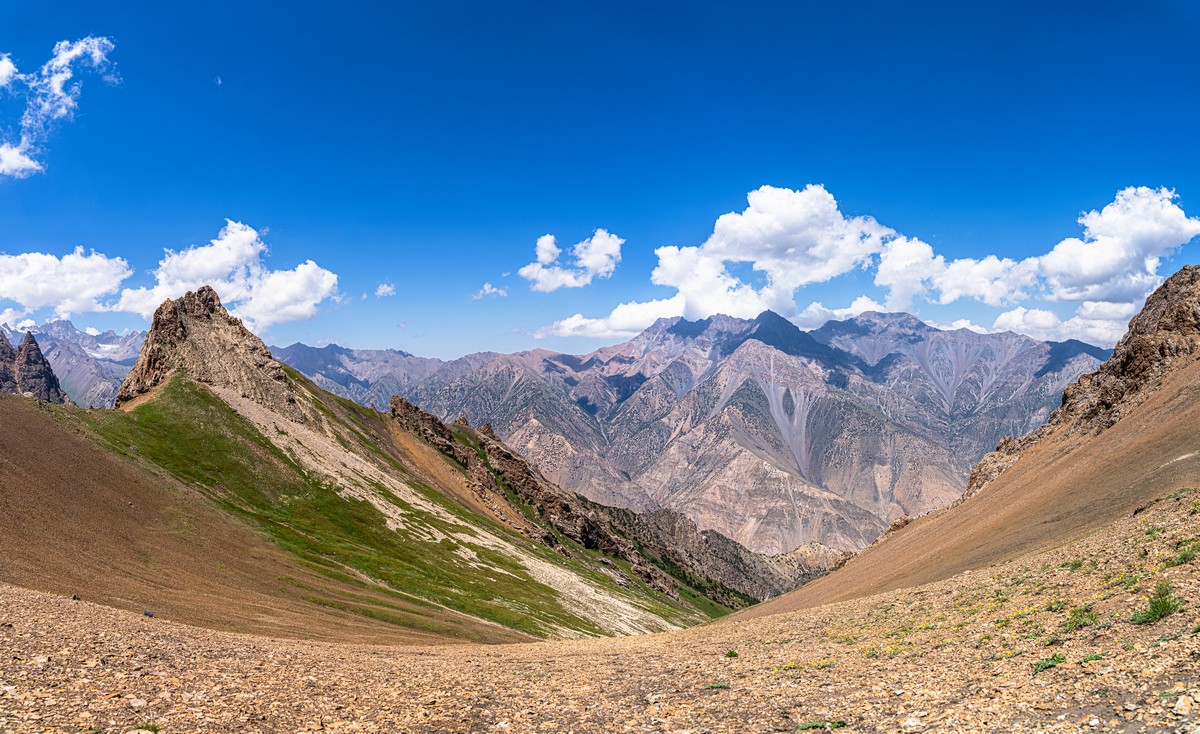
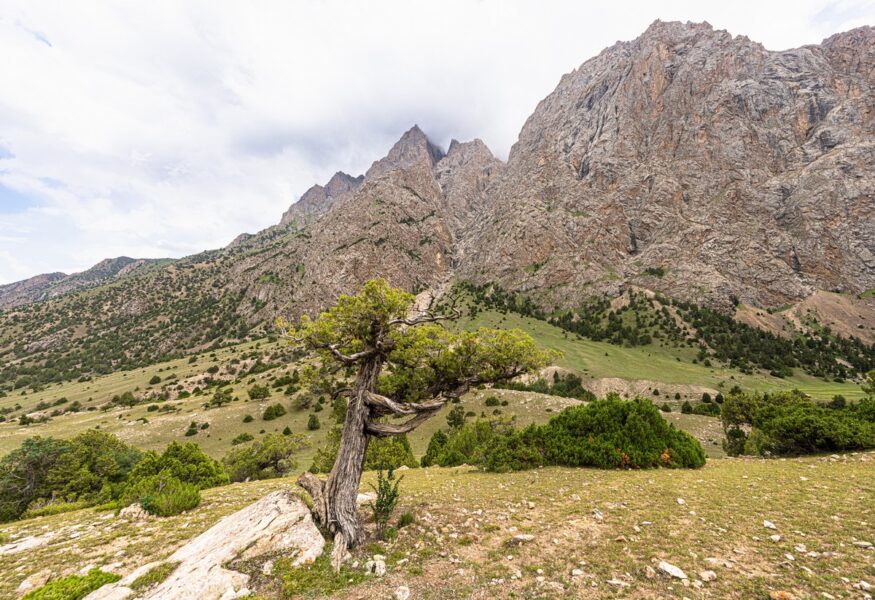
A few nice photos to get us going; these are the landscapes among which we trekked:
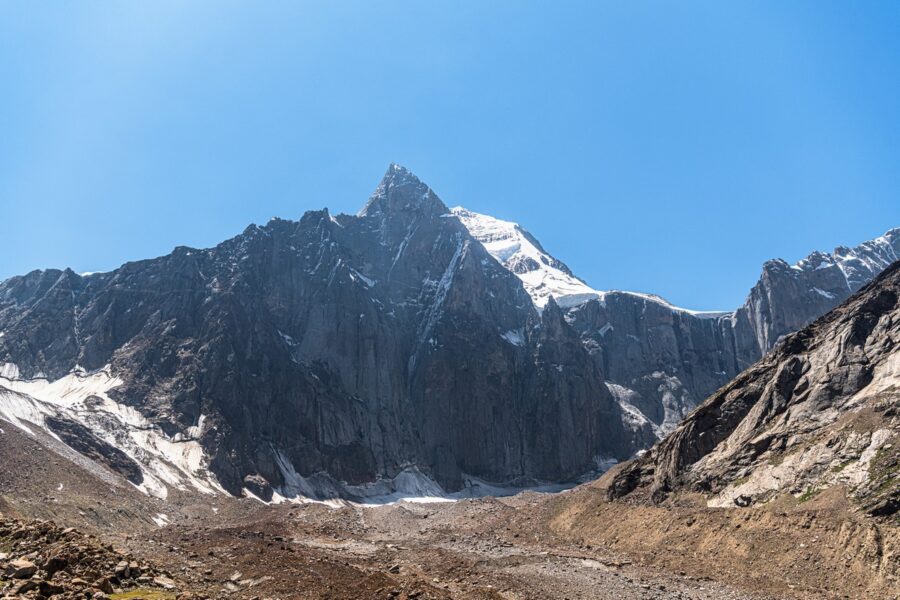
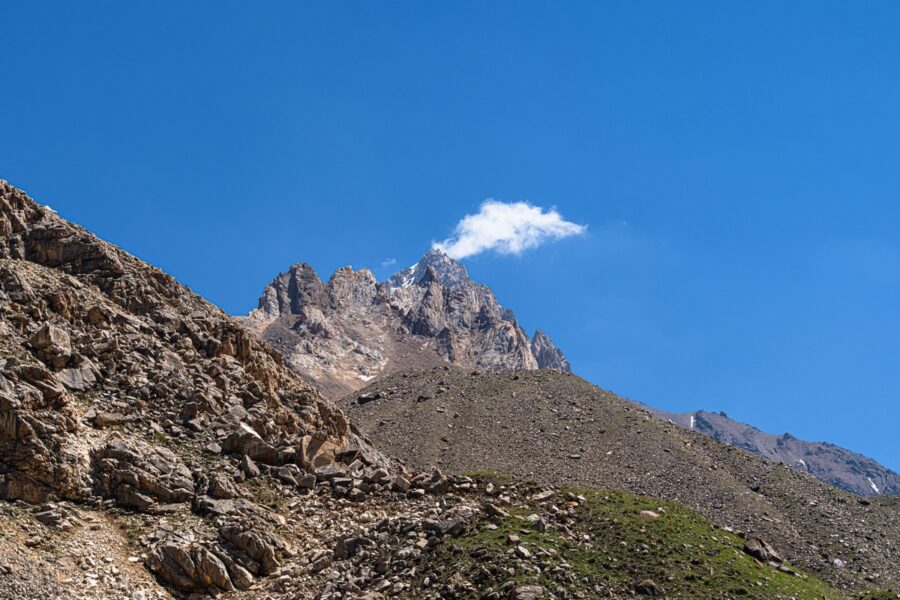

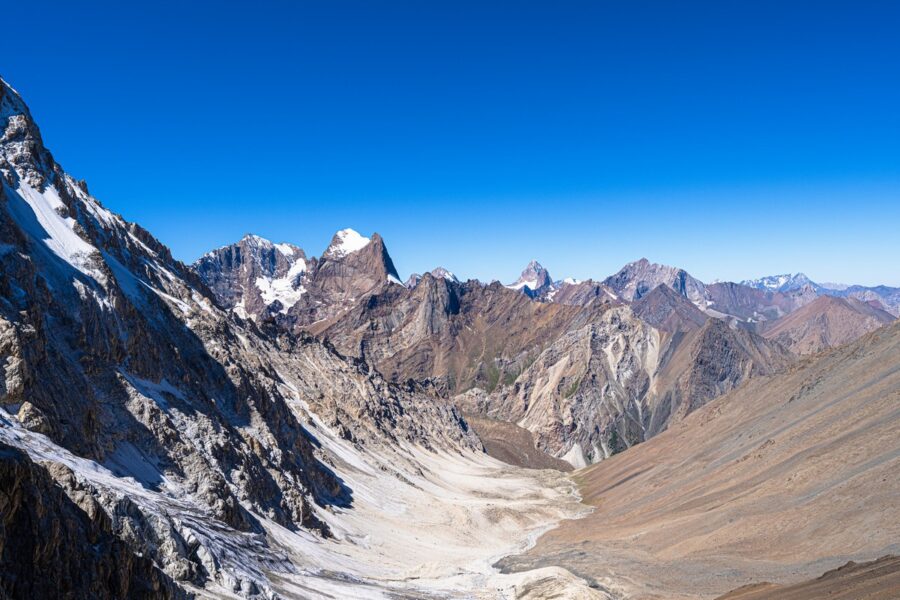
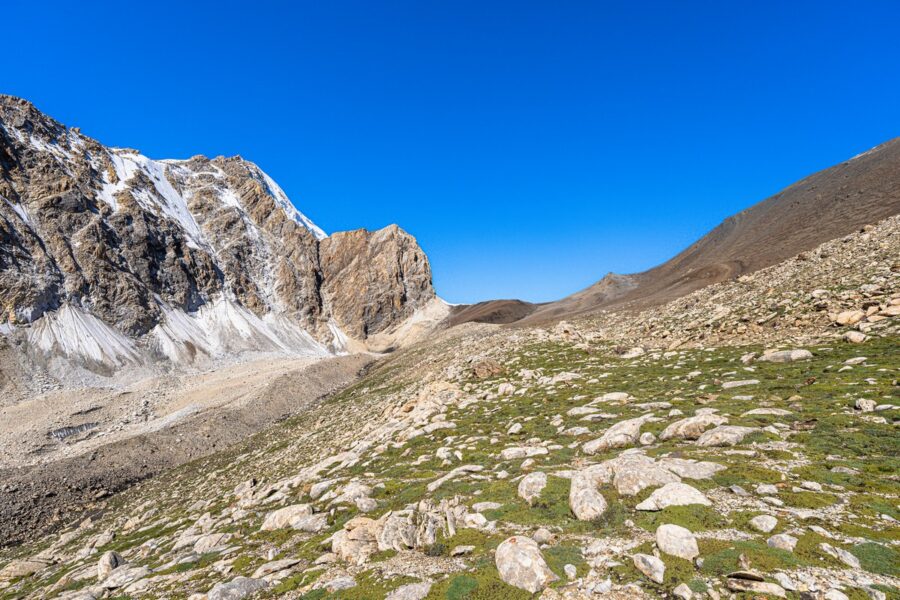
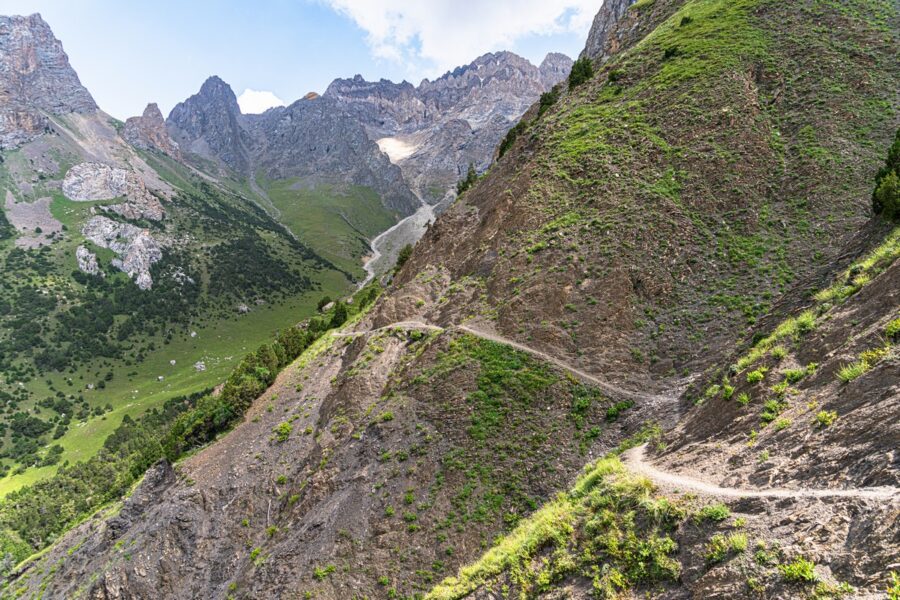
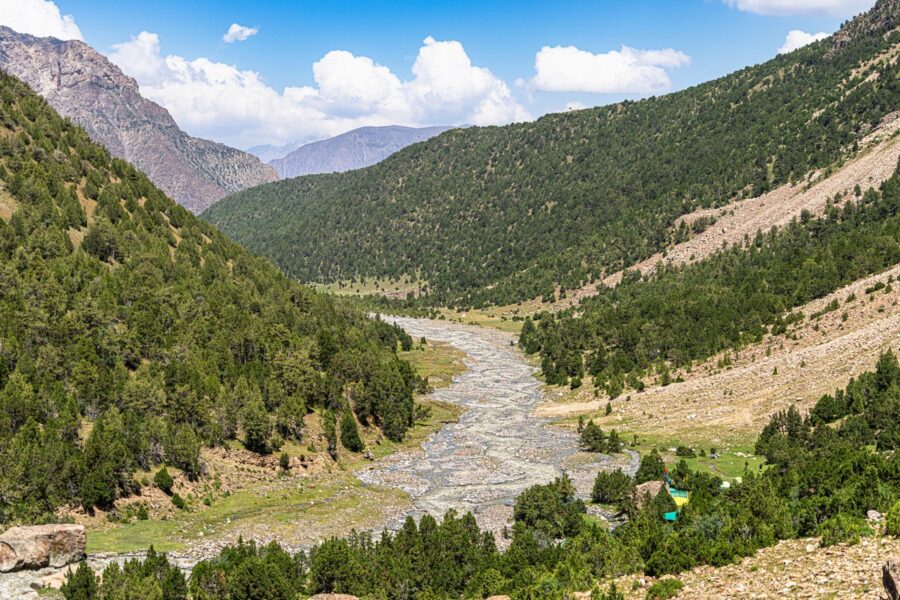
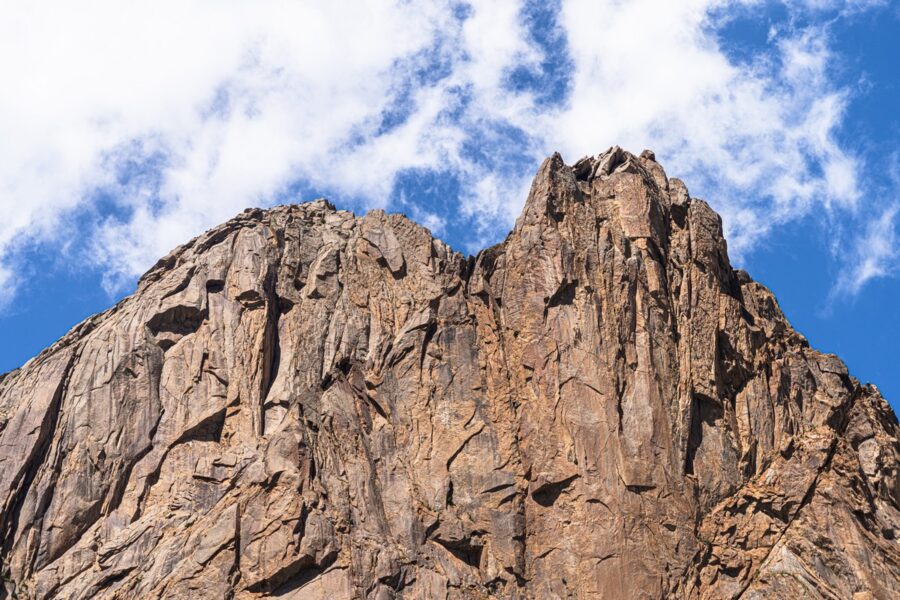
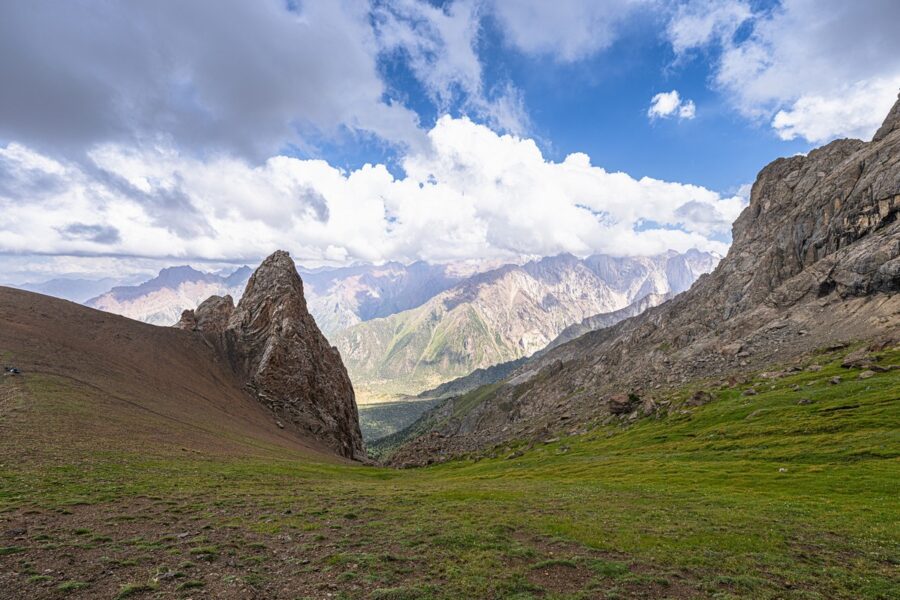
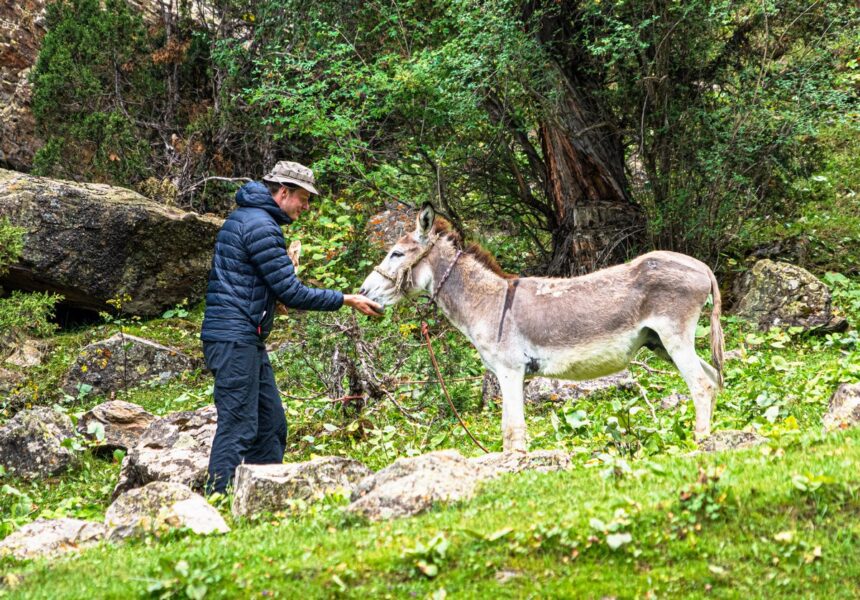
The donkeys carried most of our things, while we carried just the bare essentials for each day’s trek (plus assorted photo, video, and drone gear):

For a fuller picture, here are maps of the route. This is what it looks like together with the mountain geography, though it isn’t all that easy to make out:
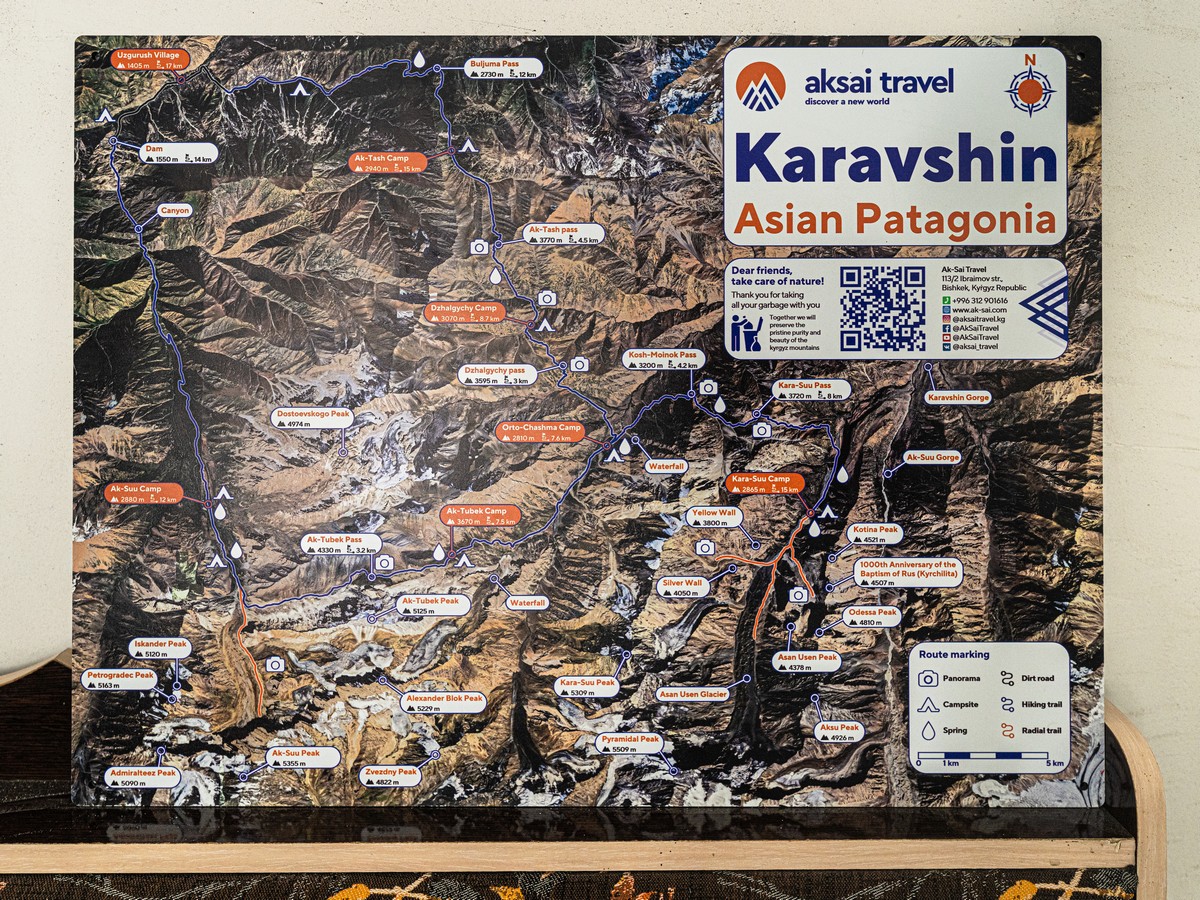
The map shows how the trek is a big loop: we come back to where we set out from after 10 days on the trail. And along the way there are two out-and-back excursions:
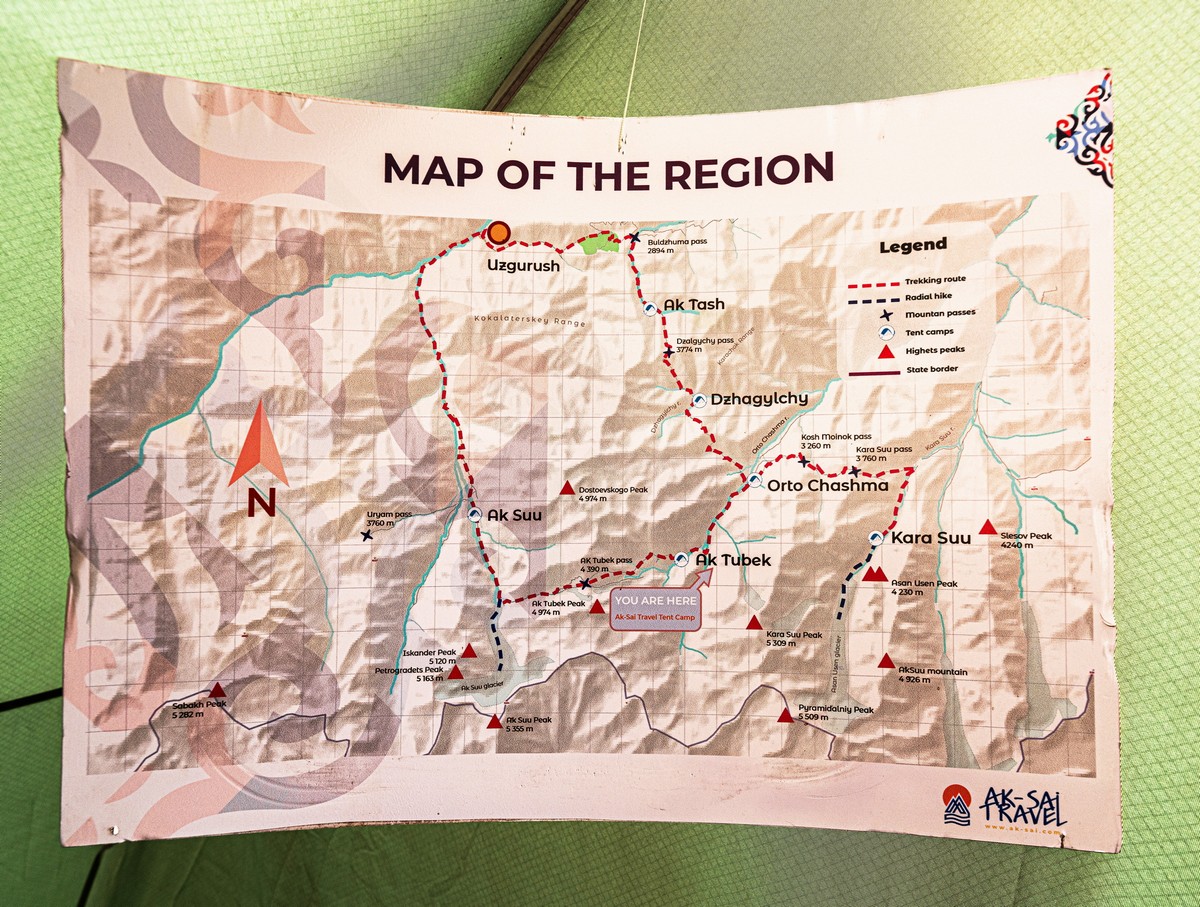
And in a little more detail: We set out from the mountain village of Ozgorush heading clockwise, spent the nights at six different camps along the way (photos and stories to come), and then, tired yet content, returned to the starting point (here it is on Yandex Maps & Google Maps).
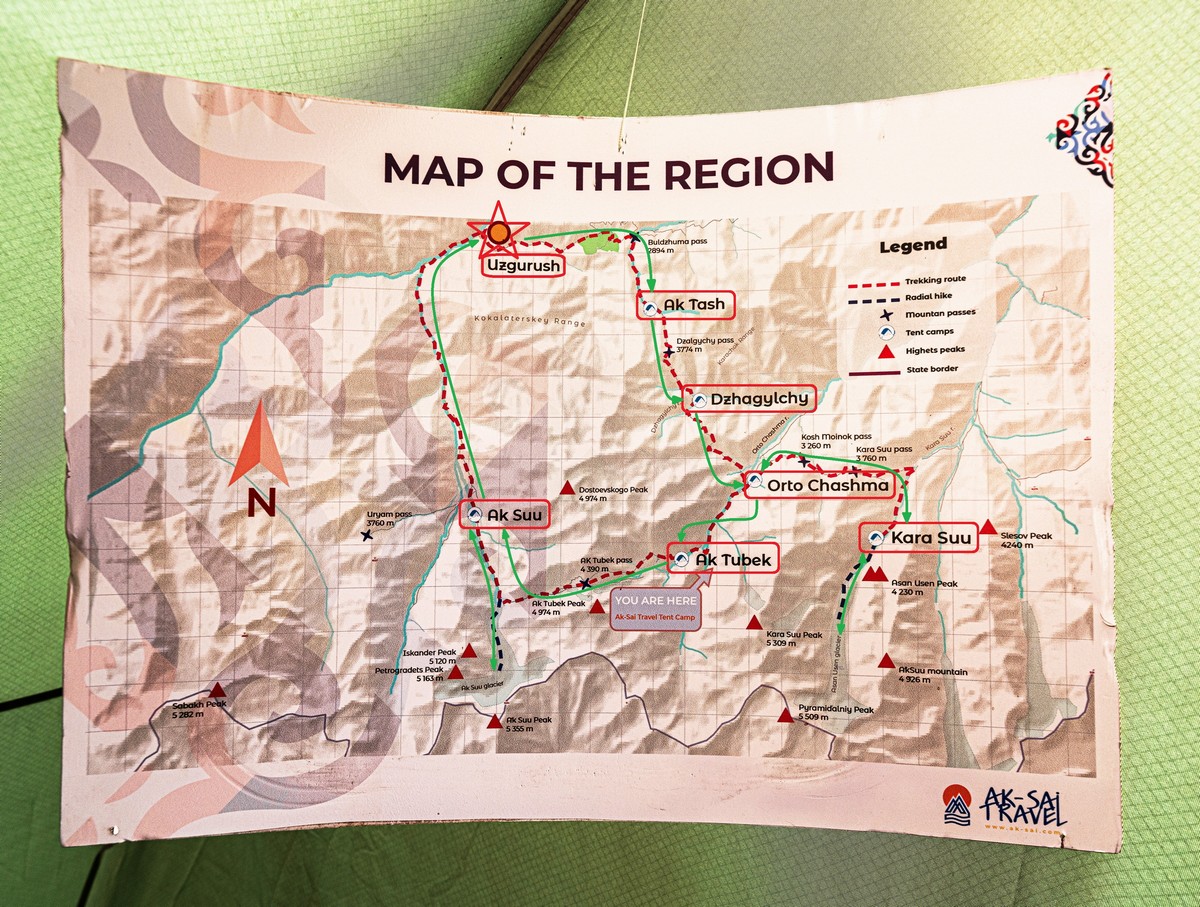
This was the physically toughest trip I’ve ever done. In 10 days you cover not just 100-plus kilometers on foot, but constant up-and-down as well – a couple of times it worked out at a kilometer up plus a kilometer down in a single day. All told, we gained and lost 7,500-plus meters, which, incidentally, comes out at nearly 10 Burj Khalifas – or one per day! At times it was really hard going, I’ll admit. But, my, was it worth it! And, my, was it beautiful – as you’ll see in further pics in this upcoming series…
Stay tuned!…
The best hi-res photos from Karavshin are here.

