
April 3, 2026
Everything you always wanted to know about Siberian winter roads*…
…*But were afraid to ask
Being somehow drawn to the deep-frozen (sometimes down to -60°C!) North in winter, obsessed with brutal Siberian winter roads, having to put up with equally brutal overnight stays, and thousands of kilometers of rough roads tracks… – let’s be honest, it’s a mental anomaly. Most people would only venture into such a world against their will. Suggest a winter trip to Oymyakon instead of, say, the Maldives, and any normal person would twirl their index finger around one of their temples and roll their eyes. At the other extreme – there are some folks who can’t get enough of such extremely frigid locations like the Arctic or Antarctic. I’m not quite that far gone, but every couple of years I do try and tackle a new winter driving route. I simply mad for it!…
Up north in the winter, it’s a completely surreal world of whiteness!
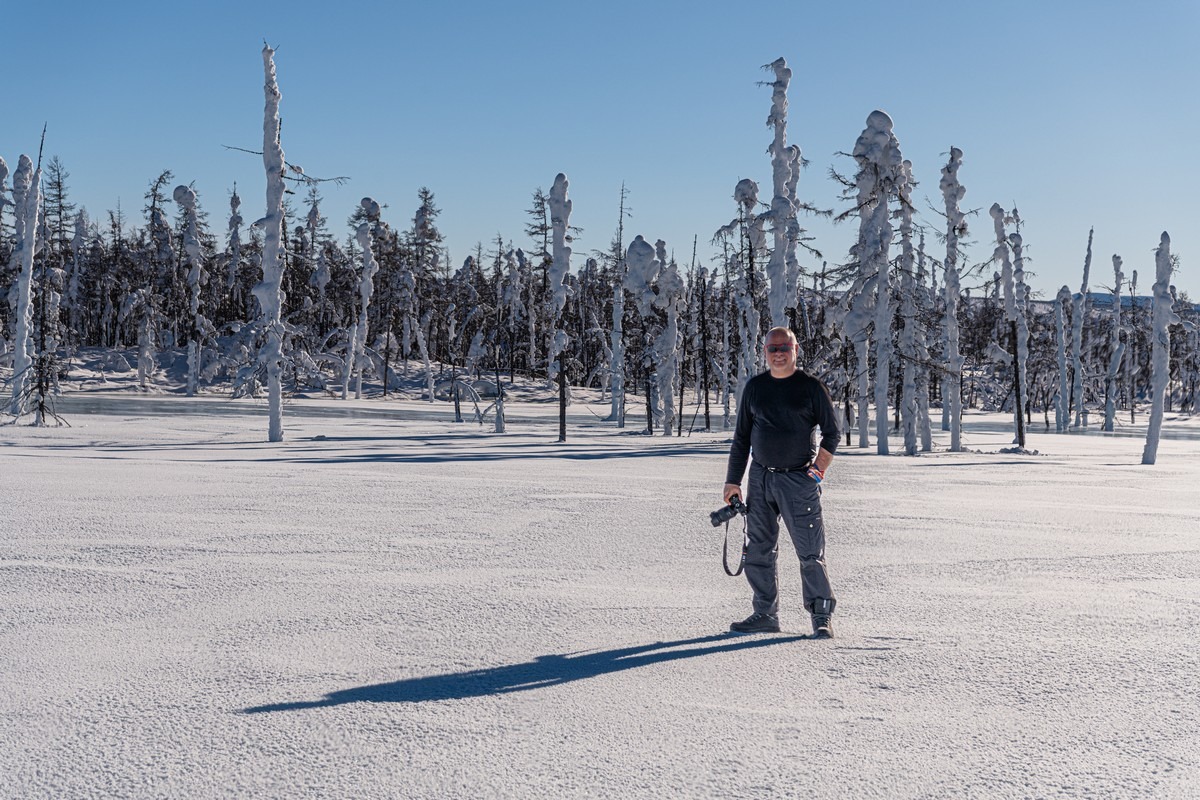
The scenery in places is simply stunning:
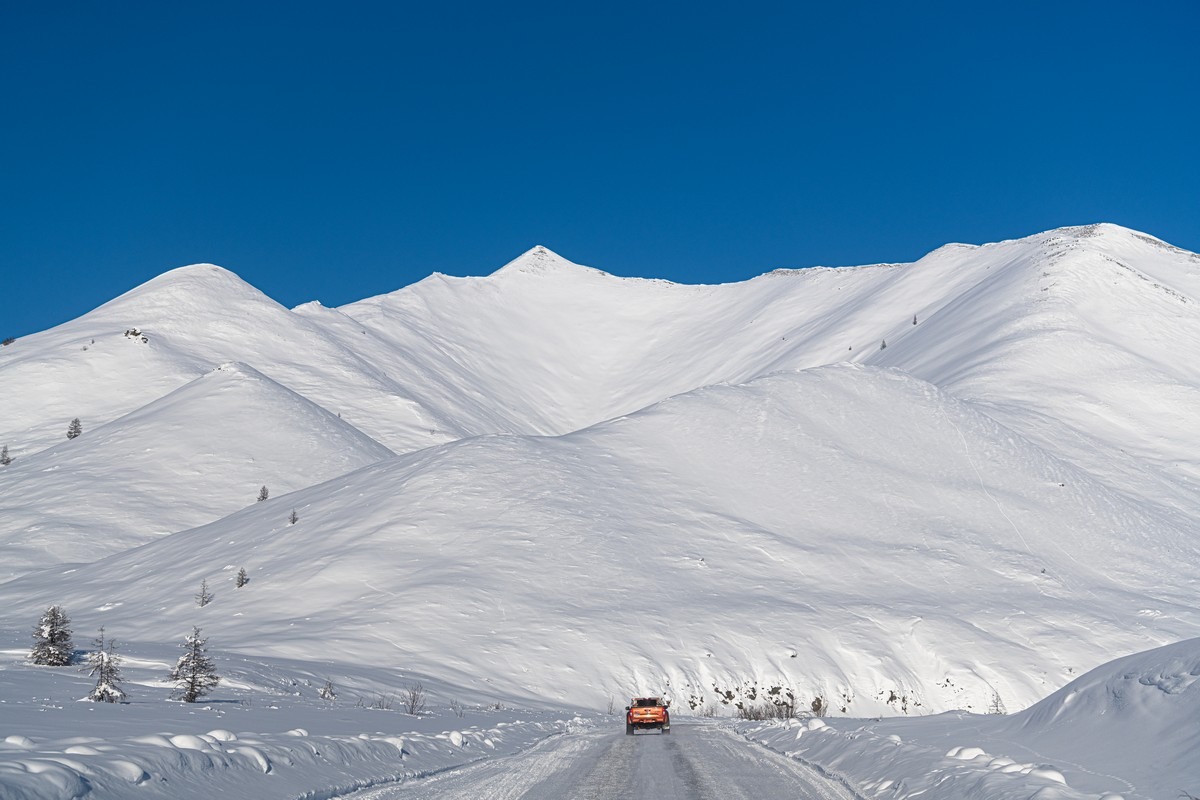
You zone out watching these views roll by, driving as if hypnotized – for hundreds and hundreds of kilometers…
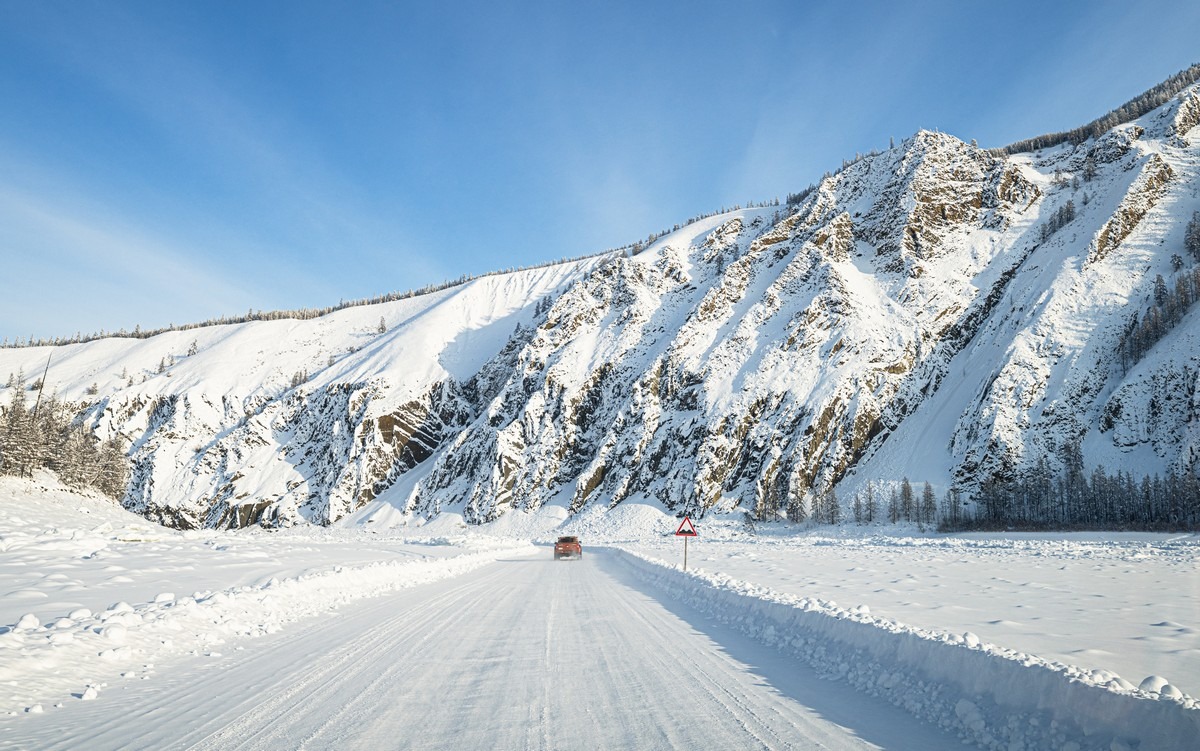
Even when it’s just bare forest around you (common in the more southerly regions) and the ice road is all chewed up with knee-deep ruts, it’s still all about adrenaline – and pure joy!
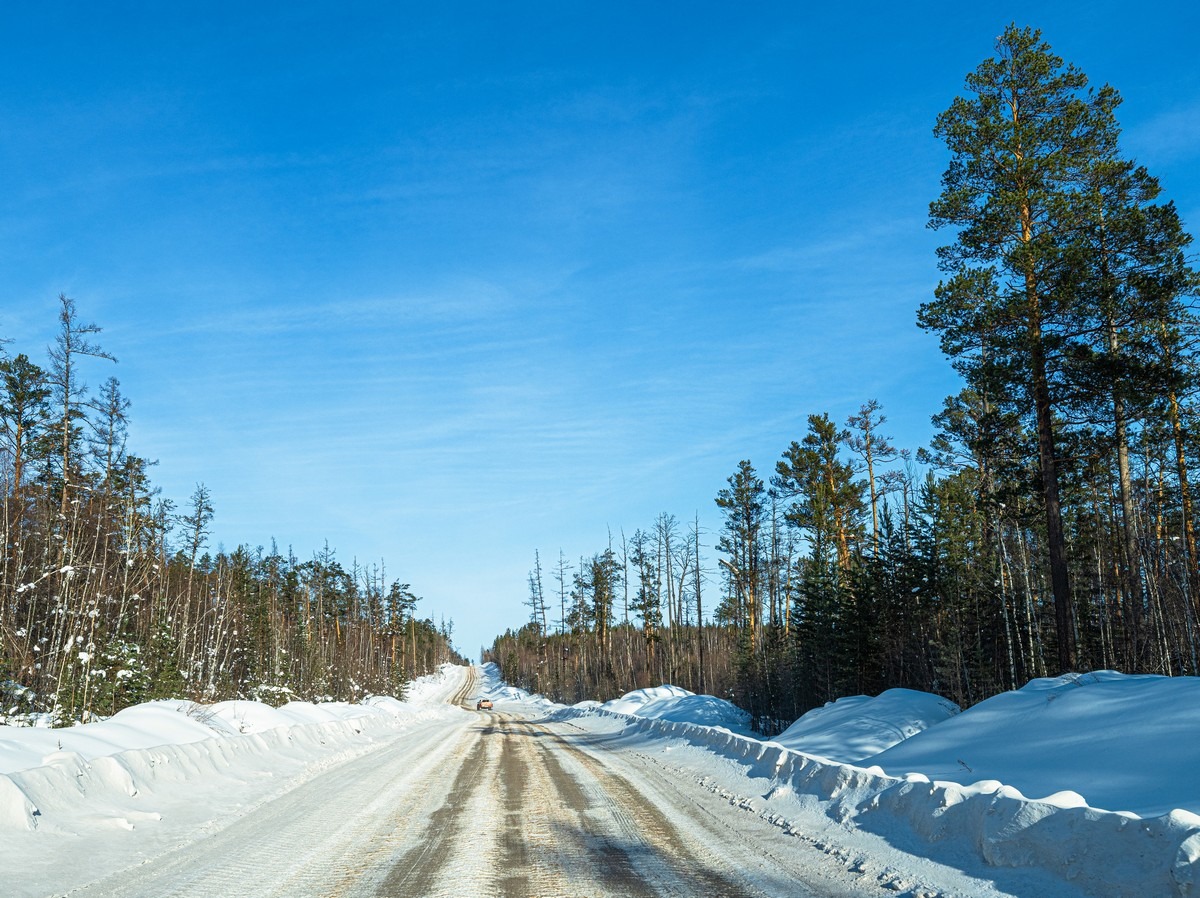
What’s more, I’m almost always behind the wheel. So I get double the pleasure: driving + soaking up the views…
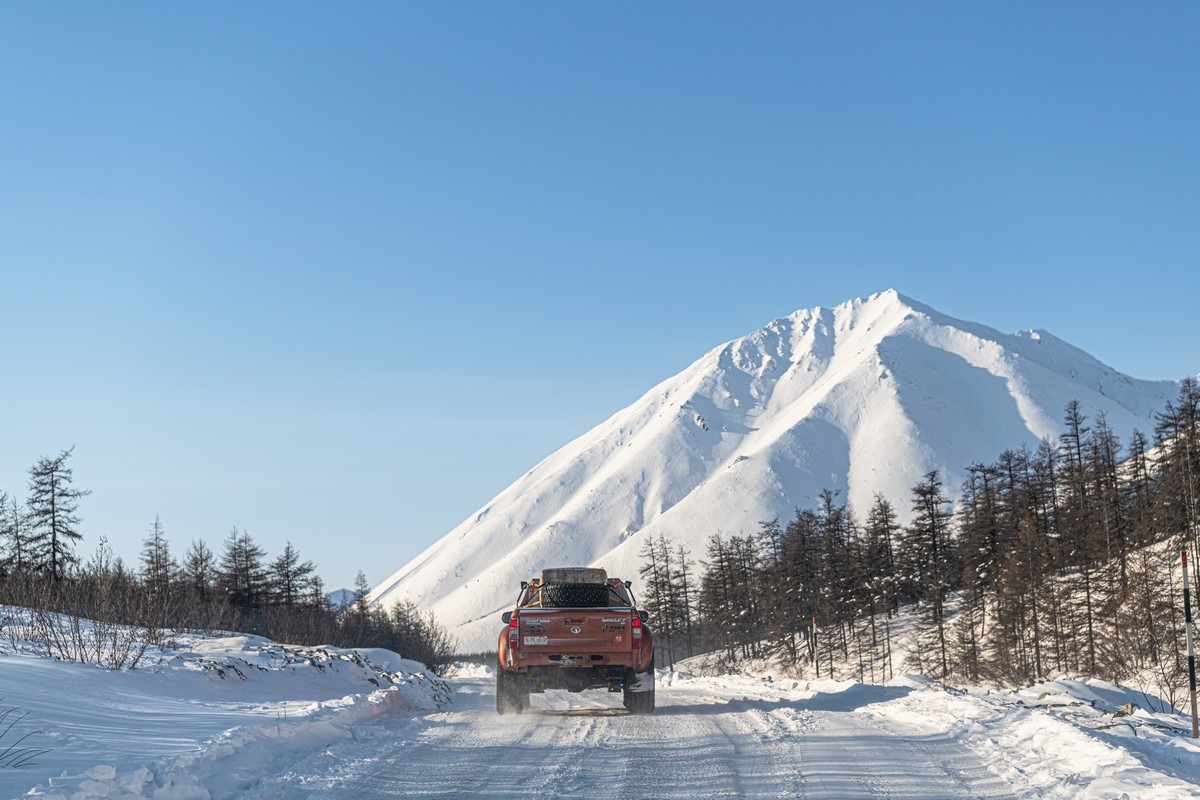
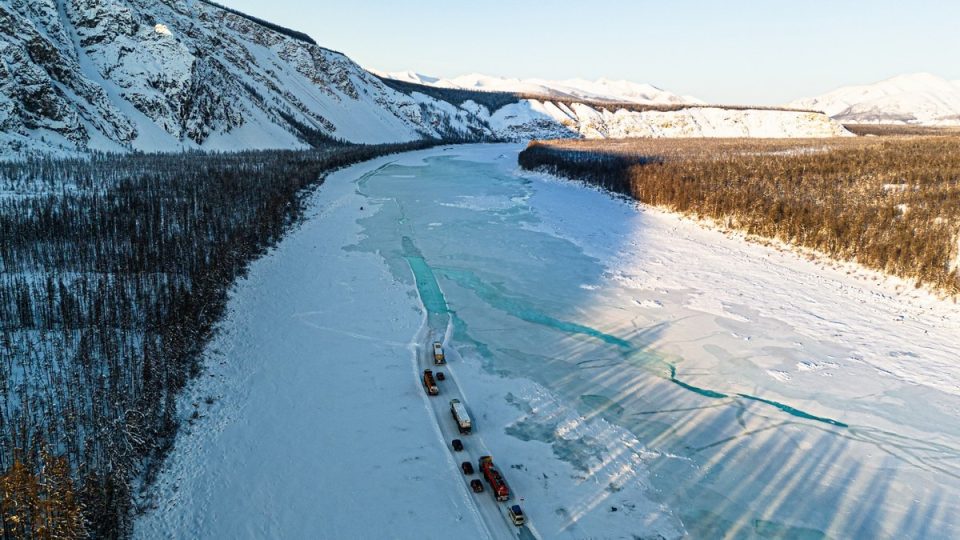
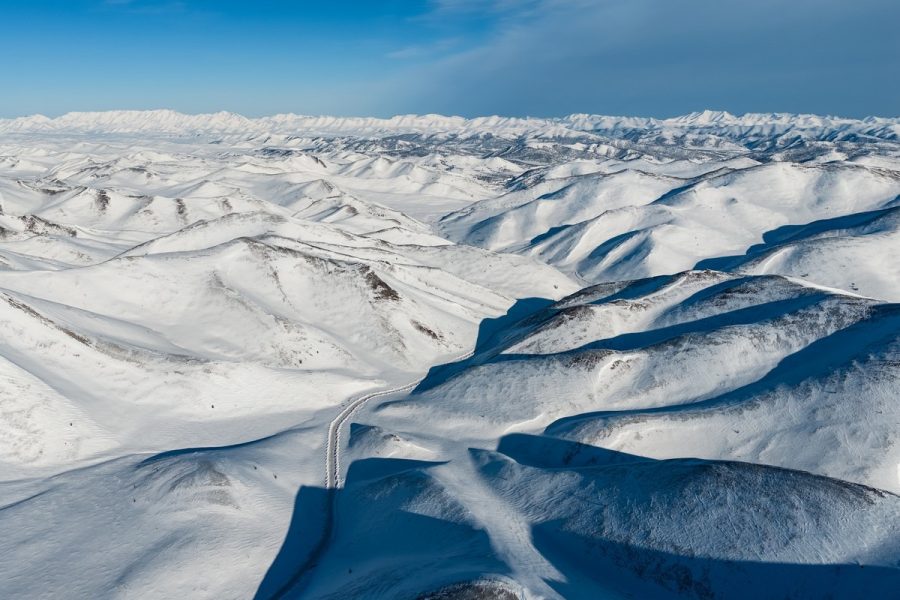
These pics show how it goes for 8 or 10 or 12 hours a day – across endless Siberian expanses, along ruler-straight clearings, and atop winding frozen rivers…
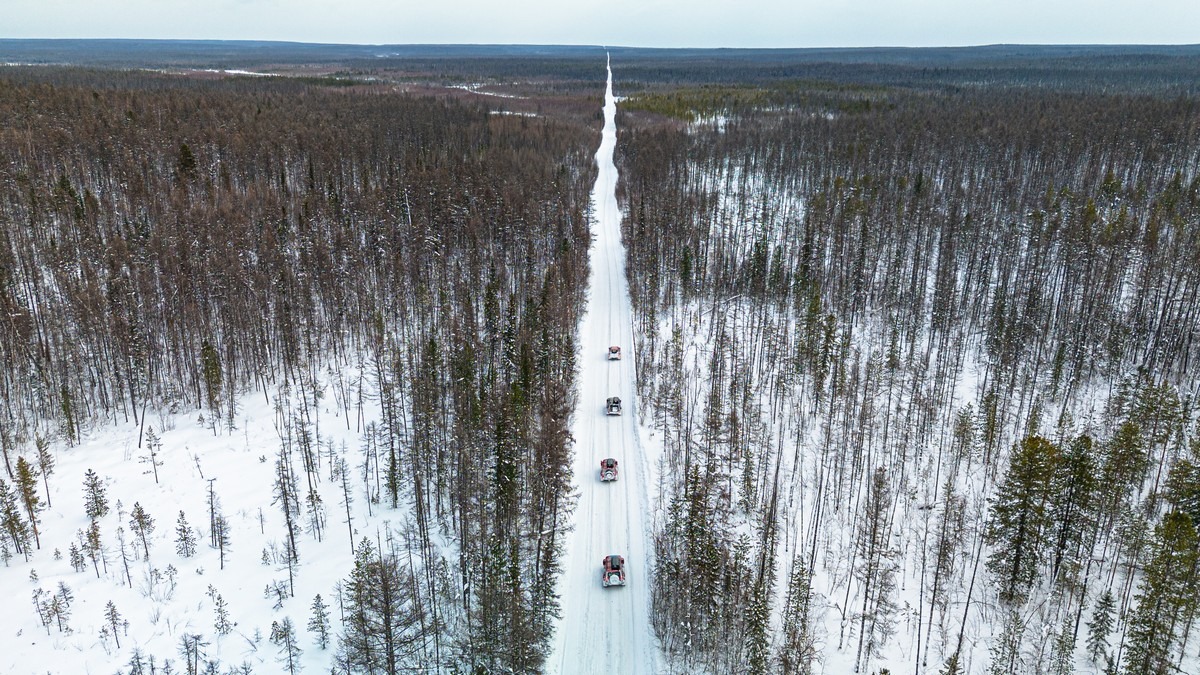
Pure thrill!
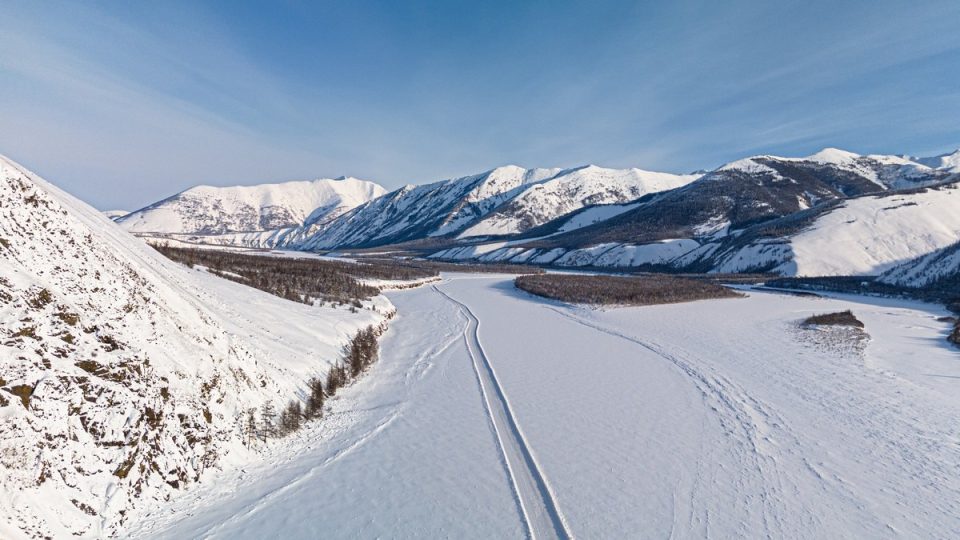
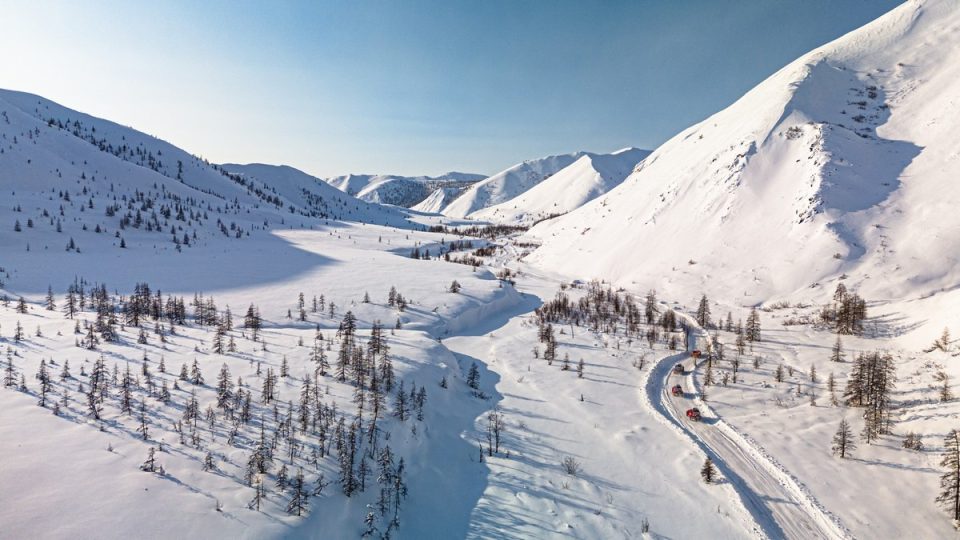
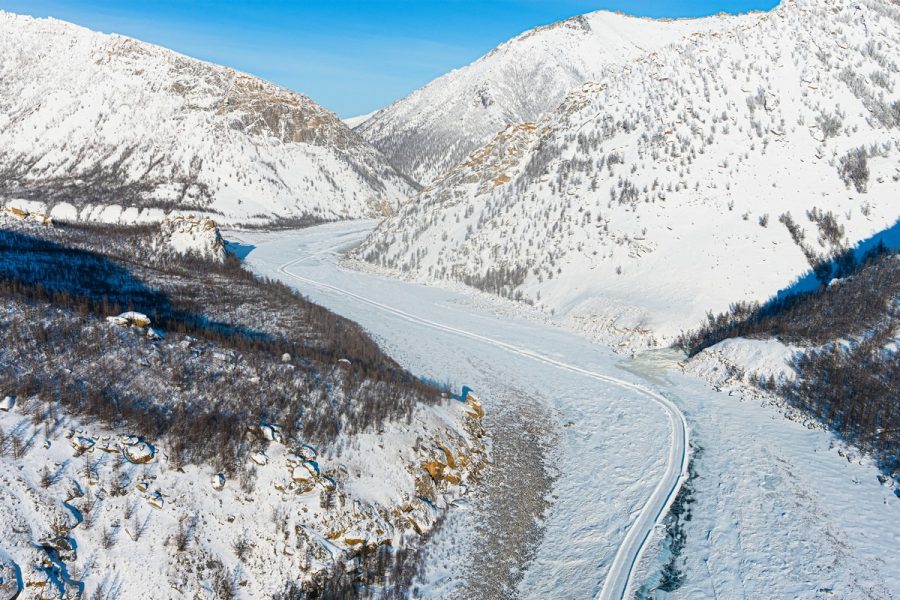
Now – about our vehicles…
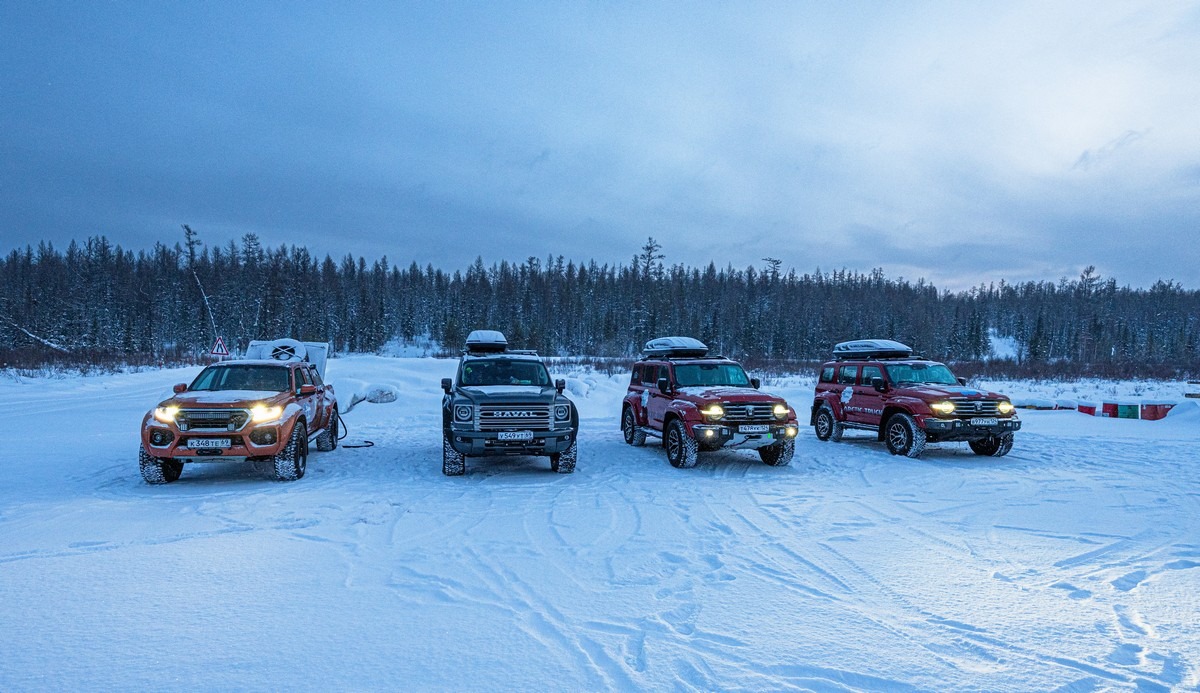
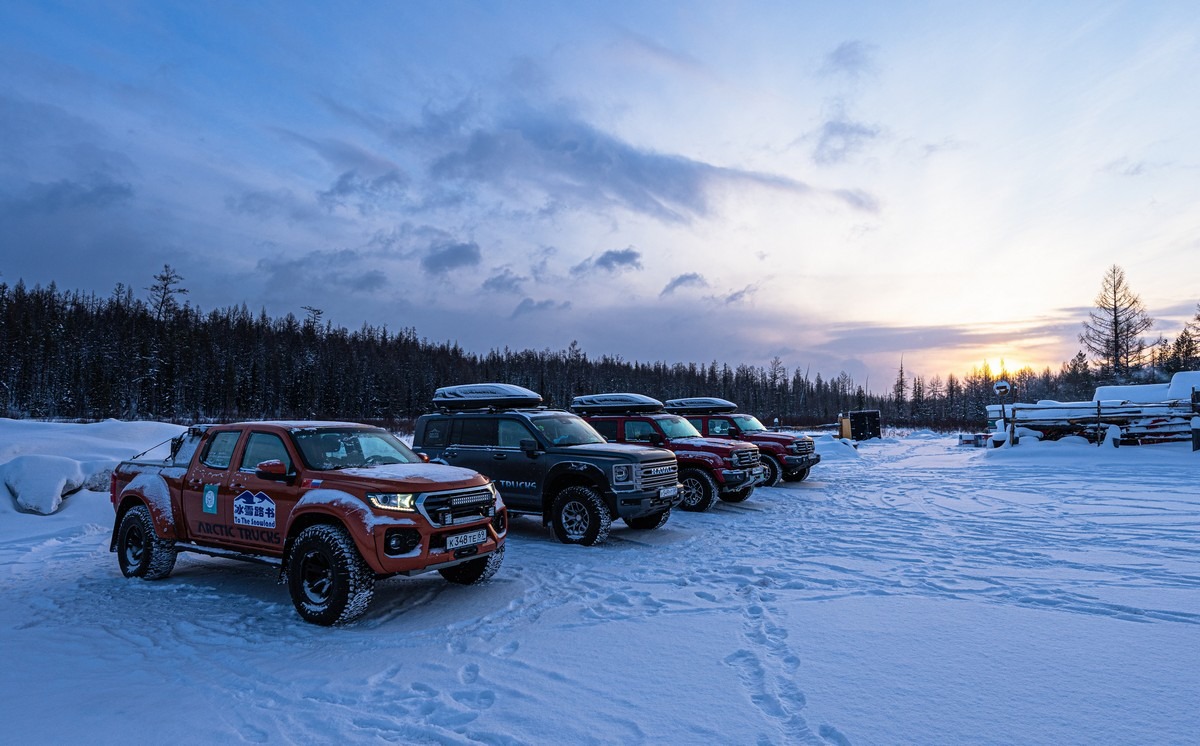
This time we were in a Haval H9 and two Tank 300s, while our leader and organizer drove his trusty diesel (that’s important – details later!) Great Wall Wingle pickup, which had been to Cape Chelyuskin, Chukotka, and racked up countless thousands of Arctic winter kilometers. So yes – all Chinese vehicles:
As to where we stayed, how we slept, what we ate, etc. – all stories for future posts…
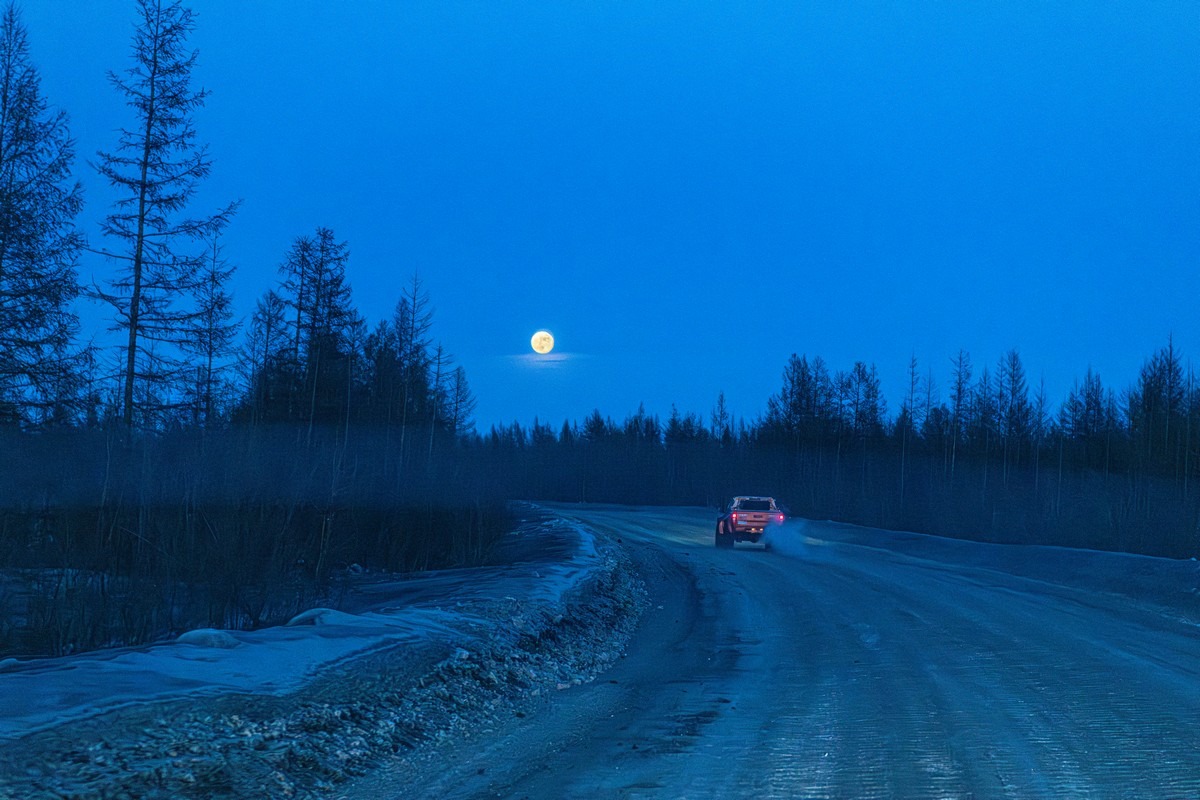
So what exactly is a winter road (aka zimnik in Russian), and why do they exist? That’s an obvious question if you’re hearing the term for the first time. The answer’s simple: scattered across Siberia’s vast expanses are countless villages, settlements, and mining operations with… no roads to them at all. None. Zero. Never have been. Some you can’t even reach by water. And plenty of them can’t be reached by plane, boat or road year-round – with no roads even planned! So instead – there are zimniki: temporary “roads” – strips of cleared snow acrosss the vast expanses, through forests, along frozen rivers, and across just-as-frozen seas!
“So, why don’t they just build ‘proper’ roads?” the inquisitive reader might ask. They do! They’ve been at it for over 150 years! But Siberia is enormous. The distances are brutal, with distance markers routinely hitting four digits – sometimes over two thousand. At the same time, the population is tiny, permafrost hates construction, winter temperatures can plunge below -60°C, and summer can top +40°C. As one of my travel companions put it: “It’s like a Brothers Grimm fairy tale – the further you go, the scarier it gets”.
So why not ship everything via the Northern Sea Route? After all, sea transport is cheapest. Good question, but from what I understand, it only makes economic sense as far as the Taymyr Peninsula from the west. Beyond that, costs skyrocket: apparently a shipping license includes mandatory nuclear icebreaker fees, which aren’t cheap (I might have this slightly wrong, but that’s what people in the know told me). Otherwise, why would Asia-to-Europe shipping take the longer Indian Ocean route instead of going north? Simply cheaper.
How much cheaper? Our expedition leader Alexander Elikov told us what it cost to ship his vehicles from the far north by sea versus overland on winter roads: sea shipping was three to four times more expensive.
That’s why every year, tens of thousands of kilometers of zimniks appear across Siberia, carrying thousands of trucks, fuel tankers, flatbeds, coal haulers, and all manner of other vehicles dragging cargo across these vast empty spaces (and provide adventure-seekers with the perfect setting for repeated long (winter) road trips!). But it’s not a uniquely Russian phenomenon: you can find winter roads in Alaska and Canada too.
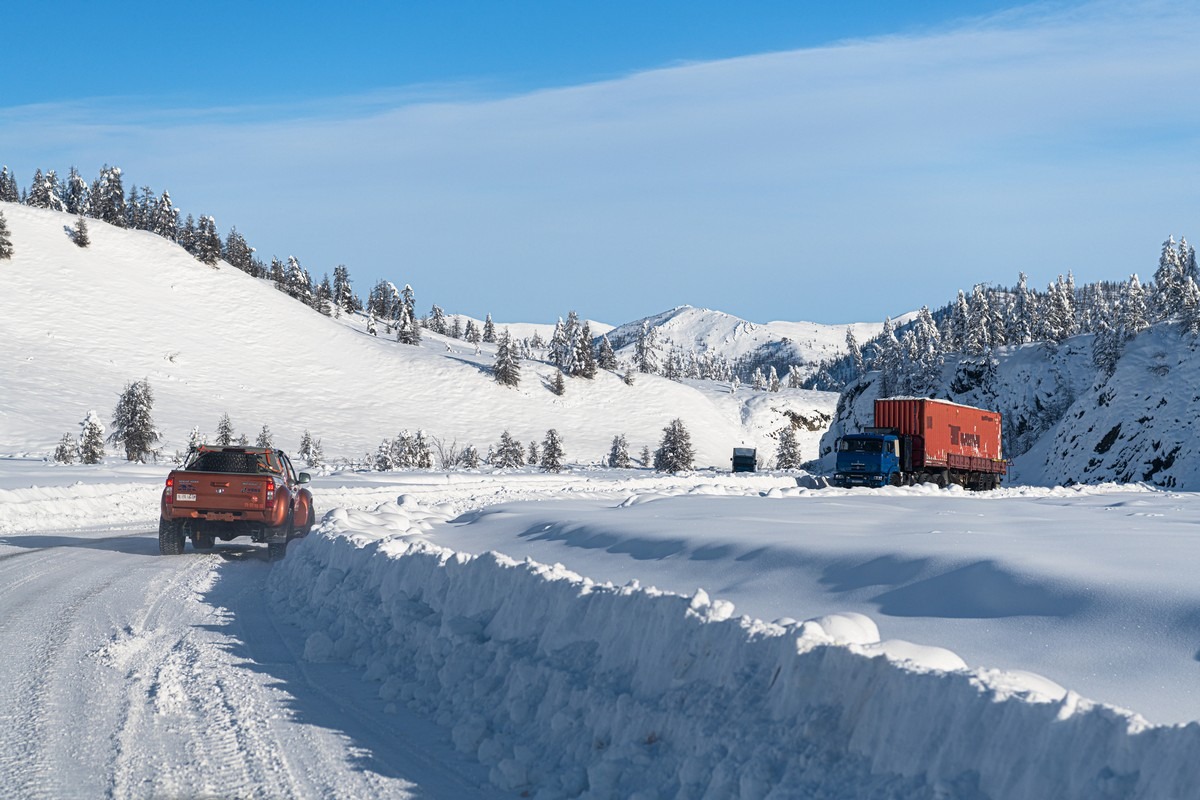
What’s it actually like driving on a real Siberian winter road? It varies. On flat river ice, you can cruise at 80/90/100 km/h. Local truckers call these stretches “asphalt” :)
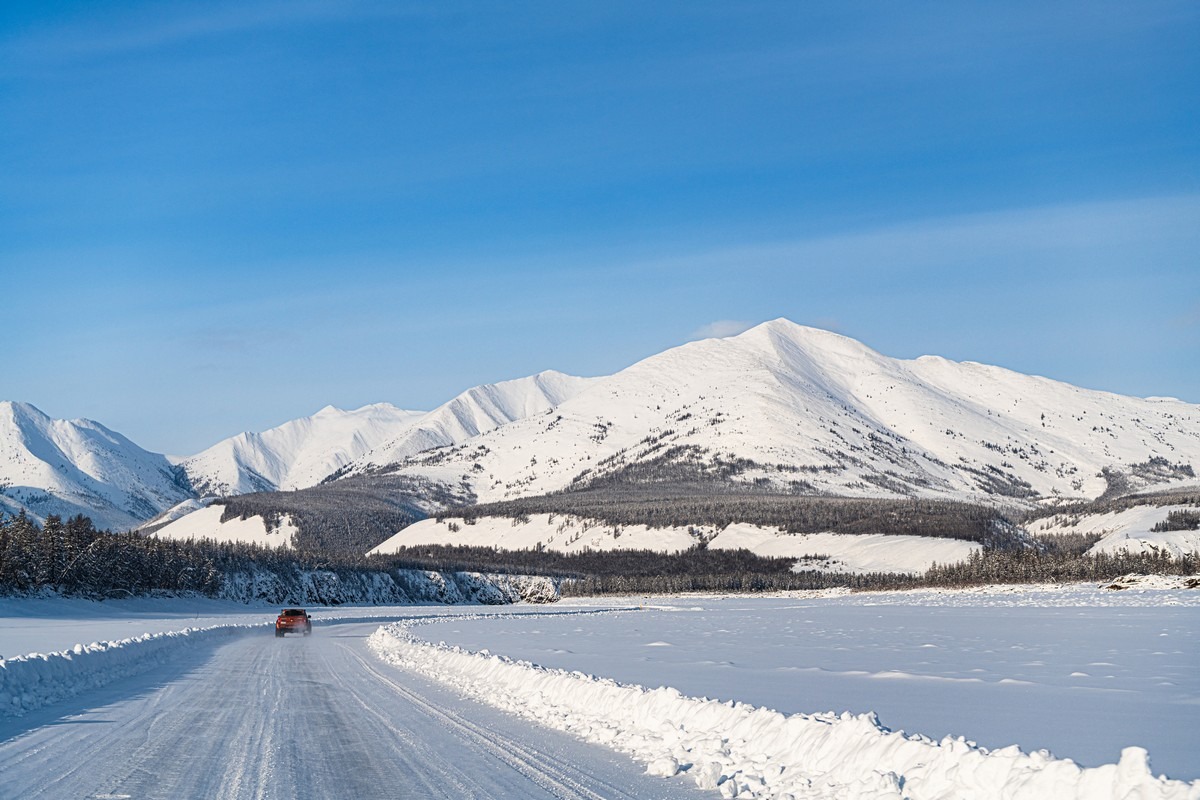
As I’ve mentioned before, this year we had unusually heavy snow, so I’ll borrow a clean-ice photo from our Tiksi-2024 trip:
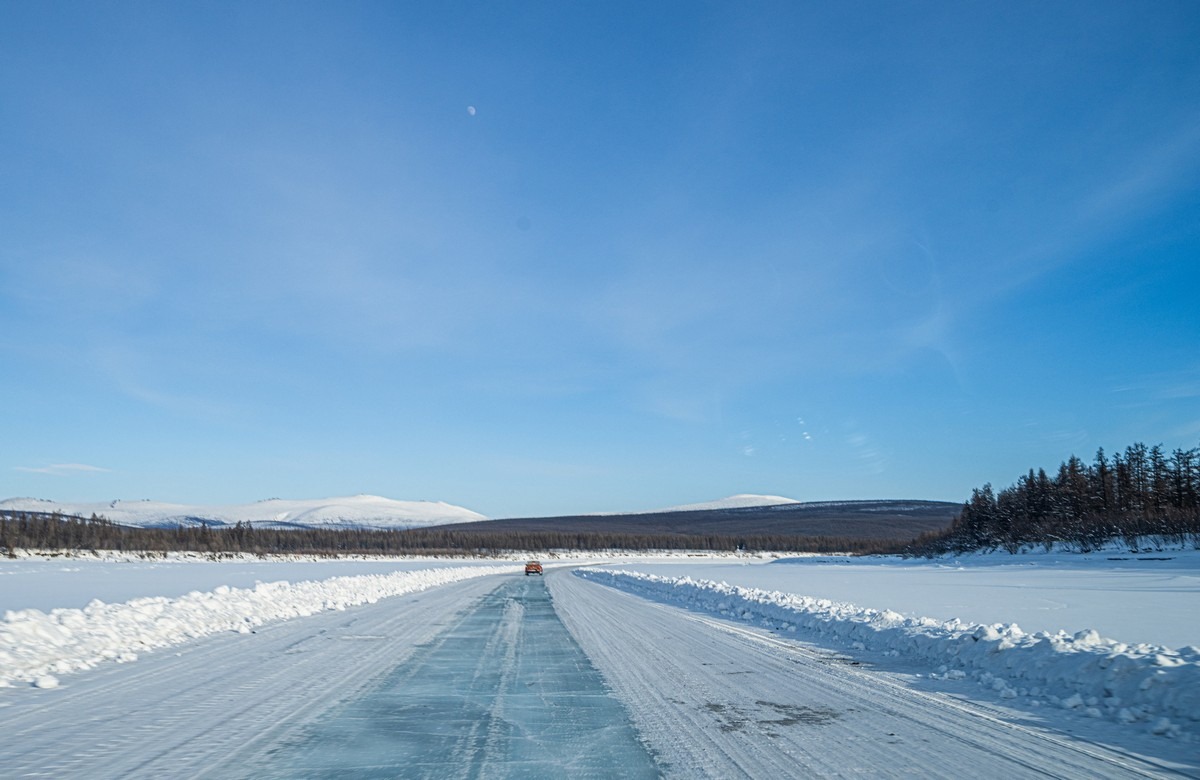
There’s never any need to worry about ice thickness, since rivers here sometimes freeze solid to their very bottom so are perfectly able to support fully loaded trucks. For regular cars, falling through the ice is virtually impossible. Smooth ice is like an autobahn.
On the other hand, things often look like this:
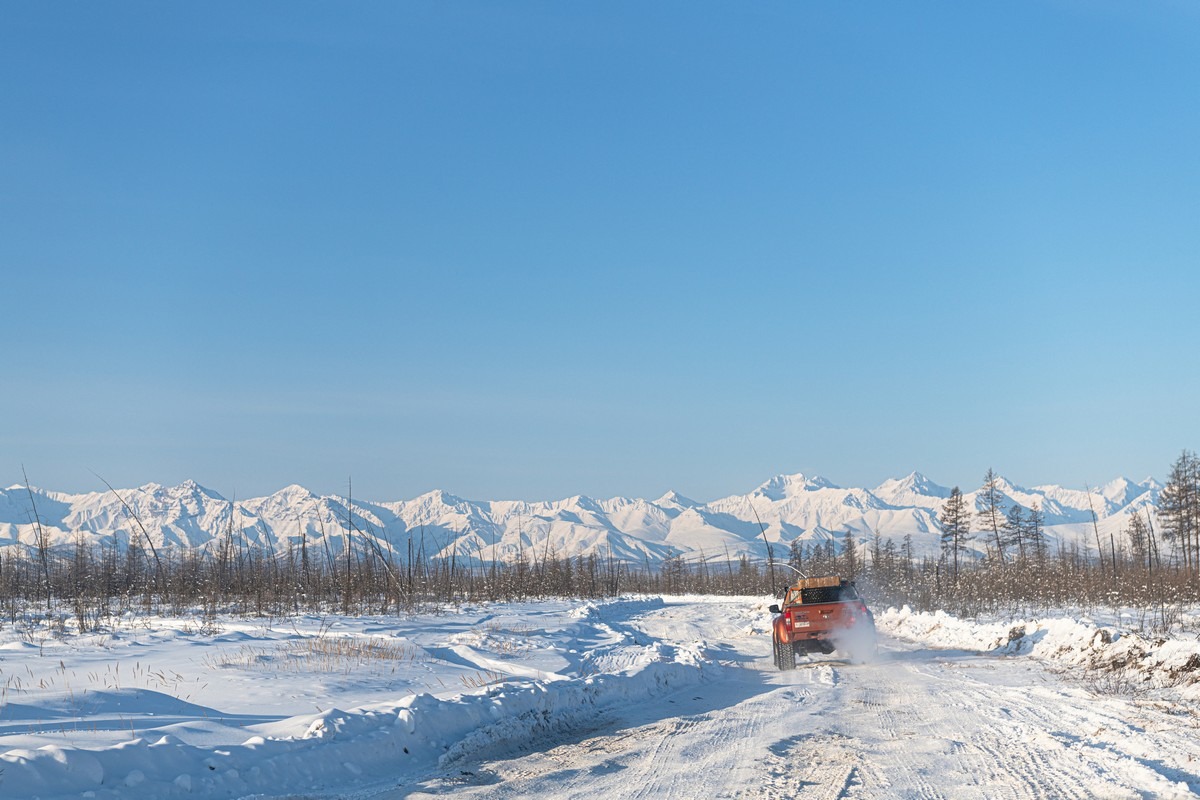
On stretches like these you’re crawling at 10km/h – go faster and you’ll bang your head on the car roof. These sections can run between 20 and 50 kilometers, maybe more. The only relief comes from lakes, where they route the road across their flat ice. Occasionally you hit gravel sections near larger settlements or mining sites. Not often, but it happens:
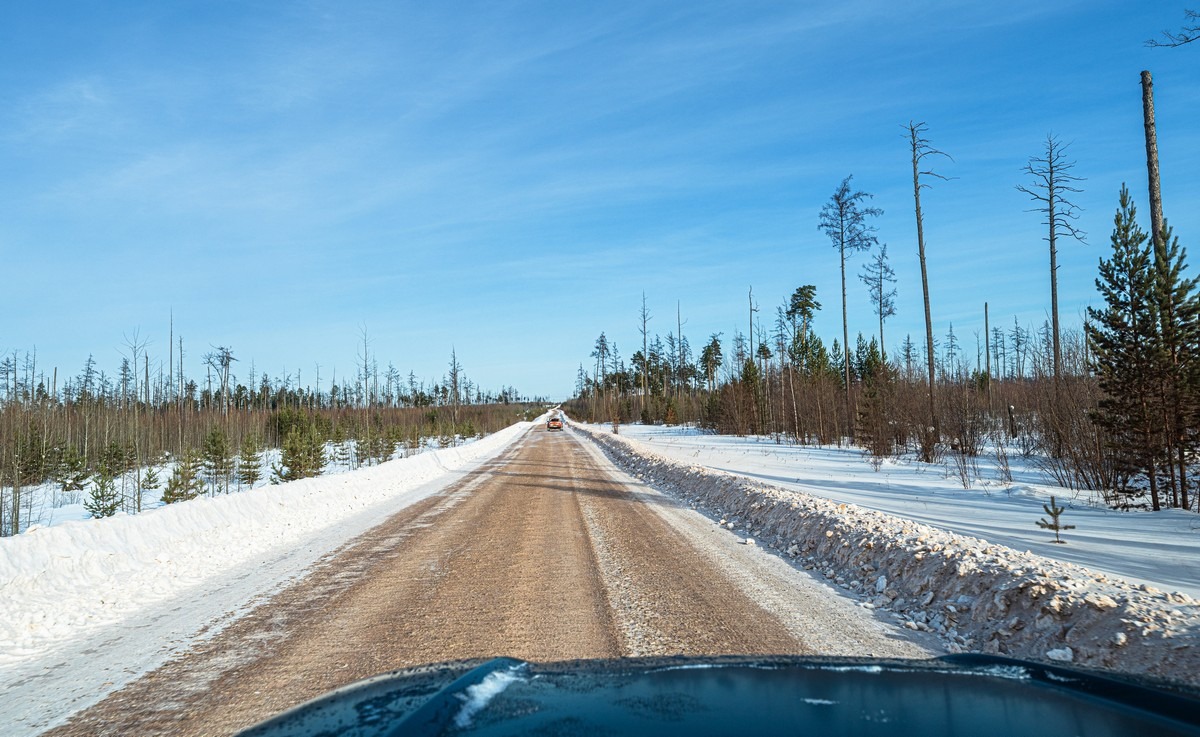
Mostly though, it’s like in the following pics. In the mountains:
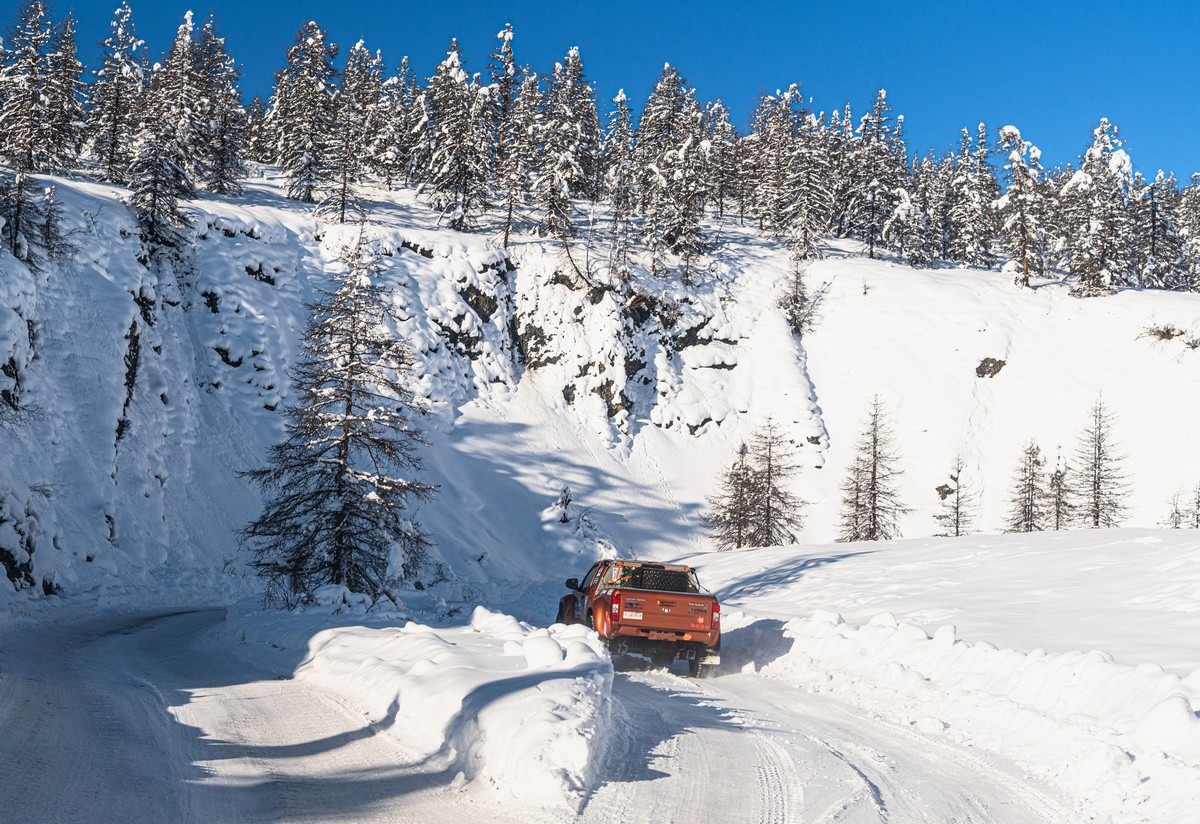
Through forest:
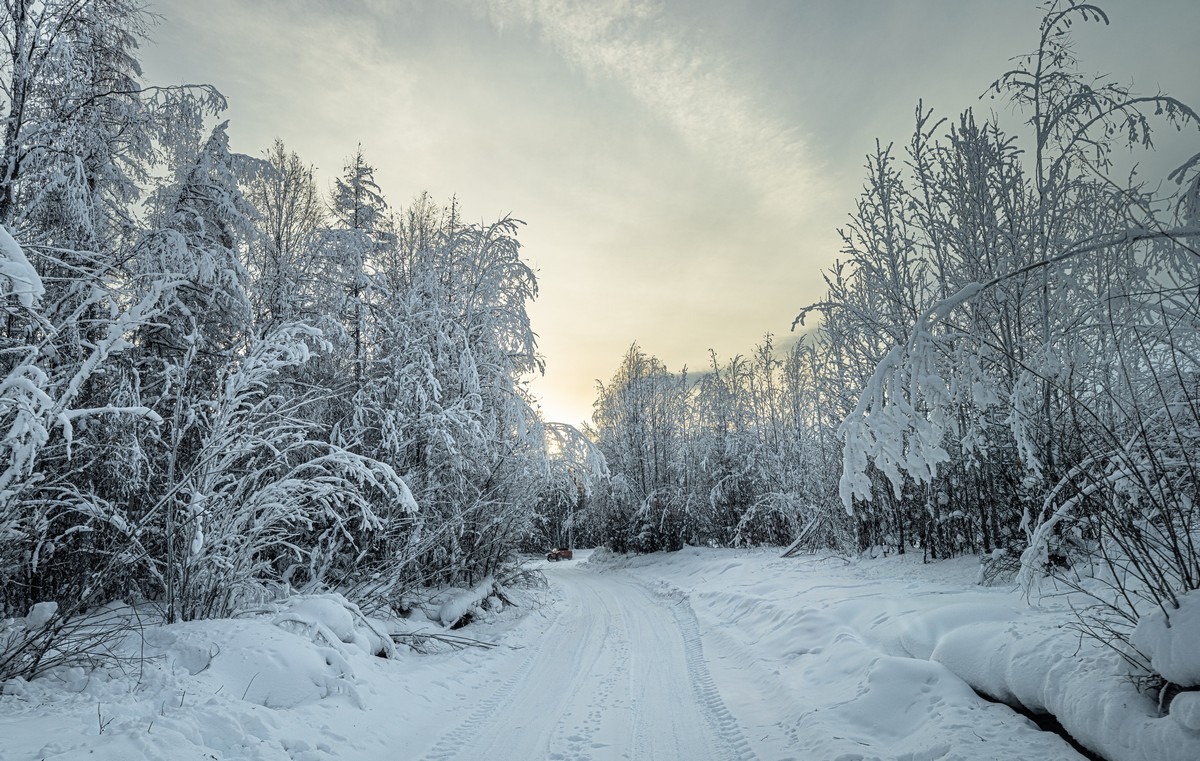
But the farther north you go, the sparser and shorter the trees become until they vanish entirely – then it’s bare tundra:
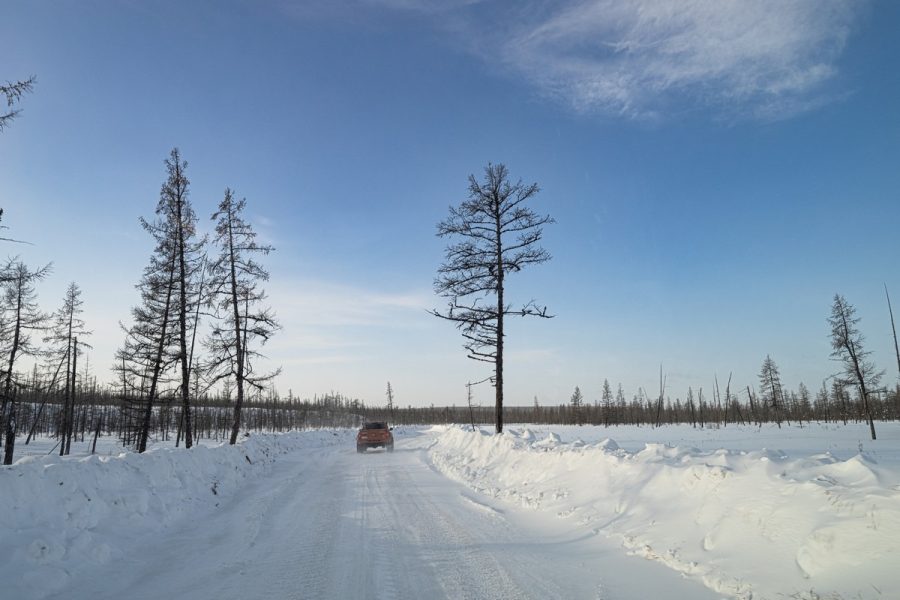
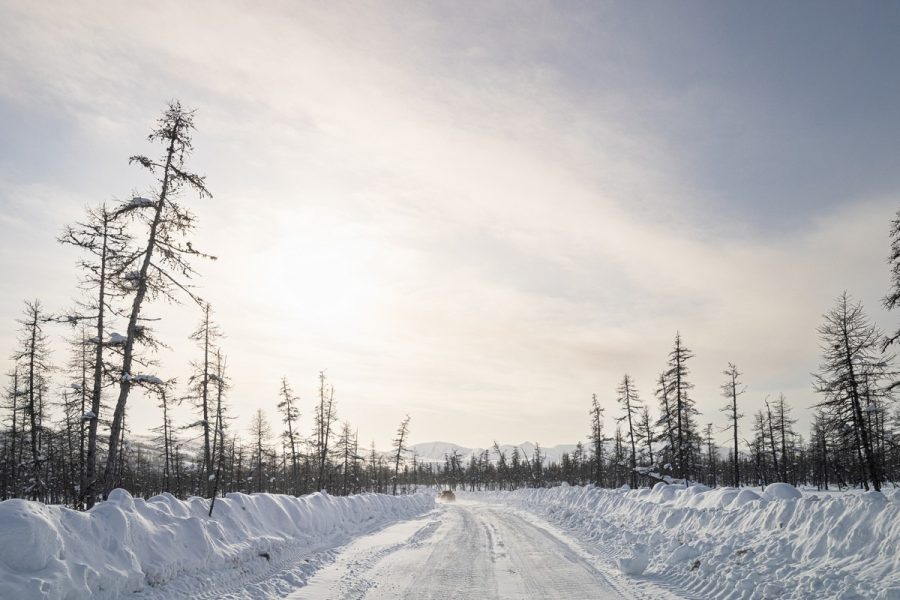
Infrastructure along the winter roads? It exists, but not every hundred kilometers…
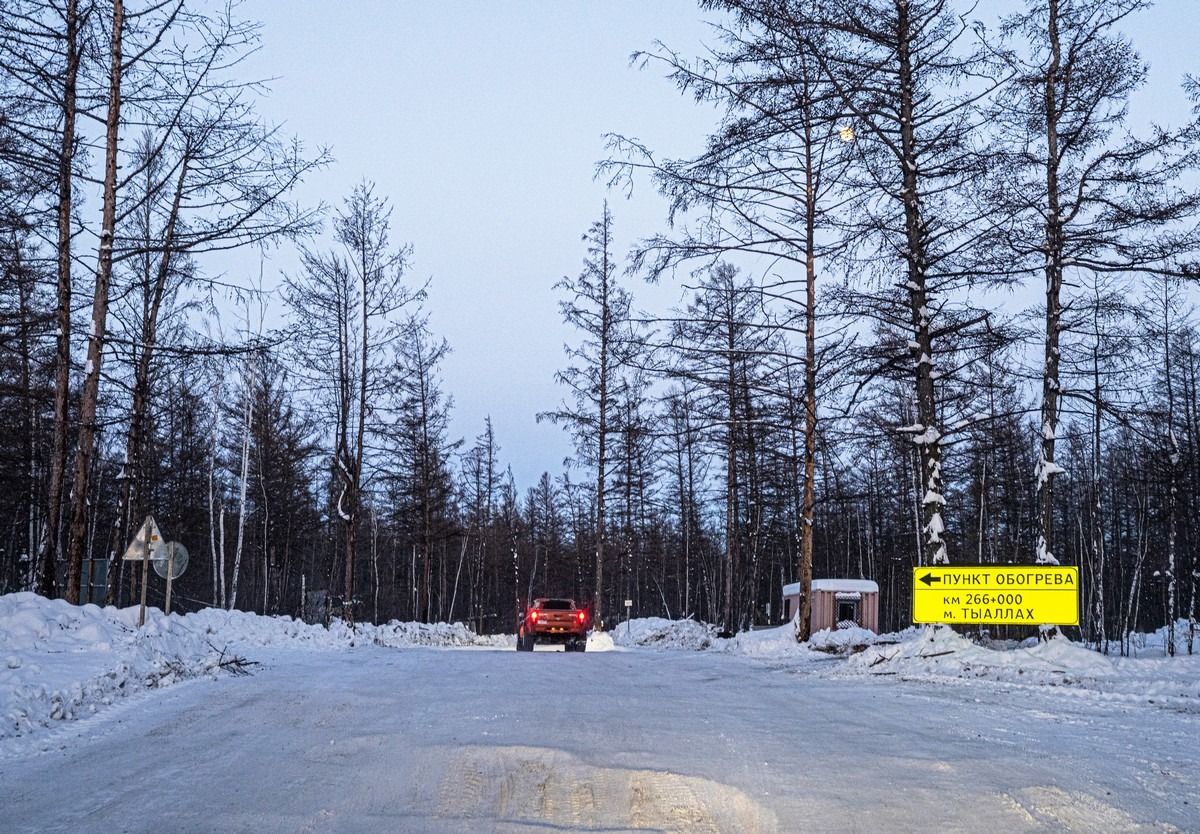
The distances are huge and settlements are almost nonexistent – what infrastructure would you expect? You can drive 300, 500, even 800 kilometers and pass through just one village (example: the Tas-Yuryakh to Verkhne-Markovo route has only Nepa, roughly halfway). Sometimes you can drive for several hundred kilometers and there’s absolutely nothing – no buildings, no cafés, no gas stations. Nothing. Just endless space, magical views, bitter cold, ice, and snow. It hypnotizes you and pushes you ever onward…
Is there much traffic? It varies. You almost never see regular cars (like what we were in – albeit specially prepared). It’s nearly always long-haul trucks:
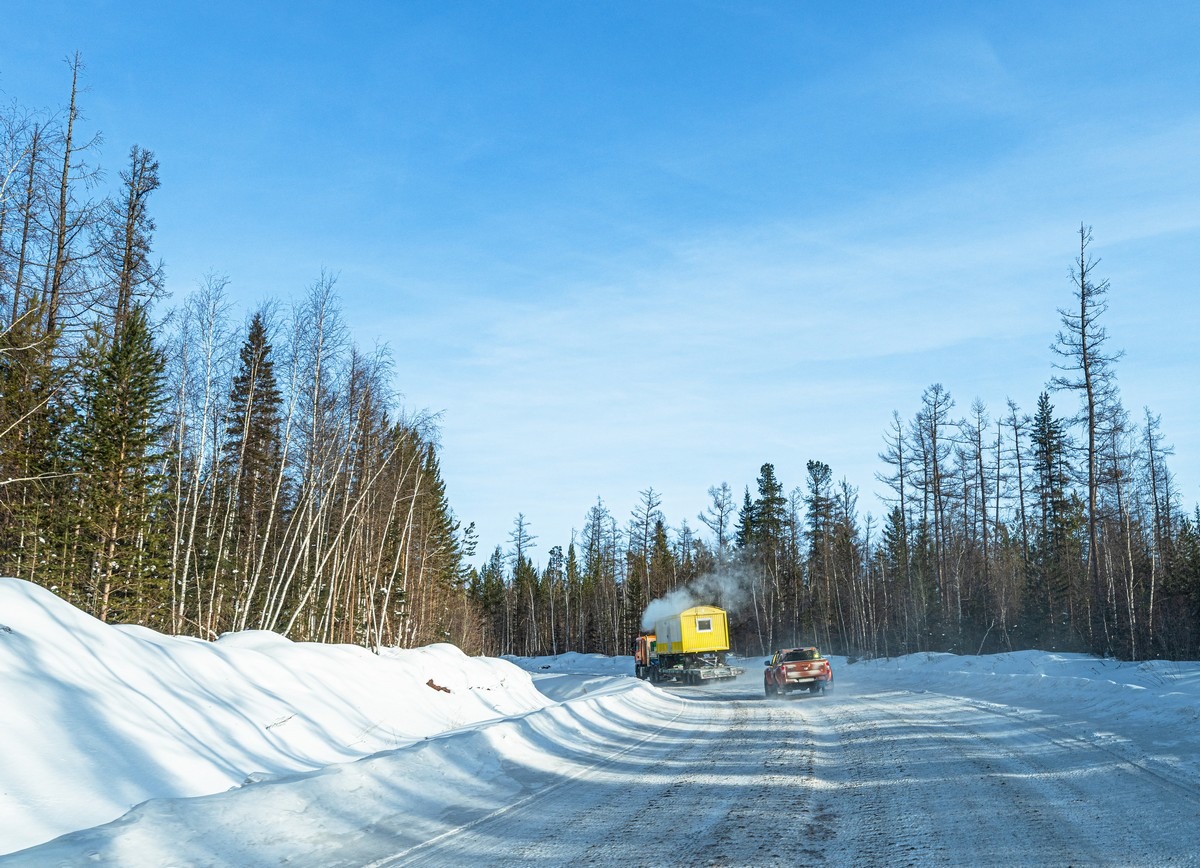
How often do you pass trucks or meet them coming the other way? That varies too. Sometimes an hour or two passes without a soul, then suddenly a whole convoy appears:
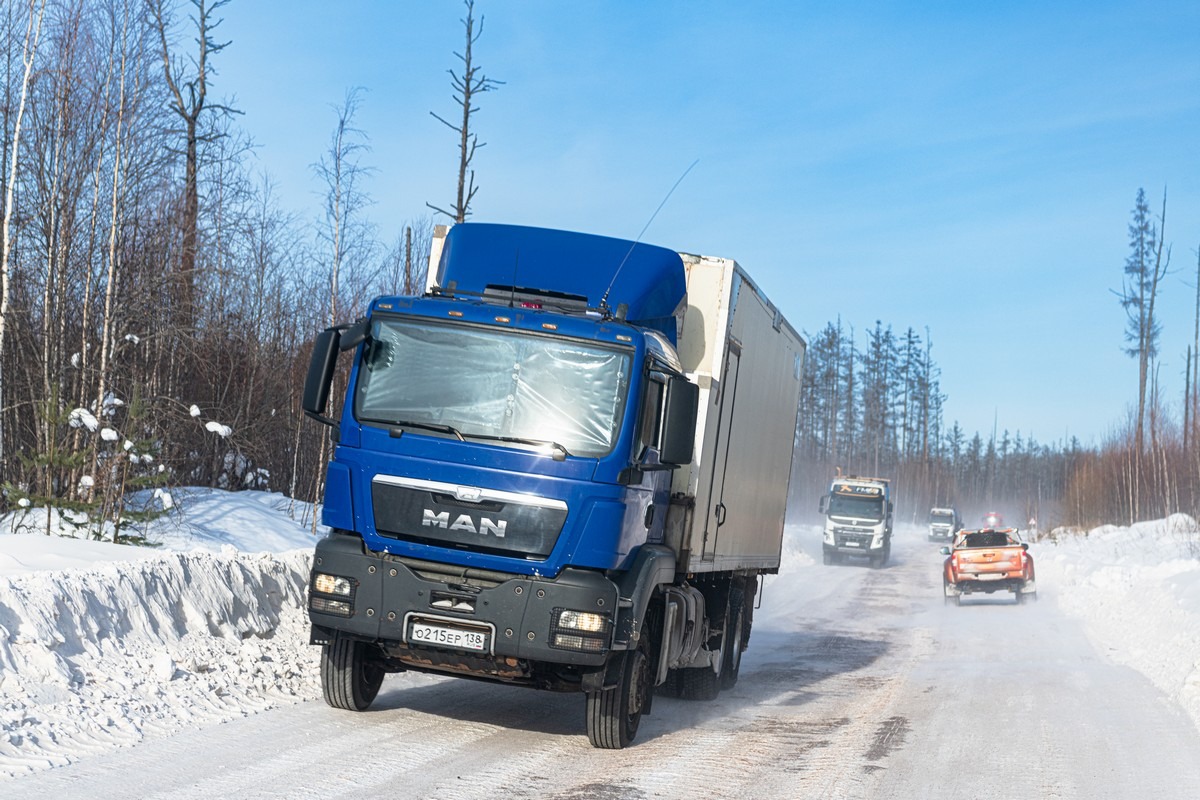
How much traffic there is on the roads depends on the year, we were told. When a major project is under construction (like Power of Siberia), traffic picks up. Without one, it drops off noticeably. This year the Arktika winter road was packed with trucks hauling supplies to the Baimsky GOK being built in Chukotka. Meanwhile, the Tas-Yuryakh to Verkhne-Markovo route was much quieter without large projects demanding shipments.
Another thing about winter roads is that they’re narrow, and with snow banks instead of shoulders. We pass oncoming traffic carefully, yielding the right of way. Sometimes we stop entirely, especially for northbound trucks carrying heavy loads:
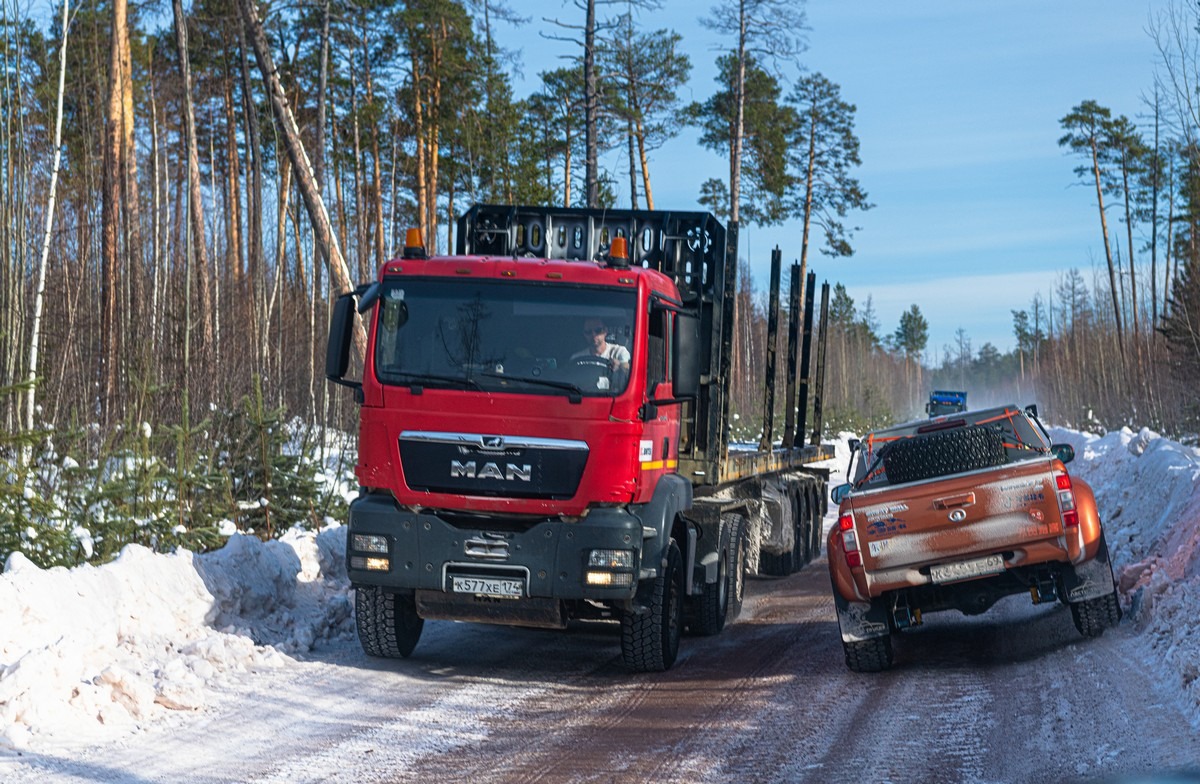
Passing is usually easy – truckers pull over and let us “little guys” through. After all, who else would be driving a small vehicle out here? What if it’s the bosses? :)
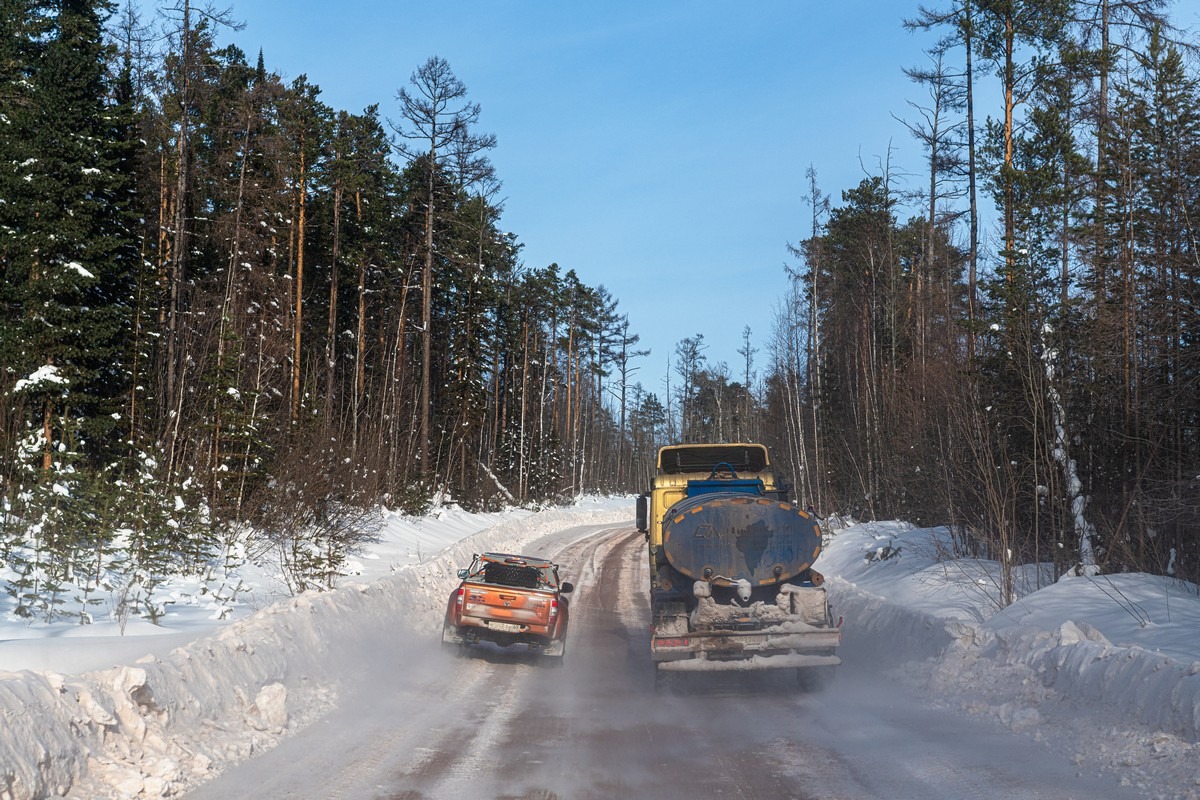
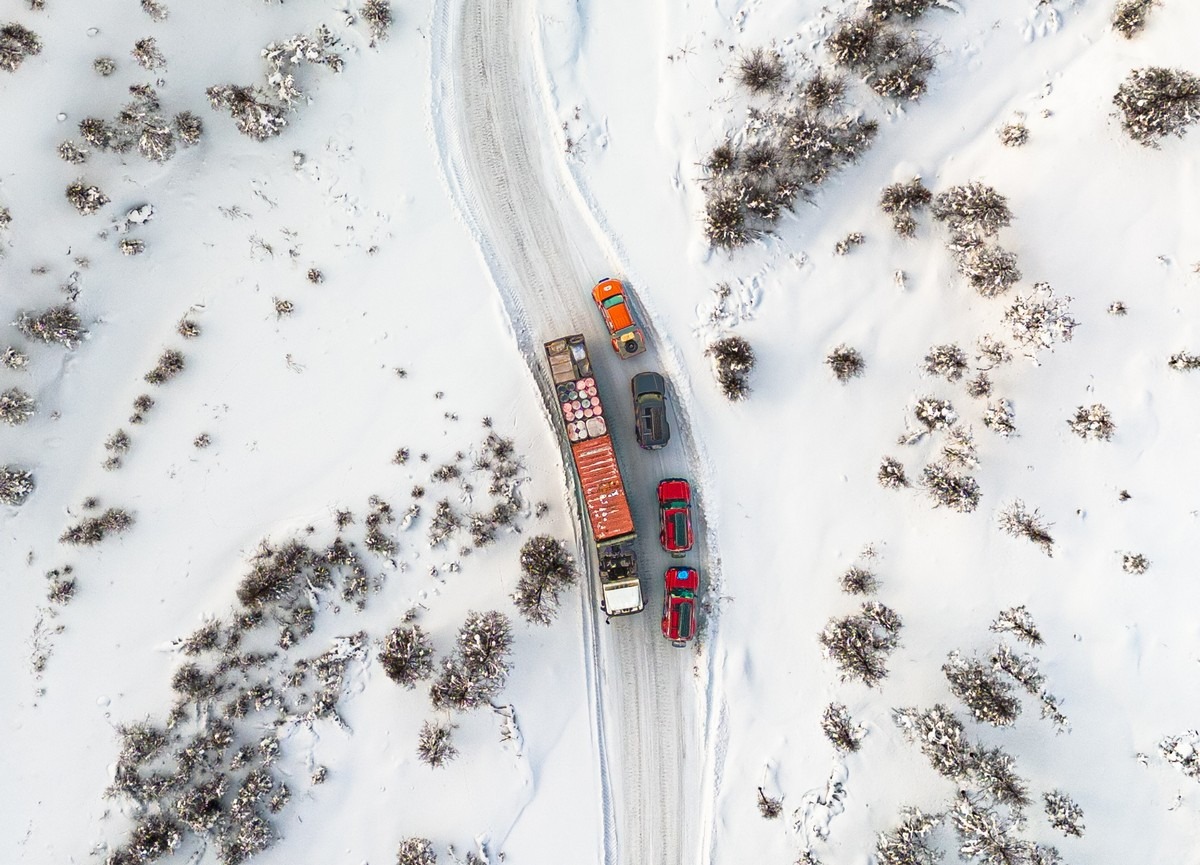
Sometimes it gets real tight, so we scout ahead for spots to duck into:
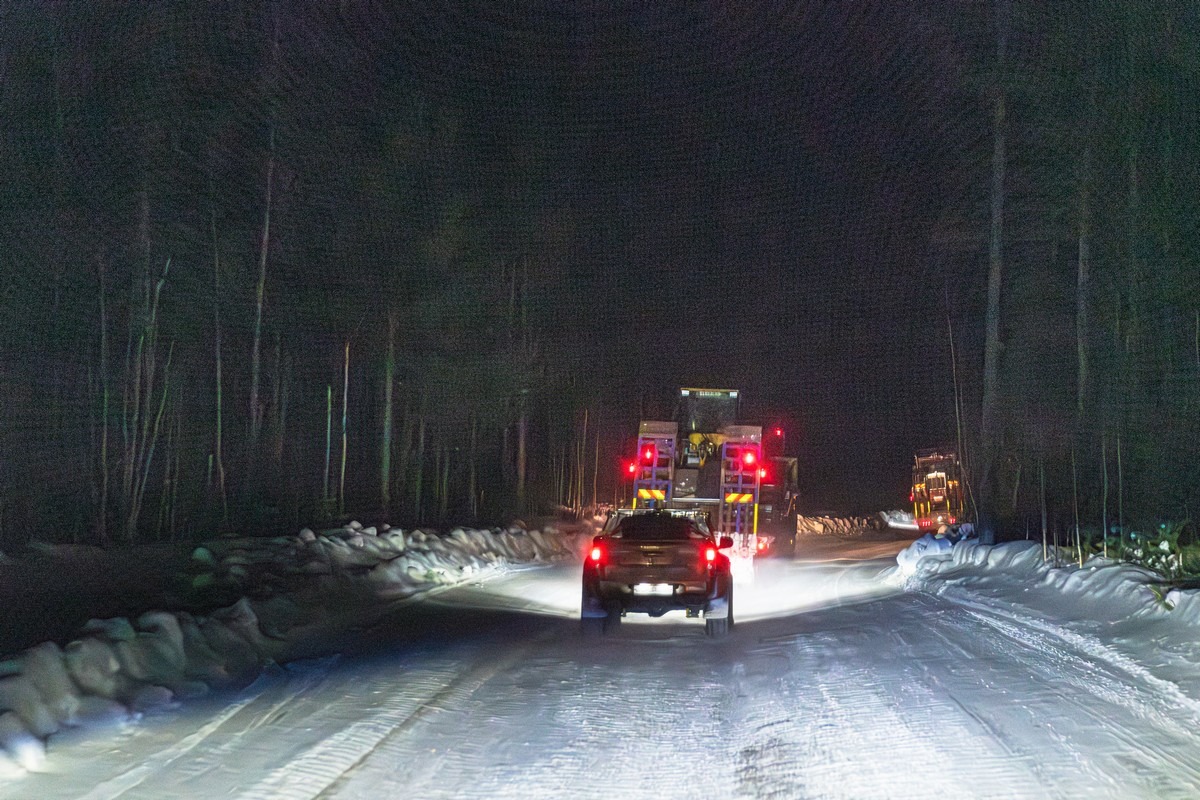
At night it gets even more interesting!…
Is it easy, comfortable, and safe? Depends. For us “little guys” in new, well-prepped, not-cheap vehicles – it’s fine. For old, heavy, long-haul trucks, it can be rough…
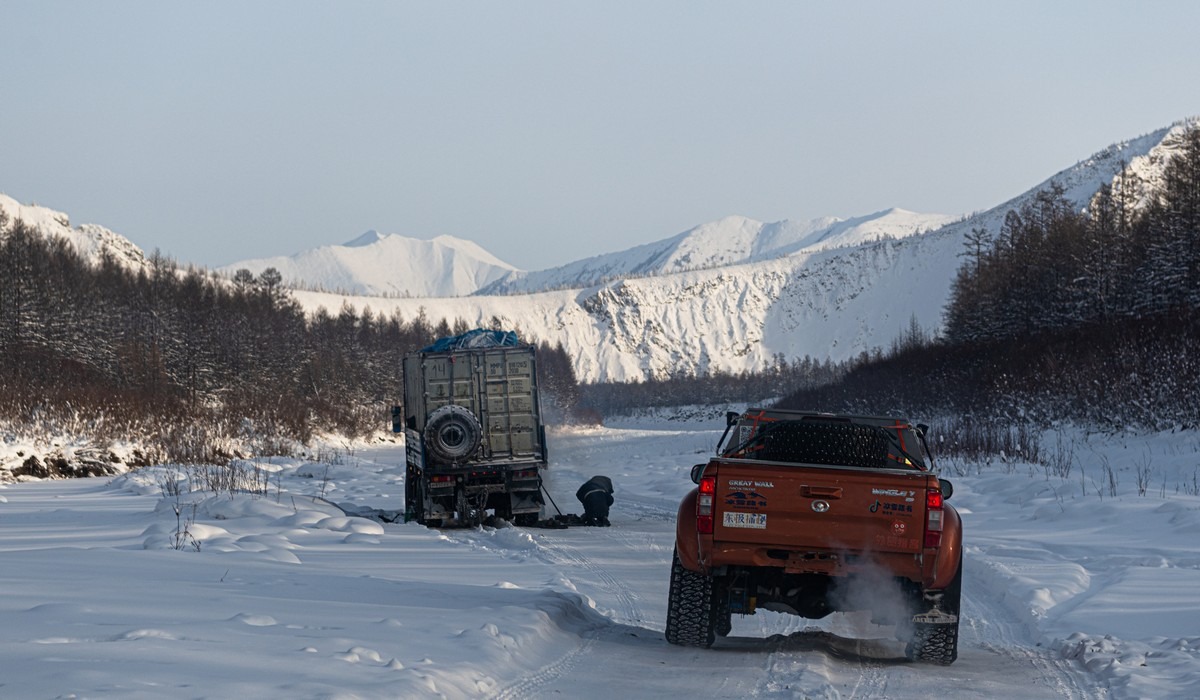
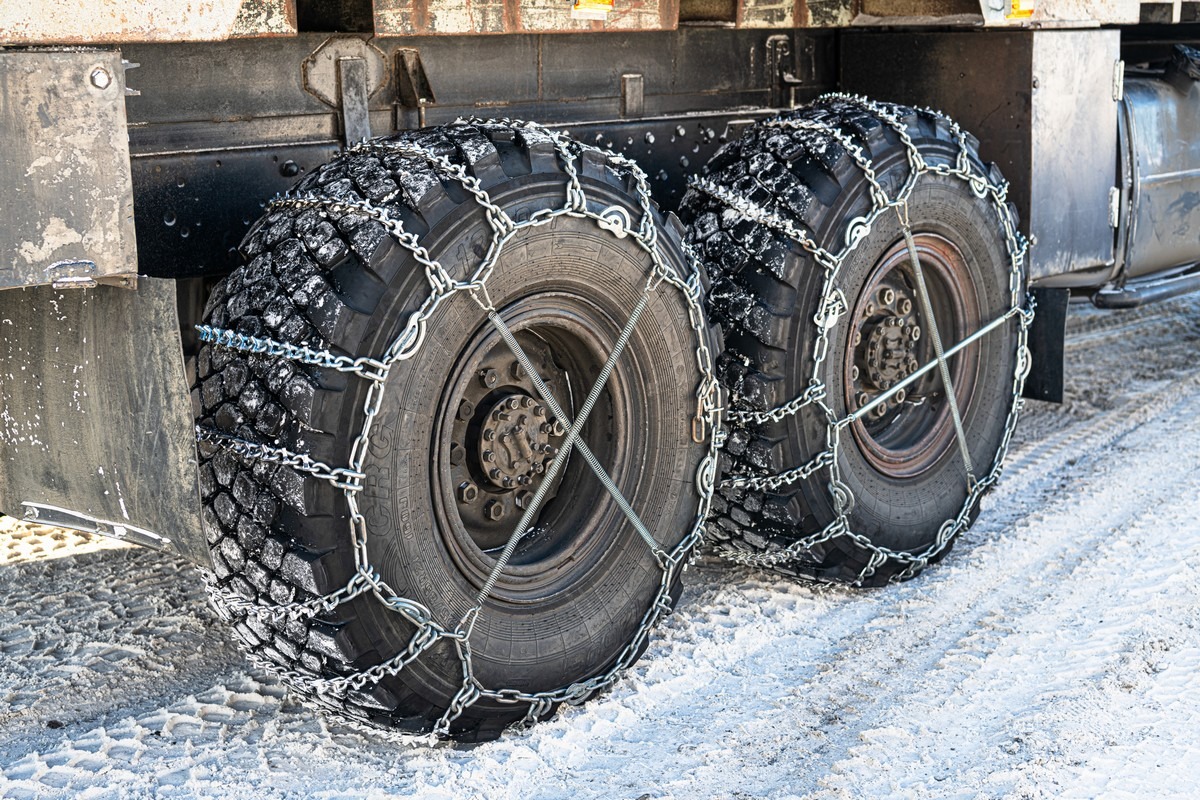
The driver of this truck probably skipped putting chains on the tires, and now he’s taking an unplanned roadside break:
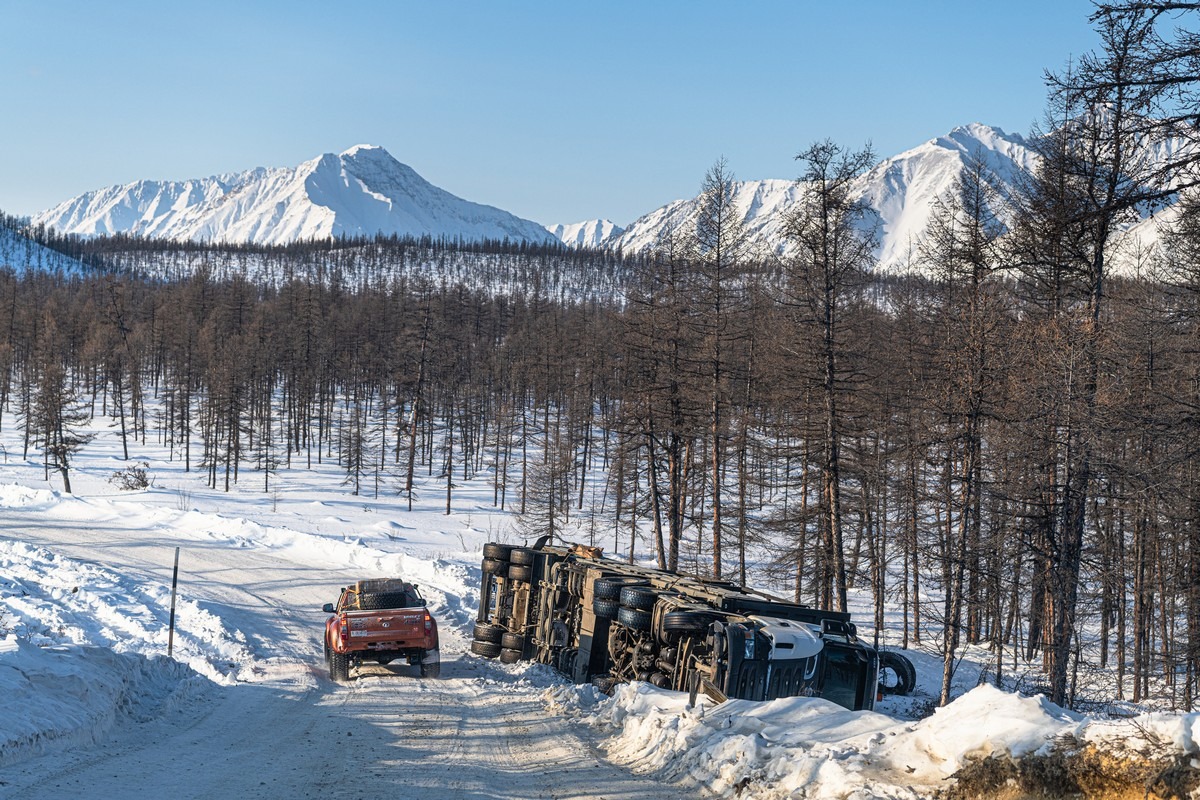
This truck was simply abandoned after they removed the cargo and stripped it of anything valuable:
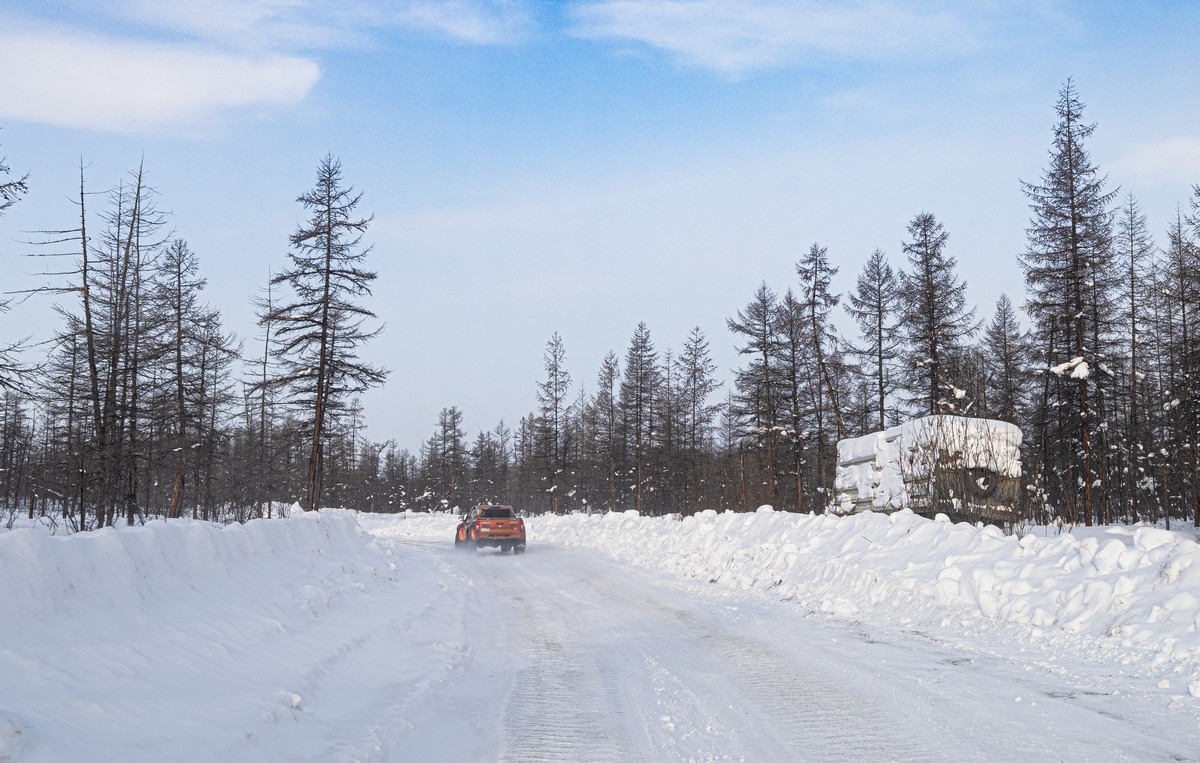
An improvised extra brake for steep descents:
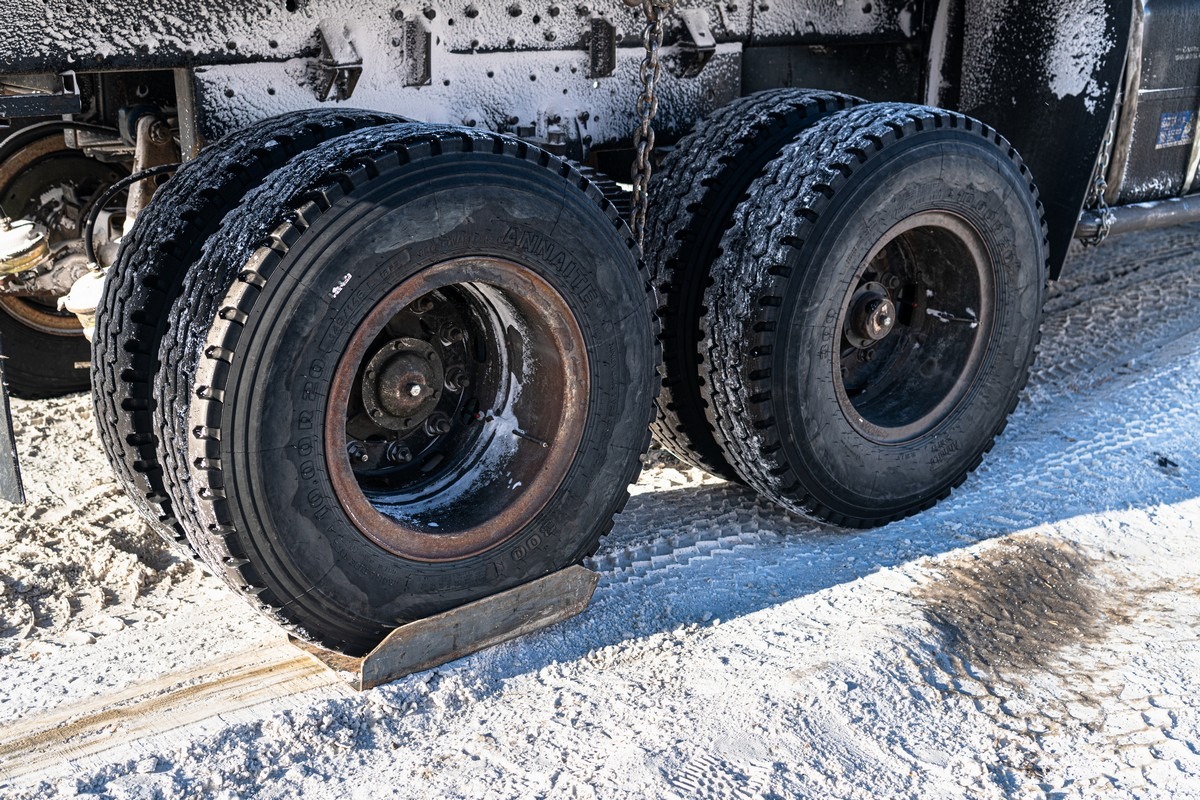
Chains are essential gear for truckers on the mountain passes:
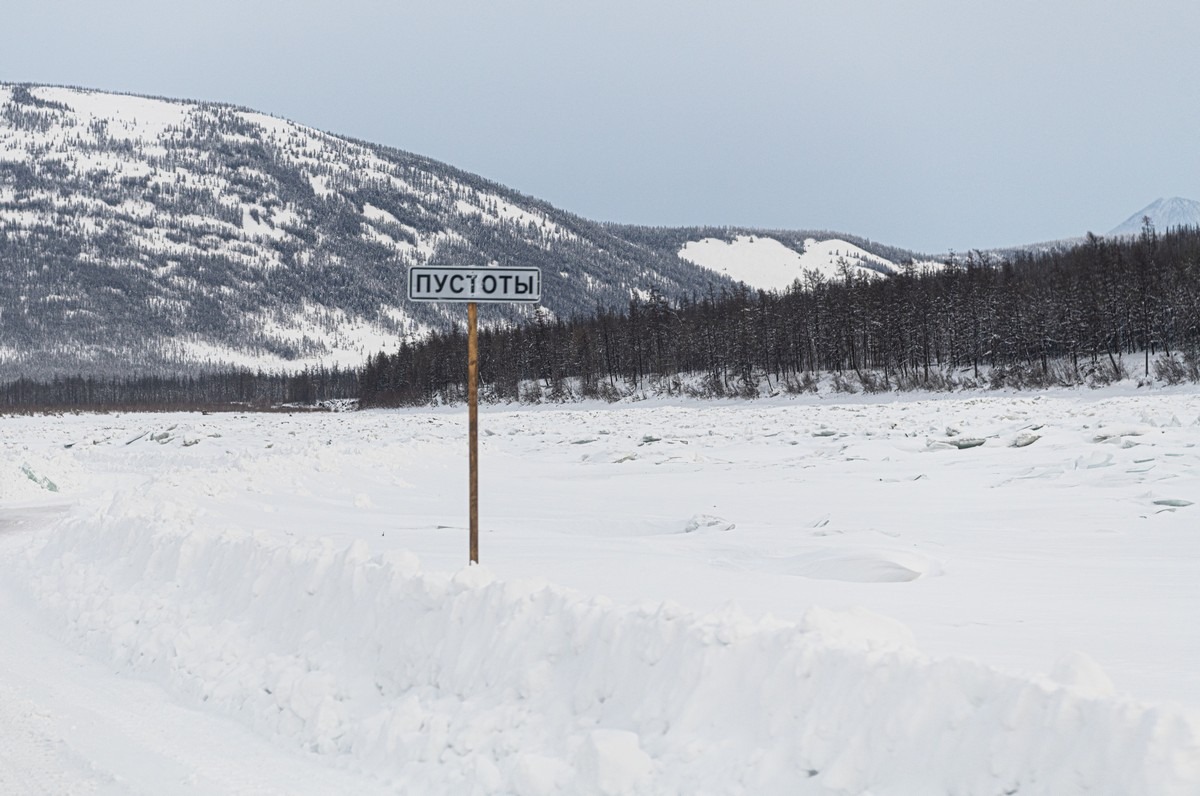
Then there are “voids” (pustoti / пустоты). The river freezes solid, water drains away somehow, and hollow cavities form beneath the ice – which sometimes collapse under heavy vehicles:
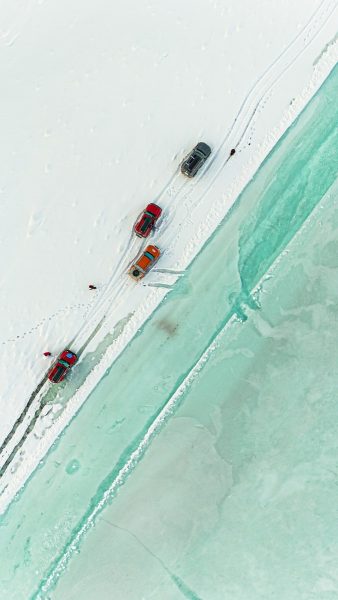
In some places ice freezes right down to the riverbed, but then upstream water pushes through. It bursts through cracks and flows freely over the frozen surface – right along the road. Even at -50°C, this overflow can be over a meter deep. Trucks sometimes plow through water “up to the headlights”. The phenomenon in known as naleds. You’re driving along and suddenly – stop! Naleds ahead!…
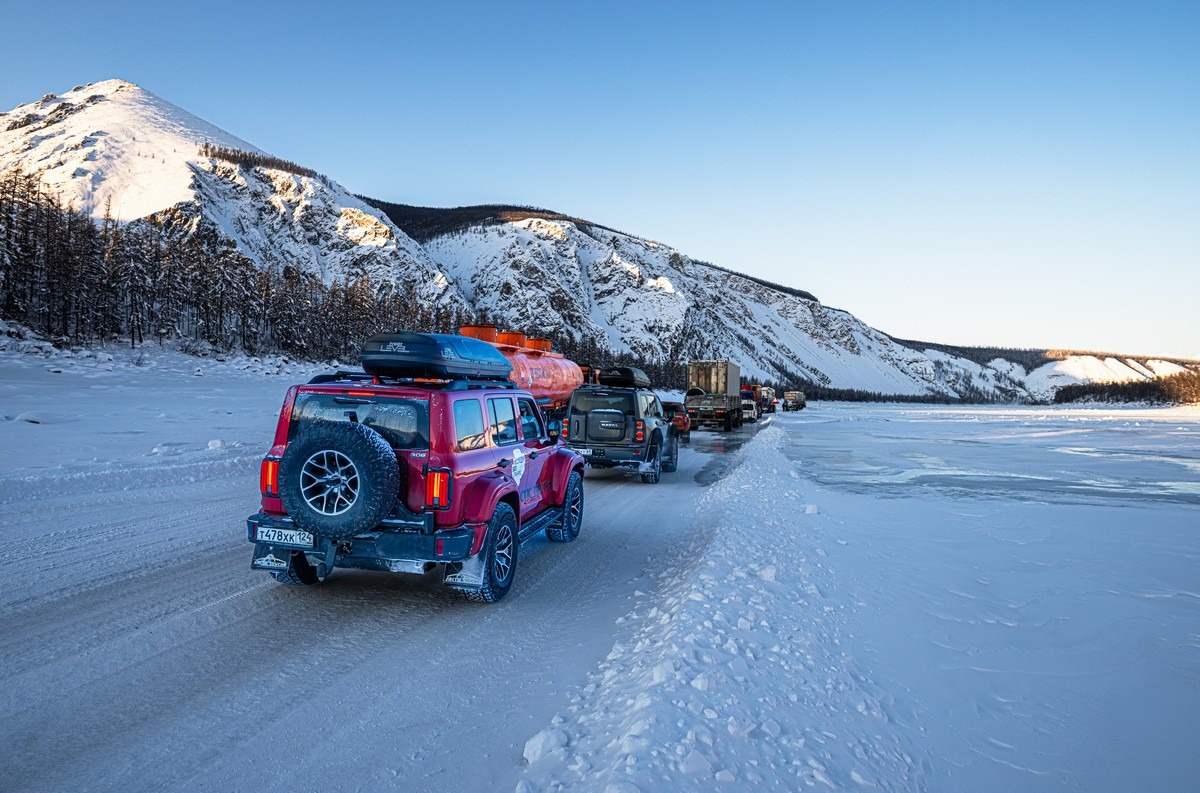
Here we had a meter of ice and snow – and beyond that, waist-deep water:
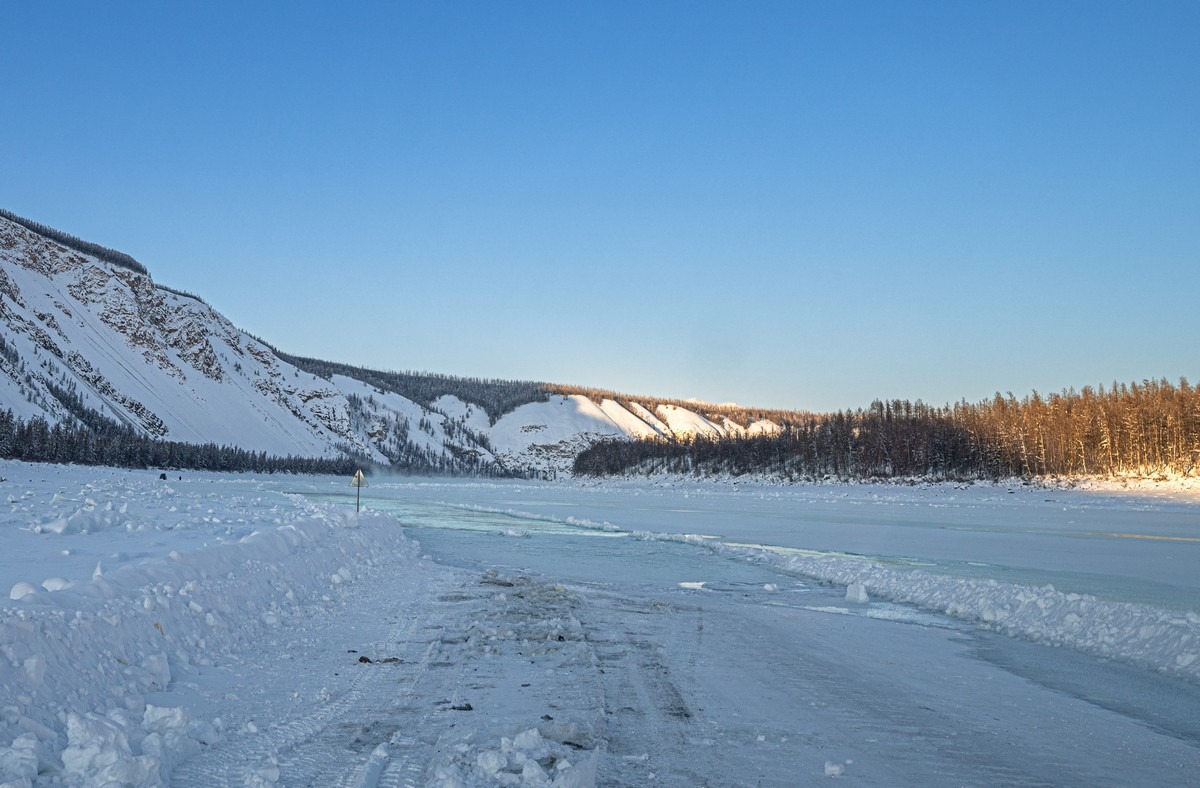
So what do you do? If you’re heavy and not very maneuverable, you wait. Sometimes for weeks! We got lucky and found a bypass. Scary, but you’ve got to keep moving!…
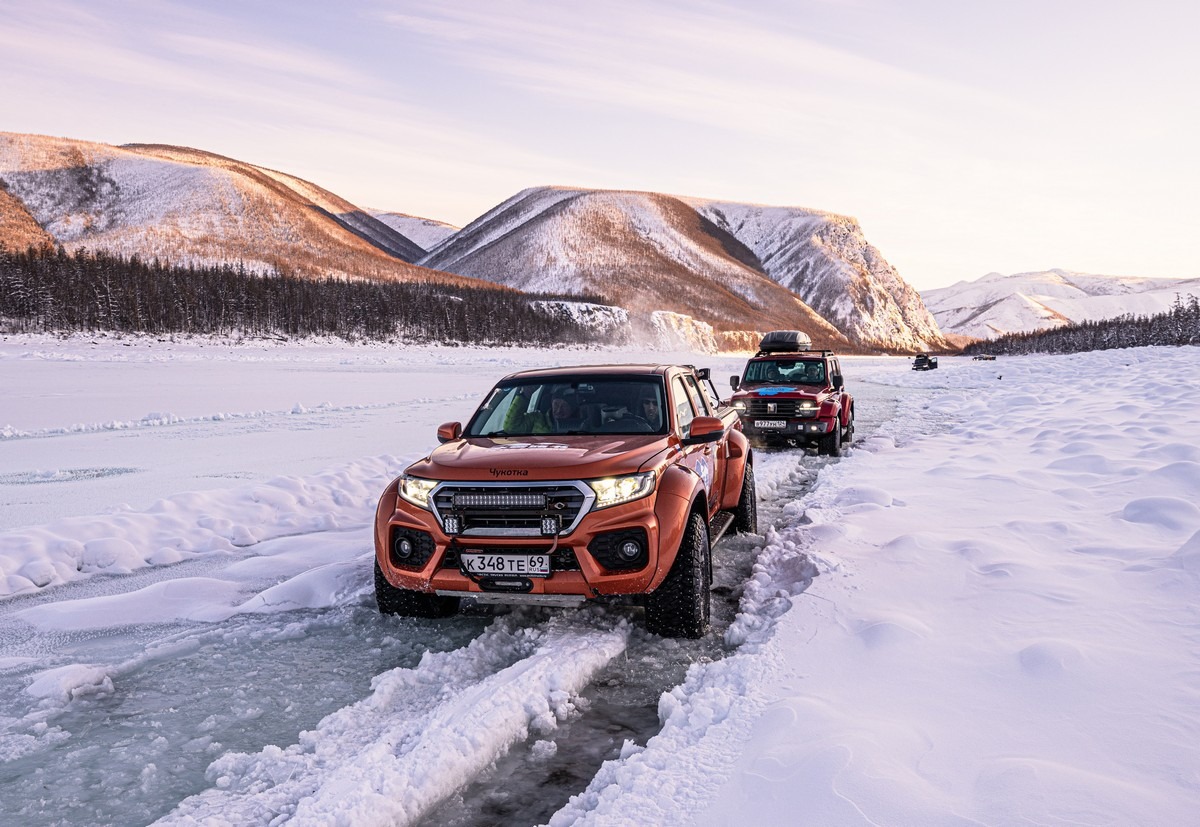
The water kept rising… Another hour and the road would have been completely impassable.
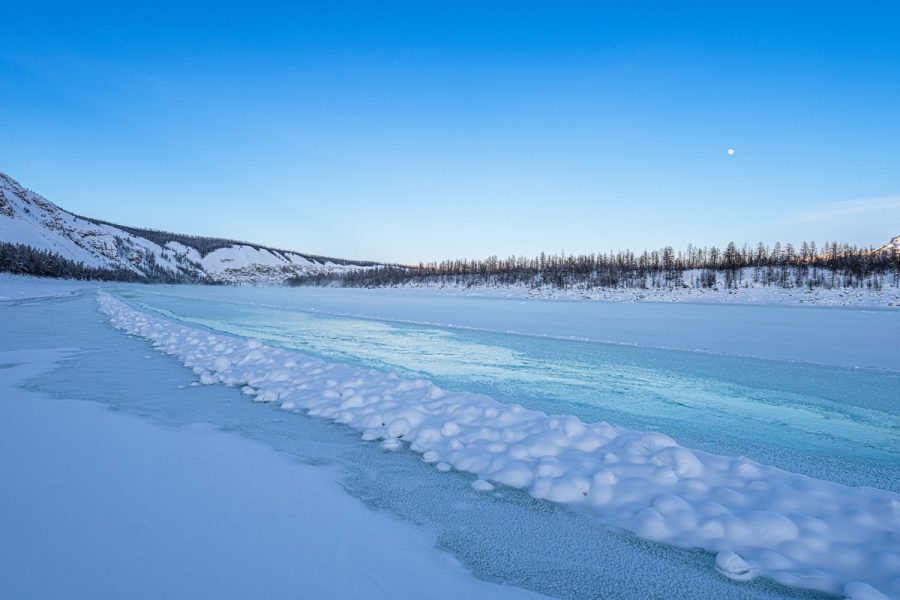
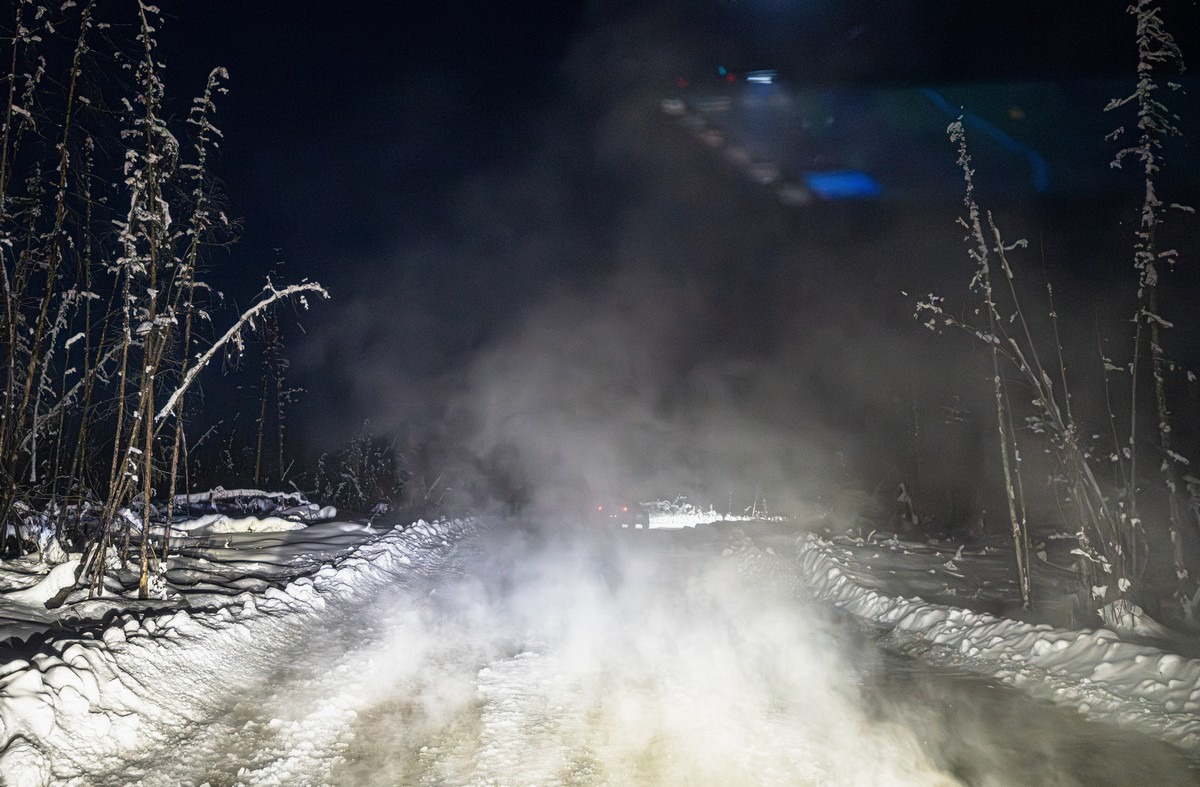
Hit naleds at night and you usually see thick steam rising into the frosty air:
Gas stations? You find them in larger settlements, but not often, and with a limited selection (95-octane is rare). So you always carry spare fuel – lots of it!
Where do you sleep? Truckers sleep in their cabs. Business travelers (if any) use company dorms in the larger settlements. For tourists, options are sometimes nonexistent. You either sleep in your car (you actually get used to it quickly), or arrange with the local authorities to crash in… a school gym (every settlement has a school) or community center/town hall – we once slept on the stage of one! (See the tales from our road trip to Tiksi in 2024.)
Where do you eat? Along some of longer empty stretches, they set up little cafés called “pickets”:
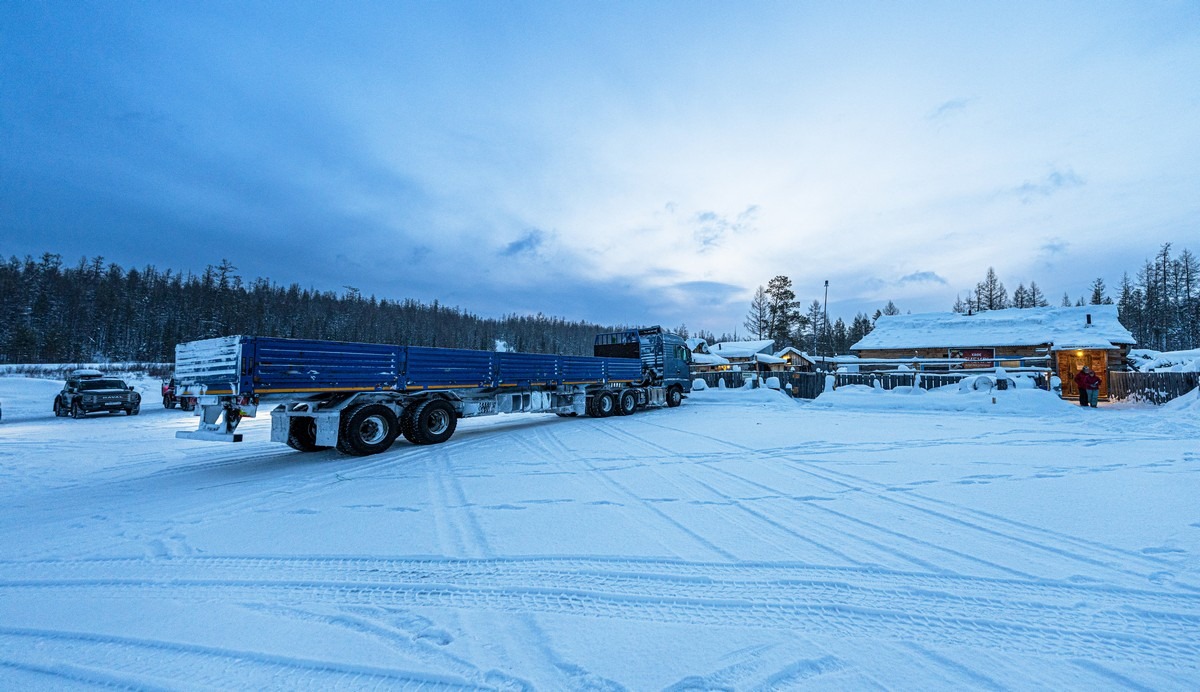
These are usually small fixed or mobile huts where staff live for the entire season while the road is open, feeding truckers passing through. And tourists, if any show up:
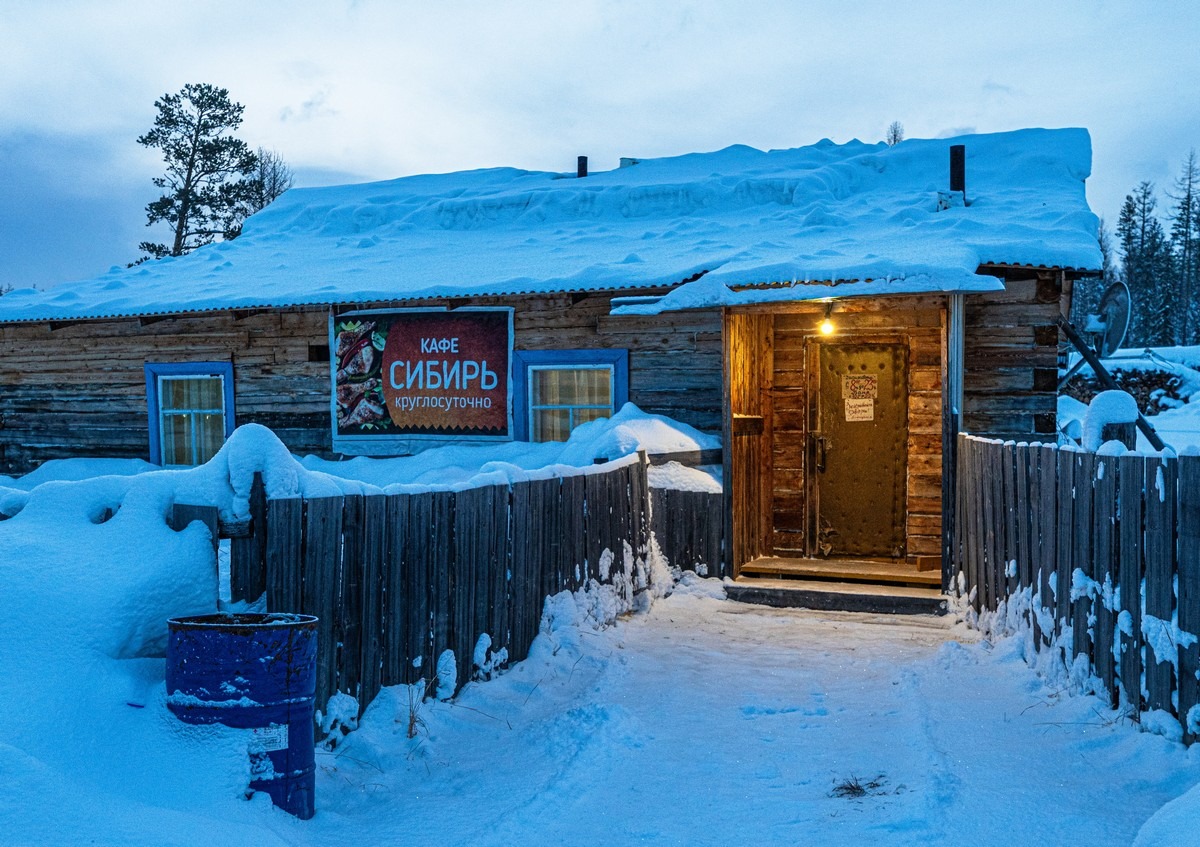
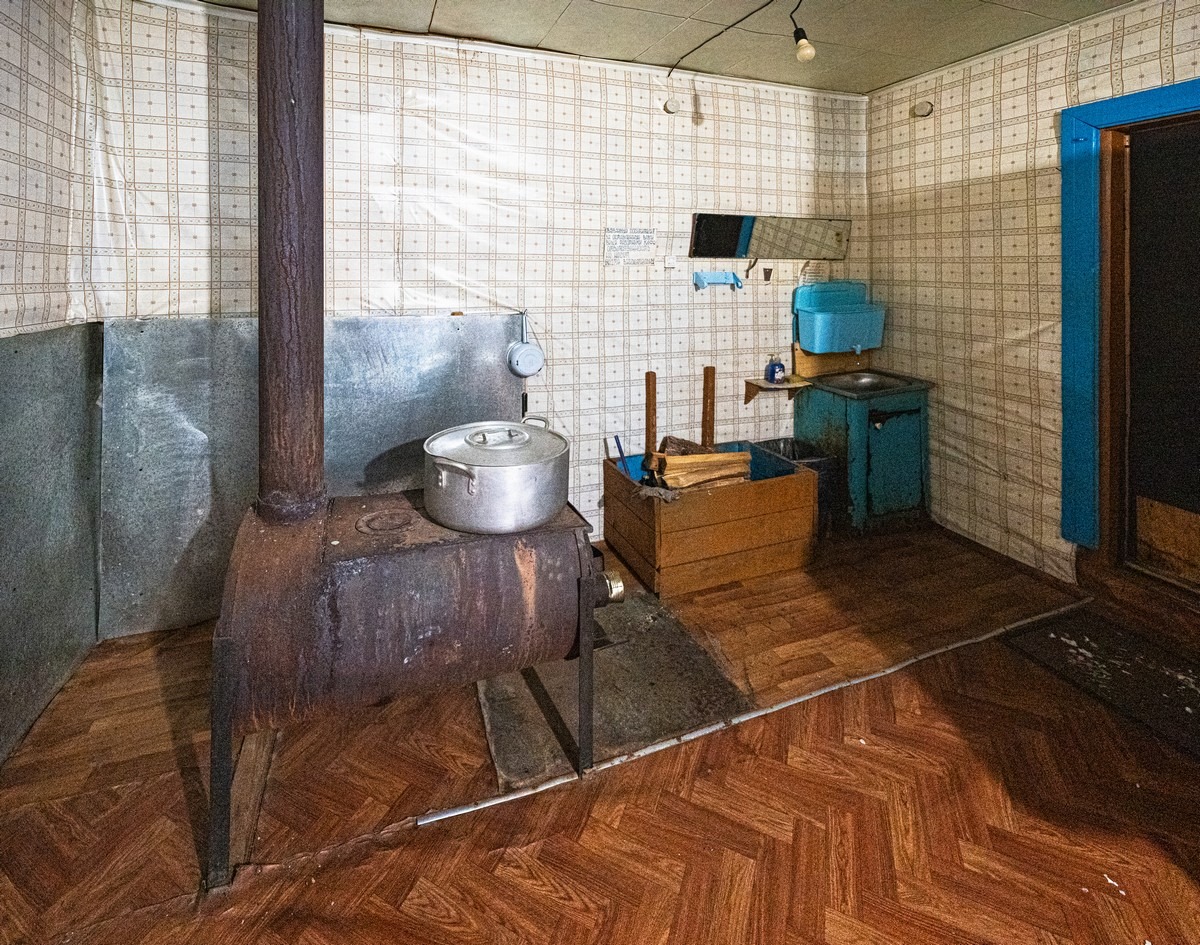
Inside it’s basic (no surprise there), but clean. And the food is decent enough given the circumstances.
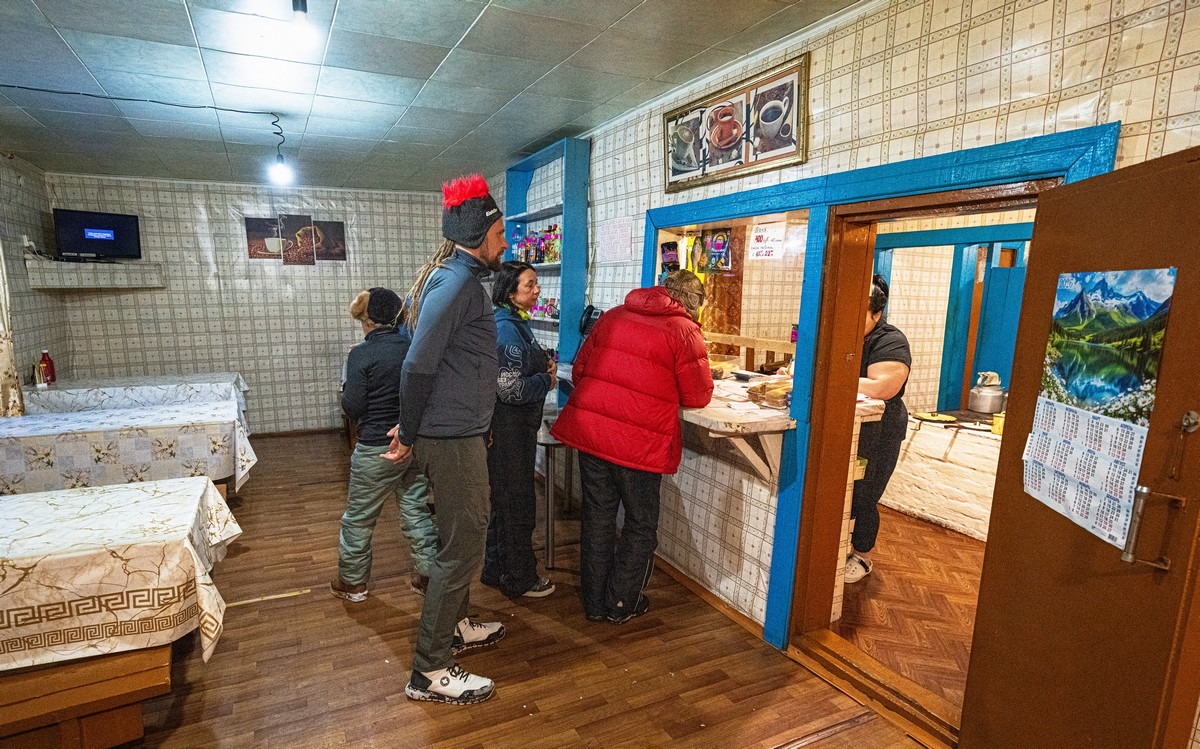
The setup is, of course, minimalist:
You can sleep in the parking lots next to pickets too:
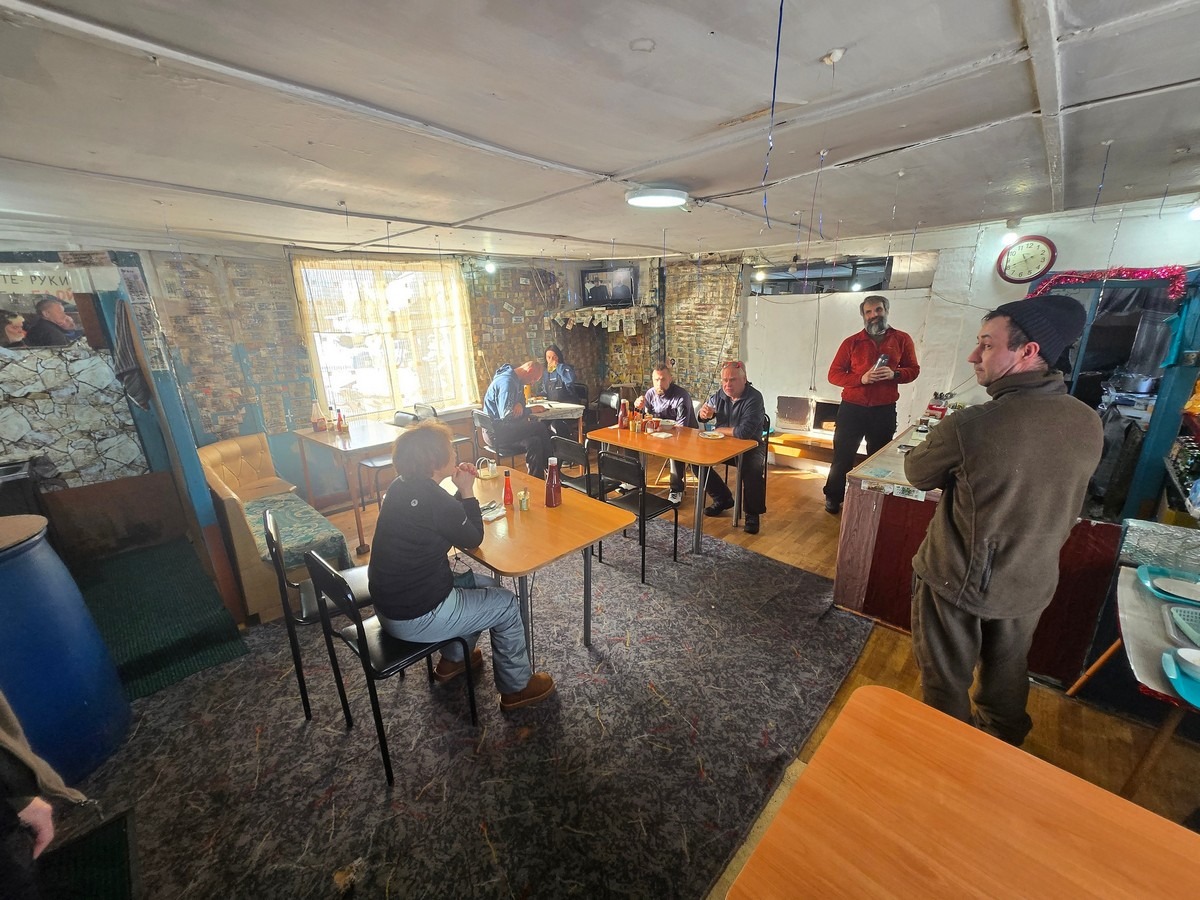
Here’s another similar spot:
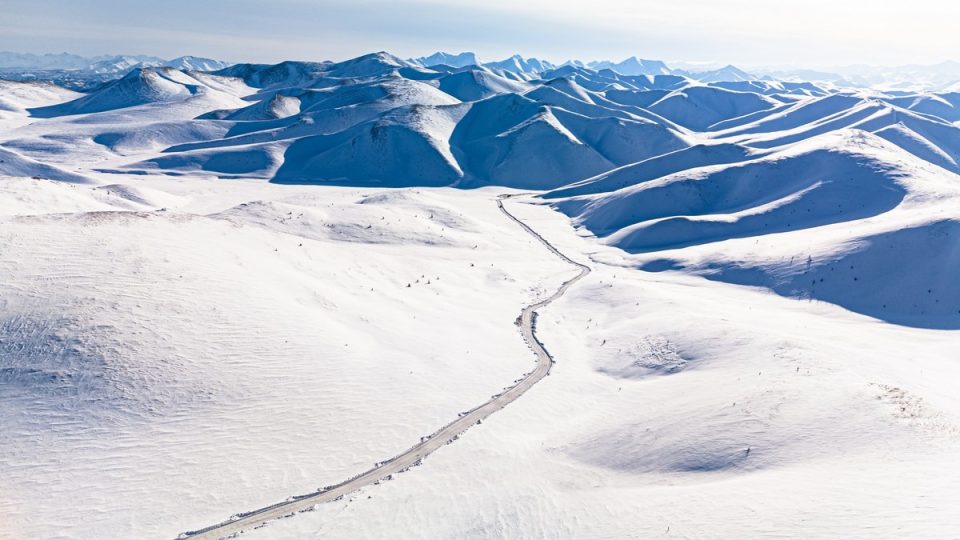
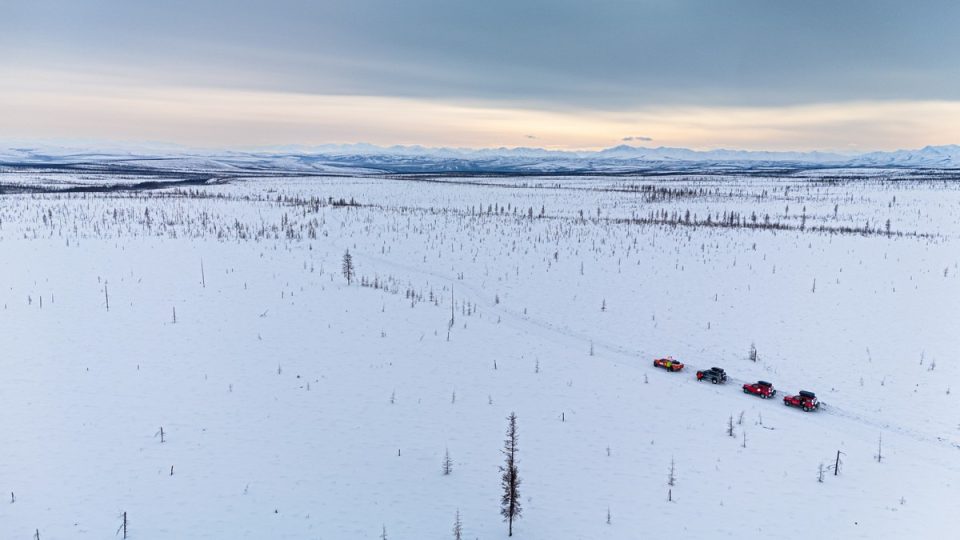
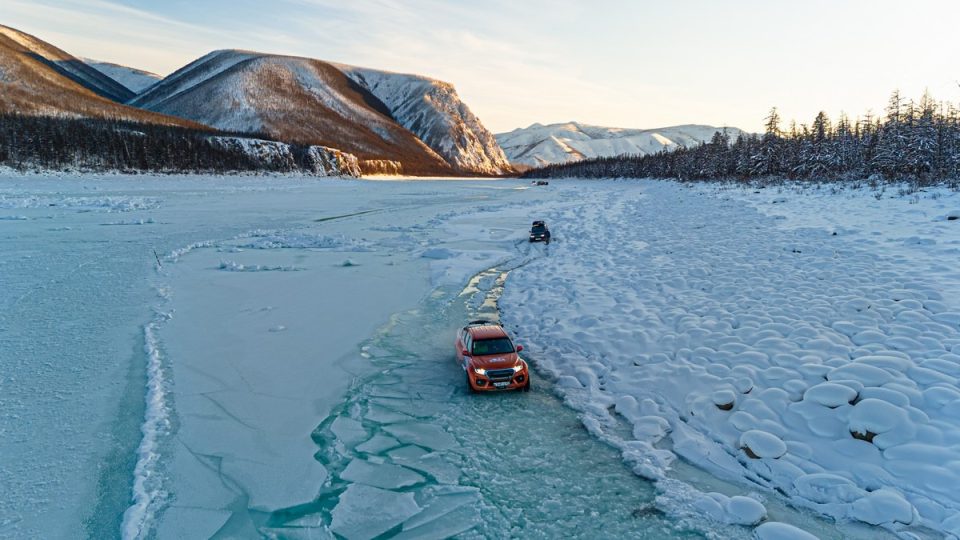
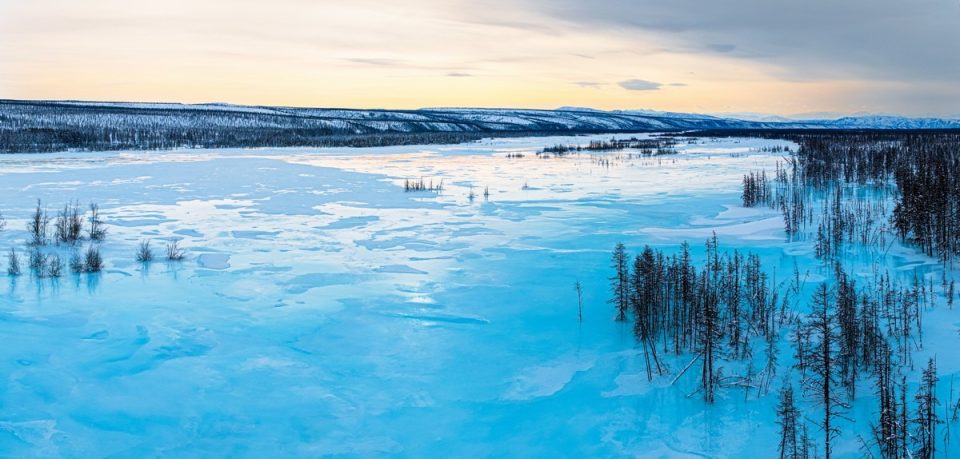
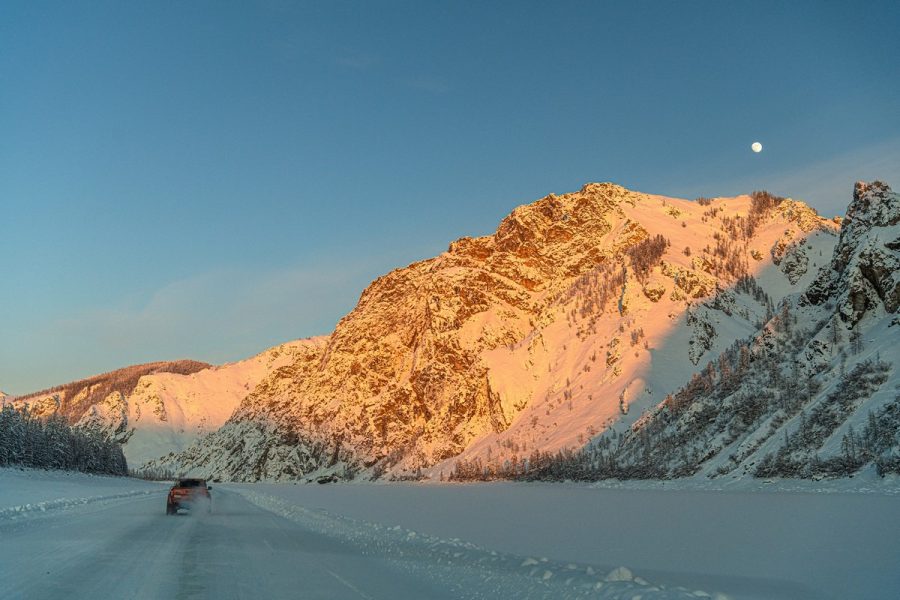
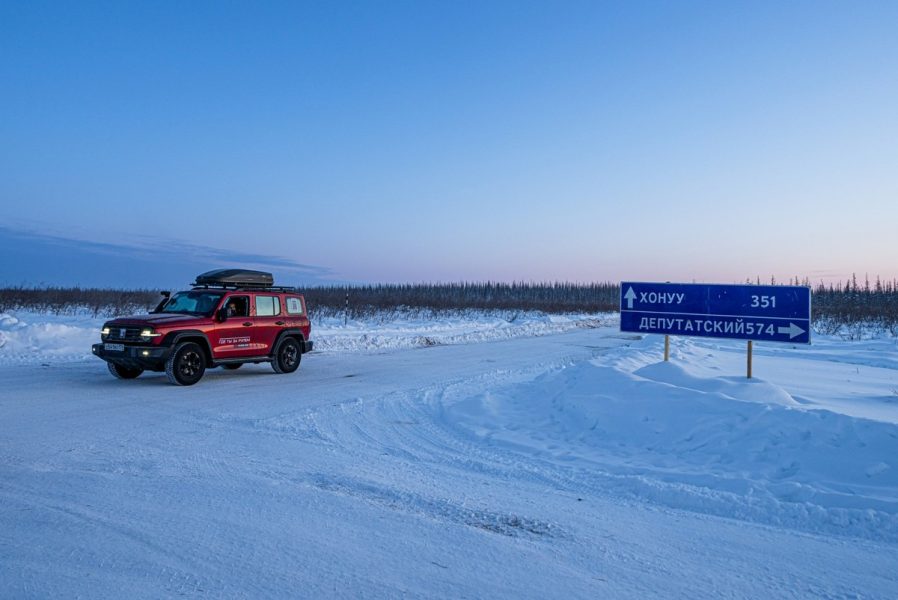
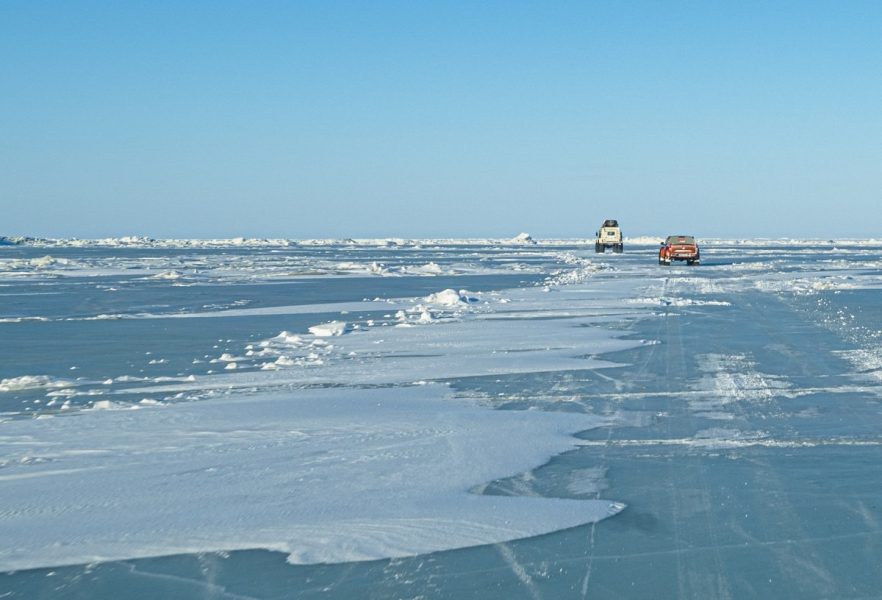
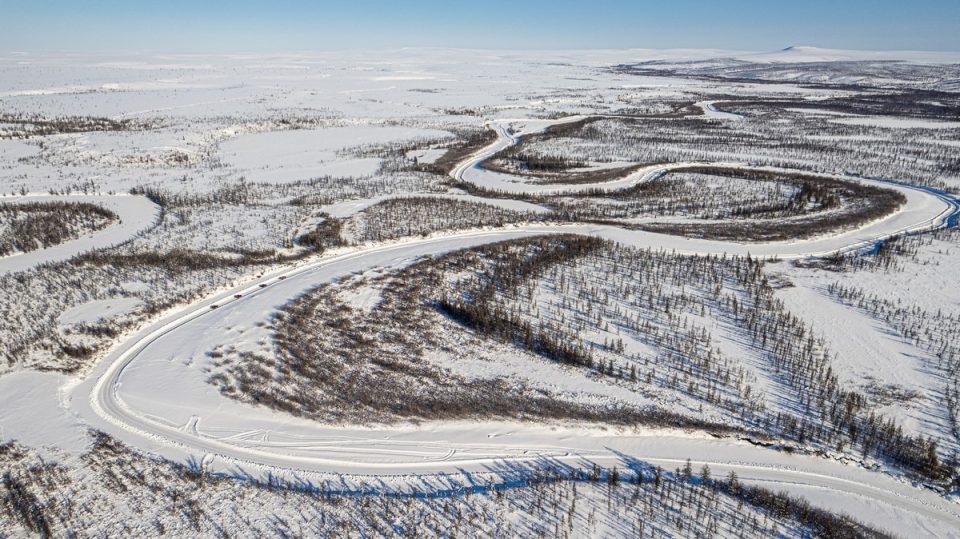
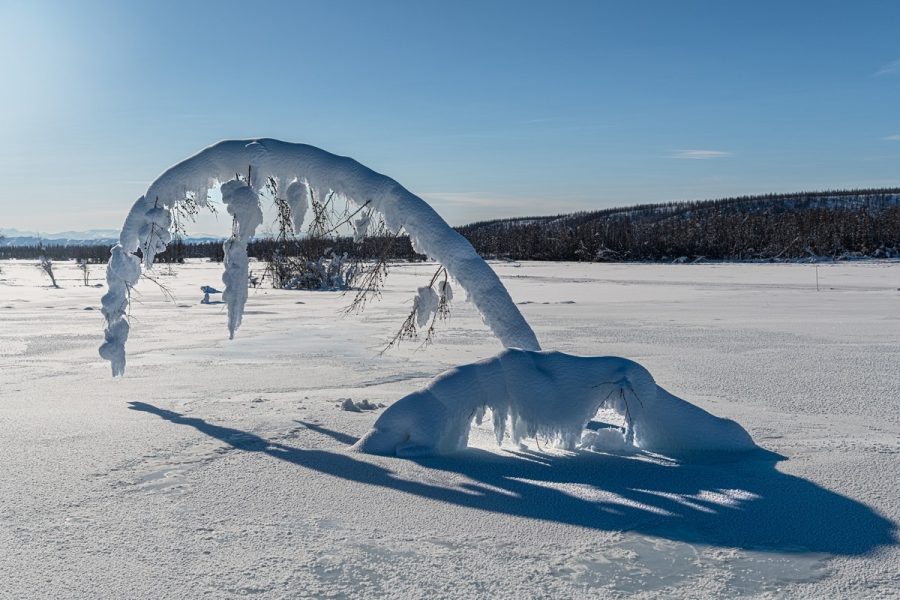
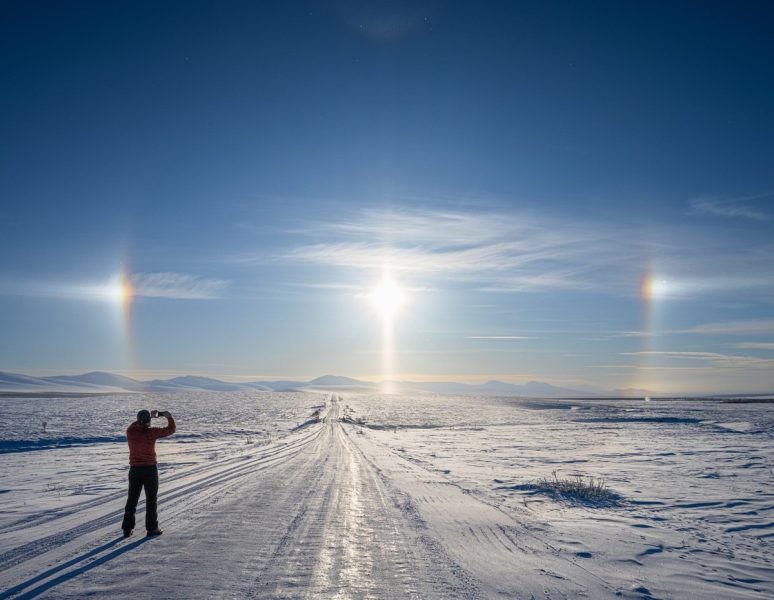
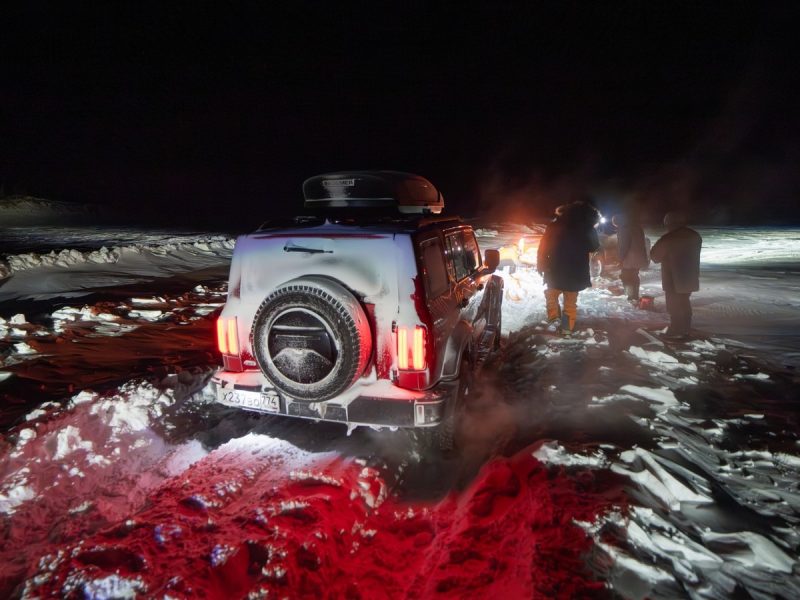
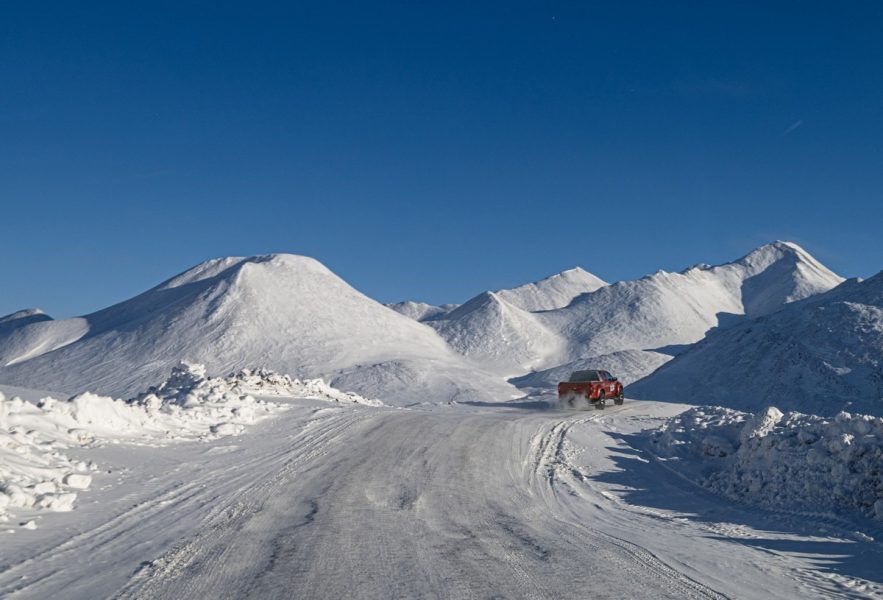
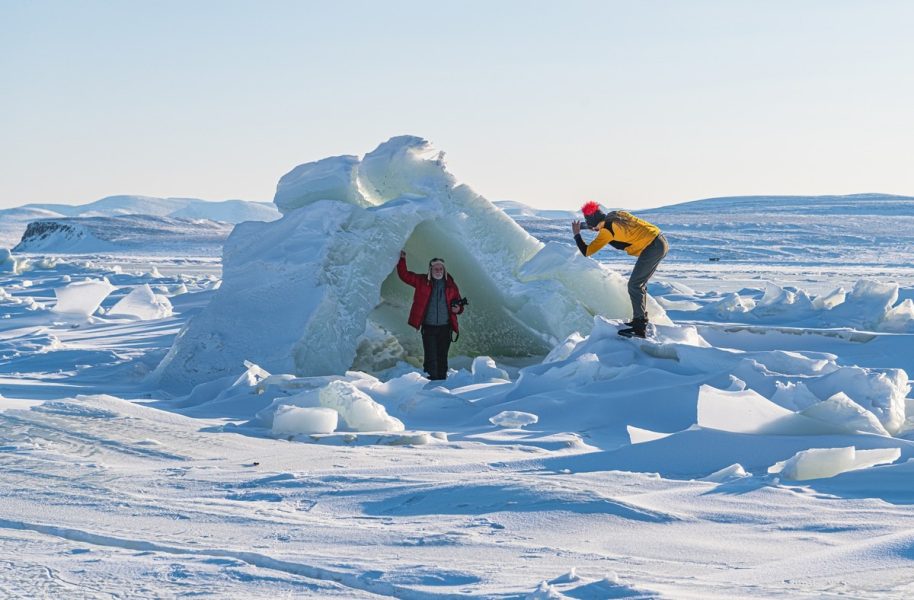
In closing, a few more nice shots from our latest road-trip:
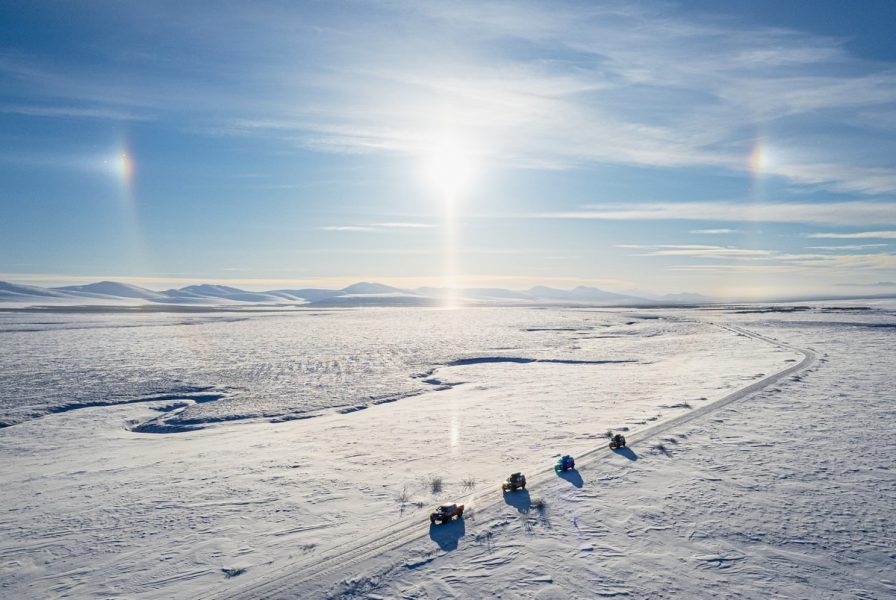
I’m feeling nostalgic already. Here are a few photos from the Tiksi trip I mentioned (also featuring thousands of kilometers of winter roads) ->
That’s all for now, folks. Plenty more to come!…
Hi-res pics from our Irkutsk–Yakutsk–Magadan–Yakutsk road trip are here.

