
January 22, 2026
The top Brazilian tourist destination that’s not Rio.
Brazil is a huge country that, just like Russia, actually stretches across two hemispheres. The difference is that while Brazil sits across both the Northern and Southern Hemispheres, Russia straddles the Eastern and Western ones.
But perhaps what sets Russia apart from Brazil the most is that Russia’s territories mostly lie on permafrost. Brazil is all about tropics and humid subtropics – perfectly suitable for street carnivals with scantily-clad crowds…
Sure – there are differences; where aren’t there any? But we’re also more or less similar. Let’s take a look:
Size: Brazil = eight million km²; Russia = 17 million km² (but permafrost is more than half of that).
Population: though 10–15 years ago the two countries were roughly equal, today – Brazil = 212 million; Russia = 144 million.
Now, for geography and populations, Wikipedia will do for me. But when it comes to economies, I trust – believe it or not – CIA data more!
Here, for example, are the top 10 economies in the world in terms of GDP at purchasing power parity (2024 data):

So, broadly speaking, we’ve more or less got parity (if you factor in handicaps). Excellent. But let’s concentrate on just Brazil now for the “what to see and do”, since I’ve told you plenty down the years about what’s to see and do in Russia…
So what does Brazil have that’s worth seeing, wandering around, and generally being a tourist for? Quite a lot, actually. The main things are:
- The Amazon rainforest (haven’t been yet, but I’m planning to (after getting my yellow fever shot))
- Rio de Janeiro! – “Oh Rio, Rio…”. Been many times – and was always careful.
- The city of Foz do Iguaçu – to me, the most gorgeous tourist spot; at least – that’s what my experience keeps confirming to me. A quick crash course: it’s a little slice of the Brazilian state of Paraná on the border with Argentina and Paraguay, with huge hydro-electric, hydro-recreational, and also hydro-meditative-sightseeing potential, because it’s right next to Iguazu Falls and one of the largest hydroelectric power plants in the world.
Today I want to talk about the latter of the above three. Why? Simply because we were in Rio not long ago (in May of last year) for a partner conference, which I reported on in quite some detail. And since I can’t report on the Amazon since I haven’t been, like I say, today it’s Foz do Iguaçu…
First though – and you won’t believe it: I’m here for the fourth (!) time.
Here are my stories about this place from 2017:
– The Itaipu Hydroelectric Power Plant;
– Iguazu Falls from the Brazilian side;
– Iguazu Falls from the Argentine side.
…And before that I was here in both 2006 and 2010 (pre-blog days).
So, Iguazu Falls are one of the two coolest waterfall complexes on our planet. The only real competing complex is that of the no-less-mind-blowing Victoria Falls on the border of Zambia and Zimbabwe. There are also the Niagara Falls (I’ve only seen them from an airplane window, haven’t been in person), but they’re smaller. There’s also the kilometer-high Angel Falls in Venezuela… I dream of getting there.
So, Iguazu Falls. Here they are:
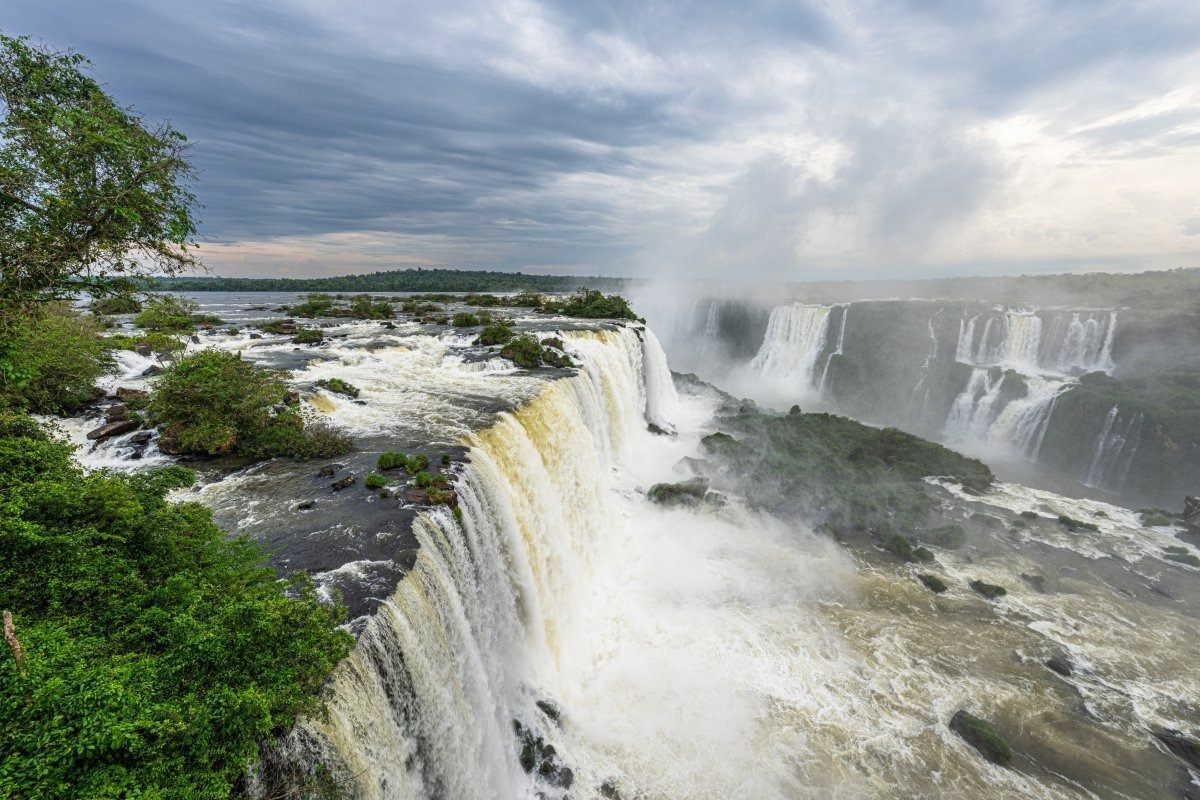
More falls than you can shake a stick at:
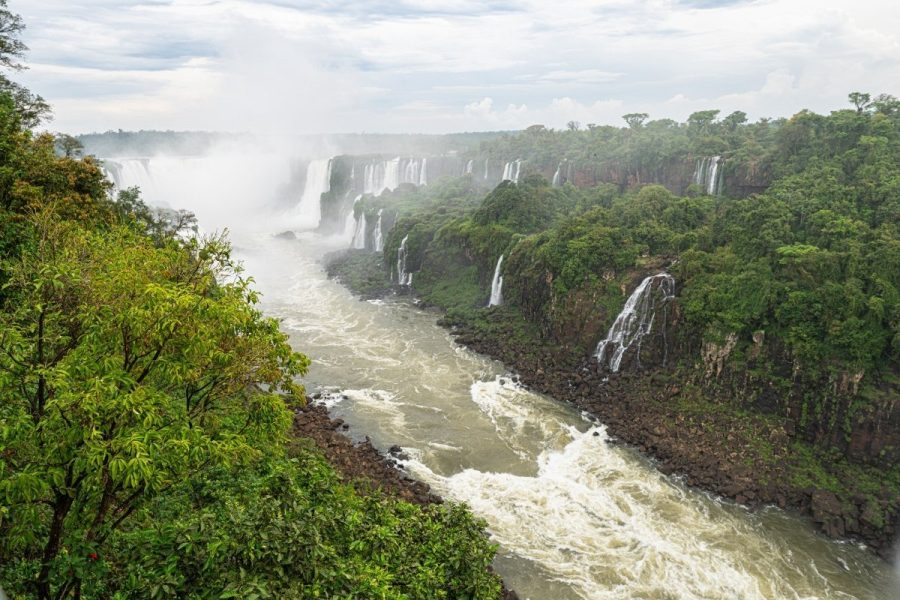
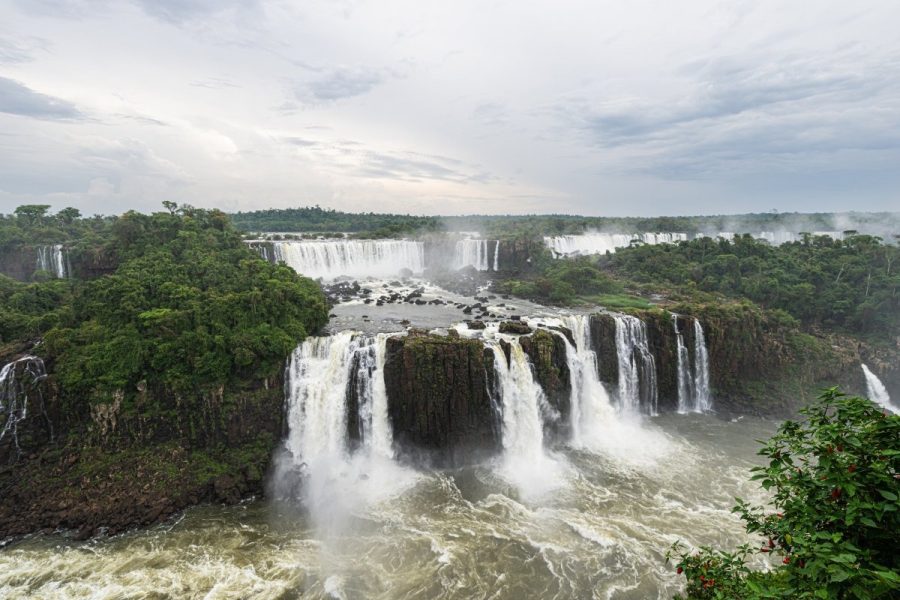
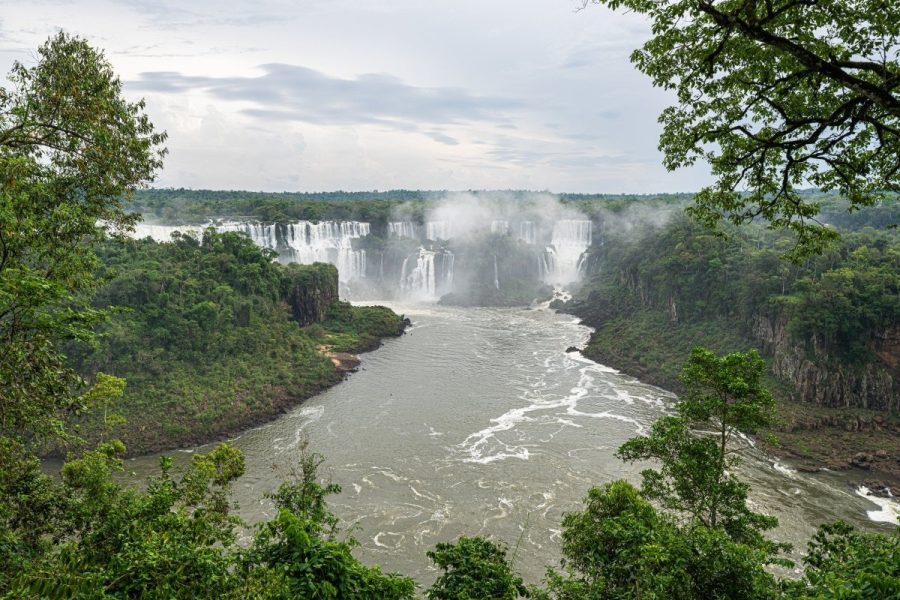
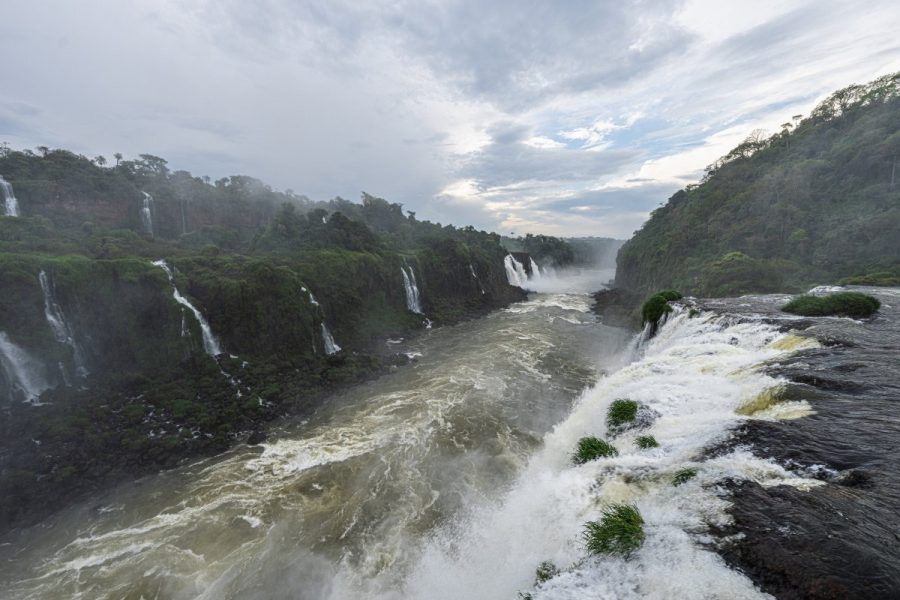
You can walk right up close to the top edges: yikes! ->
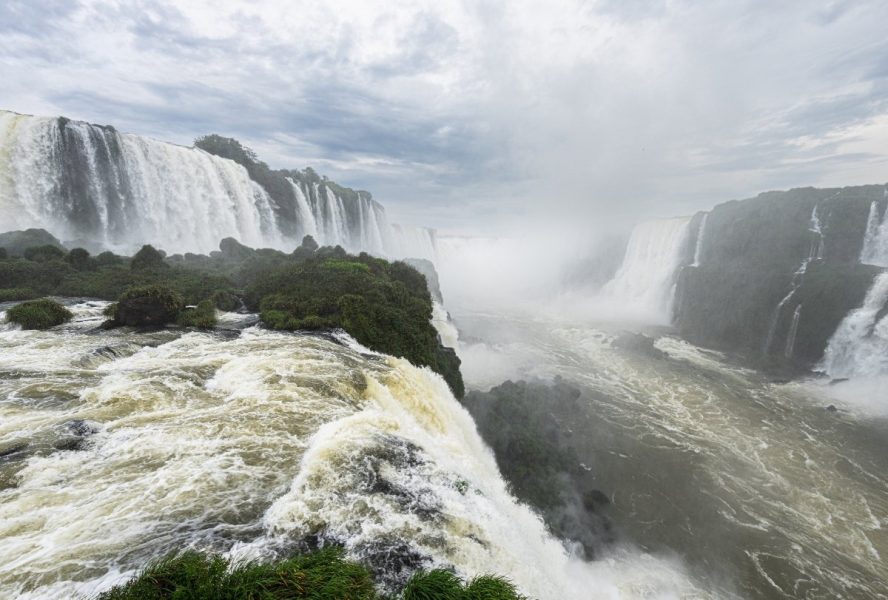

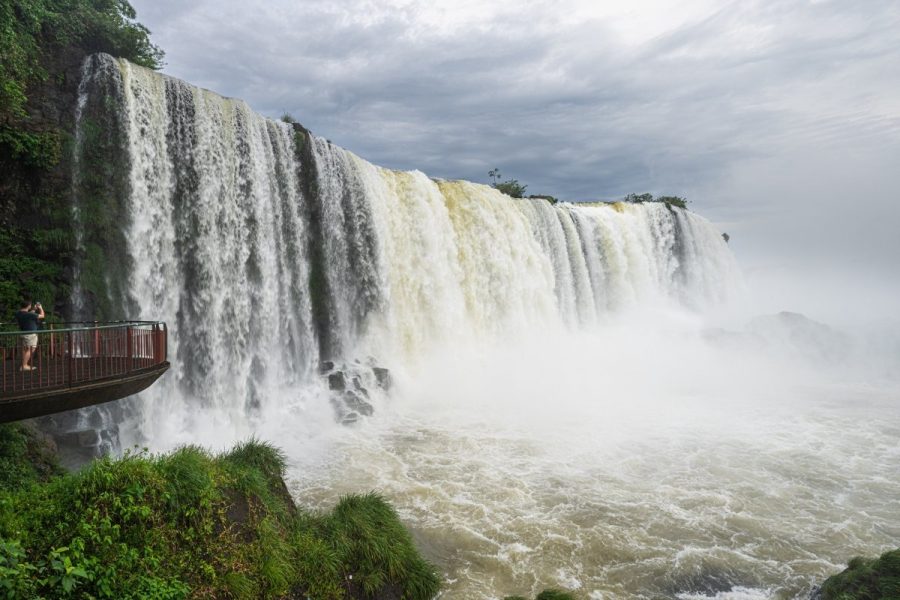
(i) Fire burning, (ii) the stars in the sky, and (iii) ->
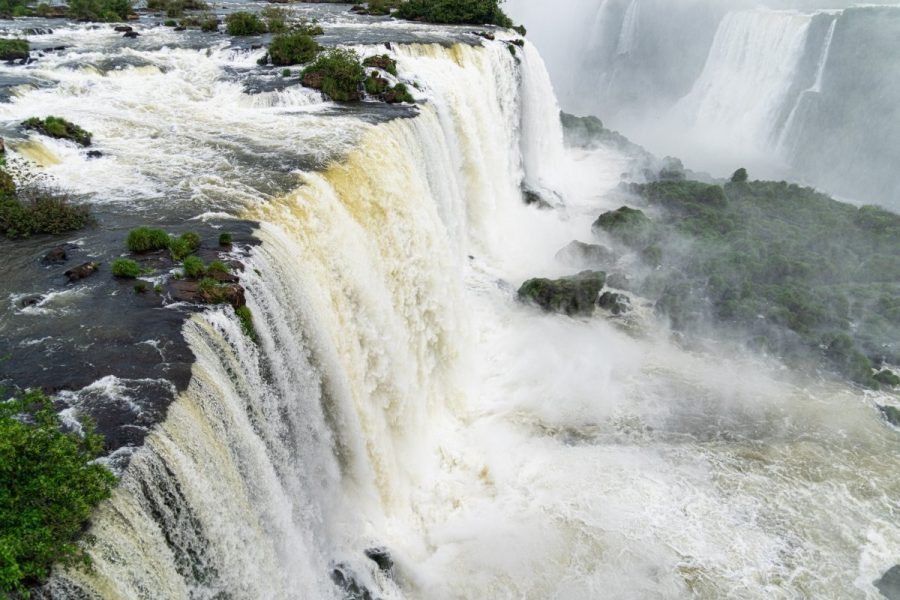
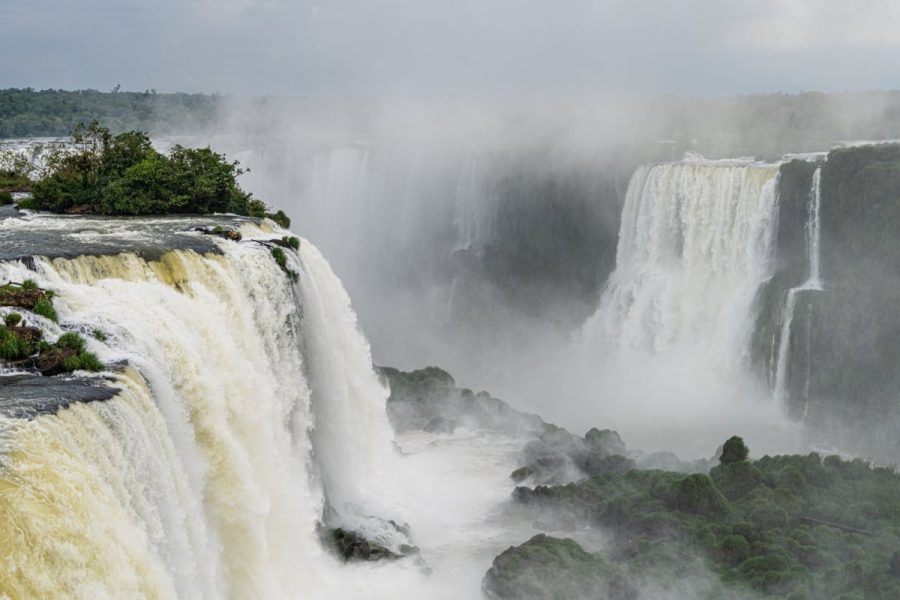
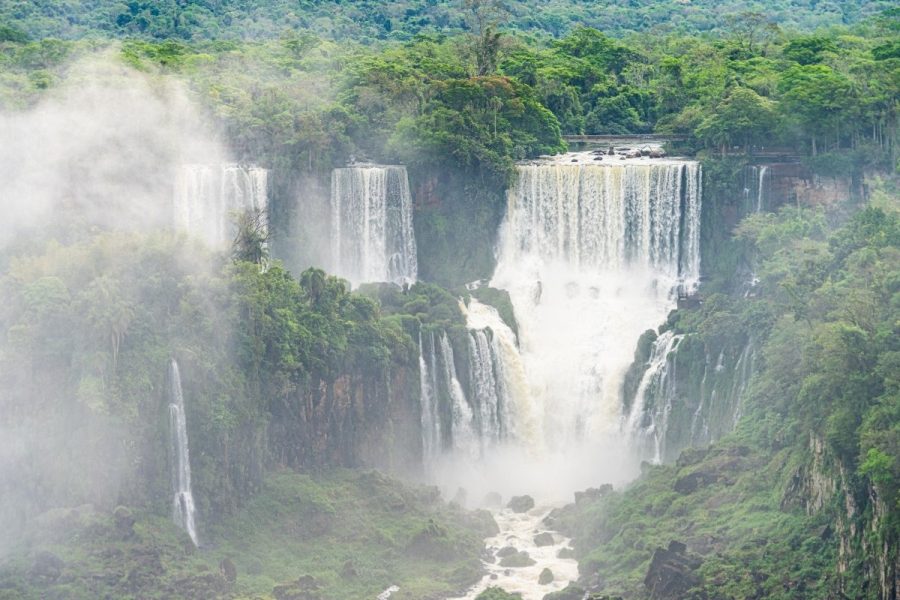
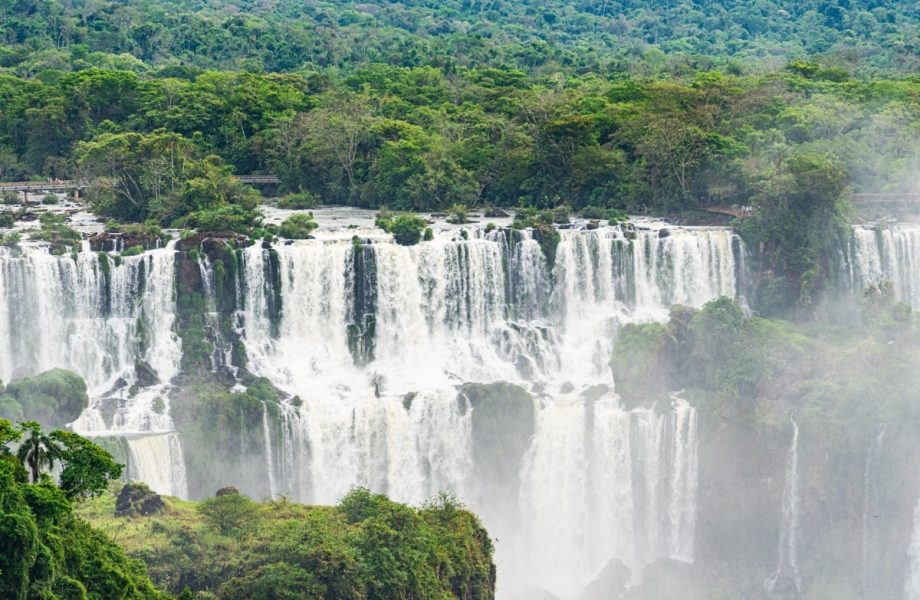
A fantastic spectacle ->
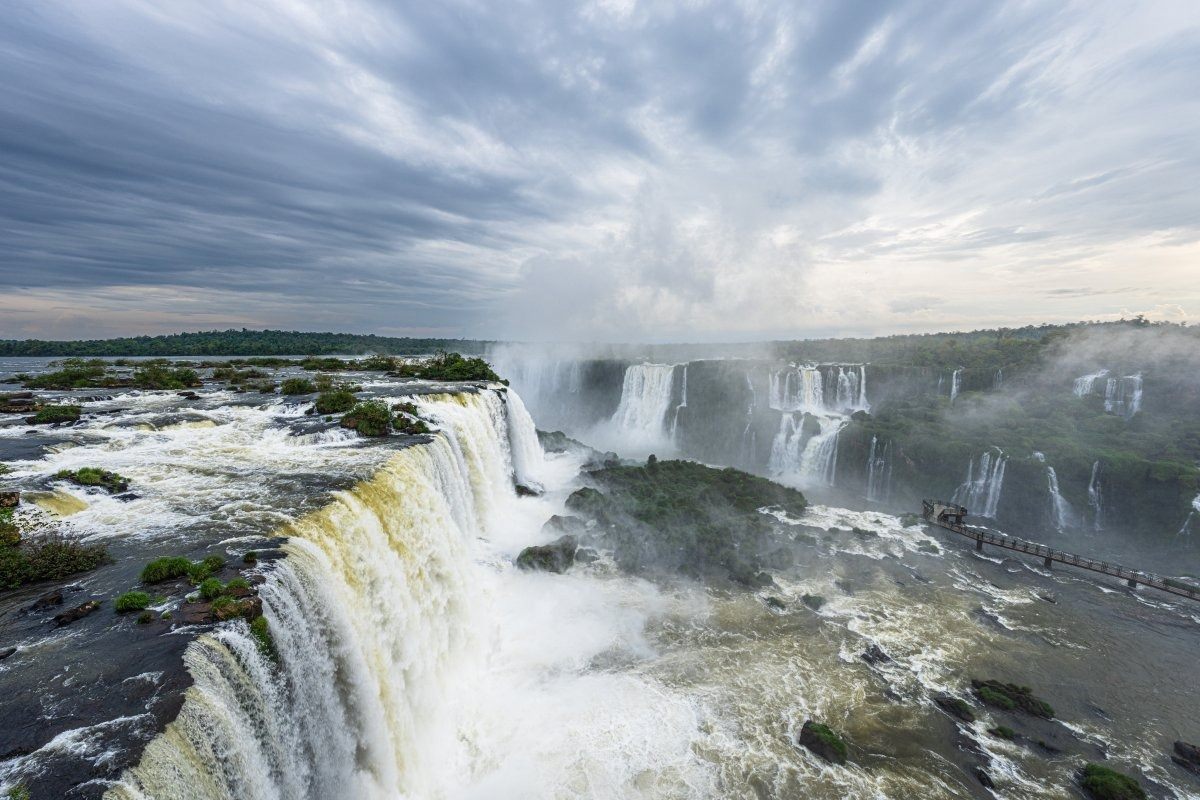
Then you start looking at the details – how the water flows, how it tumbles into the rocky abyss…
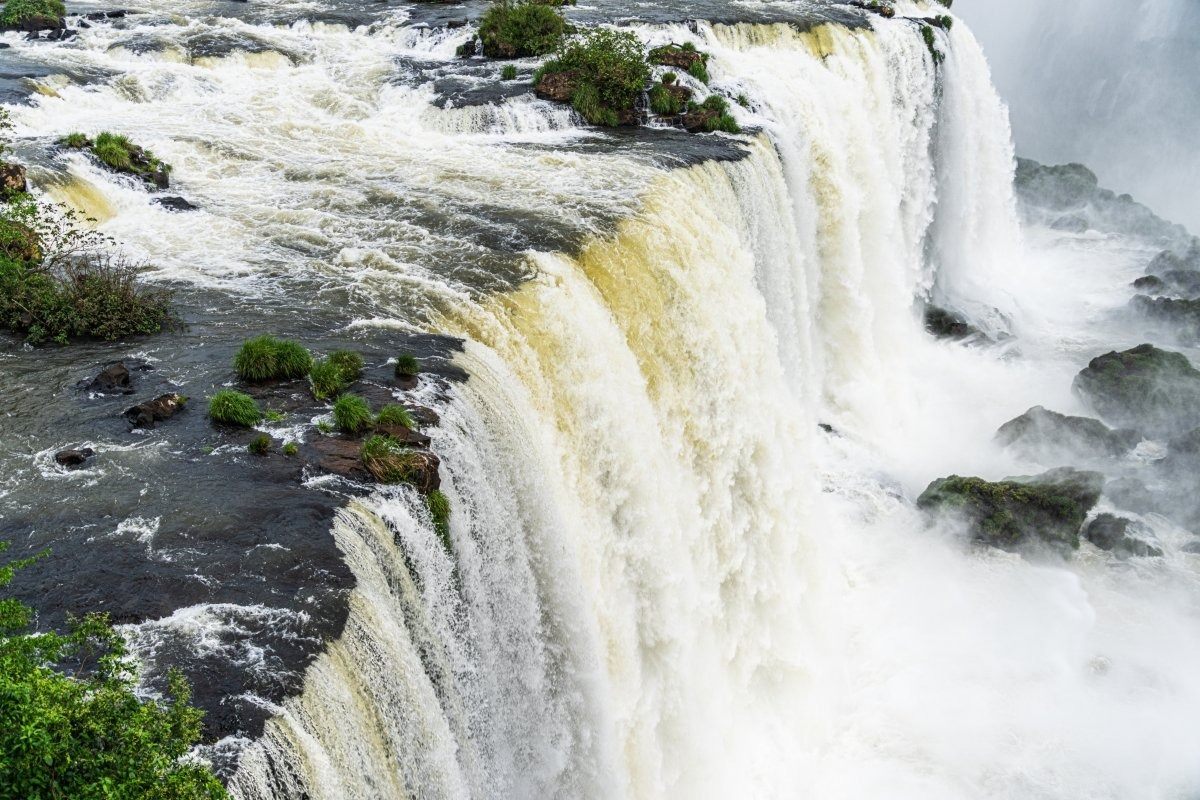
Hydro-hypnosis!

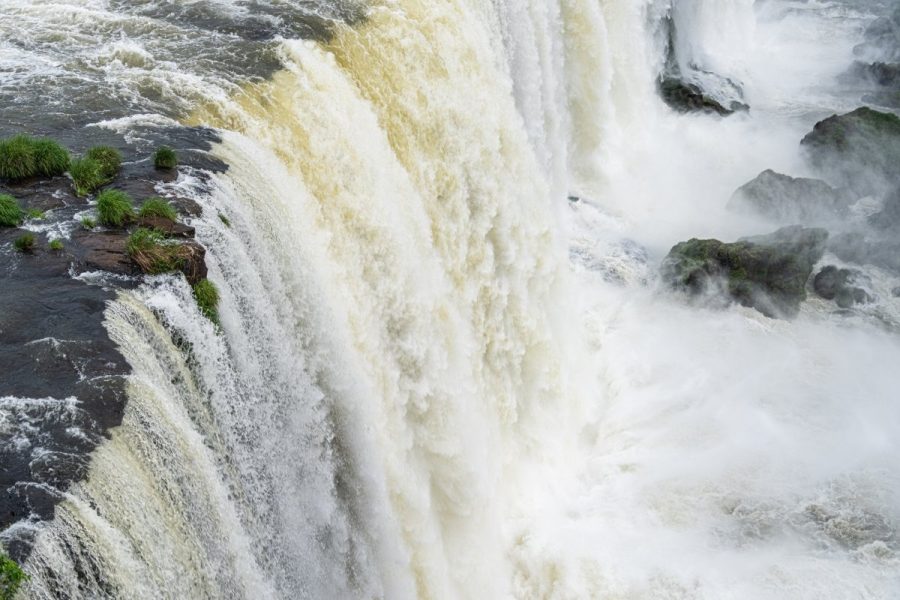
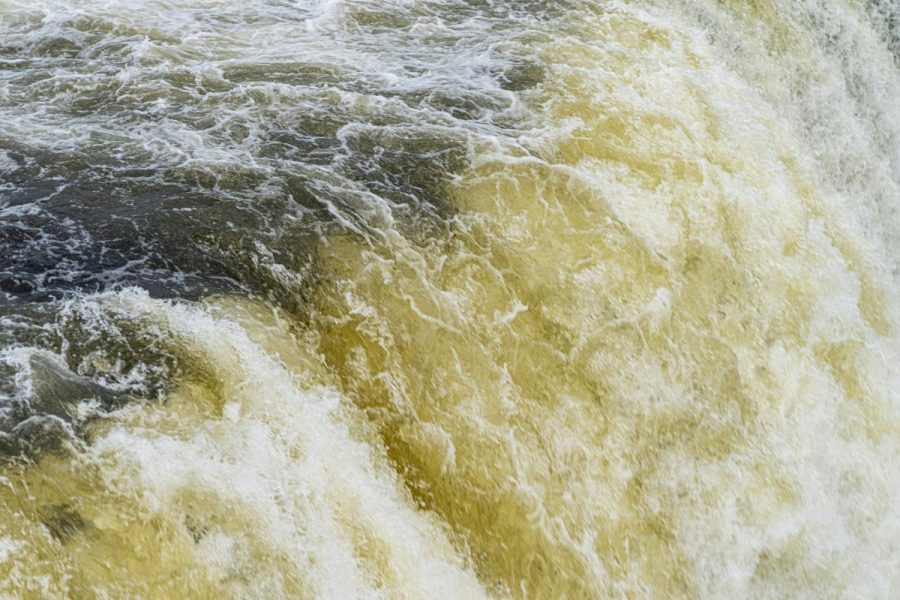
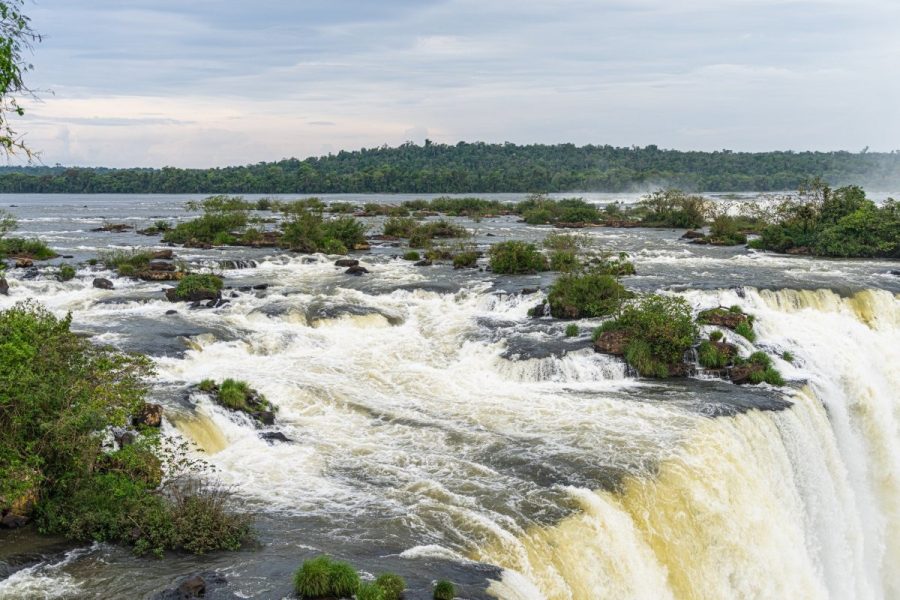
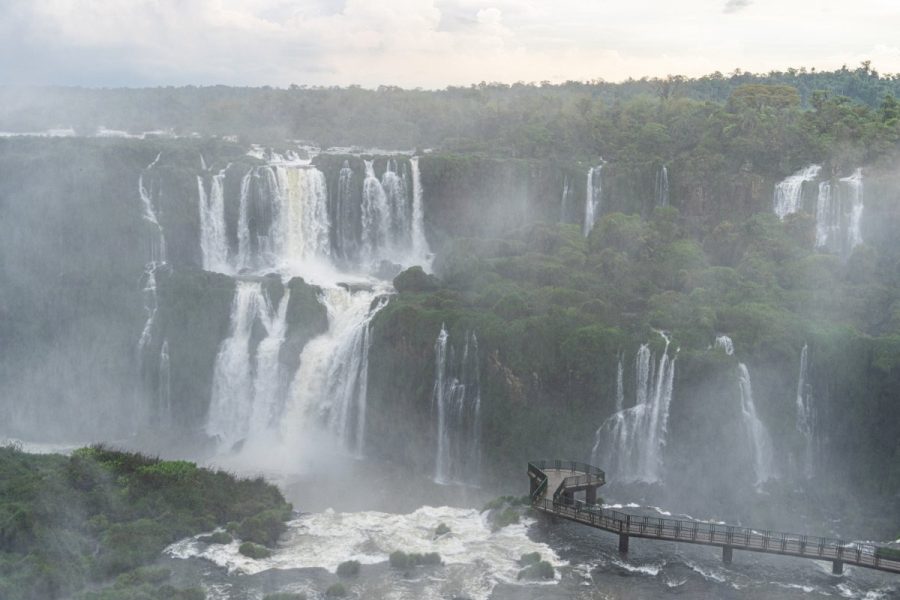
By the way, did you notice that in the previous photo there isn’t a single person on the prime viewing platform? That just doesn’t happen, there are always crowds of tourists there…
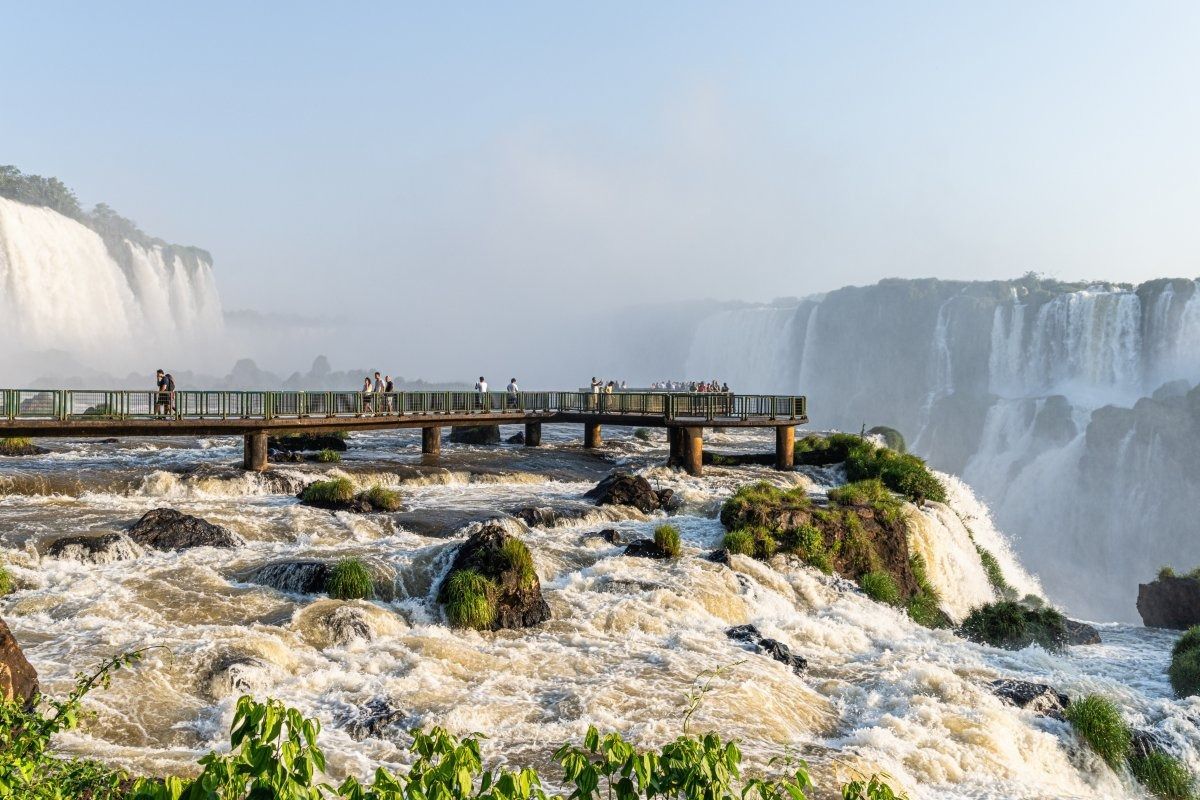
Why that happened – I’ll explain a bit later… For now – just photos:
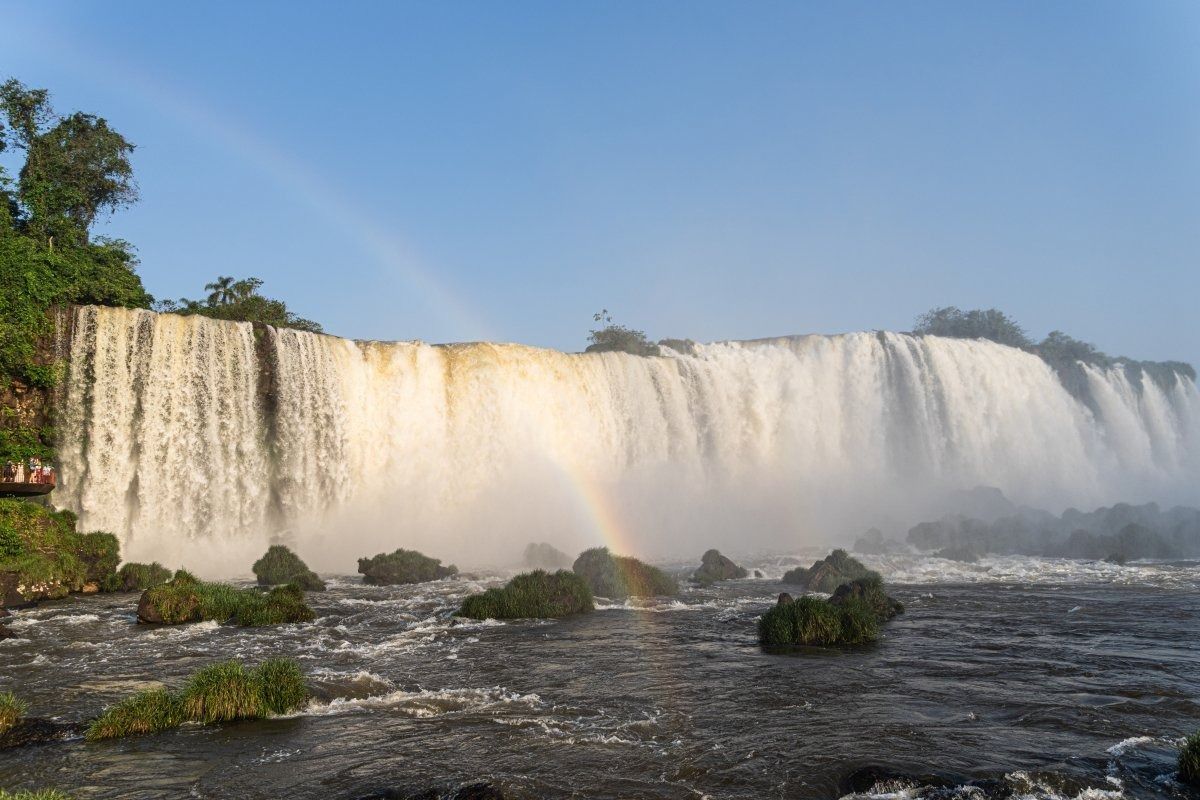
And again no one on the walkway…
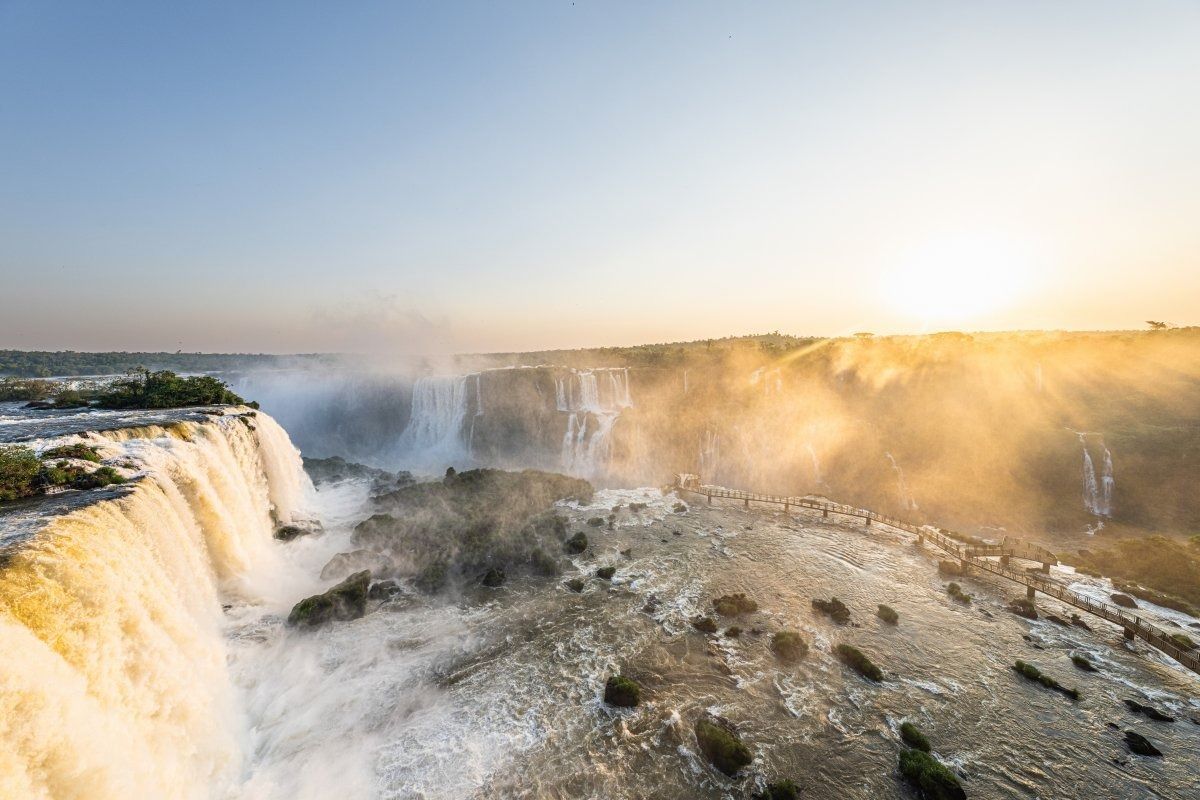
Now, let me turn from the natural structures on the Argentine border to the man-made ones on the Paraguayan side – namely, those of the Itaipu Dam and Hydroelectric Power Plant…
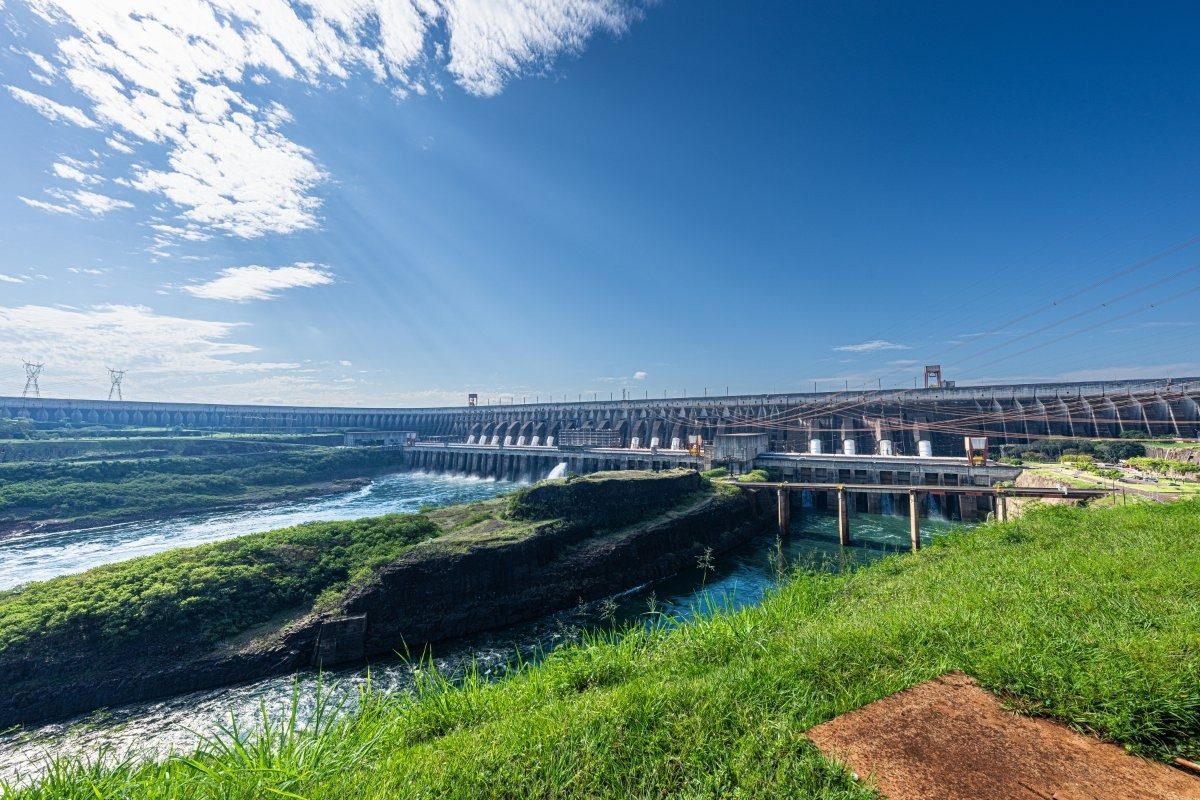
By the way, the entire dam is something like five kilometers long! ->
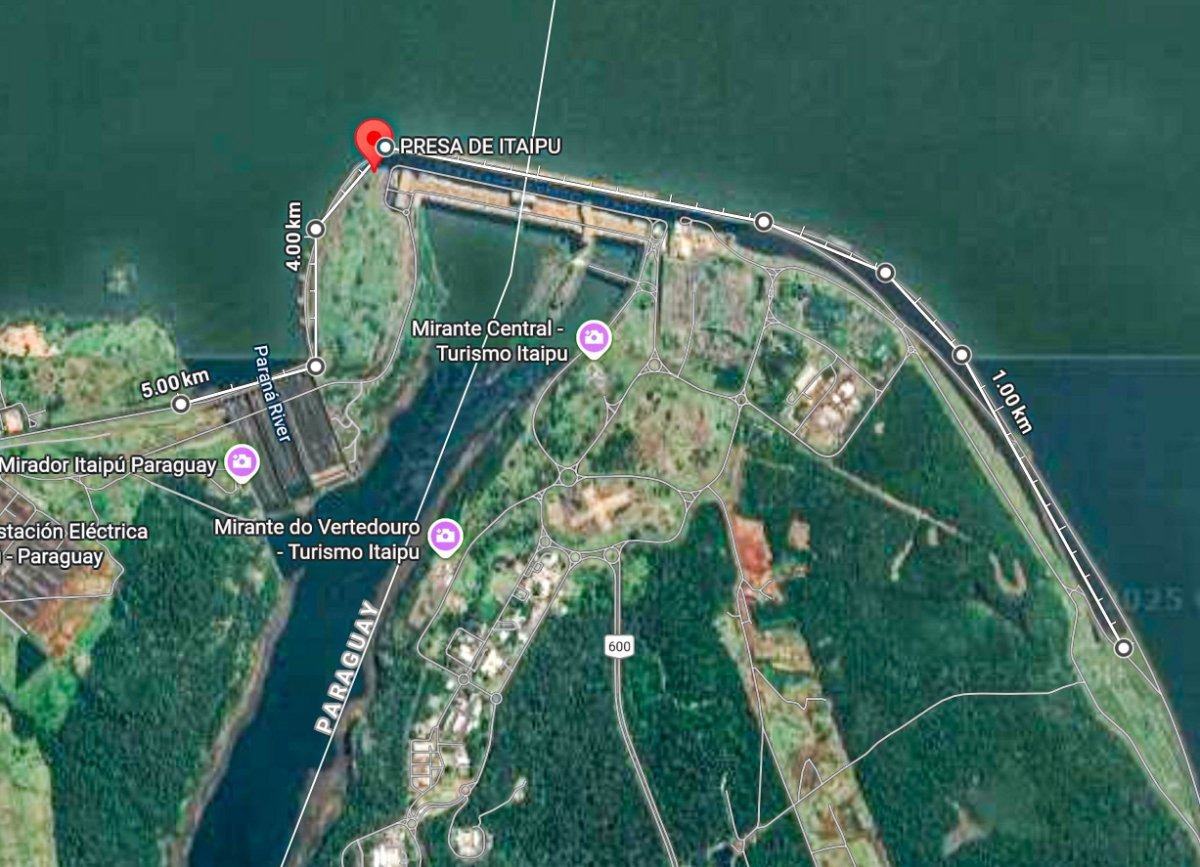
Ever since construction of this huge monster of a structure was completed it’s been feeding the economies of both Paraguay and Brazil in uninterrupted mode.
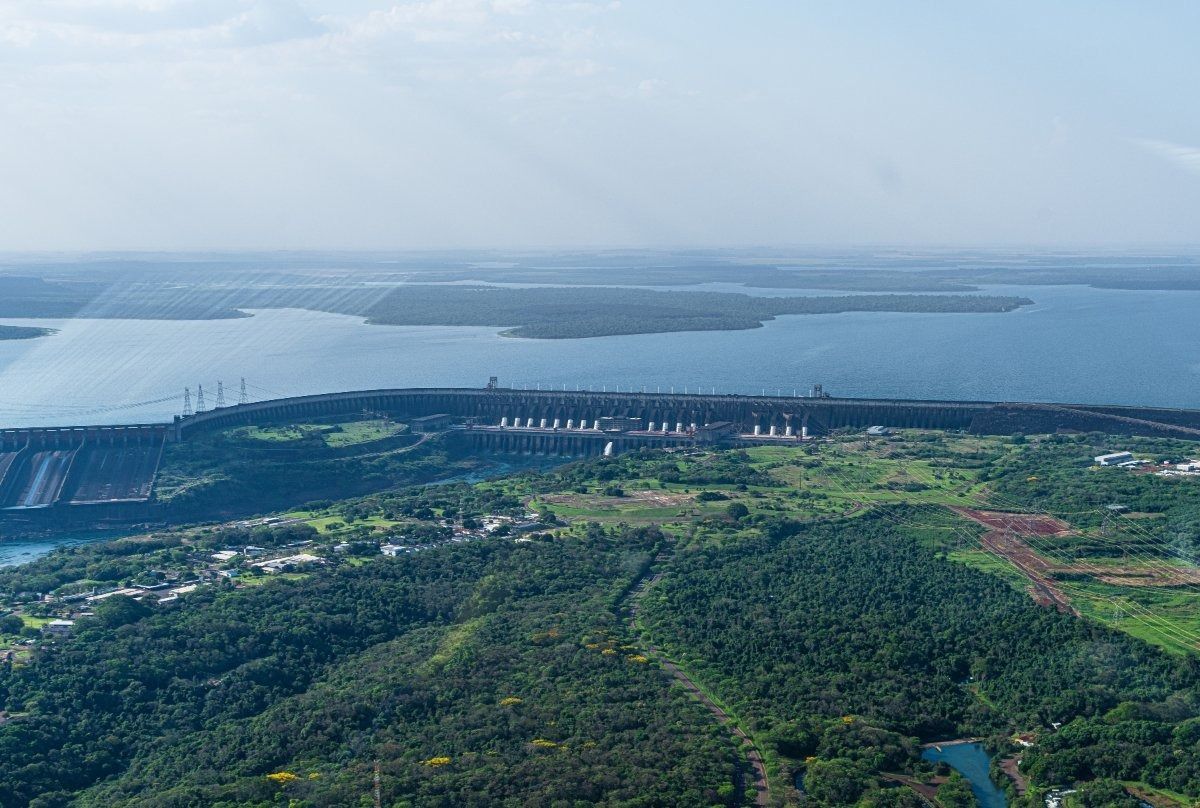
And now a bit closer:
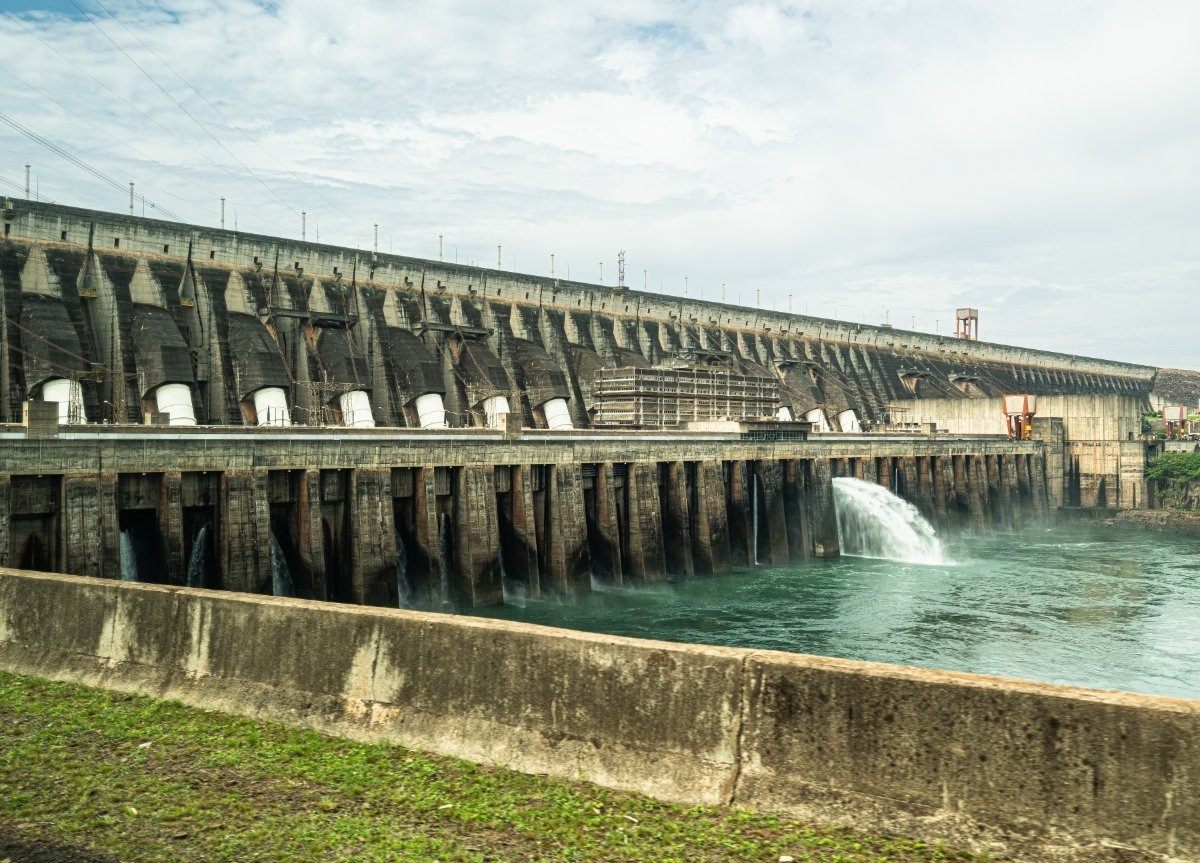
Closer still ->
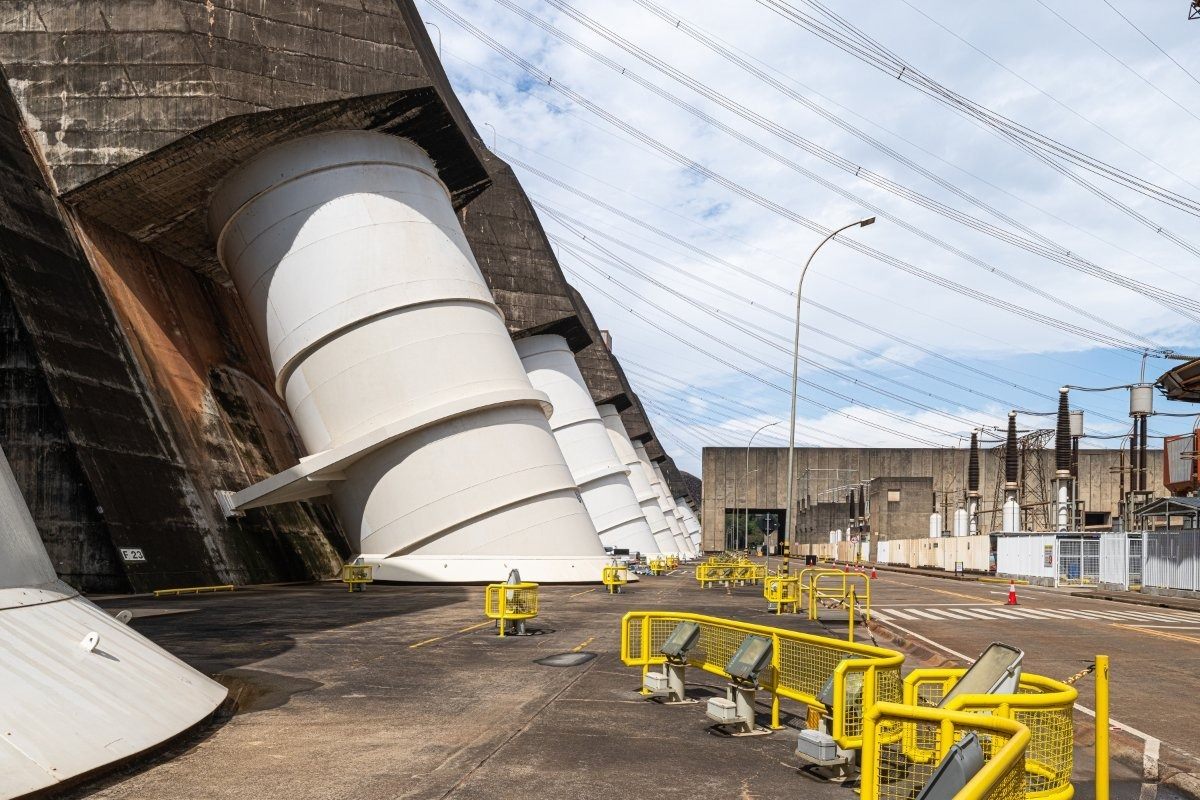
The scale of such structures is just astounding. Forget the Great Pyramid of Giza, the monoliths of Baalbek, or the moai statues of Easter Island. That was all in past epochs; these days projects on a much larger scale are created. It’s all about power, might – and Homo sapiens’ audacious ambition too, I’m sure…
Here we are on top of the dam – the highest point of the whole structure:
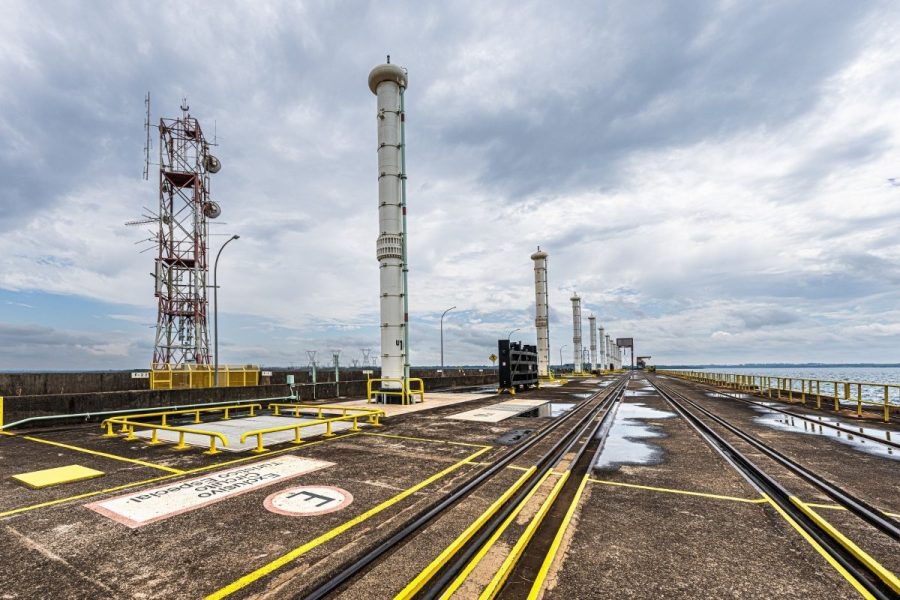
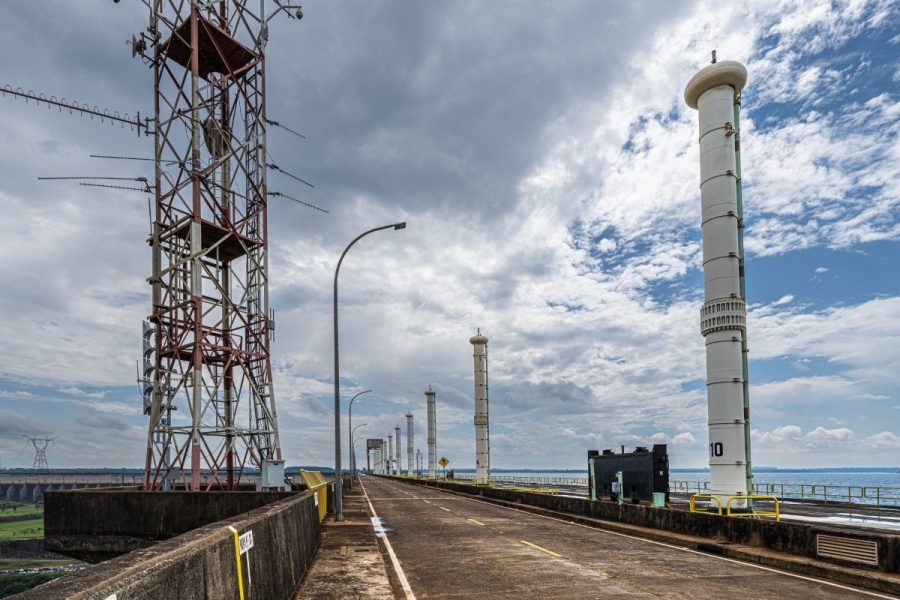
Down below – the turbine hall and other technical facilities. Impressive…
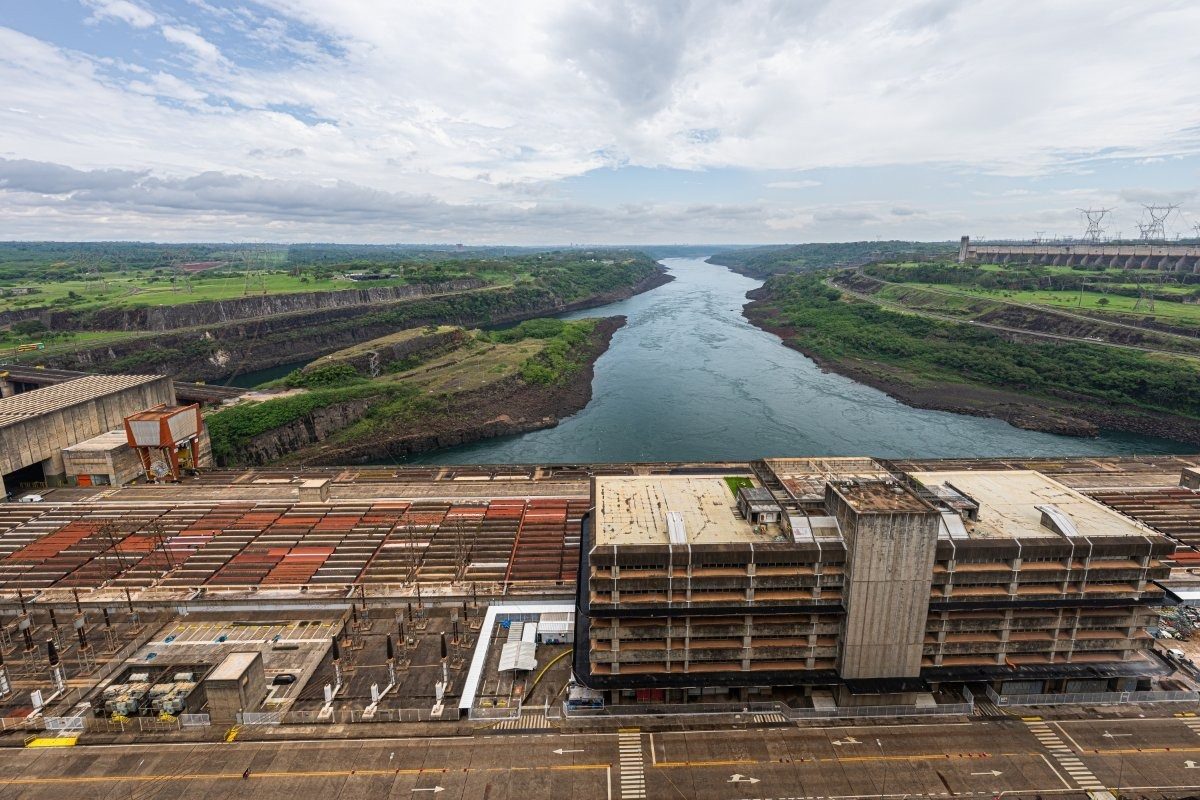
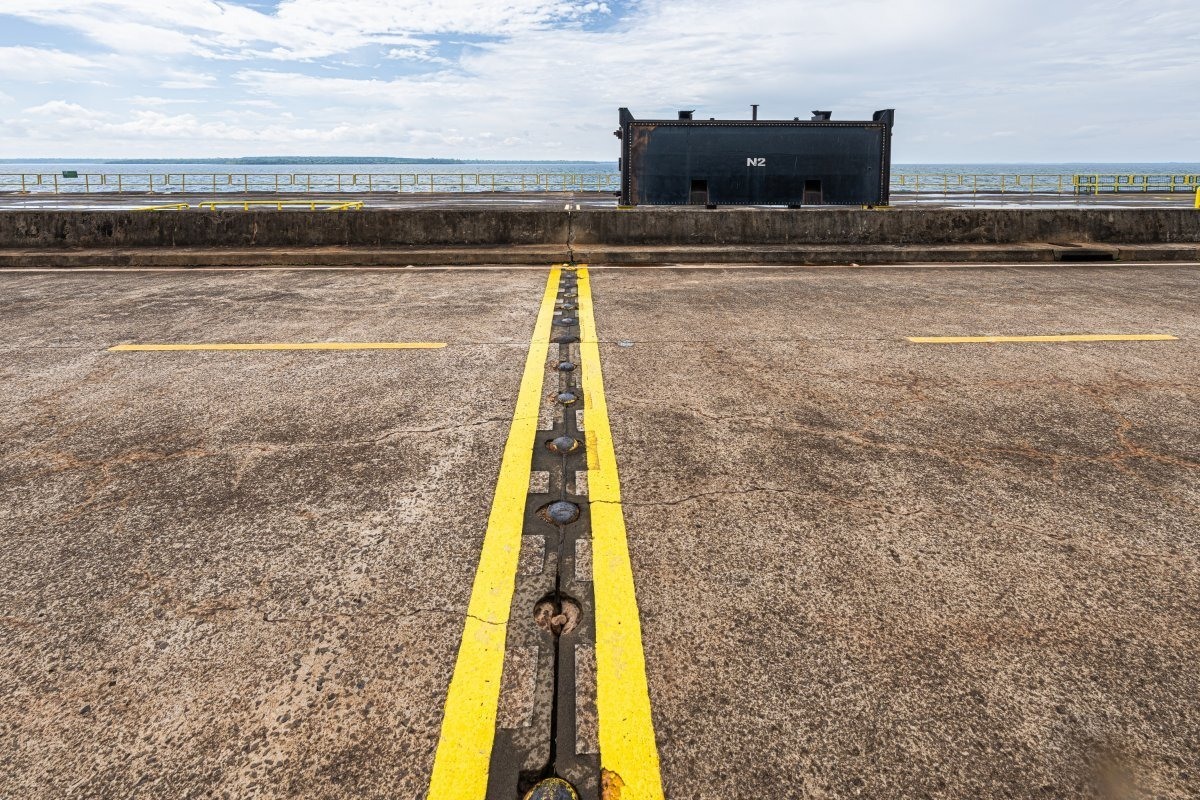
Those two yellow stripes: the border between Paraguay and Brazil ->
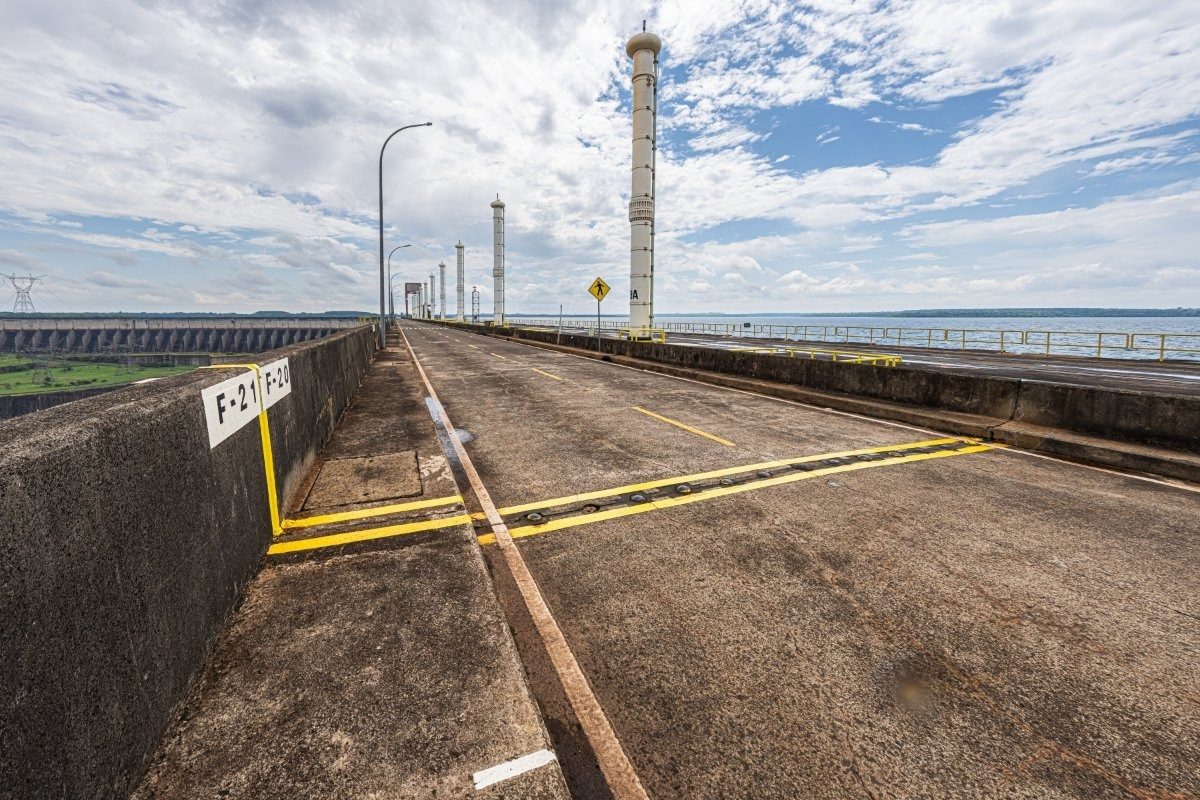
Here I am standing – one foot in Brazil, and the other in Paraguay ->

That’s what the border looks like on top of a huge hydroelectric structure.
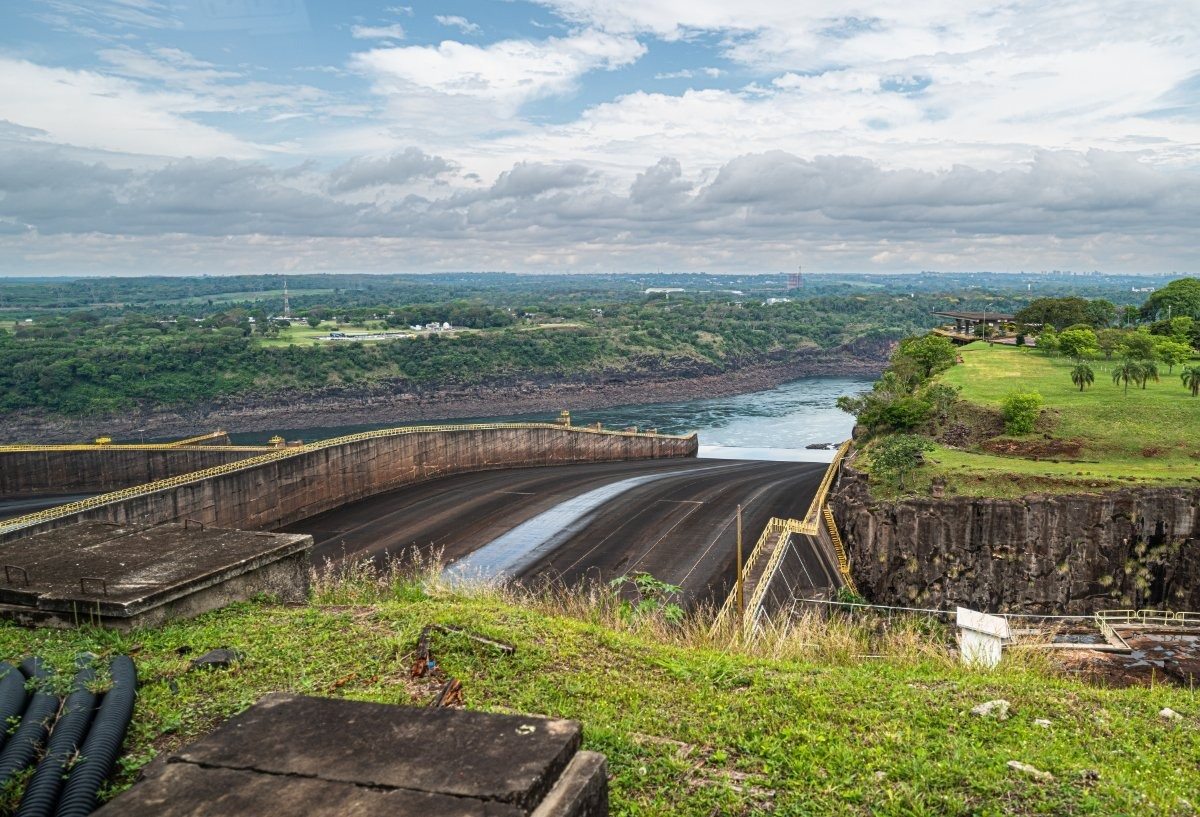
Sadly, this season the spillway’s dry. But when they need to “optimize” the water resource – it’s an absolutely stunning sight.
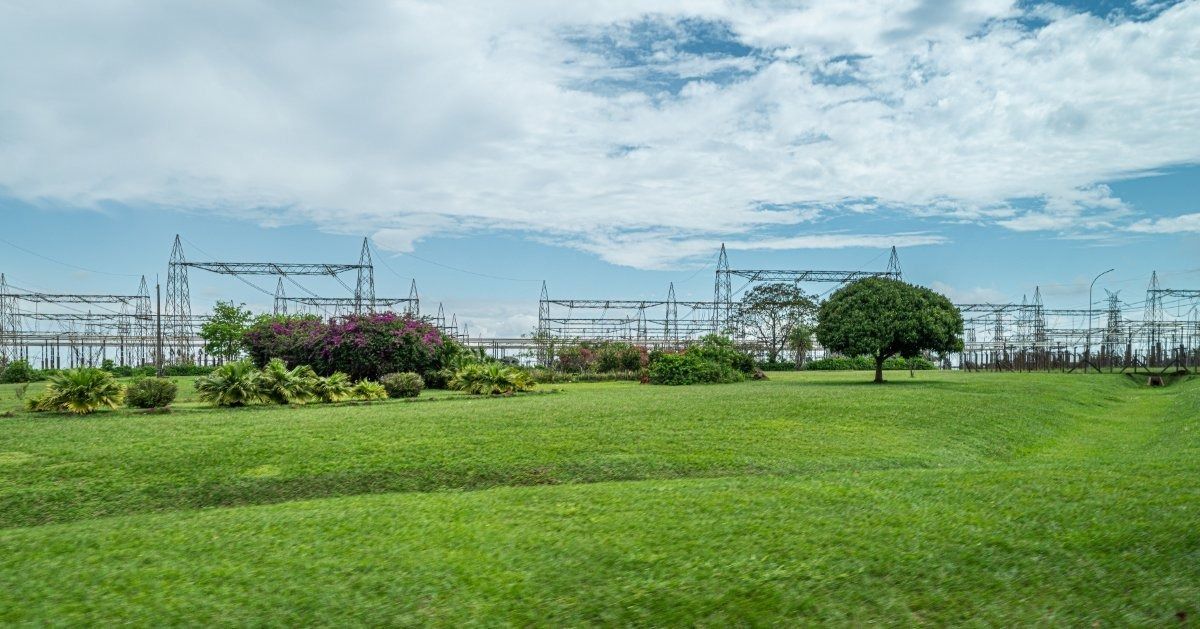
And just to round things off: vast fields of high-voltage lines carry fresh electricity to consumers in both Brazil and Paraguay.
Next we head inside the power plant…
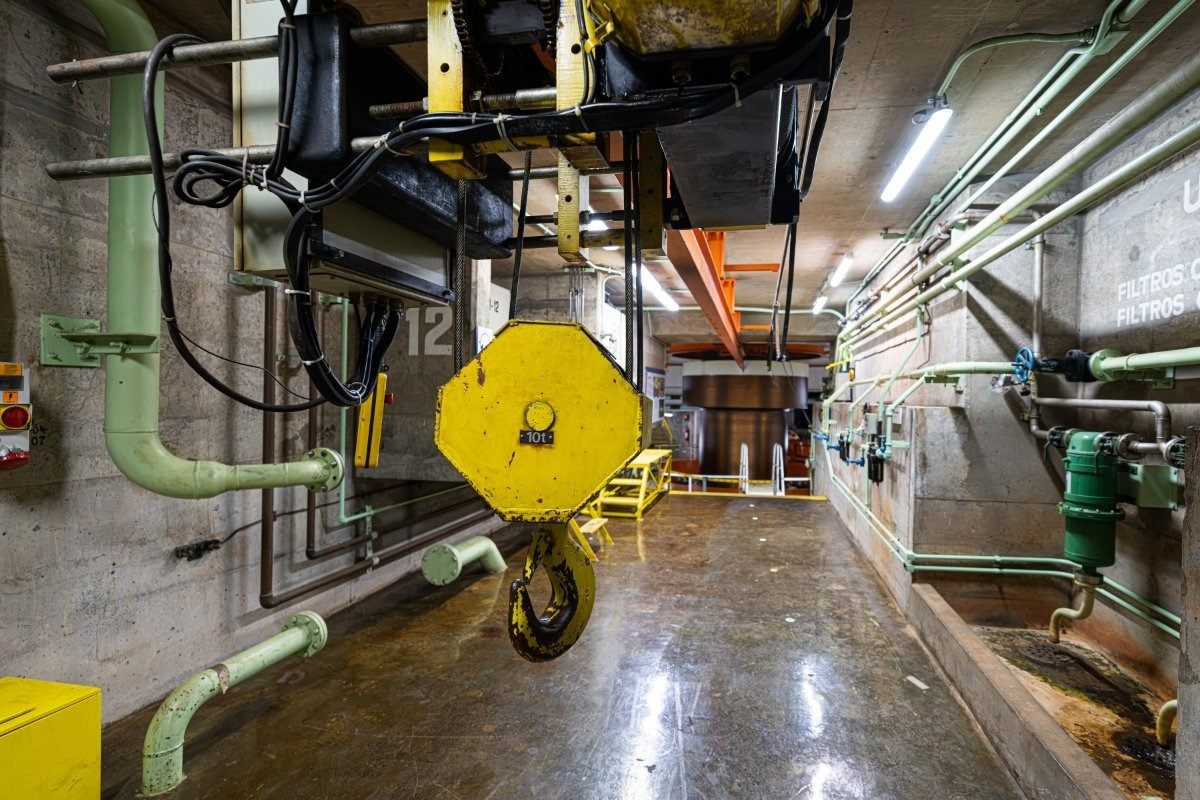
But more on that in the next episode…

